Steelhead Average Weight in New York’s Lake Ontario Tributaries
It's a question every angler who dreams of those chromer beauties out of Lake Ontario has on their mind: just how big do those steelhead really get when they run up our New York tributaries? The reality of their size, especially for first-time steelhead anglers, can sometimes feel elusive. This guide is here to cut through the speculation and give you a realistic picture of the average weight of steelhead you can expect to encounter in New York's famous Lake Ontario tributaries, like the Salmon River, Oswego River, and countless others.
What to Expect: The Average Weight Range of Steelhead in Lake Ontario Tributaries
When you're wading into the frigid waters of a Lake Ontario tributary, especially in the prime seasons of fall and spring, you're hoping for that tell-tale tug that signals a powerful steelhead on the other end. But what's the typical size of these incredible fish? Understanding the average weight can help you manage expectations, choose appropriate gear, and appreciate every fish you bring to hand.
The Typical Size: Numbers and Expectations
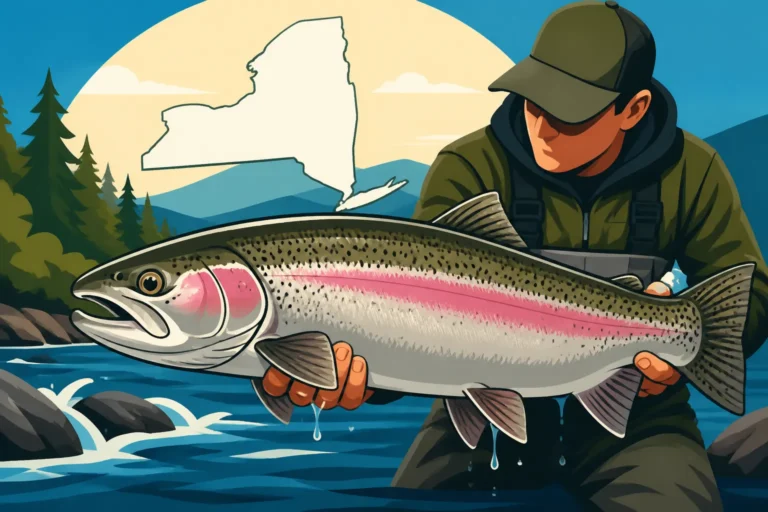
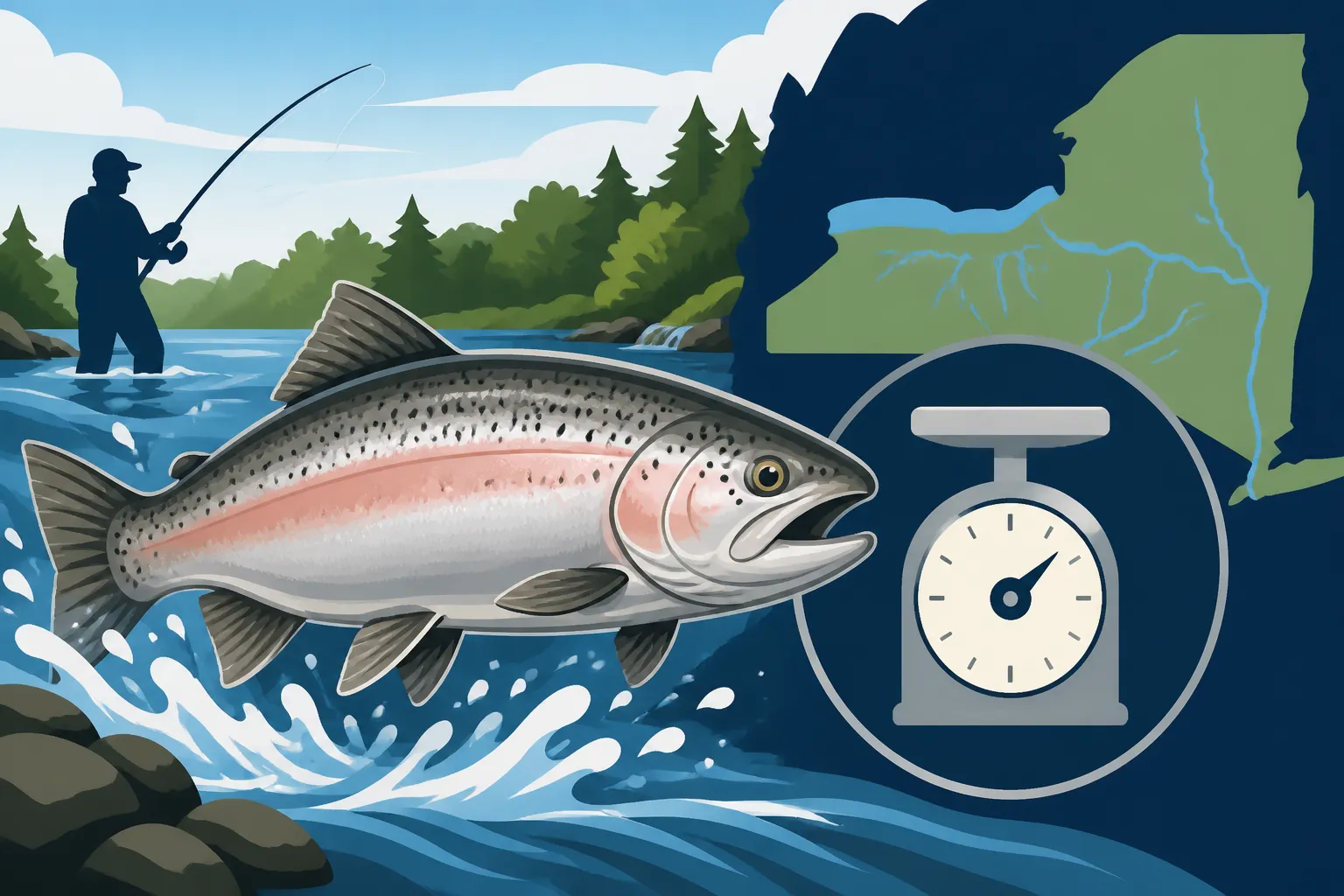
On average, steelhead returning to New York's Lake Ontario tributaries tend to fall into a respectable weight range, typically between 5 to 10 pounds. Now, don't get me wrong, that's not a small fish by any stretch! A 7-pound steelhead in swift current will put a serious bend in your rod and test your angling skills. These fish have spent anywhere from 2 to 4 years growing fat and strong in the nutrient-rich waters of Lake Ontario before making their journey upriver to spawn. The sheer power they exhibit, even at this "average" size, is truly something to behold, often leading to acrobatic jumps and long, drag-screaming runs.
It's important to remember that this is an average. Some rivers, or even certain sections of a river, might produce slightly larger or smaller fish on a more consistent basis due to local conditions or stocking programs. For instance, a tributary with particularly abundant forage for young steelhead or a strong return of wild-spawned fish might lean towards the higher end of that average. The fishing conditions on any given day, from water temperature to flow rate, can also impact how aggressive and accessible these fish are, but their average size remains quite consistent year after year.
Factors Influencing Average Weight: Age and Environment
Just like us, steelhead don't all grow at the same rate, and several factors play a significant role in determining their size. The primary factor is age. A steelhead's life cycle involves hatching in a tributary, spending a year or two there as a juvenile (called a parr), migrating out to Lake Ontario, and then returning to the river to spawn after a certain number of years. The longer they spend in the lake, gorging on baitfish like alewives, smelt, and gobies, the larger and heavier they become. Most of the steelhead you'll catch are likely on their first or second spawning run, which accounts for that 5-10 pound average.
Beyond age, food availability in Lake Ontario is paramount. A healthy alewife population, for example, translates directly into fatter, stronger steelhead. When forage fish populations are robust, steelhead have an easier time packing on pounds. Conversely, if baitfish numbers are down, you might see a slight dip in the average size and condition of the returning steelhead. Environmental conditions like water temperature in the lake and tributary also play a part. Optimal temperatures allow fish to metabolize food efficiently and grow without undue stress. For a deeper dive into their life in the big lake, you might want to read about Chinook Salmon in New York or Coho Salmon in New York to understand the broader Great Lakes ecosystem.
Here’s a quick overview of what typically influences a steelhead's weight:
| Factor | Impact on Steelhead Weight |
|---|---|
| Age | Older fish naturally weigh more due to longer growth periods in the lake. |
| Diet & Forage | Abundance of high-calorie baitfish (alewives, smelt) in Lake Ontario leads to faster, larger growth. |
| Genetics | Some steelhead strains are naturally predisposed to grow larger, a trait passed down. |
| Water Quality | Clean, oxygen-rich lake and river water supports healthier fish, allowing for better growth and survival. |
| River System Productivity | Tributaries with diverse insect life and favorable spawning grounds can support a healthier initial population, indirectly influencing the overall average size of returning adults. |
| Seasonal Timing | Fish caught earlier in the run (fall) might be slightly heavier from recent lake feeding, while those caught later (spring) might be leaner after spawning. |
Beyond Averages: The Hunt for Trophy Steelhead
While the average steelhead is certainly an impressive catch, every angler dreams of hooking into a true "trophy" fish – one that pushes, or even shatters, the typical weight range. These giants are out there, swimming in the same waters, often providing the most memorable fights of an angler's lifetime.
What Constitutes a "Trophy" Steelhead in New York?
For many New York anglers, a steelhead breaking the 12-pound mark is generally considered a trophy. Fish in the 15- to 20-pound range, while not unheard of, are definitely rarer and truly exceptional. These are the fish that have survived multiple spawning runs, perhaps 5 or 6 trips up the river, and have been incredibly efficient feeders in the lake. They are the apex predators of the tributaries during their migrations, formidable in every sense. Catching one requires a blend of skill, patience, the right presentation, and a healthy dose of luck.
The sheer power of these larger fish cannot be overstated. When a 15-pound steelhead decides to peel line off your reel, it's an experience that gets your heart pounding. Their runs are longer, their jumps are higher, and their fight is relentless. It's the kind of battle that makes all those cold mornings and snagged lines worthwhile. If you're looking to specifically target these bigger fish, understanding their behavior and seasonal movements is key. For more on getting started, check out our guide on How to Fish for Steelhead in New York.
Strategies for Landing Bigger Fish
Targeting bigger steelhead often means focusing on prime holding water, using slightly larger or more provocative presentations, and being ready for a serious fight. These older, larger fish are often warier and have seen more lures and egg sacs than their younger counterparts.
First, consider your timing. While steelhead run in both fall and spring, many believe that the fall run often produces slightly heavier fish that haven't yet expended energy on spawning. These fish are fresh from the lake and still have that "chrome" sheen, indicating peak condition. You can learn more about Fall Steelhead Run Timing in New York. In contrast, Spring Steelhead Fishing in New York Peaks Into Mid-May, and while the numbers can be incredible, some of those fish might be post-spawn and a bit leaner.
Second, pay attention to your gear. While you don't need heavy saltwater tackle, your freshwater setup should be robust. A good quality centerpin or spinning reel with a smooth drag, paired with a sensitive rod, will be your best friend. Look for durable lines that can withstand the abrasive nature of rocky riverbeds and the powerful runs of a large fish. Many anglers find great success with sensitive float rods designed for managing line and detecting subtle bites. You can find a vast array of quality fishing gear on platforms like Amazon, from specialized steelhead rods to durable fishing lines, ensuring you're well-equipped for any encounter.
Finally, consider your presentation. While small egg sacs and nymphs are always effective, don't be afraid to try larger offerings that might tempt a bigger, more aggressive fish. This could include larger egg patterns, bigger beads, or even small crankbaits or spoons when conditions allow. Focus on areas where larger fish might hold, such as deeper pools, current breaks behind large boulders, or the slower water near cut banks. Learning How to Drift Fish for Steelhead effectively and mastering techniques for How to Fish Egg Sacs for Steelhead will significantly increase your odds.
Distinguishing Steelhead from Similar Species and Record Catches
New York's waters are home to a diverse array of fish, and it's not uncommon for anglers, especially beginners, to sometimes confuse steelhead with other trout species. Knowing the differences and understanding the potential maximum size can be both informative and exciting.
Steelhead vs. Other Trout Species
Steelhead are, in fact, an anadromous form of rainbow trout, meaning they spend most of their lives in Lake Ontario (the "sea" in this context) and return to freshwater tributaries to spawn. This lake-dwelling phase contributes significantly to their larger size and distinct silver coloration compared to their stream-resident rainbow trout cousins.
Here's a quick way to tell them apart:
- Steelhead: Typically chrome silver with faint spotting when they first enter the rivers. Their bodies are streamlined and powerful. As they spend more time in the river, especially males, they may develop a rosy stripe along their side, but it's usually less pronounced than a resident rainbow.
- Rainbow Trout: Often have a more vibrant, distinct pink or red stripe along their lateral line and more pronounced spotting. They tend to be smaller than steelhead because they live their entire lives in the river or stream, with less access to the abundant forage of the Great Lakes. To understand this in more detail, check out Steelhead vs Rainbow Trout: What's the Difference?.
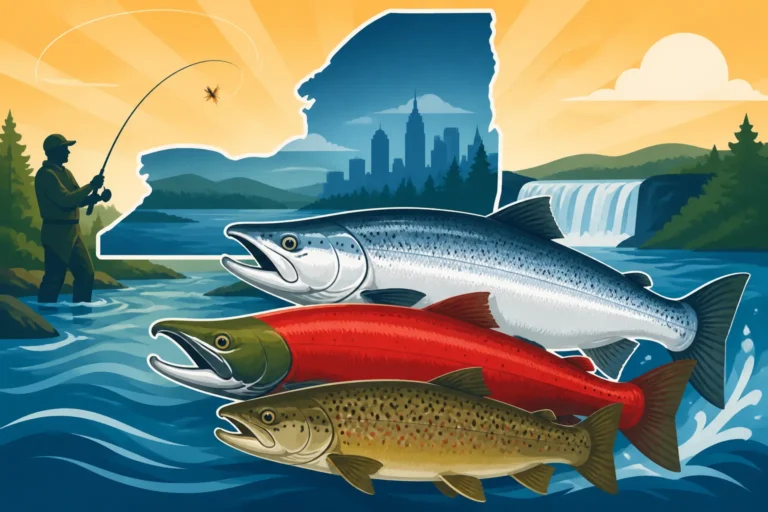
- Brown Trout: Easily distinguishable by their brownish-gold coloration and prominent dark spots with light halos. They often have red spots mixed in as well. Brown trout are also known for their incredible fighting ability and can grow very large, especially the lake-run variants. Our guide on How to Tell a Steelhead From a Brown Trout offers a more in-depth comparison.
Knowing these differences is not just about identification; it's also crucial for adhering to specific regulations that might apply to different species in certain waters.
New York's State Record Steelhead Potential
While no separate state record exists specifically for "steelhead" as distinct from "rainbow trout" in New York (they are the same species biologically), the largest rainbow trout ever caught in New York was a massive 21-pound, 8-ounce fish caught in Lake Ontario. This incredible specimen truly highlights the trophy potential that lies within the system. While most tributary-caught steelhead won't reach this monumental size, it serves as a testament to the growth capabilities of these fish when conditions are optimal.
Comparing this to other trophy fish, like the New York State Record Brown Trout Weight (which is even heavier!), it's clear that New York's Great Lakes region offers world-class angling for big trout and salmon. These record-breaking catches are a source of pride and aspiration for countless anglers who hit the water each season. When you're out there on the water, you never know when you might hook into a fish that challenges personal bests or even state records.
Gear and Techniques for Landing Healthy Steelhead
Successfully landing these powerful fish, especially the larger ones, requires not only skill but also the right equipment and a commitment to ethical angling practices. Handling steelhead properly ensures their survival if you choose to release them, a common practice for many anglers who appreciate these magnificent creatures.
Essential Gear for Steelhead Fishing
Choosing the right gear is paramount when targeting steelhead in New York's tributaries. Their strength and agility demand a setup that can handle serious stress.
- Rods: A medium-light to medium power rod, typically between 9 to 13 feet in length, is ideal. Longer rods help with line management, especially when float fishing, and provide better shock absorption during powerful runs. Look for rods with a fast action tip for sensitivity but enough backbone to steer a large fish away from snags. Many anglers swear by specialized float rods or even light salmon rods.
- Reels: A high-quality spinning reel in a 2500-4000 series or a centerpin reel is preferred. The most crucial feature is a smooth, reliable drag system. Steelhead make incredible runs, and a sticky drag can lead to snapped lines or pulled hooks. Centerpin reels offer unparalleled line control for drifting baits and detecting subtle bites.
- Line: Mainline often consists of 8-12 lb test monofilament or braided line, with a lighter fluorocarbon leader (6-10 lb test) tied on for stealth and abrasion resistance. Fluorocarbon is nearly invisible underwater and holds up well against sharp rocks. Remember to size your leader appropriately; you might consider varying it based on water clarity. When in doubt about what to use, a quick search on Amazon will reveal countless options for quality fishing line suitable for steelhead.
- Hooks: When fishing with natural baits like egg sacs, single, sharp hooks in sizes #8 to #12 are common. Barbless hooks are often preferred or even required in some catch-and-release sections, as they minimize harm to the fish. Make sure you understand What Size Hook to Use for Steelhead for optimal success and fish health.
- Terminal Tackle: A variety of small split shot, pencil lead, and floats (often called "bobbers" by many) are essential for getting your bait to the right depth and presenting it naturally in the current.
Effective Techniques for Steelhead
There are several tried-and-true methods for catching steelhead in New York's tributaries.
- Float Fishing (Drifting): This is arguably the most popular and effective method. It involves using a float (bobber) to suspend your bait or lure at a precise depth, allowing it to drift naturally with the current. This method is incredibly versatile and works well with egg sacs, beads, or small jigs. Mastering How to Drift Fish for Steelhead is a game-changer.
- Bottom Bouncing: In deeper pools or faster currents, some anglers prefer to "bottom bounce" their baits, using enough weight to keep the bait near the riverbed without snagging constantly. This is particularly effective when fish are holding tight to the bottom.
- Fly Fishing: For those who prefer the art of the fly rod, nymphing and swinging streamers are highly effective. Large stonefly nymphs, egg patterns, and flashy streamers can all entice aggressive steelhead. Fly fishing offers a unique connection to the water and the fish, often leading to very rewarding experiences.
- Casting Spoons and Spinners: While more common in larger, open water sections, small spoons and spinners can be very effective, especially for fresh, aggressive fish. Their flash and vibration can trigger a strike from steelhead.
Ethical Angling and Catch-and-Release
Many New York steelhead anglers practice catch-and-release, especially for the larger, more valuable breeding stock. If you plan to release your fish, proper handling is crucial for its survival.
- Minimize Fight Time: Use appropriate gear to land the fish as quickly as possible without overstressing it.
- Wet Hands: Always wet your hands before touching a fish to protect its delicate slime coat, which is vital for disease prevention.
- Keep it Wet: Try to keep the fish in the water as much as possible. If you must lift it for a quick photo, do so briefly and support its body horizontally. Avoid hanging fish vertically by the jaw or gills.
- Barbless Hooks: As mentioned, barbless hooks make removal much easier and less damaging.
- Revive Gently: If a fish is exhausted, hold it gently facing into the current until it regains strength and can swim away under its own power.
By understanding the average size, the potential for trophies, and using responsible angling practices, your time chasing steelhead in New York's Lake Ontario tributaries will be both exciting and sustainable.
Disclaimer
This article is for general informational purposes only and does not constitute professional advice. Laws, prices and regulations vary by location and change over time. Consult a qualified professional for guidance on your specific situation.