Are Carp Good to Eat?
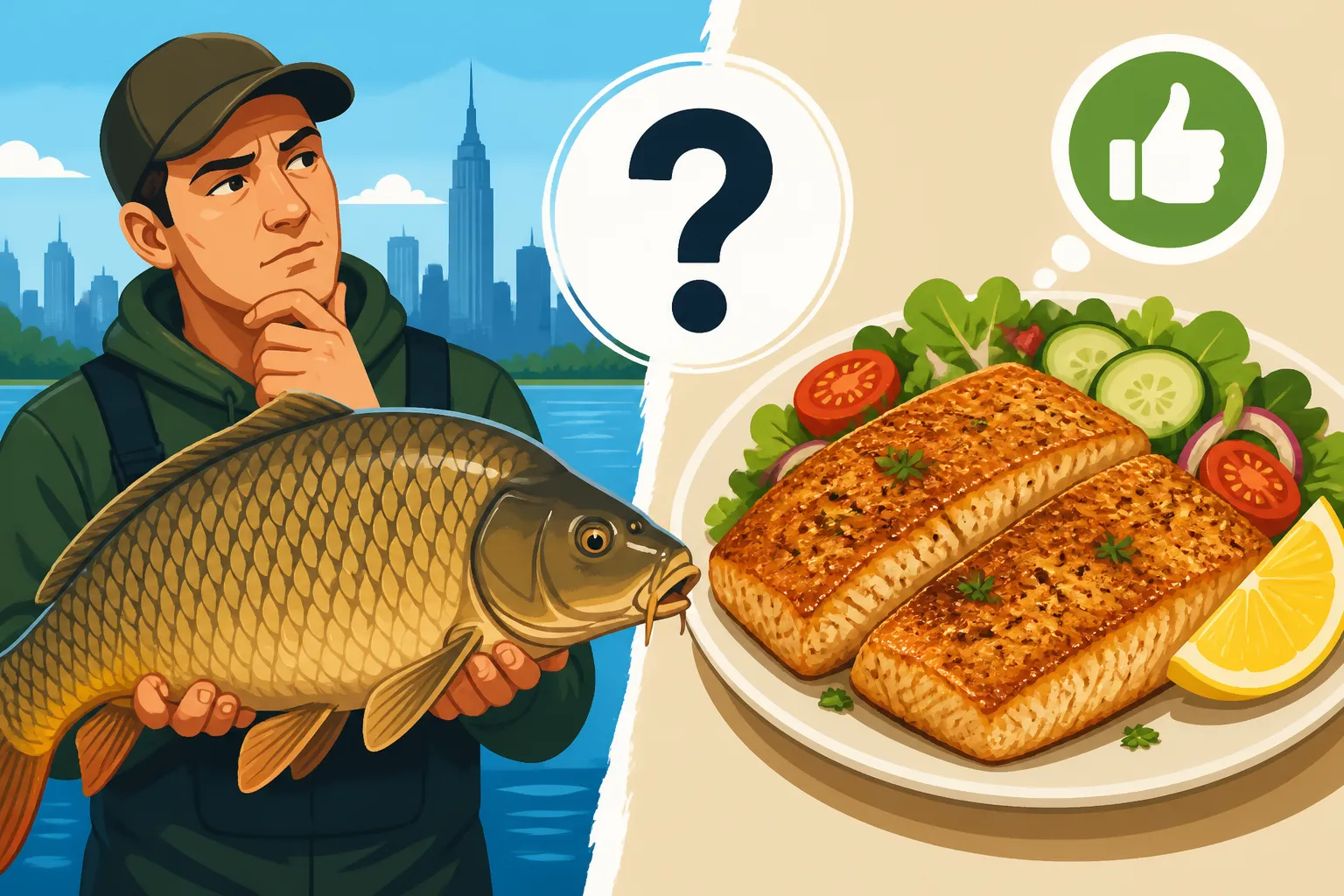
It's a question I hear all the time on the water, usually with a bit of a skeptical chuckle: "Are carp good to eat?" For many New York anglers, the common carp has an undeserved reputation as a "trash fish" or bottom feeder, destined only for release or, sometimes, the compost pile. But I'm here to tell you that with the right approach and a little culinary know-how, carp can absolutely be a delicious and rewarding meal. This guide will walk you through why carp often get a bad rap, how to properly prepare them, and some fantastic ways to cook up your next catch from New York's abundant waters.
The Lingering Stigma: Why Carp Get a Bad Rap
Let's face it, carp aren't exactly the pin-up fish of the angling world. When you think of New York fishing, your mind probably conjures images of majestic salmon leaping in Lake Ontario tributaries, powerful striped bass in the Hudson, or acrobatic trout in a pristine Catskill stream. Carp, on the other hand, often evoke images of murky pond bottoms and large, somewhat prehistoric-looking scales. This perception isn't entirely baseless, but it's also not the full story.
The "Bottom Feeder" Label and Muddy Taste Myth
One of the biggest reasons carp have a negative image is the "bottom feeder" label. It's true, carp spend a lot of their time rooting around in the sediment for food, and this behavior has led to the widespread belief that their flesh is inherently muddy or undesirable. Many anglers automatically associate bottom-feeding with a poor-tasting fish, full of grit and a strong, unpleasant flavor. This isn't unique to carp; other species like catfish sometimes face similar prejudices.
However, the reality is far more nuanced. While carp can taste muddy if caught from stagnant, muddy waters, their diet is incredibly varied. They'll eat insects, crustaceans, plant matter, and even small fish, adapting to whatever food sources are available. In cleaner, flowing waters like many of New York's rivers and larger lakes, carp often have a much milder, even sweet flavor. The "muddy taste" is often more about the specific environment the fish lived in and less about the species itself.
Cultural Biases and Culinary Traditions
Another factor contributing to carp's poor reputation in certain circles is cultural bias. In many parts of Europe and Asia, carp are highly prized food fish, often central to traditional holiday meals. They're farmed specifically for consumption, much like trout or salmon are in other regions. Yet, in North America, and particularly in places like New York, there's been less of a culinary tradition built around carp, especially the common carp (Cyprinus carpio), which was introduced here centuries ago. This lack of a strong culinary tradition means fewer people grew up learning how to properly prepare and cook carp, leading to a perpetuation of negative myths.
Furthermore, the focus for sport fishing in New York has historically been on trout, bass, salmon, and walleye. Carp, being hardy and plentiful, are sometimes seen as competition for these more "desirable" species, or simply as an easy catch not worthy of the same respect. It's a shame, really, because these strong, powerful fish offer a fantastic fight, and as we'll explore, can be quite delicious. For a broader look at the finned residents of our waters, you can check out Fish Species You Can Catch in New York.
From Water to Plate: Preparing Carp for Consumption
So, you've landed a nice carp from a clean New York waterway, perhaps from the Hudson River or one of the Finger Lakes. Now what? The key to transforming a carp from a "rough fish" to a delicious meal lies almost entirely in proper handling and preparation. Don't let the bones or the reputation intimidate you; with a few simple steps, you'll be well on your way.
Essential Cleaning and Filleting Techniques
The first hurdle many people encounter with carp is their bony structure. Carp have a notorious "Y-bone" system in their fillets, making them a bit more challenging to clean than, say, a panfish or a simple bass. However, with the right filleting knife (many anglers swear by a flexible filleting knife, easily found on Amazon) and a little practice, it's completely manageable.
Here’s a general approach to cleaning your carp:
- Bleed the Fish: This is perhaps the most crucial step for good-tasting carp. Immediately after catching, cut the gills or sever the artery just behind the pectoral fins and allow the fish to bleed out in a bucket of cold water or on ice. This removes a lot of the blood, which can contribute to a "gamey" or "muddy" flavor.
- Scale or Skin: Carp have large, tough scales. You can either scale them thoroughly (a scaler tool helps, or the back of a knife) or, more commonly for fillets, skin them. Skinning often removes more of the fat and any potential off-flavors that might reside just under the skin.
- Fillet Carefully: Lay the carp on its side. Make a cut behind the gill plate, down to the backbone. Then, cut along the backbone towards the tail. Once you have the fillet off, you'll need to deal with the Y-bones.
- Method 1: Removing Y-bones: This takes practice. Feel for the row of Y-bones running through the fillet. You can make two shallow cuts, one above and one below the bone line, to remove a strip of meat containing these bones.
- Method 2: Scoring: For smaller carp or specific cooking methods like frying, you can score the fillet deeply every 1/8 to 1/4 inch across the Y-bones. When cooked, the heat will dissolve the tiny bones, making them virtually undetectable.
- Method 3: Grinding: If all else fails or you prefer a boneless product, grinding the carp meat for patties or fish cakes is an excellent option.
- Remove the "Mud Vein": Along the lateral line of the fillet, you might find a darker, reddish line of meat. This is often referred to as the "mud vein" or "blood line." Trimming this out can further improve the flavor profile, as it tends to hold stronger flavors.
By taking these steps, you're not just cleaning the fish; you're actively enhancing its culinary potential.
Brining, Marinading, and Other Flavor-Enhancing Tricks
Once your carp is filleted and cleaned, there are still a few tricks to ensure a mild, delicious flavor. Many of these techniques are used for other fish or game meats to reduce strong flavors and tenderize the flesh.
- Brining: Soaking carp fillets in a saltwater solution (e.g., 1/4 cup salt per quart of water) for 30 minutes to an hour can draw out any remaining blood and firm up the flesh. You can also add aromatics like lemon slices, bay leaves, or sliced onions to the brine for extra flavor.
- Marinades: Acidic marinades, like those made with lemon juice, vinegar, or buttermilk, can tenderize the meat and infuse it with appealing flavors. A simple marinade of lemon juice, garlic, dill, and olive oil can work wonders. Even a good soak in milk for an hour or two is an old-school trick that many swear by for removing "fishy" flavors from any species.
- Freshness is Key: No matter the fish, the fresher it is, the better it will taste. Process your carp as quickly as possible after catching it. Don't let it sit un-iced in the sun. This rapid care is part of what makes the difference between a potentially "muddy" carp and a truly delectable one.
Remember, the goal is to respect the fish you've caught. Carp can grow to impressive sizes in New York's waters, with some truly large specimens, as you can see when discussing Average Carp Size in New York Lakes. Treating them with care from the moment they're landed until they hit the plate will yield the best results.
Unlocking Deliciousness: Ways to Cook Carp
Once you've cleaned and prepared your carp fillets, you're ready for the fun part: cooking! There are numerous methods that bring out the best in carp, often relying on flavors and textures that complement its firm, flaky white meat. Don't be afraid to experiment, but here are some tried-and-true approaches.
Popular Cooking Methods for Carp
Carp's texture, which is firm and relatively low in oil for a freshwater fish, makes it versatile for many cooking styles.
- Smoking: This is, hands down, one of the most popular and effective ways to prepare carp, especially larger ones. The slow smoking process renders the fat, imparts incredible flavor, and the heat often helps to soften those pesky Y-bones if you've scored the fillets. A good brine beforehand is essential. Smoked carp can be eaten hot, flaked for fish dips, or used in sandwiches. It's a game-changer for carp skeptics.
- Frying: For smaller, thinner fillets or scored carp, frying is a fantastic option. A simple cornmeal or flour dredge seasoned with salt, pepper, and perhaps some paprika or garlic powder creates a crispy, golden crust. The high heat of frying also helps to "melt" any remaining small bones, making them less noticeable. This method is particularly good for firming up the flesh and giving it a delightful texture.
- Baking or Roasting: Baked carp, often prepared whole (scaled and gutted) or as thick fillets, can be incredibly flavorful. Stuffing a whole carp with aromatics like lemon, onion, and herbs, and then baking it, is a classic European preparation. For fillets, baking with a crust of breadcrumbs, cheese, or even a spicy rub can create a moist and tender dish.
- Stewing or Braising: Carp's firm flesh holds up well in slow-cooked dishes. Fish stews, curries, or braised preparations where the carp cooks in a flavorful liquid (like a tomato-based sauce, beer, or wine) allow the flavors to meld beautifully. The slow cooking also ensures any small bones become incredibly soft.
Remember, when you're thinking about different cooking methods, it's worth considering the natural flavor profile you want to highlight. If you're looking for Best-Tasting Fish Species From New York Waters, carp certainly belongs on that list once properly prepared.
Culinary Ideas and Flavor Pairings
Carp's mild, slightly sweet flavor (when prepared correctly) means it pairs well with a variety of strong, complementary flavors. Don't be shy with seasonings!
- Herbs & Spices: Dill, parsley, thyme, garlic, onion, paprika, cayenne, and lemon pepper are all excellent choices. A sprinkle of fresh lemon juice is almost always a good idea to brighten the flavor.
- Sauces & Accompaniments: Tartar sauce, a fresh salsa, or a spicy remoulade can elevate fried carp. For baked or smoked carp, consider horseradish sauce, a rich cream sauce, or even a sweet and tangy BBQ glaze.
- Dishes: Beyond the basic preparations, think about:
- Carp Cakes/Patties: Flake cooked carp (especially smoked or baked), mix with breadcrumbs, egg, finely diced vegetables (celery, onion, bell pepper), and seasonings, then pan-fry or bake.
- Fish Tacos: Fried or grilled carp, shredded cabbage, a creamy sauce, and fresh salsa in a warm tortilla.
- Curried Carp: Chunks of carp simmered in a flavorful coconut milk-based curry.
Here’s a quick comparison of popular cooking methods:
| Cooking Method | Best For | Pros | Cons | Notes |
|---|---|---|---|---|
| Smoking | Large fillets, whole fish | Imparts deep flavor, softens bones, great for meal prep | Requires a smoker, longer cooking time | Excellent for masking any residual "muddy" flavor. |
| Frying | Smaller fillets, scored fillets | Quick, crispy texture, bones dissolve if scored properly | Can be greasy if not done right, less ideal for large, thick fillets | Use a seasoned breading for best results. |
| Baking/Roasting | Whole fish, thick fillets | Moist, can be healthier, easy to infuse with aromatics | Less crispy, may not dissolve bones as well as frying/smoking | Stuffing a whole carp is a traditional and delicious approach. |
| Stewing/Braising | Chunks of fish, boneless or scored pieces | Very tender, bones soften completely, rich flavor | Longer cooking time, less distinct fish flavor | Ideal for absorbing strong flavors from sauces and vegetables. |
Sourcing Carp in New York and Critical Consumption Advice
So, where can you find these culinary treasures in New York? And what should you consider before reeling them in for dinner? Carp are incredibly widespread, but like with any wild-caught food, knowing your source is crucial.
Where to Catch Carp in New York's Waters
Common carp are truly ubiquitous throughout New York State. You'll find them in almost every major river system and many of the larger lakes and ponds. They're resilient and thrive in a variety of conditions.
- Major Rivers: The Hudson River, for example, is teeming with carp. While famous for its striped bass runs, the carp population provides consistent angling opportunities. Fish Species Found in the Hudson River includes carp as a common catch. The Mohawk River, the St. Lawrence River, and sections of the Susquehanna and Delaware rivers also hold robust carp populations.
- Large Lakes: Many of New York's iconic lakes, including the Finger Lakes, have healthy carp populations. You can find them in the shallower, warmer sections of lakes like Cayuga, Seneca, and Oneida. Fish Species Found in the Finger Lakes will often list carp as a prevalent species. Lake Erie also has carp, though other species tend to get more attention from anglers there.
- Smaller Ponds and Canals: Don't overlook local parks and accessible ponds or sections of the Erie Canal. These often hold surprisingly large carp.
When fishing for carp, always be sure to adhere to New York Freshwater Fishing Rules regarding licenses and general regulations, even if you plan to keep your catch for the table. While often released, keeping carp for consumption is a great way to utilize a plentiful resource.
The Importance of Water Quality and Consumption Advisories
This is perhaps the most critical factor when deciding whether to eat carp, or any fish, from a specific body of water in New York. The old adage "you are what you eat" applies to fish as much as it does to us. Carp, being bottom feeders, can accumulate contaminants from their environment, particularly in areas with historical pollution.
- Choose Clean Water: If you're planning to eat carp, prioritize catching them from clean, well-flushed waters. Fast-flowing rivers, large lakes with good water exchange, and areas away from industrial discharge are generally better choices. Carp caught from stagnant, muddy ponds or heavily polluted urban waterways are more likely to have an off-flavor and potentially higher levels of contaminants.
- Check Advisories: The New York State Department of Health (DOH) issues comprehensive New York Fish Consumption Advisories Explained for various bodies of water across the state. These advisories inform the public about which fish species might contain elevated levels of contaminants (like PCBs, mercury, or dioxins) and recommend limits on consumption, especially for sensitive populations like pregnant women, nursing mothers, and young children. Always, always consult these advisories for the specific water body you are fishing. This information is vital for your safety and health.
Ignoring consumption advisories is never a good idea, no matter how good the fish tastes. If a particular water body has high advisories for carp, it's best to practice catch-and-release or seek out carp from a cleaner location. When you do find clean, healthy carp, you'll be surprised at the delicious potential they hold!
Disclaimer
This article is for general informational purposes only and does not constitute professional advice. Laws, prices and regulations vary by location and change over time. Consult a qualified professional for guidance on your specific situation.