Where Landlocked Salmon Live in New York
It's an exciting prospect, isn't it? The thought of hooking into a powerful landlocked salmon in the fresh waters of New York. But if you're like many anglers, you might find yourself scratching your head, wondering exactly where these magnificent fish reside. They're not as ubiquitous as, say, a largemouth bass, and pinning down their haunts can feel a bit like a treasure hunt. This guide is here to cut through that confusion, helping you understand what makes these fish special and, most importantly, pinpointing their primary residences across the Empire State so you can plan your next big adventure.
The Unique World of Landlocked Salmon in New York
Before we dive into specific locations, let's take a moment to truly appreciate what a "landlocked salmon" actually is. It's not just a fancy name for a big trout; it's a distinct and highly prized game fish with a fascinating natural history, particularly here in New York. If you've ever heard whispers of these silver bullets and wondered what all the fuss is about, you're in the right place to get the full story.
What Exactly Are Landlocked Salmon?
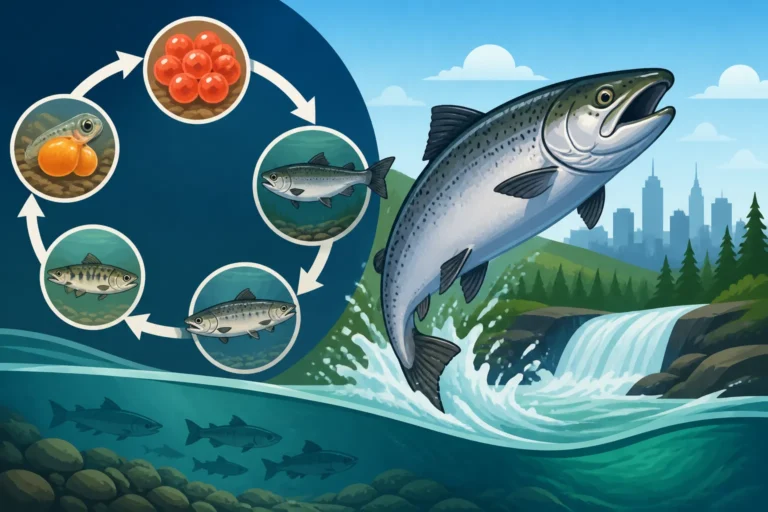
When most people think of salmon, they picture vast oceans and rivers leading to the sea, like the iconic Pacific salmon runs or the Atlantic salmon of New England. However, What a Landlocked Salmon Is is a unique subspecies of Atlantic salmon (Salmo salar) that completes its entire life cycle exclusively in freshwater. They are, in essence, Atlantic salmon that have adapted to a landlocked existence, often due to natural events like glacial retreats that cut off their access to the ocean, or more recently, through strategic stocking programs designed to bring these incredible fish to our inland waters.
These fish are absolute powerhouses, sleek and incredibly strong, built for speed and survival in cold, deep lake environments. They retain the fighting spirit of their sea-run cousins, making them a true challenge and a massive reward for any angler lucky enough to hook one. They thrive in environments with specific characteristics: deep, clear, cold, and highly oxygenated waters, often with ample forage fish like alewives or smelt to fuel their impressive growth. Without these critical conditions, they simply won't survive or flourish.
A Historical Perspective on New York's Landlocked Salmon Populations
The presence of landlocked salmon in New York isn't just a recent phenomenon; it's a story rooted in both natural history and dedicated conservation efforts. While some populations might have naturally become landlocked after the last ice age, many of New York's most robust landlocked salmon fisheries today are the result of strategic stocking programs by the New York State Department of Environmental Conservation (DEC). These programs aim to establish or enhance populations in suitable waters, providing exceptional angling opportunities for residents and visitors alike.
Unlike Pacific salmon species, which famously die after their single spawning run, Landlocked Atlantic Salmon in New York possess the remarkable ability to spawn multiple times throughout their lives. While reproduction is incredibly taxing on them, depleting their energy reserves significantly, the fact that they can return to spawn year after year contributes to the potential for truly trophy-sized fish in some of New York's premier waters. These stocking efforts are carefully managed, taking into account the unique ecosystem of each lake to ensure the best chance of survival and growth for these prized fish, creating a sustainable fishery for generations of anglers to enjoy.
New York's Premier Landlocked Salmon Sanctuaries: The Finger Lakes
When we talk about where landlocked salmon truly thrive in New York, our gaze inevitably turns to the magnificent Finger Lakes region. This cluster of long, deep, glacially carved lakes provides an almost tailor-made habitat for these cold-water species. If you're serious about targeting landlocked salmon, these are the bodies of water that should be at the very top of your list.
Seneca Lake: A Deepwater Haven
Seneca Lake, the deepest of all the Finger Lakes, is arguably the crown jewel for landlocked salmon fishing in New York. Its immense depth, plunging to over 600 feet in some areas, ensures a stable supply of cold, oxygen-rich water year-round, even during the warmest summer months. This consistent cold water is absolutely crucial for salmon, which struggle in warmer temperatures. The lake's remarkable clarity further enhances its appeal, making it a truly picturesque, if sometimes challenging, environment to fish.
Anglers targeting landlocked salmon here often employ deep trolling techniques, using downriggers and planer boards to present lures at specific depths where the salmon are feeding on vast schools of alewives, their primary forage. The sheer size of Seneca Lake means that finding fish can be a patient endeavor, but the reward of a hard-fighting salmon in this stunning setting is unparalleled. You might spend hours trolling without a strike, but when that rod doubles over, the adrenaline rush is instantaneous and unforgettable. Make sure your tackle is up to the task; you don't want to lose a potential trophy because of subpar gear.
Cayuga Lake: Another Productive Fishery
Just east of Seneca, Cayuga Lake stands as another formidable stronghold for landlocked salmon. While not quite as deep as Seneca, it's still an incredibly large and deep lake, offering ample coldwater habitat and an abundant food source. Anglers often find success here using similar deep-trolling methods, though the nuances of bait presentation and depth can vary slightly from lake to lake. Fishing New York's Finger Lakes: A Complete Guide is invaluable for understanding these regional differences.
Fishing Cayuga Lake for landlocked salmon often requires a bit of local knowledge or the assistance of a guide who understands the lake's unique contours and the salmon's feeding patterns. The experience is not just about the fish; it's about being out on these vast, ancient waters, surrounded by the rolling hills and charming towns of the Finger Lakes. Many anglers swear by specific colors of spoons or stickbaits, often stocking up on various options from online retailers like Amazon before their trip to ensure they have every possible presentation covered for these finicky feeders. New York's Finger Lakes Fishing Guides can be incredibly helpful for deciphering the lake's secrets.
Other Finger Lakes with Landlocked Salmon Opportunities
While Seneca and Cayuga often steal the spotlight, it's worth noting that other Finger Lakes, such as Keuka Lake and Owasco Lake, also hold landlocked salmon populations, primarily sustained through regular stocking. These lakes might offer a slightly different angling experience, often with less pressure than the larger, more renowned waters, though the salmon populations might not be as dense.
For the adventurous angler, these smaller Finger Lakes can provide excellent opportunities, especially for those who prefer a more intimate fishing experience. It's always a good idea to consult the New York DEC's stocking reports and fishing forecasts for the specific lake you're interested in. You might discover a hidden gem that offers a fantastic day of fishing. Remember, patience and persistence are key, and having a good array of lures, perhaps including some tried-and-true favorites you picked up on Amazon, will always give you an edge. Checking Fish Species Found in the Finger Lakes can also give you a broader picture of the ecosystem.
Beyond the Finger Lakes: Other Notable New York Habitats
While the Finger Lakes undeniably dominate the conversation when it comes to landlocked salmon, New York is a big state with diverse water bodies. There are other significant locations and even some lesser-known spots where these magnificent fish can be found, offering different angling experiences and challenges. It's a testament to the DEC's stocking efforts and the adaptability of these incredible fish.
Lake George: The Queen of American Lakes
Venturing into the majestic Adirondack region, Lake George stands out as another premier destination for landlocked salmon. Often referred to as the "Queen of American Lakes" for its stunning beauty and pristine waters, Lake George is a large, deep, and oligotrophic (nutrient-poor, clear water) lake that provides excellent coldwater habitat. Its depths plunge over 180 feet in some areas, creating the thermal refuges that salmon desperately need, particularly as surface waters warm in summer.
Fishing for landlocked salmon on Lake George often involves similar deep-trolling tactics as the Finger Lakes, but with a unique Adirondack backdrop. The lake's ecosystem supports a healthy population of landlocked salmon, along with other coldwater species like lake trout and even some Atlantic salmon that are part of restoration efforts. The clarity of the water means you'll need to be mindful of your presentation, and sometimes, downsizing your line or using more subtle lures can make a difference. It's a breathtaking place to spend a day on the water, and hooking into a Lake George salmon adds an extra layer of magic to the experience.
Adirondack Waters and Stocked Ponds
Beyond Lake George, a smattering of other deep, cold Adirondack lakes and even some smaller ponds are occasionally stocked with landlocked salmon. These are often more remote locations, offering a true wilderness fishing experience away from the crowds. Think pristine, undeveloped shorelines, towering pines, and the calls of loons echoing across the water. These waters usually require a bit more effort to reach, perhaps a hike or a paddle, but the solitude and the chance to connect with nature, alongside the opportunity for a trophy salmon, can be incredibly rewarding.
It's absolutely vital to consult the specific regulations and stocking lists provided by the New York DEC for these smaller waters. Rules can vary greatly from one pond to another, sometimes having special gear restrictions or catch-and-release only policies. Anglers venturing into these areas will appreciate lightweight, packable fishing gear, and maybe even a durable, waterproof map, all of which can be conveniently sourced from a wide selection on Amazon before heading out into the backcountry. Always be prepared for changing weather conditions and unexpected challenges in these wilder settings.
Lake Ontario and its Tributaries (Atlantic Salmon Distinction)
While technically not "landlocked salmon" in the traditional sense of having always been freshwater residents, it's important to mention Lake Ontario and its tributaries. The New York DEC has a highly successful program to restore Atlantic salmon (the sea-run species) to Lake Ontario. These fish are stocked and thrive in the vast, cold waters of the lake, running up major tributaries like the Salmon River and Oswego River in the fall to spawn.
This distinction is important: Landlocked Salmon vs Atlantic Salmon: Key Differences are subtle but significant. While both are Salmo salar, the Lake Ontario program aims to mimic a sea-run existence within the Great Lakes ecosystem. So, while you might hear about "Atlantic salmon" in Lake Ontario, and they are genetically very similar to landlocked salmon, their life cycle in the Great Lakes Basin means they are managed as a separate, albeit equally thrilling, fishery. Anglers targeting these fish will find an incredibly exciting challenge, especially during the fall spawning runs, where they can be caught using various methods, including fly fishing and casting spoons.
Angling for Landlocked Salmon: Tips and Techniques
Catching a landlocked salmon is a truly exhilarating experience, but it often requires more than just luck. These fish are intelligent, powerful, and reside in deep, often vast, bodies of water. Having the right approach, from your gear to your understanding of their behavior, can make all the difference between a frustrating day and a triumphant one. Let's talk strategy.
Essential Gear and Bait Considerations
When you're chasing after landlocked salmon, you quickly learn that your standard bass rod and reel might not cut it. These fish are built for long, powerful runs, so you'll want a medium-heavy to heavy action rod, typically 7 to 9 feet long, paired with a reliable spinning reel or a level-wind trolling reel spooled with high-quality monofilament or braided line. The line test should be stout enough to handle strong surges, usually in the 10-20 lb range, depending on the specific water and expected fish size. Investing in good quality gear is paramount; you don't want a spectacular fight ending prematurely due to equipment failure.
As for bait and lures, landlocked salmon are often enticed by presentations that mimic their primary forage. Spoons, like those from familiar brands, in silver, blue, green, or even chartreuse, are perennial favorites, especially when trolled at varying depths. Stickbaits, especially those with a tight wobbling action, can also be incredibly effective. In some areas, live bait like alewives, shiners, or even smelt (where legal and available) can be deadly when still-fished or slow-trolled. For fly anglers, streamers that imitate baitfish can work during specific times of the year, particularly during low-light conditions or when salmon are cruising shallower waters. Many successful anglers spend hours researching and stocking up on a diverse range of lures and lines, often finding great deals and variety on platforms like Amazon before their trips.
Best Practices for Success and Conservation
Successfully targeting landlocked salmon often boils down to understanding their preferred environment and behavior. They are coldwater fish, meaning they will generally be found in the deepest, coolest parts of a lake during warmer months. During spring and fall, they might venture shallower, sometimes even to the surface or near shore, especially during low-light conditions or when actively feeding. Best Time of Year to Fish in New York will provide more insight into seasonal patterns. Deep trolling with downriggers or lead core line is a common and effective technique, allowing you to present lures precisely at the depths where fish are holding. Using a good fish finder is almost essential to locate bait balls and salmon schools.
However, beyond the pursuit of a trophy, conservation is a critical aspect of landlocked salmon fishing. Many populations are sustained through stocking, and protecting these valuable resources ensures future angling opportunities. Practice proper catch-and-release techniques, especially for larger, older fish. Minimize their time out of water, handle them gently with wet hands, and use a dehooking tool to remove hooks cleanly. Always be aware of and adhere to the New York Fishing Regulations Explained for the specific water body you are fishing, including catch limits, size restrictions, and season dates. Acquiring your New York Fishing License Guide is, of course, the very first step before even thinking about heading out.
Key Landlocked Salmon Lakes in New York
To help visualize where you might encounter these magnificent fish, here's a quick overview of some of the top spots for landlocked salmon in New York:
| Feature | Seneca Lake | Cayuga Lake | Lake George | Keuka Lake | Owasco Lake |
|---|---|---|---|---|---|
| Location | Finger Lakes | Finger Lakes | Adirondacks | Finger Lakes | Finger Lakes |
| Depth (Max) | 618 ft | 435 ft | 196 ft | 183 ft | 177 ft |
| Primary Forage | Alewives | Alewives | Smelt, Lake Herring | Alewives, Smelt | Alewives |
| Fishing Method | Deep Trolling, Jigging | Trolling, Jigging | Trolling, Jigging | Trolling, Casting | Trolling, Casting |
| Stocking Program | Yes | Yes | Yes | Yes | Yes |
| Approx. Size (Avg) | Average Landlocked Salmon Size on the Finger Lakes | Often similar to Seneca | Slightly smaller average | Smaller, but present | Smaller, but present |
| Best Season | Best Season for Landlocked Salmon on New York's Finger Lakes | Early spring, fall, winter ice fishing | Spring, fall, early summer | Spring, fall | Spring, fall |
Disclaimer: This article is for general informational purposes only and does not constitute professional advice. Laws, prices and regulations vary by location and change over time. Consult a qualified professional for guidance on your specific situation.