New York’s Official State Fish
It's funny, isn't it? We often know our state bird, our state flower, even our state tree, but when it comes to the official state fish, a lot of folks draw a blank. New York is a state absolutely brimming with incredible fishing opportunities, from the smallest trout streams in the Catskills to the massive waters of Lake Ontario, so it makes perfect sense that we'd have a beloved aquatic emblem. This guide is here to shed some light on New York's official state fish, delving into what makes it so special and why it holds such a unique place in the hearts of anglers and conservationists alike.
The Brook Trout: New York's Aquatic Emblem
For anyone who's ever cast a line into a pristine, cold stream in New York, the Brook Trout (Salvelinus fontinalis) probably conjures up images of absolute natural beauty and wild, untamed waters. This isn't just any fish; it's New York's official state fish, a designation that speaks volumes about its significance to our natural heritage. Known for its striking colors and preference for clean, clear, and cold waters, the Brook Trout is truly a gem in the crown of New York's diverse fish species.
What Makes a Brook Trout a Brook Trout?
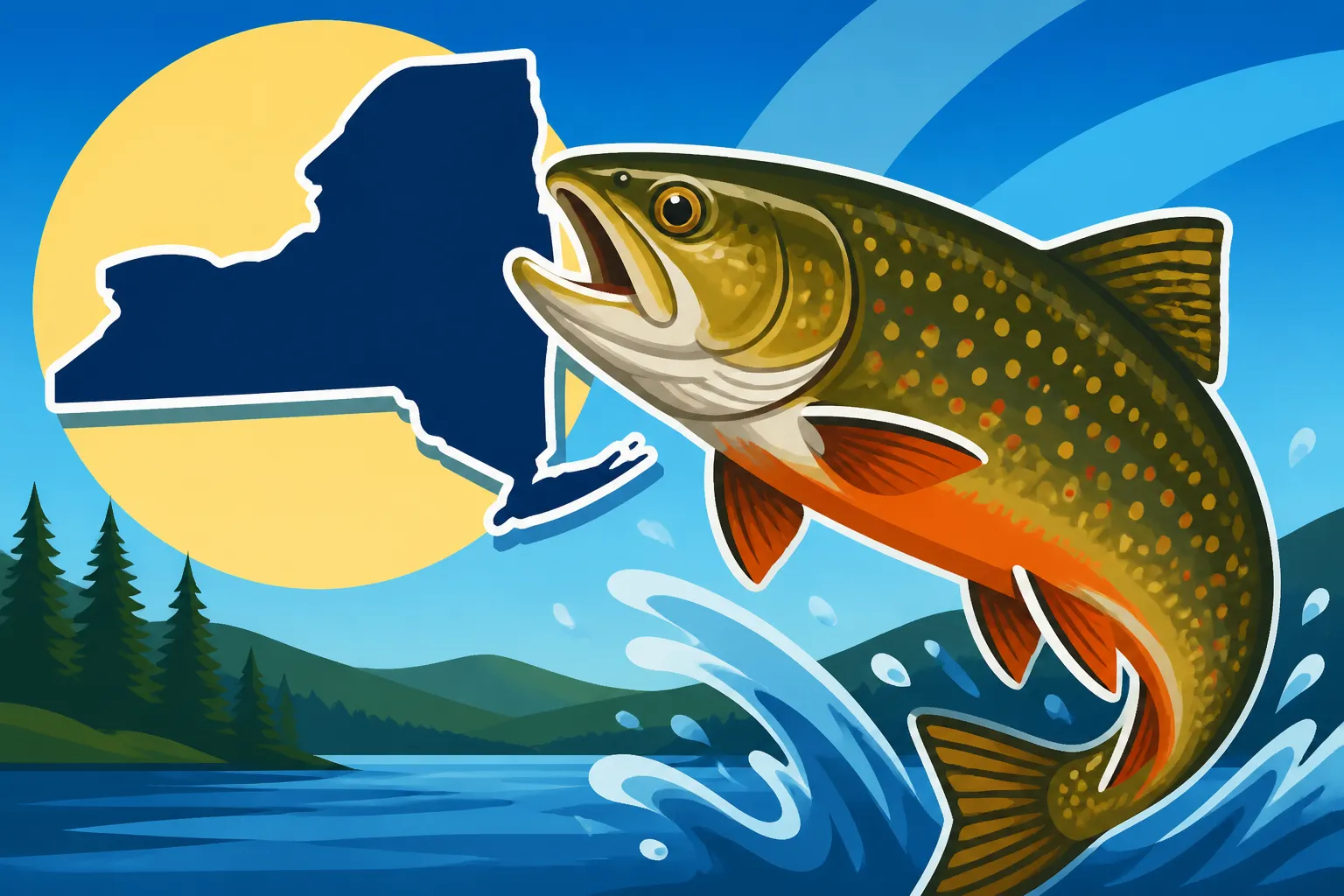
When you spot a Brook Trout, there's an instant recognition thanks to its distinctive features. They typically have an olive-green to dark brown back, often adorned with beautiful, worm-like markings that biologists call "vermiculations." Along their sides, you'll see scattered red spots, each usually surrounded by a brilliant blue halo. Their lower fins, especially the pectoral, pelvic, and anal fins, are a sight to behold with their vibrant white leading edges, often followed by black and then brilliant orange-red colors. It's truly a painted fish, a living piece of art that looks like it's been splashed with watercolors by Mother Nature herself.
These fish are members of the char family, distinct from true trout, though commonly referred to as trout by anglers. They thrive in environments where water temperatures rarely exceed 68 degrees Fahrenheit, which is why you'll find them predominantly in the coldest headwaters and spring-fed streams. A healthy population of Brook Trout is often a strong indicator of excellent water quality and a robust ecosystem, serving as a natural thermometer for stream health. How to Identify a Brook Trout can give you even more pointers on distinguishing this gorgeous species.
A Rich History and Cultural Significance
The Brook Trout didn't become New York's state fish by accident. Its designation reflects a long and storied history with the people and landscapes of the Empire State. For generations, these fish have been a symbol of wilderness and the pure joy of freshwater angling. Long before European settlers arrived, indigenous peoples fished for brook trout, recognizing their importance as a food source and part of the intricate natural balance.
As the state developed, the Brook Trout remained a cherished quarry for recreational anglers, particularly those seeking solace and challenge in the wilder parts of New York, like the Adirondacks and Catskills. Its status as the official state fish, cemented back in 1975, was a formal acknowledgment of this deep connection. It's not just a fish; it's a representation of our state's wild rivers and streams, and a reminder of the precious natural resources we are tasked with protecting for future generations. For anyone wondering, Is the Brook Trout New York's State Fish? confirms its official status.
Why the Brook Trout Reigns Supreme in New York
It's easy to just say, "it's the state fish, end of story," but the reasons behind the Brook Trout's esteemed position go far deeper than a simple legislative act. This fish embodies many of the qualities we value in New York's natural environment: resilience, beauty, and a connection to pristine wilderness. Its native status and ecological role are particularly compelling arguments for its prominence.
Ecological Importance and Native Status
One of the most significant reasons the Brook Trout is so revered in New York is that it's a native species, truly belonging to these waters. Are Brook Trout Native to New York? Yes, they absolutely are! Unlike some other trout species that were introduced, brook trout have been here for millennia, evolving with our landscapes and playing a crucial role in our aquatic ecosystems. They are perfectly adapted to the cold, oxygen-rich waters of our high-elevation streams and mountain lakes.
Their presence is a fantastic indicator of a healthy aquatic environment. If you find a robust population of Brook Trout, you can bet that the water is clean, cold, and relatively undisturbed. They're sensitive to pollution, sedimentation, and rising water temperatures, acting like little ecological sentinels that signal when something isn't quite right. Protecting brook trout habitat means protecting the health of entire watersheds, which benefits all kinds of wildlife and, ultimately, us too. It's a testament to the interconnectedness of nature that such a relatively small fish can have such large implications for the broader environment. How Many Trout Species Live in New York might surprise you with the diversity we have, but the Brook Trout stands out as truly indigenous.
An Angler's Delight
Beyond their ecological importance, Brook Trout are an absolute joy to pursue for anglers. They might not grow to the massive sizes of some Pacific salmon or Great Lakes steelhead, but what they lack in bulk, they make up for in beauty, spirited fights, and the sheer challenge of catching them in their often-secluded habitats. Fishing for brook trout often means venturing into wilder, more remote areas, hiking through forests, and wading through crystal-clear streams – a true adventure for anyone who loves the outdoors.
They are known for being eager biters, especially in prime conditions, but their habitats often require finesse and stealth. Light tackle, whether it's a small spinning rod or a delicate fly rod, is usually the preferred method. Many anglers consider fly fishing for brook trout in a remote Adirondack pond or Catskill stream to be the pinnacle of the sport. It's less about filling a cooler and more about the experience, the scenery, and the satisfaction of outsmarting a truly wild fish. The vibrant colors of a freshly caught brook trout, shimmering in the sunlight before being gently released, create memories that last a lifetime. A Guide to New York's Trout Species covers other popular trout, but the brook trout often evokes the most passion.
Where to Find and Fish for New York's State Fish
If you're looking to connect with New York's state fish, you'll need to know where they call home and how best to approach them. These fish are creatures of specific habits and habitats, and understanding their preferences will greatly increase your chances of a successful and rewarding fishing trip.
Prime Habitats for Brook Trout
In New York, the Brook Trout thrives in coldwater ecosystems across the state, but they are particularly abundant and legendary in specific regions. Two of the most famous strongholds for brook trout are the Adirondack Mountains and the Catskill Mountains.
- The Adirondacks: This vast wilderness region is practically synonymous with brook trout. Its countless cold, clear lakes, ponds, and miles of pristine streams provide ideal conditions. You'll find "brookie" populations in remote backcountry ponds that require a hike, as well as in more accessible streams. The lack of extensive human development and the forested landscape help maintain the water quality and temperature these fish demand. Best Trout Streams in the Adirondacks provides excellent starting points if you're planning a trip.
- The Catskills: Often considered the birthplace of American fly fishing, the Catskill Mountains are another prime location. Rivers and streams like the Beaverkill, Willowemoc Creek, and parts of the Esopus are renowned for their trout fishing, and while brown trout are more common in some sections, the smaller tributaries and headwaters are still home to healthy populations of wild brook trout. Best Catskills Fly Fishing Streams will guide you to some truly iconic waters.
Beyond these major regions, you might also find isolated pockets of brook trout in smaller, spring-fed streams across the state, especially in higher elevations or areas with good forest cover. The key is always cold, clean, and well-oxygenated water, often with plenty of cover like fallen logs, undercut banks, and overhanging vegetation.
Fishing for Brook Trout: Techniques and Gear
Fishing for Brook Trout is an art form, demanding patience, observation, and often a bit of stealth. Because they primarily inhabit smaller, clearer waters, they can be easily spooked.
- Light Tackle is Key: Forget heavy rods and lines. For brook trout, lighter is almost always better. A small spinning rod with 4-pound test line or a 2 to 4-weight fly rod is perfect. This allows for delicate presentations and maximizes the fun when fighting these smaller, feisty fish. You can find excellent, beginner-friendly ultralight spinning combos or even fly fishing starter kits on Amazon.
- Baits and Lures:
- Live Bait: Small worms (like red wigglers) or minnows can be incredibly effective, especially when drifted naturally through pools and runs.
- Artificial Lures: Tiny spinners (like Panther Martin or Mepps) and small spoons are great choices for spinning gear. Bright colors or natural patterns can both work.
- Flies: Fly anglers use a wide array of patterns. Dry flies that mimic aquatic insects (like Adams, Elk Hair Caddis, or small Parachute Adams) are thrilling when fish are rising. Nymphs (like Hare's Ear, Pheasant Tail, or small Prince Nymphs) fished subsurface are often consistently productive. Small streamers can also entice a strike.
- Approach with Care: When approaching a brook trout stream, move slowly and keep a low profile. Avoid heavy footsteps on the bank that can send vibrations through the water. Cast from a distance, if possible, and try to present your bait or fly naturally, letting the current do most of the work.
- Catch and Release: Many anglers practice catch-and-release for brook trout, especially for wild populations, to help preserve their numbers. If you do plan to keep a fish, always check the current New York Freshwater Fishing Rules and local regulations for size and bag limits. When releasing, handle the fish as little as possible with wet hands, and revive it gently in the water until it swims away under its own power. For more details on responsible practices, check out New York Catch-and-Release Trout Fishing Rules.
Fishing for Brook Trout is an experience that connects you deeply with nature, often in stunning, tranquil settings. It's a pursuit that offers both challenge and immense satisfaction.
Protecting Our State Fish and Its Habitat
The Brook Trout's designation as New York's state fish isn't just about celebrating its beauty and angling appeal; it also carries a profound responsibility to protect it. While common in some areas, many populations face threats from habitat degradation, climate change, and competition from introduced species. Ensuring the future of this iconic fish requires ongoing conservation efforts and responsible actions from every angler and outdoor enthusiast.
Conservation Efforts in New York
New York's environmental agencies and various conservation organizations are actively working to protect and restore brook trout populations and their habitats. These efforts often include:
- Habitat Restoration: Projects focus on improving water quality, stabilizing stream banks, removing barriers to fish passage, and planting riparian vegetation to provide shade and reduce erosion. These actions help create the cold, clear, and complex habitats that brook trout need to thrive.
- Stocking Programs: While the emphasis is often on wild populations, stocking of hatchery-raised brook trout occurs in some areas to supplement populations or create fishing opportunities where natural reproduction is limited. These programs are carefully managed to minimize impact on wild genetic strains.
- Research and Monitoring: Scientists continually study brook trout populations, their genetics, and their response to environmental changes. This research is vital for understanding threats and developing effective conservation strategies.
- Regulation and Management: Fishing regulations, including size limits, bag limits, and season dates, are carefully crafted to protect brook trout from overfishing and ensure sustainable populations. Always consult the New York Fishing Regulations Explained before heading out.
Many of these efforts are supported by anglers and concerned citizens. Organizations often rely on volunteers and donations, and buying your fishing license directly contributes to these programs.
What Anglers Can Do to Help
As anglers, we have a vital role to play in protecting New York's state fish. Our actions on and off the water can make a significant difference.
- Respect Regulations: Always know and follow all fishing regulations for the waters you're fishing. These rules are in place for a reason – to protect the fish! Ignorance is no excuse, and violating regulations can severely impact local populations.
- Practice Catch and Release: While you might be allowed to keep some fish, consider releasing all wild brook trout, especially the larger ones, which are crucial for reproduction. When releasing, handle fish gently with wet hands, minimize their time out of water, and allow them to recover fully before letting them go.
- Prevent the Spread of Invasive Species: Clean, Drain, Dry! Always clean your boots, waders, and fishing gear thoroughly between fishing different bodies of water to prevent the spread of aquatic invasive species that can harm brook trout habitat and compete for resources.
- Protect Riparian Zones: Stay on designated paths and avoid trampling streamside vegetation. These plants are vital for bank stability, providing shade, and filtering runoff.
- Support Conservation: Purchase your fishing license, even if you only fish occasionally. The funds generated are critical for fisheries management and conservation efforts. Consider joining a local conservation group or donating to organizations dedicated to protecting coldwater fisheries. You can also find great educational resources and books on stream conservation and trout biology on Amazon to deepen your understanding.
- Report Poaching or Pollution: If you witness illegal fishing activity or pollution, report it to the New York State Department of Environmental Conservation (DEC). Being the eyes and ears on the water helps enforcement agencies protect our resources.
By embracing these practices, we ensure that the beautiful Brook Trout continues to thrive in New York's waters, remaining a symbol of our wild heritage for generations of anglers to come.
Brook Trout Fast Facts
To quickly summarize some of the key details about New York's official state fish, here's a handy table:
| Characteristic | Description |
|---|---|
| Scientific Name | Salvelinus fontinalis |
| Common Names | Brookie, Native Trout, Speckled Trout |
| Appearance | Olive-green back with worm-like markings, red spots with blue halos, white leading edge on lower fins |
| Preferred Habitat | Cold, clear, highly oxygenated streams, rivers, and high-elevation ponds/lakes |
| Native Status | Native to New York and much of Eastern North America |
| Typical Diet | Aquatic and terrestrial insects, small crustaceans, small baitfish |
| Indicator Species | Excellent indicator of good water quality and healthy aquatic ecosystems |
| State Fish of NY | Designated in 1975 |
| Angling Appeal | Prized for beauty, spirited fight, and the wild settings in which they are found |
This table offers a quick overview, but remember that the true essence of the Brook Trout lies in the experience of encountering it in its natural environment, a truly unforgettable part of the New York fishing landscape.
Disclaimer
This article is for general informational purposes only and does not constitute professional advice. Laws, prices and regulations vary by location and change over time. Consult a qualified professional for guidance on your specific situation.