Fastest-Growing Fish Species in New York Waters
As anglers, we're always looking for that next thrill, that next big catch. But beyond just size, there's a unique satisfaction in understanding the life cycle of the fish we pursue, especially knowing which ones really pack on the pounds quickly in New York's diverse waters. It's not just about landing a trophy; it's about appreciating the vitality of our fisheries and adapting our techniques to target species that are thriving and growing at an impressive pace. This guide will dive deep into the fascinating world of fish growth, highlighting the species in New York that truly sprint through their development, and why knowing this can make you a more successful and appreciative angler.
Why Understanding Growth Rates Matters for New York Anglers
For many of us, fishing isn't just a pastime; it's a passion. And like any passion, the more we understand it, the more fulfilling it becomes. When we talk about "fastest-growing" fish species in New York, we're not just discussing a biological curiosity. This knowledge has direct, practical implications for anglers, from how we approach conservation to the sheer excitement of our next hook-up. It shapes our expectations, influences our gear choices, and even helps us understand the health of the aquatic ecosystems we cherish.
The Thrill of a Hard Fight: Fast Growth Often Means Powerful Fish
Think about it: a fish that grows rapidly often does so because it's an efficient predator, or it has an incredibly high metabolism. These are typically active, strong fish that put up an exhilarating fight. They need to eat a lot, move a lot, and exert a lot of energy, all of which translates to muscle and power. When you hook into a species known for its quick growth, you're often in for a memorable battle. It's the kind of tug-of-war that makes your heart pound and your arms ache, leaving you with that satisfying feeling of having truly earned your catch. The speed at which they can pack on weight means they're constantly fueling that powerful physique.
Moreover, targeting these fast-growing species can sometimes mean you're more likely to encounter fish that have reached impressive sizes within a relatively short period. This can be particularly exciting for those chasing personal bests or aiming for trophy catches. While some species take many years to reach a substantial size, others seem to explode in growth, offering a faster track to a hefty fish. Maybe you're looking for a new rod and reel combo that can handle the sheer power of a rapidly growing muskie, or perhaps some advanced electronics to help you pinpoint their feeding grounds – places like Amazon often have a vast selection to get you started.
Understanding Population Dynamics: How Growth Rates Impact Local Fisheries
The growth rate of a fish species is a crucial indicator of the health and productivity of a fishery. When fish are growing quickly, it generally suggests a few positive things: there's ample food available, the water quality is good, and the population isn't overcrowded, which means less competition for resources. This is fantastic news for both the fish and the anglers! It means the ecosystem is robust enough to support robust growth, which can lead to healthier, more resilient fish populations.
Conversely, if a species that typically grows fast is showing stunted growth, it could be a red flag, indicating environmental stress, lack of food, or overpopulation. As responsible anglers, understanding these dynamics helps us appreciate the importance of regulations like New York Fishing Regulations Explained and New York Freshwater Fishing Rules, which are designed to maintain balance. Rapid growth can also mean a quicker turnover in the population, allowing fisheries to rebound faster after periods of heavy fishing, as long as catch limits and seasons are respected. It's a delicate dance between nature's productivity and human impact, and our understanding of growth rates is a vital part of that conservation effort.
Freshwater Champions: New York's Fastest-Growing Species
New York is blessed with an incredible array of freshwater environments, from massive Great Lakes to serene Finger Lakes and countless rivers and streams. Within these diverse habitats, several fish species stand out for their ability to put on size quickly. These are the ones that often surprise anglers with their impressive bulk for their age, making them exciting targets for those who love a challenge and appreciate a thriving ecosystem.
Walleye: Lean and Mean Growth Machines
Walleye are absolute superstars when it comes to rapid growth in many New York waters. These sleek, toothy predators are incredibly efficient at converting forage into body mass. They typically grow quickly in their first few years, sometimes reaching lengths of 15-20 inches within just a couple of years if conditions are favorable. Their streamlined bodies are built for chasing down baitfish like alewives, shiners, and perch, and they take full advantage of abundant food sources. This aggressive feeding behavior fuels their impressive growth spurt.
Many anglers target walleye not just for their firm, white fillets, but for the exciting fight they offer. Lakes like Oneida and Erie are renowned for their walleye populations, where the combination of excellent forage and expansive habitat allows these fish to thrive. Understanding their rapid growth also helps explain why regulations like New York Walleye Season and Limits are so important; managing a species that can grow big fast helps maintain a healthy, sustainable population for future generations of anglers. You can find a huge variety of tackle, from crankbaits to soft plastics, that imitate these forage fish, easily available on platforms like Amazon.
Largemouth Bass: Aggressive Eaters, Quick Growers
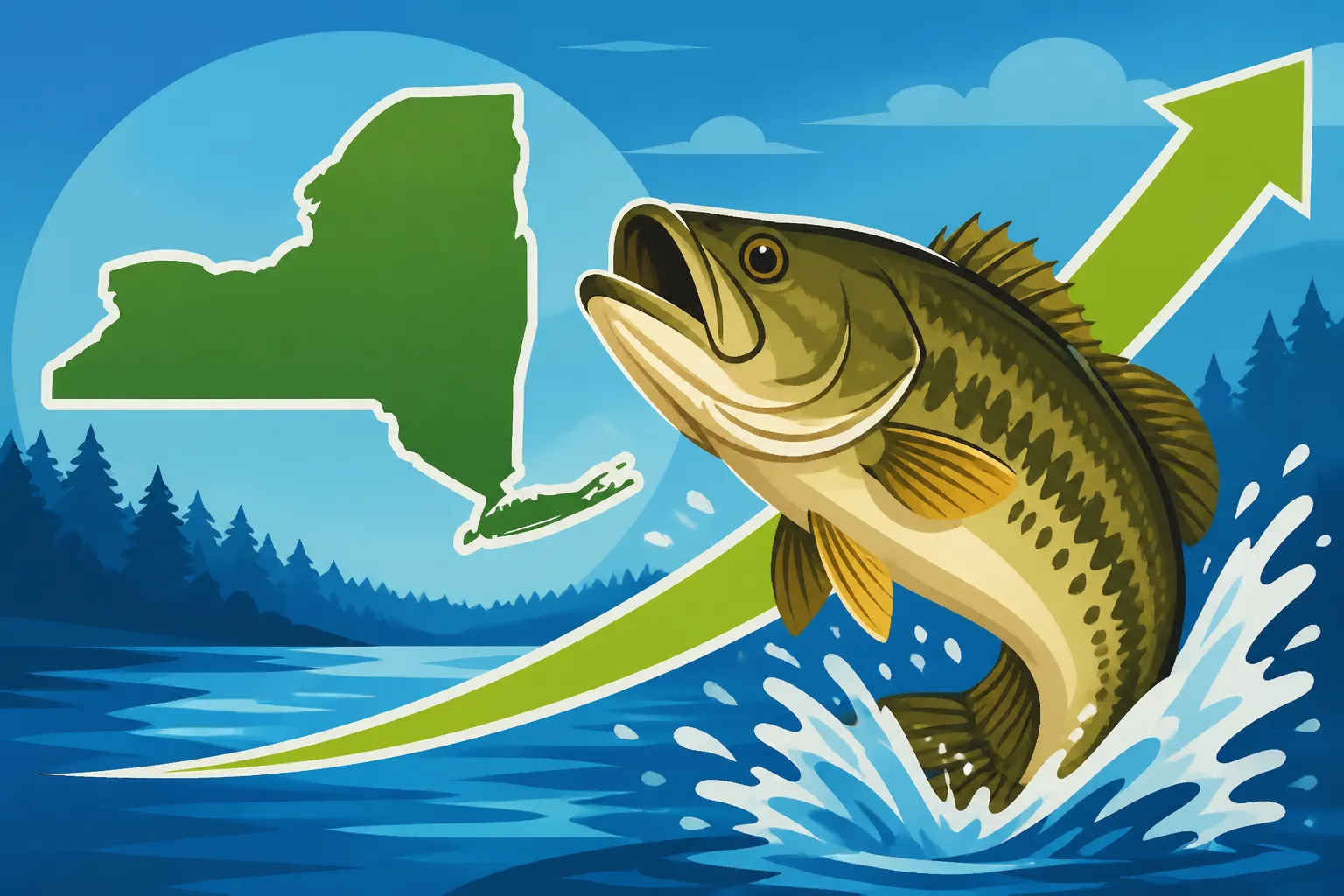
The largemouth bass is another freshwater species that consistently impresses with its growth rate, especially in nutrient-rich, warm-water lakes and ponds across New York. These iconic sportfish are incredibly opportunistic eaters, consuming everything from smaller fish and crayfish to frogs and even small birds or rodents if the opportunity arises. This diverse and often high-calorie diet is a significant factor in their ability to grow quickly, particularly in their juvenile years.
In optimal conditions, a largemouth bass can reach a respectable size in just a few seasons. Their ambush predation style, often lurking in weed beds or around submerged structure, means they expend less energy chasing prey and more energy on growing. This makes them a favorite target for many anglers, especially during their New York Bass Season Dates. When you find a healthy population of largemouth, you're often finding an ecosystem with a strong food chain that supports rapid fish development.
Northern Pike: Apex Predators with a Growth Spurt
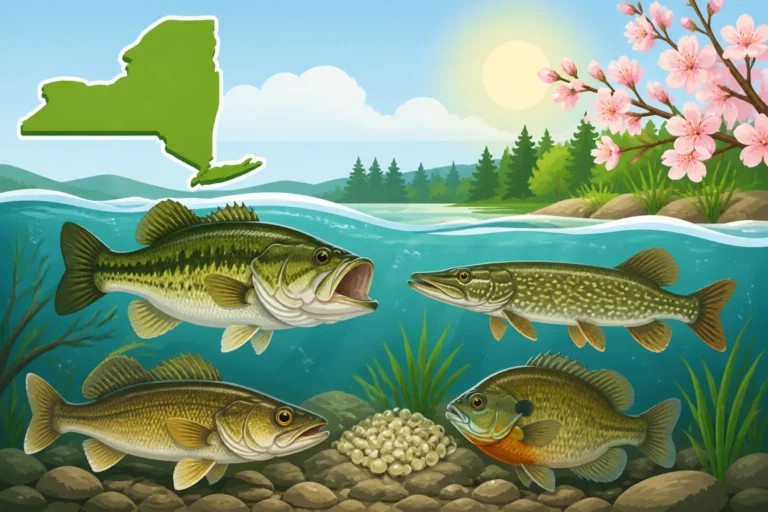
Northern Pike are undeniably one of New York's most impressive freshwater predators, and their growth rate is nothing short of spectacular. Known for their elongated, torpedo-shaped bodies and razor-sharp teeth, pike are built for speed and aggression. They are voracious eaters from the moment they hatch, quickly transitioning from insects to small fish, and eventually, to just about any other fish, amphibian, or even waterfowl they can overpower. This high-protein diet allows them to gain weight and length at an astonishing pace.
In productive waters, pike can reach lengths of over 20 inches within their first two to three years and continue to grow substantially, often surpassing 30-40 inches. Their presence in a fishery often indicates a robust forage base, as they require a steady supply of food to fuel their rapid development. Chasing these fast-growing giants is an experience every angler should have; they strike hard and fight with incredible power. If you're gearing up for a serious pike hunt, investing in robust tackle is key, and you'll find plenty of options, including heavy-duty lines and durable leaders, on Amazon to withstand their sharp teeth and powerful runs.
Panfish (Perch, Crappie): Surprisingly Speedy Appetites
While perhaps not reaching the colossal sizes of pike or muskellunge, several panfish species in New York also exhibit impressive growth rates, especially in their early life stages and when food is plentiful. Yellow perch, black crappie, and bluegill are all species that can grow quite quickly, particularly in healthy ponds and lakes. Their rapid growth makes them excellent targets for beginners and seasoned anglers alike.
Yellow perch, for instance, are prolific eaters of insects, crustaceans, and small minnows. In many lakes, they can reach pan-frying size within a couple of years. Similarly, black crappie, with their preference for baitfish and insect larvae, can quickly fill out their deep bodies, providing a fantastic sporting and eating experience. The abundance of these species and their relatively fast growth contribute to them being among New York's Most Popular Freshwater Fish. Their ability to grow quickly means that even heavily fished populations can often replenish themselves efficiently, given the right conditions.
Saltwater Sprinters: Rapid Growth in New York's Coastal Waters
New York's extensive coastline, from Long Island Sound to the Atlantic Ocean, hosts a vibrant marine ecosystem with its own set of fast-growing champions. These saltwater species often migrate vast distances and capitalize on rich oceanic food sources, leading to impressive growth spurts that thrill coastal anglers.
Striped Bass: Migratory Giants with Rapid Development
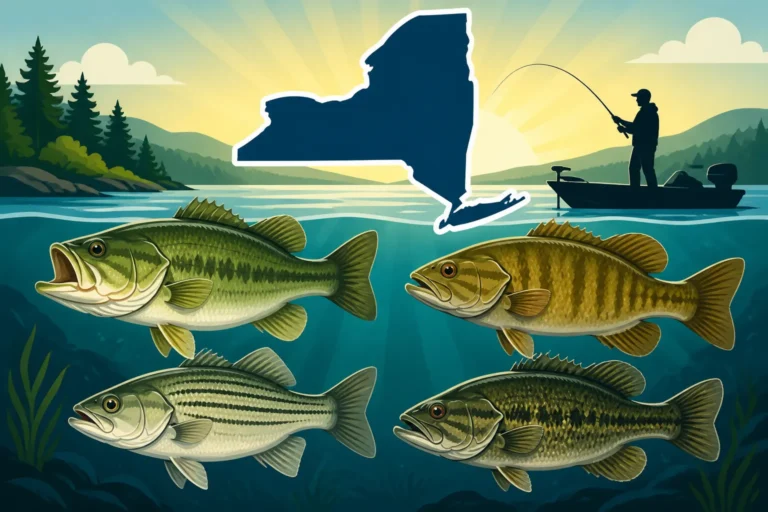
Striped bass are arguably the crown jewel of New York's saltwater fishing, and for good reason: they are powerful, abundant, and grow incredibly fast. These anadromous fish spend much of their lives in saltwater but migrate to freshwater to spawn, like in New York's Hudson River. Their diet is diverse and abundant, including bunker (menhaden), herring, mackerel, and various crustaceans, all of which are rich in nutrients. This robust diet, combined with their migratory nature that exposes them to different feeding grounds, allows them to pack on pounds and inches at an astonishing rate.
Young striped bass can grow several inches in a single year, and larger fish can gain significant weight, sometimes reaching trophy sizes of 30, 40, or even 50 pounds. The thrill of hooking into a hard-fighting "striper" is unparalleled, and their rapid growth ensures that healthy populations can continue to provide this excitement. Regulations, like New York Striped Bass Length Requirements, are designed to protect these fast-growing fish, ensuring that enough individuals reach maturity to sustain future generations. Finding the right lures, particularly large swimming plugs or soft plastics that mimic their favorite prey like bunker, is crucial. Checking reputable online retailers like Amazon can give you a head start on building your tackle box for these aggressive predators.
Bluefish: Voracious Eaters of the Coast
If there's one saltwater fish known for its sheer aggression and speed of growth, it's the bluefish. Often called "choppers" due to their razor-sharp teeth, bluefish are pelagic predators that roam the coastal waters of New York, including the Long Island Sound. They are incredibly opportunistic and voracious, often engaging in feeding frenzies that leave schools of baitfish decimated. This relentless pursuit and consumption of high-calorie prey like bunker, herring, and squid contribute to their exceptionally fast growth rate.
Bluefish grow very quickly, particularly in their first few years, often reaching several pounds within a year or two. Their explosive runs and powerful fights make them a favorite target for surf casters and boat anglers alike. While their growth trajectory might plateau in later years, their initial sprint to size is truly remarkable. These fish are a testament to the productivity of New York's marine environments.
Fluke (Summer Flounder): Adapters of the Seafloor
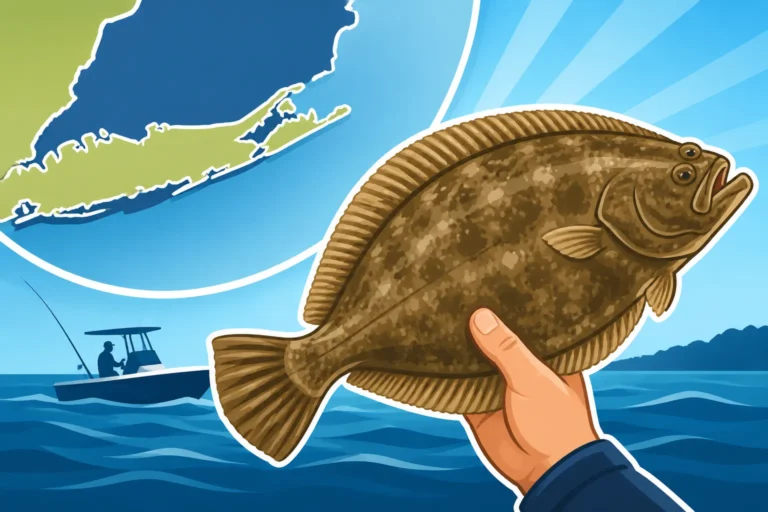
Fluke, also known as summer flounder, are another fast-growing species popular among New York's saltwater anglers. These flatfish are masters of camouflage, lying in wait on the seafloor to ambush unsuspecting baitfish, squid, and crustaceans. Their diet is varied and plentiful in the sandy and muddy bottoms of bays, estuaries, and offshore waters. The abundance of food, combined with their efficient predatory tactics, allows fluke to grow quite quickly.
In healthy populations, fluke can reach keeper size in a relatively short amount of time, often gaining significant length and weight each season. They are highly sought after for their delicious white meat and the challenging drift-fishing techniques required to catch them. Knowing that these fish grow fast adds to the satisfaction of a successful outing, reinforcing the idea that well-managed fisheries can sustain productive populations. For more details on this species, check out What a Fluke Fish Is.
What Drives Growth? Key Factors for New York Fish Species
The speed at which a fish grows isn't just random; it's a complex interplay of several environmental and biological factors. Understanding these elements can give anglers a deeper appreciation for the ecosystems they fish and even help predict where the healthiest, fastest-growing fish might be found.
Food Abundance and Quality: The Ultimate Growth Fuel
This is perhaps the most obvious, yet most critical, factor. Just like any animal, a fish needs a steady supply of high-quality food to grow. In New York, the presence of abundant baitfish populations (like alewives, bunker, or shiners), crayfish, aquatic insects, and other invertebrates directly correlates with faster growth rates for predatory species. If a lake or river has a rich food web, its fish populations will naturally grow larger and quicker.
For instance, a lake teeming with schools of yellow perch or minnows provides an ideal buffet for walleye and largemouth bass, allowing them to put on weight rapidly. In saltwater, massive schools of bunker off the coast fuel the incredible growth of striped bass and bluefish. When food is scarce or of poor nutritional value, growth will slow, and fish may become stunted. This is why a healthy forage base is the cornerstone of any productive fishery.
Water Temperature and Seasonality: How Metabolism Plays a Role
Fish are cold-blooded, meaning their body temperature, and thus their metabolism, is heavily influenced by the surrounding water temperature. Generally, warmer water within a species' optimal temperature range leads to a higher metabolism, which means faster digestion and more energy available for growth. This is why many species exhibit their most significant growth spurts during the warmer months of spring and summer in New York.
For example, largemouth bass thrive and grow rapidly in the warmer temperatures of summer in New York's lakes. Conversely, in colder winter months, their metabolism slows down, and growth often ceases or becomes minimal. While some species, like trout, prefer cooler waters, they still have an optimal temperature range where their growth is maximized. Extreme temperatures, either too hot or too cold, can stress fish and inhibit growth. Understanding New York Fishing Seasons Explained often involves knowing when species are most active and therefore, growing most rapidly.
Genetic Potential and Stocking Practices: Hatchery Influence
Every fish species, and even individual fish within a species, has a genetic blueprint that determines its potential for growth. Some species are simply genetically predisposed to grow larger and faster than others. This inherent potential is then realized (or not) based on environmental conditions.
In New York, stocking programs by the Department of Environmental Conservation (DEC) also play a significant role, particularly for species like trout and salmon. Hatchery-raised fish are often fed a high-protein diet in a controlled environment, allowing them to reach a certain size quickly before being released into public waters. While their wild growth will then depend on the natural food supply, the initial boost from hatchery rearing contributes to their overall size potential. It's a fascinating blend of nature and nurture that influences the size and health of the fish we encounter. To understand more about licenses needed for these activities, look into New York Fishing License Guide.
Here's a quick look at some of New York's fast-growing species and their typical growth characteristics:
| Species | Typical Growth (First 2-3 Years) | Primary Diet Fuels Growth | Preferred Habitat for Optimal Growth |
|---|---|---|---|
| Walleye | 15-20+ inches | Baitfish (perch, shiners, alewives) | Large, productive lakes and rivers |
| Largemouth Bass | 10-18+ inches | Baitfish, crayfish, frogs, insects | Warm, weedy lakes, ponds, slow rivers |
| Northern Pike | 20-30+ inches | Fish (perch, suckers, smaller species) | Weedy lakes, slow rivers, marshes |
| Striped Bass | 18-30+ inches | Menhaden (bunker), herring, mackerel, squid | Coastal waters, estuaries, tidal rivers |
| Bluefish | 15-25+ inches | Menhaden (bunker), herring, squid | Open ocean, coastal bays, Long Island Sound |
| Fluke (Summer Flounder) | 12-18+ inches | Baitfish, squid, crabs, shrimp | Sandy/muddy bottoms of bays, estuaries, ocean |
This table illustrates how diverse species, through different feeding strategies and habitats, achieve their rapid growth, contributing to the rich tapestry of New York's fisheries.
Disclaimer
This article is for general informational purposes only and does not constitute professional advice. Laws, prices and regulations vary by location and change over time. Consult a qualified professional for guidance on your specific situation.