Montauk Fishing Charters
Montauk, at the very tip of Long Island, is a legendary destination for anglers, but trying to navigate the sheer number of fishing charters can feel overwhelming. You want to make the most of your trip, catch some incredible fish, and have a memorable experience without the hassle of guesswork. This comprehensive guide will walk you through everything you need to know about Montauk fishing charters, helping you understand the options, what to expect, and how to choose the perfect trip for your next adventure on the water.
Why Montauk is a Premier Fishing Destination
Montauk isn't just a pretty beach town; it's a fishing mecca, often called "The End" of Long Island, not just geographically, but also in terms of being the last stop for many migratory fish species. Its unique geographical position, at the confluence of Block Island Sound and the Atlantic Ocean, creates a dynamic marine environment that attracts a rich diversity of fish. This makes it an incredibly popular spot for both inshore and offshore fishing charters.
A Haven for Diverse Species
The waters around Montauk are truly special because they act as a superhighway for a vast array of fish. During different seasons, you'll find everything from feisty striped bass and aggressive bluefish closer to shore, to massive tuna and sharks further out in the deep. This incredible biodiversity is a major draw for anglers from all over. It means that no matter your preference – whether you love the thrill of light tackle action or the brute strength required for big game – Montauk has a fishery to match.
Think about the sheer excitement of chasing a trophy striped bass in the rips around Montauk Point, or heading offshore for an epic battle with a yellowfin tuna. The options are plentiful, and the captains who operate here are intimately familiar with these diverse fisheries. They know exactly where the fish are, what they're biting on, and the best techniques to entice a strike, making your charter experience truly productive.
The Appeal of Montauk's Waters
What makes Montauk's waters so appealing to fish, and consequently, to fishermen? It's a combination of factors. First, the strong currents and tidal rips, particularly around Montauk Point, create rich feeding grounds. These moving waters churn up baitfish, making them an easy target for predators. This is why you often see large schools of game fish congregating in these areas.
Second, the underwater topography is incredibly varied. You have shallow reefs, deep ledges, wrecks, and artificial structures, all providing ideal habitats and ambush points for different species. Whether it's blackfish hiding in rocky crevices or fluke camouflaged on sandy bottoms, the structure holds fish. Finally, the availability of abundant baitfish, like bunker (menhaden), spearing, and squid, keeps the entire food chain thriving, ensuring a healthy and productive fishery year after year. It's this perfect storm of conditions that makes Montauk truly stand out as a premier fishing destination. You can explore more about Best Fishing Spots on Long Island to understand the broader appeal.
Understanding Montauk Fishing Charters
When you decide to book a Montauk fishing charter, you're not just booking a boat; you're often booking a specialized experience tailored to specific fish, fishing styles, and group sizes. Understanding the different types of charters and what they typically include can help you make an informed decision and ensure your trip meets your expectations.
Types of Charters Available
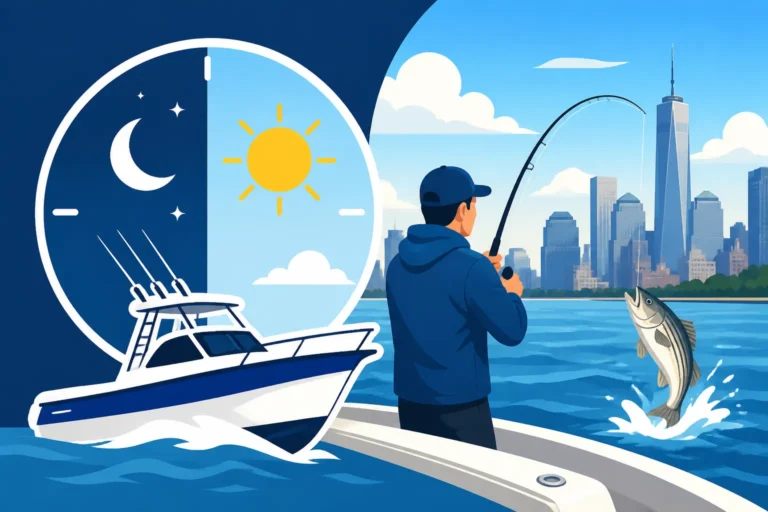
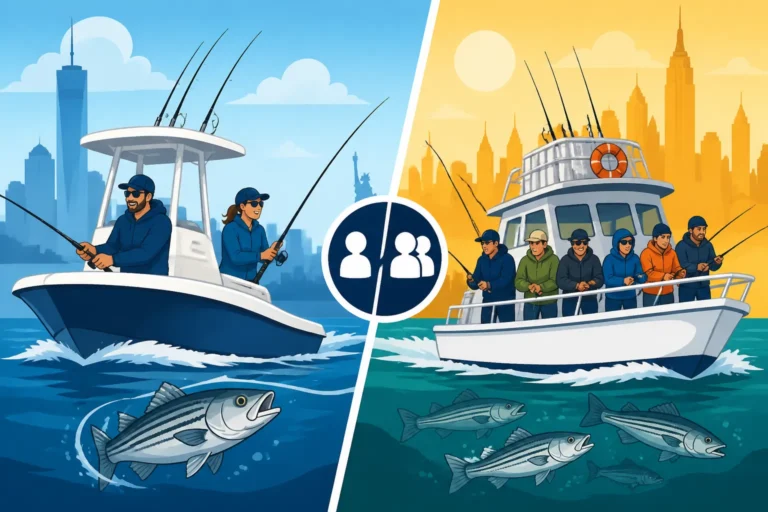
Montauk offers a wide variety of fishing charters to suit every angler's needs and budget. The most common distinction is between private charters and open boat (or party boat) trips. Private charters give you exclusive use of the boat and the captain's expertise, allowing for a customized itinerary, target species, and departure times. This is ideal for families, groups of friends, or serious anglers who want a personalized experience. You'll often find options for half-day trips, which might be 4-5 hours, or full-day trips, typically 8 hours or more, with some offshore tuna trips extending for 10-12 hours, or even overnight. For a deeper dive, consider reading about Half-Day vs Full-Day Fishing Charters.
Open boat trips, on the other hand, are more budget-friendly as you pay per person and share the boat with other anglers. While you might have less say in the exact fishing spots or target species, these boats often specialize in popular catches like fluke or striped bass and are a great way to experience Montauk fishing without the full cost of a private charter. They are also fantastic for solo anglers or smaller groups looking to mingle. Beyond duration and privacy, charters are often specialized by target species. You might find charters specifically geared towards Fluke Fishing Charters on Long Island, or those that focus on battling offshore giants.
What's Typically Included
One of the big advantages of booking a fishing charter is that most of the heavy lifting is done for you. Generally, your Montauk fishing charter will include all the necessary fishing gear, such as rods, reels, and tackle. This means you don't have to worry about packing your own specialized equipment or wondering if you have the right setup for the local fish. Fresh bait, often a significant expense if purchased independently, is also typically provided.
Another crucial inclusion is your New York fishing license or, for saltwater, your recreational marine fishing registry. Most reputable charter captains hold a blanket license for their vessel, covering everyone on board. However, it's always smart to confirm this when booking, or to ask if you need to bring your own, especially if you're coming from out of state. Some captains might also offer fish cleaning and filleting services at the end of the trip, which is a huge convenience. Always clarify these details upfront to avoid any surprises. Understanding Do I Need My Own Fishing License on a Charter Boat? is a good step in your planning.
Finding Reputable Captains and Boats
The success of your Montauk fishing trip largely hinges on the experience and professionalism of your captain and crew. Finding a reputable charter involves a bit of research. Look for captains who are U.S. Coast Guard licensed and insured, as this indicates a commitment to safety and professional standards. Online reviews and testimonials are invaluable resources for gauging a captain's reputation, fish-finding ability, and demeanor.
Word-of-mouth recommendations from fellow anglers can also be golden. Don't hesitate to call potential captains directly, ask questions about their experience, their typical target species, and what they recommend for the time of year you're planning to visit. Websites like FishingBooker are excellent resources for comparing different Montauk fishing charters, reading real angler reviews, and seeing what various captains offer in one place. They allow you to filter by species, boat size, price range, and availability, making the booking process much smoother and helping you connect with experienced local operators.
Popular Fish Species Targeted by Montauk Charters
Montauk's diverse marine environment means that charter captains target a wide array of species, each offering a unique challenge and reward. Knowing what fish are most commonly pursued can help you decide what kind of angling adventure you're looking for.
Striped Bass and Bluefish
For many anglers, Montauk is synonymous with striped bass. These powerful fish are highly sought after for their fighting spirit and delicious white meat. The rips and rocky structures around Montauk Point and the nearby oceanfront beaches are prime locations for "striper" fishing. Charters often target them by drifting with live bait like eels or bunker, or by casting lures such as bucktails, poppers, or swimming plugs into the turbulent currents. The spring and fall migrations are particularly productive, offering some of the most exciting action. How to Fish for Striped Bass in New York delves deeper into these techniques.
Bluefish, known for their aggressive strikes and sharp teeth, often school with striped bass and provide incredible sport. While some anglers target them specifically for their fierce fight, many appreciate them as a bonus catch alongside stripers. They're often caught using similar methods, though they'll hit almost anything you throw at them with enthusiasm. Be prepared for a strong tug and keep those fingers clear of their impressive chompers! These species provide consistent action, especially during peak seasons.
Fluke and Blackfish
When it comes to bottom fishing, fluke (also known as summer flounder) and blackfish (tautog) are two of Montauk's most popular species. Fluke fishing is a summertime favorite, particularly enjoyable for families and beginners. Charters typically drift over sandy or muddy bottoms, using bait like spearing, squid, or strips of fluke belly on specialized rigs. The key is to keep your bait moving along the bottom, mimicking a natural presentation. Landing a large "doormat" fluke is a real thrill. For more specific guidance, check out Best Spots to Catch Fluke Near Montauk.
Blackfish, on the other hand, are a fall and spring specialty. These hard-fighting fish are structure-oriented, preferring rocky areas, wrecks, and mussel beds. Anglers use green crabs or hermit crabs as bait, fishing directly over structure with heavy sinkers to keep the bait still. The bite can be subtle, but once hooked, blackfish are renowned for their incredible pulling power, trying to quickly return to their rocky homes. They require a patient and strong hand.
Tuna and Offshore Species
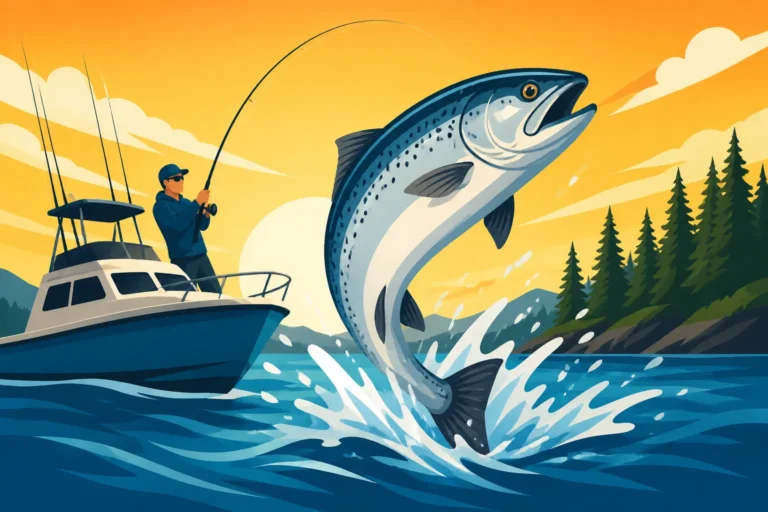
For those seeking a truly epic battle, Montauk's offshore waters offer opportunities for tuna, including bluefin, yellowfin, and albacore. These trips are typically full-day or overnight adventures, venturing far offshore to canyons and other deep-water structures. Trolling with a spread of lures or natural baits is a common technique, covering vast amounts of water to find schooling fish. When a tuna hits, it's an adrenaline rush like no other, demanding strength, endurance, and teamwork from the crew.
Beyond tuna, offshore charters might also target mahi-mahi (dorado), swordfish, or various shark species. These trips are an investment in time and money, but the potential reward of landing a pelagic giant is an experience of a lifetime. The captains who run these offshore trips are highly skilled, navigating complex currents and using advanced electronics to locate these elusive species. They ensure all safety protocols are meticulously followed, given the distances traveled from shore.
Planning Your Montauk Fishing Charter Trip
A successful fishing trip begins long before you even step on the boat. Thoughtful planning can make all the difference, ensuring you're prepared for the conditions and get the most out of your Montauk charter experience.
Best Time of Year to Go
Montauk offers fishing opportunities almost year-round, but the "best" time truly depends on what you want to catch. The spring, from April through June, is fantastic for the striped bass migration, with large schools moving through. Fluke fishing also kicks off in late spring and continues strong through the summer. Bluefish are generally abundant from late spring through early fall.
Summer, July and August, is prime time for fluke, porgies, and some offshore action heating up. As September and October roll around, the fall run of striped bass and bluefish provides some of the most exciting fishing of the year, often with larger fish aggressively feeding before their southern migration. This is also when blackfish season really picks up. Offshore tuna opportunities are typically best from late summer into fall. Talking with captains or using platforms like FishingBooker can help you pinpoint the ideal dates for your target species.
Booking Your Charter
Booking your Montauk fishing charter well in advance, especially during peak season (summer weekends or the fall run), is crucial. Popular captains and boats get booked up quickly. When you call to book, be clear about your group size, your preferred dates, and what species you're hoping to target. Don't be shy about asking questions about the boat, the captain's experience, and what's included.
It's also essential to understand the charter's Cancellation Policies for New York Fishing Charters. Most reputable charters have a policy regarding weather-related cancellations, typically offering a full refund or rescheduling options if the captain deems conditions unsafe. They may also have policies for client cancellations, often requiring a deposit that might be non-refundable if you cancel too close to the trip date. Clear communication from both sides ensures a smooth booking process.
What to Bring and What to Expect
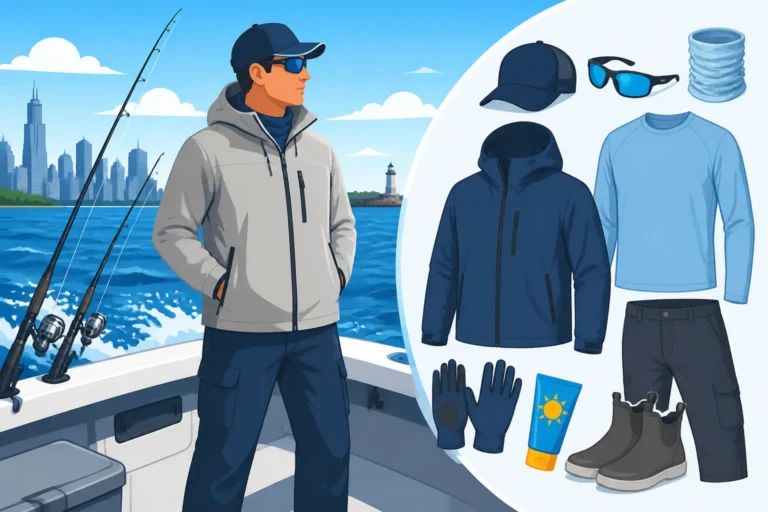
Even though charters provide most of the gear, there are still some essentials you should bring to ensure a comfortable and enjoyable trip. Dress in layers, as temperatures on the water can change quickly, even on a warm day. Non-slip, closed-toe shoes are a must for safety. Sunglasses, a hat, and plenty of sunscreen are vital to protect against sun exposure. Don't forget any personal medications.
Seasickness can be a real trip-ruiner, so if you're prone to it, take preventative measures like motion sickness medication before you board the boat. Pack plenty of water and snacks, or a packed lunch for longer trips. You'll also want a cooler with ice to take your catch home (if permitted and you choose to keep fish). Finally, bring a camera to capture those memorable moments! For a comprehensive checklist, refer to What to Bring on a New York Fishing Charter.
Cost Considerations for Montauk Fishing Charters
Understanding the financial aspects of a Montauk fishing charter is important for budgeting and ensuring you get good value for your money. Prices can vary significantly based on several factors, and there are often additional expenses to consider beyond the base rate.
Factors Influencing Price
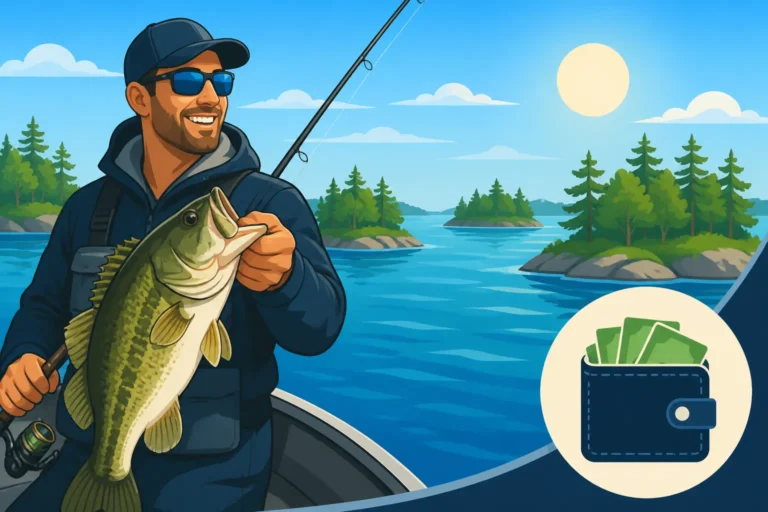
The cost of a Montauk fishing charter isn't a one-size-fits-all number. Several key factors play a role. First, the duration of the trip is a major determinant; a half-day trip will naturally be less expensive than a full-day or an overnight offshore expedition. Second, whether you book a private charter versus an open boat (party boat) makes a huge difference. Private charters, where you have the entire boat to yourselves, are always more expensive but offer a personalized experience. Open boat trips are priced per person, making them more accessible.
The size and type of boat also impact the price. Larger, more luxurious vessels with advanced electronics and amenities will command higher rates. The target species can also influence cost, as specialized offshore tuna trips require more fuel, different gear, and greater expertise, thus increasing the price. Lastly, peak season demand can sometimes lead to higher rates or less availability. Always inquire about all-inclusive pricing versus any potential additional charges for things like fuel surcharges or specific bait.
Tipping Etiquette and Other Expenses
Beyond the initial booking fee, it's customary to budget for a tip for the captain and crew. Just like in other service industries, a tip is a way to show appreciation for their hard work, expertise, and assistance throughout the day. A general guideline is to tip between 15-20% of the total charter cost. If the crew went above and beyond, handled your fish expertly, or provided exceptional guidance, a higher tip is certainly warranted. For more details on this, see Tipping Etiquette for New York Fishing Charters.
Other potential expenses might include fish cleaning and filleting services (sometimes a separate charge, sometimes included), purchasing additional drinks or snacks on board (if offered), and any personal fishing gear or souvenirs you might want to buy. Always factor these into your total budget to avoid any surprises. Remember, good communication with your charter operator during the booking process will help clarify all potential costs involved.
Maximizing Your Montauk Fishing Experience
You've picked your charter, planned your trip, and you're ready to hit the water. Now, let's talk about how to make sure that day out in Montauk is truly the best it can be, from the moment you wake up until you're enjoying your fresh catch.
Preparing for Your Trip
Mental and physical preparation can significantly enhance your enjoyment of the trip. If you're heading offshore or expect rougher conditions, consider what you eat the night before and the morning of your trip. Avoid heavy, greasy foods. Get a good night's sleep; you'll appreciate being well-rested, especially on an early morning departure. Reviewing the basic information about the fish you'll be targeting can also add to the experience. Knowing a little about their habits, preferred baits, and fight style can make each catch more rewarding.
Having all your personal items packed and ready to go the night before minimizes stress on trip day. This includes your layered clothing, rain gear, sun protection, medications, food, and drinks. Arrive at the dock a little early to meet your captain and crew, stow your gear, and get a quick briefing before departure. This smooth start sets a positive tone for the entire day.
Onboard Etiquette and Safety
Once on board, listening to your captain and crew is paramount. They are there to ensure your safety and put you on fish. Pay attention to any safety briefings, know where the life jackets and emergency equipment are, and follow all instructions, especially when casting, reeling, or moving around the boat. Space can be limited, so be mindful of other anglers and respect their fishing space. This is particularly true on open boat charters.
If you're unsure about a technique or need help, don't hesitate to ask the crew. They are there to assist you and want you to have a successful trip. Keeping the deck clean and tidy helps prevent accidents. A good angler is a respectful angler, both to the crew and to fellow passengers. It’s also good to be generally aware of New York Fishing Regulations Explained regarding catch limits, even though your captain will typically manage this.
Post-Trip Considerations
After a fantastic day of fishing, there are a few things to keep in mind. If you've kept fish, ensure you have your cooler ready to transport them home. If the crew offers fish cleaning, take advantage of it. It saves you a lot of time and mess once you're back home. Make sure to properly dispose of any trash you brought on board; leave the boat as clean as you found it, or cleaner.
If you had a great time and your captain and crew provided excellent service, remember that tip we talked about! Finally, take some time to reflect on your experience. What did you enjoy most? What did you learn? These reflections can help you plan your next Montauk fishing adventure, whether you want to target the same species or try something entirely new. Many anglers find themselves booking again with the same successful captain, building a long-term relationship for future trips.
| Species | Peak Seasons | Typical Fishing Method(s) | Common Bait/Lure |
|---|---|---|---|
| Striped Bass | Spring (May-June), Fall (Sept-Nov) | Trolling, Drifting, Casting, Live Lining | Live bunker, eels, bucktails, plugs |
| Bluefish | Late Spring (June), Summer (July-Aug), Fall (Sept-Oct) | Trolling, Drifting, Casting | Live bunker, spearing, metal jigs, poppers |
| Fluke (Summer Flounder) | Summer (June-Sept) | Drifting, Jigging | Spearing, squid, Gulp! artificials, fluke belly |
| Blackfish (Tautog) | Spring (April-May), Fall (Oct-Nov) | Bottom Fishing over Structure | Green crabs, hermit crabs, fiddler crabs |
| Yellowfin Tuna | Late Summer (Aug-Sept), Fall (Oct) | Trolling, Chunking | Ballyhoo, spreader bars, poppers, live bait |
| Mahi-Mahi (Dorado) | Late Summer (Aug-Sept) | Trolling, Casting (near weed lines or floating debris) | Squid, small lures, flying fish |
Disclaimer
This article is for general informational purposes only and does not constitute professional advice. Laws, prices and regulations vary by location and change over time. Consult a qualified professional for guidance on your specific situation.