Do Hudson River Guides Provide Bait?
One of the questions that pops up time and time again when you're thinking about booking a fishing trip, especially with a professional guide on a large and diverse waterway like the Hudson River, is: "What exactly is included?" It's a valid concern, and often, one of the biggest unknowns revolves around bait. Do Hudson River guides provide bait, or are you expected to show up with your own bucket of worms or a stash of fresh bunker? Let's dive deep into what you can typically expect and how to ensure there are no surprises on your next guided adventure.
Understanding What a Hudson River Fishing Guide Offers
Heading out on the majestic Hudson River with a guide can be an incredible experience, opening up access to prime fishing spots and years of local knowledge. But it's true, sometimes the details of what's covered can feel a little murky, especially if it's your first time or you're used to different setups in other parts of the state or country.
The "All-Inclusive" Misconception
It's easy to fall into the trap of thinking a guided trip is "all-inclusive," meaning everything from your license to your lunch, and yes, every piece of bait, is taken care of. After all, you're paying for their expertise and vessel, right? While many guides strive to make your trip as seamless as possible, "all-inclusive" can mean different things to different operations. The perception often stems from other types of tours or experiences where every last detail is indeed handled, but fishing, with its variable needs and personal preferences, often has a few more nuances. Anglers naturally want to show up, cast a line, and reel in fish without worrying about logistics, and it’s a reasonable expectation to hope that essential items like bait are provided. However, the reality on the water can be a little more complex due to the nature of fishing itself.
Standard Inclusions on Most Guided Trips
Generally speaking, when you book a trip with a professional guide on the Hudson River, you can expect the essentials for the actual act of fishing to be provided. This typically includes the boat itself, all necessary safety equipment like life jackets, and the core fishing gear. This means rods, reels, and a selection of tackle – think hooks, weights, leaders, and maybe some common artificial lures that the guide knows work well for the target species in that particular season.
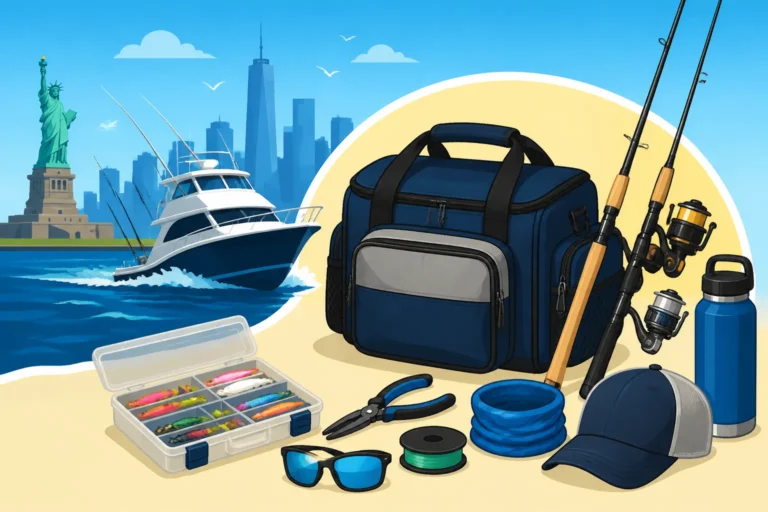
Guides often have a range of gear suitable for different fishing techniques and conditions, saving you the hassle and expense of bringing your own specialized equipment. They'll know what strength line is best for the current, what size rod is needed to handle a feisty striped bass, and which artificial lures have been producing lately. This is where their expertise truly shines, not just in finding fish, but in optimizing the gear to catch them. Having a knowledgeable guide who can provide the right equipment means you don't have to invest in a full arsenal yourself, which is a huge benefit for casual anglers or those just trying out Hudson River fishing for the first time. Many guides also take care of things like navigation, knowing the river's complex currents, tides, and depths, ensuring you spend your time fishing, not searching. For a more general overview of what to pack, check out What to Bring on a New York Fishing Charter.
The Nuances of Bait Provision on the Hudson River
When it comes to bait, this is where things can sometimes diverge from the "all-inclusive" ideal. The type of bait, its cost, availability, and how specific it is to certain species or fishing methods all play a role in whether a guide automatically includes it in their pricing.
Live Bait vs. Artificial Lures: A Cost and Logistics Divide
This is often the biggest factor in the bait conversation. Artificial lures, such as soft plastics, plugs, or spoons, are reusable assets for a guide. They might get lost or damaged, but they're not a consumable that needs to be purchased fresh for every single trip. Many Hudson River guides carry a vast selection of these, knowing exactly what to tie on given the conditions and what species you're chasing. These lures are part of their permanent gear investment.
Live bait, on the other hand, is a completely different ballgame. Imagine heading out for striped bass, and your guide needs a few dozen live bunker, or perhaps some eels. These baits are perishable, often expensive, and require special care to keep them lively throughout the day. A guide might have to wake up hours before a trip to visit a bait shop, or even spend time catching bait themselves, adding significant time and cost to their day before you even step on the boat. Because of these logistical challenges and fluctuating costs, live bait is often considered an "extra" that can either be added to the trip cost or purchased directly by the angler. This ensures that the base price of a guided trip remains accessible, and only those who specifically want to use live bait incur the additional expense. Sometimes, a guide might have a standard supply of cut bait or a small amount of live bait included, but for specialized or larger quantities, it's usually an additional charge.
Specific Target Species and Their Bait Needs
The Hudson River is home to a variety of fish, and what you're targeting significantly impacts bait requirements. If your goal is to catch hard-fighting striped bass, you might be looking at specific live baits like bunker or herring, or even chunk bait. These aren't always cheap or readily available in large quantities. Many of the best Hudson River Fishing Guides specialize in targeting these iconic fish.
For other species, like various panfish or even catfish, simpler, less expensive baits like worms or corn might be used. A guide targeting these species might be more inclined to include these more readily available and cheaper baits as part of their standard package. For example, if you're on a multi-species trip focusing on a mix of game fish, the guide might supply a general assortment of baits, both live and artificial. However, if your primary goal is Striped Bass Fishing on New York's Hudson River during the spring run, and you want to specifically use live bait, it's highly probable that this will be an additional cost. The use of Best Live Bait for New York's Hudson River Striped Bass often involves larger, more expensive options, making it difficult for guides to absorb that cost into their standard rates without significantly raising them for everyone. The guide's expertise also extends to knowing when and where to deploy different baits for maximum effectiveness, an insight that comes from years on the water, whether it's understanding local fish patterns or specific tidal influences on fish behavior.
| Item Type | Typical Guide Inclusion | Angler Responsibility (Potentially) | Notes |
|---|---|---|---|
| Boat & Safety | Yes | No | Life jackets, navigation, emergency gear. |
| Rods & Reels | Yes | No (unless preferred personal gear) | Matched to target species and conditions. |
| Standard Tackle | Yes | No (unless preferred personal gear) | Hooks, sinkers, leaders, common artificial lures. |
| Artificial Lures | Yes | No | Guide's preferred selection based on current patterns. |
| Live Bait | Sometimes (basic) | Often (specialized/large quantity) | Check with guide; usually extra for bunker, eels, specific minnows. |
| Cut Bait | Often | Sometimes | Simpler, more common cut baits may be included. |
| Fishing License | No | Yes | Angler must possess a valid New York fishing license. |
| Food & Drink | No | Yes | Bring your own snacks, water, and lunch. |
| Weather Gear | No | Yes | Appropriate clothing for sun, rain, cold. |
| Sunscreen/Hat | No | Yes | Personal protection from the elements. |
How to Confirm Bait Provision Before You Book
The absolute best way to avoid any misunderstandings about bait, or any other aspect of your Hudson River fishing trip, is to communicate clearly and directly with your guide before you finalize your booking.
The Importance of Direct Communication
Don't be shy! A good fishing guide wants you to have a fantastic experience, and that includes setting clear expectations. When you're inquiring about a trip, make sure to ask specifically about bait. You might ask:
- "Is live bait included in the price, or is it an additional cost?"
- "If I want to use fresh bunker for striped bass, do you provide it, and what's the typical cost?"
- "Do I need to bring any of my own lures or bait, or do you supply everything we'll need for the day?"
These straightforward questions will give you all the information you need to plan accordingly. It also shows the guide that you're a serious and prepared client, which they always appreciate. A seasoned guide will be happy to walk you through everything, as they've likely answered these questions countless times. They want you to be fully aware of what to expect, especially when it comes to costs, so there are no surprises when you're out on the water. This also applies to other regulatory aspects, such as needing to know New York Fishing Regulations Explained or how to obtain How to Get a Fishing License in New York.
Checking Guide Websites and Booking Platforms
Before you even make that phone call, many reputable guides will have detailed information available online. Check their personal websites, which often feature "What's Included" or "FAQ" sections. These pages are designed to answer common questions and will usually state explicitly whether bait is provided or if there's an additional charge.
Additionally, online booking platforms like FishingBooker are fantastic resources. When you look up New York Fishing Charters and Guides on platforms like FishingBooker, individual guide listings often provide a comprehensive breakdown of what's included in their various trip packages. You can often see clear notes about bait, tackle, and other amenities. These platforms are designed for transparency, helping you compare different guides and understand their offerings side-by-side. If a detail like bait isn't explicitly mentioned, it's always best to use the platform's messaging system or contact information to reach out to the guide directly. It's much better to clarify upfront than to arrive at the dock and realize you're missing something crucial for your desired fishing method.
Scenarios Where You Might Need to Supply Your Own Bait
While many guides do provide some form of bait or tackle, there are specific situations where you, the angler, might be expected to contribute or bring your own. Understanding these can save you a headache and ensure you're fully prepared for your day on the Hudson.
Specialized or Exotic Bait Requests
Let's say you have a very particular fishing technique in mind, or you've heard about a specific type of bait that's been deadly for trophy fish, but it's not a standard offering. Perhaps you want to experiment with a unique, custom-tied fly for trout (though trout fishing isn't the primary focus on the main stem Hudson, it's an example of specialty bait) or a rare type of live bait that's hard to source locally. In these instances, a guide might not have it on hand, nor would they be expected to. If you're planning on using something truly outside the norm, it’s always best to discuss it with your guide well in advance. They can advise you on its effectiveness, legality, and whether you should bring it yourself. Sometimes, they might even be able to point you to a local tackle shop that carries such items. This foresight ensures that your specialized approach can actually be executed on the water.
Cost-Saving Options for Anglers
For some anglers, bringing their own bait can actually be a way to manage costs or simply to participate more actively in the preparation of the trip. If a guide charges extra for live bait, and you know where to reliably source it yourself at a better price or prefer to catch it yourself beforehand (where legal and practical), then that's a viable option to discuss. Just make sure the bait you bring is fresh, healthy, and appropriate for the target species and local regulations. Nobody wants to be on a New York's Hudson River Striped Bass Guide trip with bait that's already half-dead!
Another scenario is if you plan on targeting fish like carp or catfish, which might respond to simpler, less expensive baits such as corn, bread, or specific stink baits. While a guide could provide these, some anglers enjoy the hands-on aspect of preparing their own "secret recipe" for these species. Again, a quick chat with your guide will confirm if this is acceptable and whether they have any specific recommendations or restrictions. It's also a good idea to consider the season; if you're fishing during the Striped Bass Season on the Hudson Runs April Through November, the preferred bait might change throughout those months. Understanding how to use baits like How to Fish Bunker for Striped Bass is crucial, and while a guide will show you, knowing how to rig it yourself can be a great skill.
In summary, while many Hudson River guides provide a comprehensive fishing experience complete with rods, reels, and general tackle, the provision of bait, especially specialized or live bait, often depends on the guide's specific policies, the target species, and the current market cost of bait. Always, always ask upfront to ensure a smooth and enjoyable day on the water.
Disclaimer
This article is for general informational purposes only and does not constitute professional advice. Laws, prices and regulations vary by location and change over time. Consult a qualified professional for guidance on your specific situation.