Can I Use Minnows as Bait in New York Lakes?
Navigating the world of fishing regulations in New York State can sometimes feel like trying to untangle a particularly stubborn bird's nest. One question that pops up again and again for anglers, especially those just starting out or visiting from other states, is about using live minnows as bait in New York lakes. It's a fantastic bait, incredibly effective, but the rules are nuanced, and misunderstanding them can quickly land you in hot water. This guide is here to cut through the confusion and give you the real scoop on what you need to know.
Understanding New York's Live Bait Regulations: It's More Than Just a Simple "Yes" or "No"
When it comes to live bait, particularly minnows, New York State takes a very proactive stance on protecting its diverse aquatic ecosystems. It's not about making fishing harder; it's about safeguarding our precious waters from unseen threats that can devastate fish populations for generations.
Why Minnows are a Hot Topic for Bait
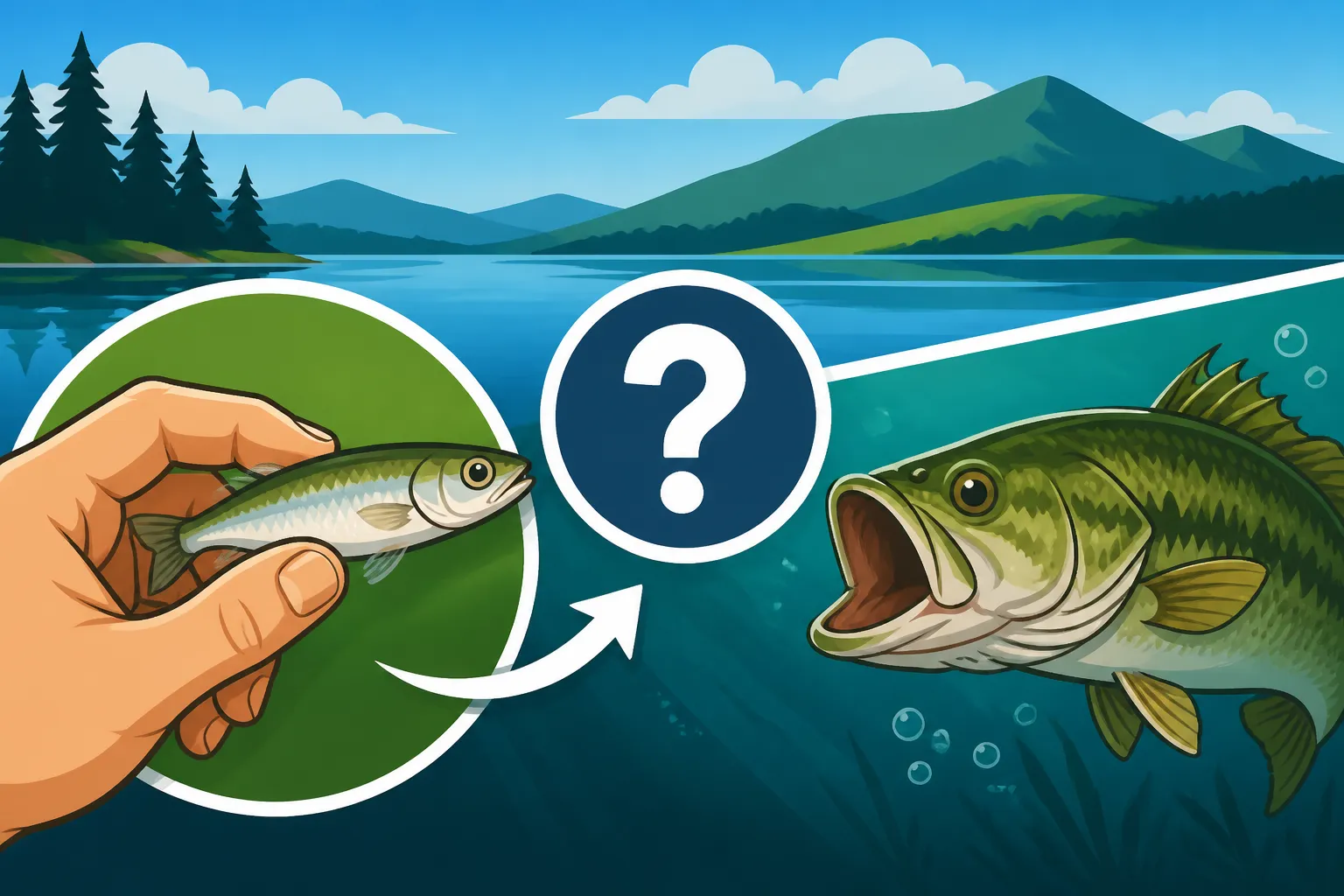
For many experienced anglers, and even those who've only fished a handful of times, minnows are practically synonymous with effective live bait. There's just something about a natural, struggling baitfish that predatory species find irresistible. Whether you're targeting a hungry largemouth bass, a feisty walleye, or even some panfish, a lively minnow can often be the difference between a slow day and a successful outing. Their natural scent, movement, and appearance make them incredibly enticing, which is precisely why they're so popular.
However, this effectiveness comes with a significant caveat in New York. The ease with which anglers can gather or purchase minnows, and then perhaps inadvertently transport them between different bodies of water, creates a huge risk. The natural inclination is often to think, "If it catches fish, why wouldn't I use it everywhere?" But the answer lies in the unseen dangers these tiny fish can carry.
The General Rule: Restrictions on Live Minnows
The New York State Department of Environmental Conservation (DEC) has very clear guidelines regarding the use of live baitfish, and minnows fall directly under this umbrella. The overarching principle is designed to prevent the introduction of invasive species and the spread of fish diseases, which can hitch a ride in a bait bucket without you even knowing it.
Generally, you can use live minnows as bait in New York lakes, but with critical stipulations. The most important rule revolves around the source of your minnows. You can only use live minnows that were purchased from a licensed bait dealer within New York State, and those minnows must be accompanied by a receipt or proof of purchase. This receipt often details where the minnows originated, ensuring they come from an approved, disease-free source. Furthermore, once you buy these certified minnows, you cannot transport them out of the waterbody they are intended for if you have used any in that waterbody. You also can't transport them into certain prohibited waters. Essentially, it's a "use it or lose it" scenario for many anglers once they're on the water.
This regulation might seem a bit cumbersome at first glance, especially if you're used to catching your own bait. But it’s a vital measure. If you're wondering about the nitty-gritty of all the rules, it's worth checking out the comprehensive guide on New York Fishing Regulations Explained or specifically the New York Freshwater Fishing Rules for a deep dive into all aspects of freshwater angling.
The Rationale Behind the Rules: Protecting New York's Ecosystems
These regulations aren't arbitrary; they are the result of careful scientific study and observation of how ecosystems can be severely damaged. The biggest threats are invasive species and aquatic diseases.
Imagine a bucket of minnows. While they might look perfectly healthy to the naked eye, they could be carrying microscopic parasites or bacteria that are harmless in their native waters but devastating to a new environment. For example, the VHS (Viral Hemorrhagic Septicemia) virus has caused significant die-offs in various fish species, and baitfish are known carriers. If you use infected minnows in a new lake, you could unwittingly introduce this pathogen, leading to widespread fish mortality.
Beyond diseases, there's the specter of invasive species. A minnow, or other small aquatic organism mixed in with your bait, that escapes into a non-native waterbody can quickly reproduce, outcompete native species for food, disrupt habitats, and throw the entire ecosystem out of balance. We've seen the destructive power of species like zebra mussels or round gobies, and the DEC is working tirelessly to prevent similar scenarios with other organisms. These strict bait regulations are a frontline defense against such ecological disasters, ensuring the health and future of New York's fisheries.
Where You Can (and Can't) Use Minnows in New York
Understanding the general rules is one thing, but knowing the specific waters where you can or cannot use minnows is where the rubber meets the road. New York's diverse geography means rules can vary significantly from one region to another, making it essential to always consult the most current regulations for your target fishing spot.
Waters Where Certified Minnows Are Permitted
In many of New York's larger, interconnected water bodies, and those designated for robust recreational fishing, the use of certified live minnows is generally allowed. This includes significant portions of the Great Lakes (Lake Erie and Lake Ontario), and some of their major tributaries, as well as many of the larger Finger Lakes like Cayuga Lake and Seneca Lake. In these waters, anglers frequently target species such as walleye, smallmouth bass, and even larger salmon and trout, where minnows can be an incredibly effective tool.
The key here, again, is "certified." This means you must have purchased these minnows from a licensed New York bait dealer, and you should retain the receipt as proof. This receipt confirms that the minnows have been inspected and are deemed free of prohibited invasive species or diseases. Many bait shops are well-versed in these rules and will provide the necessary documentation. When you're shopping for tackle or planning your trip, consider checking online retailers like Amazon for specialized bait buckets equipped with aerators to keep your minnows lively and healthy, which is crucial for maximizing their appeal.
For waters where minnows are permitted, make sure to review the New York DEC Fishing Regulations Guide for any specific nuances or recent changes, as these can be updated periodically.
Restricted Waters and Species-Specific Concerns
Conversely, there are many waters across New York where the use of live minnows, or even other live bait, is strictly prohibited. These restrictions are often in place to protect particularly sensitive ecosystems, prevent the spread of specific pathogens, or to manage specific fish populations, such as native trout streams.
One of the most notable regions with strict live bait restrictions is the Adirondack Park. Many lakes and ponds within the Adirondacks are designated as "trophy" or "heritage" waters, where the emphasis is on preserving native brook trout populations and the pristine nature of the environment. In these waters, you will often find rules that explicitly forbid the use of any live bait, including minnows, crayfish, or even worms. The reasoning is sound: a single introduction of an invasive species or disease could rapidly decimate vulnerable native populations that have existed for centuries.
Another example can be found in many smaller trout streams and creeks throughout the state. While some larger rivers might allow certain live baits, smaller, more delicate trout fisheries frequently have "artificial lures only" or "flies only" regulations. This isn't just about bait; it's also about reducing accidental harm to fish through easier hook removal and minimizing impacts on stream beds. Therefore, if your fishing trip includes targeting trout in smaller waterways, always assume live minnows are off-limits unless explicitly stated otherwise in the regulations. You might find a good selection of trout lures or fly-fishing gear on Amazon if you need to stock up on alternatives!
The Importance of Local Regulations and Special Waters
This is perhaps the most critical takeaway: always check the specific regulations for the particular body of water you intend to fish. New York State has a concept of "special regulations waters" where local rules supersede the general statewide regulations. This means a lake just down the road from one where minnows are allowed might have completely different rules due to unique ecological factors or management goals.
For instance, certain lakes might have specific rules for different times of the year, or only allow minnows for particular species while prohibiting them for others. The best way to avoid any potential fines or, more importantly, to ensure you're protecting our waterways, is to consult the official DEC Fishing Regulations Guide. Look for sections on "Special Regulations by County" or "Specific Waters" to get the most accurate information.
It's tempting to rely on word-of-mouth or assume that what applies to one lake applies to another, but this is a risky approach. A quick check of the regulations can save you a lot of hassle and help you avoid a citation for Fishing Without a License in New York: What Happens or other bait-related violations. Staying informed is truly your best defense, and it’s a sign of a responsible angler who cares about the resource.
Sourcing and Handling Minnows Responsibly
Even in waters where minnows are permitted, the responsibility doesn't end with simply knowing the rules. How you source and handle your bait plays a huge role in protecting New York's aquatic environments. This diligence is crucial for preventing the spread of diseases and invasive species.
Buying Minnows from Licensed Bait Dealers
When using live minnows, the safest and most compliant route is always to purchase them from a licensed bait dealer in New York State. These dealers are part of a regulated system designed to minimize risks. The minnows they sell are typically raised in controlled environments or harvested from specific waters under strict monitoring, ensuring they are free from major diseases and invasive organisms.
When you make a purchase, the dealer will often provide a receipt that indicates the source of the bait. This receipt is your proof of compliance and you should keep it with you while fishing. Think of it like carrying your New York Fishing License Guide – it's essential documentation. A reputable bait shop will be knowledgeable about local regulations and can advise you on whether their minnows are suitable for the specific lake or river you plan to visit. Don't be shy about asking questions! They are there to help ensure you have a legal and successful fishing trip. When transporting your bait, make sure to use a good quality bait bucket, perhaps one with an aerator that you can find on Amazon, to keep them alive and healthy until you get to your fishing spot.
Catching Your Own Minnows: What You Need to Know
While buying from a licensed dealer is the recommended path for minnow use, some anglers prefer the satisfaction of catching their own bait. This is a practice that can be done legally in New York State, but it comes with its own set of very specific rules and requirements, detailed under the Bait Fish Collection Rules.
Firstly, you need to understand that simply catching minnows from one lake and using them in another is almost always prohibited due to the risk of transferring diseases or invasive species. The general rule is that baitfish collected from a specific waterbody may only be used as bait in the same waterbody from which they were collected. You cannot transport them away from that waterbody, even to use them in a nearby lake or pond, unless those waters are directly connected and part of the same system.
To collect your own bait, you might need a special permit, especially if you plan to use gear like bait seines or traps. There are also specific size and quantity limits for collected baitfish. You must also be able to accurately identify the species you are collecting, as some small fish are protected or prohibited from use as bait. For instance, juvenile protected species or certain invasive species might be present and must not be used or transported. Ignorance of the law is no excuse, so thoroughly review the "Baitfish Collection" section in the official DEC regulations. This applies to all live bait, not just minnows, so refer to the broader Rules on Using Live Bait in New York.
Preventing the Spread of Invasive Species and Diseases
Beyond the rules for sourcing minnows, every angler has a personal responsibility to prevent the spread of aquatic invaders. This goes beyond just baitfish and applies to all your gear. The "Clean, Drain, Dry" principle is paramount.
- Clean: Inspect and remove all visible mud, plants, fish, or animals from your boat, trailer, waders, tackle, and equipment before leaving any body of water.
- Drain: Completely drain all water from your boat, livewells, bait buckets, and any other water-holding compartments before transporting to a new location. This includes ensuring your bait bucket is completely empty of water and any unused minnows are properly disposed of (never released into a different waterbody).
- Dry: Allow all equipment to thoroughly dry for at least 5-7 days before using it in another waterbody. If drying isn't possible, consider a high-pressure wash with hot water.
By adhering to these simple but critical steps, you become a steward of New York's fantastic fisheries, ensuring that the natural beauty and abundance of fish, including many of the Fish Species You Can Catch in New York, are preserved for future generations.
Alternatives to Live Minnows and Advanced Bait Strategies
While live minnows are undoubtedly effective, they are not always legal or practical to use. Thankfully, the world of fishing offers a vast array of alternative baits and techniques that can be just as, if not more, productive. Embracing these options not only helps you stay compliant with regulations but can also expand your fishing repertoire.
Effective Artificial Baits That Mimic Minnows
The tackle industry has spent decades perfecting artificial lures that perfectly mimic the look, action, and sometimes even the scent of live minnows. These are fantastic options for waters where live bait is prohibited or simply inconvenient.
- Jerkbaits and Stickbaits: These hard plastic lures are designed to be retrieved with a "jerking" motion, causing them to dart and pause erratically, perfectly imitating a wounded baitfish. Brands like Rapala, Lucky Craft, and Megabass offer a wide range of sizes and colors. They are incredibly effective for targeting species like smallmouth and largemouth bass, walleye, and even pike.
- Swimbaits: Soft plastic swimbaits, often featuring a paddle tail, move through the water with a natural, undulating action. They come pre-rigged or can be rigged on jig heads. They're excellent for a steady retrieve to cover water and imitate a healthy swimming minnow. You can find a huge variety of swimbaits and jig heads on Amazon, allowing you to experiment with different sizes and colors to match the local forage.
- Soft Plastic Minnow Imitations: These unweighted or lightly weighted plastics, often rigged Texas-style or on a dropshot, can be subtle yet deadly. Fished slowly, they replicate a dying or weakly swimming minnow, irresistible to wary fish. Techniques like dropshotting can be particularly effective when fish are holding deep or are finicky, especially when fishing How to Fish Cold Water in New York.
- Spoons: While not always minnow-shaped, many spoon lures, particularly those with a slender profile, flutter and flash like a dying baitfish. They are excellent for casting and retrieving or trolling, especially for trout and salmon.
The beauty of artificial baits is their versatility. You can carry a wide selection, switch them out quickly, and they don't require aeration or special handling.
Other Productive Live Bait Options
If the regulations allow for other forms of live bait and you prefer the natural appeal, there are still many excellent choices beyond minnows. Just remember, the same principles of ethical sourcing and preventing contamination apply.
- Worms (Nightcrawlers, Red Wigglers): The venerable worm is a classic for a reason. Almost every freshwater fish, from panfish to trout, bass, and catfish, will eagerly take a worm. They are easy to find, relatively inexpensive, and generally don't carry the same invasive species risks as baitfish (though never release unused worms into a natural environment).
- Leeches: Often overlooked, leeches are a fantastic bait for walleye, smallmouth bass, and even some panfish. They are tough, lively, and incredibly enticing. You can often purchase them from bait shops.
- Crayfish: Where legal, live crayfish are dynamite bait, especially for large smallmouth and largemouth bass, pike, and even trout in some waters. However, crayfish also have strict regulations regarding collection and transport due to the potential for spreading invasive species like the rusty crayfish, so always check the New York Freshwater Fishing Rules for specific rules on their use.
- Hellgrammites: The larval stage of the Dobsonfly, hellgrammites are a superb bait for trout and smallmouth bass, especially in rocky stream environments. They are incredibly hardy and have a natural, enticing action. Availability can be seasonal, and collection rules are often strict.
When choosing any live bait, always consider the target species. The New York's Most Popular Freshwater Fish article can give you insight into what different species prefer, helping you match your bait to your quarry.
Reading the Fish and the Water
Ultimately, successful fishing isn't just about the bait; it's about understanding the environment and the fish you're targeting. Factors like water clarity, temperature, time of day, and even barometric pressure can influence what bait or lure will be most effective.
- Clear Water: In clear water, fish often rely heavily on sight. Realistic artificial baits with natural colors, or live baits that are presented subtly, tend to work best.
- Stained/Murky Water: In darker water, scent and vibration become more critical. Live baits, scented artificials, or lures with a strong rattle or vibration can help fish find your presentation.
- Water Temperature: Fish metabolism slows in cold water, making them less willing to chase fast-moving baits. Slower presentations with live bait or subtle artificials are often more effective. In warmer water, fish are more active and might aggressively pursue faster-moving lures.
By developing a keen eye for these conditions and being willing to experiment with different baits and techniques, you'll become a more versatile and successful angler, regardless of whether minnows are on the menu.
| Bait Type | Pros | Cons | NY Regulations (General) | Best For |
|---|---|---|---|---|
| Live Minnows | Highly effective, natural action | Strict regulations, disease/invasive risk | Must be certified from licensed NY dealer; "use in place" rule; prohibited in many waters | Walleye, Bass, Pike, Perch |
| Artificial Minnows (Jerkbaits, Swimbaits, Soft Plastics) | Highly versatile, no storage issues, legal in most waters | Requires angler skill for presentation | Generally allowed everywhere | Bass, Walleye, Trout, Salmon, Pike, Panfish |
| Worms | Universal appeal, easy to find | Less active than minnows | Generally allowed, but check for specific water body prohibitions | Panfish, Trout, Bass, Catfish, Perch |
| Leeches | Tough, long-lasting, good action | Can be harder to find | Generally allowed, but check local rules | Walleye, Smallmouth Bass, Pike |
| Crayfish | Excellent for predatory fish | Strict collection/transport rules, can be hard to keep | Regulations vary widely; often prohibited as live bait for transport | Large Bass, Pike, Trout |
Disclaimer
The information provided in this guide is for general informational purposes only and is subject to change. New York State fishing regulations, including those concerning baitfish, are updated annually and can vary by specific waterbody. Always consult the most current official New York State Department of Environmental Conservation (DEC) Fishing Regulations Guide (available online or at licensed bait and tackle shops) before you go fishing to ensure compliance with all applicable laws and to protect New York's valuable aquatic resources.