Striped Bass Fishing on New York’s Hudson River
There’s nothing quite like the rush of a powerful striped bass tearing line from your reel, especially when you’re standing on the banks or drifting the storied waters of New York’s Hudson River. For many anglers, figuring out the patterns of these migratory giants in such a vast and dynamic waterway can feel overwhelming. This comprehensive guide is designed to cut through the confusion, offering a realistic, in-depth look at how to successfully target striped bass on the Hudson, from understanding their movements to mastering the techniques that bring them to the net.
The Hudson River Striped Bass Migration and Lifecycle
The Hudson River is not just any body of water; it's a vital artery for the East Coast striped bass population, serving as a primary spawning ground. This unique characteristic means you'll encounter stripers in various life stages and behaviors throughout the year, presenting both challenges and incredible opportunities. Understanding their annual journey is key to unlocking consistent success.
The Annual Spawning Run
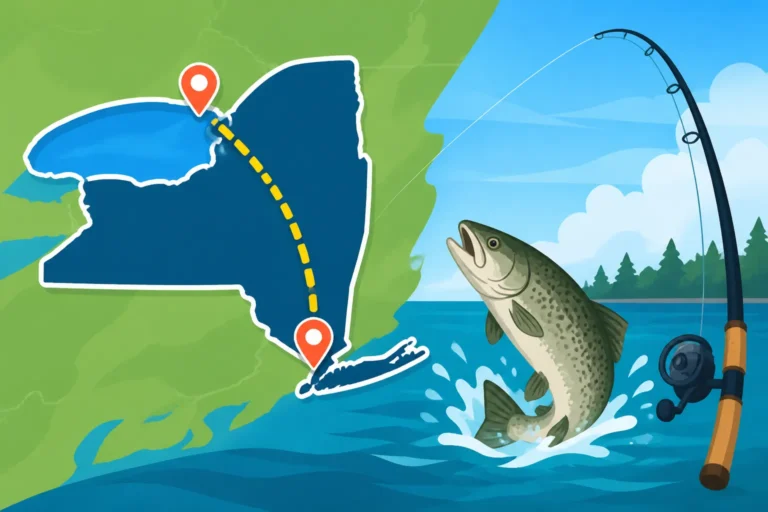
Every spring, as the ice recedes and water temperatures climb, an incredible natural phenomenon unfolds: mature striped bass from the Atlantic Ocean begin their epic migration up the Hudson River. These fish, some of them true giants, are driven by the primal urge to reproduce. They travel hundreds of miles, navigating currents and dodging obstacles, all to reach the brackish and freshwater stretches of the river that serve as their ancestral spawning grounds. This upstream movement, often kicking off in late March or early April and peaking through May, is when the river truly comes alive. It's an incredibly exciting time for anglers, as large schools of fish are concentrated and actively feeding, preparing for the rigors of spawning.
The specific timing of the spawn is heavily dependent on water temperature. Generally, when the Hudson's waters reach a consistent 50-60 degrees Fahrenheit, the bass become most active in their spawning efforts. This period can be intense, offering some of the best opportunities to hook into trophy-sized fish. However, it's also a time when anglers must be particularly mindful of their impact, as these fish are at their most vulnerable. The excitement of the run can make it easy to forget the bigger picture, but respecting the spawning process is crucial for the long-term health of the fishery.
Resident vs. Migratory Populations
While the spring spawning run is certainly the most famous event on the Hudson, it's important to remember that not all striped bass in the river are purely migratory. The Hudson also supports a significant population of "resident" striped bass. These are fish that spend much, if not all, of their lives within the estuary, adapting to its varied conditions and rarely venturing far into the open ocean. These resident fish can provide year-round angling opportunities, though their populations and sizes might not be as dramatic as the incoming ocean-run stripers.
The distinction between resident and migratory populations can influence your fishing strategy. Resident fish are often found in specific areas they've learned to call home, familiar with local structure, current breaks, and forage patterns. Migratory fish, on the other hand, are more transient, following baitfish schools and temperature gradients as they push upriver. During the spring and fall runs, these two populations often mix, creating an incredibly rich and diverse fishery. Later in the year, particularly during the summer and winter months, targeting resident fish often becomes the primary focus for dedicated Hudson River anglers. Understanding the dynamics of both groups helps you interpret patterns and choose the right approach, whether you're looking for a quick catch or hoping to land a true Hudson River giant.
Prime Seasons and Optimal Timing for Hudson River Stripers
Catching striped bass on the Hudson River isn't just about showing up with a rod; it's about understanding when and where these fish are most active. The river's dynamic ecosystem, coupled with the striped bass's migratory habits, means that prime fishing conditions shift dramatically throughout the year. Timing your trips to coincide with these natural cycles is paramount for success.
Spring Run Excitement
Oh, the spring run! If there's one time of year that truly electrifies Hudson River anglers, it's this period. Starting typically in April and often extending through May, this is when the big migratory "cows" surge upriver from the ocean to spawn. The sheer volume of fish and the potential for landing a true trophy make it an irresistible draw. The excitement is palpable as anglers from all over descend upon the Hudson, hoping to intercept these powerful fish. The air is thick with anticipation, and stories of massive stripers are constantly circulating.
During this time, the fish are incredibly active, not just for spawning but also for feeding. They're gorging themselves, building energy reserves for the strenuous act of reproduction. This means they can be aggressive and willing to hit a variety of baits and lures. Key indicators for the start of the intense action are water temperatures consistently reaching into the 50s Fahrenheit. You'll find these fish concentrated in specific areas, particularly where brackish water transitions to freshwater, which are ideal spawning grounds. Many anglers find success by focusing on the ebb and flow of the tide, as moving water often positions bait and makes stripers more ambush-prone. If you're looking for a shot at the biggest fish of the year, the spring run is undoubtedly your best bet, but be prepared for crowds and variable conditions. For more details on the specific dates, check out our guide on Striped Bass Season on the Hudson Runs April Through November.
Summer Fishing Challenges and Opportunities
Once the frenetic energy of the spring spawn subsides, summer on the Hudson brings a different kind of striped bass fishery. While the massive migratory spawners largely retreat back to the ocean, a healthy population of resident striped bass, along with smaller migratory fish, remains in the river. This can be a more challenging time, as higher water temperatures can make the fish less active during the heat of the day, pushing them into deeper, cooler water or causing them to feed primarily during low-light hours. Don't be fooled into thinking the fishing completely shuts down, though. It just requires a more nuanced approach.
Summer fishing often means targeting specific structures: deep holes, channel edges, bridge pilings, and submerged rocks where fish can find refuge from the sun and ambush passing baitfish. Early mornings, late evenings, and even night fishing become incredibly effective. The Tappan Zee Bridge area, for instance, is known for holding stripers year-round due to its deep structure and strong currents. You'll likely encounter more schoolie-sized stripers, but larger resident fish are absolutely present for those who put in the time. The key is to adapt your techniques and focus on times when the fish are most comfortable and actively feeding, often coinciding with specific tidal movements or drops in light intensity. This is also a great time to explore different sections of the river, as fish might spread out more than during the concentrated spring run.
Fall Run Fireworks
Just when you think the season might be winding down, the Hudson comes alive again with the glorious fall run. This isn't a spawning run, but rather a pre-winter feeding frenzy. As cooler weather sets in and water temperatures begin to drop, migratory striped bass, along with many other species, start their journey back to the ocean. They are actively bulking up, trying to store as much energy as possible for the colder months ahead. This makes them incredibly aggressive and willing to chase down bait.
The fall run typically kicks off in September and can extend well into November, offering consistent action. Schools of baitfish, like Atlantic menhaden (bunker) and river herring, become plentiful, and the stripers follow them closely. This can lead to incredible surface boils and busting fish, particularly in the lower and mid-Hudson sections where these baitfish are abundant. Anglers often find success by "matching the hatch," using lures or bait that imitate the prevalent forage. The strong tides and currents of the Hudson amplify this feeding behavior, creating prime conditions for active fishing. If you missed the spring run or simply crave more striper action, the fall migration is another fantastic opportunity to experience the power and excitement of Hudson River striped bass fishing.
Essential Gear and Bait for Hudson River Striped Bass
Equipping yourself correctly is not just about comfort; it's about confidence and increasing your chances of success, especially when battling the powerful currents and formidable fish of the Hudson River. You wouldn't bring a butter knife to a sword fight, and the same principle applies to striped bass fishing here. The right gear makes all the difference.
Rods, Reels, and Line Choices
When it comes to rods for Hudson River striped bass, versatility is key, but power is paramount. You'll want a medium-heavy to heavy action rod, typically in the 7 to 9-foot range. This length provides the leverage needed for long casts, especially from shore or a small boat, and enough backbone to handle a powerful striper in strong currents. Brands like St. Croix, Ugly Stik, and Shimano offer excellent options that can withstand the abuse of river fishing. For reels, a robust spinning reel in the 4000 to 6000 series is a popular choice for most applications, offering a good balance of line capacity and drag power. If you're dedicated to throwing larger plugs or live baits, a conventional reel might be more appropriate. Look for reels with smooth, reliable drag systems, as a surging striper will put it to the test.
Line choice is critical. Braided line is almost universally preferred for its strength-to-diameter ratio, zero stretch for excellent sensitivity, and long casting capabilities. A 30-50 pound test braided line is a good starting point for most Hudson River scenarios. Pair this with a fluorocarbon leader, usually 30-50 pound test, attached with a strong knot like an FG knot or an Albright knot. The fluorocarbon leader provides abrasion resistance against sharp rocks and oyster beds, as well as being virtually invisible underwater, which can be a huge advantage in clearer conditions. Remember, these fish aren't shy, but reducing visibility can only help.
Top Baits and Lures for the Hudson
The Hudson River offers a smorgasbord of feeding opportunities for striped bass, so having a diverse arsenal of baits and lures is a smart strategy. For live bait, nothing beats fresh bunker (menhaden) or herring when they are present. These oily baitfish are a natural food source for stripers, and fishing them live or as chunks can be incredibly effective, especially during the spring and fall runs. Live eels are another classic choice, particularly for targeting larger, nocturnal stripers. If you're using bait, remember the Striped Bass Circle Hook Requirement to ensure responsible angling and minimize harm to the fish.
When it comes to artificial lures, the options are vast. Soft plastics, especially larger paddle tail swimbaits from brands like Tsunami or Keitech, rigged on heavy jig heads (1/2 oz to 2 oz or more, depending on current and depth), are incredibly versatile. They imitate bunker and other baitfish beautifully. Plugs like Danny surface swimmers, SP Minnows, or various minnow-style lures are fantastic for covering water and eliciting aggressive strikes. For topwater action, poppers and walk-the-dog lures can be absolutely explosive, particularly during low-light conditions or when stripers are actively busting bait on the surface. Don't forget metal jigs or Kastmasters for when fish are holding deep or when you need to cast a long distance. Having a variety of colors and sizes, mimicking everything from an alewife to a blue crab, will increase your chances of success. Our guide on the Best Bait for Striped Bass has even more insights.
Terminal Tackle and Essential Accessories
Beyond the main rod and reel setup, a well-stocked tackle box for Hudson River stripers includes a few crucial terminal tackle items and accessories. First, a selection of heavy-duty swivels and snaps is essential for quickly changing lures and preventing line twist. Look for quality ball-bearing swivels for heavy current. As mentioned, a variety of jig heads in different weights (1/2 oz to 3 oz or more) and hook sizes (4/0 to 8/0) is a must to match your soft plastics and adapt to varying conditions. Weights and sinkers – pyramid, bank, or Sputnik sinkers – ranging from 1 oz to 6 oz are necessary for bait fishing in strong currents.
Beyond tackle, a few accessories will make your trip safer and more enjoyable. A good pair of fishing pliers (preferably saltwater-resistant) for hook removal and cutting line is indispensable. A reliable headlamp or flashlight is vital for early morning, late evening, or night fishing. Don't forget a sturdy landing net or a BogaGrip-style lip gripper for safely handling fish, especially if you plan on releasing them. A high-quality tackle bag or backpack that can withstand the elements and organize your gear is also invaluable. And, of course, your valid New York fishing license and a copy of the current New York Fishing Regulations Explained are non-negotiable!
Key Fishing Spots and Access on the Hudson River
The Hudson River is a long and diverse waterway, stretching over 300 miles from its source in the Adirondacks to New York Harbor. When it comes to striped bass, certain sections and specific spots consistently produce better results due to migratory patterns, forage availability, and underwater structure. Knowing these key areas can dramatically improve your chances, whether you're fishing from shore or a boat.
Upriver Hotspots for Spawning Fish
During the spring run, the most significant action for large, spawning striped bass typically occurs in the upper tidal reaches of the Hudson. This is the zone where saltwater meets freshwater, and the river conditions are just right for striped bass reproduction. Areas like the vicinity of Newburgh, Kingston, and especially north towards Albany and Troy, become prime real estate. The confluence of major tributaries with the main stem of the Hudson also creates excellent ambush points and nutrient-rich waters that attract both bait and predators.
One of the challenges in these upriver areas can be public access, as much of the shoreline is private. However, there are numerous boat launches and public parks that offer opportunities. For example, the areas around the cities of Catskill and Hudson often hold impressive numbers of fish. Anglers fishing from boats will often drift large chunks of herring or bunker through channel swings and deep holes, targeting fish staging before or after spawning. Shore anglers might focus on access points near bridges or piers, especially those with strong current breaks or sudden depth changes. Remember, these are sensitive spawning areas, so practicing catch-and-release, especially for the larger females, is highly encouraged to protect the future of the fishery. Understanding New York Freshwater Fishing Rules is particularly important in these upstream areas.
Mid-River Action and Structure Fishing
Moving downriver from the spawning grounds, the mid-Hudson region offers a different but equally exciting striped bass fishery. This section, generally from roughly Poughkeepsie down to Peekskill, is characterized by a wider river, stronger currents, and more pronounced underwater structure like deep channels, submerged rock piles, and extensive flats. These features provide excellent habitat for striped bass year-round, not just during the migratory runs. Here, you'll find a mix of resident fish and migratory stripers staging or feeding as they move up and down the system.
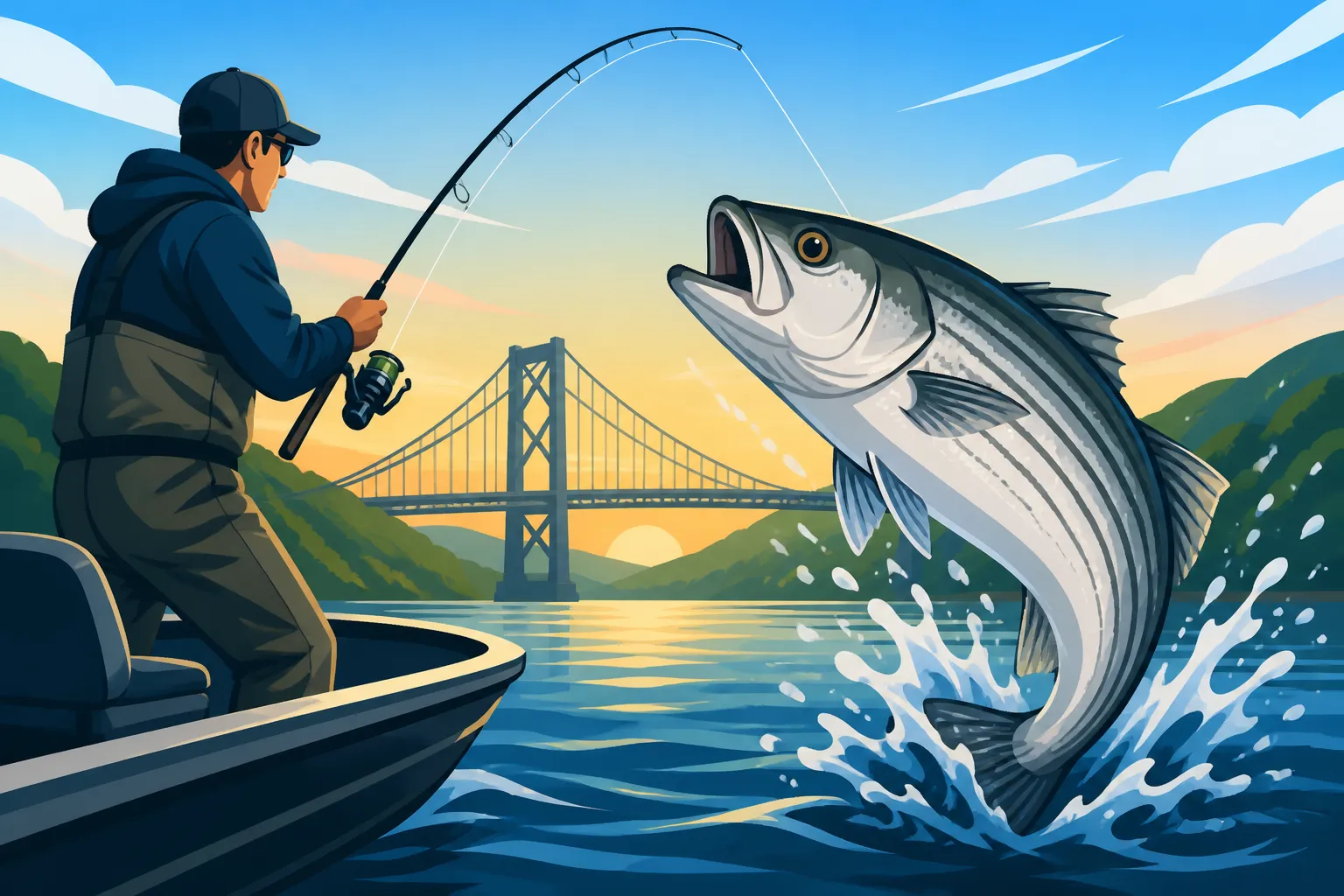
Bridge structures, like the Mid-Hudson Bridge in Poughkeepsie or the Bear Mountain Bridge, are classic hotspots. Their pilings create current breaks and attract baitfish, making them natural ambush points for stripers. Similarly, prominent points and coves where currents swirl and eddies form can concentrate fish. Boaters have a distinct advantage in these areas, able to navigate to specific structures and drift or troll effectively. Shore anglers should look for public access points along parks or small towns that offer access to deeper water or significant current. For instance, sections around Cold Spring or Beacon can be productive. The key here is to "read the water" – identifying current seams, eddies, and submerged structure where stripers can conserve energy and ambush prey. This part of the river really showcases how diverse the Fish Species Found in the Hudson River can be, offering exciting angling year-round.
Lower River and Estuary Opportunities
The lower Hudson River, from Yonkers down to the Tappan Zee Bridge and into New York Harbor, transitions into a more saline, estuarine environment, providing fantastic opportunities, especially during the spring and fall migrations. This area acts as a gateway for the ocean-run striped bass, meaning it's often the first place they show up in spring and the last place they pass through in fall. The presence of abundant baitfish, particularly bunker, makes this a highly productive zone.
Specific locations like the Tappan Zee Bridge (Mario M. Cuomo Bridge) are legendary. Its extensive structure and deep water hold massive schools of stripers, attracting both boaters and shore anglers. Piers and waterfront parks in Yonkers, Dobbs Ferry, and various points within New York City itself also offer surprising opportunities for shore-based anglers, especially when baitfish are schooling close to shore. Charters operating out of various ports, easily found through services like FishingBooker, frequently target these lower river areas, often using live bait or large artificials. The strong tidal influences here are critical, and understanding how they move bait and position fish is paramount. Fishing during the peak of the tide, especially the outgoing, can be incredibly productive as currents sweep baitfish past waiting stripers. This section of the river also experiences more overlap with saltwater species, making for a truly diverse angling experience. If you’re considering a guided trip, checking out New York Fishing Charter Costs might be a good first step.
Effective Techniques for Targeting Hudson River Stripers
Successfully catching striped bass on the Hudson River is a blend of understanding their behavior and employing the right techniques for the conditions. There's no single magic bullet, but rather an adaptable approach that incorporates various methods to entice these powerful fish.
Bait Fishing Strategies
Bait fishing is arguably one of the most effective and time-honored methods for catching striped bass on the Hudson, especially when targeting larger fish or when they are less aggressive. The most popular baits are undoubtedly fresh bunker (Atlantic menhaden) or herring. These can be fished live, as chunks, or even as whole dead baits. For live bait, rigging a bunker or herring with a single circle hook through the nose or back, allowing it to swim naturally in the current, can be deadly. Using a three-way swivel rig with a sinker on a dropper line and a leader for your bait is a common setup, allowing your bait to be presented just off the bottom in varying currents.
Chunking, using pieces of bunker or herring, is another highly effective tactic. The scent trail created by the cut bait can draw stripers from a distance. Anglers often employ a fish-finder rig for chunking, which allows the line to pass freely through the sinker, so the fish doesn't feel resistance when it picks up the bait. The key to successful bait fishing on the Hudson is understanding the current and placing your bait where stripers are likely to ambush prey. This often means fishing near channel edges, deep holes, or structure. Remember, when bait fishing for striped bass, New York State regulations mandate the use of circle hooks to reduce gut hooking and improve fish survival rates. This is a crucial aspect of responsible angling, ensuring the long-term health of the fishery.
Lure Casting and Trolling Tactics
For anglers who prefer a more active approach, lure casting and trolling offer exciting ways to target Hudson River stripers. Casting allows you to cover water efficiently and directly target visible boils or structure. Soft plastic swimbaits, like those from popular brands such as Tsunami, are incredibly versatile. Rigged on a jig head, they can be cast and retrieved with a steady retrieve, a jigging motion, or allowed to sink and swept by the current. Larger paddle tails are excellent imitations of bunker and are very effective. Hard body plugs, such as minnow imitations or lipped crankbaits, are fantastic for covering larger areas from a boat or shore. Poppers and other topwater lures provide exhilarating strikes, especially during low-light conditions when stripers are actively feeding on the surface.
Trolling is a particularly effective technique for covering vast expanses of the Hudson, especially from a boat, and is often employed by Hudson River Fishing Guides. This method allows you to present multiple lures or baits at various depths simultaneously, increasing your chances of finding fish. Trolling plugs, spoons, or even umbrella rigs are popular choices. Downriggers or planer boards can be used to achieve specific depths or spread out your presentation. The speed of your troll is crucial and often needs to be adjusted based on current, water temperature, and fish activity. Experimentation with lure color, depth, and speed is key to unlocking consistent success when trolling for striped bass on the Hudson. For those new to the river, considering booking a trip with a guide, perhaps through a platform like FishingBooker, can offer invaluable insights into these specific tactics.
Fly Fishing for Striped Bass
While perhaps less common than traditional bait or lure fishing, fly fishing for striped bass on the Hudson River offers a unique and incredibly rewarding challenge. It's an experience that connects you more intimately with the pursuit, feeling every head shake and surge through the rod. This method primarily targets actively feeding fish, often during the spring and fall runs when baitfish are abundant, or during specific low-light periods in the summer.
A sturdy 9-weight or 10-weight fly rod paired with a saltwater-appropriate large arbor reel capable of holding plenty of backing is essential. Flies that imitate common Hudson River forage, such as bunker, herring, silversides, or even crabs, are highly effective. Clouser Minnows, Deceivers, and various baitfish patterns tied with synthetic materials are all popular choices. Casting heavy, often wind-resistant flies, especially in the often-breezy conditions of the Hudson, requires some skill, but the reward of a striper on the fly is immense. Shore-based fly anglers will often look for points, jetties, or public access areas with good current flow. Boaters have the advantage of chasing schools of breaking fish or silently drifting into productive areas. Fly fishing demands precision and a keen eye for subtle signs of fish activity, but when it all comes together, landing a powerful Hudson River striper on the fly is an unforgettable experience.
Understanding Regulations and Conservation Efforts
Fishing on the Hudson River, like any managed fishery, comes with rules and responsibilities. These regulations are not just bureaucratic hurdles; they are vital tools designed to protect the striped bass population and ensure healthy fishing opportunities for future generations. Understanding and adhering to them is a fundamental part of being a responsible angler.
New York Striped Bass Length Requirements and Limits
The New York State Department of Environmental Conservation (DEC) sets specific regulations for striped bass, including minimum and maximum size limits, as well as daily possession limits. These rules are subject to change based on scientific assessments of the fish stock, so it's absolutely crucial to check the most current regulations before you head out. Generally, striped bass are managed within a "slot limit," meaning you can only keep fish within a certain length range. This approach is designed to protect both the smaller, juvenile fish and the large, mature spawning females, allowing them to reproduce and sustain the population.
Exceeding the daily possession limit, taking fish outside the legal slot size, or possessing fish during a closed season can result in significant fines and penalties. It's not just about getting caught; it's about respecting the resource. Always carry a measuring tape or ruler, and know how to properly measure a fish (usually from the tip of the jaw to the end of the tail with the tail pinched). If you're unsure about the exact length, it's always better to release the fish. Staying informed is easy; the DEC publishes its fishing regulations online and often provides physical copies at license vendors. Regularly reviewing the New York Striped Bass Length Requirements will keep you in compliance.
Circle Hook Mandate and Responsible Angling
One of the most significant regulatory changes for striped bass fishing in recent years has been the widespread adoption of the circle hook mandate, especially when fishing with natural bait. This rule is a cornerstone of conservation efforts and for good reason. Traditional J-hooks, when swallowed, often result in "gut hooking," where the hook lodges deep in the fish's throat or stomach, leading to a high mortality rate even if the fish is released. Circle hooks, by design, are much more likely to hook in the corner of the fish's mouth as the line tightens, making for an easier and safer release.
Using circle hooks effectively does require a slight adjustment in technique. Instead of setting the hook with a sharp snap, you simply reel in slowly until the line tightens, and the hook sets itself. This often feels counterintuitive at first, but it dramatically improves the survival chances of released fish. This regulation applies not only to recreational anglers but also to fishing guides and charters operating on the Hudson. It’s a testament to a collective effort to minimize harm and promote the health of the striped bass population. Embracing this practice, and educating others about it, is a key part of responsible angling on the Hudson River. You can find more specific details on the Striped Bass Circle Hook Requirement.
Important Conservation Practices
Beyond specific regulations, there are broader conservation practices that every angler should adopt when fishing for striped bass on the Hudson. The health of this fishery depends on more than just limits and hook types; it relies on a commitment to ethical angling. First and foremost, practice proper catch-and-release techniques. If you plan to release a fish, minimize its time out of the water. Handle it gently with wet hands or a wet net. Avoid dragging fish onto dry surfaces. If using a lip gripper, support the fish's body, especially for larger specimens, to prevent jaw damage.
Furthermore, be mindful of your environmental footprint. Pack out all your trash, including discarded fishing line and bait containers. Dispose of fish waste responsibly. Avoid disturbing sensitive habitats, especially during spawning periods. Participate in angler surveys or reporting programs if available, as this data helps fisheries managers make informed decisions. Organizations like the Hudson River Fishermen's Association (HRFA) are excellent resources for local information and conservation efforts. By integrating these practices into every fishing trip, we can ensure that the incredible experience of catching striped bass on the Hudson River remains vibrant for generations to come. For any licensing questions, refer to the New York Fishing License Guide.
Hudson River Striped Bass Angling Quick Reference
To help you keep track of some of the key information discussed, here's a handy table summarizing prime times and popular techniques for striped bass on the Hudson:
| Season | Primary Target | Key Locations (General) | Recommended Baits/Lures | General Techniques |
|---|---|---|---|---|
| Spring Run | Large Spawners | Upriver (Newburgh, Kingston, Albany) | Live/Chunk Bunker/Herring, Large Plugs, Soft Plastics | Bait Fishing (Bottom/Float), Casting, Trolling |
| Summer | Resident Fish, Schoolies | Mid-River (Poughkeepsie), Lower River (Tappan Zee) | Live Eels, Soft Plastics, Small Plugs | Night Fishing, Targeting Structure, Jigging |
| Fall Run | Migratory Feeders | Lower/Mid-River (Tappan Zee, Peekskill) | Live/Chunk Bunker, Large Soft Plastics, Poppers | Casting (Busting Fish), Trolling, Bait Fishing |
This table provides a quick overview, but remember, flexibility and adaptation to daily conditions are always crucial for success.
Disclaimer
Please be aware that fishing regulations, including size limits, bag limits, and open seasons, are subject to change by the New York State Department of Environmental Conservation (DEC). Always consult the most current official New York State Fishing Regulations Guide before heading out on the water. This article is intended for informational purposes only and should not be considered a substitute for official regulatory information.