New York’s Salmon River Fishing Guide
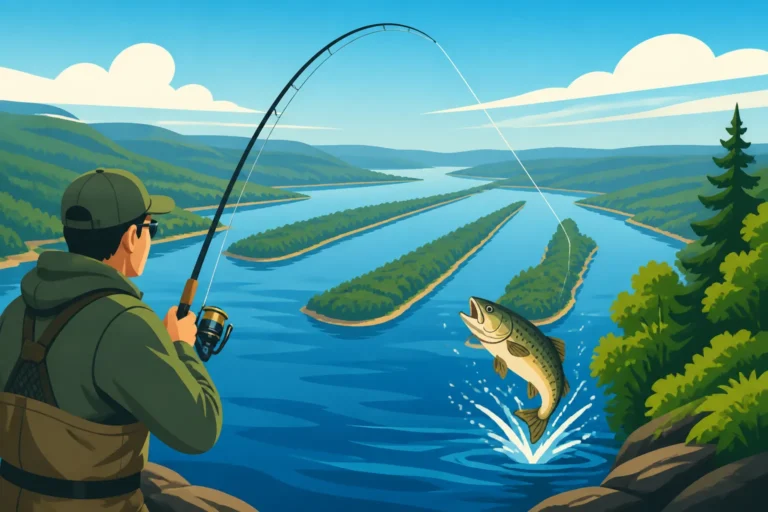
The Salmon River in New York is a legendary destination, but for many anglers, especially those new to its waters, the sheer volume of information, intense fishing pressure, and complex regulations can feel incredibly overwhelming. It’s easy to feel lost trying to figure out where to go, what to use, or even what fish you’re targeting at different times of the year. This comprehensive guide is here to cut through the confusion, offering clear, actionable advice to help you confidently navigate and successfully fish New York’s incredible Salmon River.
The Allure of New York's Salmon River
There’s just something about the Salmon River that calls to anglers, drawing them from all corners of the country and beyond. It’s more than just a river; it’s a living, breathing ecosystem that pulses with the energy of migrating fish. From the roaring waters near the mouth to the serene stretches upstream, every bend holds the promise of a memorable catch, and the challenge of outsmarting some of the toughest fighting fish in freshwater.
Why Anglers Flock to Pulaski
Ask anyone about the Salmon River, and the town of Pulaski, New York, will likely be the first thing they mention. This small village becomes a bustling hub, especially during the peak fall salmon runs. Why the magnetism? Pulaski sits strategically where the river widens and deepens before emptying into Lake Ontario, serving as a critical staging area for migratory fish. It’s where the mighty Chinook and Coho salmon first feel the urge to push upstream, and where legions of steelhead and brown trout hold through the colder months. The accessibility here is fantastic, with numerous public access points, bait shops, and lodging options catering specifically to anglers. The excitement in the air is palpable, a shared camaraderie among those who chase these magnificent creatures. You can literally hear the stories of battles won and lost echoing through the local diners and tackle shops.
A Fishery Shaped by the Great Lakes
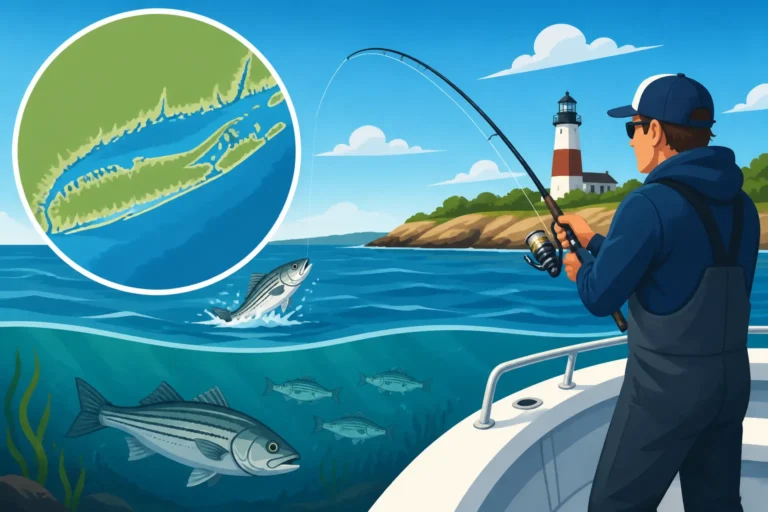
The Salmon River's incredible productivity is directly linked to its connection with Lake Ontario, one of the Great Lakes. The DEC (New York State Department of Environmental Conservation) has spent decades stocking Lake Ontario with various salmon and trout species, creating an unparalleled trophy fishery. These fish spend most of their lives growing to impressive sizes in the vast, nutrient-rich waters of the lake. But when the time comes to spawn, an ancient instinct draws them back, sometimes over incredible distances, into the cold, clear waters of tributaries like the Salmon River. This annual migration, particularly the fall salmon run, is what defines the Salmon River fishing experience. It's a prime example of a "put-grow-and-take" fishery, where the benefits of stocking in the lake directly translate to incredible angling opportunities in the river. If you're curious about the big picture, our guide on New York's Great Lakes Tributaries Fishing Guide dives deeper into how these systems work.
Prime Fishing Opportunities and Species
The Salmon River isn't a one-trick pony; it offers diverse fishing throughout the year, each season bringing a different challenge and reward. Knowing what to target and when is crucial for success.
Chasing the Mighty Chinook and Coho Salmon
Without a doubt, the Chinook salmon, often called "King Salmon," is the star of the show on the Salmon River in the fall. These chrome-bright torpedoes invade the river from late August through October, with the peak usually occurring in September and early October. They are massive, powerful fish, often exceeding 20 pounds, and their runs are legendary. When a Chinook hits, prepare for an arm-wrenching fight that will test your tackle and your stamina.
Alongside the Chinooks, you'll find Coho salmon, or "Silver Salmon." While generally smaller than Chinooks, Cohos are incredibly acrobatic, known for their spectacular jumps and aggressive strikes. They tend to enter the river a bit later than Chinooks and can offer fantastic action even into November. Targeting these salmon typically involves heavy-duty gear, strong mainlines, and an assortment of egg imitations, flies, and artificial baits designed to provoke a territorial or reactionary strike. Understanding When Do Chinook Salmon Start Running in Lake Ontario Tributaries? can significantly improve your timing for these runs.
Year-Round Steelhead and Brown Trout Action
While salmon steal the spotlight in autumn, the Salmon River truly shines as a world-class trout fishery for the rest of the year.
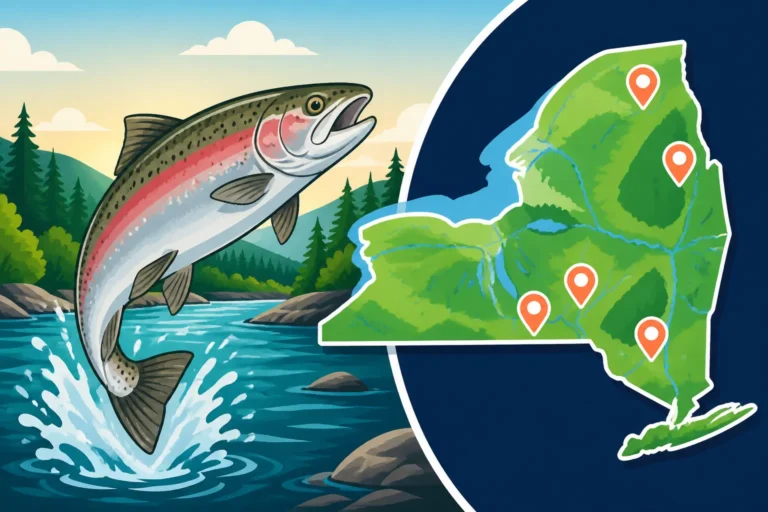
- Steelhead (Rainbow Trout): These migratory rainbow trout are arguably the most sought-after species after the salmon leave. They enter the river in force behind the salmon in the fall, feeding on loose salmon eggs. They then hold over winter, offering incredible ice fishing and cold-water opportunities, before making their final spawning push in the spring, typically from March into May. Steelhead are known for their dazzling runs and aerial displays, making them an exhilarating catch. Our Steelhead Trout in New York guide offers even more detail on these amazing fish. Fly fishing for steelhead is particularly popular during the spring, as they become more active.
- Brown Trout: While not as numerous as steelhead, Lake Ontario brown trout also make their way into the Salmon River, often in the fall following the salmon and again in spring. These fish can grow to impressive sizes, offering a unique challenge. Unlike steelhead, brown trout are a bit more elusive and tend to prefer holding in deeper, darker pockets.
Many anglers find that focusing on the Fall Steelhead Run Timing in New York after the salmon have moved on provides some of the most consistent and exciting fishing of the year.
Other Notable Species You Might Encounter
While salmon and trout dominate the headlines, the Salmon River is a diverse ecosystem. Depending on the time of year and specific sections of the river, you might also hook into:
- Lake Trout: Occasionally, large lake trout will venture into the lower stretches of the river, especially closer to Lake Ontario. These deep-water dwellers are a rare but exciting bonus.
- Smallmouth Bass: In the warmer months, before the major salmon and steelhead runs begin, the lower river can offer excellent smallmouth bass fishing. They are feisty fighters and can provide a fun change of pace.
- Panfish: Various panfish species, such as perch and sunfish, inhabit slower sections and backwaters, offering family-friendly fishing opportunities, especially for younger anglers.
Mastering Salmon River Fishing Techniques
The Salmon River demands specific techniques tailored to its challenging conditions and migratory fish. Success often hinges on your ability to adapt and present your bait naturally.
Effective Drift and Float Fishing Methods
Drift fishing and float fishing (often called "centerpinning" or "float-n-fly") are king on the Salmon River, especially for steelhead and salmon holding in current.
- Drift Fishing: This involves using a weighted rig (often with pencil lead or split shot) to bounce your bait or fly along the bottom, mimicking natural debris or loose eggs drifting downstream. The key is to use just enough weight to keep your offering near the bottom without constantly snagging, and to maintain a "dead drift" – meaning your line and bait move at the exact same speed as the current, free of drag. It takes practice to read the water and feel subtle bites, but it's incredibly effective. Our How to Drift Fish for Steelhead article has more on this.
- Float Fishing/Centerpinning: This method utilizes a specialized float (bobber) and often a centerpin reel, which allows for extremely long, drag-free drifts. The float suspends your bait or fly at a precise depth, making it ideal for targeting fish holding in specific lanes or depths in the current. It’s highly visual – watching your float subtly dip or disappear is an adrenaline rush. The float also keeps your bait off the snaggy bottom, making it a favorite for many. Common baits include egg sacs, beads, and small jigs tipped with bait. If you're using egg sacs, make sure you know How to Fish Egg Sacs for Steelhead for the best results.
The Art of Fly Fishing the Salmon River
Fly fishing on the Salmon River is a deeply rewarding experience, especially for steelhead and brown trout, though salmon can also be targeted with flies. This is not your typical small stream trout fishing; the Salmon River requires specialized techniques and often heavier gear.
- Indicator Nymphing: Similar to float fishing, this involves using a strike indicator to suspend weighted nymph patterns or egg flies at the appropriate depth. The goal is a perfect dead drift, allowing the fly to tumble naturally through the strike zone. This is incredibly effective for steelhead and post-spawn salmon.
- Spey Casting/Switch Rods: For covering large swaths of water, especially in wider sections, two-handed spey or switch rods are increasingly popular. These rods allow for long casts with minimal backcasting room, perfect for swinging large flies (like intruders or large streamers) for aggressive steelhead or salmon.
- Streamer Fishing: Swinging or stripping large streamer patterns can be highly effective, especially for aggressive brown trout and steelhead. Matching the forage, like sculpins or baitfish, can yield explosive strikes.
The challenge and beauty of fly fishing the Salmon River, particularly for these powerful migratory fish, elevate it to an art form.
Essential Gear, Bait, and Lure Choices
Selecting the right tackle is paramount for success and enjoyment on the Salmon River. These fish are big and powerful, and flimsy gear will quickly lead to heartbreak.
- Rods and Reels: For float or drift fishing, a longer rod (9-11 feet) with a medium-heavy action is often preferred. This provides better line control, casting distance, and shock absorption. Spinning reels in the 2500-4000 size range are common, while centerpin reels are a specialist's choice. For fly fishing, 8 to 10-weight rods are standard, paired with a reliable large arbor reel with a strong drag and plenty of backing.
- Line: Braided mainline (20-30lb) is popular for its sensitivity and strength, often paired with a fluorocarbon leader (8-15lb) that is virtually invisible underwater and abrasion resistant. Fly anglers often use specialized sink-tip or shooting head lines to get their flies down quickly in heavy current.
- Baits and Lures:
- Egg Imitations: Cured salmon eggs, artificial egg sacs (often in various colors), and plastic egg beads are universally effective, especially during and after the salmon spawn.
- Flies: Glo-bugs, stoneflies, pheasant tails, squirmy wormies, and large streamer patterns are fly angler staples.
- Hardware: Spoons (like Little Cleos or Koho spoons), spinners (such as Blue Fox Vibrax), and even small crankbaits can entice aggressive fish, particularly in deeper pools or at the mouth of the river.
- Live Bait: Worms and minnows can also be effective when allowed by regulations.
Always check the New York Fishing Regulations Explained for specific rules on bait and tackle for the section of the river you plan to fish, as some areas may have restrictions.
Navigating the River's Hotspots and Access
The Salmon River is roughly 17 miles long from the Lighthouse Hill Reservoir to Lake Ontario, offering a variety of fishing experiences. Knowing where to go and how to access it can make or break your trip.
Key Public Access Points and Notable Pools
The New York State Department of Environmental Conservation (DEC) has done an excellent job providing numerous public fishing rights (PFR) access points along the river. These are marked with distinctive yellow signs and offer designated parking and pathways to the river.
- Lower River (Pulaski Area): This section, closest to Lake Ontario, includes popular spots like the Black Hole, Sportsman's Pool, and the Long Bridge. These areas see heavy pressure during the salmon runs as fish congregate before heading upstream. They are easily accessible and often productive, but prepare for crowds.
- Middle River (Altmar/Pineville): Moving upstream, you'll find more riffles, runs, and deeper pools. Popular spots include the Staircase, Compactor, and Schoolhouse Pool. These areas often hold fish after the initial push, and the scenery can be breathtaking. The access here is still good, though it might involve a bit more walking.
- Upper River (Douglaston Salmon Run vicinity): Further upstream, the river becomes more intimate, with faster water and boulder-strewn sections. The Douglaston Salmon Run (DSR) is a private stretch of water, but public access is available both upstream and downstream.
When planning your trip, consider using resources like the DEC's official Salmon River Public Fishing Rights map to pinpoint exact locations.
Understanding the Douglaston Salmon Run (DSR)
The Douglaston Salmon Run (DSR) is a 2.5-mile private stretch of the Salmon River, renowned for its prime fishing conditions. Because access is limited and managed, the fish here tend to be less pressured and can offer exceptional fishing, especially for fly anglers and during peak runs. Anglers pay a daily fee for access, which includes designated parking and patrol to ensure a quality experience. While it's a private stretch, the regulations regarding catch limits and licensing still apply, though DSR often has specific rules for tackle and fly selection. It's a fantastic option for those seeking a more exclusive experience or when public waters are particularly crowded. However, make sure to book well in advance, especially for prime dates.
Navigating Crowds and River Etiquette
The Salmon River is famous, and with fame comes popularity. During peak salmon and steelhead runs, certain pools and access points can become incredibly crowded. This is part of the experience, but it also necessitates good river etiquette.
- Give Space: Always allow fellow anglers ample room. A general rule of thumb is to maintain at least one rod's length between yourself and the next angler, more if possible.
- Move Downstream: In moving water, it's customary to slowly move downstream as you fish, allowing anglers above you to also drift their baits through the water you just covered. Don't linger in a single spot if others are waiting.
- Respect Private Property: Stick to public access points and respect posted signs. Trespassing is illegal and harms relationships with landowners.
- Control Your Casts: Be mindful of your backcast, especially if fly fishing, to avoid snagging other anglers or trees.
- Leave No Trace: Pack out everything you pack in. Dispose of fishing line, bait containers, and other trash properly.
A little courtesy goes a long way in ensuring everyone has an enjoyable and respectful day on the water.
Regulations, Licensing, and Responsible Angling
Fishing the Salmon River, like any New York waterway, requires adherence to specific rules and regulations. Understanding these isn't just about avoiding fines; it's about preserving this incredible fishery for generations to come.
Decoding New York's Salmon River Regulations
The Salmon River has its own set of special regulations, often differing from statewide rules, primarily due to the unique nature of its migratory fishery. These special regulations cover everything from:
- Season Dates: While some species like trout have year-round seasons, the specifics of salmon and steelhead runs, including catch-and-release only periods, are highly regulated. Check our New York Fishing Season Dates and Catch Limits for a broader overview, but always double-check the Salmon River specific rules.
- Size and Bag Limits: How many fish you can keep and their minimum length varies significantly by species and season. For instance, Chinook and Coho salmon usually have specific daily limits during the open season.
- Tackle Restrictions: Certain sections or times of the year might have specific rules on the number of hooks, types of bait (e.g., artificial lures only, single hooks), or even weight restrictions. The use of weighted treble hooks is generally prohibited in many trout and salmon streams in New York to reduce snagging.
- Special Regulations Waters: The Salmon River is often listed as a "Special Regulations Water" in the DEC guide, meaning you must consult that specific section for accurate information.
Always, always consult the most current New York State Freshwater Fishing Regulations Guide, available online or at any license vendor, before you head out. Ignorance of the law is never an excuse.
Securing Your Fishing License and Trout Stamp
Before you even think about casting a line, you need to ensure you have the proper authorization.
- New York Fishing License: Every angler 16 years of age and older needs a valid New York State fishing license to fish in the Salmon River. Licenses can be purchased online through the DEC website, at various license issuing agents (like sporting goods stores or town clerk offices), or by phone. Our How to Get a Fishing License in New York guide walks you through the process.
- Trout/Salmon Stamp (Free): While often referred to as a "stamp," this is actually a free privilege that is automatically added to your license when you indicate you'll be fishing for trout or salmon. It doesn't cost extra, but it's important to have. Essentially, it helps the DEC track angler interest in these species. While the old physical stamp is a collector's item, today it’s just an endorsement on your license. If you're wondering What Is a Trout Stamp?, we have a detailed explanation.
It's absolutely essential to have your license on you at all times while fishing. Conservation officers regularly patrol the Salmon River, and fishing without a license can lead to significant fines.
Practicing Catch-and-Release and River Conservation
For many anglers, particularly those targeting steelhead and large brown trout, catch-and-release is a fundamental ethic. Even for salmon, practicing responsible angling helps sustain the fishery.
- Handle Fish with Care: Use wet hands to minimize the removal of the fish's protective slime coat. Avoid squeezing the fish, especially around the gills.
- Use Barbless Hooks: Barbless hooks, or hooks with pinched barbs, make it much easier to remove the hook with minimal damage to the fish. Many specialized regulations for the Salmon River actually require their use.
- Minimize Out-of-Water Time: Keep the fish in the water as much as possible. If you want a photo, prepare your camera beforehand, quickly lift the fish, snap your shot, and return it to the water immediately.
- Revive Properly: Hold the fish gently in the current, facing upstream, allowing water to flow over its gills. Only release it when it can swim away under its own power.
- Respect the Spawning Beds: Avoid wading directly into obvious spawning redds (nests), which appear as clean, gravelly depressions. Disturbing these can destroy eggs.
Responsible angling ensures that the Salmon River remains a vibrant and productive fishery for years to come.
Here's a quick summary of the prime fishing seasons on the Salmon River for its main species:
| Species | Prime Season | Key Techniques | Notes |
|---|---|---|---|
| Chinook Salmon | Late August – October | Drift Fishing, Float Fishing, Large Flies | Peak in Sep/Early Oct. Aggressive, powerful fighters. |
| Coho Salmon | September – November | Drift Fishing, Float Fishing, Flies, Small Spoons | Follows Chinook run. Acrobatic, great fighters. |
| Steelhead | October – May (Year-round) | Float Fishing, Drift Fishing, Fly Fishing | Fall (Oct-Dec) follow salmon, Winter (Jan-Feb) holds, Spring (Mar-May) spawn run. |
| Brown Trout | October – May (Year-round) | Drift Fishing, Fly Fishing, Streamers, Spoons | Less numerous, but can be very large. Often follow salmon/steelhead. |
| Smallmouth Bass | June – August | Spinners, Crankbaits, Soft Plastics | Lower river sections, pre-migratory fish runs. |
Enhancing Your Trip with Professional Guidance
While this guide aims to equip you with the knowledge to fish the Salmon River, there's no substitute for experience. For many, especially first-time visitors or those looking to maximize their chances, hiring a guide is an invaluable investment.
The Value of a Knowledgeable Salmon River Guide
A good Salmon River fishing guide is much more than just someone who drives a boat. They are local experts with an intimate understanding of the river's moods, its inhabitants, and the ever-changing conditions.
- Local Knowledge: Guides spend hundreds of days a year on the water. They know exactly which pools are holding fish, what bait or fly is working best, and how the fish are reacting to water levels and weather. This kind of localized, real-time information is priceless.
- Safety and Navigation: The Salmon River can be challenging to navigate, especially for those unfamiliar with its currents, snags, and slippery rocks. A guide ensures your safety and takes you to the most productive, yet often harder-to-reach, spots.
- Technique Refinement: A guide can offer immediate, hands-on instruction to improve your casting, drift, and fish-fighting techniques. This accelerates your learning curve dramatically.
- Proper Gear and Tackle: They come equipped with all the necessary specialized rods, reels, lines, and an endless array of flies and baits, perfectly suited for the day's conditions. This saves you the expense of buying specialized gear you might only use once.
- Conservation Education: Many guides are passionate conservationists and can teach you about proper fish handling and the river's ecosystem.
- Maximizing Your Time: Instead of wasting precious fishing hours scouting or figuring things out, a guide gets you on the fish quickly.
For anyone serious about experiencing the best of the Salmon River, especially during intense periods like the salmon run, consider booking a guide. Our Salmon River Steelhead Guide Rates article provides insight into what you can expect in terms of cost.
How to Find and Book a Guide
Finding the right guide is key to a successful trip. Here are some tips:
- Research Online: Websites like FishingBooker are excellent resources, offering listings of numerous Salmon River guides with profiles, customer reviews, and booking capabilities. This allows you to compare experience, specialties (e.g., fly fishing vs. conventional), and rates. You can often filter by availability and read testimonials from other anglers who have fished with them.
- Local Tackle Shops: Call or visit local tackle shops in Pulaski or Altmar. They often have close relationships with guides and can offer recommendations based on your preferences.
- Word of Mouth: Ask fellow anglers who have fished the Salmon River for their recommendations. Personal referrals are often the best.
- Book in Advance: The best Salmon River guides, especially during peak season, book up months, even a year, in advance. Don't wait until the last minute!
- Ask Questions: Before booking, don't hesitate to ask about their experience, what species they specialize in, what's included in the trip (gear, bait, lunch?), and their cancellation policy. Also, confirm if you still need your own New York Fishing License Guide (yes, you do!).
Remember, a guide's main goal is to put you on fish and ensure you have a safe, enjoyable, and memorable experience. Their expertise is truly worth the investment on a river as unique as the Salmon River.
Disclaimer
Fishing conditions and regulations in New York State, particularly on specific waters like the Salmon River, can change frequently. While we strive to provide the most current and accurate information, it is always the angler's responsibility to consult the official New York State Department of Environmental Conservation (DEC) fishing regulations guide before heading out on the water. This article is intended for informational purposes only and should not be considered a substitute for the official regulations.