Best Time to Fish for Steelhead on New York’s Lake Ontario Tributaries
For any angler chasing steelhead on New York's Lake Ontario tributaries, figuring out the "best" time can feel like trying to solve a cryptic puzzle. It's rarely as simple as marking a date on the calendar, with varying conditions and fish movements making it a true test of patience and local knowledge. This guide will meticulously break down the seasonal nuances, environmental factors, and strategic approaches to help you pinpoint those prime steelhead opportunities.
Decoding the Steelhead Migration on Lake Ontario Tributaries
Steelhead fishing along New York's Lake Ontario tributaries is a truly unique and often exhilarating experience. These fish, which are essentially migratory rainbow trout, spend most of their lives growing large and strong in the vastness of Lake Ontario, only to return to the rivers and streams to spawn. Understanding this migration pattern is fundamental to knowing when and where to find them.
The Life Cycle and What Drives the Runs
Steelhead trout exhibit an anadromous life cycle, meaning they hatch in freshwater, migrate to saltwater (or in this case, a large freshwater lake like Ontario) to grow, and then return to freshwater to reproduce. Unlike Pacific salmon, steelhead don't necessarily die after spawning; many are repeat spawners, returning to the lake and then back to the tributaries multiple times over their lives. This resilience is one of the reasons they're such a prized game fish.
The primary driver for these migrations is the urge to spawn, but environmental cues play a massive role in when these runs occur. Water temperature, river flow, and even precipitation levels are critical signals that tell steelhead it's time to move. A significant rain event can trigger a fresh push of fish from the lake into the rivers, while stable, colder temperatures might hold fish in the deeper pools of the tributaries. The timing is a delicate balance of biological imperative and external factors, making consistent monitoring of conditions absolutely essential for success. For a broader look at these incredible fish, check out our guide on Steelhead Trout in New York.
Why Tributaries Are the Hotspots
While steelhead spend their adult lives in Lake Ontario, it's the network of tributaries flowing into the lake that become the focal points for anglers. Rivers like the Salmon River, Oswego River, Genesee River, and countless smaller streams are the highways steelhead use to access their spawning grounds. These rivers offer the gravel bottoms, oxygenated water, and necessary cover that steelhead seek.
When steelhead enter these tributaries, they transition from a vast, open-water environment to a more confined, structured river system. This makes them more accessible to anglers, particularly those fishing from shore or smaller boats. The dynamics of river fishing—reading the water, understanding currents, and presenting baits or flies in specific seams and pools—become paramount. Knowing which rivers are actively holding fish and which are seeing new runs requires constant attention to local reports and conditions. Each tributary can have slightly different timing for its runs due to its size, flow, and proximity to the lake, adding another layer of complexity to the pursuit.
The Thrill of Fall Steelhead Fishing (September-November)
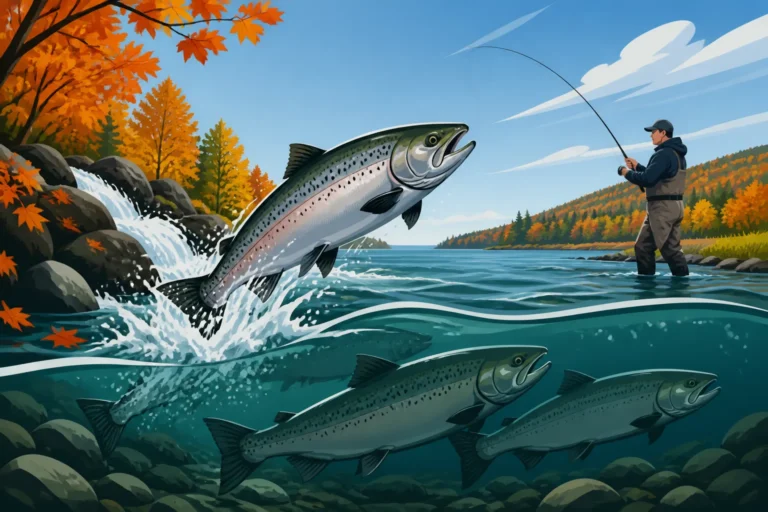
For many New York anglers, the fall season marks the unofficial start of steelhead fever. As the leaves begin to turn and the air gets crisp, the first major pushes of these chrome beauties make their way into Lake Ontario's feeder streams. This period, typically from late September through November, offers some of the most exciting and accessible steelhead fishing opportunities of the year.
Early Arrivals and Aggressive Biters
The initial wave of steelhead typically enters the tributaries in late September and early October. These early-season fish, often called "early runners" or "drop-backs" if they've come and gone quickly, are fresh from the lake and incredibly feisty. They haven't been pressured much yet and are often willing to strike a variety of presentations. What brings them in? Usually, it's a combination of cooling lake temperatures, a good rain event to raise river levels, and the presence of spawning salmon. Steelhead are opportunistic feeders and will follow the salmon into the rivers, not necessarily to spawn themselves yet, but to gorge on the protein-rich eggs dropped by the salmon.
During this time, you might find concentrations of steelhead just inside the river mouths or in the lower sections of the tributaries. They're typically quite aggressive, and their powerful runs and aerial acrobatics make for unforgettable fights. This early season bite can be fantastic, but it's also highly dependent on water conditions. A significant drop in lake temperatures or a strong cold front can push fish deeper into the lake or make them less active until conditions stabilize. Understanding when these fish begin to enter the rivers is key, and you can often get a heads-up by keeping an eye on reports about the Fall Steelhead Run Timing in New York.
Prime Fall Conditions and Tactics
The sweet spot for fall steelhead usually occurs when water temperatures in the tributaries hover between 45 and 55 degrees Fahrenheit. Stable flows, without extreme high or low water, are also ideal. Too much rain and the river might be blown out and muddy; too little and the fish might not push in or get stuck. When conditions are right, the fishing can be lights-out.
Tactics revolve around imitating the food sources available, primarily salmon eggs. Egg sacs, often tied in various colors like peach, chartreuse, or natural roe, are incredibly effective. Drifting these under a float (float fishing) is a popular and productive method. Small jigs tipped with wax worms or plastic baits also work well, particularly for fish holding in deeper pockets. For those who prefer fly fishing, egg patterns, stonefly nymphs, and even streamer patterns imitating baitfish can yield excellent results. Don't forget to keep your terminal tackle in good shape; a fresh spool of fluorocarbon leader from a reliable brand, easily ordered through Amazon, can make a huge difference in presentation and sensitivity.
Managing the Crowds and Cold Snaps
The popularity of fall steelhead fishing, especially on renowned rivers like the Salmon River, means you'll likely encounter crowds. Arriving early, being respectful of other anglers, and having multiple spots in mind can help mitigate this. Sometimes, exploring smaller, less-known tributaries can provide a more secluded and equally productive experience.
As fall progresses into November, colder temperatures become more prevalent. While these cold snaps can make fishing a bit tougher, they often trigger another wave of steelhead pushing into the rivers as lake temperatures continue to drop. Fish tend to become less aggressive and hold in deeper, slower water, conserving energy. Adjusting your tactics to a slower, more deliberate presentation, and focusing on thorough drifts through prime holding water, becomes crucial. This is also the time when fishing the deeper runs and pools with heavier baits or nymphs can be incredibly effective. Dressing in layers and being prepared for rapidly changing weather conditions is non-negotiable for comfort and safety.
Braving Winter for New York Steelhead (December-March)
When winter truly settles over New York, many anglers pack away their gear, but for the dedicated steelhead enthusiast, it's a call to arms. Fishing for steelhead in the icy embrace of winter, from December through March, presents unique challenges, but the rewards can be monumental: fewer crowds, bigger fish, and the sheer satisfaction of battling a powerful fish against a snowy backdrop.
The Challenge and Reward of Cold Water Fishing
Winter steelhead fishing is not for the faint of heart. Frigid air temperatures, icy river banks, and the constant battle against frozen guides and numb fingers are par for the course. However, the reward often outweighs the discomfort. Winter steelhead have typically been in the rivers for a while, growing accustomed to the conditions, and they're often the larger, more mature fish that have successfully avoided previous angler pressure. They might not be as aggressively feeding as fall fish, but when they do bite, it's usually with conviction.
The cold water slows down the fish's metabolism, making them less active. This means they tend to hold in specific, predictable areas—often deep, slow pools, current seams, and underneath ice shelves—where they can conserve energy. Your presentation needs to be perfect, drifting right into their strike zone, almost bumping them on the nose. The feeling of hooking into a powerful steelhead when the world is white and quiet is a truly exhilarating experience that makes all the cold worthwhile. Many anglers find the peace and solitude of winter fishing to be an unparalleled draw.
Adapating Techniques for Frigid Conditions
Successfully targeting winter steelhead requires a significant adjustment in technique. Fish are lethargic, so slower, more subtle presentations are key. Float fishing remains a dominant technique, but your drifts need to be even more precise and deliberate. Small egg patterns, caddis and stonefly nymphs, and even minuscule jigs become the bait of choice. The retrieve, if any, should be minimal, letting the current do most of the work.
One common frustration in winter is keeping your line and rod guides free of ice. Using a reel with a larger arbor to minimize line memory, and regularly dipping your rod tip into the water (or carrying a small bottle of line conditioner), can help. Dressing in warm, waterproof layers, including insulated waders, gloves, and a hat, is critical for comfort and safety. Proper preparation, including a thermos of hot coffee or tea, can make a huge difference in your enjoyment and endurance on the water. Consider reviewing resources on How to Fish Cold Water in New York for additional tips on staying comfortable and effective during these chillier months.
Finding Productive Winter Holds
Locating winter steelhead is often about finding refuge from the main current and deeper water. Look for the "frog water" – slower, deeper pools, the tail ends of runs, and areas where the current breaks around large rocks or fallen trees. These spots offer fish a place to rest and recover without expending too much energy fighting the flow. Overhanging banks and undercuts can also be prime locations, offering both cover and slightly warmer water.
The biggest challenge can be access, as snow and ice can make reaching certain spots difficult or dangerous. Always prioritize safety, and never venture onto unstable ice. Some of the larger tributaries, like the Salmon River, often remain partially open due to their volume and flow, offering more consistent access throughout the winter. Smaller streams may freeze solid or become completely inaccessible. During this period, checking real-time stream conditions and local reports is even more critical. Keep an eye on the When Is Steelhead Fishing Best on New York's Salmon River? guide for specific timing advice on this renowned fishery.
The Peak Excitement of Spring Steelhead Fishing (April-May)
As winter finally loosens its grip and the first hints of spring emerge, New York's Lake Ontario tributaries ignite with activity for steelhead anglers. The spring run, typically kicking off in late March and extending through April and into May, is often considered the most prolific and exciting time to target these powerful fish. This is when steelhead, after months of holding in the rivers, are actively spawning or preparing to spawn, making them highly concentrated and often more aggressive.
Spawning Runs and Post-Spawn Feeding Frenzies
The primary draw for steelhead in spring is the urge to reproduce. As water temperatures begin to climb into the low to mid-40s Fahrenheit, steelhead move into shallower gravel beds to lay their eggs. This is when you'll find them congregated in riffles and gravelly runs, often in pairs or small groups. While targeting actively spawning fish on redds (nests) is generally discouraged for conservation reasons, fish preparing to spawn, or those holding in nearby staging areas, are fair game and can be incredibly active.
Following the spawn, usually in late April and May, many steelhead become "drop-backs" or "post-spawn" fish. These fish, often lean from the rigors of spawning, begin their migration back to Lake Ontario. Crucially, they also enter a period of aggressive feeding to regain their strength. This post-spawn bite can be absolutely phenomenal, with hungry steelhead willing to chase larger baits and flies as they gorge on anything they can find. This makes for some of the most dynamic and action-packed fishing of the year. Our guide on Spring Steelhead Fishing in New York Peaks Into Mid-May offers more specific insights into this prime window.
Optimal Spring Flows and Temperatures
Just like in the fall, optimal water conditions are paramount for a successful spring steelhead season. Rising water temperatures are the main trigger, signaling to the fish that it's time to move and spawn. Ideal temperatures typically range from 40 to 50 degrees Fahrenheit. River flows are also critical. Spring can bring snowmelt and heavy rains, which can lead to high, muddy water that makes fishing tough. However, moderate freshets (small floods) can be beneficial, drawing new fish in from the lake and spreading out the fish already in the river, making them more accessible.
Anglers need to pay close attention to river gauges and weather forecasts. A river that's too high and dirty will likely send you home frustrated, but a river dropping and clearing after a rain event can be absolutely golden. This is a time when the ability to quickly adapt to changing conditions—whether it's moving to a different section of the river or switching up your tackle—will vastly improve your chances. Using a portable thermometer to check water temps can give you a significant edge in understanding fish behavior.
Mastering Spring Presentations
Spring steelhead, especially pre-spawn and actively spawning fish, are often focused on egg patterns. Brightly colored egg sacs, plastic egg imitations, and fly patterns like glo-bugs are incredibly effective. Small jigs tipped with wax worms or plastic grubs, drifted under a float, also continue to produce. As fish transition to post-spawn, their diet broadens, and they might chase larger offerings. Small spoons, inline spinners, and streamer flies mimicking baitfish can become very productive, especially in the larger pools and faster runs.
Fly anglers will find success with a variety of nymph patterns, including stoneflies, caddis larvae, and even larger flesh flies during the post-spawn period. Swinging flies or indicator nymphing are common and effective techniques. Regardless of your preferred method, remember that fish can be found in a wider range of water types in spring, from deep pools to shallow riffles, so cover water thoroughly. Don't be afraid to experiment with different depths and presentations until you dial into what the fish are looking for that day.
Key Environmental Factors Influencing Steelhead Timing
While the calendar gives us a general idea of when steelhead enter the tributaries, nature calls the real shots. Understanding the environmental cues that trigger and sustain steelhead runs is crucial for maximizing your chances of success. It's not just about being there, but being there when conditions are prime.
Water Temperature and River Flow Dynamics
These two factors are arguably the most critical determinants of steelhead activity.
Water Temperature: Steelhead are cold-water fish, but their activity levels are highly sensitive to temperature fluctuations.
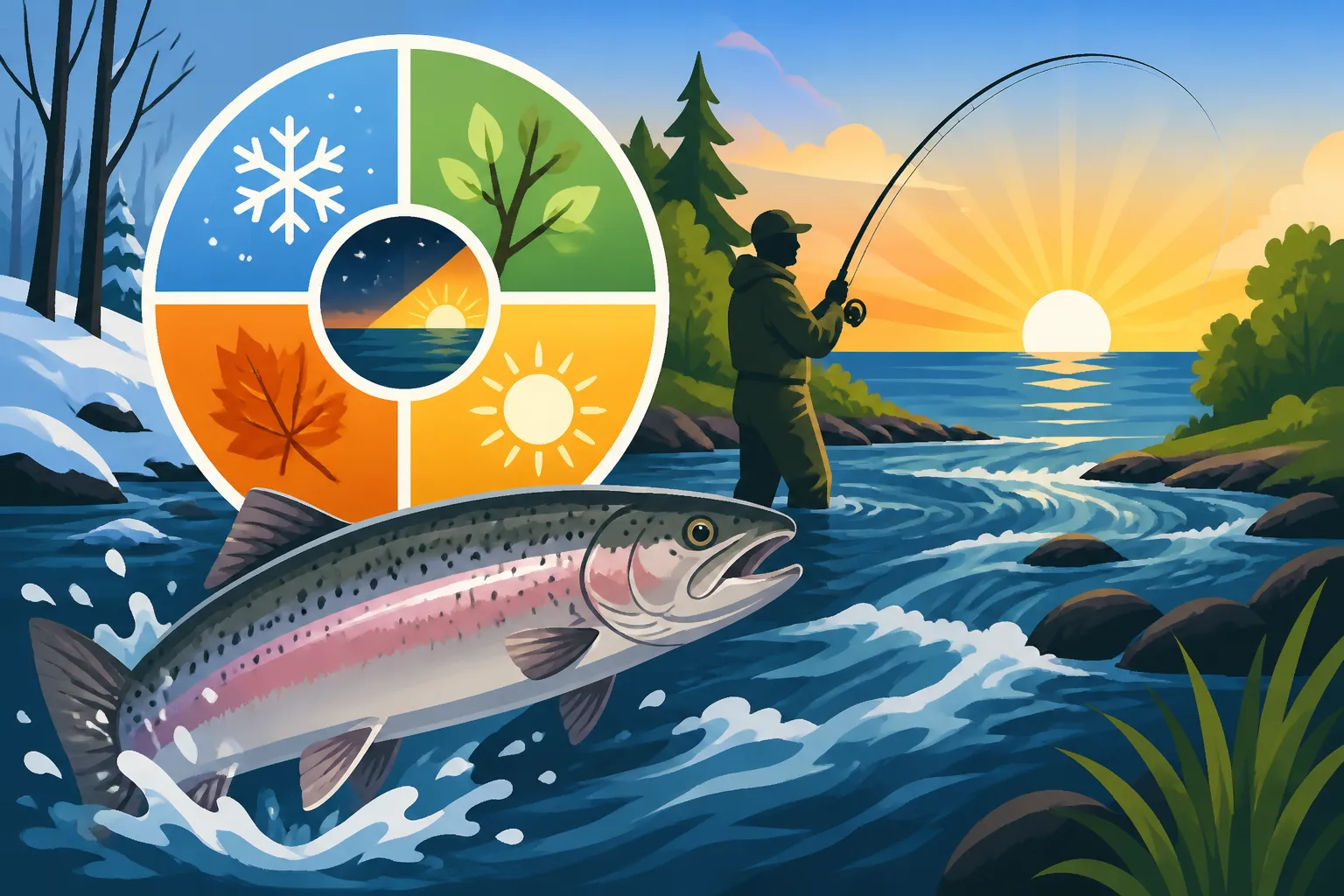
- Cooling Fall Temps (45-55°F): As Lake Ontario cools in late summer and early fall, steelhead start to stage near river mouths. A sustained drop in lake temperatures, paired with cooling river temperatures, signals the start of the fall run. Fish are generally more active and aggressive in this range.
- Cold Winter Temps (35-42°F): During winter, water temperatures drop significantly. Steelhead become lethargic and seek out thermal refuge in deeper, slower pools. Bites are more subtle, and presentations need to be slow and precise.
- Warming Spring Temps (40-50°F): As spring approaches, warming water triggers the spawning urge. Once temperatures hit that 40-degree mark and start to climb, steelhead become highly concentrated in spawning areas. Post-spawn, a slight bump in temperature can reignite their feeding instincts. Monitoring the Best Water Temperature for Steelhead Fishing can give you a clear advantage.
River Flow: The volume and speed of water in the tributaries directly impact steelhead movement and angler access.
- Rising Flows (Freshets): A good rain or snowmelt can cause river levels to rise. This is often a massive trigger for new pushes of steelhead from the lake, providing them with cover and the energy to move upstream. High flows can also spread out fish that were concentrated, making them easier to target in new holding areas.
- Falling/Stable Flows: Once a high-water event subsides and the river begins to drop and clear, fishing can be exceptional. Steelhead settle into predictable holding lies, and visibility improves for both fish and anglers. Stable, moderate flows are generally considered ideal for consistent fishing.
- Low Flows: Prolonged periods of low water can make steelhead hesitant to enter rivers or cause them to hold in deeper pools without moving much. This can make fishing challenging, as fish are often spooky and concentrated, leading to higher angler pressure in limited spots. Checking a river's flow online before you go is a non-negotiable step.
The Impact of Weather and Precipitation
Beyond just temperature and flow, broader weather patterns play a significant role in steelhead behavior.
- Rainfall: As mentioned, rain is a major trigger. A good, steady rain can raise river levels, add color to the water (providing security for fish), and improve oxygenation, all of which encourage steelhead to migrate. Too much rain, however, can blow out a river, making it unfishable until it drops and clears.
- Snowfall & Snowmelt: In winter and early spring, heavy snowfall followed by a thaw can create excellent conditions by raising flows and slightly bumping water temperatures, drawing new fish. However, rapid snowmelt can lead to very cold, murky water.
- Sunlight vs. Overcast: Steelhead, especially in clearer water, tend to be more active and less spooky on overcast days. Bright sun can push them into deeper, more shaded lies.
- Barometric Pressure: While often debated, many experienced anglers believe stable or rising barometric pressure tends to encourage fish activity, while rapidly falling pressure (before a storm) can shut them down.
Keeping a close eye on the forecast and understanding how different weather events might influence water conditions and fish behavior is critical. There are great weather apps and websites that provide hyper-local river conditions, which are invaluable for planning your trip.
Beyond the Calendar: Other Natural Cues
While temperature, flow, and weather are primary, other subtle natural cues can also influence when and how steelhead move.
- Moon Phases: Some anglers swear by certain moon phases influencing fish activity, particularly around new and full moons, though this is often more anecdotal than scientifically proven. However, it's a consideration for those who track every possible variable.
- Lake Turnover: In the fall, as Lake Ontario's surface water cools and mixes with deeper water (known as turnover), it can sometimes coincide with increased steelhead activity as they move closer to shore and then into the rivers.
- Food Availability: The presence of other spawning fish, like Chinook and Coho salmon in the fall, provides a massive food source (eggs) that steelhead will exploit. This is a huge reason for the strong fall runs. Similarly, the availability of nymphs and other aquatic insects in spring can also influence their feeding habits.
Ultimately, being successful with steelhead means becoming a student of the river and its environment. No two days are exactly alike, and the most consistent anglers are those who can read the water, adapt their tactics, and pay attention to the myriad of natural signals that tell them when the "best" time truly is.
Top Lake Ontario Tributaries for Your Steelhead Quest
New York's Lake Ontario coastline is blessed with numerous rivers and streams that host impressive steelhead runs. While each tributary has its own character and nuances, some have earned legendary status among anglers for their consistent action and potential for trophy-sized fish. Knowing these hotspots, along with some lesser-known gems, is vital for any serious steelhead pursuit.
The Legendary Salmon River and Its Neighbors
When you talk about steelhead fishing on Lake Ontario tributaries, the Salmon River in Pulaski, New York, is almost always the first name that comes up. It's truly legendary, drawing anglers from across the globe.
-
The Salmon River: This river is a powerhouse fishery, known for its strong runs of Chinook and Coho salmon in the fall, which in turn attract massive numbers of steelhead. Steelhead enter the river as early as September, feeding on salmon eggs, and remain a dominant presence throughout the fall, winter, and spring spawning season. Its sheer size and diverse habitat—from powerful runs to deep pools and quiet sections—mean there's water for every type of angler. The sheer volume of fish and public access points make it a prime destination. However, its popularity also means it can be incredibly crowded, especially during peak times. Anglers here often employ float fishing with egg sacs, beads, or nymphs. Drift fishing and fly fishing are also highly effective. If you're planning a trip, our comprehensive New York's Salmon River Fishing Guide is a must-read for detailed information.
-
Oswego River: Another significant tributary, the Oswego River, offers excellent steelhead fishing, especially in its lower sections near the city of Oswego. Unlike many other rivers, the Oswego is often a more consistent flow due to the dams and lake management, which can be a double-edged sword: predictable flows but sometimes less natural fluctuation. Steelhead stack up here, especially in the winter and spring, in the deeper channels and below the dam. It's often more accessible for shore anglers, and boat access is also popular.
-
Genesee River: Flowing through Rochester, the Genesee River provides a more urban steelhead fishing experience. While it doesn't get the same numbers as the Salmon River, it still sees good runs of steelhead, particularly in its lower reaches and below the falls. Access can be more challenging here due to the urban environment, but dedicated anglers find success.
Hidden Gems and Smaller Streams
While the big names draw the crowds, many smaller, lesser-known tributaries along Lake Ontario can offer fantastic, and often more serene, steelhead fishing. These streams might not hold the sheer volume of fish as the Salmon River, but they can surprise you with quality, less-pressured fish.
-
Smaller "Ditch" Creeks: Many smaller creeks, often referred to as "ditch creeks" by locals, dot the Lake Ontario shoreline. These streams can be very productive after a good rain, especially in the fall and spring, as they provide short, direct access for steelhead looking for spawning grounds. They typically warm up and cool down faster than larger rivers, meaning their runs can be more dynamic and sensitive to weather changes. Fishing these often involves more walking and exploring, but the reward of finding unpressured fish is immense. Stealth and a light touch are often key in these smaller waters.
-
Oak Orchard Creek: Located west of Rochester, Oak Orchard Creek is a very popular and productive steelhead stream. It has a mix of public and private access, with significant public access areas. It fishes very well throughout the fall, winter, and spring, often having a more consistent flow than some smaller creeks. While not as large as the Salmon River, it offers excellent opportunities for both fly and gear anglers.
-
Sandy Creek (Monroe County): Not to be confused with the other Sandy Creek near the Salmon River, this one also provides good steelhead fishing. It's a prime example of a mid-sized tributary that often fishes well throughout the seasons, especially for those willing to explore its length.
To give you a better idea of how these different tributaries perform across the seasons, here's a quick overview:
| Tributary Name | Typical Fall Action (Sept-Nov) | Typical Winter Action (Dec-Mar) | Typical Spring Action (Apr-May) | Key Considerations |
|---|---|---|---|---|
| Salmon River | Heavy runs, aggressive fish (eggs, flies) | Consistent holds, deeper water (nymphs) | Peak spawn & post-spawn, very active | Can be very crowded, excellent access, diverse habitat |
| Oswego River | Good runs, often below dams | Strong holds, accessible below dams | Excellent spawning runs | More urban, consistent flow, good shore access |
| Oak Orchard Creek | Strong runs, good numbers | Consistent holds throughout winter | Very active, good for spawning fish | Popular, good access, good for all seasons |
| Genesee River | Moderate runs, good quality fish | Spotty, but larger fish possible | Good runs below falls | Urban environment, limited access, can be muddy |
| Smaller Creeks | Rain-dependent, often less crowded | Variable, can freeze or be inaccessible | Excellent after freshets, less pressure | Requires exploration, often walk-in access, can be "hit or miss" without good intel |
Always remember that conditions can change rapidly. Before heading out to any of these spots, it's crucial to check local bait shops for current conditions, online stream gauges for water levels, and even social media groups for recent reports. The New York's Great Lakes Tributaries Fishing Guide provides further details on fishing various streams in the region.
Disclaimer
Fishing conditions, regulations, and fish behavior can change rapidly. Always consult the most current New York State Department of Environmental Conservation (DEC) fishing regulations before heading out. This guide is for informational purposes only and does not constitute a guarantee of fishing success. Respect private property, practice safe angling, and always prioritize conservation.