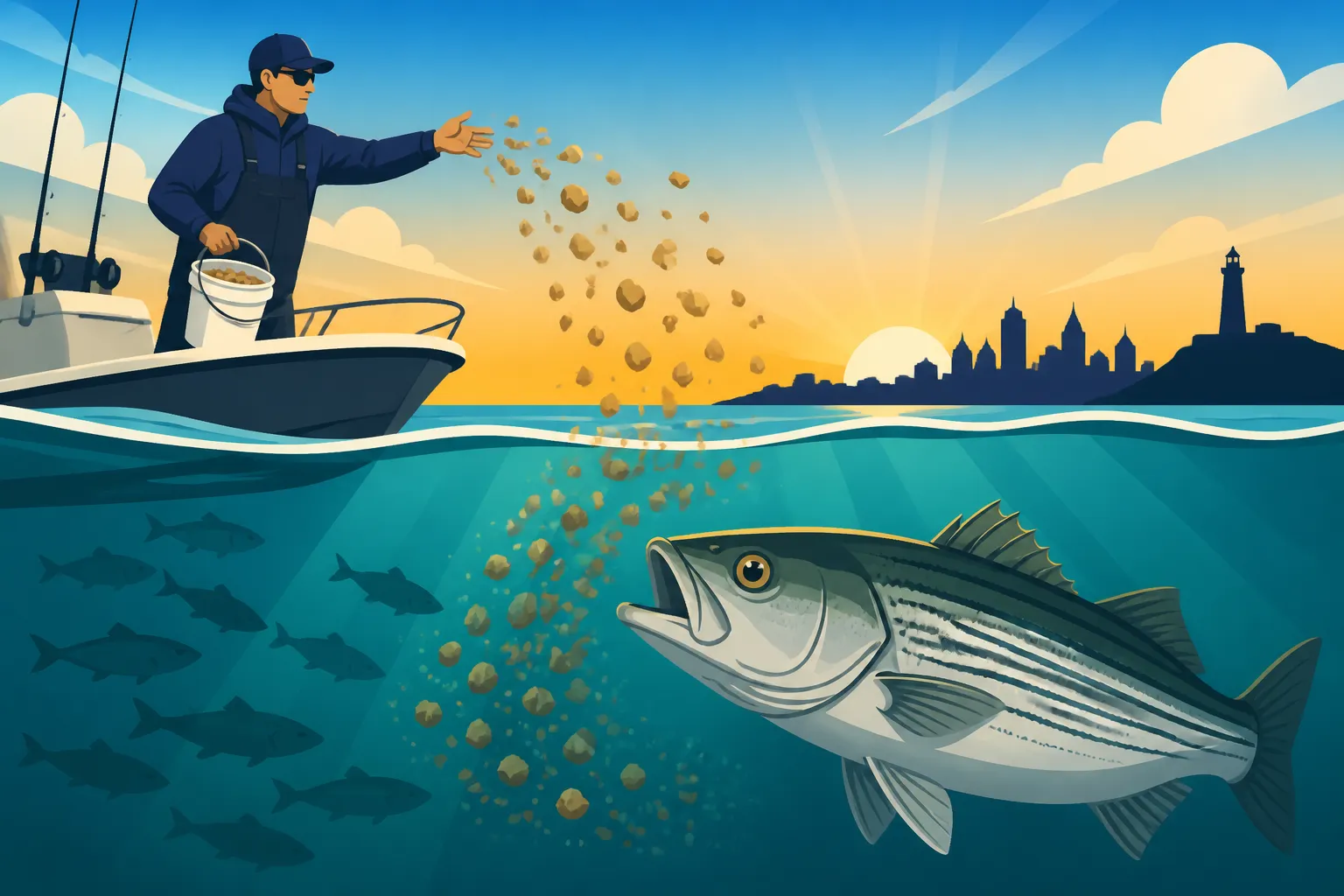
How to Chum for Striped Bass
There's nothing quite as frustrating as heading out for a day of striped bass fishing, full of anticipation, only to find the fish are scattered, elusive, or just not biting. It can feel like you're casting into an empty ocean, wasting valuable time and effort. If you've been struggling to consistently locate and attract those magnificent New York stripers, it might be time to add a powerful technique to your arsenal: chumming. This comprehensive guide will walk you through everything you need to know about effectively chumming for striped bass in New York's diverse waters, turning those slow days into memorable catches.
Understanding Striped Bass Behavior and Chumming Principles
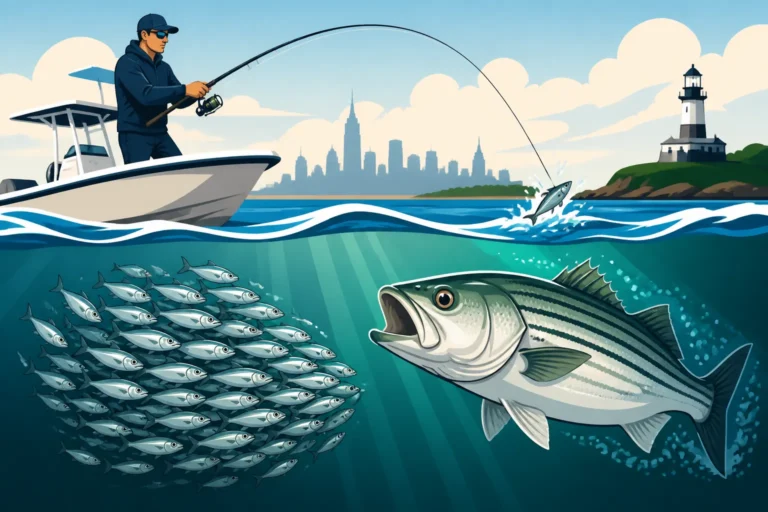
Striped bass are truly incredible fish, known for their powerful runs and willingness to hit a variety of baits. But like any predator, they're often driven by hunger and opportunity. Chumming plays directly into these instincts, creating an irresistible scent and visual trail that draws them right to your boat or shore fishing spot. It's not just about tossing bait overboard; it's a strategic art form that, when done right, can dramatically improve your success.
What Attracts Striped Bass to Chum?
At its core, chumming works because it taps into the primal senses of a striped bass. They are primarily attracted by scent, but visual cues and the sheer promise of an easy meal also play a significant role. Imagine a busy restaurant offering free samples; that's essentially what you're doing for the fish.
First and foremost is the scent trail. Striped bass possess an acute sense of smell, allowing them to detect even minute particles of food dissolved in the water. When you introduce a steady stream of ground bait or cut pieces, a concentrated plume of fish oils, blood, and digestible particles begins to drift with the current. This scent acts like a beacon, signaling a feeding opportunity from a considerable distance. It travels downstream or downcurrent, drawing fish from their holding areas or migratory paths directly to your position. Think of it as leaving a trail of breadcrumbs, but for fish, and those breadcrumbs are irresistible.
Secondly, there's the visual attraction. While scent does the heavy lifting in bringing fish from afar, the visual component becomes critical as they approach your chum slick. Small pieces of fish, crushed clam shells, or even commercial chum pellets provide tantalizing morsels that mimic natural baitfish or forage. As these particles drift, they create a "dinner bell" effect, signaling that other fish are already feeding. This visual frenzy can ignite a competitive feeding instinct among stripers, making them more aggressive and less wary when they finally encounter your hooked bait. It's not just about seeing food; it's about seeing other fish eating, which encourages them to join the feast.
Finally, chumming capitalizes on the feeding drive and opportunism of striped bass. These fish are opportunistic predators, constantly on the lookout for an easy meal. By presenting a consistent, readily available food source, you're essentially short-circuiting their hunting process. Instead of expending energy chasing down individual baitfish, they can simply cruise into your chum slick and pick off free offerings. This makes them more relaxed and focused on eating, increasing the likelihood that they'll strike your baited hook. The continuous supply of small, easy-to-grab snacks keeps them in the feeding zone, holding them at your desired fishing depth and location.
The Ethical Angler's Approach to Chumming
While chumming can be incredibly effective, it's paramount that we approach it with responsibility and respect for the environment and the fish we pursue. As anglers, we are stewards of these natural resources, and our actions have an impact. Ethical chumming isn't just about following the rules; it's about understanding and minimizing our footprint.
One of the primary considerations is avoiding over-chumming. The goal is to attract and hold fish, not to feed them so much that they become satiated and ignore your hook. A common mistake is dumping large quantities of chum too quickly, which can either fill the fish up or create such a dense cloud that your bait gets lost. Instead, focus on a consistent, moderate flow. Think of it as a steady drip, not an open faucet. The idea is to create just enough scent and visual stimulation to keep them interested and searching for the source, which should be your bait.
Another crucial aspect is using appropriate chum materials. Always opt for natural, biodegradable products. Avoid anything processed with artificial flavors, colors, or preservatives that could be harmful to the marine ecosystem. Stick to fresh or frozen fish scraps, clam bellies, or reputable commercial chums made from natural ingredients. When chumming, it's also important to be mindful of local regulations. While chumming is generally permitted for striped bass in New York, certain areas or specific times of year might have restrictions. Always check the current New York Fishing Regulations Explained before you head out, especially if you're exploring a new body of water.
Finally, consider the environmental impact. When you chum, you're introducing organic material into the water. While natural chum is biodegradable, excessive chumming can contribute to localized nutrient loading, especially in enclosed bays or stagnant waters. Be mindful of water quality and currents; you want your chum to disperse naturally, not accumulate. Also, be aware of attracting unwanted species, like seals or sharks, in certain areas, which can pose challenges for both anglers and the ecosystem. Practicing catch-and-release with care, especially for larger breeding stripers, complements responsible chumming by ensuring the sustainability of the fishery.
Choosing Your Chum: Types and Preparation
The effectiveness of your chumming operation starts long before you hit the water. It begins with selecting the right type of chum and preparing it properly. Different situations, water conditions, and even the specific forage available in an area can influence which chum works best. While commercially prepared options are convenient, making your own can often yield superior results and be more cost-effective.
Popular Chum Options for Striped Bass
Striped bass are opportunistic feeders, so a variety of natural baits can be effective as chum. The key is to use something that mimics their natural diet in the area you're fishing.
Bunker (Menhaden): This is arguably the most classic and effective chum for striped bass, especially in coastal New York waters and the Hudson River. Bunker are oily fish, and their strong scent trail is a powerful attractant. You can use fresh or frozen bunker. For chumming, bunker are typically ground up into a fine, oily consistency. The oil disperses quickly, creating a wide and appealing slick. Many bait and tackle shops sell pre-ground bunker chum, or you can buy whole bunker and grind them yourself. If you're fishing for larger stripers, sometimes mixing in chunks of cut bunker with the ground chum can entice bigger fish that prefer a more substantial meal. Using cut chunks also gives the fish something to "chew" on, keeping them in the feeding zone longer, especially when targeting trophy-sized fish on the lower Hudson River.
Clams: Clams are another fantastic choice, particularly effective in areas where stripers feed heavily on shellfish, like shallow bays, estuaries, and along sandy beaches. The rich, natural juices and small pieces of clam meat create a distinct scent and visual appeal. You can buy clams in the shell and shuck them, using the meat and crushing the shells for added attraction, or purchase pre-shucked clam bellies. Frozen chopped clams are also readily available and convenient. The milky, cloudy discharge from crushed clams is highly visible and travels well in the current, indicating a strong food source. When using clams, it's often beneficial to have a mix of finely chopped pieces and slightly larger chunks to cater to different preferences of the feeding bass.
Spearing (Silversides) or Mackerel: While not as oily as bunker, spearing or small chunks of mackerel can be very effective, especially in areas where these are prevalent baitfish. Spearing, often sold frozen in blocks, can be crushed or finely chopped. Mackerel, being oilier, offers a good scent, and small cut pieces work well. These work great when mixed with other chums or used alone in situations where stripers are keying in on smaller baitfish. The visual flash of the small scales and body parts can also be a significant draw, especially on brighter days or in clearer water.
Commercially Prepared Chum: For convenience, many anglers turn to commercially prepared chum blocks. These are typically frozen blocks of ground fish (often menhaden or other oily species) mixed with binders and sometimes attractants. Brands like Amazon offer various options for frozen chum, which can be a good starting point for anglers new to chumming. These blocks are designed to slowly dissolve when placed in a mesh bag, releasing a steady stream of scent and particles. While convenient, some anglers prefer fresh, self-prepared chum for maximum potency and control over consistency. However, for a quick trip or when fresh bait isn't available, commercial blocks are a reliable alternative. Always check the ingredients to ensure they are natural and appropriate for New York waters.
DIY Chumming Rigs and Preparations
Creating your own chum is rewarding and often more effective, allowing you to tailor the consistency and content to your specific needs. The most common DIY method involves grinding or finely chopping your chosen bait.
For grinding, a dedicated meat grinder is ideal, especially for bunker. You can purchase whole frozen bunker and run them through the grinder to produce a fine, uniform chum. Many experienced anglers prefer a coarser grind, believing it offers more substantial pieces for the stripers to find, which can keep them in the slick longer. If you don't have a grinder, a sturdy fillet knife and cutting board can be used to finely chop bunker or other fish scraps. The key is to create small, consistent pieces that will drift naturally in the current without sinking too quickly.
Clam preparation is a bit simpler. If using whole clams, shuck them and collect the meat and juices. You can then finely chop the meat and crush a few shells for added visual appeal and slower release of scent. For frozen chopped clams, simply thaw them slightly and they are ready to go. You want a mix of small pieces and cloudy liquid to create a good slick.
Once prepared, your chum needs to be deployed effectively. Chum bags are essential for this. These are typically mesh bags, often made from onion sacks or specialized nylon mesh, designed to hold the chum and allow water to flow through, slowly releasing the scent and particles. You can fill the bag with ground bunker, chopped clams, or a commercial block. Securely tie the bag to a line and deploy it from your boat or a pier. The size of the mesh will dictate how quickly the chum disperses; a finer mesh will release more slowly, while a coarser mesh will create a quicker, more intense slick.
For a continuous, slow release, some anglers use a chum pot or dispenser. These are often weighted containers with holes that slowly leach chum into the water. This can be particularly effective in strong currents where a traditional bag might empty too quickly. Another trick is to use a heavy-duty bucket with holes drilled in the bottom. Fill it with chum, tie it off, and let it slowly sink and release its contents. Remember to bring a good pair of sturdy gloves when handling chum, as it can be messy and oily. Having a dedicated chum bucket that can be easily cleaned is also a smart move.
Where to Buy Quality Chum and Gear
Finding reliable sources for your chum and the necessary equipment is crucial for a successful trip. While the do-it-yourself approach is excellent, sometimes convenience is king.
Local bait and tackle shops are often your best bet for fresh or frozen chum. These shops in New York, especially along the coasts and near major fishing hubs like the Hudson River or Long Island Sound, typically stock fresh bunker, clams, and other local baitfish that make excellent chum. They can also offer expert advice on what's currently working in the area. Supporting these local businesses is always a good idea, as they are a wealth of knowledge and contribute to the local angling community. Many shops, like Capt'n Jack's Marine in Babylon or Bernie's Bait & Tackle in Brooklyn, specialize in providing exactly what New York anglers need.
For commercially prepared chum blocks, chum bags, grinders, and other chumming accessories, larger sporting goods stores like Dick's Sporting Goods, or online retailers, are excellent resources. Amazon, for example, offers a wide selection of frozen chum blocks, mesh chum bags, chum grinders, and specialized buckets. You can often find bulk quantities, which can be more economical if you plan to chum frequently. When purchasing online, pay attention to shipping details for frozen products to ensure they arrive in good condition.
Don't forget the small but mighty details like good quality line for your chum bag, a sturdy pair of gloves to keep the fish smell off your hands, and a dedicated cleaning brush for your chum gear. Having all your equipment ready before you leave home will save you time and frustration on the water. Many shops also offer vacuum-sealed packages of frozen chum, which helps preserve freshness and makes transport cleaner.
Mastering the Art of Chumming
Chumming isn't just about getting the right ingredients; it's about the execution. The way you deploy your chum, how you integrate your hooked bait, and your ability to adapt to conditions will determine your success. It’s a dynamic process that requires observation and a little bit of finesse.
The Right Way to Deploy a Chum Slick
Creating an effective chum slick is fundamental. The goal is a long, consistent, and appealing trail that leads fish directly to your bait. This process is deeply affected by your location, the prevailing current, and the consistency of your chum release.
Firstly, choose your deployment point wisely. If fishing from a boat, deploy your chum bag from the bow or stern, depending on the current and wind. Ideally, you want the chum to drift away from your boat in a clear path, creating a distinct "highway" for the stripers to follow. If you're anchored, the chum should stream out behind you, and you'll cast your baited lines into or just ahead of that slick. When shore fishing, try to find a spot where the current will carry your chum out and along the shoreline, creating a lateral trail. Understanding the water movement is critical; fishing against the current will only disperse your chum inefficiently.
Next, manage the chum release consistently. Whether using a mesh bag, a bucket, or a dedicated dispenser, aim for a steady, gradual release of chum. This isn't a dump-and-run operation. A slow, continuous stream of small particles is far more effective than sporadic bursts. If your chum is too fine, it might dissipate too quickly. If it's too chunky, it might sink out of the strike zone before drawing fish in. You want particles that suspend and drift naturally at the depth where stripers are feeding. Occasionally giving the chum bag a gentle squeeze or shake can help release more scent and particles, especially if the current is weak. The idea is to create an unbroken scent corridor for the fish to follow.
Finally, observe and adjust. Pay close attention to how your chum slick is behaving. Is it dispersing widely or staying too concentrated? Is it drifting at the correct depth? Use your eyes to watch the surface for chum particles, and if you have a fishfinder, observe how fish are reacting. If you're not seeing results after a reasonable amount of time, consider adjusting your chumming depth, the amount of chum, or even your location. Sometimes, moving just a short distance can put you into a more favorable current or a more productive feeding zone. For detailed insights on water movement, check out resources on Best Tides for Striped Bass Fishing on New York's Long Island Sound or specific river conditions.
Integrating Live Bait and Artificials with Your Chum
Chumming sets the stage, but your hooked bait is the star of the show. The trick is to make your presentation appear as a natural, easy meal within the context of your chum slick.
When using live bait, such as bunker, eels, or even live spearing, the goal is to present it as if it's just another struggling fish attracted to the chum. Hook your live bait in a way that allows it to swim naturally, but not too erratically that it leaves the chum slick. A good method is to free-line your live bait with just a small weight, or even no weight at all, allowing it to drift back naturally with the chum. This mimics the loose, easy meal that the stripers are already conditioned to find within your slick. Use appropriate circle hooks, as required for bait fishing for striped bass in New York, which minimizes gut hooking and increases survival rates for released fish. Understanding How to Use Circle Hooks for Striped Bass is vital for successful and ethical angling.
For cut bait, like chunks of fresh bunker or clam bellies, presentation is even simpler. Use just enough weight to get your bait down into the feeding zone within the chum slick, but let it drift as naturally as possible. You want it to tumble and drift just like the free offerings. Sometimes, a "slipping sinker" rig, where the line runs freely through the sinker, can be effective, as the fish won't feel the weight immediately when it takes the bait. This can be especially important in clear water or when fish are being particularly finicky.
While chumming is often associated with bait fishing, artificials can also be incredibly effective, especially if fish are actively striking in the slick. Cast soft plastics, swimbaits, or even bucktails that mimic the size and color of the chum particles or the baitfish they are attracting. The key is to retrieve your artificial lure through or alongside the chum slick, making it appear as a more aggressive, slightly larger meal competing for the chum. This can often provoke a more aggressive strike from a curious or competitive striper. Sometimes, twitching a jig or a soft plastic within the chum line can be the trigger that turns a following fish into a striking one.
Common Chumming Mistakes to Avoid
Even experienced anglers can make mistakes when chumming. Being aware of these common pitfalls can save you time, effort, and precious chum.
One of the most significant errors is over-chumming. As mentioned before, the goal is attraction, not saturation. Dumping too much chum too quickly will either fill the fish up or create a feeding frenzy that makes it hard for them to discern your hooked bait from the freebies. Start slow and steady, then gradually increase if necessary. If you see fish actively feeding on the surface on your chum, you're probably chumming too much. The idea is to keep them guessing and searching for the source, which should be your presentation.
Another common mistake is failing to account for current and drift. Your chum needs to be where the fish are, and it needs to drift naturally. If your boat is drifting faster than your chum, or if the current is carrying your chum away from your fishing lines, you're essentially creating a feeding zone elsewhere. Always position your boat or cast your lines so that your hooked baits are drifting within the chum slick. This often means anchoring upcurrent from your desired fishing spot and letting the chum drift back to where you expect the fish to be holding. For specific details on current, referring to guides like Best Time to Fish New York Rivers During Spring Runoff can provide valuable context.
Using stale or inappropriate chum is another big no-no. Striped bass have a keen sense of smell, and old, rancid chum is not appealing. Always use fresh or properly frozen chum. Also, ensure the chum you're using matches the local forage if possible. If you're in an area where stripers are primarily eating spearing, a heavy bunker slick might not be as effective. The freshest possible chum will always have the strongest and most natural scent, which is precisely what you're trying to achieve.
Finally, lack of patience and observation can derail a chumming effort. Chumming isn't instant magic. It takes time for the scent to disperse and for fish to find it. Give your slick at least 15-30 minutes to establish itself before making drastic changes. During this time, observe the water, look for signs of fish, and watch how your chum is dispersing. If nothing is happening after a sustained effort, then it's time to reassess your location or technique. Don't be afraid to move if your current spot isn't producing.
Chumming Strategies for Different New York Waters
New York State boasts an incredible variety of striped bass habitats, from expansive ocean fronts to winding tidal rivers. Effective chumming requires understanding these different environments and tailoring your strategy accordingly. What works wonders in the Long Island Sound might be less effective in the swift currents of the Hudson.
Chumming for Stripers in Tidal Rivers
Tidal rivers like the Hudson River are dynamic environments where current is king. Striped bass use these currents to ambush baitfish, and your chumming strategy needs to leverage this natural flow.
The Hudson River is a prime example of a New York tidal river where chumming for striped bass can be exceptionally productive. When fishing here, particularly during the spring and fall migrations, focus on areas with distinct current breaks, channel edges, or submerged structures where stripers often stage. Deploy your chum bag upcurrent from these holding areas. The strong current will carry the scent and particles downstream, drawing fish from their ambush points directly to your boat. You'll often find that the stripers will move upcurrent to feed in the chum slick. For more detailed information on specific locations, refer to Fishing the Hudson River in New York: Where to Go.
When chumming in tidal rivers, anchoring is often more effective than drifting, especially if you're trying to concentrate fish in a specific spot. Anchor your boat securely, then deploy your chum bag from the stern. Cast your baited lines (often using cut bunker or eels) into the slick and allow them to drift back naturally with the chum. Pay close attention to the tide. The bite often intensifies during certain phases, like the incoming or outgoing tide, when the current is moving bait (and your chum) most effectively. The season also plays a huge role; the Striped Bass Season on the Hudson Runs April Through November, and chumming is a staple technique throughout.
It's also crucial to match your chum consistency to the current strength. In a strong current, you might need a slightly coarser grind of bunker or larger clam pieces that won't dissipate too quickly but will still drift naturally. In weaker currents, a finer, more oily chum might be more effective at spreading its scent over a wider area. Always use sturdy chum bags that can withstand the pull of the current without tearing.
Ocean and Estuary Chumming Techniques
Moving out to the open ocean or expansive estuaries like the Long Island Sound presents different challenges and opportunities for chumming. Here, factors like wave action, larger expanses of water, and different baitfish patterns come into play.
In ocean environments, especially when fishing nearshore reefs, wrecks, or along significant drop-offs, chumming can be excellent for attracting migrating stripers. When fishing from an anchored boat in the ocean, position your chum bag near the stern, allowing the current and wave action to create a broad slick. Oily chums like bunker or mackerel are particularly effective here, as their scent travels well in open water. You'll often be targeting fish holding deeper, so ensure your chum is reaching the desired depth. Sometimes, using a weighted chum pot can help get your chum down faster in deeper water.
For estuaries like the Long Island Sound, where water can be calmer but still experience tidal flows, chumming can draw stripers from vast areas. Focus on channels, rips, and mouths of smaller rivers or creeks where stripers congregate. Drifting with the current while slowly deploying chum can be highly effective, allowing you to cover more ground. This technique works particularly well when fish are scattered or actively cruising. For example, if you're targeting schoolie stripers or even larger fish during specific runs, drifting a steady slick with small cut baits can create a highly productive scenario. Information on Bluefish Fishing on Long Island Sound, New York can also provide insights into shared species and chumming practices in these waters.
In both ocean and estuary settings, consider the wind direction and wave action. Wind can push your boat differently than the current moves your chum, creating a disorganized slick. If the wind and current are opposing, you might need to use a sea anchor or adjust your anchor lines to keep your boat properly aligned with your chum slick. Additionally, in rougher conditions, a more robust chum bag is necessary to prevent premature tearing.
Adjusting for Depth and Current
The heart of effective chumming lies in understanding and adapting to the dynamic interplay of depth and current. These two factors dictate where your chum goes and, consequently, where the fish will gather.
When dealing with depth, you need to ensure your chum is reaching the same water column where the striped bass are feeding. If stripers are holding deep, but your chum floats on the surface, you're not effectively attracting them. In shallower water, a standard mesh chum bag tied to the surface is often sufficient. However, in deeper water or when fishing suspended stripers, you might need to use a weighted chum bag or a specialized chum dispenser that can be lowered to the desired depth. Some anglers even use a small, perforated bucket filled with chum and lowered on a separate line, allowing them to precisely control the chumming depth. This is especially important when targeting bigger fish that often hold closer to structure on the bottom.
Current is arguably the most critical factor. It's the engine that drives your chum slick. Before you even deploy your chum, take a moment to observe the current's strength and direction. You can do this by tossing a handful of loose chum or a small object into the water and watching its drift. Your goal is for your hooked bait to drift naturally alongside the chum particles. If the current is strong, your chum will disperse quickly and travel a long distance. In such conditions, you might need to chum more frequently or use a chum with slightly larger, heavier particles to ensure it stays in the feeding zone longer. Conversely, in weak currents, a finer grind of chum will create a more effective, lingering slick.
A common technique for managing current is to anchor your boat upcurrent from your target area. This allows your chum slick to naturally drift down into the desired fishing zone. You then cast your lines downcurrent into the slick, letting your baits present as natural offerings. If you're drifting, make sure your boat's drift speed matches the chum's drift speed. A drift sock or sea anchor can be invaluable here, helping to slow your boat down and keep it aligned with the chum slick. Understanding Best Time of Day to Fish in New York can help you time your chumming efforts with optimal current flows.
Essential Gear for a Successful Chumming Trip
Beyond the chum itself, having the right gear can make all the difference between a frustrating outing and a successful one. Chumming for striped bass means you'll be handling potentially strong fish, and often in challenging conditions, so your equipment needs to be up to the task.
Rods, Reels, and Line for Chumming
When selecting your fishing tackle for chumming, think about the type of striped bass you anticipate catching and the environment you're in. Versatility and durability are key.
For rods, a medium-heavy to heavy action rod, typically 7 to 8 feet long, is a good all-around choice. This length provides good casting distance for getting your bait into the chum slick and enough leverage to fight powerful stripers. If you're targeting really big cows in strong currents, you might even consider a heavier conventional setup. The rod should have a sensitive tip to detect subtle bites but plenty of backbone to muscle in a trophy fish. A good quality graphite composite rod offers a balance of strength and sensitivity.
Reels should be robust and capable of handling braided line. For most chumming scenarios, a reliable spinning reel in the 5000-8000 size range, or a conventional reel with a strong drag system (like a Penn Fathom or a Daiwa Lexa), will be ideal. Ensure the reel has a smooth, consistent drag, as a surging striped bass can test your equipment to its limits. Look for reels with corrosion-resistant components, especially if you're frequently fishing in saltwater.
Your fishing line choice is also critical. Many anglers prefer braided line for its strength-to-diameter ratio and lack of stretch, which provides excellent sensitivity. A 30-50 pound test braided line is a common choice for striped bass chumming. The low diameter helps your bait sink faster and drift more naturally in the current. Always use a monofilament or fluorocarbon leader, typically 3-6 feet long, connected to your braid with a strong knot like an FG knot or an Albright knot. The leader provides abrasion resistance against sharp fins or structure and is less visible to wary fish. The choice of leader material and weight can greatly influence your success, so consider what works best for Best Line Weight for New York Freshwater Fishing or saltwater applications.
Terminal Tackle and Hook Selection
Your terminal tackle is the business end of your setup and deserves careful consideration. It’s what directly interacts with the fish.
Hooks are paramount, and for bait fishing for striped bass in New York, circle hooks are mandatory. This is not just a suggestion; it's a regulation designed to protect the fish by minimizing gut hooking, making catch-and-release more successful. Choose appropriate sizes, typically 6/0 to 9/0, depending on the size of your bait and the fish you're targeting. Ensure they are strong, sharp, and corrosion-resistant. Familiarize yourself with How to Use Circle Hooks for Striped Bass to ensure proper use and compliance.
Leaders are essential. A 30-pound test fluorocarbon leader is a good starting point for most situations. Fluorocarbon is nearly invisible underwater and offers excellent abrasion resistance. In areas with heavier current or larger fish, you might step up to 40 or even 50-pound test. The length of your leader can vary, but generally 2-4 feet is sufficient to keep your mainline protected and your bait presented naturally. Use high-quality swivels and snaps if needed, but many anglers prefer a direct leader-to-hook connection for maximum stealth.
Weights and Sinkers are used to get your bait down into the strike zone. The amount of weight needed will vary greatly depending on the current strength and depth. You want just enough weight to keep your bait in the chum slick without it swinging wildly or sinking too quickly out of the zone. Egg sinkers, bank sinkers, or even small bullet weights can be effective. A common setup is a fish-finder rig (also known as a sliding sinker rig), which allows the line to pass freely through the sinker, so the fish doesn't feel resistance when it picks up the bait.
Auxiliary Equipment
Beyond your primary fishing gear, a few auxiliary items can significantly enhance your chumming experience and keep you organized and safe.
A sturdy chum bucket or dedicated container is essential for holding your prepared chum. Look for one with a tight-fitting lid to prevent spills and keep the contents fresh. Having a separate bucket for discarded fish parts or general waste will also help keep your boat or fishing spot clean.
A long-handled net is invaluable for landing larger stripers, especially when fishing from a boat. Ensure the net has a rubberized or knotless mesh to protect the fish's slime coat, especially if you plan to release them. This minimizes damage during landing and increases the fish's chances of survival.
Don't forget gloves. Handling oily, smelly chum can be messy. A good pair of heavy-duty, waterproof gloves will protect your hands from the elements and keep the fishy smell from lingering. Many anglers also carry a pair of fish-handling gloves to protect themselves from sharp fins and teeth when landing and unhooking fish.
Finally, consider a fishfinder/chartplotter. While not strictly "chumming gear," this electronic aid can be incredibly helpful for identifying structure, marking baitfish, and locating schools of striped bass, helping you pinpoint the best areas to deploy your chum. Knowing the depth and bottom contours where fish are holding will allow you to present your chum and bait precisely. A good quality cooler is also essential for keeping your bait fresh and your catch properly stored.
New York Regulations and Best Practices for Chumming
As rewarding as chumming for striped bass can be, it's crucial to always operate within the bounds of New York State fishing regulations and to practice responsible angling. These rules are in place to ensure the sustainability of the fishery and protect the marine environment for future generations.
Understanding New York's Striped Bass Regulations
Before you even think about deploying your first chum bag, make sure you are thoroughly familiar with the most current New York striped bass regulations. These rules can and do change, so always check the New York State Department of Environmental Conservation (DEC) website or the current fishing regulations guide before each season.
Key regulations to be aware of include:
- Fishing License Requirements: You will need a valid New York State fishing license to fish for striped bass in most waters, even if you are chumming. If you are fishing in marine waters, you also need to register with the New York Recreational Marine Fishing Registry, which is typically free. You can find more information on this process in the New York Saltwater Fishing Registration Guide.
- Season Dates and Catch Limits: Striped bass seasons have specific open and closed periods, as well as daily possession limits and minimum/maximum size limits. These regulations are designed to protect spawning fish and ensure a healthy population. For example, there's often a slot limit, meaning you can only keep fish within a certain length range. Always consult the New York Striped Bass Length Requirements and New York Fishing Season Dates and Catch Limits.
- Circle Hook Requirement: As mentioned earlier, when fishing for striped bass with bait in New York's marine and coastal district waters, a non-offset (in-line) circle hook is required. This is a crucial conservation measure to reduce gut hooking and mortality of released fish. Ensure your hooks meet this specification.
- Area-Specific Rules: Some areas, like certain parts of the Hudson River, might have unique regulations for striped bass, including seasonal closures or specific rules regarding bait. Always check for any special regulations specific to your planned fishing location. For instance, understanding New York Freshwater Fishing Rules can be critical if you're fishing further up the Hudson where it transitions from marine to freshwater influence.
Violating fishing regulations can result in hefty fines, confiscation of gear, and loss of fishing privileges. It's simply not worth the risk. A quick review of the New York Fishing Regulations Explained will ensure you stay legal and responsible.
Environmental Considerations and Responsible Angling
Beyond simply following the law, ethical anglers strive to minimize their environmental impact and contribute to the overall health of the fishery. Chumming, like any fishing activity, carries certain responsibilities.
One important consideration is the source of your chum. Always use natural, biodegradable chum materials. Avoid anything with plastic fillers, artificial dyes, or excessive preservatives that could be harmful to the marine ecosystem. If possible, use local baitfish that are part of the natural food web, like bunker or clams. Be mindful of introducing non-native species through chumming, though this is less of a concern with commonly used baitfish.
Avoid over-chumming to prevent attracting an excessive number of predators or disrupting the natural feeding patterns of other marine life. Excessive chumming can sometimes lead to localized oxygen depletion in stagnant waters or accumulate on the bottom, potentially altering the benthic environment. Aim for a moderate, consistent flow that attracts fish to your bait without creating an unnatural feeding frenzy or leaving a large amount of uneaten material.
When you do catch fish, practice responsible catch-and-release for any fish you intend to let go, especially those outside the legal slot limit or when you've reached your daily bag limit. Handle fish gently, minimize their time out of water, and use proper de-hooking tools. For striped bass, try to keep them in the water as much as possible, supporting their body when taking a quick photo, and reviving them gently before release. The goal is to ensure that released fish have the best possible chance of survival. This is especially vital for large, breeding female stripers.
Finally, leave no trace. Pack out everything you pack in, including any discarded chum bags, packaging, or fishing line. Litter not only harms the environment but also detracts from the beauty of New York's fishing spots. By being a responsible steward, you help ensure that the great sport of striped bass fishing remains vibrant for future generations.
Disclaimer
The information provided in this guide is for general informational purposes only and does not constitute legal advice regarding fishing regulations. Fishing regulations, season dates, and limits are subject to change by the New York State Department of Environmental Conservation (DEC) and other governing bodies. It is the sole responsibility of the angler to consult the most current official New York State fishing regulations before engaging in any fishing activity. Always verify specific rules and requirements for the waters you plan to fish.