Best Winter Fishing Techniques in New York
When the crisp air of a New York winter settles in, many anglers pack up their gear, assuming the fishing season is over. But that couldn't be further from the truth! While the challenges of cold weather and frozen waters are real, winter fishing in New York offers a unique, incredibly rewarding experience for those willing to adapt. This comprehensive guide will arm you with the knowledge and techniques needed to brave the cold, locate biting fish, and enjoy some of the most serene and productive fishing days of the year across New York's diverse waterways.
Embracing the Chill: The Winter Angler's Mindset
Winter fishing isn't just about different techniques; it's about a fundamental shift in philosophy. The fish are still there, they're still eating, but their world has slowed down considerably. Understanding this physiological change is the first step to success. You need patience, precision, and a willingness to slow down your own approach.
Understanding Fish Metabolism in Cold Water
As water temperatures drop, fish become poikilothermic, meaning their body temperature largely matches their environment. This directly impacts their metabolism. Think of it like a cold-blooded creature in a refrigerator – everything slows down. Digestion takes longer, energy expenditure decreases, and their need to feed becomes less frequent and often less aggressive. They’re conserving energy. This means that flashy, fast retrieves that work wonders in summer might only spook them in winter. Instead, we're looking for subtle cues, slow presentations, and baits that require minimal effort for the fish to capture.
This metabolic slowdown also means fish often school up more tightly and move less. They'll seek out comfort zones – areas where the water temperature is marginally warmer, or where current offers a break from expending energy. Understanding these behavioral changes is paramount. You're not just casting; you're playing a strategic game of hide-and-seek with a very unmotivated opponent. This often translates to needing to keep your bait in the strike zone longer, with minimal movement, to tempt a bite rather than provoke a chase. Many anglers find that their best winter days involve catching fewer, but often larger, fish because the big ones are less willing to expend energy on chasing small prey, making them more susceptible to a well-presented, easy meal.
Locating Winter Fish
Finding fish in winter is often half the battle. They aren't scattered across vast expanses like they might be in warmer months. Instead, they congregate in specific, often predictable locations. For open water, this typically means deeper pockets, areas with slightly warmer water (like thermal discharges), or current breaks in rivers where they can rest out of the main flow. Structure, whether it's submerged timber, rock piles, or artificial reefs, becomes even more critical in winter as it offers cover and ambush points, as well as a place to break the current.
On frozen lakes, fish will often hold to similar deep-water structure, but also move closer to subtle contours like points, humps, or the edges of sharp drop-offs. The key is to think like a fish: where would you go to stay comfortable, conserve energy, and still have access to food? This might mean drilling multiple holes in a grid pattern to find those sweet spots, rather than just settling on one. Using a good sonar or flasher is incredibly helpful here, as it can reveal not only fish but also the subtle bottom changes that indicate a productive area. Remember, cold fish don't want to travel far for a meal, so putting your bait directly in front of them is crucial. This is why techniques like vertical jigging, which keeps the lure in a very confined area, are so effective when the water cools down. You're essentially bringing the meal directly to their nose.
Mastering the Ice: Techniques for Hardwater Success
Ice fishing is arguably the quintessential New York winter fishing experience. From the vastness of Oneida Lake to smaller Adirondack ponds, the frozen surface opens up access to spots unreachable by boat in summer. But it's not just about drilling a hole and dropping a line; specialized techniques are key to consistently catching fish through the ice. If you’re considering hitting the ice, make sure you know How to Read Ice Thickness for Safe Ice Fishing before you venture out.
Precision Jigging Strategies
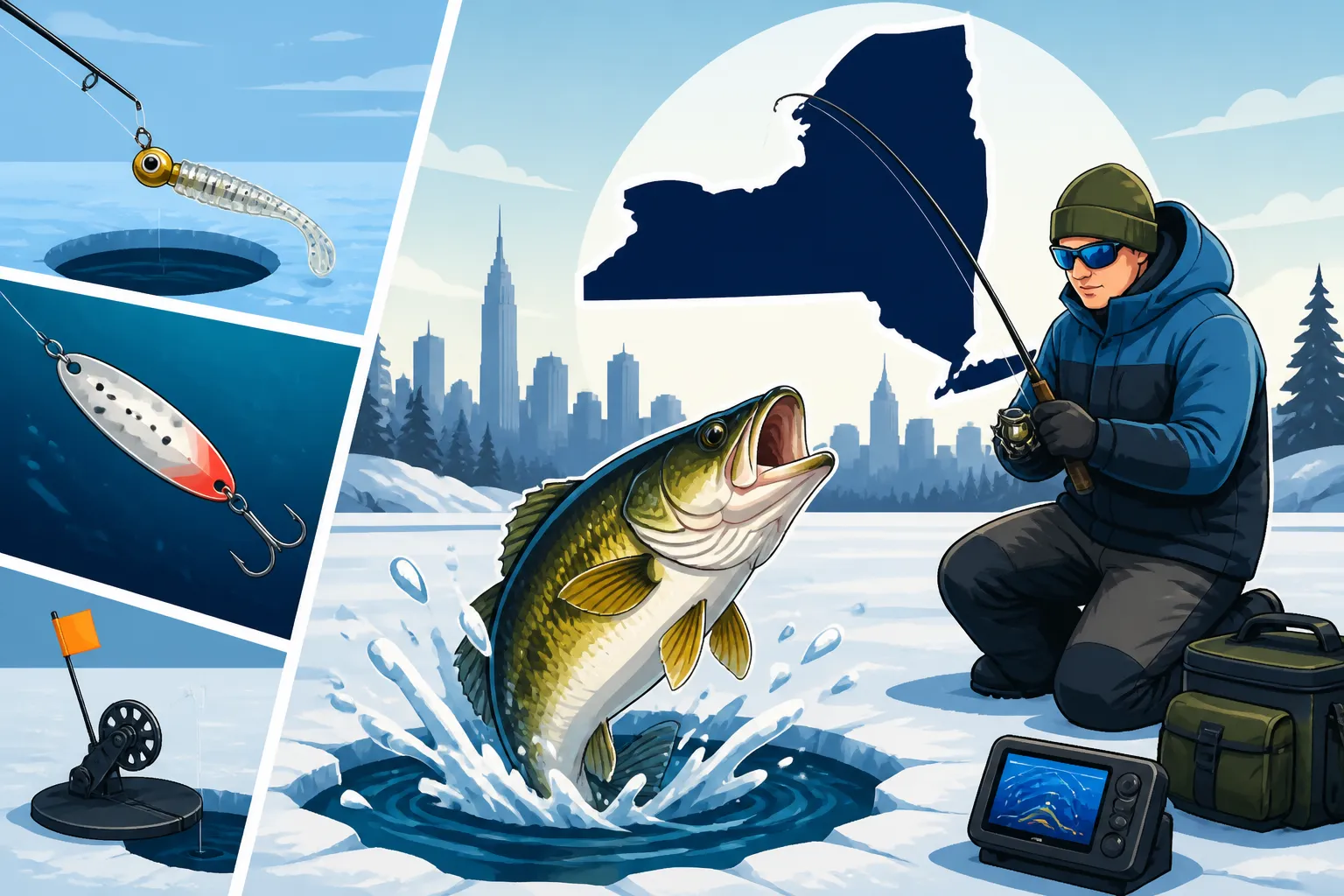
Jigging through the ice is an art form. Given the fish’s lethargic state, your presentation needs to be incredibly subtle. Small, tungsten jigs tipped with a single maggot, wax worm, or a small piece of soft plastic are often irresistible. The key is minimal movement. Think tiny twitches, slow lifts, and even slower drops. Often, a fish will strike on the fall or when the jig is completely still. Many ice anglers refer to this as the "dead stick" technique, where a rod is held perfectly still, or even set in a holder, while another rod is actively jigged.
The choice of jig depends on your target. For panfish like perch and crappie, tiny teardrop jigs or horizontal tungsten jigs in sizes 1/32 to 1/16 ounce are ideal. For walleye or larger trout, small spoons (like Swedish Pimples or Kastmasters) or blade baits can be effective, often sweetened with a minnow head. Color can also play a role, with glow-in-the-dark or bright chartreuse being popular choices in deeper or stained water, while more natural colors excel in clear, shallow conditions. The most important thing is often not the jig itself, but the angler's ability to impart extremely subtle action and to feel those almost imperceptible bites, which can feel like nothing more than a slight pressure or the line going slack. This is where a super sensitive rod with a spring bobber or highly visible line comes into its own. You might want to explore specific patterns for Best Ice Fishing Techniques for New York Panfish or How to Ice Fish for Walleye in New York to refine your approach for these popular species.
The Art of the Tip-Up: Passive Fishing, Spread Coverage
While jigging is active, tip-ups offer a more passive approach, allowing you to cover a wider area. A tip-up consists of a spool submerged under the ice and a flag mechanism that springs up when a fish takes the bait and pulls the line. This allows you to set multiple lines (within legal limits – check New York Fishing Regulations Explained for specifics on How Many Fishing Rods Can I Use at Once?) and wait for a flag to fly, indicating a bite. Tip-ups are particularly effective for larger, less active fish like pike, walleye, or lake trout, which might not be tempted by a small jig.
The setup for tip-ups is relatively simple: a sturdy tip-up, strong leader material (fluorocarbon or even wire for pike), and a sharp hook (treble or single, depending on regulations and target species). Live bait, such as shiners or suckers, fished just off the bottom or suspended at a specific depth, is usually the bait of choice. The key is to adjust the depth to match where fish are cruising. If you’re targeting walleye, for instance, you might suspend your bait a foot or two off the bottom, or slightly above any marks you see on your sonar. For pike, a larger shiner near weed edges can be deadly. Spreading your tip-ups across different depths or structures can help you locate where the fish are holding on a given day. And always be ready to run when that flag goes up!
Beyond the Basics: Electronics and Specialized Baits for Ice Fishing
Modern ice fishing has been revolutionized by electronics. A good flasher or an ice fishing sonar unit is almost a necessity for serious anglers. These devices show you real-time what’s happening beneath the ice – the depth, the bottom contour, your bait, and most importantly, any fish that come into the transducer’s cone. Seeing a fish rise to investigate your lure, or seeing your jig disappear as a fish inhales it, is invaluable for understanding fish behavior and adjusting your technique. Devices like the Humminbird Ice Helix or Garmin Striker series are popular choices, often available on Amazon.
Beyond electronics, don't overlook specialized baits. While live bait is a perennial favorite, scent-infused soft plastics, small hair jigs, and even tiny, realistic insect imitations can entice bites when fish are finicky. Sometimes, changing the profile or scent of your bait is all it takes to trigger a strike. Always carry a variety of options. A good auger, whether hand-powered, electric, or gas, is also essential for drilling clean holes. If you're serious about hardwater angling, an electric auger like a StrikeMaster Lithium 40v or an Eskimo ION G2 offers quiet, efficient drilling, making quick work of thick ice and allowing you to move and find fish without excessive noise. You might also want to look into Best Auger for New York Ice Fishing to make an informed choice.
Open Water Warriors: Fishing Rivers and Lakes Without Ice
While ice fishing dominates the winter scene in many parts of New York, open water fishing remains a viable, and often highly productive, option in areas that don't fully freeze or where strong currents prevent ice formation. This is particularly true for many rivers, larger lakes like Lake Ontario and Lake Erie, and areas around power plant discharges.
Finesse Presentations for Cold, Clear Water
In open water during winter, the water is typically very cold and often crystal clear. This combination demands finesse. Fish are more cautious, easily spooked, and less willing to chase. Light line (4-6 lb test fluorocarbon is often ideal for its low visibility and abrasion resistance), small lures, and painfully slow retrieves are the order of the day. Think tiny jigs tipped with small plastic grubs, delicate dropshots with minnow imitations, or even small, slow-moving crankbaits.
The presentation should mimic a natural food source that is either injured, dying, or simply moving very slowly in the cold water. A prime example is suspending a small hair jig or a tiny tube jig under a float in slow-moving water, allowing the current to impart subtle action. For bass in deeper lake sections, a Ned Rig or a small finesse jig crawled slowly along the bottom can be incredibly effective. Anglers often find success by targeting deep main lake points, channel edges, or areas with scattered rock and timber. These spots offer fish sanctuary and ambush points without exposing them to too much current. Patience is truly a virtue here; sometimes, the slightest twitch of the rod tip is all it takes to trigger a bite that feels like nothing more than a spongy resistance.
Targeting Warmwater Discharges and River Channels
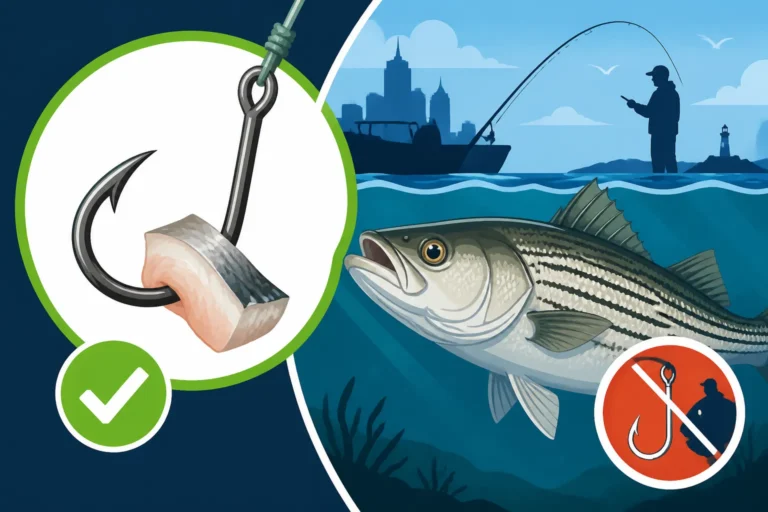
One of the best-kept secrets (or not-so-secret, for those in the know) of New York winter fishing is targeting warmwater discharges from power plants or industrial facilities. These areas, like those found along the Hudson River or some Great Lakes tributaries, create localized pockets of warmer water that attract baitfish, which in turn attract predatory species like striped bass, walleye, and various panfish. The elevated temperature stimulates fish metabolism, making them more active and willing to feed than their counterparts in ambient cold water.
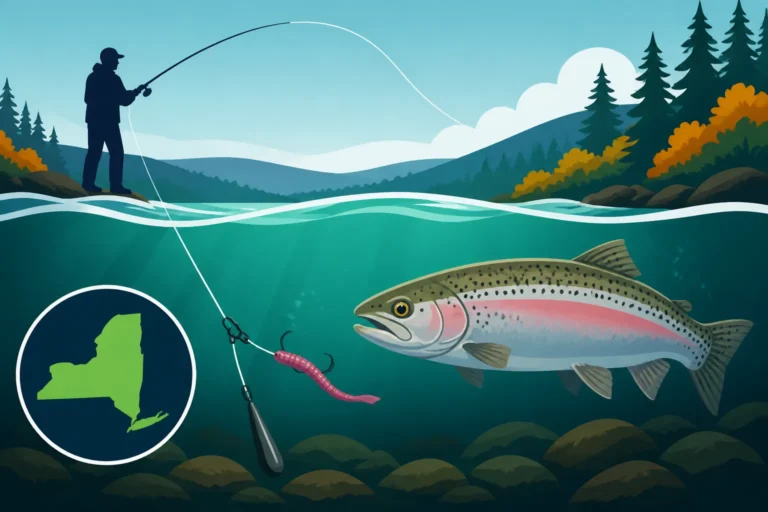
River channels also become critical winter holding areas. The deeper water in river channels often remains slightly warmer and provides a stable environment away from fluctuating surface temperatures. Fish will congregate in these channels, especially where there are current breaks, fallen trees, or deep eddies. For species like trout and steelhead, main river channels and their deeper pools become prime real estate. Fishing these areas often involves drifting egg imitations, small worms, or beads under a float, or using subtle jigging spoons and blade baits near the bottom. The key is to present your bait naturally with the current, allowing it to tumble or drift right into the fish’s strike zone. Remember that some of the best fishing for Chinook Salmon in New York and Steelhead Trout in New York in open water occurs in these tributary systems.
Drift and Float Fishing in Winter Rivers
Drift fishing and float fishing are highly effective methods in New York's winter rivers, especially for species like trout, salmon, and steelhead. These techniques allow you to present your bait or lure naturally with the current, covering a significant amount of water while maintaining control. Float fishing, using a bobber (or "float" in river terminology), is excellent for presenting natural baits like worms, single eggs, or small egg sacs. The float suspends your bait at a precise depth, allowing it to drift through runs and pools where fish are holding. The visual cue of the float dipping or darting is also a clear indicator of a bite.
Drift fishing, on the other hand, often involves using minimal weight (split shot) to allow a lure or bait to tumble along the bottom, mimicking dislodged food. This is particularly effective with small jigs, beads, or natural baits like stoneflies. The key to both methods is to understand the current. You want your bait to move at the same speed as the natural flow, avoiding any unnatural drag. This often means using enough weight to get your bait down but not so much that it snags constantly. These techniques are often employed on popular winter fishing destinations like the Salmon River or various tributaries feeding into the Great Lakes, where steelhead runs can extend well into the colder months. Learning How to Drift Fish for Steelhead can significantly boost your success.
New York's Winter Species and Their Quirks
While many species hunker down, several New York fish remain active and accessible throughout the winter months, offering fantastic opportunities for determined anglers. Understanding their specific winter behaviors is critical for success.
Ice Fishing Favorites: Perch, Bluegill, Crappie, Walleye
These panfish and walleye are perhaps the most popular targets for New York ice anglers, and for good reason. They often school up in large numbers, making them easier to locate once you find a pod.
- Yellow Perch: Abundant across New York's lakes, perch are fantastic table fare and can provide fast action. In winter, they often school tightly near weed lines, drop-offs, and soft bottom areas, especially near transitions to hard bottom. Small tungsten jigs tipped with wax worms or spikes are deadly. They bite throughout the day, though dawn and dusk can be prime. You'll find them active on many larger lakes and reservoirs.
- Bluegill and Crappie: These panfish are also prolific. Bluegills tend to relate to shallower weed beds and structure, while crappie often suspend in deeper water over basins or near submerged brush piles. Both respond well to tiny jigs, often dressed with a micro-plastic or live bait. Crappie can be particularly active during low light periods. Remember to investigate New York's Panfish Species Explained for deeper insights.
- Walleye: The elusive walleye is a highly prized winter catch. On lakes like Oneida, Chautauqua, and Lake Erie, walleye will often hold to deep flats, humps, or channel edges. They are primarily low-light feeders, making dawn, dusk, and even night fishing productive. Jigging spoons, blade baits, or tip-ups rigged with live minnows are effective. Their bites can be incredibly subtle, often just a slight "thump" or added weight on the line.
Coldwater Challengers: Trout and Salmon in Open Systems
Many of New York's rivers and Great Lakes tributaries offer incredible winter fishing for trout and salmon, often in open water.
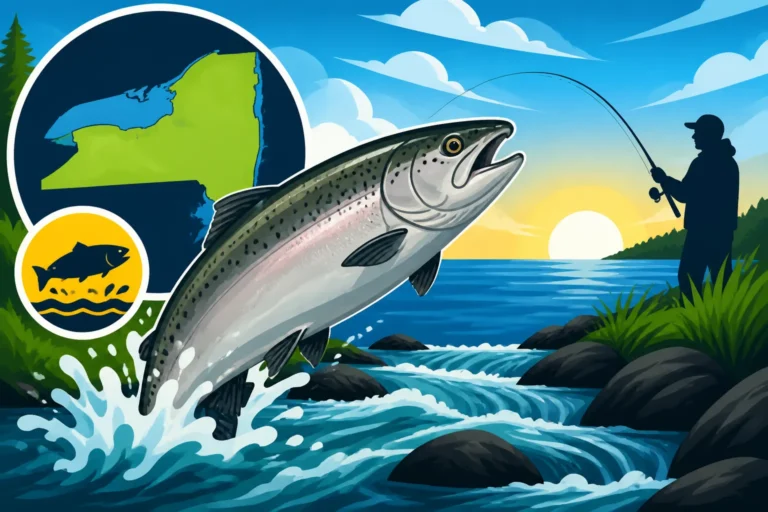
- Steelhead (Rainbow Trout): These migratory rainbow trout make their way into tributaries from the Great Lakes in fall and often remain there throughout the winter, feeding on egg sacs, nymphs, and small baitfish. Popular spots include the Salmon River, Oswego River, and various Lake Erie tributaries. Float fishing with egg imitations, beads, or small jigs, and drift fishing with worms are highly effective. You’ll find them in deeper pools, runs, and current seams. Their powerful runs and aerial acrobatics make them a thrilling cold-weather target. Spring Steelhead Run Timing in New York can sometimes extend into the colder months.
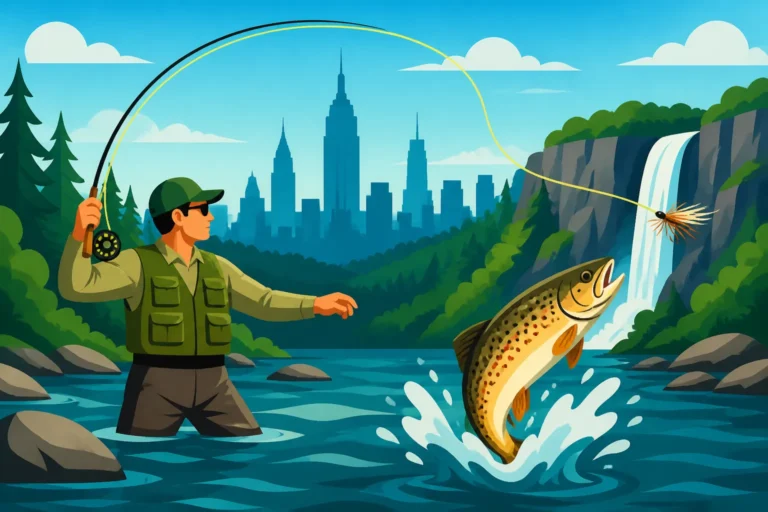
- Brown Trout: Resident brown trout in many rivers and streams, particularly in the Catskills (like the Beaverkill River or Willowemoc Creek, some of New York's Best Rivers for Fishing), remain active in winter. They'll often hold in slower, deeper pools and undercut banks. Fly fishing with nymphs or streamers, or spin fishing with small, dark jigs or tiny stickbaits can tempt them. Lake-dwelling brown trout also remain active under the ice, often caught on tip-ups.
- Lake Trout: Found in many of New York's deeper, colder lakes (e.g., the Finger Lakes, Lake George, Lake Champlain), lake trout are true cold-water specialists. They are excellent ice fishing targets, often found suspending over deep structure or cruising the main lake basins. Jigging large spoons, heavy tube jigs, or using tip-ups with large minnows can be successful.
Underestimated Gems: Pike and Chain Pickerel in Winter
Don't overlook these toothy predators in the colder months!
- Northern Pike: Found in many New York lakes, reservoirs, and slow-moving rivers, northern pike remain active and aggressive in winter. They love to ambush prey from weed edges, submerged timber, or drop-offs. Tip-ups rigged with large live bait (suckers, shiners) are incredibly effective, as are large jigging spoons or lipless crankbaits presented vertically. Catching a trophy pike through the ice or from a winter river is an exhilarating experience.
- Chain Pickerel: Often found in the same waters as pike, but preferring shallower, weedy areas, chain pickerel are voracious eaters. They provide exciting action on lighter tackle and are a great option for beginners or younger anglers. Small minnows on tip-ups or small spoons and jigs jigged near weed beds are productive.
Gear Up for the Cold: Essential Winter Fishing Equipment
Winter fishing isn't just about techniques; it's about being properly equipped for the harsh conditions. The right gear makes the difference between an enjoyable, productive day and a miserable, short one. Many of these items can be found conveniently on Amazon.
Staying Warm: Layering, Insulated Clothing, and Portable Shelters
Your first priority for winter fishing, whether on ice or open water, is staying warm and dry. This means adopting a layered clothing system.
- Base Layers: Start with moisture-wicking synthetic or merino wool base layers against your skin. Avoid cotton, which absorbs moisture and can make you cold.
- Mid-Layers: Fleece or down jackets provide insulation. You might wear one or two, depending on the temperature.
- Outerwear: A waterproof and windproof outer shell is crucial. Look for insulated ice fishing suits (like those from Striker Ice or Clam) if you'll be on the hardwater a lot. These are often designed with flotation for added safety. For open water, a good quality insulated bib and jacket will serve you well.
- Extremities: Don't forget your head, hands, and feet! A warm hat (or two), insulated, waterproof gloves (with dexterity for tying knots), and thick wool or synthetic socks paired with insulated, waterproof boots (like Baffin or Muck Boots) are non-negotiable. Cold hands and feet will quickly end your day.
- Portable Shelters: For ice fishing, a portable ice shanty (flip-over or hub-style) provides welcome protection from wind and snow. These can be heated with a small propane heater, making even the coldest days comfortable. Brands like Clam, Eskimo, and Shappell offer excellent options, many of which are available on Amazon. Having a heated shelter also allows you to dry out gear and warm up quickly, extending your time on the ice.
Electronics That Make a Difference: Flashers, Sonar, and GPS
As mentioned, electronics are a game-changer for winter fishing, especially ice fishing.
- Flashers/Sonar: A dedicated ice fishing flasher (like Vexilar or Marcum) or a portable sonar unit with an ice transducer (e.g., Humminbird Ice Helix, Garmin Striker) is invaluable. These units provide real-time updates on what's directly beneath your hole: depth, bottom composition, your lure, and most importantly, fish. They allow you to see how fish react to your presentation, letting you adjust your jigging retrieve or bait choice instantly.
- GPS: A handheld GPS unit or a smartphone with a reliable mapping app (like Navionics or Gaia GPS) is essential for marking productive spots, navigating safely on large bodies of ice, and ensuring you don't wander into restricted areas. Many modern fishfinders also integrate GPS capabilities. Knowing where you are and being able to find that exact contour line or submerged hump again is critical, especially when visibility is poor due to snow or fog.
Rods, Reels, and Line: Specialized Tools for Winter
Winter fishing demands specialized tackle that can handle the cold and detect subtle bites.
- Ice Fishing Rods: Short (24-36 inch), sensitive rods with fast action tips are ideal for jigging. The shorter length is practical for fishing inside shanties, and the sensitive tip helps detect light bites. Rod power varies from ultra-light for panfish to medium-heavy for walleye and pike. Many come with spring bobbers, which are highly visible indicators for the faintest of strikes.
- Open Water Rods: For open water, longer, lighter action spinning rods (6-7 feet, light to medium-light power) are preferred for finesse presentations. Graphite rods offer the best sensitivity for feeling those subtle winter taps.
- Reels: Small, lightweight spinning reels with smooth drags are perfect. Size 500-1000 for ice fishing and 1000-2500 for open water are common. Ensure your reel is rated for cold weather to prevent freezing issues.
- Line: Specialty low-stretch monofilament or fluorocarbon lines are popular for ice fishing due to their minimal memory and cold-weather performance. For open water, fluorocarbon offers invisibility and sensitivity, which is crucial in clear, cold conditions. Braided line can also be used, but it's essential to use a leader to prevent fish from seeing the main line and to add some stretch. Ensure your line is suitable for the cold; some standard lines can become brittle and stiff in freezing temperatures. Look for brands like Berkley Trilene Cold Weather or Sufix Ice Line on Amazon.
Safety First: Navigating New York's Winter Waters Responsibly
Winter fishing, particularly ice fishing, comes with inherent risks. Being prepared and prioritizing safety is not just a recommendation; it's a requirement. The New York State Department of Environmental Conservation (DEC) provides excellent resources and guidelines that all anglers should be familiar with, including information regarding New York Fishing License Costs and Options and general safety recommendations.
Assessing Ice Thickness and Conditions
This is paramount. Never assume ice is safe based on appearance or based on what someone else did yesterday. Ice conditions can change rapidly due to temperature fluctuations, currents, and snow cover.
- Minimum Thickness: A common rule of thumb is at least 4 inches of clear, solid ice for safe foot travel. For snowmobiles or ATVs, you need 5-7 inches, and for a car, 8-12 inches.
- Variations: Be aware that ice thickness can vary greatly even on the same body of water. Springs, current, pressure cracks, and areas near inlets/outlets are often weaker. River ice is notoriously inconsistent.
- Testing: Use an ice spud or an auger to check thickness as you go. Drill holes frequently, especially when moving into new areas.
- Color: Clear or blue ice is generally the strongest. White, opaque, or slushy ice is much weaker. Dark spots could indicate thin ice or open water.
- Buddy System: Always fish with a buddy. Never go out on the ice alone, especially in unfamiliar territory.
- Flotation Suit: Wearing a flotation-assist ice fishing suit can be a lifesaver if you do go through the ice.
Ice Thickness Guide for New York Waters
| Activity | Minimum Ice Thickness (Inches) | Notes |
|---|---|---|
| Foot Travel | 4 | Clear, solid ice only. Exercise extreme caution. |
| Snowmobile/ATV | 5-7 | Always check ice frequently when traveling. Avoid slushy or discolored ice. |
| Small Car/Light Truck | 8-12 | Not generally recommended. Use extreme caution and only on very well-known, constantly monitored areas. |
| Ice Shanty | 6-8 | Ensure the ice can support both the shelter and occupants. |
| General Rule | Always Verify | These are general guidelines; no ice is 100% safe. Check conditions locally and frequently yourself. |
Cold Weather Preparedness: Hypothermia and Frostbite Prevention
Even if you stay on solid ground or ice, cold weather itself poses serious health risks.
- Hypothermia: This occurs when your body loses heat faster than it can produce it, leading to a dangerously low body temperature. Symptoms include shivering, confusion, slurred speech, clumsiness, and drowsiness.
- Frostbite: This is injury caused by freezing of the skin and underlying tissues, most commonly affecting fingers, toes, ears, and nose. Skin may appear pale, waxy, or grayish-yellow, and feel numb or hard.
- Prevention: The key is proper layering (as discussed), staying dry, and staying hydrated. Avoid alcohol, which can impair judgment and accelerate heat loss. Bring warm drinks (thermos of coffee or hot chocolate) and high-energy snacks. Take breaks to warm up in a heated shelter or vehicle. Always tell someone where you're going and when you expect to return.
Emergency Gear and Planning: What to Carry, Who to Tell
Beyond your fishing gear, always carry essential safety items.
- Ice Picks: These are crucial. Worn around your neck, they allow you to pull yourself out of the water if you fall through.
- Rope/Throw Bag: A length of rope or a specialized throw bag can be used to rescue someone else from thin ice.
- Whistle: For signaling for help.
- First-Aid Kit: Basic supplies for minor injuries.
- Navigation: A compass and map, or a reliable GPS, especially on large lakes, to prevent getting lost in whiteout conditions or fog.
- Charged Phone: In a waterproof case. But don't rely solely on electronics, as batteries drain faster in the cold.
- Extra Clothes: A dry set of clothes in a waterproof bag can be a lifesaver if you get wet.
- Planning: Always inform someone of your plans – where you're going, who you're with, and when you expect to be back. Have a check-in time.
By combining the right techniques with meticulous preparation and an unwavering commitment to safety, winter fishing in New York can be an incredibly rewarding and unforgettable experience, allowing you to extend your passion for angling throughout the year.
Disclaimer
Fishing conditions and regulations in New York are subject to change. Always consult the latest New York State Department of Environmental Conservation (DEC) fishing regulations guide before heading out. This article provides general information and should not replace official guidelines or professional advice. Prioritize safety by checking ice conditions, weather forecasts, and informing others of your plans.