When Does Trout Season Open in New York?
It can be incredibly confusing trying to figure out exactly when trout season opens in New York State. You hear whispers of April 1st, but then you also know about catch-and-release seasons stretching through winter, and what about those special regulation waters? It's enough to make your head spin before you even string a line! This guide is here to untangle all that uncertainty, giving you a clear, comprehensive understanding of New York's trout fishing calendar so you can hit the water with confidence.
The General Trout Season Opener: April 1st and What It Means
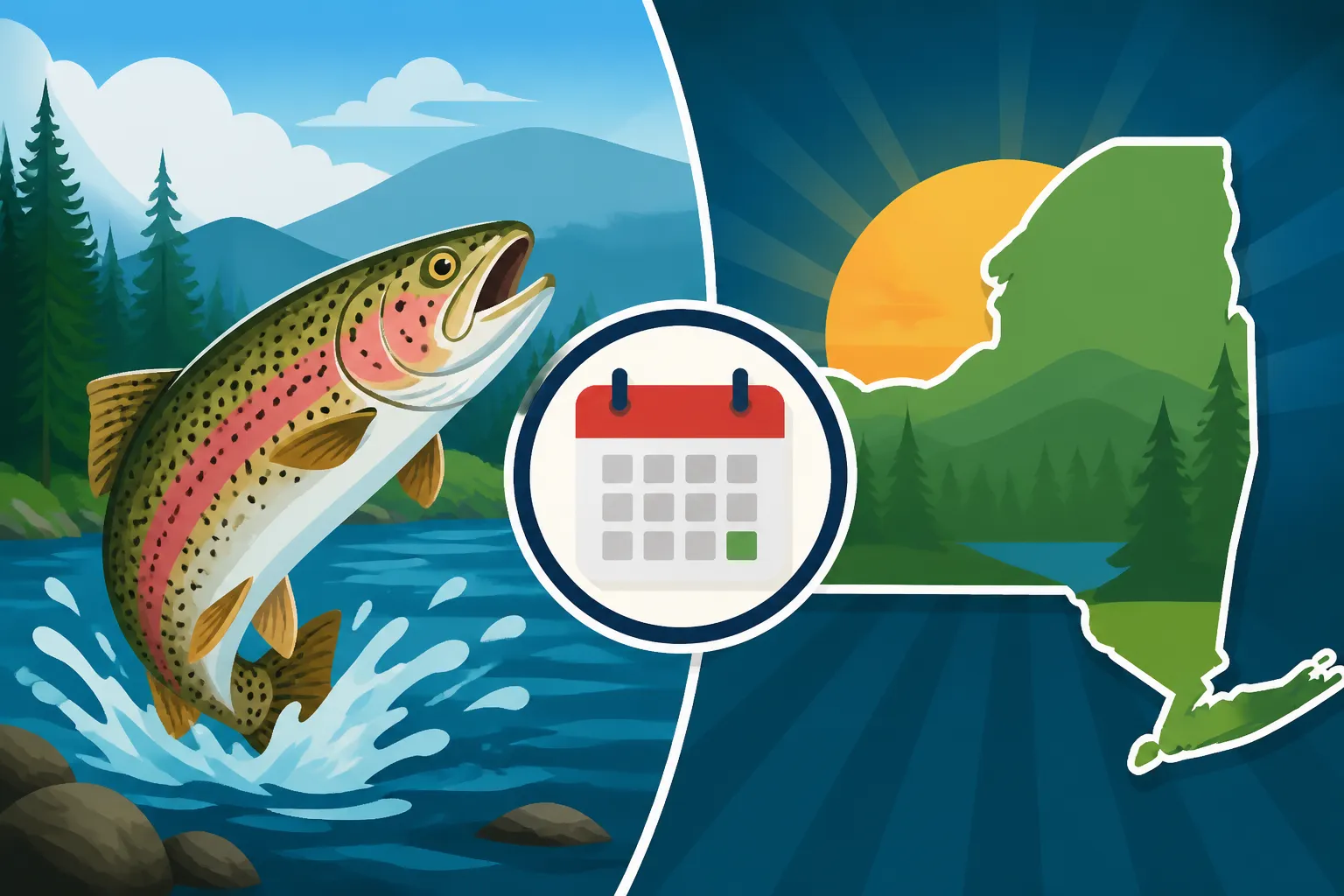
For many New York anglers, April 1st is like a second New Year's Day – it's the official start of the regular trout fishing season, a date steeped in tradition and anticipation. This is when most of the state's trout-filled waters become fair game for keeping your catch, assuming you adhere to all the other regulations.
Understanding "Standard" Trout Waters in New York
When we talk about April 1st, we're primarily referring to what the New York State Department of Environmental Conservation (DEC) calls "standard" trout waters. These are the vast majority of our beautiful streams, rivers, and smaller lakes across the state that don't fall under specific, site-specific regulations. Think of your classic freestone streams tumbling through the Catskills or Adirondacks, or many of the smaller, picturesque ponds that hold a healthy population of trout. These waters are often heavily stocked with brown, rainbow, and sometimes brook trout by the DEC, making the early season particularly exciting as fresh fish are readily available.
The rationale behind a statewide opening day like April 1st is largely historical and practical. It marks a time when water temperatures are generally beginning to rise, bringing trout out of their winter lethargy and making them more active and willing to feed. It also provides a clear, easy-to-remember benchmark for anglers statewide, simplifying the regulatory landscape for a huge portion of our fishing opportunities. For many, the opening day is a pilgrimage, a chance to shake off winter's chill and reconnect with nature, often surrounded by budding trees and the sounds of rushing water.
The Legalities of Fishing on April 1st: License and Stamps
Before you even think about casting a line on April 1st, or any day for that matter, you absolutely must have a valid New York State fishing license. This isn't just a suggestion; it's a legal requirement that helps fund conservation efforts and fish stocking programs across the state. There's nothing worse than getting caught unprepared, so make sure your paperwork is in order. If you're unsure about the process, our comprehensive New York Fishing License Guide covers everything you need to know, from types of licenses to where to buy them.
Beyond the general fishing license, if your goal is to fish for trout, especially in many of the designated trout waters, you’ll likely need an additional Trout Stamp. This stamp, often a small additional fee, contributes specifically to trout management programs. It's a question many new anglers ask: Do I Need a Trout Stamp to Fish for Trout in New York?. The short answer for most dedicated trout fishing is yes. Failing to have the correct license and stamp can lead to significant fines and penalties, not to mention the embarrassment of having your fishing trip cut short. Always consult the official New York Fishing Regulations Explained before heading out, as regulations can sometimes change or have nuances depending on the specific body of water you're targeting.
Navigating New York's Catch-and-Release Trout Season (October 16th – March 31st)
While April 1st is the traditional opener for harvesting trout, New York offers a fantastic extended season for dedicated anglers who practice catch-and-release. This period provides unique opportunities to fish for trout when many other species are less active, and the landscapes are stunningly beautiful, often with fewer crowds.
The Extended Opportunity: Fall and Winter Trout Fishing
The catch-and-release trout season in New York officially begins on October 16th and runs all the way through March 31st. This incredible window, clearly laid out in the New York Catch-and-Release Trout Season Runs October 16 Through March 31 guidelines, allows anglers to target trout during the colder months when many species are spawning or hunkering down. Imagine crisp autumn days with vibrant foliage reflecting on clear stream waters, or quiet winter mornings with a fresh dusting of snow coating the banks as you stalk wary trout. It’s a completely different experience from the hustle and bustle of opening day.
This season is not just about extending fishing opportunities; it's a vital part of conservation. By mandating catch-and-release during these sensitive periods, especially as trout prepare to spawn or are under stress from cold water, the DEC helps protect future fish populations. The rules are strict and crucial: you must use artificial lures only, equipped with a single hook. The immediate release of any fish caught is paramount. These rules are designed to minimize harm to the fish, ensuring they survive to reproduce or continue growing, contributing to a healthier ecosystem. It’s a testament to the fact that fishing can be both a sport and a powerful act of environmental stewardship.
Essential Gear and Best Practices for Catch-and-Release
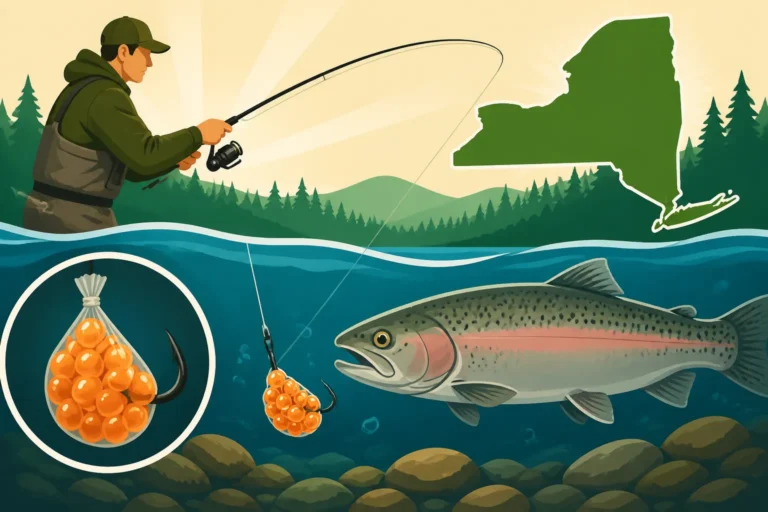
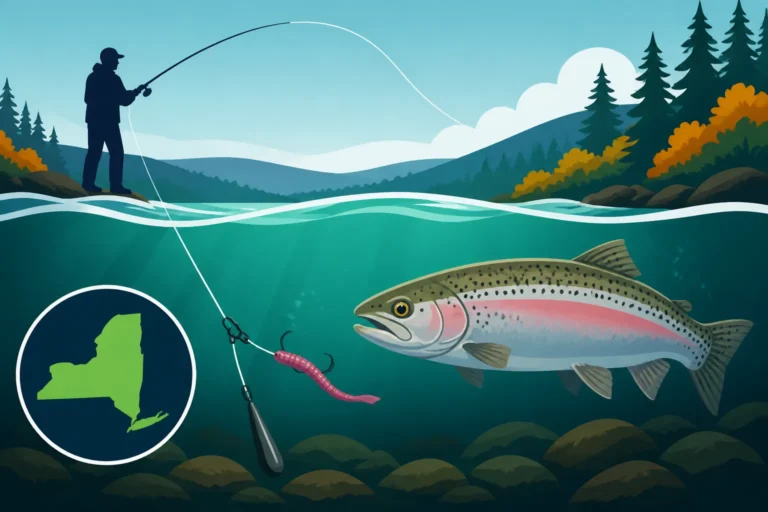
Successfully participating in the catch-and-release season requires not only adherence to the rules but also a thoughtful approach to your gear and technique. Lighter rods (like a 2-5 weight fly rod or a ultralight spinning rod) paired with appropriate lines (4-6 lb test fluorocarbon or monofilament for spinning, or matching fly line) are often preferred. This setup allows for more sporting fights and reduces the chance of over-stressing the fish. When choosing lures, focus on single-hook options. Many popular inline spinners, spoons, and flies are already equipped with single hooks, but if you’re using something with a treble, ensure you switch it out. You can find a wide variety of compliant lures and hooks easily on Amazon.
Responsible fish handling is the cornerstone of successful catch-and-release. Always wet your hands before touching a fish to protect its delicate slime coat, which acts as a barrier against disease. Minimize the fish's time out of the water; a quick photo is fine, but the priority should be getting it back into its element as fast as possible. Carry long-nosed pliers or a specialized dehooker, easily found on Amazon, to quickly and cleanly remove hooks, especially if they're deeply set. Avoid holding fish by the gills or vertically by the jaw if they are large, as this can cause internal damage. Instead, cradle them horizontally, supporting their belly, and allow them to recover in the water before gently releasing them. For chilly fall and winter outings, remember to layer up! Warm, waterproof clothing and gloves are essential, and you can stock up on reliable cold-weather gear from reputable brands also found on Amazon.
Deciphering Special Regulation Waters: When the Rules Change
While the April 1st general opener and the fall/winter catch-and-release season cover a lot of ground, New York State is a mosaic of diverse waters, and many of them come with their own unique "special regulations." Ignoring these can quickly turn a peaceful fishing trip into a legal headache, so it's vital to know how to identify and understand them.
Identifying and Understanding Special Regulations
The New York DEC manages certain water bodies, or even specific stretches of rivers and streams, under special regulations. These are put in place for a variety of reasons: to protect wild populations, manage trophy fisheries, restore vulnerable species, or simply to provide a different type of angling experience. For example, some famous trout waters, like certain sections of the West Branch of the Delaware River or parts of the Esopus Creek, might have year-round catch-and-release rules, different minimum size limits, specific bait restrictions (like only artificial lures allowed), or even different opening and closing dates than the statewide norm. Some smaller, remote ponds in the Adirondacks might be designated "brook trout only" with very specific creel limits. These variations are important because they cater to the unique ecological conditions and management goals of those particular fisheries.
Think of it this way: New York’s diverse waterways, from the fast-flowing streams in the Catskills to the serene lakes nestled in the Adirondacks, each have their own character and fish populations. A blanket rule might not work for all of them. These special regulations are the DEC's way of tailoring conservation efforts and angling opportunities to these unique environments. You'll find these exceptions detailed in the "Special Regulations by County" section of the official DEC freshwater fishing guide. It's a dense read, but absolutely essential for staying legal and contributing to conservation. Our New York Freshwater Fishing Rules article also provides a good overview of what generally applies.
Practical Steps to Avoid Violations
The absolute golden rule for fishing in New York, especially for trout, is this: always check the specific regulations for the body of water you intend to fish before you leave home. It’s easy to assume that because you fished a certain way on one stream, you can do the same on another. But this assumption can lead to trouble. Imagine you’re planning a trip to the Salmon River – a legendary fishery – but you haven't checked its unique rules regarding seasonal closures for certain species or gear restrictions. You could inadvertently violate a rule designed to protect spawning fish.
To avoid such scenarios, make the official New York DEC Fishing Regulations Guide your best friend. You can download the PDF from the DEC website, or pick up a physical copy at most tackle shops, Walmart, or DEC regional offices. Many experienced anglers actually print out the relevant pages for the specific county or waterway they're visiting and keep them in their tackle box or vest. Beyond the official guide, don't underestimate the power of local knowledge. Chatting with staff at local bait and tackle shops – like Frankenmuth Bait & Tackle near Lake Erie or any small, independent shop you might find on your travels – can provide invaluable, up-to-the-minute information on localized conditions, recent stocking reports, and any subtle regulation changes. Online fishing forums and local angling clubs are also fantastic resources for gaining insights into specific waters.
Planning Your Trout Season: Beyond Just the Opening Day
Knowing the opening dates is just the first step. To truly make the most of New York's incredible trout fishing, you need to think about what happens after the season opens, including stocking schedules and environmental factors.
Stocking Schedules and Their Impact on Early Season Fishing
A huge part of New York's early trout season success, especially for many anglers, comes down to the DEC's robust trout stocking program. Each spring, millions of brown, rainbow, and brook trout are released into public waters across the state, ensuring that there are plenty of fish for everyone to pursue. These stockings typically begin shortly after the April 1st opener and continue for several weeks into May. For many, especially those looking to introduce kids to fishing, targeting recently stocked waters offers a higher chance of success, which is incredibly encouraging for new anglers.
The DEC does an excellent job of publishing its stocking schedules online. While exact dates for specific streams might vary based on water conditions and logistics, they provide general timelines and lists of waters that will be stocked. Savvy anglers often monitor these reports to plan their outings. For instance, knowing that a particular stream will be stocked next week can help you decide when to visit for the best chances. It’s not just about when the season starts, but when the fish will be most plentiful and active. You can often find these schedules and reports by searching "New York trout stocking schedule" on the DEC website, which complements the information found in our New York Trout Season Opening Day Is April 1 guide.
Factors Affecting Trout Activity and Angler Success
While the calendar tells you when you can fish, other environmental factors tell you how good the fishing might be. Trout are incredibly sensitive to their environment, and conditions like water temperature, flow rates, and even insect hatches play a huge role in their behavior. In early spring, cold water temperatures can make trout sluggish, keeping them closer to the bottom or in slower pools. A sudden cold front can shut down a bite entirely. Conversely, rising water temperatures, especially when they hit the "sweet spot" for trout (usually between 45-65°F), will increase their metabolism and feeding activity.
Similarly, stream flow can be a critical factor. Heavy spring rains can lead to high, muddy water, making fishing difficult and sometimes unsafe. Low, clear water can make trout exceptionally wary and harder to approach. Experienced anglers also pay close attention to insect hatches. When caddisflies, mayflies, or stoneflies begin to emerge, trout often switch their feeding focus to these natural food sources, making dry fly fishing or nymphing with imitations incredibly effective. Packing versatile gear – a selection of flies, lures, and even some live bait (where permitted) – is always a good idea. Having layers of clothing, including waterproof jackets and pants, ensures you're comfortable no matter what Mother Nature throws at you. These items, from specialized fishing vests to high-performance rain gear, are readily available from retailers like Amazon, ensuring you're prepared for any condition. Understanding these variables is key to knowing the Best Time of Year to Fish in New York for your specific target species and technique.
Summary of New York Trout Season Dates
To make it easy, here's a quick reference table for New York's general trout season dates. Remember, always check specific regulations for the water body you plan to fish!
| Season Type | Start Date | End Date | Key Regulations |
|---|---|---|---|
| General Trout Season | April 1st | October 15th | Harvest permitted, check creel & size limits, bait allowed |
| Catch-and-Release Season | October 16th | March 31st | Artificial lures, single hook, immediate release required |
| Special Regulation Waters | Varies widely | Varies widely | Check specific DEC regulations for each water body |
This table is a great starting point, but always remember to consult the full official DEC guide, especially for the crucial New York Statewide Trout Daily Limit Explained and any unique requirements for your chosen fishing spot.
Disclaimer
The information provided in this guide is for general informational purposes only and is subject to change. While we strive to offer accurate and up-to-date details, fishing regulations in New York State can be complex and vary by location, specific water body, and season. It is the angler's responsibility to consult the most current official New York State Department of Environmental Conservation (DEC) fishing regulations guide before engaging in any fishing activity. Failure to comply with regulations can result in fines and penalties. Always prioritize safety and environmental stewardship while enjoying New York's waters.