How to Fish for Muskellunge on New York’s St. Lawrence River
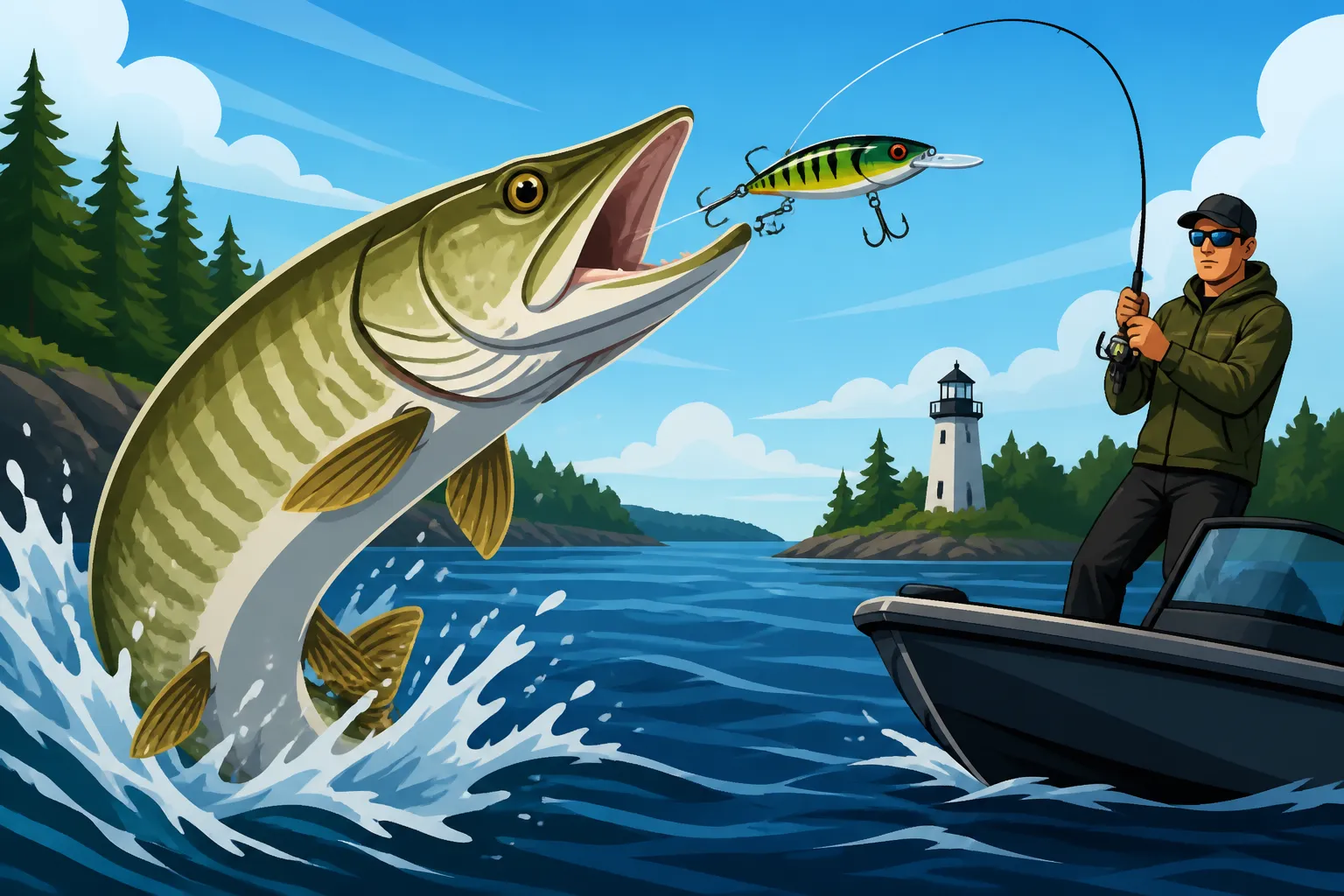
The mighty St. Lawrence River is legendary, and if you've ever dreamed of battling one of freshwater's most formidable predators, the muskellunge, then you know the unique challenges and immense rewards that come with it. Many anglers feel a mix of excitement and intimidation when considering this pursuit, wondering where to even begin with such a powerful fish in such a vast waterway. This guide is here to demystify the process, offering a comprehensive look at how to effectively fish for muskellunge on New York's St. Lawrence River, helping you turn those dreams into unforgettable catches.
Understanding the St. Lawrence River Muskie Fishery
The St. Lawrence River, particularly in the Thousand Islands region, is renowned as one of the premier muskellunge fisheries in North America. These impressive fish aren't just big; they're intelligent, elusive, and demand respect. Successfully targeting them here requires an understanding of their habitat, behavior, and the unique characteristics of this massive river system.
The Ecosystem and Habitat
The St. Lawrence River is a diverse environment, offering a wide array of habitats that appeal to muskellunge. From the shallow, weedy bays and expansive flats to deep rock structures and current seams, understanding where muskies prefer to ambush prey is key. They are apex predators and will position themselves strategically to capitalize on unsuspecting baitfish.
Think of the St. Lawrence as a series of interconnected lakes and channels, each with its own nuances. The warmer, shallower bays and areas with abundant weed growth are often productive during early season or warmer periods, providing cover for both the muskie and their prey like suckers, perch, and ciscos. As the season progresses and water temperatures change, muskies might shift to deeper rocky points, current breaks, or around the extensive shoals and islands that define the Thousand Islands. Understanding these transitions is crucial. Many experienced anglers spend countless hours just observing the water, learning the subtle cues that indicate a muskie's presence or potential ambush point.
Muskie Behavior and Diet
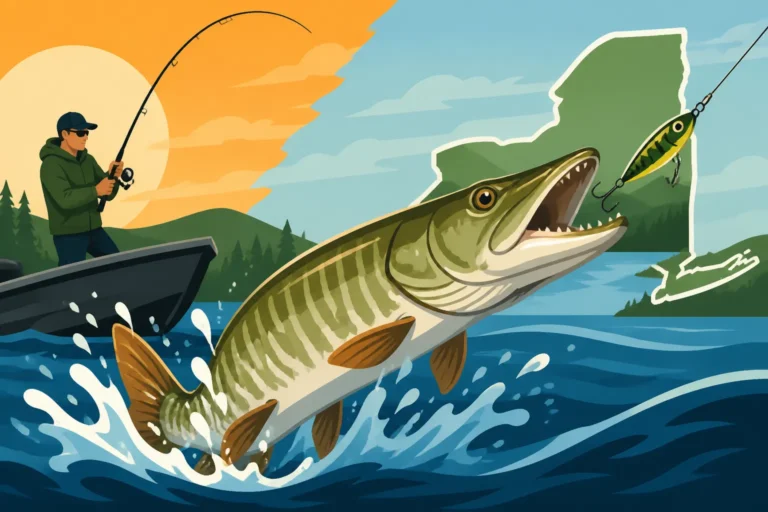
Muskellunge are ambush predators, meaning they typically lie in wait, hidden from view, before launching a lightning-fast strike on their prey. Their diet primarily consists of other fish, often quite large ones. This is why you'll often hear about anglers using enormous baits when targeting them – muskies aren't shy about eating a meal almost a third of their own size.
Their behavior is heavily influenced by water temperature, forage availability, and pressure from anglers. During warmer months, they can be more active, chasing baits aggressively. As waters cool, they might become more lethargic, requiring slower presentations or more persistent efforts to trigger a strike. It's not uncommon to fish for hours, even days, without a bite, only to have a monstrous muskie suddenly appear from the depths and engulf your lure. This patience and unpredictability are part of the muskie's allure. When considering what these incredible fish eat, it gives you a huge clue about what kind of lures to throw, so knowing What Muskellunge Eat is a great place to start.
Prime Seasons for Muskellunge on the St. Lawrence
Timing is everything when it comes to muskie fishing on the St. Lawrence. While muskies are present year-round, certain seasons offer better chances for success due to their activity levels and location preferences. Understanding the annual cycle helps you plan your trips for optimal results. You'll want to be familiar with the New York Muskellunge Season Dates to ensure you're fishing legally.
Early Season Excitement
The early season, typically beginning in late spring or early summer, can be a fantastic time to target St. Lawrence muskies. After the spawn, these fish are often recovering and actively feeding, making them more susceptible to lures. The water temperatures are rising, and baitfish are becoming more active in the shallower bays and flats.
Anglers often find success focusing on those weed edges, shallow rock piles, and transitional areas where deeper water meets shallow feeding grounds. Surface temperatures are just starting to climb, which means the muskies haven't yet retreated to their deepest summer haunts. This period can offer some of the most consistent action, especially for anglers who enjoy casting larger bucktails, crankbaits, or topwater lures over expansive areas. It’s also a time when you might encounter fish that are less pressured than later in the year.
Mid-Summer Grind
As summer progresses and water temperatures peak, muskie fishing on the St. Lawrence can become more challenging but also offers opportunities for trophy fish. Muskies often move to deeper, cooler waters, concentrating around distinct structures like deep shoals, submerged islands, and major current breaks. The bite can be tougher, often occurring during low-light conditions or after weather changes.
During this period, trolling becomes a highly effective technique, allowing you to cover vast amounts of water and present lures at precise depths. Big crankbaits, swimbaits, and even large spoons are popular choices. Anglers should pay close attention to depth finders and contour maps to pinpoint structures where muskies might be holding. Early mornings and late evenings, or even night fishing, can be productive when the sun is high and bright. Patience is especially crucial during the mid-summer months, but the rewards can be truly spectacular.
Fall Feeding Frenzy
Autumn is arguably the most celebrated time for muskie fishing on the St. Lawrence. As water temperatures drop, muskies enter a pre-winter feeding frenzy, bulking up for the cold months ahead. This is when they are most aggressive and often willing to chase larger baits. Many of the biggest muskies of the year are caught during the fall run. In fact, many guides believe this is the Best Season for Muskellunge Fishing in New York.
During the fall, muskies will actively patrol rocky points, main channel edges, and deep weed lines. Large jerkbaits, glide baits, and massive rubber lures become incredibly effective. The cooler water also means muskies often remain active for longer periods during the day. This is the time when anglers often brave colder temperatures and choppier waters for a chance at a true giant. The focus shifts from covering water to precisely targeting known muskie haunts with methodical, persistent presentations. For an incredible experience, considering New York's St. Lawrence River Muskie Guides can significantly increase your chances during this prime season.
Essential Gear and Tackle for St. Lawrence Muskie
Muskie fishing isn't for the faint of heart, and neither is the gear required. These are big, powerful fish that will test your equipment to its limits. Skimping on tackle is a surefire way to lose a fish of a lifetime. Investing in quality, heavy-duty gear is paramount for success on the St. Lawrence.
Rods, Reels, and Line
When it comes to muskies, think heavy-duty. Your rod should be a stout baitcasting model, typically 8 to 9 feet in length, with a heavy or extra-heavy power rating and a fast action. This provides the backbone needed to cast large lures all day and the power to set hooks into a muskie's bony mouth. For reels, a high-quality baitcasting reel with a strong drag system and a high line capacity is essential. Look for models designed for heavy freshwater applications, capable of handling the torque and strain of fighting large fish.
Line choice is equally critical. Braided line is the standard for muskie fishing due to its incredible strength, lack of stretch, and thin diameter. You'll want to use line in the 80 to 100-pound test range. While it might seem like overkill, remember that you're not just fighting the fish, but also constantly battling snags, heavy lures, and sometimes even sharp rocks or zebra mussels on the St. Lawrence. A fluorocarbon leader of 100-150 pounds is usually tied to the braid to provide abrasion resistance and invisibility, connecting your main line to your lure. Many anglers buy their braided line and fluorocarbon leaders in bulk from online retailers like Amazon.
Lures and Terminal Tackle
Muskie lures are a world unto themselves – often large, sometimes custom-made, and designed to provoke a strike from a territorial predator. The variety is vast, but some staples for the St. Lawrence include:
- Bucktails: These are classic muskie lures, featuring a weighted head, a wire shaft, and one or more blades followed by a skirt of deer hair. They are incredibly effective for covering water and triggering reaction strikes, especially in fall.
- Crankbaits: Large, deep-diving crankbaits are perfect for trolling open water or casting along deeper contours. They come in various diving depths and actions, imitating common muskie forage.
- Jerkbaits and Glide Baits: These lures require specific retrieve techniques, mimicking injured baitfish with erratic movements. They are fantastic for enticing strikes from finicky fish, particularly in cooler water.
- Rubber Baits/Soft Plastics: Huge soft plastics, often weighing several ounces, can be deadly when retrieved slowly or jigged around structure. They offer a more subtle presentation that can be irresistible to a wary muskie.
Don't forget robust terminal tackle: heavy-duty snap swivels (rated for at least 150-200 lbs) to prevent line twist and allow quick lure changes, and specialized muskie nets (large, wide-mouthed, knotless) designed to safely land and release these large fish. You'll find a detailed breakdown of options in our guide to the Best Lures for Muskellunge.
Top Techniques for Targeting Muskellunge
Muskie fishing on the St. Lawrence is a game of patience, persistence, and employing the right techniques for the conditions. There's no single "magic bullet" technique, but a combination of approaches will maximize your chances.
Casting and Retrieving
Casting is a highly active and rewarding way to target muskies, especially in shallower waters, around weed beds, or along shorelines. It allows for precise lure placement and varied retrieves that can trigger strikes. Anglers will typically use large bucktails, topwater lures, jerkbaits, or oversized crankbaits.
The key to successful casting is covering water systematically and varying your retrieve speed and cadence. Muskies often follow a lure right up to the boat before striking, or even turning away. This is where the famous "figure-eight" maneuver comes into play. As your lure nears the boat, instead of simply reeling it in, plunge your rod tip into the water and sweep the lure in a large "figure-eight" pattern beside the boat. This extended presentation often provokes a follow-up strike from a muskie that was hesitant to commit further out. It's an absolutely essential skill to learn, and we have a whole article dedicated to How to Figure-Eight a Muskie Boatside. You might cast a thousand times without a follow, but that one time you do get a follow, the figure-eight can be the difference between a story about a "sub" (sub-legal muskie) and a trophy catch.
Trolling the Depths
Trolling is a highly effective method for covering vast areas of the St. Lawrence and presenting lures at specific depths, particularly during the warmer summer months or when fish are holding deep. This involves using your boat's motor to pull large crankbaits, swimbaits, or even oversized soft plastics through suspected muskie territory.
Effective trolling requires knowledge of the river's contours, current seams, and depths. Anglers often use GPS and sonar to follow specific depth curves, drop-offs, or submerged structures. Downriggers or lead-core line might be employed to get lures to precise depths. Trolling speeds vary, but generally, a slow, methodical pace is preferred, allowing the lure to work naturally. Pay close attention to your rod tips; a muskie strike while trolling can be incredibly violent, often resulting in a rod being nearly ripped from its holder. This technique is particularly popular when fishing the broader channels and open water sections of the St. Lawrence, where muskies might be roaming for forage. If you're specifically interested in the region that's famous for these massive fish, you can delve into Muskellunge Fishing in New York's Thousand Islands.
Specialized St. Lawrence Techniques
Beyond casting and trolling, anglers on the St. Lawrence often adapt their tactics to specific local conditions or times of year. Live bait fishing, using large suckers or other legal baitfish, can be very effective, especially for wary, larger muskies. This often involves using specialized heavy-duty quick-strike rigs to ensure a solid hookset without deep-hooking the fish, aiding in successful release.
Another technique involves targeting specific structures known to hold muskies, such as large rock piles, submerged timber, or bridge pilings. This often means slowly probing these areas with jigs, large rubber baits, or even vertical jigging spoons. Understanding the nuances of the river – where the current creates eddies, where baitfish congregate, or where thermoclines form – will give you a distinct advantage. Remember to always check the New York Freshwater Fishing Rules for current regulations on live bait, minimum lengths, and catch limits.
| Technique | Prime Season | Typical Lures | Advantages | Considerations |
|---|---|---|---|---|
| Casting | Early Season, Fall | Bucktails, Jerkbaits, Topwater, Crankbaits | Active, precise lure placement, covers structure | Physically demanding, figure-eight essential for follows |
| Trolling | Mid-Summer, Fall | Deep-diving Crankbaits, Swimbaits, Spoons | Covers vast water, targets specific depths, good for deep fish | Requires boat knowledge, less active, can be monotonous |
| Live Bait Fishing | Any (especially fall) | Large Suckers, Ciscos (local legal baitfish) | Can entice wary or inactive fish, natural presentation | Requires specialized rigs, proper handling for release, regulations |
| Vertical Jigging | Mid-Summer, Fall | Heavy Jigs, Large Soft Plastics, Spoons | Effective for deep, suspended fish or distinct structure | Requires boat positioning, precise depth control |
Safety and Conservation for St. Lawrence Muskie Anglers
Catching a muskie is an incredible accomplishment, but it comes with a significant responsibility: ensuring the safety of both yourself and the fish. Muskies are a prized resource, and practicing proper handling and conservation techniques is crucial for the health of the fishery. Familiarity with New York Fishing Regulations Explained is non-negotiable.
Handling and Release Best Practices
Muskies are incredibly powerful fish, and their sharp teeth and thrashing can be dangerous. Always prioritize your safety. Use a large, knotless landing net designed for muskies to safely bring the fish aboard. Once in the net, keep the fish in the water as much as possible. If you must bring it into the boat, do so quickly and carefully.
Proper release techniques are paramount. Minimize the fish's time out of water. Have long-nosed pliers, bolt cutters (for cutting hooks if necessary), and a hook remover ready. Avoid touching the fish's gills or eyes. Support the fish horizontally, never vertically by the jaw or gills, as this can cause internal organ damage. Unhook quickly, take a rapid photo if desired, and then gently revive the fish by holding it upright in the water until it swims away under its own power. Knowing the Muskellunge Minimum Length to Keep is vital, as many St. Lawrence muskies are catch-and-release to protect the trophy fishery.
Navigational Safety and Awareness
The St. Lawrence River is a massive waterway with unique navigational challenges. It features strong currents, numerous islands, shoals, and varying depths, especially in the Thousand Islands area. Always consult up-to-date nautical charts, use GPS, and pay close attention to changing weather conditions. Fog can roll in quickly, and waves can build rapidly, making navigation treacherous.
Boating safety, including wearing life jackets, having proper lighting, and knowing right-of-way rules, is essential. The St. Lawrence is also a shipping channel, so be aware of large commercial vessels and give them ample space. Respect private property, be mindful of noise, and always practice "leave no trace" principles, packing out everything you pack in. The beauty of Fishing New York's St. Lawrence River and Thousand Islands is matched only by the responsibility it demands from anglers to keep it pristine for generations to come.
Disclaimer
This article is for general informational purposes only and does not constitute professional advice. Laws, prices and regulations vary by location and change over time. Consult a qualified professional for guidance on your specific situation.