Best Smallmouth Bass Lures for Clear Water
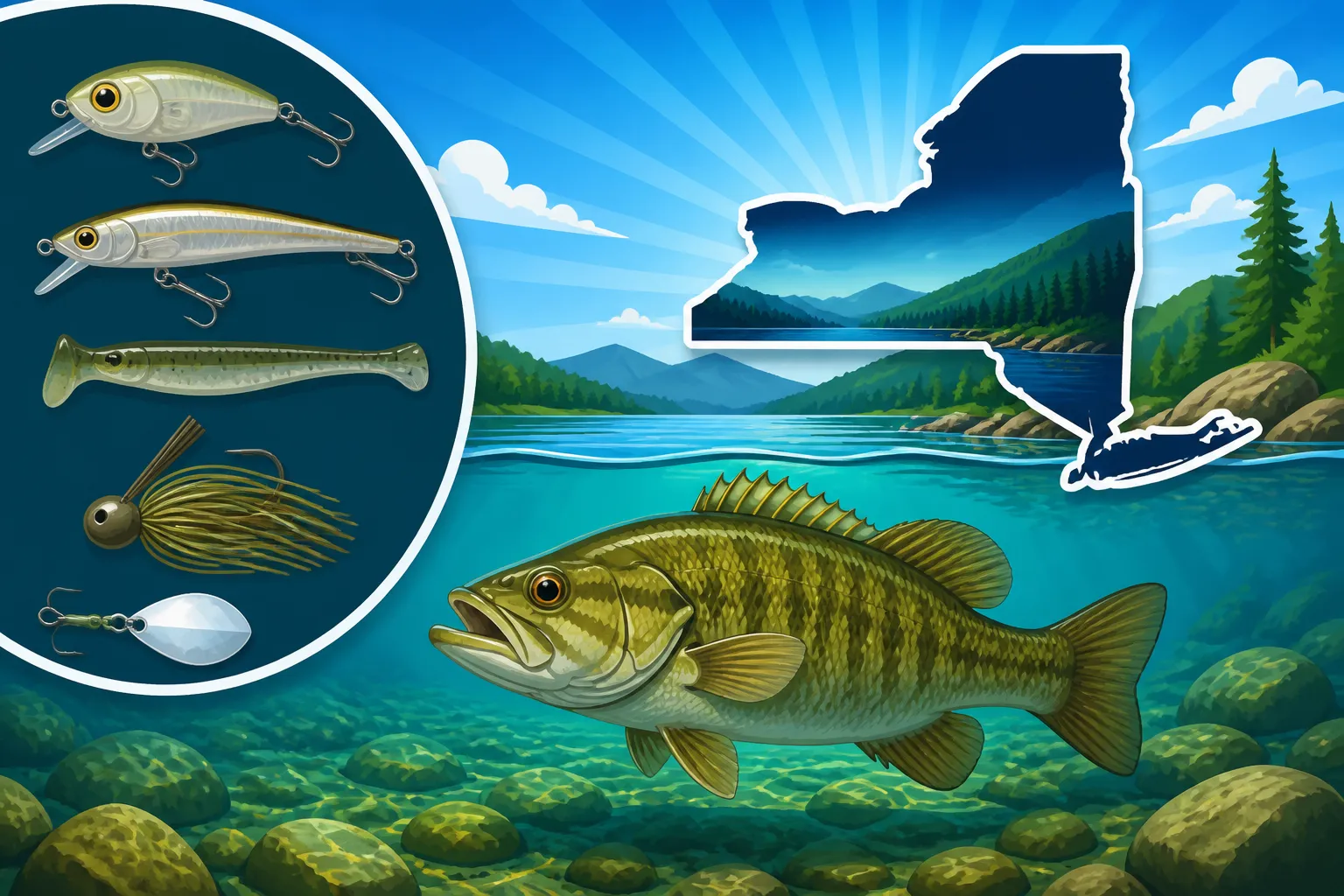
Fishing for smallmouth bass in New York's beautiful, crystal-clear waters can be both exhilarating and incredibly frustrating. These smart, keen-sighted predators become exceptionally wary in high visibility conditions, often ignoring presentations that would work wonders in murkier environments. This guide is all about equipping you with the knowledge and the right arsenal of lures to confidently tackle those challenging clear-water scenarios, helping you land more bronzebacks when every ripple and shadow matters.
Understanding Smallmouth Bass Behavior in Clear Water
When you're out on a pristine lake or a clear river in New York, the rules of engagement with smallmouth bass change dramatically. These aren't your typical aggressive, structure-hugging largemouth. Smallmouth are already known for their sharp eyesight and intelligence, and in clear water, their senses are amplified, making them even more cautious. You'll often find yourself staring at beautiful, deep rock piles or gravel flats, knowing bass are there, but unable to coax a strike.
Why Clear Water Changes Their Approach
Imagine trying to hide in a brightly lit, empty room. That's a bit how smallmouth bass feel in clear water. With sunlight penetrating deeper and fewer suspended particles to break up their outline, they become hyper-aware of their surroundings. This increased visibility means they can spot predators (like you!) and unnatural presentations from a greater distance. Their innate survival instincts kick into overdrive, making them incredibly spooky. A heavy splash, a visible line, or an unnatural lure action can send them scattering faster than you can blink.
This heightened awareness means they're not just looking for a meal; they're scrutinizing it. They'll study the lure's movement, its color, and even the line attached to it. They'll follow it, inspect it, and often, just turn away. This can be infuriating for anglers used to more aggressive bites. Success in these conditions demands a shift in your thinking, moving from power fishing to a more subtle, finesse-oriented approach that respects their enhanced caution. It's less about overwhelming them and more about tricking them into thinking your offering is completely natural.
Key Characteristics of Clear Water Habitat
Clear water doesn't just affect how smallmouth react; it often dictates where they live. In lakes with high clarity, you'll typically find smallmouth bass gravitating towards deeper structures during the brightest parts of the day. Think offshore humps, steep breaks, rock piles, and points that drop off quickly into deeper water. These areas offer them a sense of security, providing both depth and structural complexity to ambush prey or retreat from danger. They might move shallower during low-light conditions, but their primary haunts will often be associated with significant depth changes.
In clear rivers like sections of the St. Lawrence River or even clearer stretches of the Niagara River, smallmouth will still relate to current seams, eddy lines, and current breaks caused by boulders or submerged timber. However, they will often position themselves deeper in these currents or slightly further from the most obvious structures, again leveraging the increased depth for safety. Unlike largemouth that might hug a thick weed line in stained water, clear water smallmouth often prefer harder bottom features like rock, gravel, and sand, where they can blend in more effectively with their surroundings. Understanding these preferred habitats is the first step in positioning yourself for success before even casting a line, as discussed in our detailed guide on How to Fish for Smallmouth Bass on the St. Lawrence River.
Top Lure Categories for Clear Water Smallmouth
When the water is gin-clear, your lure choices need to be refined. Forget the bulky, brightly colored baits unless you're specifically trying to draw attention in very specific, aggressive scenarios. For consistent clear-water success, subtlety, natural aesthetics, and precise presentations are your best friends. These lure categories are designed to tempt even the most finicky bronzebacks.
Finesse Baits
Finesse fishing is practically a religion for clear-water smallmouth anglers, and for good reason. These baits are designed to imitate natural forage with minimal disturbance, presenting a tempting, easy meal without alerting the wary fish.
-
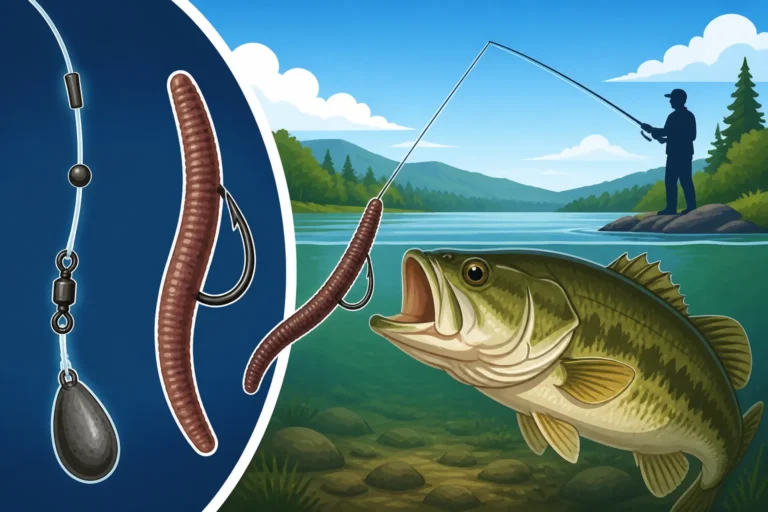
Drop Shots: The drop shot rig is arguably the king of clear-water smallmouth fishing. Its brilliance lies in its ability to present a small, soft plastic bait at a specific depth, hovering tantalizingly above the bottom, completely separate from the weight. This allows for incredibly subtle twitches and shakes without moving the bait horizontally too much, mimicking a dying baitfish or an injured critter. Popular baits for a drop shot include small worms, minnow imitations, or tiny creature baits in natural, translucent colors like smoke, green pumpkin, or natural baitfish hues. You can explore a huge selection of drop shot weights and soft plastics on Amazon to find the perfect match for your local waters.
When smallmouth are suspended over deeper rock piles, a drop shot fished vertically can be absolutely deadly. You can watch your fish finder for suspended fish, then drop your bait right to their level. The key is to impart minimal action – just enough to make the bait quiver. Often, letting it sit perfectly still for extended periods is what triggers a bite from a curious smallmouth. It’s a technique that requires patience but delivers big rewards when fish are reluctant to chase. -
Ned Rigs: The Ned rig, sometimes affectionately called the "half-Senko," is a tiny, mushroom-head jig paired with a small, buoyant soft plastic worm. Its magic comes from its unique stand-up presentation on the bottom and its slow, enticing fall. When retrieved with short hops and drags, the buoyant plastic stands straight up, mimicking a foraging critter or a dying baitfish struggling on the bottom. Its small profile and subtle action make it irresistible to clear-water smallmouth that might shy away from larger, more aggressive presentations.
Colors for Ned rigs should stick to natural tones: green pumpkin, black and blue, or subtle browns. This rig excels when fished on light line over hard-bottom areas like gravel flats, rock gardens, or along sparse weed lines. Many anglers swear by Z-Man's ElaZtech material for Ned rig worms because of its incredible durability and buoyancy. A quick search on Amazon will show you the immense popularity of these specific baits for finicky smallmouth. The trick is to fish it slowly, allowing the bait to work its magic right in the strike zone, mimicking natural prey without any aggressive or unnatural movements. -
Tube Jigs: The classic tube jig remains a smallmouth staple, especially in clear water. Its hollow body allows it to collapse naturally when a bass bites, and its tentacles provide a subtle, lifelike action as it falls or is twitched. Tubes are incredibly versatile; they can be fished by dragging, hopping, or swimming them along the bottom, or even jigged vertically for suspended fish. Their spiral descent mimics an injured baitfish or a crayfish trying to escape, a universal trigger for smallmouth.
For clear water, opt for smaller tubes (2.5-3.5 inches) in natural colors like green pumpkin, watermelon, smoke, or crayfish patterns. A crucial element is matching your jig head weight to the depth and current; a lighter jig head provides a slower, more enticing fall. When learning How to Fish a Tube Jig for Smallmouth Bass, remember that the retrieve should often be slow and methodical, letting the tube do its dance with minimal input from you. This allows bass ample time to inspect the bait and commit to the strike.
Moving Baits (Subtle)
While finesse baits excel at tempting wary fish, there are times when smallmouth in clear water are still willing to chase. The key is to offer moving baits that are subtle in their action and natural in their appearance, avoiding anything too flashy or aggressive.
-
Small Crankbaits: Downsized crankbaits, particularly those with tight wobbles and realistic finishes, can be incredibly effective in clear water. Look for baits that mimic common baitfish species found in New York's clear lakes and rivers, such as shiners, alewives, or perch. Colors should be natural — chrome, silver, natural greenbacks, or subtle browns and golds. Instead of wide-wobbling, loud crankbaits, choose ones that dive accurately and have a more subtle, tight vibration.
These lures are fantastic for covering water, especially along transitional areas like the edges of drop-offs, submerged rock fields, or tapering points. The retrieve should be steady, allowing the crankbait to bump off structure, or incorporate occasional pauses to trigger reaction strikes. The key is a stealthy approach; make long casts to avoid spooking fish, and use a silent retrieve. A quality small crankbait with a natural baitfish pattern can be surprisingly effective for active, clear-water smallmouth, particularly during feeding windows. -
Jerkbaits: The jerkbait is a phenomenal tool for clear-water smallmouth, especially when they're feeding on baitfish. Its erratic, darting action perfectly imitates a wounded or fleeing baitfish, and its ability to suspend motionless in the water column during pauses drives bass absolutely wild. In clear water, smallmouth can see a jerkbait from a long distance, and the stop-and-go retrieve allows them to track it, build anticipation, and then smash it on the pause.
Choose jerkbaits with realistic finishes, often translucent bodies, and natural colors like silver/blue, ghost minnow, or perch patterns. When fishing them, employ a "twitch, twitch, pause" retrieve, varying the cadence and duration of the pauses until you find what the fish prefer. Long pauses, sometimes up to 10-15 seconds, can be deadly in cold, clear water. Many anglers prefer a longer rod and fluorocarbon line for optimal casting distance and lure action with jerkbaits. They're particularly effective in spring and fall when smallmouth are aggressively feeding, and you can find a good selection of high-quality jerkbaits from brands like Rapala or Megabass on Amazon. -
Spinnerbaits (with caveats): While spinnerbaits are often associated with stained water, a carefully chosen spinnerbait can still tempt clear-water smallmouth, especially if there's a slight ripple on the surface or a bit of cloud cover. The key is subtlety. Opt for smaller spinnerbaits (1/4 to 3/8 ounce) with single, willow-leaf blades or tandem willow/Colorado combinations that produce less flash and vibration than big, thumping blades. Natural skirt colors like white, chartreuse/white, or smoke are best.
The primary use for spinnerbaits in clear water is to cover shallow flats or sparse weed lines quickly. A slow roll, just keeping the blades turning, can be very effective. However, the biggest caveat is visibility: if the water is dead calm and sunny, smallmouth will likely detect the wire frame and swivel, making them wary. They are generally less effective than jerkbaits or crankbaits in extremely clear, calm conditions, but definitely have a place on a slightly breezy or overcast day. Remember to always consider the New York Freshwater Fishing Rules for any specific regulations on lure types or sizes in certain waters.
Topwater and Surface Lures
There's nothing quite like a smallmouth blowing up on a topwater lure. In clear water, this can be an especially rewarding experience, but timing is everything. These lures are best reserved for low-light conditions, overcast days, or when smallmouth are actively feeding on the surface.
-
Poppers: Poppers create a distinct "chug" or "pop" when retrieved, pushing water and mimicking a struggling baitfish or a bug on the surface. In clear water, the action needs to be more subtle. Instead of aggressive, loud pops, opt for softer chugs and longer pauses. The visual disturbance and gurgling sound can draw smallmouth up from surprisingly deep water, especially if they are oriented upwards, looking for an easy meal.
Natural colors like white, grey, or frog patterns are often effective. Poppers shine in calm, early morning, late evening, or overcast conditions. The key is to let the bait sit for a long time after the initial cast, allowing the ripples to dissipate. Then, a gentle twitch, a pause, another twitch, and often, the strike will come on the pause. This is a thrilling way to catch clear-water smallmouth. -
Walkers: "Walk-the-dog" style baits, like Heddon's Super Spook Jr. or Lucky Craft's Sammy, create an irresistible side-to-side gliding motion across the surface. This action perfectly mimics a frantic baitfish trying to escape or a large insect struggling. In clear water, the visual aspect of this lure's serpentine motion is incredibly effective, especially when smallmouth are keyed in on larger surface prey.
Again, natural colors are preferred. The cadence of your "walk" should be smooth and rhythmic, but don't be afraid to vary it. Sometimes a faster, more erratic walk is best, other times a slower, more deliberate glide. Walkers are excellent for covering larger areas of shallow, clear water and calling fish up from deeper lies, particularly when you're looking for that Best Time of Year to Catch Trophy Bass in New York. -
Prop Baits: Prop baits, with their spinning propellers at the front and/or back, create a unique churning and gurgling sound that can attract smallmouth from a distance. Unlike poppers, which displace water with a "pop," prop baits create a continuous bubbling commotion. These are particularly effective when smallmouth are chasing schooling baitfish near the surface.
Like other topwaters, prop baits are best fished in low light or overcast conditions. A steady retrieve or a stop-and-go retrieve can both be effective. The key is to let the bait's unique sound and vibration do the work, mimicking a small school of minnows struggling on the surface. It's a great option when smallmouth are active but still wary of more aggressive, loud topwater presentations.
Advanced Tactics and Presentation Tips for Clear Water
Choosing the right lure is only half the battle in clear water. How you present it, what kind of line you use, and even your stealth on the water can make or break your day. Clear water demands a more refined approach, a keen eye for detail, and an understanding of how to outsmart these sharp-eyed fish.
Line Choice and Leader Materials
In clear water, your fishing line is a huge giveaway. Smallmouth have incredible eyesight, and thick, brightly colored monofilament or even standard braided line can be easily seen, immediately putting them on high alert. This is where strategic line choice becomes paramount.
-
Fluorocarbon Line: For direct tying or as a leader material, fluorocarbon is your absolute best friend in clear water. Why? Because it has a refractive index very similar to water, making it nearly invisible once submerged. This drastically reduces the chances of a wary smallmouth detecting your line. It also has very low stretch, offering excellent sensitivity for detecting those subtle clear-water bites, and it's quite abrasion-resistant, a bonus when fishing around rocky structures. For finesse techniques like drop shots, Ned rigs, or even light crankbaits, tying directly to a fluorocarbon main line (4-8 lb test) is often the best choice.
When using braided line as your main line (which offers superior casting distance and strength), always, and I mean always, attach a fluorocarbon leader. A good rule of thumb is to use a leader that’s at least 6-8 feet long. This ensures that the visible braid is well away from your lure and out of the smallmouth's immediate field of vision. Matching the leader's breaking strength to your main line and lure size is also crucial. You can find high-quality fluorocarbon leader material from many reputable brands at your local tackle shop or easily ordered online through Amazon. -
Light Lines: Regardless of material, using lighter line tests is a non-negotiable in clear water. While it might feel counterintuitive to go lighter when potentially hooking a trophy smallmouth, the trade-off in visibility is worth it. For most clear-water smallmouth applications, 4-8 pound test fluorocarbon or monofilament, or a 10-15 pound test braid main line with a 6-10 pound fluorocarbon leader, is ideal. Lighter lines also allow your lures to achieve their most natural action, especially finesse baits that are designed to have a very subtle movement. Thicker lines can hinder this, making the bait look unnatural. It's about finding that sweet spot between strength and invisibility, often necessitating a slightly lighter drag setting and a more finessed fight.
Stealth and Approach
Your presence on the water is as important as your lure choice in clear conditions. Smallmouth bass are incredibly sensitive to disturbance, and a heavy-handed approach will quickly send them to deeper, safer waters.
-
Long Casts: This is fundamental. The further you can cast your lure, the less likely you are to spook the fish. This means investing in a good quality rod and reel setup that allows for long, accurate presentations. When fishing from a boat, position yourself well away from the target structure and cast beyond it, reeling your lure into the zone. When shore fishing, try to keep a low profile and use any available cover to break up your silhouette. Every foot you gain in casting distance is a foot less that your boat or body is visible to those keen-eyed smallmouth.
Practicing your casting accuracy is also vital. In clear water, placing your lure exactly where you want it, with minimal splash, can be the difference between a bite and an empty retrieve. A soft, controlled entry of the lure into the water is often preferred over a loud "plop" that signals danger to nearby fish. -
Quiet Movement: Noise travels incredibly well through clear water. Dropping tackle in the boat, scuffing your feet, or even slamming a livewell lid can send shockwaves through the water, immediately alerting fish. Minimize all unnecessary noise. Use your trolling motor judiciously and quietly, or drift with the wind or current if possible. If you're wading, move slowly and deliberately, avoiding shuffling your feet. The goal is to be a ghost on the water, approaching your target areas with the utmost discretion. This also applies to your boat's shadow; always try to keep your boat positioned so its shadow doesn't fall directly over the area you're trying to fish. Sometimes, simply knowing the Best Time of Day to Fish in New York for smallmouth can give you an edge, allowing you to fish when the fish are naturally more active and less wary.
-
Boat Positioning: Think about angles and sun position. Try to keep the sun to your back if possible, as it makes it harder for fish to see you, though it can also create harsh shadows from your boat. Use your electronics to find structure, but don't idle directly over it if you plan to fish it immediately. Instead, idle to the side, mark your spot, and then approach quietly with a trolling motor or by drifting. When fishing clear lakes, understand how fish relate to specific features, as detailed in our guide on Best Lakes in New York for Trophy Largemouth Bass (though largemouth, the principles of clear water positioning still apply). The goal is always to maximize your casting distance to the fish while minimizing their awareness of your presence.
Color Selection and Natural Patterns
When smallmouth can see everything, garish or unnatural lure colors are often a deterrent. Matching the hatch – or at least staying in the same general color palette as the natural forage – is paramount.
-
Translucent, Natural Greens/Browns: For soft plastics like drop shot worms, Ned rig worms, and tube jigs, stick to translucent colors like clear smoke, green pumpkin, watermelon, or subtle greens and browns. These colors often mimic small minnows, crayfish, or aquatic insects, which are primary forage for smallmouth bass. The translucency allows light to pass through the bait, giving it a more natural, lifelike appearance underwater that doesn't scream "artificial."
Consider the bottom composition and natural prey in the specific New York waterbody you are fishing. If there are many crayfish, then a brown or orange-tinted green pumpkin might be perfect. If shiners are abundant, a smoke or silver flake might be better. Observing the actual baitfish in the water or researching local forage species can give you valuable clues. -
Subtle Flashes: For hard baits like crankbaits and jerkbaits, while you want natural patterns, a subtle flash can be a good thing. Think chrome or silver sides that glint like a baitfish's scales, but avoid overly bright or holographic finishes that look unnatural. Matte finishes or those with a very fine glitter are often preferred over super reflective ones. The goal is to imitate the natural shimmer of a baitfish, not to create a disco ball underwater. Many baitfish in clear water have natural iridescence, and a subtle flash can mimic this effectively without being over the top. This approach enhances the lure's appeal without compromising the necessary stealth required in clear water, allowing you to fool more smallmouth. For a broader understanding of different bass types, check out New York's Bass Species Explained.
Here’s a quick overview of top clear-water smallmouth lures:
| Lure Type | Best Use Case | Ideal Conditions | Key Characteristics |
|---|---|---|---|
| Drop Shot | Suspended fish, deep water, subtle bites | Calm, sunny, pressured fish | Small profile, natural action, precise depth control |
| Ned Rig | Bottom dragging, rocky flats, finicky fish | Calm, slight current, hard bottom | Stands up on bottom, slow fall, small profile |
| Tube Jig | Mimicking crayfish/baitfish, hopping/drifting | Varied depths, rock piles, current seams | Spiral fall, lifelike tentacles, collapsible |
| Small Crankbait | Covering water, shallower breaks | Active fish, slight chop, low light | Tight wobble, natural finishes, dives accurately |
| Jerkbait | Baitfish imitation, covering mid-water | Cooler water, active fish, varied retrieve | Erratic darting, suspends on pause, realistic look |
| Popper | Topwater strikes, targeting surface feeders | Early/late, overcast, calm surface | Creates "chug" sound, long pauses |
| Walk-the-Dog | Covering surface, mimicking frantic baitfish | Early/late, overcast, calm or slight chop | Side-to-side gliding action, visual appeal |
Ultimately, success in clear water often boils down to patience, observation, and a willingness to adapt. The smallmouth bass are there, but they require a sophisticated approach. By understanding their behavior, selecting the right lures, and honing your presentation, you'll be well on your way to consistent success in New York's beautiful, transparent waters. Remember to always consult the New York Fishing License Guide before heading out!
Disclaimer
This article is for general informational purposes only and does not constitute professional advice. Laws, prices and regulations vary by location and change over time. Consult a qualified professional for guidance on your specific situation.