How to Fish a Carolina Rig
Feeling frustrated when other techniques just aren't getting you bites, especially when you know the fish are deep or scattered? It can be disheartening to cast and retrieve without that satisfying tug. This comprehensive guide will break down the Carolina rig, a fantastically versatile and effective fishing setup, helping you understand its components, how to tie it, and most importantly, how to fish it to consistently catch fish in New York's diverse waters.
What Exactly is a Carolina Rig and Why Does it Work So Well?
The Carolina rig is a bottom-fishing presentation that has stood the test of time for a very good reason: it catches fish. Unlike a Texas rig where the weight is typically pegged to the hook, a Carolina rig separates the weight from the bait using a leader and a swivel. This simple modification creates a unique action that's incredibly enticing to wary fish, especially bass and walleye, but it can be effective for a host of other species too.
The beauty of the Carolina rig lies in its ability to present a bait naturally, almost weightless, while still allowing the angler to maintain constant contact with the bottom. The heavy weight drags along, stirring up sediment and mimicking the movement of a foraging creature, while the bait itself trails behind, dancing and fluttering with a life of its own. This combination of disturbance and free-moving bait is often irresistible, particularly when fish are hesitant to strike more aggressive presentations. It's a fantastic technique for covering vast areas of open water or thoroughly working subtle bottom contours that might otherwise be overlooked.
Understanding the Components of a Carolina Rig
Before you can truly master this rig, it helps to understand each piece and its purpose. It's not just a collection of random parts; each element plays a critical role in the rig's effectiveness.
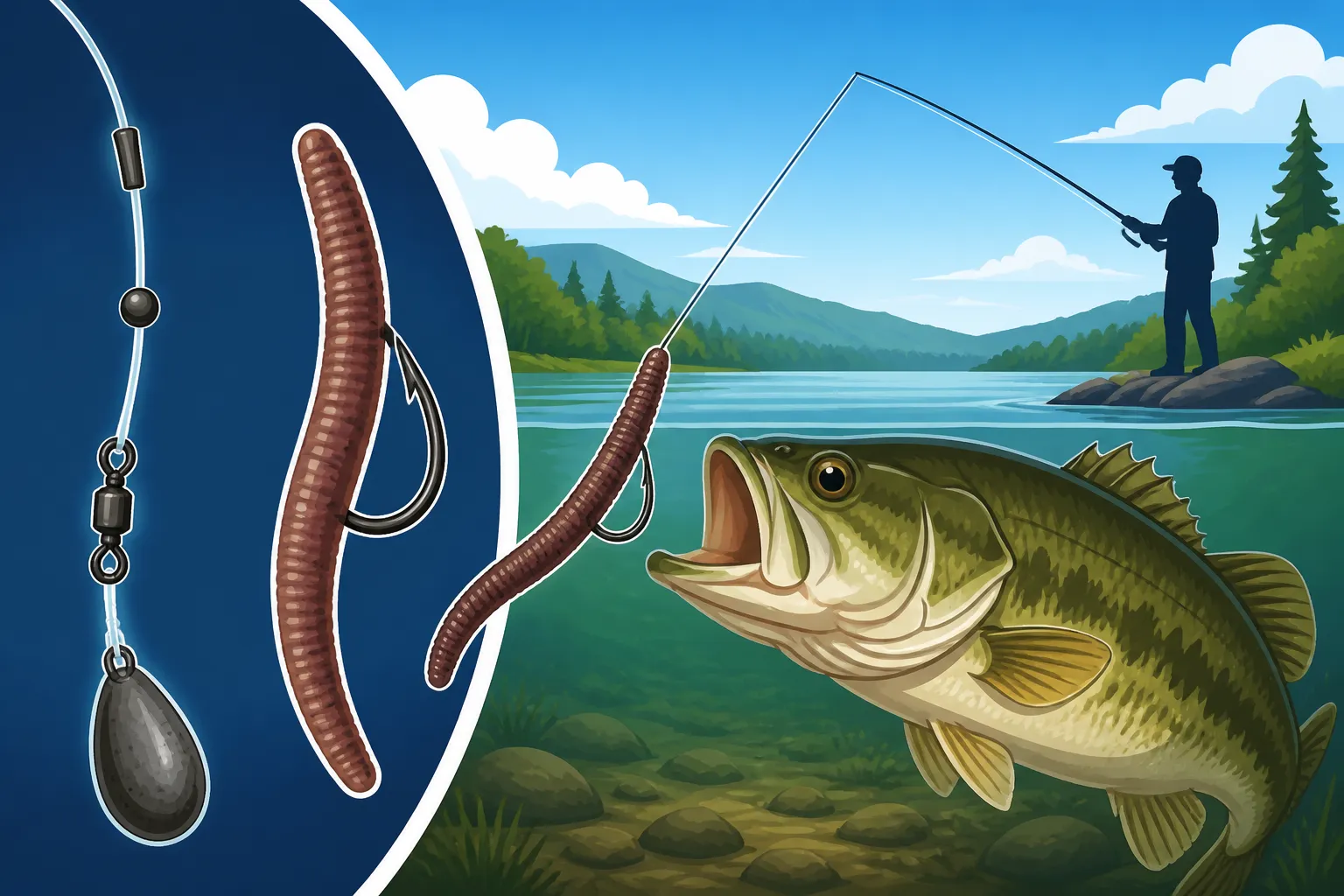
First up, you have your main line, which runs from your reel. On this, you'll thread a weight, typically a bullet weight or an egg sinker. The weight needs to be heavy enough to maintain bottom contact and allow for long casts, but not so heavy that it becomes cumbersome or unnatural. After the weight, you'll thread a bead. This bead acts as a buffer, protecting the knot that connects your main line to your swivel from the constant banging of the weight. You can use glass or plastic beads; glass beads often add an extra clicking sound that some anglers believe attracts fish.
Next comes the swivel, a small but mighty piece of hardware that prevents line twist, which is crucial for a rig designed to be dragged along the bottom. Directly tied to the other end of the swivel is your leader line. This leader is usually made of fluorocarbon, known for its low visibility underwater and abrasion resistance. The length of this leader is one of the most adjustable and critical components of the rig, influencing the bait's action and how far it trails behind the weight. Finally, at the end of the leader, you'll tie your hook, which will then hold your soft plastic bait. The choice of hook and bait will depend on what you're targeting and the conditions you're fishing.
When and Where to Employ the Carolina Rig
The Carolina rig truly shines in specific scenarios where other rigs might fall short. It's not a one-size-fits-all solution, but when the conditions are right, it can be incredibly potent. One of its primary strengths is fishing deeper water, typically anywhere from 8 to 30 feet or even more. The heavy weight allows you to quickly get your bait down to where those deeper fish are holding, and maintain contact even in current or wind. This makes it a great choice for probing drop-offs, ledges, and submerged humps on larger New York lakes. For example, when you're out on a big water body like Lake George or one of the Finger Lakes, and you're seeing fish suspended or relating to structure at depth on your fish finder, the Carolina rig is an excellent tool to present a bait directly to them. This rig is particularly effective when targeting species like Largemouth Bass in New York or Smallmouth Bass in New York that often retreat to deeper, cooler waters during warmer months.
Another key scenario for the Carolina rig is when fishing areas with sparse cover. Think about rocky bottoms, scattered clumps of grass, or sand flats. The rig's design, with the weight leading and the bait trailing, helps it navigate these areas without getting snagged as often as some other bottom-contact rigs. The weight bumps off structure, creating commotion, while the bait glides over it. It's also an excellent choice on windy days when casting lighter baits is difficult, or when you need to cover a lot of water quickly to locate active fish. The heavy weight allows for long, accurate casts, letting you fan-cast across broad areas to find those schools of fish. It also excels when fish are "finicky" or heavily pressured, as the separated weight and natural bait presentation can fool even the wariest of fish. It gives the bait a freedom of movement that a Texas-rigged worm might not, swaying and drifting tantalizingly behind the weight, making it look like an easy meal. This rig can also be surprisingly effective for Walleye in New York during certain times of the year, especially when they are holding to deeper structure.
Step-by-Step: How to Tie and Rig a Carolina Rig
Learning to tie a Carolina rig correctly is fundamental to its effectiveness. A poorly tied rig can lead to frustrating snags, lost fish, and a general lack of confidence in your presentation. Don't worry, it's not overly complicated, but paying attention to the details will make all the difference.
Choosing the Right Gear
Having the right equipment sets you up for success. For the main line, a strong monofilament or braided line is typically preferred. Braid is excellent for feeling subtle bites and for its casting distance, especially with heavier weights. If you use braid, a longer leader is often beneficial to ensure better stealth. Many anglers opt for a fluorocarbon main line as well, for its low visibility, but it can be more difficult to cast heavy weights with it due to its stiffness. For the leader, fluorocarbon is almost universally chosen because it's nearly invisible underwater and provides good abrasion resistance against rocks and shells. When it comes to line weight, something in the 12-20 pound test range for the main line and 10-17 pound test for the leader is common, depending on the cover and target species. For example, if you're targeting trophy Muskellunge in New York (though a Carolina rig isn't their typical prey, this illustrates heavy tackle), you'd size up significantly, but for bass, these weights are a good starting point. You can find a wide array of quality fishing line options, as well as weights and hooks, on platforms like Amazon.
For rods and reels, a medium-heavy to heavy power spinning or baitcasting rod, usually 7 to 7.5 feet long, is ideal. This length provides the leverage for long casts and the backbone needed to set the hook on distant fish. The sensitivity of the rod tip is also key, as many Carolina rig bites are subtle. A fast action tip will help you detect those slight taps. Match your rod with a reel that has a smooth drag system and a good line capacity. For those who prefer baitcasters, a high-speed retrieve ratio can be helpful for reeling in slack quickly after a long drag. Always check the manufacturer's recommendations for line weight and lure weight for your specific rod and reel combination.
The Tying Process
Alright, let's get down to the actual rigging. This is where the magic happens, so follow along closely.
- Main Line Preparation: Start by taking your main fishing line from your reel. Slide your bullet weight (or egg sinker) onto the main line, with the narrow end facing towards your rod tip.
- Add the Bead: Immediately after the weight, slide a bead onto your main line. This bead will cushion the knot you're about to tie from the weight's impact.
- Tie on the Swivel: Next, tie a barrel swivel or a high-quality ball bearing swivel to the end of your main line. A Palomar knot or an improved clinch knot are excellent choices for securing the swivel, ensuring it holds under pressure.
- Attach the Leader: Now, take your fluorocarbon leader material. Tie one end of the leader to the opposite eye of the swivel. Again, a Palomar or improved clinch knot works well here. The length of this leader is variable, but a good starting point is about 2 to 4 feet. Experimentation will show you what works best on any given day. A shorter leader (1-2 feet) keeps your bait closer to the weight, which can be useful in heavier cover or when fish are very active. A longer leader (4-6 feet) allows the bait to float and move more freely, often preferred in clear water or when fish are lethargic.
- Tie on the Hook: Finally, tie your chosen hook to the free end of your leader. An Extra Wide Gap (EWG) hook is very popular for Carolina rigs, especially when fishing soft plastics, as it provides a good hook-up ratio and allows the plastic to be rigged weedless. A standard offset worm hook also works well.
- Rig Your Bait: Texas-rig your chosen soft plastic bait onto the hook. This means inserting the hook point into the head of the plastic, pushing it out, rotating the hook, and then re-inserting the hook point into the body of the plastic so it's weedless and straight. This ensures your bait doesn't snag on bottom debris.
Selecting Your Bait
The beauty of the Carolina rig is its adaptability with a wide range of soft plastic baits. The key is to choose something that has good action and can be rigged weedless.
One of the most classic and effective choices is a soft plastic lizard. The legs and tail on a lizard provide a lot of natural action as the rig is dragged, mimicking a crawling creature on the bottom. Creature baits with lots of appendages also work exceptionally well for the same reason. For a more subtle presentation, a straight-tail worm or a finesse worm can be deadly, particularly in clear water or when fish are finicky. The slim profile and subtle wiggle are often enough to trigger a strike. Imagine those clear waters in the Adirondacks; a finesse worm on a Carolina rig could be the ticket.
Soft jerkbaits, often referred to as "flukes," are another excellent option, especially when you want the bait to have a more erratic, darting action. As you drag the rig, the jerkbait will glide and dive, mimicking an injured baitfish. This can be particularly effective when targeting Striped Bass in New York in freshwater or saltwater areas, though for stripers you might want to scale up your tackle considerably. Always consider the local forage and the mood of the fish when selecting your bait. Sometimes a subtle color like green pumpkin or watermelon is best, while other times a brighter color like chartreuse might get more attention. Don't be afraid to experiment with different shapes, sizes, and colors until you find what the fish are keying in on.
Mastering the Presentation: Fishing a Carolina Rig Effectively
Tying the rig is only half the battle; knowing how to work it effectively is where you truly unlock its potential. The Carolina rig is not a power-fishing technique; it's all about feel and patience. It’s a technique that rewards those who pay close attention to what their line and rod tip are telling them.
The Retrieve: Dragging and Pausing
The primary retrieve for a Carolina rig is a slow, methodical drag along the bottom. Cast your rig out, let it sink to the bottom, and then engage your reel. The key is to use your rod to drag the weight, not your reel. Point your rod tip towards the water, slightly to the side, and make a long, slow sweep of your rod, pulling the weight along the bottom. You should feel the weight ticking and bumping along the contours, gravel, and rocks. After you've completed your sweep, reel in the slack line as you return your rod tip to its starting position, preparing for the next drag.
The pause is just as crucial as the drag. After each sweep, let the rig sit motionless for a few seconds. This allows the trailing bait to settle and flutter, often triggering a strike from a curious fish that was following the commotion of the weight. Vary the length of your pauses and the speed of your drags until you find what the fish prefer on that particular day. Sometimes, a series of short hops can also be effective, especially if you're trying to emulate a crawfish fleeing or a small baitfish darting. Remember, the goal is to give the bait a natural, lifelike presentation behind the heavy weight that's creating a disturbance. This is an excellent technique for Best Techniques for Fishing Deep Structure in New York's many lakes.
Detecting Strikes
Carolina rig bites can be incredibly subtle, especially in deeper water or on windy days. You won't always feel a violent tug. Often, a strike will manifest as a slight tick, a sudden feeling of "mushiness" or added weight on your line, or simply your line going slack when it should still be taut. Your main line, especially if you're using braided line, is your best indicator. Watch for any unnatural movement, a slight twitch, or a sudden sag.
Sometimes, the fish will pick up the bait and simply swim off with it, creating a steady pull. Other times, they might just "mouth" it, feeling like your bait has gotten stuck on something. It's vital to stay focused and keep a light, sensitive grip on your rod, allowing you to feel every little nuance. Don't be afraid to set the hook on anything that feels "different" – often, those subtle changes are precisely what you're looking for. Using a sensitive rod, as discussed in Best Line Weight for New York Freshwater Fishing, helps immensely here.
Setting the Hook
Because the fish can be quite a distance from your rod tip, and the leader provides some give, setting the hook on a Carolina rig requires a firm, sweeping motion. When you detect a bite, don't just snap your wrist. Instead, lean into the fish with a long, sweeping hookset, pulling the rod firmly over your head or to the side. Make sure to reel in any slack quickly before you set the hook to ensure maximum power transfer.
A common mistake is not reeling down enough or not having enough power in the hookset, resulting in a missed fish or a poorly set hook that comes dislodged during the fight. Once you feel the weight of the fish, continue to reel steadily, keeping constant pressure on the line. The heavy weight on your main line won't interfere with the fight, as the swivel allows the fish to pull against your leader and hook directly. Remember to let your rod and reel's drag do the work during the fight, tiring out the fish before bringing it in.
Advanced Tips and Common Mistakes to Avoid
Like any fishing technique, there are nuances to the Carolina rig that can significantly improve your success. Paying attention to these details can turn a slow day into a memorable one.
Leader Length Matters
As mentioned before, the length of your leader is a critical variable. A shorter leader, typically 1 to 2 feet, keeps your bait closer to the bottom and the commotion of your weight. This can be effective in stained or muddy water where visibility is low, or when fish are aggressive and attracted by the direct disturbance. It also makes it easier to feel lighter bites and can reduce snags in heavy cover.
Conversely, a longer leader, ranging from 3 to 6 feet or even more, allows your bait to float higher off the bottom and move more freely. This is often preferred in very clear water, where fish are more wary and need a natural, uninhibited presentation. The longer leader gives the bait a wider, more sweeping action as the weight is dragged, making it appear more natural. It's particularly useful when fish are suspended just off the bottom or when you want the bait to have maximum independent action. You might use a longer leader when targeting Lake Trout in New York if you adapt this rig for deeper, suspended presentations, for example. Don't be afraid to experiment with different lengths throughout the day to see what the fish respond to best.
Weight Selection and Bottom Contact
Your choice of weight is more important than just getting your rig to the bottom. Tungsten weights are becoming increasingly popular over traditional lead. They are denser, meaning a smaller profile for the same weight, which can lead to fewer snags and a more subtle presentation. More importantly, tungsten transmits vibrations from the bottom much more effectively than lead, allowing you to "feel" the bottom composition – whether it's gravel, sand, mud, or rock – with incredible detail. This feedback is invaluable for locating productive areas. You can find a good selection of tungsten weights, from companies like Bass Pro Shops or even general sports retailers on Amazon.
Match your weight to the depth, current, and wind conditions. In shallow, calm water, a 1/2 oz weight might be sufficient. In deep water, strong currents, or heavy wind, you might need 3/4 oz, 1 oz, or even heavier to maintain consistent bottom contact and feel. The goal is always to use the lightest weight possible that still allows you to feel the bottom. If you can't feel the weight ticking along, you're not fishing the Carolina rig effectively. Regularly checking your line for abrasions, especially after fishing rocky bottoms, is also a good practice to prevent break-offs.
Troubleshooting: Snags and Line Twist
Despite its weedless design, snags can still happen, especially if you're dragging through dense cover or over very jagged rocks. If you feel your rig getting hung up, try giving your rod a quick, sharp snap while reeling in slack. Sometimes this will pop the weight free. If it doesn't, try slacking your line completely and then reeling in slowly, sometimes the weight will float free. If all else fails, a gentle pull from a different angle might work. Prevention is key, so pay attention to the bottom composition you're fishing.
Line twist is another common issue, especially if you're using cheaper swivels or if your bait is spinning during the retrieve. This is why a good quality barrel or ball bearing swivel is crucial. If you notice your line starting to twist, it's time to replace your swivel. Also, make sure your soft plastic bait is rigged perfectly straight on the hook; any kink will cause it to spin and create line twist. If you frequently encounter line twist, consider using a high-quality, anti-twist swivel specifically designed for reducing this problem, readily available through online retailers like Amazon. Periodically, you might even want to cut off your rig and let your main line trail behind the boat for a bit to allow any accumulated twist to unwind itself.
| Leader Length (feet) | Recommended Conditions | Bait Action | Bite Detection | Best For |
|---|---|---|---|---|
| 1-2 | Stained water, heavy cover, aggressive fish | Closer to weight, less independent action | More direct feel | Active fish, specific cover probing |
| 3-4 | General purpose, moderate clarity/cover | Good balance of freedom and control | Balanced feel | All-around conditions, versatile |
| 5-6+ | Clear water, sparse cover, wary fish | More independent, natural flutter | More subtle feel | Finicky fish, suspended fish, open water |
The Carolina rig is a versatile and effective tool for any angler's arsenal, especially when fishing New York's diverse waters. It offers a subtle, yet powerful presentation that can entice bites when other techniques fail. By understanding its components, mastering the tying process, and practicing your retrieve, you'll be well on your way to adding a proven fish-catching method to your repertoire. So grab your gear, head out to your favorite lake, and give the Carolina rig a try. You might just be surprised at the results!
Disclaimer
This article is for general informational purposes only and does not constitute professional advice. Laws, prices and regulations vary by location and change over time. Consult a qualified professional for guidance on your specific situation.