New York State Record Chinook Salmon Weight
There’s a special kind of magic in chasing truly enormous fish, a feeling that every cast could connect you with a legend. For many anglers in New York, that legend wears scales of silver and gold: the Chinook salmon. It’s natural to wonder about the absolute giants of the species, those that push the limits and enter the hallowed halls of state records. This guide will dive deep into the incredible story of New York's state record Chinook salmon, exploring not just its impressive weight but also the waters that hold such monsters and the strategies to pursue your own trophy.
The Elusive King: New York's State Record Chinook Salmon
Every angler dreams of landing a fish that makes the history books, a true leviathan that stands as a testament to both the fish's majesty and the angler's skill and perseverance. When it comes to Chinook salmon, New York waters are renowned for producing some truly incredible specimens. The sheer power of these fish, their relentless fight, and their impressive size make them a top target for many seasoned and aspiring trophy hunters alike.
Unveiling the Record Holder
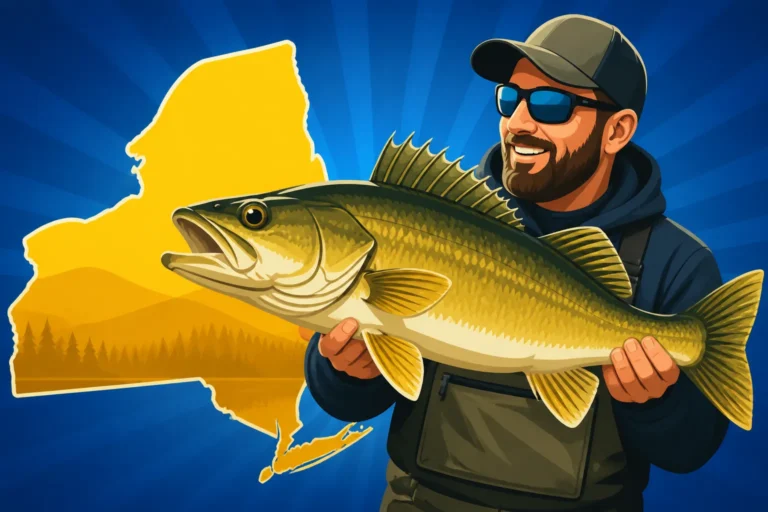
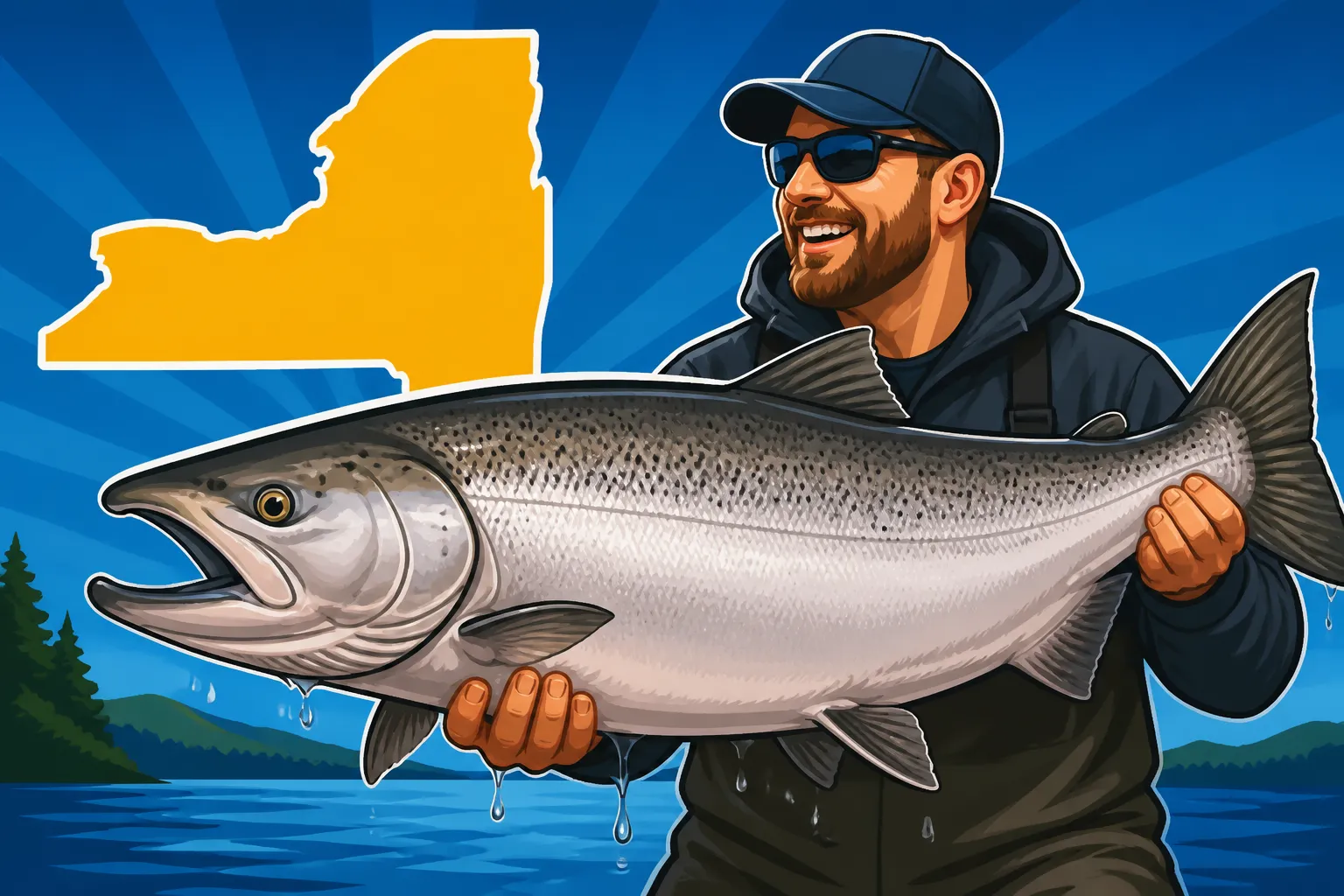
Let's not beat around the bush any longer. The New York State record for Chinook salmon is an absolutely jaw-dropping fish, a monster that still sends shivers down the spine of anyone who hears its story. This monumental catch weighed in at a colossal 47 pounds, 13 ounces. Imagine that on the end of your line! It was caught by Thomas Cassenti on June 18th, 1991, in the vast, deep waters of Lake Ontario. This record-breaking Chinook wasn't just big; it was a perfect storm of prime feeding conditions, genetics, and a bit of luck for Mr. Cassenti. It stands as a benchmark for every angler who ventures out onto the Great Lakes, a reminder of the giants that lurk beneath the surface. For years, folks have tried to top this impressive feat, and while many have come close, that 47-pound, 13-ounce king still reigns supreme.
The Thrill of the Chase: Why Chinook are a Prize
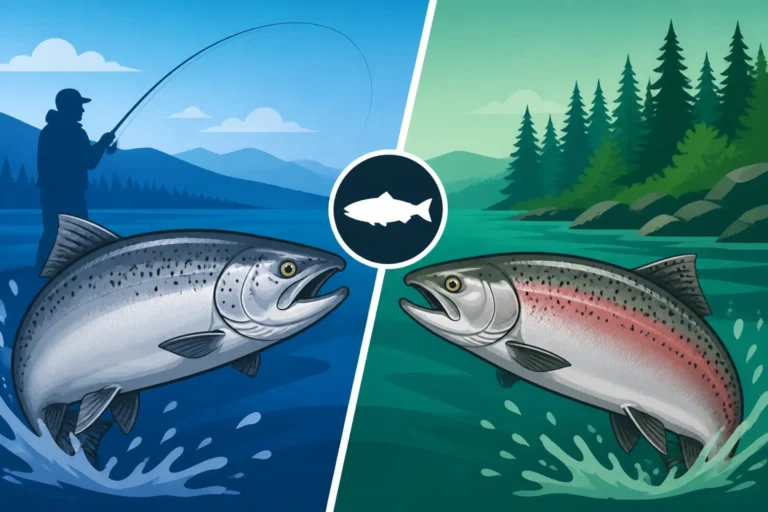
Chinook salmon, often affectionately called "King Salmon," aren't just big; they're incredibly powerful and notorious for their fierce fighting ability. From the moment they strike, they put every ounce of their muscle into escaping, making blistering runs, acrobatic jumps, and deep dives that test both angler and tackle to their limits. Catching one is a full-body experience, a true battle of wills that leaves you breathless and exhilarated. Beyond the fight, their sheer size makes them an impressive trophy. A twenty-pound Chinook is a fantastic catch, but when you start talking about fish pushing thirty, forty, or even close to fifty pounds, you're in a whole different league. These are the fish that create lifelong memories and fuel countless fishing stories. They represent the pinnacle of freshwater angling for many, especially on a lake as dynamic and productive as Lake Ontario. If you're looking for a fish that will challenge you and reward you with an unforgettable experience, the Chinook is your king. You can learn more about these powerful fish in our detailed guide, Chinook Salmon in New York.
Where Giants Roam: Prime Waters for Trophy Chinook
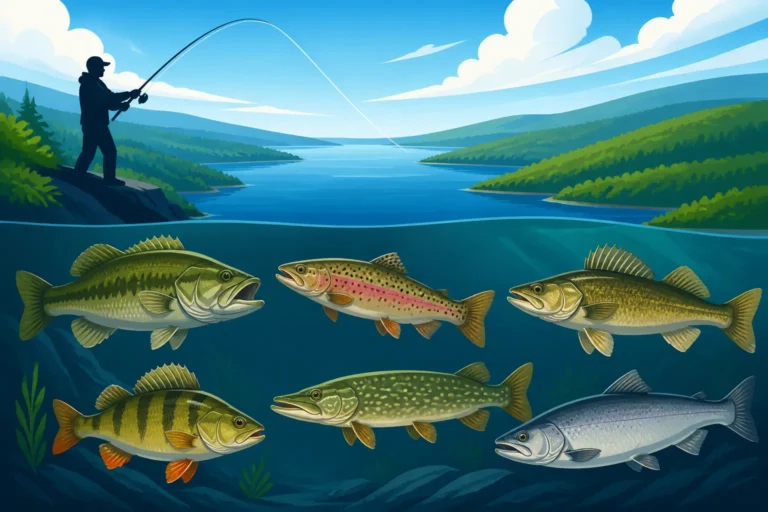
While Chinook salmon are incredible fish, they aren't found just anywhere. They require specific environments to thrive and grow to trophy sizes. New York is fortunate to have some of the best waters in the world for these magnificent creatures, primarily thanks to its connection to the Great Lakes. Understanding where these fish prefer to spend their lives and spawn is key to increasing your chances of encountering a truly massive one.
Lake Ontario: The Epicenter of Chinook Fishing
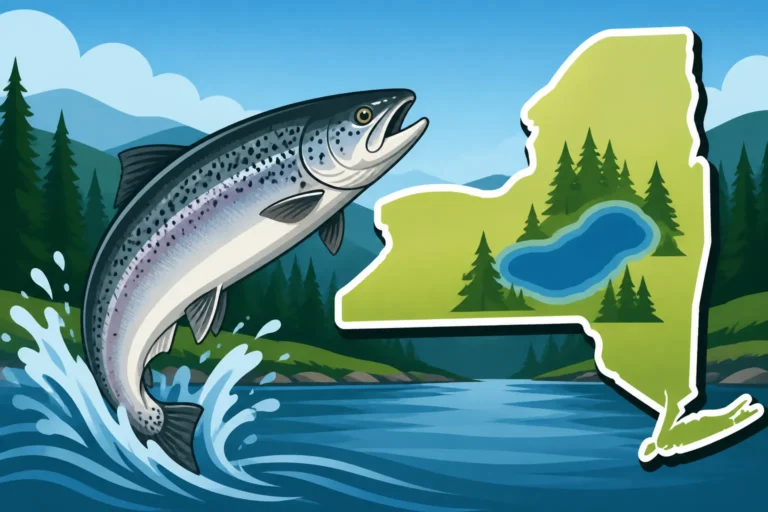
Without a doubt, Lake Ontario is the crown jewel for Chinook salmon fishing in New York. This immense freshwater sea provides everything a growing Chinook could ever need: vast expanses of cold, oxygen-rich water, and an abundant forage base, primarily alewives. These small, oily baitfish fuel the incredible growth rates that allow Chinook to reach such staggering sizes. Throughout the open water season, from spring through fall, anglers can be found trolling the deep waters of Lake Ontario, targeting kings with sophisticated electronics and specialized gear. Areas like the waters off Oswego, Fair Haven, and Henderson Harbor are legendary hotspots, known for consistently producing large numbers of salmon, including those truly giant record contenders. The challenge and reward of fishing these big waters are immense, making it a bucket-list destination for many serious anglers. If you're planning a trip to these legendary waters, our guide on Lake Ontario Fishing in New York: Where to Go has invaluable insights.
Tributaries and Their Role in Trophy Catches
While the open waters of Lake Ontario are where Chinook spend most of their lives gorging on baitfish, the story changes dramatically in the fall. This is when the mature Chinook, driven by an ancient instinct, begin their migrations from the vast lake into its numerous tributaries to spawn. Rivers like the Salmon River, the Genesee River, and the Oswego River become magnets for these powerful fish. While fish caught in the tributaries are often focused on spawning and may not be in their prime feeding condition, many trophy-sized Chinook are still caught here during the fall run. Anglers line the banks and drift boats ply the waters, hoping to intercept these kings as they push upstream. Catching a record-sized Chinook in a river presents a different kind of challenge than in the open lake, often requiring different tackle and techniques to contend with currents and structure. It's a truly unique and exciting experience, and you'll want to be familiar with all the ins and outs of How to Fish for Salmon in New York before heading out.
Strategies for Landing a Lunker: Tips for Targeting Big Chinook
So, you're dreaming of a record-breaking Chinook, maybe even one that tips the scales beyond that 47-pound, 13-ounce mark. While a lot of it comes down to being in the right place at the right time, there are certainly strategies and techniques that can drastically improve your odds. Trophy fish often require a different approach than simply catching numbers of smaller fish. It's about precision, patience, and having the right tools for the job.
Essential Gear and Techniques for Trophy Salmon
When targeting giant Chinook, your gear needs to be up to the task. We're talking heavy-duty rods and reels capable of handling immense strain, strong braided or monofilament lines with robust leaders, and sharp, strong hooks. On Lake Ontario, trolling is the predominant method, utilizing downriggers, divers, and planer boards to present an array of lures at various depths. Spoons, flasher-fly combinations, and plugs are all effective. Brands like Dreamweaver and Stinger produce popular spoons, while A-Tom-Mik is well-regarded for its flasher-fly setups. You'll need a good selection, and you can often find great deals on these specialized lures and tackle on platforms like Amazon. Having a quality fish finder and GPS unit is also crucial for locating baitfish schools and understanding the lake's contours where salmon often hold.
When these kings move into the rivers, the tactics shift dramatically. Anglers will often switch to drifting egg sacs, beads, or small flies, employing lighter but still strong gear for a more delicate presentation. Sometimes, a well-placed spinner or spoon can also entice a strike. For river fishing, a longer, more sensitive rod is often preferred to detect subtle bites and manage line in current. Remember, these fish are powerful, and if you hook a true lunker, every piece of your setup will be tested. Making sure your knots are solid, your drag is set correctly, and your hooks are razor-sharp is paramount. Having a robust net is also non-negotiable for safely landing a massive Chinook. Consider reading up on Best Trolling Spreads for New York's Lake Ontario Salmon for more specific techniques on the lake.
Understanding Chinook Behavior for Record-Sized Catches
The key to consistently catching larger Chinook, and certainly a potential record, lies in understanding their behavior throughout the season. In spring, after ice-out, Chinook tend to be scattered and feeding aggressively on alewives in warmer surface waters. As summer progresses, they move deeper, seeking cooler temperatures and continuing to feed heavily. This is often when they put on the most weight. Early morning and late evening are typically prime feeding times, though trophy fish can be caught at any time.
The fall run is another critical period. As mature salmon prepare to spawn, they congregate near the mouths of rivers and then push upstream. While they may not be actively feeding in the rivers, they will strike out of aggression or instinct. Paying attention to water temperature, currents, and baitfish presence, both in the lake and near tributary mouths, will dramatically increase your chances. Record fish are often the oldest, wisest, and sometimes the luckiest fish in the system, having survived numerous challenges. Targeting them means understanding their seasonal movements and preferred habitats. Keeping a fishing log, noting conditions, locations, and what worked (or didn't), can provide invaluable insights over time. Also, familiarizing yourself with Best Time to Fish for Chinook Salmon on New York's Lake Ontario can give you an edge.
Beyond the Record: Conservation and Ethical Angling
While chasing that state record is an incredible goal, it's vital that we also think about the longevity of the fishery and our impact as anglers. New York's Chinook salmon fishery is a precious resource, and responsible angling ensures that future generations can also experience the thrill of catching these magnificent fish. It's not just about the numbers on the scale; it's about respecting the fish and the environment they call home.
Practicing Responsible Fishing for Future Generations
Catch-and-release is a powerful tool for conservation, especially when targeting larger, often older, fish. If you're not planning to keep a potential record-breaker for mounting or consumption, knowing how to safely release it is crucial. This means minimizing fighting time, handling the fish gently with wet hands, keeping it in the water as much as possible, and using appropriate tools like de-hookers. Even if you plan to keep a fish, ensure you are well within current regulations. Always consult the New York Fishing Regulations Explained for species-specific rules, including length and bag limits, which can change. We also need to be mindful of our footprint, packing out all trash, avoiding snagging fish, and respecting other anglers and private property. These simple practices go a long way in preserving the quality of our fisheries. Looking for high-quality, ethical fishing gear? Amazon often has a wide selection of sustainable fishing products.
Reporting Your Potential Record Fish
Imagine hooking into something that feels truly enormous, a fish unlike anything you've ever seen. If you believe you've caught a New York State record Chinook salmon, there's a specific process to follow to get your catch recognized. First and foremost, you need to verify the fish's weight on a certified scale, typically found at a tackle shop, marina, or grocery store. The weighing must be witnessed, and photos are absolutely essential. The New York State Department of Environmental Conservation (DEC) has an official angling records program. You'll need to contact them promptly, usually within a certain timeframe of the catch. They will require detailed information about where and when the fish was caught, the tackle used, and a certified weigh slip. They may also require an inspection of the fish by a fisheries biologist for positive identification. It's an exciting, albeit meticulous, process, but well worth it if you've truly landed a fish of a lifetime. You can find more information about the overall state record program in New York's State Record Fish.
Here's a quick comparison of average Chinook sizes to the current state record:
| Category | Typical Average Size (Lake Ontario) | New York State Record (Lake Ontario) |
|---|---|---|
| Weight | 15-25 lbs | 47 lbs, 13 oz |
| Length | 30-38 inches | Varies (often over 45 inches) |
| Age (at record size) | 3-4 years | Likely 4-5+ years |
| Fight Intensity | High | Extremely High |
Disclaimer: This article is for general informational purposes only and does not constitute professional advice. Laws, prices and regulations vary by location and change over time. Consult a qualified professional for guidance on your specific situation.