What a Fluke Fish Is
Many anglers, especially those just starting their saltwater journey in New York, often get a little confused when they hear the term "fluke." Is it a type of fish, a local nickname, or something else entirely? This guide is here to untangle all that uncertainty, offering a deep dive into what a fluke fish actually is, how you can spot one, the best places and times to find them in New York's rich waters, and the most effective techniques to land one of these highly sought-after and famously delicious game fish.
What Exactly Is a Fluke Fish?
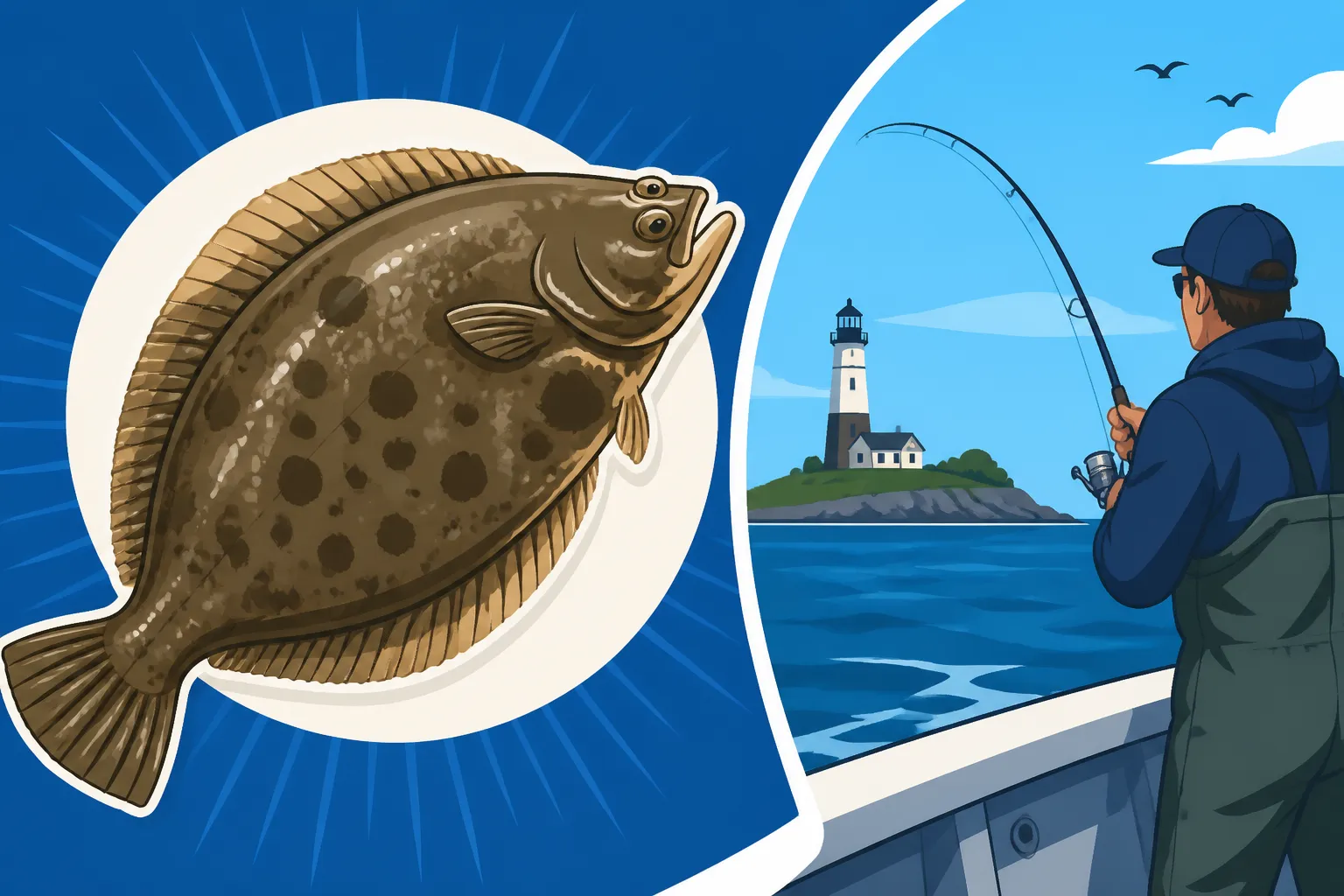
When you hear seasoned New York anglers excitedly discussing their fluke catches, they're not just using a catchy, localized name for a random flatfish. "Fluke" specifically refers to the summer flounder (Paralichthys dentatus), a prized species throughout our coastal waters. It's one of those charming quirks of regional fishing terminology where the common, colloquial name has truly taken root and become synonymous with the species itself. So, rest assured, if you're talking about fluke in New York, you're talking about the very same flat, camouflaged, and incredibly tasty fish known scientifically as summer flounder. The question of Fluke vs Summer Flounder: Same Fish, Different Name often comes up, and the answer is usually a resounding "yes, they are!"
The Many Names of Summer Flounder
It's common for new anglers to feel a bit lost in translation when veteran fishermen start throwing around terms like "fluke." You might hear someone at the bait shop mention they're heading out to catch some fluke, and then see a fishing report online talking about summer flounder, leaving you scratching your head. But fear not! These are indeed one and the same. The name "fluke" is so deeply ingrained in the New York fishing culture that it's practically the official common name here, often overshadowing "summer flounder." This local vernacular isn't unique to fluke; many species have regional nicknames that make fishing feel like a secret club until you learn the lingo.
This naming convention isn't just about regional charm; it often hints at the fish's characteristics or how it’s caught. For summer flounder, the "fluke" moniker might have come from their distinct tail (a "fluke" is also a whale's tail), or perhaps from their tendency to "fluke" out from their camouflaged spot to ambush prey. Whatever its origin, it's a name that conjures images of summer days on the water, drifting over sandy bottoms, and the satisfying thud of a hungry flatfish grabbing your bait. Understanding this helps you connect with the local fishing community and speak the same language.
So, next time you're gearing up for a trip and hear someone ask, "Are you going for fluke?" you'll know exactly what they're talking about. It's a testament to how popular and well-loved this fish is that it's earned such a distinctive and enduring name in our state's angling lexicon. It’s more than just a name; it’s a symbol of prime summer fishing opportunities in New York.
Fluke's Place in the Marine Ecosystem
Beyond their appeal to anglers, fluke are integral players in the delicate balance of New York's marine ecosystems. As highly effective ambush predators, they sit near the top of the food chain for many smaller marine organisms. Their diet primarily consists of sand eels, spearing, silversides, squid, and a variety of small crustaceans like crabs and shrimp. By preying on these smaller species, fluke help regulate their populations, preventing any one species from overrunning the ecosystem. This predatory role is crucial for maintaining biodiversity and overall marine health.
Their incredible ability to camouflage themselves is a key factor in their success as predators. Lying perfectly flat and often partially buried in the sand or mud, they become virtually invisible to unsuspecting baitfish. This superb adaptation allows them to conserve energy while waiting for the perfect moment to strike, darting out with surprising speed to snatch their meal. This predatory efficiency is what makes them such a formidable hunter and a fascinating species to observe in their natural habitat, even if you only see them once they're on your line.
Furthermore, fluke themselves are a food source for larger marine predators, including bigger fish like striped bass and bluefish, as well as seals and various seabirds. This means they act as an important bridge in the food web, transferring energy from the smaller organisms they consume up to the larger apex predators. A robust fluke population is often a good indicator of a thriving and diverse marine environment, making their conservation through responsible fishing practices all the more important for the health of our waters.
Why Fluke are So Popular Among Anglers
There are countless reasons why fluke fishing remains a cherished pastime for so many New York anglers, solidifying its status as a true summer favorite. Perhaps the most compelling reason is their exquisite table fare. Fluke fillets are famous for their delicate flavor, flaky white meat, and versatility in the kitchen. Whether you prefer them pan-seared with a squeeze of lemon, baked with herbs, or prepared as fish tacos, a fresh fluke dinner is a culinary delight that consistently brings anglers back to the water. It’s hard to beat the satisfaction of serving up a meal you caught yourself.
Beyond their deliciousness, fluke offer an incredibly engaging and often action-packed fishing experience. While they might not be known for epic, drag-screaming runs, their aggressive strikes and powerful head shakes when hooked provide a distinct thrill. That unmistakable "thump" you feel as a fluke inhales your bait is a moment every angler anticipates, delivering an adrenaline rush that few other species can match for their size. It’s not just the catch itself, but the anticipation and the fight that make them so addictive to pursue.
What also contributes to their popularity is their accessibility. During the warmer months, fluke can be found in a wide range of habitats, from shallow bays and estuaries to deeper channels and offshore wrecks. This broad distribution means that anglers with various types of access – from small boats, kayaks, or even shore fishing from piers and beaches – all have a good chance of encountering them. This widespread availability, combined with the enjoyable fight and delicious reward, firmly cements fluke as one of New York's most beloved and sought-after game fish, drawing enthusiasts to our coastal waters throughout the season.
Key Characteristics and Identification
Knowing how to properly identify a fluke is not just a point of pride; it's essential for adhering to New York's fishing regulations and ensuring you're targeting the right species. While they share some similarities with other flatfish, fluke possess several distinct features that make them relatively easy to distinguish once you know what to look for. Fluke in New York Waters delves deeper into these identifying characteristics.
The Unique "Left-Eyed" Feature
One of the most remarkable and definitive characteristics of a fluke is its "left-eyed" nature. When a fluke is born, its eyes are on opposite sides of its head, much like any other fish. However, as it matures and begins its life as a bottom-dweller, a fascinating transformation occurs: one eye migrates over the top of the head to join the other. For summer flounder (fluke), both eyes end up on the left side of their flattened body. To check this, simply hold the fish with its dark, eyed side facing up and its mouth pointing forward; if the eyes are on the left, you've got a fluke! This distinctive feature is one of the quickest and most reliable ways to identify the species.
This "left-eyed" trait isn't just a biological curiosity; it's a critical piece of information for anglers, especially in New York where other flatfish species might be present. For instance, the winter flounder (sometimes called blackback flounder), another common flatfish in our waters, is "right-eyed." Being able to confidently differentiate between these species is incredibly important because they often have different minimum size requirements, possession limits, and even seasonal regulations. Misidentifying your catch could lead to unintentional violations, so always remember the "left-eyed" rule when you're on the water.
This evolutionary adaptation of eye migration is perfectly suited for the fluke's ambush predatory lifestyle. By having both eyes on the upward-facing side of its body, the fluke can lie camouflaged and partially buried on the seafloor, constantly scanning the water column above for passing prey. This maximizes its field of vision while remaining hidden, a testament to the efficiency of natural selection in shaping survival strategies. It’s a truly fascinating aspect of what makes a fluke, a fluke.
Size, Weight, and Growth
Fluke are often referred to as "doormats" when they reach impressive sizes, a testament to their broad, flat bodies and substantial weight. While many of the fluke you'll encounter will be between 16 and 22 inches, capable of providing a good fight and a delicious meal, these fish can grow significantly larger. It's not uncommon for seasoned anglers to land fish in the mid-20-inch range, and true trophy fluke can easily exceed 30 inches in length and weigh over 10 pounds. Landing one of these "doormats" is a memorable event for any angler and often the goal of many dedicated trips. Average Fluke Size on Long Island Sound offers localized expectations for certain prime fishing areas.
The growth rate of fluke is influenced by various environmental factors, including the availability of food, water temperatures, and the quality of their habitat. Younger fluke grow relatively quickly, reaching legal harvest size within a few years. As they age, their growth in length may slow down, but they continue to bulk up, gaining significant weight and girth. These older, larger fish are the ones that give anglers the most challenging fight and yield the most substantial fillets.
It's also worth noting that due to their unique flattened body shape, fluke can feel much heavier on the line than their length might suggest compared to a more cylindrical fish. This makes for an exciting battle from the moment they strike until they're in the net. Always be aware of the current minimum size limits and daily creel limits set by New York's Department of Environmental Conservation (DEC), as these regulations are vital for protecting the breeding stock and ensuring healthy, sustainable fluke populations for years to come.
Coloration and Camouflage
The fluke's ability to camouflage itself is truly one of nature's marvels. Their upper, or "eyed," side is a master of disguise, capable of rapidly changing its color and pattern to perfectly blend with their immediate surroundings. Whether they're resting on light sandy bottoms, dark muddy flats, or areas covered in gravel and shell fragments, their skin can instantly adapt to match, making them nearly invisible to the untrained eye. This incredible adaptive coloration allows them to ambush prey with greater success and provides vital protection from larger predators lurking above.
The patterns can be intricate, featuring various spots and blotches that mimic the texture of the seafloor. If you catch a fluke from a sandy patch, it might appear light tan with subtle mottling. However, a fluke caught from a darker, weedier bottom could have a much deeper, more complex pattern of browns and greens. This rapid and precise color change is a testament to their evolutionary success as bottom-dwelling ambush predators. It's truly amazing to see the transformation once you've landed one and observed it closely.
In stark contrast, the underside of a fluke is almost always a pristine, stark white. This clear distinction between the camouflaged top and the plain white belly is another key identifier. Since they spend their lives lying flat on the bottom, with their white belly facing the seafloor, this side doesn't need to blend in. The contrast is not only functional but also quite striking, further highlighting the fluke's unique adaptations to its marine environment.
Where and When to Find Fluke in New York
Understanding the seasonal movements and preferred habitats of fluke is paramount to having a successful fishing trip in New York. These fish are creatures of habit when it comes to temperature and food sources, so knowing their patterns can give you a significant advantage. Best Time of Year to Fish in New York will give you broader seasonal context for all species.
Prime Habitats and Bottom Preferences
When you're searching for fluke in New York, your eyes should literally be on the bottom. These fish are quintessential bottom dwellers, and they have very specific preferences for their seafloor real estate. They absolutely thrive in areas with a varied bottom composition—think a mix of sand and mud, often interspersed with shell beds, gravel patches, or even small rocky outcrops. These mixed bottoms provide ideal camouflage opportunities and often hold the baitfish and crustaceans that fluke love to eat.
Productive areas often include the edges of channels, drop-offs, and flats adjacent to deeper water. Fluke will frequently position themselves along these transition zones, lying in wait on the shallower side of a drop-off or along the lip of a channel, ready to ambush prey swept along by the current. Structure, whether natural formations like oyster beds and mussel beds or artificial reefs and sunken wrecks, also draws fluke in because it attracts baitfish and offers additional ambush points. The key is to think like a fluke: where can you hide effectively, and where will food naturally come to you?
The depth preferences can vary throughout the season. Early in the season and late in the fall, fluke might be found in shallower, warmer waters in the bays and estuaries. As the summer progresses and inshore waters heat up, they tend to move into deeper, cooler channels, or even further offshore, seeking out more comfortable temperatures. This adaptability means you can target them across a range of depths, depending on the time of year.
Seasonal Movements and Migrations
Fluke are migratory fish, and their presence in New York's inshore waters is closely tied to the warming and cooling cycles of our coastal waters. Generally, the fluke season kicks off in late spring, typically around May, as water temperatures begin to rise. At this time, they migrate from their deeper offshore wintering grounds into the shallower bays, estuaries, and nearshore coastal areas of New York, following the abundance of baitfish that also move in to feed and spawn. This spring influx is eagerly anticipated by anglers across the state.
As summer progresses and the inshore waters reach their warmest temperatures, some fluke will venture into deeper, cooler channels, or move further offshore to structures like reefs and wrecks. However, a significant population remains accessible in the shallower bays and inlets, particularly in areas with good tidal flow and cooler water circulation. This means that throughout the peak summer months, anglers can find fluke in a variety of depths and locations, from the immediate coastline out to several miles offshore.
By late fall, usually starting around October and extending into November, as water temperatures begin their significant seasonal drop, fluke undertake their southward migration back to deeper offshore waters. They will spend the winter months in these stable, deeper environments, waiting for the return of warmer spring temperatures to begin the cycle anew. Understanding this clear seasonal pattern is crucial for any angler hoping to consistently find and catch these popular game fish. You can learn more about general regulations in New York Fishing Seasons Explained.
Top New York Spots for Fluke Fishing
New York offers an abundance of prime locations to target fluke, catering to every type of angler, from boaters to shore-bound enthusiasts. Long Island is undeniably a hotbed for fluke fishing, with its extensive network of bays, inlets, and proximity to both the Atlantic Ocean and Long Island Sound. Iconic areas like Great South Bay, Shinnecock Bay, and Peconic Bay are renowned for producing excellent catches, especially during the early and mid-season. Further east, Montauk, often dubbed "the End," is famous for its "doormat" fluke, which tend to congregate in deeper waters as the summer progresses. Check out Fishing Long Island Sound in New York: A Complete Guide for detailed insights into that productive waterway.
Closer to New York City, the waters surrounding the Rockaways, Staten Island, and the lower Hudson River estuary can also be highly productive. Party boats departing from Sheepshead Bay in Brooklyn are a popular option, regularly putting anglers on solid fluke action. For shore anglers, numerous fishing piers in Brooklyn, Queens, and along the Long Island coastline offer great opportunities. Spots like Jones Beach and Fire Island, with their abundant sandy bottoms and productive inlets, are perennial favorites for anglers looking for Best Shore Fishing Spots on Long Island, New York.
Don't overlook the myriad of smaller harbors, creeks, and lesser-known coastal areas scattered along the New York coastline; many local spots can hold surprising numbers of fluke. The widespread availability of fluke during their season is one of their biggest appeals, meaning that if you have access to saltwater anywhere along New York's coast, from the bustling city to the quiet East End, you likely have a chance to hook into one. For general ideas, Best Fishing Spots on Long Island Sound provides excellent starting points.
Fishing for Fluke: Techniques and Tips
Catching fluke is both an art and a science, requiring a bit of finesse and an understanding of their predatory nature. They are ambush hunters, so your presentation needs to be enticing, natural, and get right in front of them on the bottom. Success often comes down to matching your approach to the conditions and the fish's mood.
Best Baits and Lures for Fluke
When it comes to enticing a fluke, a diverse tackle box is your best friend, but some baits and lures consistently prove more effective than others. Fluke are opportunistic feeders, so presenting something that convincingly imitates their natural prey is key. The absolute classic, go-to bait setup is what many call a "fluke sandwich": a strip of fresh squid combined with a spearing (silverside) or a killifish. This combination offers a potent mix of natural scent, appealing visual flash, and lifelike movement that fluke find irresistible. You can typically find these essential bait items at any local bait and tackle shop, or even pre-packaged online on platforms like Amazon if you're planning your trip in advance.
Beyond natural baits, bucktail jigs are incredibly effective and widely used. These lead-headed jigs, adorned with deer hair, are often tipped with a piece of Gulp! (a popular scented soft plastic bait that looks and feels like real bait) or another strip of natural bait. The idea is to bounce the bucktail along the bottom, mimicking a scurrying crab or a struggling baitfish. The weight of your bucktail will depend on the depth and strength of the current, but having a variety of weights and colors (chartreuse, white, pink are popular) is always a good strategy. Many anglers also like to use a simple bucktail rig with a small teaser fly tied a foot or so above the main bucktail for added attraction.
Live bait, when available, can also be highly productive, especially for targeting those larger "doormat" fluke. Peanut bunker, mummichogs, or even small snapper blues presented alive can often trigger aggressive strikes from the biggest fish in the area. The trick with live bait is to present it as naturally as possible, allowing it to swim freely just above the seafloor. Regardless of your choice, remember that the livelier and more natural your presentation, the better your chances of hooking up.
Drift Fishing: The Go-To Method
For the vast majority of New York fluke anglers, drift fishing is the gold standard technique, and for very good reason. This method is incredibly effective because it allows you to cover a significant amount of territory, presenting your bait or lure naturally to a wider range of potential fluke hiding spots. The core concept is simple: you let your boat drift with the prevailing current, the wind, or a combination of both, dragging your offering along or just above the bottom. This systematic movement helps you locate concentrations of fluke and identify productive bottom contours. Mastering your drift speed is crucial; Best Drift Speed for Fluke Fishing can provide invaluable tips on how to achieve optimal presentation.
When drift fishing, it's absolutely vital to use enough weight to keep your bait in the "strike zone"—that is, right on or very close to the bottom—but not so much that your offering becomes lifeless. You want your sinker to just occasionally "tick" or bounce off the bottom, creating small puffs of sand or mud that mimic feeding activity and can attract curious fluke. The ideal drift speed is a delicate balance: too fast, and your bait lifts too high off the bottom; too slow, and it might get buried or simply not cover enough ground. This subtle art requires practice and constant adjustment based on current strength, wind direction, and depth.
Anglers typically employ either a traditional high-low rig or a three-way swivel rig for drift fishing. These setups are designed to keep your sinker on the bottom while allowing one or two baited hooks or jigs to swim enticingly just above it. The beauty of drift fishing lies in its blend of simplicity and efficiency. It allows you to thoroughly work an area, and once you get a bite, you can often repeat your drift over that same productive stretch, maximizing your chances of a successful outing.
Essential Gear for Fluke Success
Having the right equipment is fundamental to a successful and enjoyable fluke fishing experience. For most fluke fishing in New York, a medium-light to medium power spinning or conventional rod, typically in the 6.5 to 7.5-foot range, is ideal. This length offers a good balance of casting distance for covering water and leverage for fighting a strong fluke, while the medium action allows you to detect even the most subtle bites. Pair this with a reliable spinning reel in the 3000-5000 size class or a conventional reel suitable for light bottom fishing. Fill your reel with 15 to 30-pound braided line. Braided line is highly recommended for fluke because its lack of stretch offers superior sensitivity, letting you feel every bump, tick, and strike on the bottom.
For your terminal tackle, you'll need a selection of lead sinkers, generally ranging from 1 to 8 ounces, depending on the depth and current conditions you expect to encounter. As mentioned, high-low rigs or three-way swivel rigs are very popular, and it's always a good idea to tie these with a section of 20 to 30-pound fluorocarbon leader material. Fluorocarbon is nearly invisible in water and more abrasion-resistant, which is a huge advantage when fishing around structure. Hook choices typically range from 3/0 to 5/0, with both J-hooks and circle hooks being effective. Circle hooks are particularly good for reducing gut hooks and promoting mouth corner hookups. If you're wondering how to set up your line, How to Rig a Fluke Fishing Rod is an excellent resource.
Beyond your rod, reel, and tackle, a few essential accessories can make your trip much smoother. Always carry a good pair of fishing pliers for hook removal and cutting line, a sharp fillet knife for cleaning your catch (if you plan to keep them), and a cooler filled with ice to preserve the freshness of your fillets. A measuring tape is non-negotiable for ensuring your fish meet the legal size requirements. And for your comfort, don't forget sunglasses, a wide-brimmed hat, and plenty of sunscreen. You can find many of these crucial items, from specific rigs to sun protection, conveniently on Amazon or at your trusted local bait and tackle shop.
| Feature | Fluke (Summer Flounder) | Winter Flounder (Blackback) |
|---|---|---|
| Eye Placement | Eyes on the left side of the head when facing up | Eyes on the right side of the head when facing up |
| Mouth | Large mouth, with prominent teeth | Small mouth, often described as "pouty" |
| Body Shape | More elongated, relatively slender, broad tail | Rounder, thicker body, smaller tail |
| Coloration | Highly variable camouflage (tan, brown, grey) with distinct spots | Typically dark brown to olive, often mottled, sometimes with rust-colored spots |
| Habitat | Prefers sandy/muddy bottoms, channels, structure, warmer water | Prefers muddy/sandy bottoms, colder shallow water, often in estuaries |
| Primary Season | Late Spring through Fall (Warmer water months) | Winter through Early Spring (Colder water months) |
| Predatory Style | Ambush predator, actively chases baitfish and squid | More sedentary, feeds on worms, small clams, crustaceans |
Disclaimer
This article is for general informational purposes only and does not constitute professional advice. Laws, prices and regulations vary by location and change over time. Consult a qualified professional for guidance on your specific situation.