What a Porgy Fish Is
If you've ever cast a line into New York's abundant saltwater, chances are you've heard the term "porgy" tossed around by seasoned anglers, perhaps with a knowing nod or a satisfied grin. But if you're relatively new to the scene, you might be scratching your head, wondering what exactly this humble-sounding fish is and why it's such a popular target. This guide is here to unravel the mystery of the porgy, offering a deep dive into what makes this fish a staple of New York's coastal waters, where to find them, and how to successfully bring them from the briny deep to your dinner table.
Understanding the Porgy: More Than Just a Little Fish
It's easy to overlook the porgy, sometimes mistakenly lumped in with other small bottom-dwellers. But for those in the know, the porgy, or scup as it's often formally called, is a fantastic sport fish and an even better meal. They might not be the flashiest fighters or the biggest monsters of the deep, but their abundance and willingness to bite make them a perennial favorite for anglers of all skill levels across New York.
What Exactly Is a Porgy?
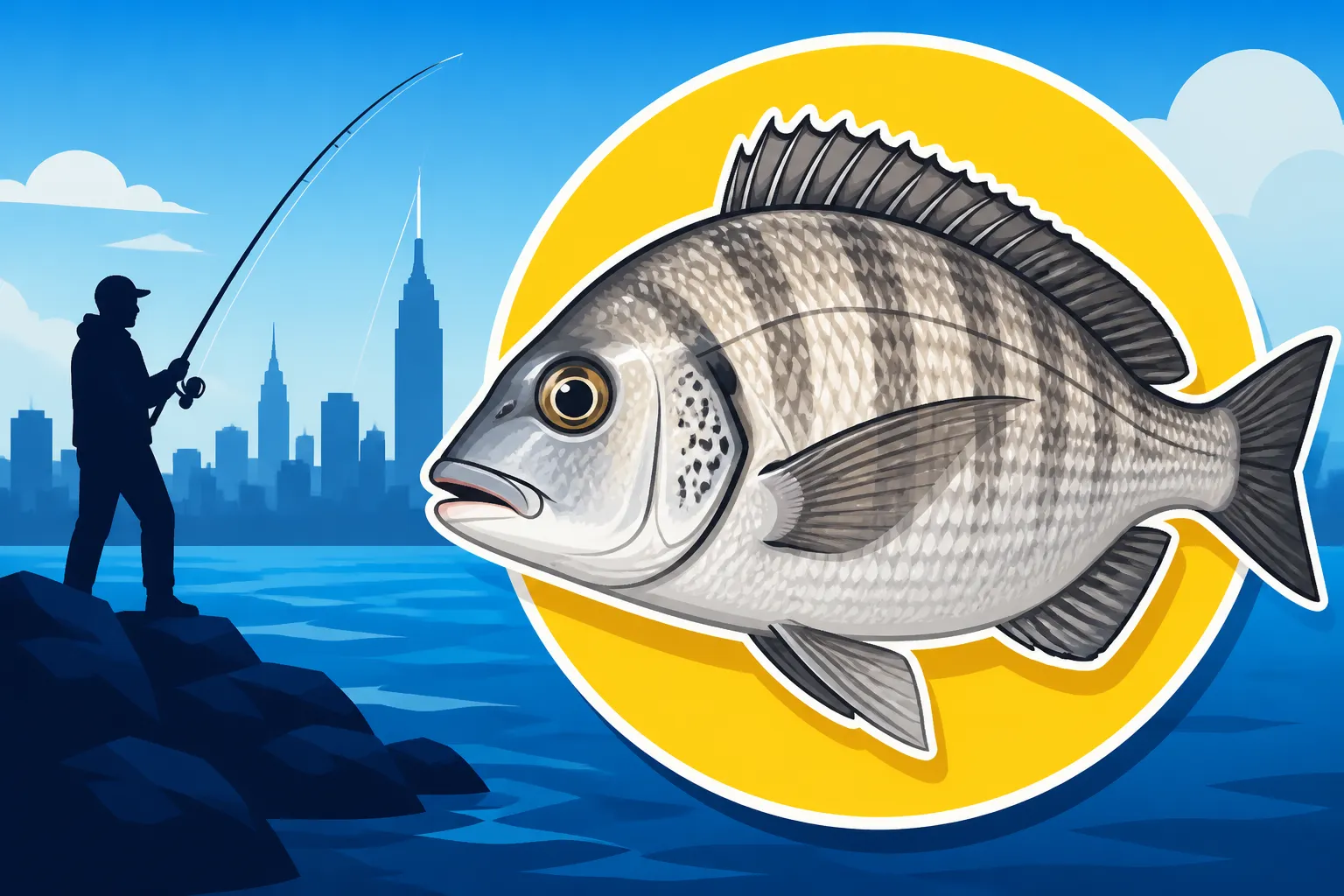
Let's clear up the confusion right away. The fish commonly known as a porgy in New York is scientifically called Stenotomus chrysops, but most folks just call them scup. This member of the sea bream family is characterized by its silvery-bronze body, often with iridescent hues, a somewhat deep and compressed body shape, and relatively large eyes. They typically don't grow to monstrous sizes, with most catches ranging from 8 to 14 inches, though bigger "humpbacks" can stretch past 18 inches and offer a surprisingly stout fight.
Their appearance is quite distinctive once you know what to look for. You'll notice prominent dorsal fins, a small mouth, and a tail that's slightly forked. Don't mistake them for cunner or bergall, which are often found in similar habitats but have a different body shape and usually a more mottled brown or reddish coloration. Porgies are schooling fish, meaning where you find one, you're likely to find many. This makes them incredibly fun to target, as you can often experience fast and furious action when you hit a good school.
Porgy in the New York Fishing Scene
Porgies are a cornerstone of recreational fishing in New York's marine waters, particularly along Long Island and the coastlines that interact with the Atlantic Ocean and Long Island Sound. They are a migratory species, moving into shallower, warmer waters in the spring and early summer, making them highly accessible for shore anglers, party boat enthusiasts, and private boaters alike. As the waters cool in the fall, they tend to move deeper offshore, though good fishing can persist well into the autumn months depending on the conditions.
For many New Yorkers, a porgy trip is an annual tradition. It's a fantastic way to introduce kids to fishing due to the high likelihood of success, and it provides a reliable source of delicious, fresh seafood. Whether you're dropping a line from a pier in Brooklyn, drifting over a rocky reef in Long Island Sound, or enjoying a day out on a head boat from Montauk, porgies are almost certainly going to be on the menu of target species. They're a true democratic fish, available to everyone, and represent a vibrant part of our state's rich angling heritage. You can often find them mixed in with other popular saltwater species, adding to the excitement of any bottom fishing trip.
Where to Find Porgies and What They Like to Eat
Understanding a fish's habits is key to successful angling, and porgies are no exception. Knowing their preferred haunts and favorite snacks will dramatically increase your chances of a banner day on the water.
Preferred Habitats in New York Waters
Porgies are structure-loving fish. They aren't generally found cruising open sandy flats, but rather congregate around natural and artificial structures on the seabed. Think rocky reefs, mussel beds, wrecks, rubble piles, bridge pilings, and even discarded debris. These structures offer them protection from predators and provide abundant feeding opportunities. The bottom line is, if it's lumpy, gnarly, or broken, porgies are probably there.
In New York, some of the most consistent porgy fishing can be found in Long Island Sound, especially around its numerous reefs and rock formations. Bays and harbors, particularly those with deeper channels and good bottom structure, can also hold impressive numbers. Anglers fishing from shore or piers often find success near jetties, rock walls, and dock pilings. For those with boats, venturing into nearshore ocean waters or exploring deeper wrecks and artificial reefs will often yield excellent results. Places like the south shore of Long Island, Block Island Sound, and the waters off Montauk are legendary for their porgy populations when the bite is on. If you're looking for specific areas, guides like Fishing Long Island Sound in New York: A Complete Guide can offer deeper insights into prime locations. Also, don't discount accessible spots; many Best Fishing Piers in New York City provide excellent opportunities to catch porgies without needing a boat.
The Porgy Diet: What Baits to Use
Porgies are opportunistic bottom feeders with a varied diet. Their small, strong teeth are perfectly adapted for crushing shells and picking off small invertebrates from the seafloor. This means a wide array of natural baits will appeal to them, making bait selection relatively straightforward. The key is to use fresh, cut bait presented effectively.
Some of the most popular and effective baits for porgies include:
- Clam: Absolutely king when it comes to porgy bait. Fresh, shucked clam (like surf clam or skimmer clam) cut into small, bite-sized pieces is almost irresistible to them. The scent trail it puts out drives them wild.
- Squid: Strips of fresh squid are another fantastic option. It's durable, stays on the hook well, and porgies love it. Cut it into narrow strips, about an inch or two long, to match their mouth size.
- Sandworms and Bloodworms: These worms are a delicacy for many bottom fish, including porgies. They can be a bit more expensive but are often worth it for their effectiveness, especially when the bite is a bit slower.
- Small Pieces of Fish: While not as common as clam or squid, small cubes of bunker (menhaden), spearing, or other oily baitfish can also work, especially if they are actively feeding on smaller fish.
When preparing your bait, remember that porgies have relatively small mouths. Don't use excessively large chunks; nickel- to quarter-sized pieces are usually perfect. Presenting your bait on a small, sharp hook is paramount for good hook-ups.
Gear and Techniques for Catching Porgies in New York
You don't need highly specialized, expensive equipment to catch porgies. In fact, one of their charms is how accessible they are to anglers with basic setups. However, a few considerations can greatly improve your success and enjoyment.
Recommended Rods, Reels, and Line
For porgy fishing, light to medium-light spinning gear is generally ideal. You want a setup that offers sensitivity to detect their often subtle bites, but still has enough backbone to handle a feisty porgy or two, especially if you hook into a larger "humpback."
- Rods: Look for a spinning rod between 6 to 7.5 feet in length with a fast action tip and a light to medium-light power rating. The fast action tip will let you feel those delicate taps, while the overall flexibility of the rod helps cushion the fight and prevent pulled hooks. A sensitive graphite rod is often preferred over fiberglass for its enhanced feel. You might find a great selection of these on Amazon.
- Reels: A spinning reel in the 2500 to 4000 series size is perfect. It should have a smooth drag system and a decent line capacity. Brands like Shimano, Daiwa, or Penn offer reliable options that won't break the bank.
- Line: Many experienced porgy anglers opt for braided line, typically 10 to 20-pound test. Braided line offers superior sensitivity due to its lack of stretch, allowing you to feel even the slightest nibble. Its thinner diameter also helps it cut through the water better, reducing current drag. However, monofilament of similar strength (10-15 lb) is also perfectly acceptable, especially for beginners or those who prefer its stretch. Whatever line you choose, ensure you have a fluorocarbon leader of 20-30 lb test at the business end, as it's nearly invisible underwater and resistant to abrasion from barnacle-covered structures.
Simple Rigs for Productive Porgy Fishing
When it comes to rigs, simplicity and effectiveness are key for porgies. You're typically fishing on the bottom, so a rig that keeps your bait there is essential. The most popular and effective setups involve multiple hooks to maximize your chances, as porgies often school tightly.
- Hi-Lo Rig (or Two-Hook Bottom Rig): This is by far the most common and productive rig for porgies. It consists of a main leader line with two dropper loops or snelled hooks tied at intervals, usually 6-12 inches apart, and a sinker tied to the very bottom. The hooks typically range from size #2 to 1/0, depending on the average size of the porgies in your area. This rig allows you to present two baits simultaneously, doubling your chances. Many anglers buy pre-tied hi-lo rigs, which are incredibly convenient.
- Fish-Finder Rig (Slider Rig): While less common for dedicated porgy fishing, a simple fish-finder rig can also work. This involves your main line sliding through an eye on your sinker, which then terminates at a swivel, followed by a leader and a single hook. This setup offers more sensitivity as the fish can take the bait without feeling the weight of the sinker immediately. It's more often used for larger species but can be adapted for porgies with smaller hooks and lighter leader material.
The weight of your sinker will depend on the current and depth. You want just enough weight to hold your bait on the bottom without it drifting too much. Common sinker weights for porgies range from 1 to 6 ounces. Remember, you can often use multiple lines or hooks, but always check local regulations, as rules like How Many Fishing Rods Can I Use at Once? can vary.
Techniques for a Successful Porgy Day
Catching porgies isn't rocket science, but a few techniques will help you fill your cooler:
- Bottom Fishing: This is the primary method. Once you've cast your baited rig, let it sink to the bottom. Keep your rod tip slightly elevated and watch for taps. Porgies often peck at the bait before committing, so a sensitive rod tip is crucial. When you feel a definitive tug, lift the rod tip smoothly to set the hook. Don't yank too hard, as their mouths can be a bit delicate.
- Finding the Structure: If you're on a boat, a good fish finder can pinpoint rocky areas, wrecks, and other structure where porgies gather. If you're shore fishing, target areas around visible rocks, jetties, or bridge pilings.
- Chumming: A little bit of clam chum can go a long way in attracting porgies to your fishing spot and keeping them there. A chum pot filled with crushed clam or mussel dropped to the bottom can create a scent trail that brings the fish right to you.
- Patience and Persistence: Sometimes the bite is immediate, other times you have to wait for the school to move in. Don't be afraid to move around if you're not getting bites. Also, remember that Best Time of Day to Fish in New York and Best Time of Year to Fish in New York can play a big role in their activity. Often, incoming and outgoing tides around structure are prime times.
Porgy as Table Fare and Regulations in New York
Beyond the sheer fun of catching them, porgies are highly prized for their culinary value, and like all fish in New York, their harvest is subject to specific regulations to ensure sustainable populations.
Why Porgies are a Prized Catch
Let's be honest, not every fish tastes amazing. But the porgy? Oh, it's a real gem! Despite their modest size, porgies offer some of the finest eating among New York's saltwater species. Their flesh is firm, white, flaky, and possesses a delicate, sweet flavor that isn't overly "fishy." This makes them incredibly versatile in the kitchen, suitable for a variety of cooking methods. Many anglers consider them among the Best-Tasting Fish Species From New York Waters.
Here are just a few popular ways to enjoy your porgy catch:
- Pan-Fried: A classic preparation. Simply descale, gut, and score the fish, then dredge it in seasoned flour or cornmeal and pan-fry until golden brown and crispy. The skin gets wonderfully crisp, and the meat stays moist.
- Grilled: Whole grilled porgies are a treat. Stuff the cavity with herbs, lemon slices, and garlic, then grill until cooked through. The smoky flavor complements the sweetness of the fish beautifully.
- Baked: Baked whole or as fillets, porgies are excellent with a simple preparation of olive oil, lemon, and your favorite herbs. They cook quickly and retain their moisture.
- Filleted: While small, larger porgies can be filleted, offering boneless portions perfect for those who prefer not to deal with bones. The fillets are great for fish tacos or simple sautéing.
The ease of preparation and delicious taste make porgies a favorite for family dinners and summer barbecues. There's nothing quite like fresh porgy caught just hours before it hits your plate.
New York Regulations for Porgy (Scup)
To ensure that future generations can continue to enjoy porgy fishing, New York State, in conjunction with federal regulations for species managed in the Atlantic, establishes specific rules for their harvest. These regulations often include minimum size limits, daily possession (bag) limits, and seasonal closures. These rules are designed to protect spawning fish and allow juvenile fish to grow to maturity.
It's absolutely crucial for every angler to be aware of and adhere to the current regulations. These rules can change annually, sometimes even mid-season, so always consult the latest New York State Department of Environmental Conservation (DEC) Fishing Regulations Guide before you head out. You can often find this guide online or at any licensed tackle shop. Articles like New York Fishing Regulations Explained can provide a general overview, but always double-check the official sources for the most up-to-date information specific to porgies. Remember that if you're fishing in saltwater, you'll also need to comply with New York Saltwater Fishing Registration Guide requirements, in addition to holding a valid New York Fishing License Guide if required for certain situations.
Here's an illustrative table outlining the types of regulations you might encounter for porgies (scup) in New York, but please remember these numbers are hypothetical and you must check current official DEC sources for accurate, up-to-date regulations.
| Regulation Type | General Purpose | Typical Range (Hypothetical) |
|---|---|---|
| Minimum Size Limit | Allows fish to reach maturity and spawn at least once. | 9-10 inches |
| Daily Bag Limit | Prevents overharvesting by individual anglers. | 25-50 fish per person |
| Season Dates | Protects spawning aggregations and manages fishing pressure. | Often open year-round with possible seasonal adjustments or varying limits. |
| Area-Specific Rules | Adjusts harvest based on local stock assessments or fishing pressure. | May differ between Long Island Sound and ocean waters. |
Always measure your fish accurately from the tip of the nose to the end of the tail, and if a fish doesn't meet the minimum size, release it gently and immediately. Sustainable fishing practices ensure that the joy of catching porgies remains a vibrant part of the New York fishing experience for years to come. For more detailed information, you can also look into resources like Average Porgy Size on Long Island Sound.
Disclaimer
This article is for general informational purposes only and does not constitute professional advice. Laws, prices and regulations vary by location and change over time. Consult a qualified professional for guidance on your specific situation.