Is It Safe to Eat Fish From the Hudson River?
It’s a truly disheartening reality for many anglers in New York: you love the idea of catching your own dinner, but when it comes to the historic Hudson River, a nagging question always lingers – is it truly safe to eat what you catch? The Hudson, with its rich history and diverse fishery, also carries a complex legacy of industrial pollution, leaving many of us scratching our heads about what's okay to bring to the table. This guide is here to cut through the confusion, offering a clear, empathetic look at the facts and helping you make informed decisions about enjoying fish from this iconic waterway.
Understanding the Hudson River's Contaminant History
The Hudson River is an incredible natural resource, flowing from the Adirondacks all the way down to New York Harbor, offering diverse fishing opportunities. However, its industrial past has left an indelible mark, leading to widespread contamination that affects the fish within its waters. It’s not just a rumor or an old wives' tale; the science is clear, and understanding this history is crucial to understanding current advisories.
The Legacy of PCBs in the Hudson
When we talk about Hudson River contamination, the conversation almost immediately turns to Polychlorinated Biphenyls, or PCBs. For decades, two General Electric (GE) manufacturing plants located upstream in Fort Edward and Hudson Falls discharged massive quantities of these industrial chemicals directly into the river. These discharges stopped back in the 1970s, but PCBs don't just disappear. They are incredibly persistent organic pollutants, meaning they break down very slowly in the environment. Think of them like stubborn stains that cling to riverbed sediments and slowly work their way up the food chain.
These compounds accumulate in the fatty tissues of fish, and as larger fish eat smaller fish, the concentration of PCBs increases dramatically, a process known as biomagnification. This is why top predators in the river, like larger striped bass or certain species of catfish, tend to have higher levels of contamination than smaller, short-lived fish. The cleanup efforts, including extensive dredging, have been massive undertakings, but the river’s ecosystem is vast, and the process of natural recovery takes a very long time. It’s not something that gets fixed overnight, and the effects linger for generations of fish and, potentially, for those who consume them.
Mercury Contamination and Other Concerns
While PCBs often take center stage, mercury is another significant contaminant in various parts of the Hudson River. Mercury is a naturally occurring element, but industrial activities, including coal-fired power plants and certain manufacturing processes, have historically released it into the environment, where it can transform into methylmercury. This organic form of mercury is particularly concerning because it, too, readily bioaccumulates in fish and is highly toxic, especially to developing nervous systems.
Mercury contamination can originate from both local industrial sources along the river and from atmospheric deposition, where mercury released into the air from distant sources settles into the river basin. Like PCBs, methylmercury poses the greatest risk to those who frequently consume fish, particularly larger, older predatory fish that have had more time to accumulate the toxin. Beyond PCBs and mercury, there are also concerns about other pollutants, though typically to a lesser degree or in more localized areas. These can include dioxins, furans, and various pesticides. The complex mix of historical and ongoing environmental factors means that understanding the overall picture is essential for responsible angling.
Decoding New York State's Fish Consumption Advisories
Navigating the world of fish consumption advisories can feel like trying to solve a puzzle, especially when it comes to a body of water as vast and complex as the Hudson River. You might hear conflicting information from different sources, or feel overwhelmed by the details. Thankfully, the New York State Department of Health (NYSDOH), in close collaboration with the New York DEC Fishing Regulations Guide, provides comprehensive, publicly accessible advisories specifically designed to help anglers make safe choices. These aren't just suggestions; they are carefully crafted recommendations based on extensive scientific sampling and analysis.
What are Fish Consumption Advisories?
Fish consumption advisories are recommendations about the amount and types of fish that are safe to eat from specific bodies of water. They aren't bans, but rather guidelines to help you minimize your exposure to contaminants like PCBs and mercury. The NYSDOH issues these advisories based on ongoing monitoring of fish tissue samples, which reveal the levels of various pollutants present. It’s not a one-size-fits-all rule because contaminant levels can vary significantly by fish species, the size and age of the fish, and even the specific section of the river where it was caught.
For instance, a fast-growing, smaller panfish might have much lower contaminant levels than a large, older predatory fish like a striped bass or a substantial common carp that has spent years feeding and accumulating toxins. The advisories take these differences into account, often specifying limits not just by species, but also by length and by river segment. This means that a walleye caught in one part of the Hudson might have a different advisory than one caught further north or south. These advisories are reviewed and updated regularly, so what was true a few years ago might have subtle but important changes today.
General Advisories vs. Sensitive Populations
A critical distinction within the advisories is between the general population and sensitive populations. The "general population" refers to most adults, while "sensitive populations" typically include women under 50 (including those who are pregnant or planning to become pregnant), infants, and children under 15. The reason for this distinction is simple: developing fetuses, infants, and young children are much more vulnerable to the harmful effects of contaminants like PCBs and mercury, which can impact brain development and neurological functions even at lower exposure levels.
For sensitive populations, advisories are almost always stricter, often recommending avoiding certain fish species entirely or limiting consumption to very small, infrequent amounts. For example, while a healthy adult might be advised to eat a certain species once a week, a pregnant woman might be told to avoid it completely. This is not to cause undue alarm, but rather to prioritize the health of those most at risk. It's a proactive measure to protect future generations and ensure healthy development. Always refer to the most current NYSDOH advisories for specific details on these categories. You can often find the full publication, which might be helpful to keep handy, especially if you get a robust fishing regulations guide from a retailer like Amazon.
Where to Find the Latest Hudson River Advisories
Given that advisories can change and are highly specific to location and species, knowing exactly where to find the most current information is paramount. The official source for all New York State fish consumption advisories is the New York State Department of Health (NYSDOH) website. They publish a comprehensive guide, often called "Health Advisories for Eating Fish and Game," which is updated annually. This document details advisories for hundreds of waterbodies across the state, including the various segments of the Hudson River.
You'll want to pay close attention to the specific section of the Hudson where you plan to fish, as advisories often differ significantly north and south of the Federal Dam at Troy, and sometimes even by smaller segments. It's not enough to just know that "Hudson River fish" have advisories; you need to pinpoint your exact location. Before every fishing trip, especially if you plan to keep your catch, take a few minutes to check these advisories. You can print them out, save them on your phone, or even look them up on your phone while you're riverside. Knowing the rules before you cast a line is just as important as knowing the New York Fishing Season Dates and Catch Limits or New York Freshwater Fishing Rules.
Making Informed Decisions About Eating Hudson River Fish
Armed with knowledge about the Hudson's history and the state's advisories, you’re in a much better position to make smart choices. It’s not just about what the advisory says, but also about how you approach your fishing and consumption habits. Being a responsible angler means being a responsible consumer.
Understanding "Do Not Eat" vs. Limited Consumption Advisories
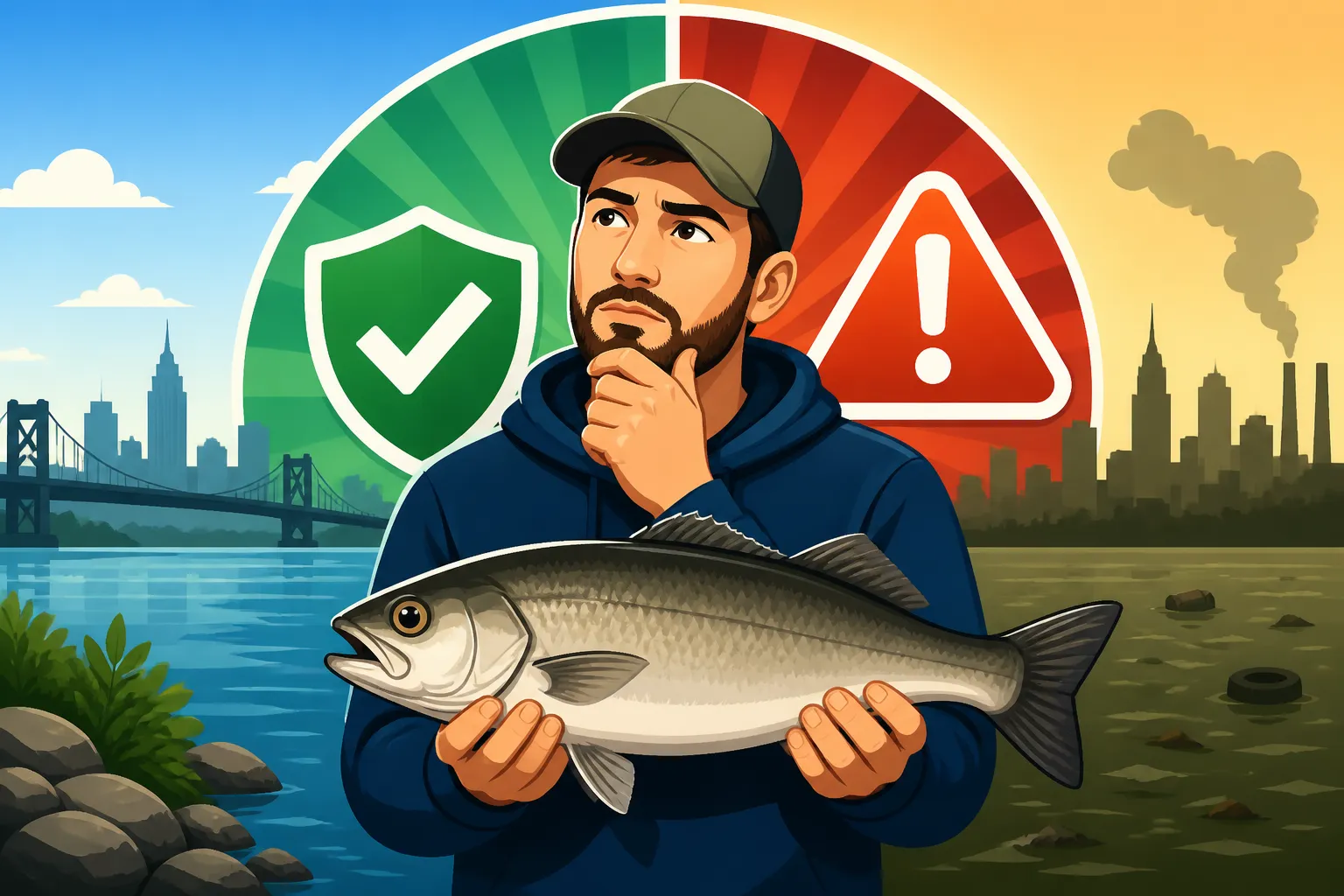
The advisories generally fall into two main categories: "Do Not Eat" and "Limited Consumption." A "Do Not Eat" advisory is exactly what it sounds like – for certain species, sizes, or locations, the contaminant levels are deemed too high for anyone to safely consume the fish. This is a clear directive, and it should be followed without exception. For instance, many sections of the Hudson River have "Do Not Eat" advisories for certain species like channel catfish or striped bass over a certain length, particularly for sensitive populations.
"Limited Consumption" advisories, on the other hand, provide guidelines on how often a fish can be eaten. This might be "one meal per week," "one meal per month," or "six meals per year." These limits are designed to keep your overall exposure to contaminants below levels that are considered harmful. The frequency recommendations are cumulative; meaning if you catch and eat one meal of a certain fish, that counts towards your weekly or monthly limit for all fish from that waterbody, or even across different waterbodies with similar contaminants. It's easy to lose track, so keeping a mental note or even a small log of what you've eaten can be helpful. Remember, these are general guidelines, and individual health factors can play a role, so if you have specific health concerns, it’s always best to consult with a medical professional.
Best Practices for Reducing Risk
Even when an advisory permits limited consumption, there are steps you can take to further reduce your exposure to contaminants that might be present in the fish. While you can't eliminate all contaminants, proper cleaning and cooking methods can make a difference, especially for those contaminants that accumulate in fatty tissues. Many contaminants, including PCBs, tend to concentrate in the fatty parts of the fish. This means you can significantly reduce your intake by carefully trimming away skin, fatty belly flaps, dark meat, and the lateral line (the reddish-brown strip along the side of the fillet).
Here’s a practical approach to preparation:
- Remove Skin: Always skin your fish. Don't leave the skin on, even if you like it crispy.
- Trim Fat: Cut away all visible fat, especially from the belly and lateral line.
- Fillet Carefully: When filleting, try to avoid scraping the knife along the dark meat and fatty areas.
- Broil, Bake, or Grill: Cooking methods that allow fat to drip away, such as broiling, baking on a rack, or grilling, are preferable to frying, which can seal contaminants into the meat.
- Don't Use Drippings: Avoid using the drippings or fat from cooked fish to prepare other foods.
These practices, while not foolproof, are highly recommended to minimize contaminant intake. Think of it as an extra layer of protection, just like wearing a PFD when you're out on the water. If you're looking for gear to help with filleting or cooking, you can easily find sharp knives and racks on Amazon that make these trimming steps more efficient.
Choosing Your Catch Wisely: Species and Size Matters
Beyond just following the advisories, you can make smarter choices about what you target and keep. Generally, smaller, younger fish tend to have accumulated fewer contaminants than older, larger specimens of the same species. And some species, by their very nature, are more likely to be contaminated due to their diet and longevity.
Here’s a quick overview of how species and size play a role:
| Species Type | Contamination Risk Profile | Example Species (Hudson River) | General Recommendation |
|---|---|---|---|
| Bottom Feeders / Scavengers | Higher risk due to direct contact with contaminated sediments and varied diet. Often long-lived. | Catfish, Carp, Eels | Often carry "Do Not Eat" advisories, especially larger ones. Best to avoid or strictly adhere to specific, very limited advisories for smaller fish. |
| Large Predators | High risk due to biomagnification (eating many smaller, contaminated fish). Often long-lived. | Large Striped Bass, Walleye | Often have stricter "Limited Consumption" or "Do Not Eat" advisories, particularly for larger individuals and sensitive populations. Be extremely cautious with large predatory fish. New York Striped Bass Length Requirements are key. |
| Panfish / Herbivores | Generally lower risk due to shorter lifespan, smaller size, and diet lower on the food chain (insects, plants). | Yellow Perch, Bluegill | Tend to have more lenient "Limited Consumption" advisories or sometimes even "unrestricted" in specific clean areas. Still, check advisories for your specific location. |
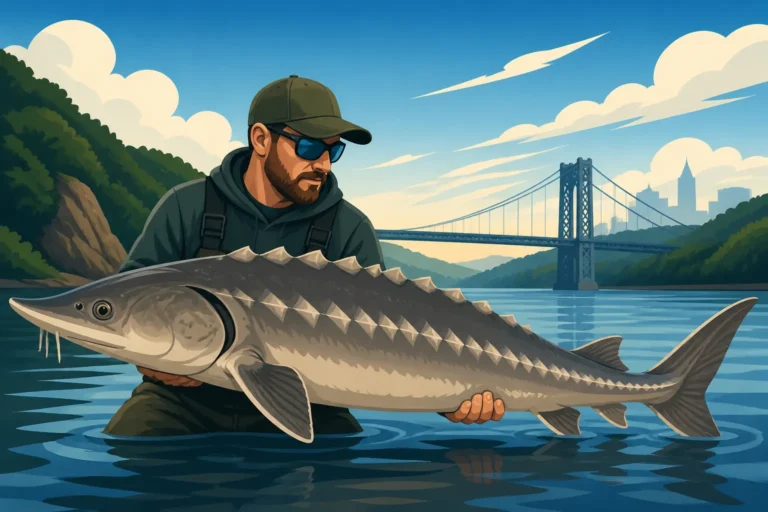
| Migratory Fish | Risk can vary depending on where they spend most of their life. Some only pass through the Hudson. | Atlantic Sturgeon (protected!) | Many migratory species, like sturgeon, are protected and cannot be kept. Even if not protected, check advisories for their specific habits. |
Note: This table provides a general overview. ALWAYS consult the official NYSDOH advisories for precise, up-to-date information for your specific fishing location.
Even if you’re fishing for Fish Species Found in the Hudson River that might be listed as generally safe for limited consumption, choosing a smaller specimen within the legal size limits is a wise move. For many anglers, the enjoyment of fishing comes from the experience itself – the challenge, the tranquility, and the connection to nature. If you're concerned about consumption, catch-and-release is always a fantastic option, allowing you to enjoy the sport without any worries about what to do with the fish afterward. When practicing catch-and-release, make sure you understand proper handling techniques to ensure the fish's survival. Catch-and-Release Handling Rules are crucial for the health of the fish.
Enjoying the Hudson River Safely
The Hudson River is a true treasure for New York anglers, offering incredible opportunities to pursue a wide variety of fish. From the energetic fight of a smallmouth bass in the river’s upper reaches to the sheer power of a striped bass in the brackish lower sections, it’s an experience like no other. The key to fully appreciating this resource, especially if you intend to consume your catch, is embracing an informed and cautious approach. Don't let the complexities deter you, but rather empower you to fish responsibly.
Beyond Eating: Catch and Release
For many, fishing isn't just about dinner; it's about the thrill of the catch. If the thought of navigating advisories or worrying about contaminants dampens your enthusiasm for keeping fish, then embracing catch and release is an excellent alternative. The Hudson River, even with its history, supports vibrant fish populations. Many anglers choose to fish purely for sport, meticulously releasing their catch back into the water unharmed. This practice not only removes any concern about consumption safety but also contributes to the sustainability and health of the fishery.
If you opt for catch and release, ensure you have the right gear and knowledge to minimize stress and injury to the fish. Barbless hooks, knotless landing nets, and quick, careful handling can make a world of difference. There are many great resources, even on platforms like Amazon, for proper catch-and-release tools and guides. New York Catch-and-Release Trout Fishing Rules or Bass Catch-and-Release Season Dates highlight how important this practice is, even for species with fewer consumption concerns. Enjoy the fight, snap a quick photo if you like, and then gently return your finned friend to the water to grow larger and provide sport for another day.
The Bigger Picture: Environmental Awareness
As anglers, we are often among the first to notice changes in our waterways, and we have a unique perspective on the health of our environment. The Hudson River's story of contamination and recovery serves as a powerful reminder of the lasting impact human activity can have on natural ecosystems. By staying informed about advisories, practicing responsible angling, and supporting conservation efforts, we contribute to the ongoing restoration of this magnificent river.
Understanding the "why" behind the advisories – the legacy of industrial pollution and the slow process of ecological healing – can deepen your appreciation for the resource and solidify your commitment to its future. Whether you're targeting New York's Bass Species Explained, chasing Steelhead Trout in New York, or simply enjoying a peaceful day on the water, being aware of the environmental context enhances the entire experience. The Hudson is a living testament to both human impact and nature's resilience, and our role as stewards is more important than ever.
Disclaimer
This article is for general informational purposes only and does not constitute professional advice. Laws, prices and regulations vary by location and change over time. Consult a qualified professional for guidance on your specific situation.