New York Fish Consumption Advisories Explained
There's nothing quite like the thrill of reeling in a beautiful fish in New York State, whether it's a hefty largemouth bass from a quiet lake or a powerful striped bass from the Hudson River. You picture that fresh catch on the dinner plate, but then a nagging question creeps in: "Is this fish actually safe to eat?" It's a valid and often frustrating concern for many anglers, myself included. This comprehensive guide is here to unravel the complexities of New York's fish consumption advisories, helping you understand what they mean, why they exist, and how you can make informed choices to safely enjoy your catch while protecting your health.
What Exactly Are New York Fish Consumption Advisories?
Imagine spending a perfect day on the water, maybe out on Lake Erie chasing walleye or casting lines in a peaceful Adirondack pond. You're thinking about grilling your fresh catch, but then you remember hearing whispers about "fish advisories." What are these exactly? Simply put, fish consumption advisories are recommendations issued by health experts to help you decide how much of the fish you catch from certain waters is safe to eat. They're not designed to scare you away from fishing, but rather to empower you with knowledge.
The Vital Role of the New York State Department of Health (NYSDOH)
It can feel overwhelming trying to figure out which fish are safe and from where, but thankfully, New York has dedicated agencies working to protect public health. The New York State Department of Health (NYSDOH) is the primary authority responsible for monitoring chemical contaminants in fish and issuing these critical advisories. They collaborate with the New York State Department of Environmental Conservation (NYSDEC) to conduct extensive fish sampling across the state's diverse waters, from the Great Lakes to tiny streams and the vast expanses of the marine district.
This isn't just a casual recommendation; it's based on scientific analysis. The NYSDOH analyzes fish tissue samples for various pollutants, then uses that data to determine safe consumption limits. They look at things like fish size, species, and the specific waterbody, because what's safe to eat from one lake might not be from another, and a small perch might have different advice than a large pike. It’s a huge undertaking, but it’s essential work to ensure we can still enjoy our state's incredible fishing resources responsibly. You can think of them as the guardians of your dinner plate, making sure you have the best information possible.
Why These Guidelines Matter for Your Health
So, why bother with all these rules? Well, the reality is that certain pollutants can accumulate in fish flesh over time. When you consume those fish, those contaminants can then enter your body. While a single meal might not cause immediate harm, regular consumption of contaminated fish can lead to long-term health issues, especially for sensitive groups. This is why these guidelines are so important – they're about preventing potential problems down the road.
These advisories are designed to protect you and your family from harmful chemicals like mercury, PCBs, and dioxins that, unfortunately, have found their way into some of our waterways. Following these guidelines allows you to minimize your exposure while still enjoying the nutritional benefits of eating fish. Think of it as a balance: enjoy the bounty, but do so wisely. It means that while you might love catching and eating New York's Most Popular Freshwater Fish or even New York's Most Popular Saltwater Fish, you need to be mindful of where they came from and how often you're eating them.
Decoding the Different Types of Advisories
When you look at New York's advisories, you'll quickly notice that not all warnings are created equal. It's not a simple "yes" or "no" answer, which can definitely add to the confusion. Instead, there are different levels of caution, tailored to the specific fish, location, and even the person eating it. Understanding these distinctions is key to navigating the waters safely.
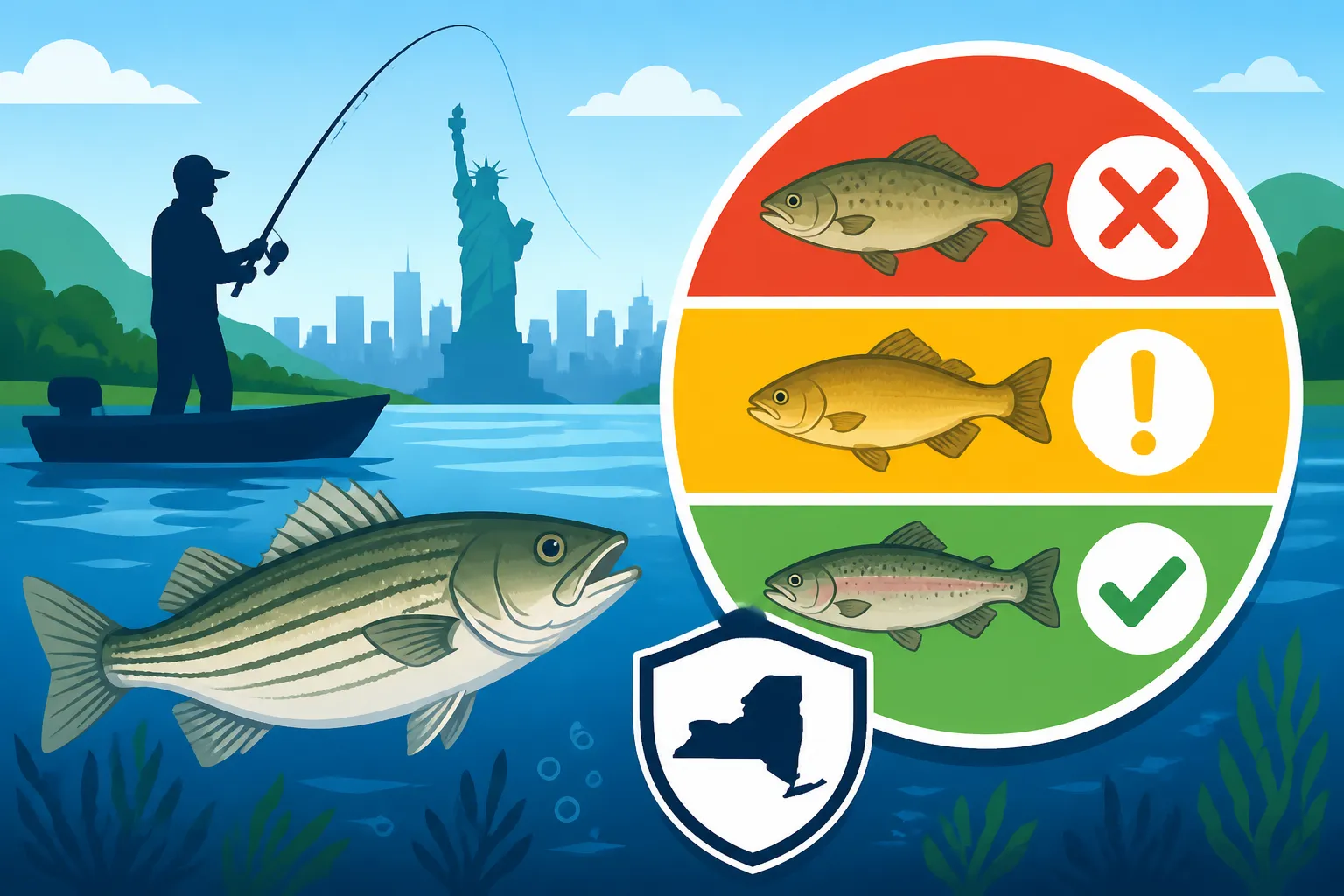
"Do Not Eat": When to Absolutely Avoid Your Catch
This is the most stringent advisory, and it means exactly what it says: do not eat the fish from this particular waterbody or species. These "Do Not Eat" warnings are issued when contamination levels are so high that consuming even a small amount could pose a significant health risk. It might be due to a localized industrial spill, a highly persistent chemical, or a species that accumulates toxins at an alarming rate.
For an angler, hearing a "Do Not Eat" advisory for your favorite fishing spot can be incredibly disheartening. You put in the time and effort, hooked a great fish, and now you have to let it go or discard it. It feels like a waste, but it's crucial to prioritize your health. These advisories are often found in areas with a history of heavy industrial activity or where specific pollutants like PCBs are still prevalent. For example, certain sections of the Hudson River have historically carried strict "Do Not Eat" advisories for specific fish species due to lingering PCB contamination. While catch-and-release fishing can still be a wonderful experience in these areas, bringing anything home for the dinner table is a definite no-go. Is It Safe to Eat Fish From the Hudson River? provides more details on specific advisories for that iconic waterway.
"Limit Consumption": Practical Advice for Responsible Angling
More commonly, you'll encounter "Limit Consumption" advisories. These recommendations suggest a maximum number of meals you can safely eat of a particular fish species from a specific waterbody within a given timeframe, often expressed as meals per week or per month. This advice typically ranges from "up to four meals per month" down to "one meal per month" or even "six meals per year." The lower the recommended number of meals, the higher the concern about contaminants.
This is where things can get a bit tricky for anglers trying to keep track. You might catch brown trout from one stream and be advised to eat them weekly, but walleye from a nearby lake might come with a warning of only one meal a month. It’s a lot to remember! The idea behind limiting consumption is to allow you to still enjoy your catch and its nutritional benefits, such as omega-3 fatty acids, while minimizing the cumulative exposure to pollutants over time. It's about moderation and mindful choices, not complete avoidance. When you're out there, measuring your catch for New York Statewide Trout Daily Limit Explained or New York Walleye Season and Limits, remember to also think about the consumption limits for that specific fish.
Understanding Vulnerable Populations: Women and Children
One critical aspect of fish consumption advisories that often goes overlooked, or isn't fully grasped, is the specific guidance for vulnerable populations. The NYSDOH places extra emphasis on protecting women of childbearing age (up to age 50) and children under 15 years old. Why? Because developing fetuses, infants, and young children are particularly susceptible to the adverse effects of certain contaminants, even at lower exposure levels that might be considered safe for healthy adults.
For example, some advisories might recommend that women of childbearing age and children completely avoid certain fish, even if healthy adult males or older women are advised to limit consumption. This is especially true for neurotoxins like mercury, which can impair brain development. It can be a real challenge for families who love to fish together, but it's vital to heed these warnings. If you're planning a fishing trip with your kids, it’s not just about Do Kids Need a Fishing License to Fish in New York?; it's also about checking the advisories to ensure any fish you keep are safe for everyone, especially the youngest anglers in your group. This means that if you're out catching Yellow Perch in New York or Crappie in New York, you might need to prepare separate meals or stick to catch-and-release for the family members most at risk.
The Unseen Threats: Contaminants in New York Waters
When you're out on the water, you're focused on the fish, the bite, and the beauty of the surroundings. But lurking beneath the surface, or carried into the water from past activities, are unseen contaminants that directly impact the safety of your catch. Understanding these primary culprits helps you appreciate why these advisories are so crucial.
Mercury: A Persistent Problem Across the State
Mercury is probably the most widely known contaminant when it comes to fish. It's a naturally occurring element, but human activities like coal burning, waste incineration, and certain industrial processes have significantly increased its presence in the environment. Once mercury enters waterways, bacteria can convert it into methylmercury, a highly toxic form that accumulates in fish tissue.
The problem with methylmercury is that it bioaccumulates, meaning smaller fish eat contaminated organisms, and then larger fish eat those smaller fish, leading to higher concentrations in bigger, older predatory fish. This is why species like lake trout, pike, walleye, and larger bass often carry the strictest mercury advisories. Even seemingly pristine waters can have mercury issues, as atmospheric deposition can carry it far from its original source. If you're regularly fishing for trophy Muskellunge in New York or Lake Trout in New York, checking the mercury advisories for that specific waterbody is non-negotiable. You can often find a comprehensive list of Which New York Fish Carry Mercury Warnings in the official DEC and DOH publications.
PCBs and Dioxins: Legacy Pollutants with Lasting Impact
PCBs (polychlorinated biphenyls) and dioxins are another major concern, especially in areas with a history of heavy industry. PCBs were once widely used in electrical equipment, coolants, and other applications before their toxicity was fully understood and their production banned in the late 1970s. Dioxins are unintended byproducts of various industrial processes and combustion. Both are persistent organic pollutants, meaning they don't break down easily in the environment and can linger for decades, accumulating in sediments and then in the food chain.
These chemicals are particularly problematic because they accumulate in the fatty tissues of fish. This is why advisories for fish like carp, catfish, and eels, which often have higher fat content and live closer to the bottom where sediments lie, can be very restrictive in certain areas. Regions like the lower Hudson River and some parts of the Great Lakes have significant historical PCB contamination that continues to affect fish consumption advice. Even though these chemicals have been banned for a long time, their legacy continues to impact our fishing opportunities.
Other Chemicals: Pesticides and Emerging Concerns
While mercury and PCBs get most of the headlines, other chemicals can also contribute to consumption advisories. Pesticides, particularly older, persistent types like DDT (which was banned decades ago but still lingers in some environments), can be found in fish. Newer chemicals, sometimes referred to as "emerging contaminants," are also constantly being studied as science improves our ability to detect them. These might include pharmaceuticals, personal care products, and industrial chemicals that weren't previously on our radar.
The NYSDOH is continuously monitoring for these substances, which means the advisories can, and sometimes do, change as new information becomes available. It's a dynamic situation, and staying informed is part of being a responsible angler. This table offers a quick overview of some common contaminants and their primary impact:
| Contaminant | Primary Sources | Health Concerns | Fish Most Affected |
|---|---|---|---|
| Mercury | Coal combustion, waste incineration, natural releases | Nervous system damage, developmental issues (especially in children) | Large predators (Walleye, Lake Trout, Pike, Bass) |
| PCBs | Old industrial equipment, landfills, spills | Cancer, reproductive issues, immune system effects | Bottom feeders, fatty fish (Eel, Carp, Catfish) |
| Dioxins | Industrial processes, burning waste, forest fires | Cancer, developmental and reproductive problems | Bottom feeders, fatty fish (Eel, Carp, Catfish) |
| Pesticides | Agricultural runoff, historical usage | Various effects depending on type, often neurotoxic | Fish from agricultural areas, bottom feeders |
Navigating the Advisories: How Anglers Can Stay Informed
It's clear that these advisories are important, but figuring out which specific rules apply to your fishing trip can feel like a maze. With so many lakes, rivers, and coastal areas in New York, each with its own nuances, it's easy to get overwhelmed. But don't worry, there are straightforward ways to find the information you need and make smart choices.
Finding Up-to-Date Information for Your Favorite Fishing Spots
The absolute best source for current New York fish consumption advisories is the New York State Department of Health (NYSDOH) website. They publish a comprehensive guide, often updated annually, that lists advisories by waterbody and species. You can usually find this document by searching for "New York fish consumption advisories" on any search engine. It's like your personal fishing bible for what's safe to eat.
Another fantastic resource is the New York State Department of Environmental Conservation (NYSDEC) Fishing Regulations Guide. While its primary focus is on catch limits, seasons, and licensing (like New York Fishing License Guide or New York Freshwater Fishing Rules), it also includes summaries or links to the DOH advisories. Always check both if you're unsure. Taking a few minutes to look up your planned fishing destination and the species you hope to catch can save you a lot of guesswork and potential health risks. This due diligence is just as important as knowing New York Fishing Season Dates and Catch Limits for what you’re targeting.
General Statewide Advice vs. Specific Waterbody Rules
Here's where it can get a little confusing: there's general statewide advice, and then there's specific advice for individual waterbodies.
The general statewide advice is a broad recommendation that applies to all freshwaters and some marine waters unless a more specific advisory overrides it. This general advice typically cautions against eating more than one meal per week of fish from any freshwater or migratory marine fish (like striped bass, bluefish, or Atlantic salmon) due to mercury. It also has stronger warnings for women of childbearing age and children.
However, many major waterbodies – think the Great Lakes, the Finger Lakes, the Hudson River, Lake Champlain, and specific reservoirs – have site-specific advisories. These are much more detailed and often more restrictive because of known, localized contamination issues. For instance, the advice for eating smallmouth bass from Lake Erie might be completely different from eating smallmouth bass from a small, isolated pond in the Adirondacks. It's crucial to always look for the most specific advice available for your exact fishing location. Don't assume general advice applies if a specific advisory exists. This is why understanding New York Fishing Regulations Explained is a continuous learning process.
Practical Steps to Reduce Exposure When Eating Your Catch
Even when consuming fish that fall under "limit consumption" advisories, there are practical steps you can take to further reduce your exposure to contaminants. These methods don't eliminate pollutants, but they can significantly lower the amount you ingest.
- Trim the Fat: Many contaminants, especially PCBs and dioxins, accumulate in the fat of the fish. By carefully skinning your fish and trimming away all the fat, including the belly flap, the lateral line, and the dark meat, you can remove a substantial portion of these chemicals. This is especially important for fattier species like salmon, trout, carp, and catfish. You might even find specialized fish cleaning tools on Amazon that help with this precise trimming.
- Broil, Bake, or Grill: When cooking, methods that allow fat to drain away, such as broiling, baking, or grilling on a rack, are preferable to frying, which can seal contaminants into the flesh. Avoid pan-frying in butter or oil where the fish reabsorbs its own fat.
- Choose Smaller Fish (Within Legal Limits): Generally, smaller, younger fish of a given species have had less time to accumulate contaminants compared to larger, older individuals. When the regulations allow, opting for fish on the smaller end of the legal slot limit can be a smart choice for reducing exposure. Of course, always respect legal minimum and maximum size limits, like New York Muskellunge Minimum Size Limit or New York Striped Bass Length Requirements.
- Vary Your Diet: Don't rely on fish from a single waterbody as your sole source of protein. Diversify your diet with other protein sources and, if you do eat fish regularly, try to source it from different locations with varying contaminant profiles. This helps prevent over-exposure to any one pollutant.
Beyond the Plate: Common Questions and Concerns
It's natural to have a lot of questions and even some frustration when confronted with fish consumption advisories. Anglers are passionate about their sport and the connection to nature, and these warnings can sometimes feel like a barrier. Let's tackle some common concerns and provide a dose of reality and reassurance.
"Why Can't I Just Eat Whatever I Catch?"
This is a sentiment I hear a lot, and it's completely understandable. The idea of "wild-caught" food often conjures images of purity and health. In an ideal world, every fish we catch would be perfectly safe to eat without question. Unfortunately, we don't live in an ideal world. Decades of industrial activity, agricultural runoff, and even global pollution patterns have left their mark on our waterways.
The advisories exist precisely because not every fish is safe to eat in unlimited quantities, or sometimes at all, due to the accumulation of chemicals beyond what's considered safe for human consumption. It's not a judgment on your fishing skills or a punishment for enjoying nature; it's a scientific assessment designed to protect your long-term health. Think of it as a guidepost, not a gate. You can still enjoy the act of fishing, but now you have more information to decide what happens once that fish is in the net. New York Fishing Regulations Explained often includes these advisories because they are an extension of responsible angling.
"Is All New York Fish Unsafe?"
Absolutely not! This is a common misconception that can unfortunately deter people from fishing altogether. While it's true that many waters have some level of advisory, especially for larger predatory fish, the vast majority of New York's waters offer opportunities to catch fish that are safe to eat, often with simple consumption limits. Many smaller panfish like bluegill or yellow perch from less impacted waters can be enjoyed quite regularly.
New York is a huge state with an incredible diversity of aquatic environments. Many remote lakes and streams, particularly in regions like the Adirondacks, have fewer industrial impacts and often cleaner fish. The advisories are highly localized, meaning that a problem in one river doesn't mean the entire state's fish are tainted. Instead of writing off all New York fishing, use the advisories to guide you to cleaner waters and safer species. There are still abundant opportunities to harvest delicious and healthy fish.
"What About Catch and Release?"
For many anglers, catch and release is already a core part of their fishing ethic, especially when targeting certain species or fishing in specific areas. Fish consumption advisories actually strengthen the case for catch and release in many situations. If you're fishing in a waterbody with strict "Do Not Eat" warnings, or if you've already reached your personal consumption limit for a particular species, practicing catch and release allows you to continue enjoying the sport without any health concerns.
It's a fantastic way to participate in the sport, hone your skills, and still contribute to the conservation of fish populations. Plus, it alleviates the pressure of having to constantly track consumption limits. Many anglers find immense satisfaction in simply outsmarting a fish, bringing it to hand, admiring its beauty, and then carefully releasing it to fight another day. So, even if the advisories mean you can't fill your cooler every time, you can always fill your heart with the joy of the catch. Catch-and-Release Handling Rules are important to follow to ensure the fish you release have the best chance of survival.
Disclaimer
This article is for general informational purposes only and does not constitute professional advice. Laws, prices and regulations vary by location and change over time. Consult a qualified professional for guidance on your specific situation.