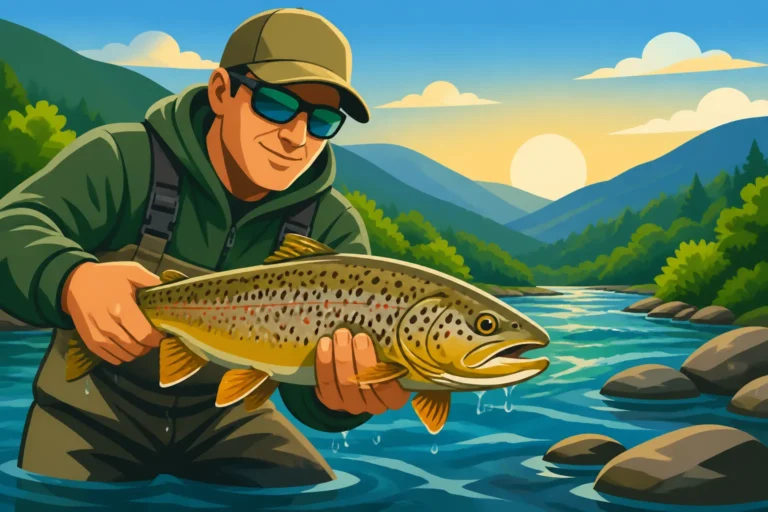
Fishing at Chautauqua Lake, New York
The vastness of a new lake can be intimidating. You pull up to the boat launch, gear ready, but a nagging question hangs in the air: where do I even start? Chautauqua Lake, with its sprawling waters and diverse ecosystems, can certainly present this challenge. This guide is here to cut through that uncertainty, providing you with a veteran angler's perspective on how to confidently tackle this legendary New York fishery, ensuring your time on the water is both productive and enjoyable.
Discovering Chautauqua Lake's Unique Charm for Anglers
Chautauqua Lake isn't just another body of water; it's a living, breathing ecosystem with a distinct personality that makes it a true gem for fishing enthusiasts in Western New York. Nestled within Chautauqua County, this expansive freshwater lake offers a unique blend of angling experiences, from chasing elusive trophy fish to enjoying a relaxing day catching panfish with the family. Its geological formation and the careful stewardship of local organizations have created a rich environment for a wide array of species, ensuring there's always something exciting to cast for.
A Tale of Two Basins: North and South
One of the most defining characteristics of Chautauqua Lake is its division into two distinct basins: the shallower South Basin and the deeper North Basin. These two sections, connected by a narrow stretch known as the Chautauqua Narrows, offer surprisingly different fishing environments, requiring anglers to adapt their strategies accordingly.
The North Basin, which includes areas around the towns of Mayville and Chautauqua, is notably deeper, plunging to depths of over 70 feet in some spots. This deeper water tends to be cooler, making it a prime location for species that prefer stable temperatures, especially during the warmer summer months. You'll find more pronounced drop-offs, underwater humps, and structural features here that appeal to fish like walleye and even the legendary muskellunge. Anglers often employ trolling techniques with downriggers or deep-diving crankbaits to probe these depths, or they might focus on contour lines where baitfish congregate. The cooler, clearer waters of the North Basin offer a different challenge and reward compared to its southern counterpart, often requiring more advanced electronics to locate schools of fish.
Conversely, the South Basin, stretching towards Jamestown and Bemus Point, is considerably shallower, averaging around 10-20 feet with expansive flats and abundant weed growth. This warmer, often murkier water is a haven for largemouth bass, panfish like crappie and bluegill, and the smaller baitfish they feed on. Fishing here often involves pitching jigs into dense lily pads, working spinnerbaits through weed lines, or setting up bobbers near docks and submerged brush. The sheer amount of cover in the South Basin makes it a fantastic area for sight fishing and targeting ambush predators. Understanding this fundamental difference between the two basins is the first step to unlocking Chautauqua Lake's full potential.
Beyond the Fish: The Lake's Ecosystem and Appeal
Beyond the sheer volume of fish, Chautauqua Lake's appeal lies in its vibrant surrounding ecosystem and the picturesque landscape it offers. The lake is fed by numerous small creeks and springs, contributing to its nutrient-rich waters and diverse aquatic life. Extensive weed beds, particularly in the South Basin, provide crucial habitat for juvenile fish and baitfish, which in turn support the larger predatory species. These weed lines, coontail, milfoil, and cabbage beds, aren't just obstacles; they are vital fish magnets that savvy anglers learn to read and target.
The shoreline is dotted with charming towns like Mayville, Bemus Point, and Jamestown, each offering their own unique flavor and amenities. This means that a fishing trip to Chautauqua Lake isn't just about what you catch; it's about the entire experience. You can easily find accommodations, bait shops, restaurants, and boat launches, making logistics simple for both local and visiting anglers. The blend of natural beauty and convenient access makes it a popular destination for families, serious tournament anglers, and casual weekend warriors alike. The efforts of local conservation groups and the New York State Department of Environmental Conservation (DEC) play a critical role in maintaining the health of this fishery, ensuring that future generations can continue to enjoy its bounty.
Prime Fish Species to Target in Chautauqua Lake
Chautauqua Lake is renowned for its diverse fishery, boasting a healthy population of several highly sought-after game fish. From the apex predator of the freshwater world to feisty panfish, there's a target for every angler. Knowing what's biting and where to find them is key to a successful outing.
The Legendary Muskellunge and Tiger Muskie
When you talk about Chautauqua Lake, it's impossible not to mention the mighty muskellunge. This lake has a long-standing reputation as one of New York State's premier muskie destinations, drawing anglers from across the country hoping to land a true freshwater giant. These elusive, toothy predators are the ultimate challenge, known for their powerful runs, head shakes, and often, their frustrating ability to follow a lure to the boat without striking. The pure strain muskellunge are native to Chautauqua Lake, and their impressive size can reach well over 50 inches. For many, a muskie from Chautauqua Lake represents the pinnacle of freshwater angling achievement.
Adding to the allure is the presence of the tiger muskie, a sterile hybrid cross between a muskellunge and a northern pike. These fish are typically stocked by the DEC and often grow faster than pure strains, offering another exciting, aggressive target. They share the same predatory instincts as their purebred cousins but can sometimes be a bit more willing to strike. Targeting muskie here often means casting large bucktails, jerkbaits, or glide baits for hours on end, focusing on weed edges, deep drop-offs, and areas where baitfish like cisco and perch gather. It's a game of patience, persistence, and specialized gear, but the reward of a screaming reel and a glimpse of that massive tail is absolutely worth it. If you’re truly looking to tackle this apex predator, checking out resources on Chautauqua Lake Muskellunge Fishing can provide invaluable insights into successful strategies.
Walleye and Panfish Powerhouses
While muskies get a lot of the glory, Chautauqua Lake is also a phenomenal walleye fishery. These delicious, nocturnal predators are a favorite among anglers for their table fare and challenging bite. Walleye are abundant throughout the lake, but they tend to prefer the deeper, cooler waters of the North Basin and structure like submerged humps and rocky points. They can be found shallower during low light conditions or during their spring spawning run. Techniques like jigging with bucktail jigs or soft plastics, trolling with crankbaits, or drift fishing with live bait such as shiners or nightcrawlers are highly effective. For those interested in expanding their walleye knowledge, a guide like Oneida Lake Walleye Fishing Guide might offer transferable tactics, though Chautauqua has its own unique nuances.
Beyond the major game fish, Chautauqua Lake truly shines as a panfish powerhouse, making it an ideal destination for families and beginners. Yellow perch, black crappie, and various sunfish species like bluegill are incredibly numerous and provide consistent action. Yellow perch are particularly popular, often schooling in large numbers in both basins, especially near weed lines and gradual drop-offs. They readily hit small jigs tipped with bait, worm pieces, or even small minnows. Crappie tend to school around submerged brush, docks, and bridge pilings, especially in the shallower South Basin. They are suckers for tiny jigs and minnows suspended under a bobber. These panfish species are not only fun to catch but also make for excellent eating, providing a fantastic way to introduce kids to the joys of fishing. Understanding Yellow Perch in New York can further enhance your pursuit of these tasty fish.
Bass Bonanza: Largemouth and Smallmouth
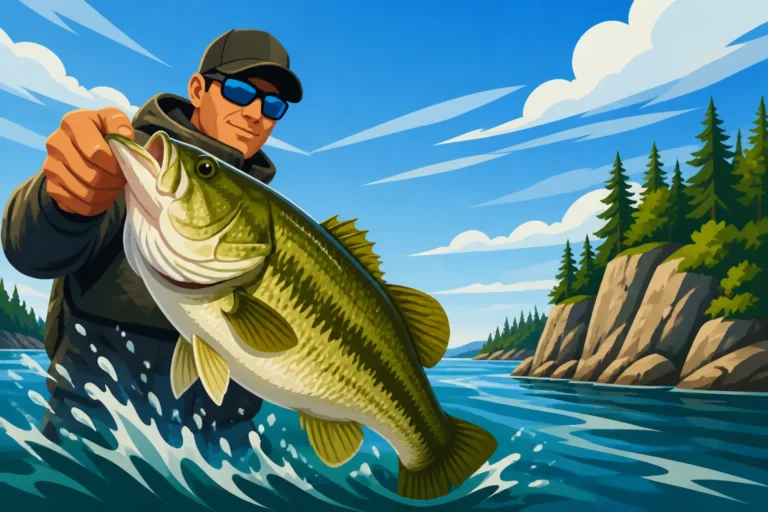
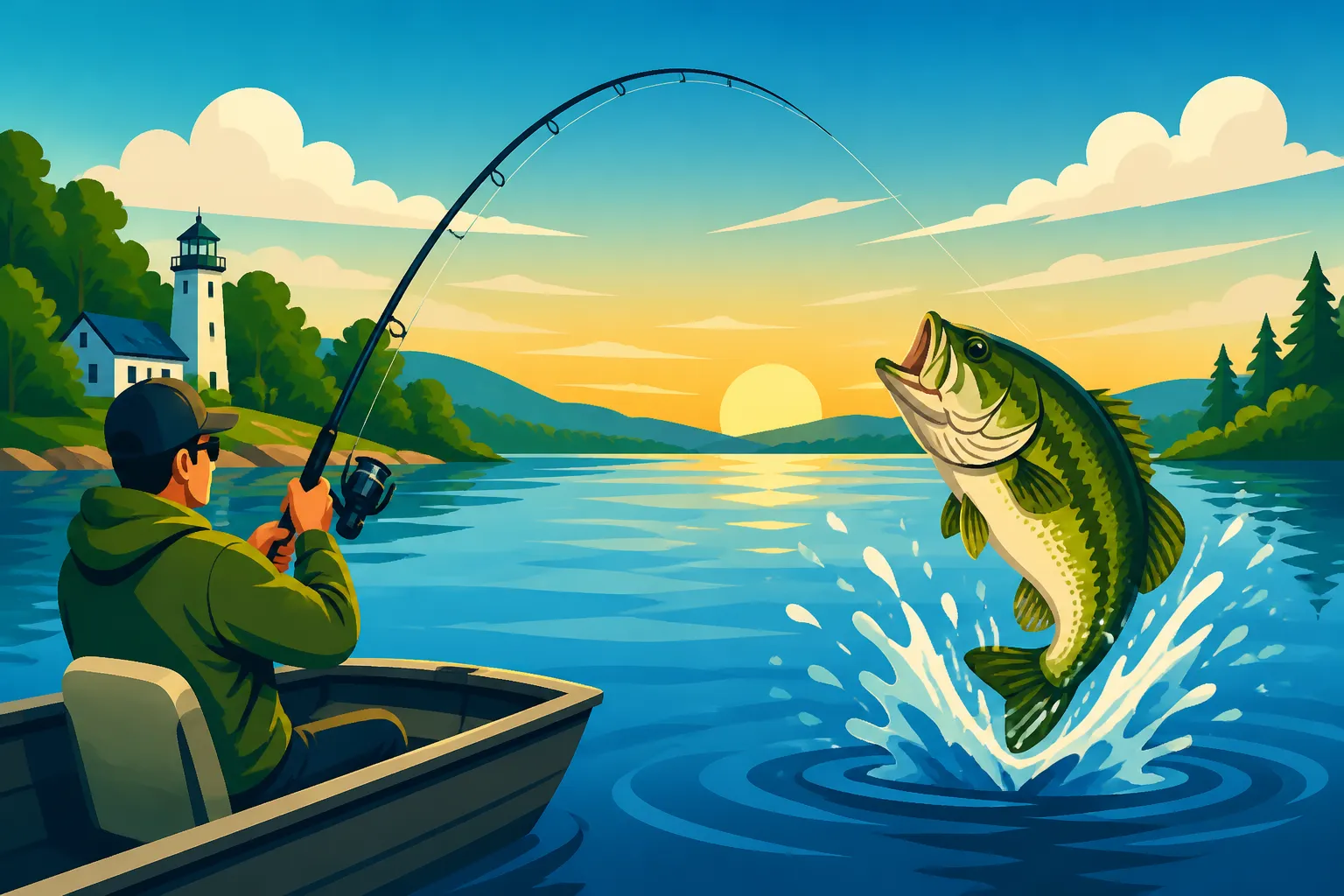
Chautauqua Lake offers fantastic opportunities for both largemouth and smallmouth bass, each found in different parts of the lake and requiring distinct approaches. The largemouth bass fishery thrives in the shallower, weed-choked South Basin. These green giants love to hide in dense cover—lily pads, thick weed mats, fallen timber, and around docks—ambushing unsuspecting prey. Anglers targeting largemouth will have success with heavy-cover techniques like flipping jigs and soft plastics into mats, working topwater frogs over lily pads, or burning spinnerbaits along weed edges. The sheer amount of prime habitat means that landing a bucketmouth is a real possibility on almost any cast in the South Basin. For a deeper dive into these popular game fish, our guide on Largemouth Bass in New York provides excellent general information.
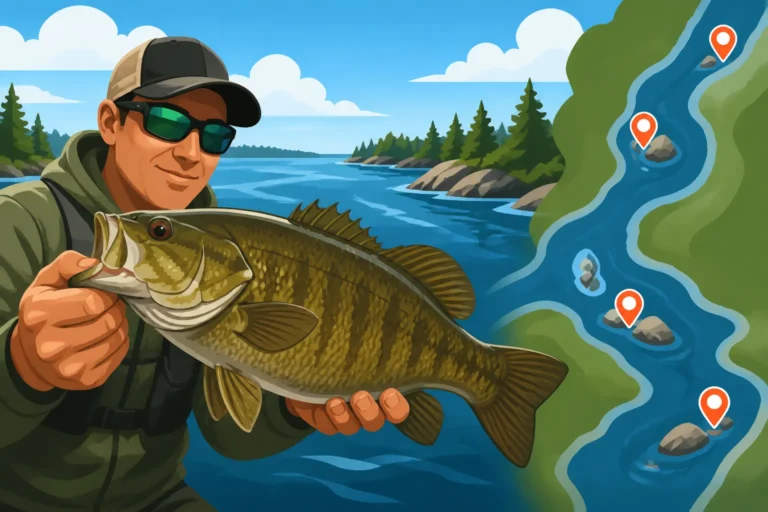
Conversely, smallmouth bass, often called "bronzebacks," prefer the clearer, rockier, and deeper waters of the North Basin. They are structure-oriented fish, gravitating towards rocky points, ledges, humps, and gravel beds. Smallmouth are known for their aggressive strikes and powerful fights, often leaping clear of the water when hooked. Effective techniques include drop-shotting, using tube jigs, crankbaits, and spinnerbaits, especially around transitional areas where rock meets sand or weeds. They can also be found schooling in open water, chasing baitfish. Whether you prefer the thrill of a topwater blow-up in the weeds or the hard-fighting acrobatics of a smallmouth on a rocky shoal, Chautauqua Lake delivers a superb bass fishing experience for both species. Insights into Smallmouth Bass in New York can further refine your techniques for these feisty fighters.
Navigating Chautauqua Lake's Hotspots
To truly succeed on Chautauqua Lake, it's not enough to know what you're fishing for; you also need to know where to find them. The lake's distinct North and South basins offer different terrains and, consequently, different hotspots that cater to specific species and fishing styles. Understanding these areas will significantly boost your chances of a memorable catch.
North Basin Favorites: Deep Water and Structure
The North Basin of Chautauqua Lake is characterized by its greater depth, cooler waters, and more pronounced structural elements. This makes it a prime hunting ground for walleye, smallmouth bass, and muskellunge that prefer deeper, more open water or specific bottom contours.
One of the most notable features is the Chautauqua Narrows, the constricted section connecting the two basins. This area, particularly the deeper channels and drop-offs along its length, acts as a natural funnel for baitfish and predators alike. Walleye often stage here, especially during low-light conditions, and it's a known patrol route for muskies. Anglers frequently drift or troll through the Narrows, employing jigs or deep-diving crankbaits. The sudden depth changes and current can concentrate fish in predictable locations.
Further north, around the town of Mayville, the water opens up and deepens considerably. Look for submerged humps and points that extend into the main lake basin. These features often break up the deep, flat bottom, providing critical ambush points for smallmouth bass and walleye. Using your fish finder to locate these subtle underwater structures and the baitfish around them is crucial. Trolling across these humps or casting jigs and soft plastics directly onto them can yield excellent results. Additionally, the deep weed lines that eventually give way to open water are prime muskie territory, particularly during late summer and fall. Many local guides listed on platforms like FishingBooker specialize in these deep-water tactics, and booking with one can dramatically shorten your learning curve.
South Basin Secrets: Shallower Weeds and Inlets
The South Basin, in stark contrast to its northern counterpart, is a haven of shallower water, extensive weed growth, and numerous smaller bays and inlets. This environment is perfect for largemouth bass, panfish, and offers abundant cover for muskellunge seeking warmer water and dense ambush points.
Ashville Bay is a fantastic example of a productive South Basin hotspot. This large bay, located on the western side, features expansive shallow flats choked with lily pads, coontail, and other aquatic vegetation. It's a largemouth bass paradise, where anglers can spend hours pitching frogs, flukes, and creature baits into the thick stuff. The edges of these weed beds, particularly where they meet slightly deeper water or a channel, are also prime for spinnerbaits and chatterbaits. You'll also find plenty of panfish here, making it a great spot for lighter tackle.
Another key area is Bemus Bay and the surrounding shoreline near the town of Bemus Point. This area, with its numerous docks, boat lifts, and submerged brush, provides excellent cover for crappie, bluegill, and opportunistic largemouth bass. Flipping jigs under docks or casting small crankbaits parallel to seawalls can be incredibly effective. The small inlets and creek mouths that feed into the South Basin also attract fish, especially during periods of runoff, bringing in nutrients and bait. These spots concentrate fish and often present unique opportunities, particularly for spring and fall fishing. When looking for similar accessible fishing, considering resources like Best Public Fishing Access Sites in New York can broaden your options for shore fishing on other bodies of water.
Pier and Shore Fishing Access Points
Not everyone has access to a boat, and thankfully, Chautauqua Lake offers several excellent options for pier and shore anglers. These spots are fantastic for a casual outing, especially for targeting panfish, smaller bass, and occasionally a cruising walleye or muskie.
The Mayville Lakeside Park pier on the North Basin provides solid access to deeper water without needing a boat. From here, anglers can cast for perch, bluegill, and even walleye or smallmouth bass, particularly around sunrise and sunset. It's a popular spot for locals and visitors alike, offering convenience and a chance to enjoy the scenic views.
In the South Basin, the Long Point State Park pier and other public access points in and around Jamestown offer similar opportunities. The shallower, weedier conditions here mean you'll be more likely to encounter largemouth bass and a variety of panfish. These spots are excellent for kids, as the action can be steady, and simple bait-and-bobber setups are often all you need. Always be mindful of local regulations and posted signage regarding fishing access and rules at parks. While not directly comparable in environment, general guidance from Best Fishing Piers in New York City can offer useful tips on pier etiquette and common species found around urban fishing structures, applicable to any public pier setting.
Seasonal Strategies for Chautauqua Lake Anglers
Chautauqua Lake truly transforms with the seasons, offering a completely different fishing experience throughout the year. Understanding these seasonal shifts in fish behavior, location, and preferred forage is crucial for consistent success. What works in spring will likely fall flat in summer, and vice-versa.
Spring Awakening: Post-Spawn Feasts
Spring on Chautauqua Lake is a time of renewal and increased activity, as water temperatures slowly begin to rise. After the long, cold winter, fish become more active and begin to move into shallower waters for spawning or to feed aggressively after their arduous breeding rituals.
Early spring sees the walleye move into shallower, rocky areas to spawn. This is a prime time to target them with jigs and live bait, especially around the Narrows and the northern reaches of the lake. As the water warms further, crappie will stage in shallow bays and around submerged brush, making them relatively easy to catch on small jigs and minnows. This is also when largemouth and smallmouth bass begin their pre-spawn and spawning phases, moving into warmer coves and flats. Targeting them with slow-moving baits like jigs, swimbaits, and spinnerbaits near cover can be highly effective. It’s important to respect bass during their spawn, as many anglers opt for catch-and-release during this sensitive period. Keeping an eye on the official New York Walleye Season Dates and New York Bass Season Opening Day is essential to ensure you're fishing legally and responsibly.
Summer Sunshine: Deep Water and Early Morning Bites
As summer truly sets in, Chautauqua Lake experiences its warmest water temperatures and heaviest recreational boat traffic. This dramatically changes fishing patterns. Many species, especially walleye and smallmouth bass, will retreat to deeper, cooler waters, often found in the North Basin.
During the scorching summer days, your best bet for these species is often to target them during low-light conditions—early mornings, late evenings, or even at night. Walleye will move onto shallow shoals and humps to feed under the cover of darkness. Daytime fishing in summer usually means going deep, employing trolling techniques with crankbaits or fishing drop-shots and jigs on deep structure for smallmouth. Muskellunge, however, remain active throughout the summer, often lurking around the edges of deep weed beds in both basins. Anglers will still cast large baits, but might also troll larger plugs in deeper water. The sheer volume of boats on the lake during peak summer hours can also push fish deeper or into denser cover, making quiet periods even more productive. This is also a fantastic time for panfishing in the South Basin, as bluegill and perch remain active in the abundant weed growth.
Fall Frenzy: Pre-Winter Feeding
Autumn on Chautauqua Lake is arguably one of the most exciting times to fish, especially for trophy hunters. As water temperatures begin to drop and days shorten, many species enter a "fall feeding frenzy" in preparation for winter. Fish become incredibly aggressive, trying to pack on as much weight as possible.
This is prime time for muskellunge. The cooler water revitalizes these big predators, and they will actively chase large baits, often close to shore or along weed edges where baitfish are schooling. Larger bucktails, gliders, and even live bait are common tactics. The fall muskie bite can be legendary here. Walleye also become very active in the fall, often schooling up in predictable locations as they feed heavily. Jigging and trolling can be highly productive. Largemouth and smallmouth bass will also gorge themselves on baitfish, making them susceptible to a variety of lures, from crankbaits to jerkbaits fished along structure. The cooler temperatures and fewer recreational boaters also contribute to a more pleasant and productive fishing experience. For a comprehensive overview of how to approach this period, our guide on Best Fall Fishing Techniques in New York offers fantastic insights.
Winter Wonderland: Ice Fishing Opportunities
When the cold truly sets in and Chautauqua Lake freezes over, a whole new world of angling opens up: ice fishing. Chautauqua is a popular destination for hard water anglers, particularly for walleye, yellow perch, and crappie.
Safety is always paramount when ice fishing. Always check ice thickness, and never venture out alone or onto unsafe ice. Once the ice is safe, the South Basin, with its shallower depths, tends to freeze first and provides excellent access for panfish. Jigging small spoons and jigs tipped with spikes or wax worms is highly effective for perch and crappie. For walleye, anglers often target deeper humps and drop-offs in both basins, using tip-ups with live minnows or jigging aggressively with spoons and rippin' raps. The stillness and solitude of ice fishing offer a unique connection to the lake, and the action can be fast and furious once you locate a school of fish. If you're new to ice fishing or looking to refine your skills, exploring our extensive guide on Ice Fishing in New York: A Complete Guide or specific tips like How to Ice Fish for Walleye in New York is highly recommended.
Essential Gear and Techniques for Chautauqua Lake
Having the right equipment and knowing how to use it effectively can make all the difference between a frustrating day and a fantastic one on Chautauqua Lake. This lake demands versatility in gear and a willingness to adapt your techniques to its varied environments and target species.
Rods, Reels, and Line: Matching the Species
The sheer variety of fish in Chautauqua Lake means you’ll likely need a range of setups to be truly prepared. For the legendary muskellunge, there’s no cutting corners. You'll need heavy-duty gear: a stout, long casting rod (8-10 feet, heavy power), a high-quality baitcasting reel with a robust drag system, and heavy braided line (80-100 lb test) paired with a heavy fluorocarbon or wire leader. This setup is designed to cast large, heavy lures, withstand the violent strikes, and handle the incredible power of a trophy muskie.
For walleye and smallmouth bass, a medium-heavy spinning or baitcasting rod (6'6" to 7'6") with a fast action is ideal. Pair this with a reliable spinning reel spooled with 8-15 lb fluorocarbon or braided line with a fluorocarbon leader. This combination offers the sensitivity for detecting subtle bites and the power to set the hook and fight these hard-charging fish. When it comes to panfish like perch, crappie, and bluegill, lighter is better. A light to ultra-light spinning rod (5-7 feet) with a small, sensitive reel spooled with 4-6 lb monofilament or fluorocarbon line will provide maximum fun and detect the lightest nibbles. Matching your gear to your target species isn't just about efficiency; it's about maximizing your enjoyment and success.
Lure Selection: From Bucktails to Jigs
Just like your rod and reel setups, your tackle box for Chautauqua Lake needs to be diverse. For muskellunge, large is the name of the game. Bucktails (double bladed or triple bladed), large jerkbaits, glide baits, and massive crankbaits (like those from the Grandma or Wiley series) are staples. Natural colors often work best in clear water, while brighter patterns can shine in stained conditions or on cloudy days. You might even consider large rubber baits for a different presentation. If you're curious about specific options, Best Lures for Muskellunge provides excellent recommendations.
Walleye anglers will want to carry a good selection of jigs (1/4 to 1/2 oz) in various colors, often tipped with live minnows, nightcrawlers, or soft plastic trailers. Blade baits, lipless crankbaits, and deep-diving crankbaits are also highly effective, particularly when trolling. Learning How to Jig for Walleye can be a game-changer. For bass, a wide array of lures is in order: soft plastics (worms, creature baits, tubes) for flipping and pitching, spinnerbaits and chatterbaits for covering water, topwater lures (frogs, poppers) for explosive strikes, and crankbaits for deeper presentations. Panfish, on the other hand, are less finicky. Small jigs, tiny spoons, bobber-and-bait setups with worm pieces or minnows, and micro-plastics are all highly effective. Always have a variety of colors and sizes on hand to adapt to changing conditions and fish preferences.
Boating and Electronics: Enhancing Your Experience
Given its size and varied depths, a boat is often essential for truly exploring Chautauqua Lake and accessing its best fishing spots. Whether it's a small fishing boat with a reliable outboard, a bass boat, or even a kayak, having mobility opens up a world of opportunities. For those targeting muskies or fishing the deeper North Basin, a larger, more stable vessel is often preferred.
Beyond the boat itself, modern electronics have become invaluable. A quality fish finder with GPS and mapping capabilities is almost a necessity, especially when searching for walleye on deep humps or locating those crucial weed edges for muskie and bass. Side imaging and down imaging can help you identify structure and even individual fish outside your sonar cone, while GPS allows you to mark waypoints, track your trolling passes, and navigate safely. A good trolling motor, either bow-mounted with spot-lock technology or a reliable transom-mount, provides precise boat control, which is critical for working weed lines, holding on spots, or silent maneuvering in shallow bays. Many professional guides found on services like FishingBooker come equipped with top-tier electronics and can demonstrate how to use them effectively. Having these tools will greatly enhance your ability to locate and stay on fish, making your trip to Chautauqua Lake far more productive.
Regulations, Licenses, and Responsible Angling
Fishing on Chautauqua Lake, like anywhere else in New York, requires adherence to specific regulations and a commitment to responsible angling practices. These rules are in place to protect the valuable fishery and ensure its health and sustainability for future generations. Ignoring them can lead to hefty fines and a diminished angling experience for everyone.
Understanding New York State Fishing Regulations
Before you even make your first cast, you must have a valid New York State fishing license. This is non-negotiable for anyone 16 years of age or older. You can easily purchase your license online through the New York State Department of Environmental Conservation (DEC) website, at a licensed vendor like Walmart or a local bait shop, or at a DEC office. For a complete guide, our resource on New York Fishing License Guide will walk you through the process.
Beyond the general license, Chautauqua Lake has specific regulations that apply to certain species, especially muskellunge and walleye. These include minimum size limits, daily creel (bag) limits, and sometimes even slot limits (where fish within a certain size range must be released). For instance, muskie often have a very generous minimum size limit to protect larger, spawning fish, and the daily limit is typically one. Walleye also have specific size and bag limits. These regulations can change, so it is absolutely critical to consult the most current New York State Freshwater Fishing Regulations Guide annually. This guide is available on the DEC website and where licenses are sold. Familiarizing yourself with New York Fishing Regulations Explained will help you understand the broader context of these rules and how they apply to your Chautauqua Lake adventure. Always carry your fishing license and be ready to present it to a conservation officer if asked.
Choosing a Chautauqua Lake Fishing Guide
While Chautauqua Lake offers fantastic public access and plenty of resources for the independent angler, sometimes the best way to experience a new body of water, especially one with unique challenges like muskie fishing, is by hiring a local guide. A seasoned guide brings years of experience, intimate knowledge of current fish patterns, access to specialized gear, and a deep understanding of the lake's ever-changing conditions.
This is particularly true for muskellunge. These fish are notoriously difficult to catch, and a guide can teach you proper casting techniques for large baits, how to identify prime habitat, and the crucial "figure-eight" boat-side maneuver that often entices follows into strikes. Guides are also invaluable for first-time visitors, helping you quickly identify productive areas for walleye, bass, or panfish, thereby maximizing your fishing time. Platforms like FishingBooker make it easy to find reputable Chautauqua Lake fishing guides, complete with reviews, trip details, and booking options. They take care of the details, often providing all necessary tackle and ensuring you're fishing within regulations. If you're serious about your trip, consider our guide on Chautauqua Lake Fishing Guides for insights on selecting the best one for your needs.
Practicing Conservation and Catch & Release
The health and vitality of Chautauqua Lake's fishery depend heavily on responsible angling practices. While it's always thrilling to keep a few fish for a fresh meal (within legal limits, of course!), practicing catch-and-release is vital, especially for trophy species like muskellunge and large bass.
When you do practice catch-and-release, ensure you handle fish with care. Minimize their time out of the water, support their body horizontally (especially larger fish), avoid touching their gills, and use de-hooking tools to remove hooks quickly and cleanly. For muskie, many anglers use large, knotless rubber nets to safely boat and release the fish. Using circle hooks for bait fishing, where permitted, can also reduce deep hooking and improve fish survival rates. Our guide on Catch-and-Release Handling Rules offers detailed instructions on how to properly release fish to ensure their survival. Beyond direct fish handling, practicing "Leave No Trace" principles is essential. Pack out all your trash, avoid littering, and dispose of fishing line responsibly. Preserving the pristine environment of Chautauqua Lake ensures that it remains a premier fishing destination for everyone to enjoy for generations to come.
Chautauqua Lake Species & Seasonal Overview
To give you a quick glance at what to expect, here's a helpful table summarizing key species, their best seasons, and general regulations. Remember to always consult the current New York DEC regulations for the most up-to-date and specific rules.
| Species | Best Seasons | Prime Habitat | Key Techniques | Daily Limit (General NY) | Minimum Size (General NY) |
|---|---|---|---|---|---|
| Muskellunge | Summer, Fall | Weed edges, deep drop-offs | Large Bucktails, Jerkbaits, Trolling | 1 (check lake-specific) | 40-54" (check lake-specific) |
| Walleye | Spring, Fall, Winter | Shoals, rocky bottoms, deep humps | Jigging, Trolling Crankbaits, Live Bait | 5 | 15" |
| Largemouth Bass | Spring, Summer, Fall | Heavy weeds, lily pads, docks | Flipping/Pitching, Topwater, Spinnerbaits | 5 | 12" |
| Smallmouth Bass | Spring, Summer, Fall | Rocky points, ledges, open water | Drop-shotting, Tube Jigs, Crankbaits | 5 | 12" |
| Yellow Perch | Year-round | Weed edges, open water schools | Small Jigs, Worms, Minnows | 50 | None |
| Black Crappie | Spring, Fall, Winter | Submerged brush, docks, timber | Small Jigs, Minnows | 25 | 9" |
| Bluegill/Sunfish | Year-round | Weedy shallows, docks | Worms, Crickets, Small Jigs | 50 | None |
Disclaimer
The information provided in this guide is for general informational purposes only and is subject to change. Fishing regulations, season dates, and limits are determined by the New York State Department of Environmental Conservation (DEC) and can vary annually or by specific water body. Always consult the official New York State Freshwater Fishing Regulations Guide for the current year before engaging in any fishing activity. It is the angler's responsibility to know and follow all applicable laws and regulations.