Lake George Lake Trout Fishing in New York
Lake George is a magnificent body of water, often called the "Queen of American Lakes," and its beauty can sometimes make finding its elusive lake trout feel like an overwhelming task. This enormous, deep lake presents unique challenges for anglers targeting lakers, and simply casting a line without a game plan can lead to a lot of frustration and empty nets. This guide is here to cut through the guesswork, offering seasoned insights into where, when, and how to successfully hook into Lake George's impressive lake trout.
The Mystique of Lake George's Lake Trout
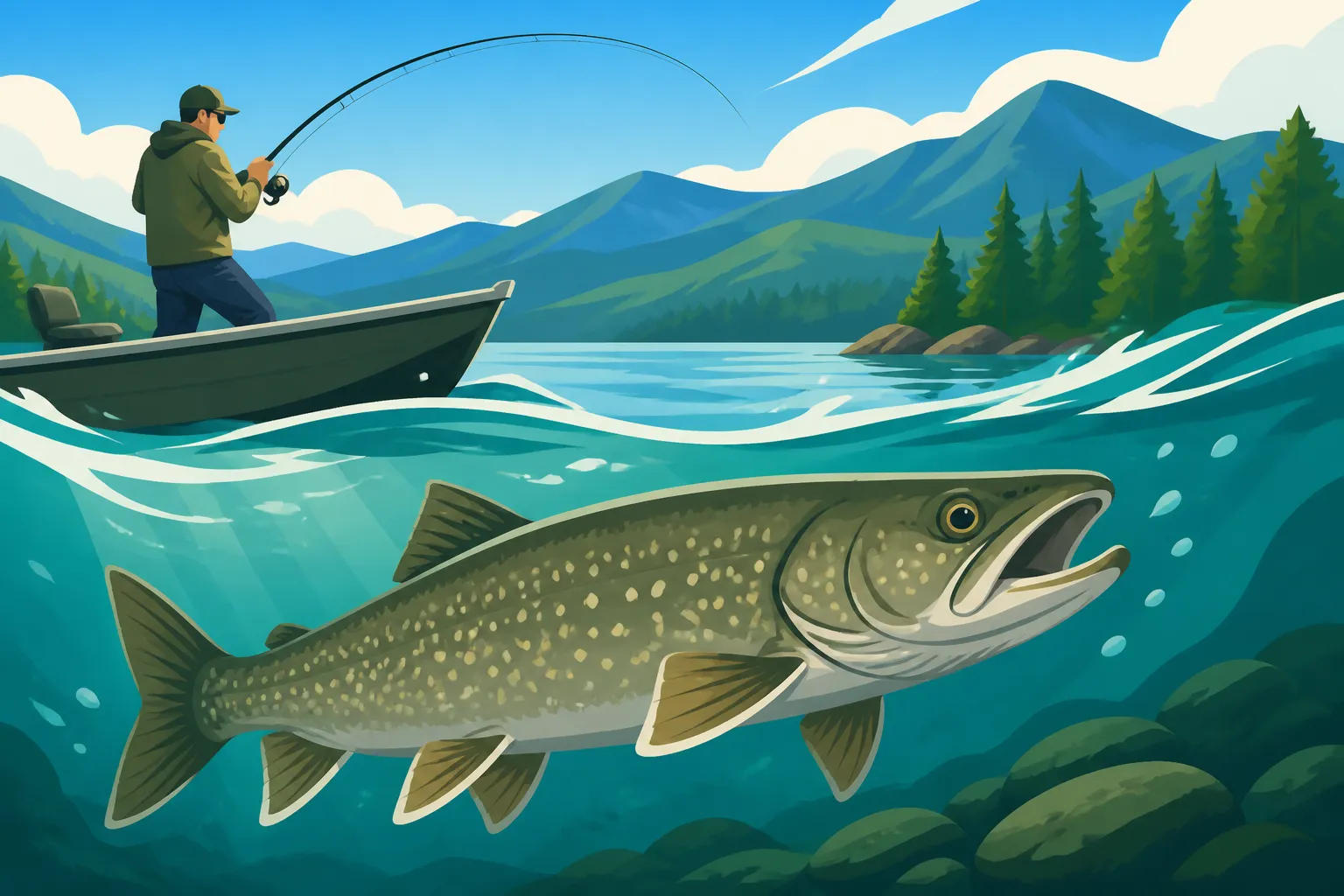
Lake George is renowned for its pristine waters and stunning scenery, but beneath the surface, it harbors a robust population of lake trout. These aren't just any trout; they are cold-water apex predators, often growing to impressive sizes, making them a highly sought-after sportfish. Understanding their behavior and habitat is the first step toward consistent success.
A Deep-Water Dweller's Paradise
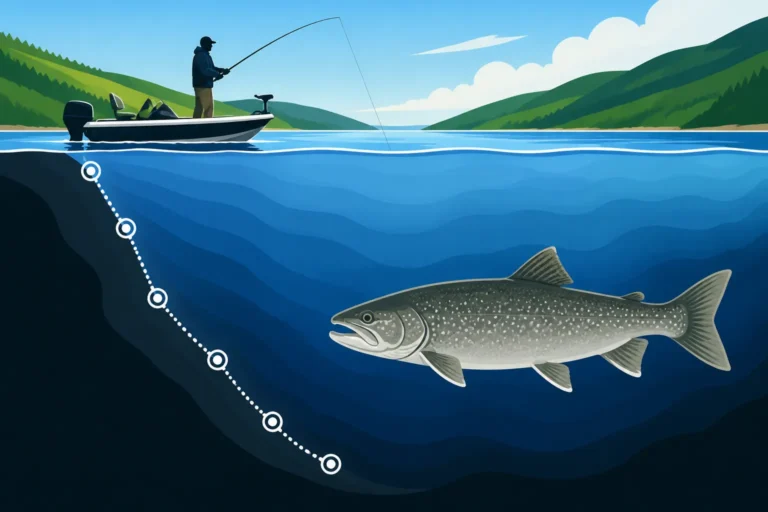
Lake trout, or Salvelinus namaycush, are perfectly adapted to the deep, cold, oxygen-rich waters that characterize Lake George. The lake boasts depths exceeding 180 feet in some areas, providing ample habitat for these fish, especially during the warmer months. They thrive in water temperatures ranging from the low 40s to the mid-50s Fahrenheit, which is why they retreat to the cooler depths when the surface warms up. This preference for specific thermal zones, often associated with the lake's thermocline, dictates much of their seasonal movement and where anglers need to target them.
A Rich History and Sustained Fishery
Lake George has a long and storied history of lake trout fishing. While native populations have always existed, the fishery is also supported by strategic stocking programs by the New York State Department of Environmental Conservation (DEC). These stocking efforts, combined with stringent regulations, ensure a healthy and sustainable population for future generations of anglers. These regulations often include specific size limits, daily creel limits, and season dates designed to protect spawning fish and maintain a balanced ecosystem. Knowing the current New York Fishing Regulations Explained is crucial before heading out.
Unveiling Prime Lake Trout Hotspots on Lake George
Given Lake George's impressive size—32 miles long and covering nearly 28,000 acres—pinpointing where to begin can be daunting. Lake trout are migratory within the lake, following their preferred temperatures and forage base. However, certain areas consistently produce more fish due to their structure, depth, and concentration of baitfish like smelt and cisco.
The Depths of the Main Lake Basin
The vast, open waters of the main lake basin, particularly where depths consistently exceed 80-100 feet, are prime territories for lake trout. These areas often feature subtle underwater contours, humps, and drop-offs that act as highways and holding points for lakers. Focus on the sections between Diamond Point and Bolton Landing, and further north towards Hague. These expansive areas require boat fishing, often with sophisticated electronics to locate schools of baitfish and the lake trout that follow them. Don't be afraid to explore these deeper sections, as Lake George's "flat" bottom is rarely truly flat, holding hidden gems for keen anglers.
Structured Gems and Underwater Features
While lake trout prefer open water, they also relate to structure, especially significant underwater points, shoals, and channels that provide ambush points or access to different depths.
- The Narrows: This famous section of Lake George, characterized by numerous islands and intricate channels, offers excellent lake trout opportunities, especially during cooler seasons or in the deeper channels. The complex underwater topography provides abundant cover and current breaks.
- The Tongue Mountain Range: The underwater extensions of this dramatic mountain range, particularly off points like Northwest Bay, present steep drop-offs and ledges that attract baitfish and, consequently, lake trout. Fishing the edges of these submerged structures can be incredibly productive.
- Shelving Points and Reefs: Look for areas where the lake bottom shelves gradually into deeper water, or where isolated reefs rise from the depths. These transitional zones are excellent feeding grounds. For instance, the deeper water off of Paradise Bay or around some of the larger islands can be very productive.
If you're considering hiring a professional to navigate these intricate spots, platforms like FishingBooker can help you find experienced Lake George fishing guides who specialize in lake trout. They often have years of accumulated knowledge about the precise coordinates and seasonal patterns of these hotspots.
Mastering Techniques and Gear for Lake George Lake Trout
Successfully catching lake trout in Lake George demands specialized techniques and equipment. These fish are powerful, and often found at considerable depths, so your setup needs to be up to the task.
Trolling: The Dominant Strategy
Trolling is unequivocally the most popular and often most effective method for targeting Lake George lake trout, especially from spring through fall. The goal is to present lures at specific depths where the fish are holding, covering a lot of water in the process.
- Downriggers: These are almost essential for consistent deepwater trolling. Downriggers allow you to precisely control the depth of your lure, ensuring it stays in the strike zone, whether that's 50 feet or 150 feet down. Using multiple downriggers with different lure types and colors can help you dial in what the fish prefer on a given day.
- Lead Core Line: An alternative or complement to downriggers, lead core line is braided line with a lead core that helps it sink. Different "colors" (sections) of lead core sink to different depths, offering a more portable deepwater solution for smaller boats or those without downriggers.
- Planer Boards: While less common for the deepest lakers, planer boards can be used to spread out lines, particularly when fishing closer to the surface in spring or fall, presenting lures away from the boat's wake.
When it comes to lures for trolling, you'll want to pack a variety. Large spoons like the classic Suttons (especially the silver/blue or silver/red patterns), Northern King, or Michigan Stinger spoons are perennial favorites. Stickbaits, such as Rapala Deep Divers, ThunderSticks, or Bomber Long A models, in natural baitfish colors (silver/blue, perch, smelt patterns), also work wonders. Speed is critical; often a slower troll (1.8-2.5 mph) is best for lake trout, but varying your speed with s-turns can trigger strikes. You can learn more about Trolling Techniques for New York's Lakes in our detailed guide.
Jigging and Live Bait: Versatile Options
While trolling covers vast expanses, jigging can be incredibly effective when you've located schools of fish or are targeting specific structures.
- Heavy Jigs and Spoons: Vertical jigging with heavy metal jigs (1-3 oz) or Swedish Pimple-style spoons can entice strikes from deepwater lakers. Tip them with a piece of cut bait or a soft plastic trailer for added attraction. This method is particularly popular during winter ice fishing or when fish are concentrated in specific deep areas.
- Live Bait: Smelt are the undisputed king of lake trout bait on Lake George. Fishing them on a slip-sinker rig or under a bobber (if shallow enough) can be deadly. Using them as a tipping agent for jigs or spoons also significantly increases their effectiveness. Always check local regulations regarding baitfish use, as rules can vary.
Rods, Reels, and Line Considerations
For Lake George lake trout, you'll want medium-heavy to heavy action rods, around 7-9 feet long, capable of handling heavy lines and powerful fish. Levelwind conventional reels are standard for trolling, spooled with 20-30 lb monofilament or braided line. When using braid, consider adding a fluorocarbon leader for abrasion resistance and invisibility.
Seasonal Strategies for Lake Trout Success
Lake trout behavior in Lake George is highly seasonal, driven primarily by water temperature and their spawning cycle. Adapting your approach to the time of year is paramount for consistent success.
| Season | Typical Water Depth | Recommended Techniques | Lure/Bait Focus | Notes |
|---|---|---|---|---|
| Spring | 10-50 feet | Trolling, Casting | Spoons, Stickbaits, Smelt | Post-ice out, fish are active near surface. |
| Early Summer | 40-80 feet | Trolling (Downriggers) | Spoons, Stickbaits, Smelt | Fish moving deeper as surface warms; thermocline forming. |
| Mid-Summer | 60-120+ feet | Deep Trolling (Downriggers), Vertical Jigging | Heavy Spoons, Jigs, Live Smelt | Fish are in coldest, deepest water. Focus on thermocline. |
| Fall | 30-80 feet (pre-spawn) | Trolling, Casting | Spoons, Stickbaits, Smelt | Fish move shallower for pre-spawn feeding. |
| Winter | 30-70 feet | Ice Jigging, Tip-ups | Jigs (tipped), Live Smelt | Excellent ice fishing opportunities in safe areas. |
This table provides a snapshot, but remember that fish behavior can vary year-to-year based on weather patterns and specific lake conditions. Checking current reports or local bait shops for up-to-date information is always a good idea. Looking up a fishing report through services like FishingBooker can offer real-time insights into what’s biting and where.
Spring: Surface Action and Active Feeding
As the ice retreats and water temperatures begin to rise in April and May, lake trout become incredibly active and move into shallower waters. They're often found in the top 10 to 40 feet of the water column, gorging on baitfish. This is a fantastic time for flat-line trolling or even casting from shore or boat with spoons and stickbaits in areas where the lake deepens quickly. Focus on areas near recent ice-out or where tributary streams feed into the lake, bringing in nutrients and bait. For general guidelines, refer to our comprehensive guide on New York Fishing Seasons Explained.
Summer: The Deepwater Retreat
Once July and August arrive, the surface waters of Lake George become too warm for lake trout. They retreat to the cooler, oxygen-rich depths, often congregating along the thermocline (the layer where warm surface water meets cold deep water). This is when downriggers become indispensable. You'll be targeting fish in 60 to 120 feet of water, sometimes even deeper. Early morning and late evening bites are often best, as the fish may make brief forays into slightly shallower water to feed before retreating to the deepest sections. This is also when techniques like vertical jigging over deep structure can be highly productive. Knowing the Best Time of Year to Fish in New York can further refine your strategy.
Fall: Pre-Spawn Blitz and Shallower Movements
As autumn sets in and water temperatures begin to cool, lake trout experience a resurgence of activity, often moving shallower in preparation for their spawning season. This pre-spawn period, typically in October and November, can offer some of the most exciting fishing of the year. Fish can be found in depths ranging from 30 to 80 feet, actively feeding. Trolling with spoons and stickbaits remains highly effective. Pay close attention to areas with rocky bottoms and ledges, as these are often preferred spawning grounds.
Winter: Ice Fishing Excitement
When Lake George freezes over, usually from late December through March, the focus shifts to ice fishing. This provides a unique opportunity to target lake trout through the ice. Jigging with heavy spoons or tubes tipped with cut bait is a go-to technique. Tip-ups set with live smelt are also extremely effective, allowing you to cover multiple depths and areas. Always prioritize safety when ice fishing; never venture onto ice you aren't sure is thick enough. Our guide to Ice Fishing in New York: A Complete Guide offers vital safety tips and techniques.
Before you head out, make sure you have your New York Fishing License Guide in order. If you're new to trout fishing, we have an excellent resource on How to Trout Fish in New York that covers general principles applicable to Lake George as well. For those keen on understanding the diverse populations, a look into Fish Species You Can Catch in New York, particularly Lake Trout in New York, will give you a deeper appreciation for this magnificent fish.
Disclaimer
Fishing regulations and conditions are subject to change. Always consult the latest New York State Department of Environmental Conservation (DEC) fishing regulations before planning your trip to Lake George. This guide provides general information and recommendations, but local conditions, weather, and fish behavior can vary. Stay safe and enjoy your time on the water!