Fishing the Willowemoc Creek
For many of us who dream of that perfect trout stream, the sheer number of options in New York State can feel overwhelming. You want clear, cold water, healthy fish, and a touch of that legendary history that only certain rivers possess. If you've ever felt that yearning for an authentic Catskills fly fishing experience, but weren't sure where to start, then this guide to fishing the Willowemoc Creek is exactly what you need. We're going to dive deep into everything you need to know to make your trip a resounding success.
The Willowemoc Creek: A Catskills Icon
Nestled deep within the legendary Catskill Mountains, the Willowemoc Creek isn't just another stream; it's a living legend in the world of fly fishing. For generations, anglers have made pilgrimages to its banks, drawn by its pristine waters, challenging trout, and the rich history that permeates every ripple and pool. If you've ever imagined yourself casting a line in a place where modern fly fishing was essentially born, the Willowemoc is your destination.
Where the Willowemoc Flows: A Geographic Overview
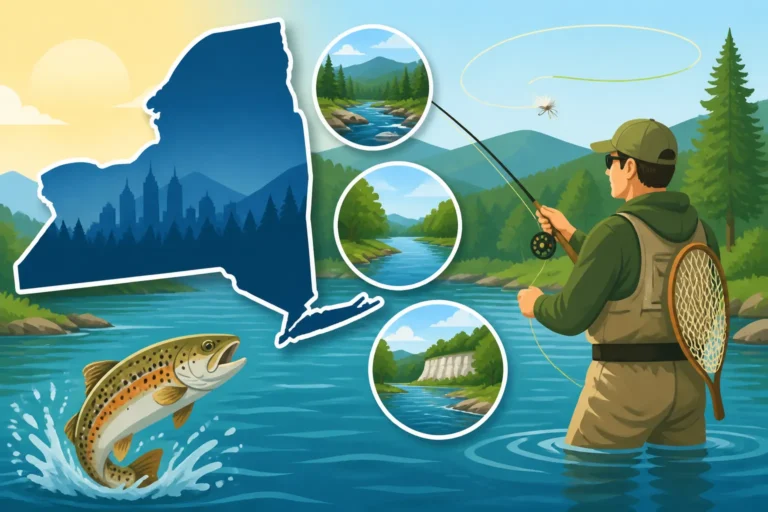
The Willowemoc Creek, a tributary of the larger Delaware River system, carves its way through Sullivan County, New York, in the western Catskills. Its journey begins high in the mountains, collecting crystal-clear snowmelt and spring water before flowing generally southwestward. This relatively short, yet incredibly productive, stream runs through the charming hamlet of Livingston Manor, which has become a veritable hub for fly fishing enthusiasts. The Willowemoc is characterized by its freestone nature, meaning its bed is largely composed of cobble and gravel, creating a dynamic environment of riffles, runs, pools, and occasional pockets.
The topography here is classic Catskills – rolling hills covered in dense forest, providing ample shade and contributing to the cool water temperatures that trout thrive in. The creek's gradient varies, offering both faster, oxygenated sections perfect for active feeding and slower, deeper pools where larger, warier trout often hold. As it winds its way through Livingston Manor, the creek becomes highly accessible, with numerous public fishing access points and the inviting presence of local fly shops and outfitters. Understanding the Willowemoc's path and its surrounding landscape is the first step to truly appreciating its unique fishing opportunities.
A Storied History in Fly Fishing Culture
The Willowemoc Creek isn't just biologically significant; it's culturally immense. Alongside its famous neighbors like the Beaverkill and Esopus, the Willowemoc holds a sacred place in American fly fishing history. It was on these waters, and those nearby, that many of the techniques, fly patterns, and ethical principles of modern dry fly fishing were first developed and refined in the late 19th and early 20th centuries. Iconic figures like Theodore Gordon, considered the "Father of American Dry Fly Fishing," often frequented these streams, and their innovations profoundly shaped the sport we know today.
The Livingston Manor area, in particular, was a melting pot for pioneering anglers and fly tiers. The local fishing clubs and lodges became centers for sharing knowledge, testing new patterns, and debating the nuances of presentation. This legacy means that when you fish the Willowemoc, you're not just casting a line; you're participating in a tradition that spans generations. The echoes of those early pioneers can still be felt, especially in the careful stewardship of the creek by local conservation groups and the dedicated anglers who cherish its heritage. This deep historical connection adds an extra layer of meaning to every cast, making a day on the Willowemoc far more than just a fishing trip.
Understanding Willowemoc's Trout Species and Seasons
When you envision fishing the Willowemoc Creek, you're likely thinking about trout, and for good reason! This creek is renowned for its vibrant trout populations, offering anglers a shot at several exciting species. But knowing what to expect, and when, is key to success.
The Prized Trout of the Willowemoc: Brown, Brook, and Rainbow
The Willowemoc Creek is primarily a brown trout fishery. These beautiful, intelligent fish are well-adapted to the freestone stream environment and can grow to impressive sizes, particularly in the deeper pools and runs. Many of the brown trout you'll encounter are wild or wild-reproducing, meaning they were either born in the creek or are the offspring of stocked fish that have adapted to its conditions. They offer a challenging and rewarding angling experience, often requiring subtle presentations and keen observation. If you're interested in learning more about these specific fish, check out our guide on Brown Trout in New York.
While brown trout reign supreme, you'll also find a healthy population of brook trout, especially as you move into the creek's smaller, colder tributaries and the upper reaches. These native gems, with their distinctive worm-like markings and vibrant colors, are a true delight to catch and are often found in more pristine, secluded sections. They typically don't reach the same size as brown trout but are feisty fighters on light tackle. For those who love the pursuit of native species, understanding the nuances of Brook Trout in New York can greatly enhance your experience on the Willowemoc.
In addition to these resident populations, the New York State Department of Environmental Conservation (DEC) regularly stocks the Willowemoc with rainbow trout. These stocked fish provide additional angling opportunities, especially early in the season, and often exhibit a more aggressive take. They can be found throughout the accessible sections of the creek, adding variety to your catch. It's always exciting to hook into a chrome-bright rainbow, and you can learn more about these fish in our article on Rainbow Trout in New York. The combination of these three species ensures diverse and engaging fishing throughout the year.
Navigating the Fishing Seasons: When to Find Them
The trout fishing season on the Willowemoc Creek generally follows the statewide regulations for inland trout streams. Typically, the season officially opens on April 1st and runs through October 15th. This early spring opening is eagerly anticipated by many anglers, as the fish are often hungry and active after the winter months. Knowing When Does Trout Season Open in New York? is crucial for planning your initial trips.
Spring (April – May): This is prime time for many anglers. Water levels are typically higher, and hatches of early season insects like Hendricksons and Quill Gordons can trigger incredible dry fly action. Stocked rainbow trout are often plentiful and can be more forgiving for newer anglers. Brown trout become more active as water temperatures rise, eagerly feeding on emerging insects and baitfish. Nymphing is particularly effective during this period when hatches aren't strong or fish aren't rising.
Summer (June – August): As summer progresses, water temperatures can rise, and flows might decrease, especially in dry years. Fishing typically becomes more challenging, requiring earlier morning or late evening excursions when water temperatures are cooler and hatches occur. Terrestrials (ants, beetles, grasshoppers) become important food sources, and nymphing in deeper, cooler pockets can still produce. Target the shaded areas and cooler feeder streams.
Fall (September – October 15th, and Catch-and-Release to March 31st): Fall is a fantastic time to be on the Willowemoc. Water temperatures cool, fish become more aggressive, and the vibrant foliage creates a stunning backdrop. Brown trout begin their pre-spawn feeding frenzy, making them highly active and often more willing to chase streamers. After October 15th, many sections of the Willowemoc transition into a catch-and-release only season for trout, extending angling opportunities through the winter until March 31st. This can be a quiet, rewarding time to pursue larger, smarter trout. Always consult the most current New York Freshwater Fishing Rules to ensure you're compliant with all regulations, as some areas may have special catch-and-release or tackle restrictions.
Mastering Willowemoc Creek Fishing Techniques
Fishing the Willowemoc Creek, especially for its wily trout, demands a thoughtful approach and a good understanding of both fly fishing and conventional tactics. While it's primarily a fly fishing destination, knowing the right techniques and having the right gear can make all the difference.
Fly Fishing: The Art of the Willowemoc
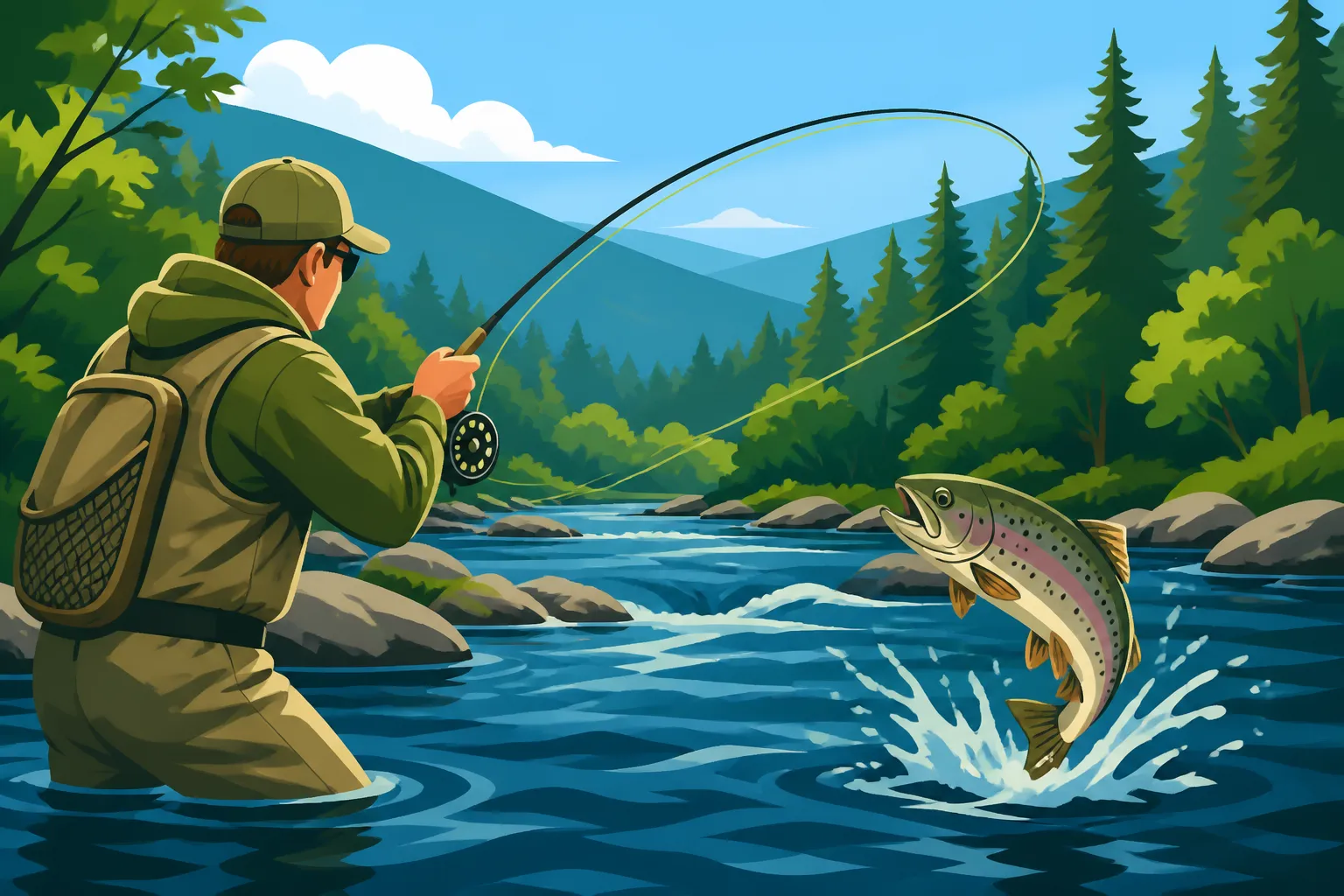
For many, the Willowemoc Creek is synonymous with fly fishing. This is where the dry fly tradition blossomed, and it remains the most popular and often most rewarding method for pursuing its trout. Mastering the art here involves patience, observation, and a willingness to adapt to changing conditions.
Dry Fly Fishing: When conditions are right, and trout are rising to feed on emerging insects, dry fly fishing is an unparalleled experience on the Willowemoc. You'll need to pay close attention to the specific hatches occurring. Early season often sees Hendricksons, Quill Gordons, and Blue Winged Olives. As summer progresses, Sulphurs, Caddisflies, and eventually Isochias become prominent. Matching the hatch precisely isn't always necessary, but having a selection of common Best Fly Patterns for Catskills Trout in various sizes will certainly improve your chances. Presentation is key; a soft, accurate cast that allows the fly to drift naturally without drag is paramount. Focus on seams, current breaks, and the edges of pools where trout often lie in ambush.
Nymphing: Even when fish aren't rising, nymphing can be incredibly effective, often accounting for the majority of fish caught throughout the season. Trout spend most of their lives feeding sub-surface, so presenting an imitation of an aquatic insect nymph or larva can be deadly. Techniques like indicator nymphing, where a small float indicates subtle takes, or euro nymphing, which uses tight-line contact for sensitivity, are both popular. Having a range of nymphs that imitate mayfly and caddisfly larvae, as well as attractor patterns like Squirmy Wormies or Walt's Worms, will serve you well. Our guide on How to Nymph Fish for Trout delves deeper into these techniques.
Streamer Fishing: For targeting larger, more aggressive brown trout, especially during higher water flows or in the cooler months of spring and fall, streamer fishing can be incredibly productive. These flies imitate baitfish, and a properly presented streamer can trigger a predatory strike from a trout that might ignore a tiny dry fly. Casting across and downcurrent, then stripping the streamer back in an erratic motion, often entices a chase. Think about flies like Woolly Buggers, Sculpins, or articulated patterns in olive, black, or natural baitfish colors. This method can be thrilling, as the strikes are often ferocious. If you're new to the sport, our guide on How to Fly Fish in New York can provide a great foundation.
Essential Gear and Tackle for Creek Success
Having the right gear makes your Willowemoc experience more comfortable and productive. You don't need the most expensive equipment, but reliability and suitability for the environment are key.
Fly Rods and Reels: For fly fishing on the Willowemoc, a 3-weight to 5-weight fly rod, typically 7.5 to 9 feet in length, is ideal. A 4-weight, 8.5-foot rod is often considered a perfect all-around choice. This lighter tackle allows for delicate presentations of smaller flies but still has enough backbone to handle a decent-sized trout. Pair this with a matching fly reel with a smooth drag and appropriate weight-forward floating fly line. Don't forget an extra spool with sinking or sink-tip line if you plan on streamer fishing often.
Wading Gear: Wading is often necessary to access prime casting positions and navigate the creek's varied terrain. Breathable chest waders are essential for comfort, especially in colder water. Pair them with sturdy wading boots that offer good ankle support and felt or rubber soles for traction on slippery rocks. A wading staff can be a lifesaver, providing stability in swift currents or on uneven bottoms. Always prioritize safety when wading, especially after heavy rains when water levels can rise quickly.
Terminal Tackle and Accessories: Your fly box should be well-stocked with the patterns mentioned above, in various sizes. Carry fluorocarbon or monofilament tippet in 4X, 5X, and 6X for different fly sizes and water conditions. Hemostats or forceps are crucial for hook removal, a pair of nippers for trimming line, and a small net with a rubber bag for safely landing and releasing fish. Polarized sunglasses are non-negotiable for spotting fish and reading the water. A small backpack or vest to carry your gear, water, and snacks completes the setup. Remember, preparation and organization will allow you to focus on the fishing itself.
Planning Your Willowemoc Creek Fishing Trip
A successful fishing trip to the Willowemoc Creek involves more than just knowing how to cast. It's about understanding access, respecting regulations, and tapping into local knowledge to enhance your experience.
Access Points and Public Fishing Rights
One of the great things about fishing the Willowemoc Creek, especially around Livingston Manor, is the relatively good public access. The New York State Department of Environmental Conservation (DEC) has secured numerous Public Fishing Rights (PFR) easements along the creek. These designated sections allow anglers to legally access the stream and its banks, often marked by brown and yellow "Public Fishing Rights" signs.
You'll find designated parking areas and footpaths leading to the creek in many spots. For example, popular access points exist near the Livingston Manor covered bridge, upstream and downstream of town, and along various county roads that parallel the creek. It's crucial, however, to always be aware of private property boundaries. Respecting landowners' rights is paramount to maintaining good relations and ensuring continued public access. Never trespass, and always stay within the clearly marked PFR boundaries. A good local map or a fishing app that highlights PFR sections can be incredibly helpful. You might also consider exploring some of the Best Public Fishing Access Sites in New York to broaden your horizons.
Key Regulations and Conservation Ethics
Like all New York waterways, the Willowemoc Creek is subject to specific fishing regulations designed to protect fish populations and ensure sustainable angling. Before you even think about putting a line in the water, you absolutely need a valid New York Fishing License Guide. These are mandatory for anyone 16 years or older.
Beyond the general license, the Willowemoc, like many premier trout streams, often has special regulations for certain sections. These might include reduced daily creel limits (e.g., one fish per day), specific size restrictions, or even catch-and-release only sections, particularly during certain times of the year or in areas managed for wild trout. Tackle restrictions, such as artificial lures only or fly fishing only, might also apply. It is your responsibility as an angler to check the latest New York State Fishing Regulations Guide, which can be found online through the DEC website or in print at most license vendors. Pay close attention to the section on "Special Regulations by County" for Sullivan County. Knowing exactly Where to Pick Up the New York Fishing Regulations Guide before your trip is a wise move.
Beyond the written rules, practicing good conservation ethics is vital. This includes:
- Catch and Release Best Practices: If you plan to release fish, handle them gently, keep them in the water as much as possible, and use barbless hooks to minimize harm.
- Leave No Trace: Pack out everything you pack in, including all trash and fishing line.
- Wade Smart: Avoid disturbing spawning beds (redds) and be mindful of stream bank erosion.
- Prevent Invasive Species: Clean, drain, and dry your gear between different bodies of water to prevent the spread of aquatic invasive species.
Local Resources and Accommodations
Livingston Manor itself is a charming town that caters heavily to the angling community. You'll find excellent local fly shops like Dette Flies or Beaverkill Angler. These shops are invaluable resources, offering not just gear, but also the most up-to-date information on current hatches, water conditions, and local hot spots. The staff are typically experienced local anglers eager to share their knowledge and point you in the right direction.
For those looking to deepen their experience or increase their chances of success, consider hiring a local fishing guide. A guide can provide invaluable insights into the creek's nuances, put you on fish, teach you specific techniques, and ensure you're compliant with all local regulations. Platforms like FishingBooker are excellent resources for finding reputable, experienced guides in the Livingston Manor area. You can browse various options, read reviews, and book directly, ensuring you connect with a professional who knows the Willowemoc inside and out. Even if you're an experienced angler, a guide can fast-track your learning curve on a new water. For tips on how to pick the right one, check out our guide on How to Choose a New York Fishing Charter.
Accommodation options in and around Livingston Manor range from cozy bed and breakfasts to rustic cabins and larger vacation rentals. There are also several campgrounds nearby for those who prefer to sleep under the stars. For dining, you'll find local eateries that offer hearty meals perfect after a long day on the water. Make sure to book accommodations in advance, especially during peak fishing seasons, as the Willowemoc's popularity means things can fill up quickly!
Disclaimer
The information provided in this guide is for general informational purposes only and is subject to change. Fishing regulations, seasons, and access points can vary. Always consult the latest official New York State Department of Environmental Conservation (DEC) regulations and local authorities before planning any fishing trip. The author and publisher are not responsible for any incidents, accidents, or regulatory violations that may occur.