Fishing the Niagara River Gorge
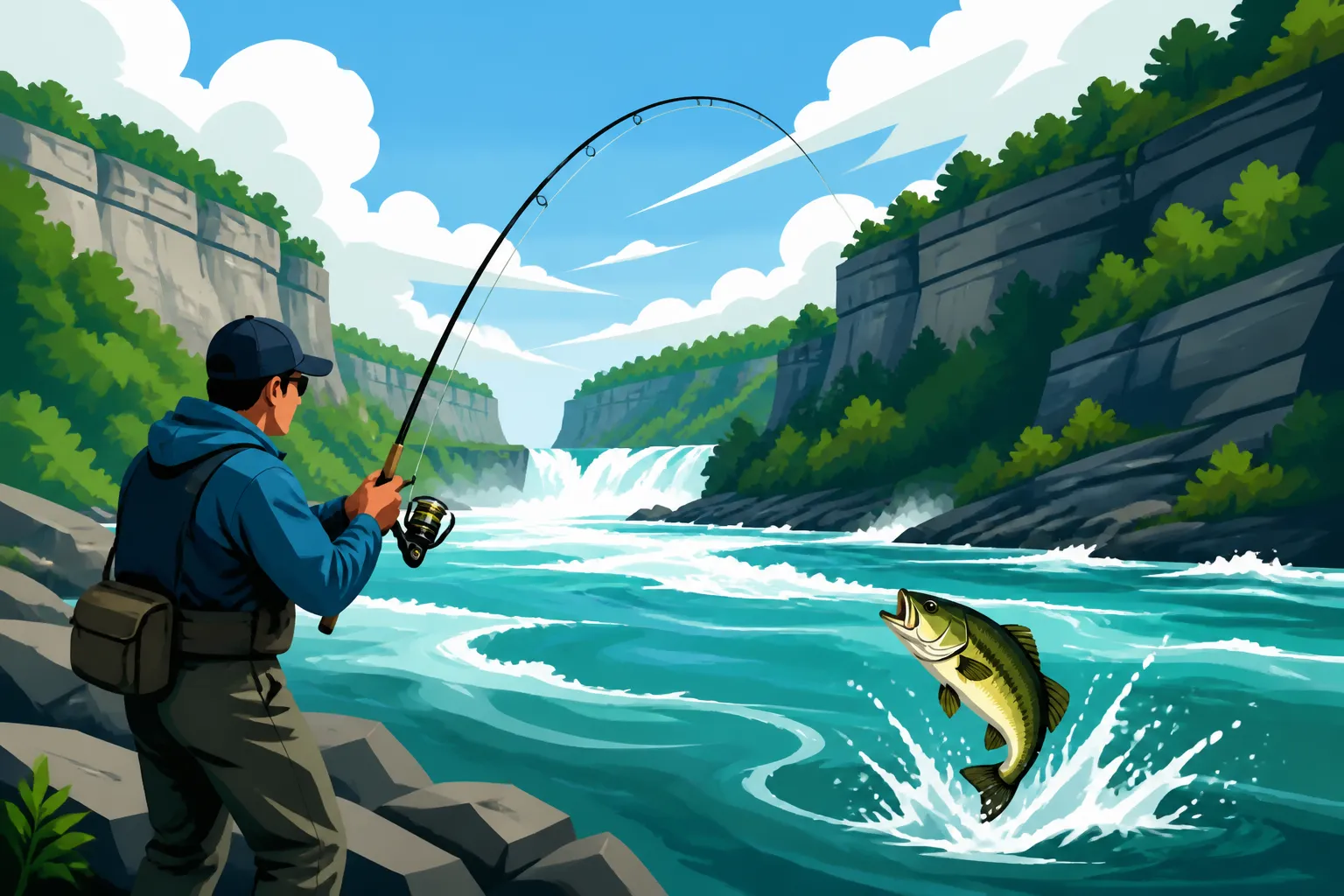
Fishing the Niagara River Gorge is an incredible, yet often intimidating, experience that can leave even seasoned anglers feeling overwhelmed by its sheer power and complexity. The unique forces of this epic waterway, connecting two Great Lakes, make it a truly world-class fishery, but understanding how to approach it is key to success. This comprehensive guide aims to demystify fishing the Niagara River Gorge, providing you with the essential knowledge, techniques, and safety tips to confidently tackle its currents and connect with its incredible game fish.
Understanding the Niagara River Gorge Fishery
The Niagara River, particularly the dramatic gorge section downstream from the iconic falls, is far more than just a breathtaking natural wonder; it's a dynamic, powerful, and incredibly productive fishery. Acting as a vital conduit between Lake Erie and Lake Ontario, this waterway funnels vast numbers of migratory fish, creating a unique and often challenging angling environment that demands respect and specialized approaches.
The Niagara River's Unique Ecosystem
Imagine a river fueled by the immense waters of Lake Erie, plunging over the Niagara Falls, and then carving a deep, turbulent path through ancient rock formations. That’s the Niagara River Gorge. Its constant, powerful flow ensures cold, highly oxygenated water, which is ideal for a wide array of fish species. Unlike many other rivers, the Niagara's connection to two Great Lakes means it experiences continuous fish migrations, not just seasonal runs. This makes it a year-round destination for those who know its secrets.
One of the first things anglers realize when they fish the gorge is the sheer force of the current. It's often necessary to use significantly heavier weights and lures than you might typically employ elsewhere, just to get your presentation to the strike zone. The water conditions can vary dramatically; on calm days, it might be clear, but after strong winds on Lake Erie or heavy rains, it can become murky and turbulent, adding another layer of challenge to boat control and bite detection. The river's deep pools, powerful rapids, and distinct current seams create diverse habitats. Understanding where fish will hold—often in calmer eddies or along current breaks—is fundamental to success in this powerful environment.
Why the Gorge is a Premier Fishing Destination
There's a very good reason the Niagara River Gorge consistently ranks as one of New York's top fishing destinations: it offers unparalleled opportunities for trophy-sized migratory fish. Unlike many other fisheries that are highly seasonal, the Niagara often holds various species throughout the year, with peak runs bringing in truly spectacular numbers and sizes of fish.
Where else can you realistically target massive Steelhead Trout in New York, powerful Chinook Salmon, hefty brown trout, and even elusive lake trout, all within the same relatively short stretch of river? Beyond these coldwater giants, the gorge also boasts a robust population of aggressive smallmouth bass, respectable numbers of walleye, and even the occasional muskellunge in certain sections. The incredible diversity and the potential for a true "fish of a lifetime" make it a magnet for dedicated anglers. The thrill of battling a chrome-bright steelhead as it leaps against the backdrop of the gorge's cliffs, or feeling the raw power of a King Salmon in a raging current, is an experience that transcends mere fishing; it's an adventure. It's this unique combination of challenging conditions and extraordinary rewards that solidifies the Niagara River Gorge's reputation as a world-class fishery.
Target Species and Prime Seasons
While the Niagara River Gorge is productive year-round, knowing which species are most active during different seasons significantly boosts your chances of a memorable trip. It’s not just about what's in the water; it's about timing your visit to coincide with the best opportunities for your preferred catch.
Seasonal Runs of Salmon and Trout
The undisputed stars of the Niagara River Gorge are its migratory salmon and trout, which spend years growing to impressive sizes in Lake Ontario before returning to the river system.
- Chinook Salmon (King Salmon): The fall run of Chinook salmon is legendary on the Niagara. Beginning as early as late August, with peak activity typically from September through October, these formidable fish enter the river from Lake Ontario. They are known for their explosive runs and brute strength, making them a top target for many anglers. While the main push is in the fall, some stragglers can be found into early winter. Always consult the latest New York Fishing Season Dates and Catch Limits for specific regulations on these prized fish.
- Coho Salmon (Silver Salmon): Often coinciding with the Chinook run, Coho salmon offer excellent action from September into November. Though generally smaller than Chinooks, Cohos are incredibly acrobatic fighters, frequently leaping clear of the water, providing thrilling battles.
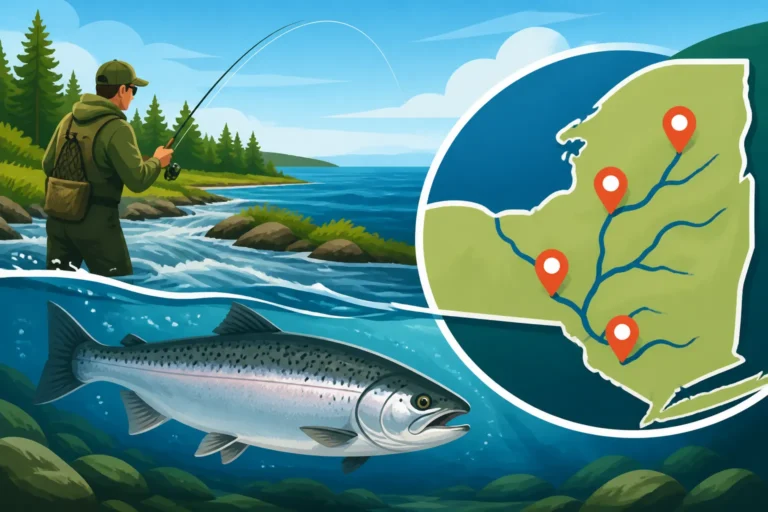
- Steelhead Trout (Migratory Rainbow Trout): This is arguably the Niagara River's most celebrated fishery, boasting an extended steelhead season that can span almost the entire year. Early pushes of steelhead arrive in the fall, feeding on salmon eggs. The cold winter months (December to March) see large numbers of "wintering" steelhead holding in deeper, slower sections of the river. The run intensifies in spring (March to May) as more fish enter for spawning. Even through summer, some resident steelhead are present. If you're looking to learn How to Fish for Steelhead in New York, the Niagara River Gorge offers some of the best opportunities.
- Brown Trout: While less abundant than steelhead or salmon, trophy brown trout are certainly present, especially during the fall and early winter. These opportunistic feeders often key in on salmon eggs and baitfish. Catches of truly massive brown trout are reported annually, often by anglers targeting other species. For more details on their habits, explore resources on Brown Trout in New York.
- Lake Trout: While not as common in the upper, more turbulent sections of the gorge, lake trout can be found in the deeper, cooler waters closer to Lake Ontario, particularly during the colder months. They are powerful, deep-dwelling fish that offer a challenging fight.
Warmwater Species and Summer Opportunities
Don't let the focus on coldwater species fool you; once the water warms, the Niagara River Gorge transforms, offering fantastic opportunities for warmwater species, particularly in the calmer sections and eddies.
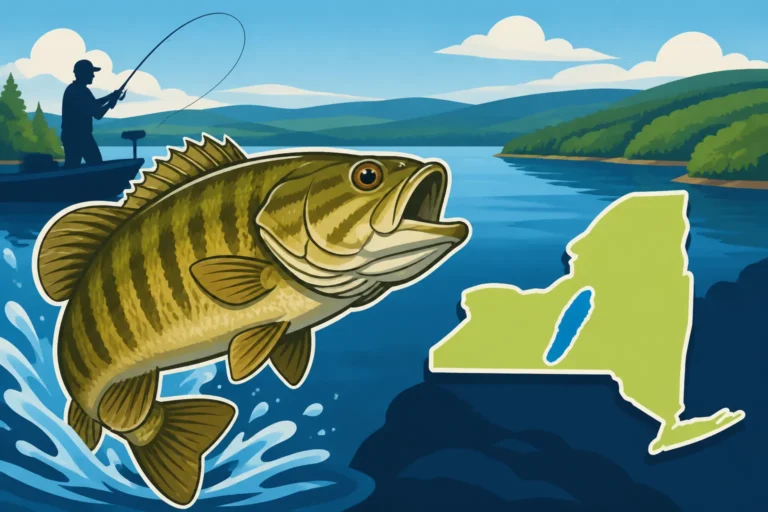
- Smallmouth Bass: From late spring through fall, the smallmouth bass fishing in the gorge is exceptional. These "bronzebacks" are celebrated for their aggressive strikes and incredible fighting spirit, often making spectacular aerial jumps. They typically relate to rocky structures, current breaks, and drop-offs. If you crave consistent action and a powerful fight, targeting smallmouth during the warmer months is highly rewarding.
- Walleye: Though often overshadowed by the migratory trout and salmon, the Niagara River supports a healthy population of walleye, especially in the deeper, more turbid areas. They are most active from late spring through early summer and again in the fall. Night fishing can be particularly effective for walleye in the gorge.
- Muskellunge (Muskie): While not as densely concentrated as in other New York waters like the St. Lawrence River, the occasional trophy muskellunge is caught in the Niagara, especially in wider, slower sections closer to Lake Ontario. These elusive apex predators are a rare but absolutely exhilarating catch.
Anglers should always consult the current New York DEC Fishing Regulations Guide to ensure compliance with all size and creel limits for every species they target. Ignorance of the rules is not an excuse, and game wardens patrol regularly.
| Species | Prime Season (General) | Key Traits | Common Baits/Lures |
|---|---|---|---|
| Chinook Salmon | Late Aug – Oct | Powerful, Fast Runs | Egg sacs, large spoons, plugs |
| Coho Salmon | Sep – Nov | Acrobatic, Strong Jumps | Egg sacs, small spoons, spinners |
| Steelhead Trout | Sep – May | Chrome, Leaping Fighters | Egg sacs, beads, nymphs, small jigs |
| Brown Trout | Oct – Jan | Cautious, Strong | Egg sacs, minnows, crankbaits |
| Smallmouth Bass | May – Oct | Aggressive, Leaping | Tube jigs, senkos, crankbaits |
| Walleye | May – Jul, Sep – Nov | Deep-dwelling, Delicious | Jigs, crankbaits, live minnows |
| Muskellunge | May – Dec | Apex Predator, Elusive | Large bucktails, jerkbaits, plugs |
Essential Techniques and Gear for Gorge Fishing
Fishing the Niagara River Gorge is a far cry from a tranquil day on a calm lake. The immense power of the currents, the significant depth, and the often large, formidable fish demand specific techniques and heavy-duty gear. Attempting to fish the gorge with inadequate equipment will inevitably lead to frustration, lost tackle, and missed opportunities.
Adapting to the Current: Drifting and Bottom Bouncing
The powerful current is the defining characteristic of the Niagara River Gorge, dictating nearly every aspect of successful angling. Getting your bait or lure to the fish effectively almost always means mastering various drifting and bottom-bouncing methods.
- Boat Drifting: For many, fishing from a boat is the most effective way to cover water and present baits naturally in the current. Anglers typically drift downstream with the current, using a trolling motor to meticulously control their speed and angle, ensuring their presentation stays in the strike zone. A common setup involves a three-way swivel rig, with a heavy bottom weight (often 1-3 ounces or even more, depending on current speed) and a leader presenting the bait or lure. The goal is to keep the weight occasionally tapping the bottom without dragging excessively, allowing your offering to drift just above where the fish are holding. This is an incredibly effective method for targeting migratory trout and salmon. If this sounds a bit complex, especially for a first-timer, consider booking a guide. Platforms like FishingBooker can connect you with highly experienced Niagara River guides who specialize in these precise techniques.
- Shore Fishing and Bottom Bouncing: Shore anglers, particularly in popular spots like Devil's Hole or the Whirlpool, also rely heavily on bottom bouncing. This might involve a heavy sinker on a three-way swivel or a Carolina rig, cast upstream and allowed to drift downstream. The angler maintains just enough tension to feel the bottom and detect subtle bites. For steelhead, "float fishing" is another hugely popular technique. This involves using a large, buoyant bobber or float to suspend an egg sac, bead, or small jig just off the bottom as it drifts with the current. This method requires a long, sensitive rod and excellent line management to detect the often faint strikes in the turbulent water. It’s a rewarding technique for species compliant with New York Freshwater Fishing Rules.
- Jigging and Casting: In calmer eddies and less turbulent sections, especially when targeting smallmouth bass and walleye, traditional jigging with tube jigs or swimbaits can be highly effective. Casting crankbaits or jerkbaits can also provoke aggressive strikes. In the deeper, slower pools, vertical jigging with heavy spoons or blade baits can entice sluggish fish. The universal truth here is that you need to get your presentation deep and keep it in the fish's face despite the moving water.
Rods, Reels, Line, and Lures
Your fishing tackle must be robust enough to withstand the powerful current and handle the formidable fish of the Niagara River Gorge. Underpowered gear will quickly lead to heartbreak.
- Rods: For salmon and steelhead, a medium-heavy to heavy power spinning rod, typically 8 to 10.5 feet long, is an excellent choice. The extra length provides superior line control, aids in casting heavy weights, and helps cushion the powerful runs of large fish. For boat-based drift fishing, a shorter, powerful rod (7-8 feet) might be preferred for maneuverability. For smallmouth bass, a medium-power, fast-action spinning rod (6.5-7.5 feet) offers the ideal balance of sensitivity and backbone.
- Reels: Invest in durable spinning reels in the 3000-5000 series range for trout and salmon. They need a robust drag system and ample line capacity. For bass, a 2500-3000 series reel will typically suffice. Reputable brands known for reliability and strength, such as Shimano or Daiwa, are often favored by serious Niagara anglers.
- Line: Braided line (20-30 lb test for salmon/steelhead, 10-20 lb for bass) is highly recommended as your main line. Its superior strength, sensitivity, and minimal stretch are crucial for detecting subtle bites in strong currents. Always use a fluorocarbon leader (10-20 lb test for trout/salmon, 6-12 lb for bass) for its excellent abrasion resistance and near-invisibility in clear water. This leader-to-main-line connection is paramount when battling a powerful fish like a Chinook Salmon in New York or a leaping steelhead.
- Baits and Lures:
- Egg Sacs/Beads: These are incredibly effective for steelhead and brown trout, particularly during and immediately after the salmon spawning season, as they perfectly imitate natural fish eggs.
- Plugs/Crankbaits: Large, deep-diving plugs in vibrant colors or natural baitfish patterns are excellent for salmon and aggressive trout, especially when trolled or back-trolled from a boat.
- Spoons: Heavy casting spoons (e.g., Krocadiles, Little Cleos) in silver, gold, or bright chartreuse can be highly effective for both salmon and trout.
- Jigs: Marabou jigs, hair jigs, and soft plastic tube jigs or grubs on heavy jig heads are versatile and can catch steelhead, smallmouth, and walleye. Adding scent to soft plastics can significantly enhance their appeal.
- Minnows/Smelt: Live or dead baitfish can be very productive for larger brown trout, lake trout, and walleye.
- Soft Plastics: For smallmouth bass, soft plastic baits like Senkos, swimbaits, and creature baits are consistently productive.
A critical piece of advice: always be mindful of your surroundings. If fishing from a boat, wear a life jacket without exception. For shore anglers, be aware of rapidly changing water levels, which can be affected by hydroelectric operations, and extremely slippery rocks. Sturdy, cleated wading boots are an absolute must for anyone venturing near the shore.
Access Points, Guides, and Safety Considerations
Successfully fishing the Niagara River Gorge requires more than just tackle; it demands knowledge of access points, an understanding of when to seek professional help, and, most importantly, an unwavering commitment to safety. This waterway is magnificent, but it commands respect.
Public Access and Shore Fishing Hotspots
While much of the Gorge features steep, treacherous terrain, several well-known public access points offer fantastic shore fishing opportunities. Be warned, though, that "access" often implies a challenging descent and ascent.
- Devil's Hole State Park (Niagara Falls, NY): This is arguably the most famous and productive shore fishing location in the upper gorge. It requires descending a long, steep set of stairs, but the reward is access to prime water known for steelhead, salmon, and large brown trout. The current here is incredibly intense, necessitating heavy tackle and careful wading. It's an excellent spot for drifting egg sacs or casting heavy spoons into the current seams. Just be fully prepared for the strenuous climb back up!
- Whirlpool State Park (Niagara Falls, NY): Situated just upstream from Devil's Hole, the Whirlpool offers similar steep access and equally incredible fishing. The unique "whirlpool" formation creates complex currents and distinct eddies where fish often stack up. It's another premier location for migratory species. Accessing these points during peak runs can mean navigating crowds, so arrive early.
- Lewiston Landing (Lewiston, NY): Further downstream, closer to Lake Ontario, Lewiston Landing provides much easier access with a public boat launch and a fishing pier. The currents here are still strong but generally more manageable than the upper gorge. It's a versatile spot for various species, including smallmouth bass, walleye, and occasional trout and salmon, particularly as they stage before entering Lake Ontario Fishing in New York: Where to Go. This area serves as a great entry point for those looking to fish the Niagara River without the extreme physical demands of the upper gorge.
- Artpark (Lewiston, NY): Located just below Lewiston Landing, Artpark offers some limited shoreline access, which can be productive for smallmouth bass and even occasional muskellunge. Anglers here often walk considerable distances along the shore to find less pressured water.
Always be mindful of private property, respect signage, and help preserve the gorge's natural beauty. Remember that having your New York Fishing License Guide readily available is a must, as enforcement patrols this iconic waterway.
The Value of Hiring a Fishing Guide
For many, especially those unfamiliar with the Niagara River Gorge's intricacies or seeking to maximize their chances of success, hiring an experienced local fishing guide is an absolutely invaluable investment. The unique challenges of this fishery make local expertise a genuine game-changer.
- Expert Navigation and Knowledge: Niagara River guides possess intimate knowledge of the complex currents, ever-changing conditions, and subtle holding lies that are virtually impossible for an outsider to discover. They understand how fish move and react to varying water levels and temperatures. Their boats are purpose-built and equipped for the powerful waters, ensuring a safer and significantly more effective trip.
- Optimized Techniques and Gear: Guides are immersed in Niagara River fishing. They know precisely which baits, lures, and presentations are most effective on any given day. They'll provide top-of-the-line gear specifically suited for the gorge, saving you the expense and guesswork. Crucially, they can teach you the nuanced techniques, such as How to Drift Fish for Steelhead, or proper boat control in powerful currents.
- Prioritizing Safety: Beyond finding fish, a reputable guide's primary concern is your safety. They constantly monitor weather conditions, understand the river's inherent hazards, and ensure all necessary safety equipment is on board and utilized. For first-time visitors, this peace of mind alone is worth the cost of the trip.
- Increased Success Rates: While no guide can guarantee fish, they dramatically increase your odds of a successful and memorable outing. They put you on fish, impart invaluable skills, and help you understand the fishery in a way that simply isn't possible on your own. Many excellent Niagara River guides can be found through platforms like FishingBooker, where you can peruse reviews and compare offerings. When you've had a great trip, understanding Tipping Etiquette for New York Fishing Charters is good practice.
- Booking a Guide: When searching for New York Fishing Charters and Guides specifically for the Niagara River Gorge, prioritize captains who specialize in this particular waterway. Some focus on drift-boat trips for steelhead and salmon, while others might concentrate on smallmouth bass or walleye from larger vessels. Websites like FishingBooker allow you to filter by location, target species, and trip type, making it easier to find the perfect match for your angling aspirations.
Crucial Safety Measures on the Niagara River Gorge
Fishing the Niagara River Gorge offers incredible rewards, but it also presents inherent risks due to its powerful, fast-moving water, deep drop-offs, and often challenging shoreline terrain. Your safety must always be your absolute highest priority.
- Always Wear a Life Jacket: Whether you're aboard a boat or wading near the shore, a properly fitted, Coast Guard-approved life jacket is non-negotiable. The current can be incredibly strong, and a simple slip on a wet rock can quickly escalate into a dangerous situation.
- Know Your Personal Limits: Do not attempt to wade into swift currents or climb treacherous, slippery sections of the gorge if you lack significant experience in such conditions. The rocks are often slick, and footing is unpredictable.
- Monitor Water Levels and Flow: The Niagara River's flow can change rapidly due to hydroelectric operations. Always be acutely aware of your surroundings and watch for any signs of rising or falling water levels, which can occur quickly and dramatically. The New York Power Authority (NYPA) provides real-time water flow data that can be an invaluable resource for planning your trip.
- Check Weather Conditions Religiously: Sudden storms, high winds, or heavy rains can drastically impact water conditions, visibility, and create hazardous situations, particularly for boaters. Always check the detailed forecast before heading out and throughout your day.
- Inform Someone of Your Plans: Before you leave, always tell a friend or family member exactly where you are going, what your fishing plans are, and when you expect to return. This simple step can be critical in the event of an emergency.
- Hydration and Appropriate Footwear: Bring plenty of water, even on cooler days, as physical exertion in the gorge can lead to dehydration. Wear sturdy, appropriate footwear with excellent grip. Felt-soled wading boots or cleats are highly recommended for shore anglers to prevent slips on algae-covered rocks.
- Fish with a Partner: Whenever possible, fish with at least one other person. Having a companion can make an enormous difference in an emergency, from assisting with a fall to calling for help.
Always respect the immense power of the Niagara River. It offers extraordinary fishing opportunities, but it demands caution, thorough preparation, and unwavering respect for its forces. By diligently adhering to these safety precautions, you can ensure a memorable and safe fishing adventure in this iconic New York waterway.
Disclaimer
The information provided in this guide is for general informational purposes only. Fishing regulations, conditions, and best practices can change. Always consult the latest official New York State Department of Environmental Conservation (DEC) regulations and local advisories before engaging in any fishing activities. Safety should always be your top priority.