How to Fish for Smallmouth Bass in Rivers
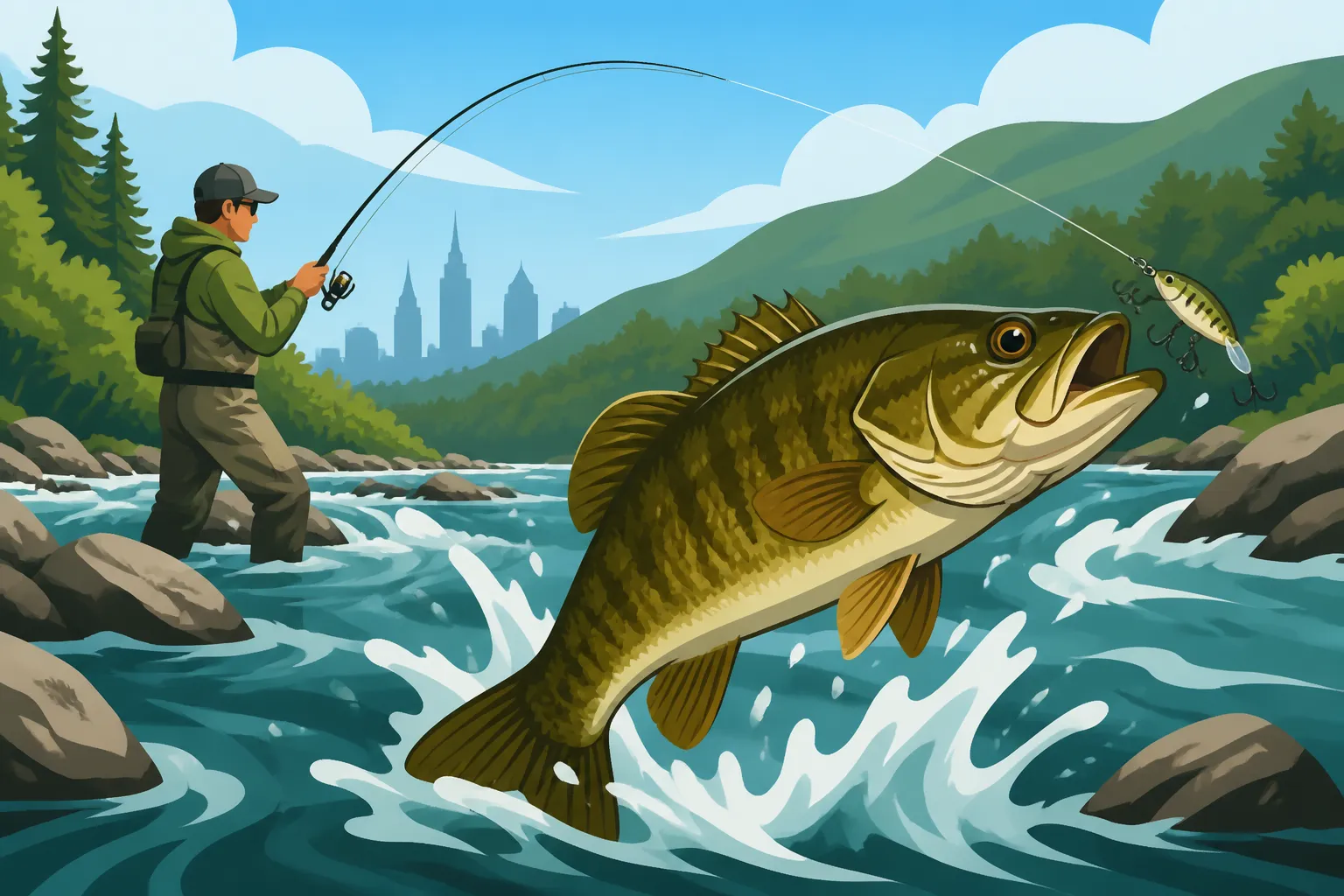
Fishing for smallmouth bass in rivers can be one of the most rewarding yet challenging experiences for any angler. Unlike still waters, rivers present a dynamic environment with constantly shifting currents, diverse structures, and often elusive fish, leaving many frustrated as they try to pinpoint these bronze beauties. This guide aims to demystify river smallmouth fishing, offering you proven strategies and local insights to consistently hook into these aggressive fighters right here in New York.
Understanding River Smallmouth Bass Behavior
To consistently catch smallmouth bass in river environments, you first need to get inside their heads, so to speak. These fish are masters of their domain, using the river's flow and features to their advantage for feeding, resting, and spawning. Understanding their basic instincts and how they interact with their surroundings is the foundation of successful river fishing.
Habitat Preferences and Structure
Smallmouth bass are intrinsically linked to structure and current in rivers. They are not typically found in slow, silty backwaters unless there's a specific reason, like spawning or seeking refuge from extreme conditions. Instead, they prefer areas with a moderate to strong current that provides a steady supply of oxygenated water and food, but always with some form of cover or break from the direct flow. Think about it: they're ambush predators, and expending too much energy fighting the current isn't efficient.
Look for areas where the river bottom changes significantly. Rock piles, boulders, submerged logs, ledges, and even bridge pilings are classic smallmouth havens. These structures create current breaks, eddies, and ambush points where a smallmouth can sit comfortably, conserving energy while waiting for prey to drift by. Deeper pockets downstream of these structures, or the seams where fast current meets slower water, are prime real estate. Understanding how water flows around these obstacles, creating both high-energy feeding zones and calm resting spots, is critical. For instance, a large boulder in the middle of a river creates a distinct current seam on its downstream side, often leading to a small, calm eddy right behind it. This eddy is a perfect ambush spot, allowing the bass to dart out into the faster current to grab a meal, then quickly retreat.
Foraging Habits and Prey
River smallmouth bass are opportunistic predators with a diverse diet, but they primarily feed on whatever is abundant and easy to ambush in the current. Their main food sources include crayfish, minnows, juvenile panfish, and a variety of aquatic insects. The presence of these prey items often dictates where you'll find smallmouth congregating. If you notice a particular type of baitfish or insect hatch occurring, adjust your lure selection to "match the hatch" as much as possible.
Crayfish are a cornerstone of a smallmouth's diet, especially in rocky rivers. If your river has a healthy population of crayfish, you can bet smallmouth will be keying in on them. They spend their lives scuttling along the bottom, making them easy targets for bass hiding among rocks. Minnows, like shiners and chubs, are also crucial, often schooling in calmer eddies or along current seams. Smallmouth will aggressively chase down these baitfish, making fast-moving lures effective. Being aware of the local forage base for the specific New York river you're fishing, whether it's the Susquehanna or the Delaware, can give you a significant edge in selecting the right lures and presentations.
Essential Gear for River Smallmouth Anglers
Having the right equipment can make all the difference when tackling river smallmouth bass. You're dealing with current, potentially snaggy bottoms, and powerful fish, so your gear needs to be up to the task. Don't skimp on quality, as a broken rod or snapped line due to cheap equipment can quickly turn a promising day into a frustrating one.
Rods, Reels, and Line Selection
For river smallmouth, a versatile setup is key. A medium-light to medium power spinning rod, typically 6'6" to 7' long, is an excellent all-around choice. This length provides good casting distance while still allowing for accurate presentations in tighter spots and good control over fighting fish in current. A fast action tip is highly recommended as it allows for quick hook sets and better sensitivity to detect subtle bites in moving water. For those who prefer baitcasting, a medium power rod with a fast action is also suitable, especially for heavier lures or pitching into tight cover.
Pair your rod with a reliable spinning reel in the 2500-3000 size range. Look for a smooth drag system, which is crucial for fighting strong fish that will use the current to their advantage. A good quality reel from brands like Shimano or Daiwa will stand up to the rigors of river fishing. When it comes to line, 8-12 lb test fluorocarbon or braided line is generally preferred. Fluorocarbon offers excellent abrasion resistance, sensitivity, and is nearly invisible underwater – a huge advantage in clear river conditions. Braided line, on the other hand, offers incredible strength-to-diameter ratio and zero stretch for maximum sensitivity, but you'll almost always want to tie on a fluorocarbon leader (4-6 feet of 8-10 lb test) for stealth and abrasion resistance. Many anglers find the blend of sensitivity and strength from braid with a fluoro leader to be the best of both worlds.
Lure and Bait Essentials
The world of smallmouth lures is vast, but for river fishing, a select few categories consistently produce. The goal is to imitate their natural prey, focusing on crayfish and various baitfish.
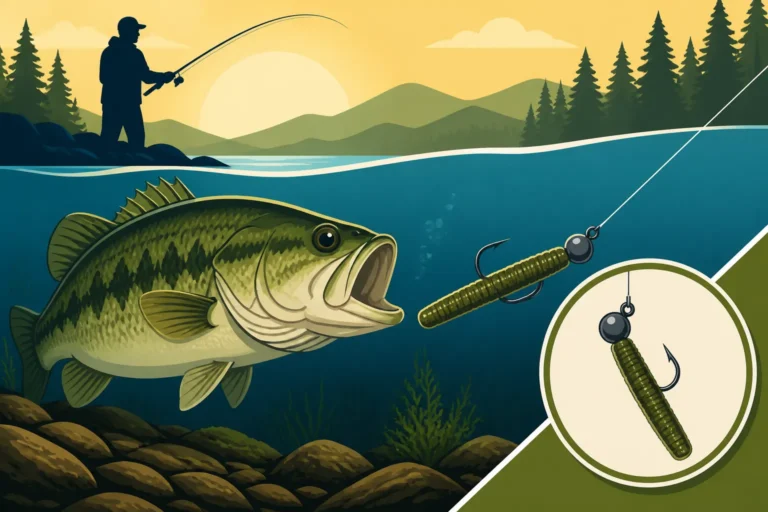
- Jigs: Jigs, especially those with soft plastic trailers or hair jigs, are king for river smallmouth. Think football jigs or finesse jigs ranging from 1/8 to 3/8 ounce. Colors that mimic crayfish (greens, browns, oranges) or baitfish (white, silver, black) are usually effective. The How to Fish a Tube Jig for Smallmouth Bass is a particularly deadly presentation in rivers.
- Crankbaits: Small crankbaits, both shallow-diving and medium-diving, are fantastic for covering water and triggering reaction strikes. Look for natural baitfish patterns or crawfish colors. Brands like Rapala and Strike King offer excellent river-specific models.
- Spinnerbaits/Chatterbaits: These provide flash and vibration, drawing fish from a distance. Again, whites, chartreuses, and natural baitfish colors are great starting points.
- Topwater Lures: In the right conditions (calm water, low light), topwater poppers, walk-the-dogs, or prop baits can provide explosive strikes.
- Soft Plastics: In addition to tube jigs, creature baits (imitating crayfish), grubs, and small swimbaits rigged on jig heads are highly effective. For clear water, consider the Best Smallmouth Bass Lures for Clear Water for maximum effectiveness.
Don't forget live bait! While many prefer artificials, a live shiner, crayfish, or even a nightcrawler drifted naturally through a current seam can be irresistible to a wary smallmouth. You can find a fantastic selection of these lures and other gear on Amazon, often with detailed reviews from other anglers to help you make informed choices.
Wading Gear and Safety
River fishing often means getting in the water, so appropriate wading gear is essential. Breathable chest waders and sturdy wading boots with good ankle support are crucial for comfort and safety. Felt soles or studded rubber soles offer superior grip on slick river rocks, preventing falls. Always wear a wading belt to prevent your waders from filling completely with water should you stumble.
Beyond waders, safety should be paramount. A wading staff is highly recommended for stability, especially in fast currents or unfamiliar terrain. A quality life vest or personal flotation device (PFD) is also a smart choice, particularly if you're venturing into deeper, faster sections or fishing alone. Carry a small backpack with essentials: water, snacks, a first-aid kit, and a pair of pliers for hook removal. Always check river levels and weather forecasts before you go, and never wade into water that looks too fast or too deep for your comfort level. Being prepared can save your life and allow you to fully enjoy your day on New York's beautiful rivers.
Top Techniques for River Smallmouth Bass
River smallmouth fishing isn't just about casting and reeling; it's a dynamic dance with the current, requiring specific techniques to present your lures naturally and effectively. Mastering these methods will significantly increase your catch rate.
Reading the River and Casting Strategies
One of the most critical skills for a river angler is the ability to "read the river." This means understanding how the current interacts with the bottom structure and bank features to create prime smallmouth habitat. Look for changes in water color, ripples, eddies, and foam lines – these are all clues. Current seams, where fast water meets slow water, are particularly important. Smallmouth often sit on the slower side of the seam, waiting for food to drift from the faster current.
Your casting strategy should always consider the current. Generally, it's best to cast upstream and allow your lure to drift naturally downstream through the strike zone. This upstream cast allows your lure to sink to the desired depth before it reaches the fish, presenting it as naturally as possible. When fishing current seams, cast your lure into the faster water upstream of where you expect the fish to be, allowing it to sweep into the slower water where the bass are holding. This natural presentation mimics how real baitfish or crayfish would move with the flow. Avoid casting directly downstream into the current, as this often creates an unnatural "bow" in your line and makes it difficult to maintain contact with your lure or detect bites.
Drift Fishing and Current Dynamics
Drift fishing is a fundamental technique for river smallmouth, especially with jigs and soft plastics. The goal is to present your lure so it tumbles and drifts along the bottom with the current, mimicking a helpless or injured baitfish or a scuttling crayfish. This method is incredibly effective because it looks natural and puts your lure right in front of fish that are already positioned to intercept drifting food.
To execute a proper drift, cast your lure upstream and slightly quartering across the current. As the lure drifts downstream, try to keep your rod tip high and reel just enough to maintain a semi-taut line. You want to feel the lure occasionally ticking the bottom, but not dragging excessively. The trick is to keep slack out of your line, allowing you to feel subtle bites, but not so tight that you're pulling the lure faster than the current. This "controlled slack" technique allows the lure to flow naturally while still giving you direct contact for hook sets. Pay close attention to any interruption in the drift or a sudden "thump" – that's often a smallmouth inhaling your lure. Experiment with different weights of jigs to find the lightest one that still allows you to maintain bottom contact in the given current speed.
Jigging and Bottom Bouncing
Jigging and bottom bouncing are incredibly effective for targeting smallmouth bass that are holding tight to structure on the river bottom. These techniques allow you to systematically work an area, enticing strikes from fish that might not chase a fast-moving lure.
For jigging, once your lure has sunk to the bottom, use short, sharp lifts of your rod tip (6-12 inches) to make the jig hop or dart, followed by allowing it to fall back on a semi-slack line. Most bites occur on the fall, so watch your line intently for any twitch, jump, or sudden stop. Vary the retrieve speed and the height of your lifts until you find what the fish prefer on that particular day. Bottom bouncing, on the other hand, is a more consistent retrieve where you're actively keeping your lure in contact with the bottom, often dragging it slowly or making very small hops. This is particularly effective with crayfish imitations like jigs or creature baits, as it mimics a crayfish crawling along the riverbed. Focus on areas with rocky bottoms, submerged wood, or any other structure that provides cover. These methods are fantastic for exploring deeper pockets or targeting specific pieces of structure that you've identified as likely holding spots.
Seasonal Considerations for River Fishing
Smallmouth bass behavior in rivers changes dramatically with the seasons, driven by water temperature, current flows, and spawning instincts. Adapting your approach to these seasonal shifts is crucial for consistent success.
Springtime Spawning and Post-Spawn
Spring is a time of transition for river smallmouth. As water temperatures begin to rise, typically into the high 40s and 50s Fahrenheit, smallmouth will start to move out of their deeper wintering holes and into shallower, rockier areas to stage for spawning. This is often when you'll find them congregated in slightly slower currents, around gravel flats, or protected eddies with good sun exposure.
During the actual spawn, which usually occurs when water temperatures are in the 60s, male smallmouth will guard nests in shallow, clear areas. While it can be tempting to target these guarding fish, it's often best practice to leave them undisturbed to ensure successful reproduction. Once the spawn is complete and the water temperatures continue to climb into the mid-60s and 70s, smallmouth enter a highly aggressive post-spawn phase. They're recovering from the rigors of spawning and are hungry! This is an excellent time to target them with a variety of moving baits like spinnerbaits, crankbaits, and topwater lures, as they'll be actively feeding in shallower current breaks and around emergent cover. Many anglers look forward to the New York Bass Season Dates to coincide with this aggressive post-spawn bite.
Summer Low Water and Feeding Frenzies
Summer brings stable, warmer water temperatures and often lower, clearer water levels in many New York rivers. While this can make fish spooky, it also concentrates them around deeper holes, current breaks, and shaded areas. Smallmouth will often relate to the coolest, most oxygenated water available, which is usually found in areas with strong current or deeper pools.
During summer, focus your efforts on shaded banks, bridge pilings, large rock formations, and the deepest pockets of water you can find. Early mornings, late evenings, and overcast days are typically the most productive, as bright sunlight can push fish into deeper cover. Lures like jigs, soft plastics (especially creature baits and tubes), and small crankbaits are excellent choices for targeting these fish that might be holding tight to cover. Topwater action can be phenomenal during low light conditions, offering some of the most exciting strikes. Remember that with clearer water, stealth and realistic presentations become even more important. Best Time of Day to Fish in New York articles often highlight these prime low-light windows during summer.
Fall Migration and Feeding
As autumn arrives and water temperatures begin to cool, smallmouth bass enter another aggressive feeding period, often referred to as the "fall feed." They're bulking up for the lean winter months ahead, and their metabolism is high. This is arguably one of the best times of year to target trophy smallmouth in New York rivers. Fish will often migrate from shallower summer haunts to deeper pools and holes, but they'll make frequent forays into current seams and gravel bars to feed.
Focus your efforts on deeper sections of the river, especially those with good structure like submerged rock piles, ledges, and deep current breaks. Fish may be found in larger schools during the fall, so if you catch one, there are likely more nearby. Lures that imitate large baitfish or crayfish are particularly effective, such as larger crankbaits, spinnerbaits, and football jigs. Vertical jigging in deep holes can also be highly productive. As the water gets colder, the bite might slow down, requiring slower presentations. Understanding Best Time of Year to Catch Trophy Bass in New York for smallmouth often points to this fruitful fall period.
Here's a quick reference table for seasonal approaches:
| Season | Water Temp (F) | Location Tendency | Preferred Lures/Techniques | Key Considerations |
|---|---|---|---|---|
| Spring | 50s-60s | Shallow flats, gravel bars, protected eddies | Jigs, small crankbaits, spinnerbaits, soft plastics | Pre-spawn staging, post-spawn aggression, spawning zones |
| Summer | 70s-80s | Deeper holes, strong current breaks, shade, bridge pilings | Jigs, soft plastics, topwater (low light), small crankbaits | Low/clear water, stealth, early/late bites, oxygenated water |
| Fall | 60s-40s | Deeper pools, ledges, large rock structures, current seams | Larger crankbaits, spinnerbaits, football jigs, vertical jigging | Aggressive feeding, bulking up for winter, schooling |
| Winter | <40s | Deepest, slowest holes, minimal current | Finesse jigs, small soft plastics, slow retrieves | Less active, slower metabolism, light bites |
Finding the Best River Smallmouth Spots in New York
New York State is blessed with an abundance of rivers that hold fantastic populations of smallmouth bass. Knowing which rivers to target and what specific features to look for within those rivers can save you a lot of time and frustration.
Key River Systems for Smallmouth
When it comes to prime smallmouth bass fishing, New York has some absolute gems. The St. Lawrence River is legendary, particularly around the Thousand Islands region, for its giant smallmouth. The current, abundant structure, and deep water make it a world-class fishery. If you're looking for an unforgettable experience, fishing for How to Fish for Smallmouth Bass on the St. Lawrence River is a must.
Further south, the Susquehanna River in New York (especially its upper reaches) is another fantastic smallmouth factory, offering diverse fishing opportunities from wading to small boats. Its rocky bottom and consistent current are ideal habitats. The Mohawk River, while often overlooked, also holds a healthy population of smallmouth, particularly in its rockier sections away from heavy commercial traffic. The Delaware River and its West and East branches, especially in the Catskill region, are famous for trout but also contain strong smallmouth populations in their warmer sections. Each of these rivers presents unique challenges and rewards, so it’s worth researching the specific stretches you plan to visit. Before heading out, always check the New York Freshwater Fishing Rules for any specific regulations pertaining to these waterways.
Identifying Productive River Features
Once you're on a chosen river, how do you pinpoint where the smallmouth are holding? It comes down to recognizing key structural and current features.
- Confluence Points: Where two rivers or a major tributary meets the main river, the mixing currents and often deeper water create fantastic ambush points. These areas typically concentrate baitfish and provide diverse habitat for smallmouth.
- Rapids and Riffles: While you might not fish directly in the fastest part of a rapid, the calmer water immediately downstream, or the deep pools carved out by the rushing water, are prime smallmouth territory. The broken water also offers excellent cover.
- Deep Pools and Eddies: Smallmouth often retreat to deeper, slower pools as resting areas, especially during harsh weather or high sun. Eddies—sections of water where the current swirls back upstream or creates a calm pocket—are classic holding areas, especially if they have submerged structure like logs or boulders.
- Rock Piles and Ledges: Any significant rock structure on the river bottom provides current breaks, shade, and hiding spots. The bigger the rock or the more complex the pile, the better. Ledges, where the river bottom suddenly drops off, are also fantastic, as smallmouth can sit on the edge and dart up to ambush prey.
- Woody Debris: Submerged logs, fallen trees, and brush piles offer excellent cover and ambush points. Be prepared for snags, but these spots are often worth the risk.
- Bridge Pilings and Man-Made Structures: Bridges create current breaks and deep pockets, making their pilings magnetic to smallmouth. Other man-made structures like old dams or culverts can also be productive.
Learning to identify these features and understanding how fish relate to them is an ongoing process. Spending time observing the river, even without a rod in hand, can be incredibly educational. When you're considering Best Fishing Spots in New York, many of them revolve around these types of river features.
Advanced Strategies and Tips
Once you've got the basics down, it's time to refine your approach. River smallmouth can be incredibly wily, and sometimes it takes a bit more finesse and strategic thinking to consistently fool them.
Stealth and Presentation
Smallmouth bass in rivers, especially in clearer water, can be surprisingly wary. Your approach needs to be as subtle as possible.
- Quiet Movement: If wading, move slowly and deliberately, minimizing splashing and shuffling. If fishing from a boat or kayak, use a trolling motor or paddle quietly, avoiding banging gear around. Fish can feel vibrations in the water long before they see you.
- Low Profile: Stay low, especially in bright sunlight or clear water. A high silhouette against the sky can easily spook fish. Wear natural, subdued colors rather than bright clothing.
- Accurate Casting: Pinpoint casting is crucial. You want your lure to land gently and precisely where you expect the fish to be or just upstream of it, allowing for a natural drift into the strike zone. Splashing casts directly onto a fish's head are rarely productive.
- Natural Presentation: This goes back to drifting with the current and matching the hatch. Make your lure look as lifelike and effortless as possible. A lure that's being dragged unnaturally against the current will often be ignored.
Paying attention to these details can make the difference between an empty stringer and a banner day, especially when you're targeting those bigger, more experienced smallmouth. For more general guidelines, consider reviewing the New York Fishing Regulations Explained to ensure you're always fishing responsibly.
Weather and Water Conditions
River conditions are constantly changing, and understanding how these changes affect smallmouth behavior is a vital part of advanced river fishing.
- Water Temperature: As discussed, temperature dictates seasonal movements. But even day-to-day fluctuations matter. A sudden cold front can put fish into a funk, making them less active. Conversely, a warming trend can ignite a feeding frenzy. Knowing How to Fish Cold Water in New York is especially helpful when unexpected temperature drops occur.
- Water Clarity: Clear water demands stealth and natural presentations with smaller, more subtle lures and lighter lines. Stained or murky water, often a result of heavy rain, requires more vibrant colors (chartreuse, orange) and lures that create more vibration and displacement to help fish find them.
- Current Speed and Level: High water and fast current often push smallmouth into slower, more protected areas along the banks or in larger eddies. Low water and slow current concentrate fish in deeper holes and around specific structures. Always be aware of recent rainfall and dam releases, as these can drastically alter river levels and current speeds.
- Barometric Pressure: While not as immediately obvious as temperature or clarity, changes in barometric pressure can influence fish activity. A falling barometer often signals approaching bad weather and can trigger an aggressive bite before the storm, while a high, stable barometer usually means stable, predictable fishing.
By observing and adapting to these changing conditions, you'll be well on your way to becoming a more skilled and successful river smallmouth angler. New York's diverse waterways, from the New York's Best Rivers for Fishing list to smaller local streams, offer endless opportunities to hone these skills.
Disclaimer
Please note that fishing regulations, seasons, and licensing requirements can change. Always consult the most current New York State Department of Environmental Conservation (DEC) regulations before fishing. This guide is for informational purposes only and does not supersede official regulations. Stay safe and respect our natural resources.