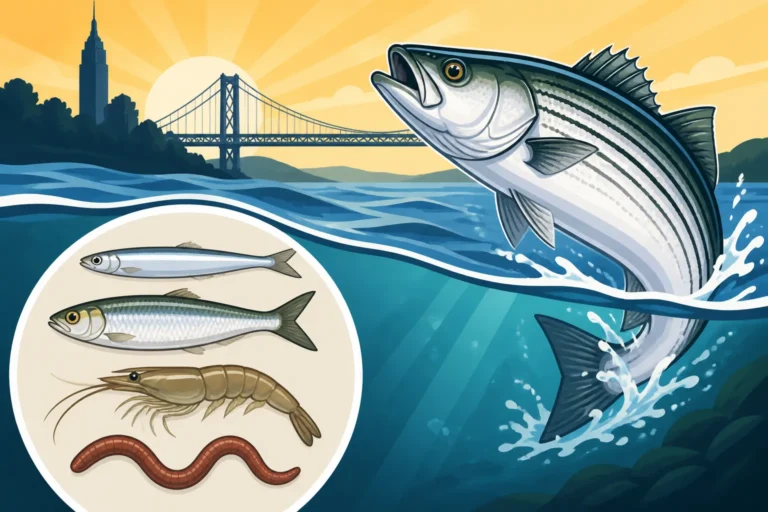
How to Fish Cold Water in New York
There's nothing quite like the crisp air and serene stillness of fishing New York's waters when the mercury drops. But let's be honest, those frigid temperatures can be incredibly intimidating. The thought of numb fingers, frozen lines, and seemingly lifeless fish can make even the most dedicated angler reconsider their outing. Many of us have faced the frustration of casting into seemingly barren waters, wondering if the fish have simply vanished. This comprehensive guide will not only help you understand the nuances of cold water fishing in New York but also provide actionable strategies and essential tips to make your next frosty adventure both comfortable and incredibly rewarding.
Understanding Cold Water and Its Impact on Fish
When the water temperature plummets, it's not just us feeling the chill; the entire aquatic ecosystem undergoes a significant shift. For an angler, grasping these changes is paramount to success. Fish, being cold-blooded creatures, are profoundly affected by the temperature of their environment. Their metabolism slows down, influencing everything from their feeding habits to their preferred hangouts.
Water Temperature Zones and Fish Behavior
As autumn gives way to winter, and even in the early spring thaw, New York's lakes and rivers experience dramatic temperature changes. In deep lakes, you'll often find a phenomenon called thermal stratification, where layers of water exist at different temperatures. During colder months, especially after the fall turnover, water temperatures tend to equalize throughout the water column until ice forms. Once ice covers a lake, a reverse stratification can occur, with slightly warmer water (around 39°F or 4°C, which is water's densest point) settling near the bottom, creating a thermal refuge for fish.
In rivers, the situation is a bit more dynamic. Moving water prevents stable stratification, but fish will still seek out areas where the current is gentler, requiring less energy expenditure. Look for deep holes, eddies, and slower runs where they can hold without fighting a strong flow. Tributary inflows, especially those from groundwater springs, can sometimes offer a slight temperature bump that fish will congregate around. Understanding that fish become more lethargic, their digestion slows, and they're less inclined to chase fast-moving prey is crucial. This means our presentations need to be adjusted accordingly.
Key Fish Species That Thrive in Cold Water
While many warm-water species become almost dormant in the frigid months, several New York fish actually come alive in the cold. These are your prime targets for winter and early spring angling. Trout, for instance, including brook trout, brown trout, rainbow trout, and especially lake trout, are naturally adapted to cooler temperatures. They remain active, though often slower, and continue to feed throughout the cold season.
Similarly, salmon species like Chinook salmon, Coho salmon, and Landlocked Atlantic salmon, which are prevalent in the Great Lakes tributaries and some of New York's larger Finger Lakes, thrive in colder water. Steelhead, a migratory rainbow trout, also makes strong runs into tributaries during the fall, winter, and spring, offering incredible cold-weather opportunities. Other species that can be successfully targeted include walleye, yellow perch, Northern pike, and even muskellunge. Even smallmouth bass, though generally a warm-water fish, can be found in deeper, rocky structures in colder periods, often providing surprising action for anglers willing to slow down their approach. These cold-water residents are hardy and, with the right techniques, can offer fantastic fishing.
Essential Gear and Layering for Cold Water Fishing
Being comfortable is not a luxury; it's a necessity when fishing in cold water. Nothing ruins a fishing trip faster than being wet and freezing. Preparing your gear and dressing appropriately are just as important as knowing where to cast your line.
Layering for Comfort and Safety
The key to staying warm and dry in cold conditions is the art of layering. Forget bulky, single-layer clothing; it traps sweat, inhibits movement, and offers poor insulation. Start with a moisture-wicking base layer. Materials like merino wool or synthetic performance fabrics are excellent because they pull sweat away from your skin, keeping you dry. Cotton, on the other hand, absorbs moisture and will make you feel colder once it's wet, so steer clear of it.
Next, add an insulating mid-layer. Fleece jackets, down vests, or synthetic insulated jackets provide warmth without excessive bulk. The goal is to trap air, which is an excellent insulator. Finally, your outer layer should be waterproof and windproof. A high-quality fishing jacket and bibs or waders designed for cold weather will protect you from rain, snow, and biting winds. Brands like Simms or Grundéns are popular among serious anglers, but you can find excellent options for varying budgets. Don't forget your extremities: a warm hat (you lose a lot of heat through your head), insulated and waterproof gloves, and thick wool or synthetic socks are non-negotiable. For a deeper dive into appropriate cold-weather attire, check out our guide on What to Wear on a New York Lake Ontario Charter. Staying dry and retaining body heat are your top priorities for an enjoyable and safe cold-water fishing experience.
Rods, Reels, Line, and Bait Considerations
Your tackle choices also need to adapt to the cold. When fish are lethargic, their bites can be incredibly subtle – sometimes just a slight tick or the feeling of extra weight. This calls for rods with a softer tip, often a medium-light or medium action, to detect those delicate takes. The rod's sensitivity is paramount, allowing you to feel every subtle bump and vibration. Graphite rods generally offer superior sensitivity compared to fiberglass.
For reels, a smooth drag system is non-negotiable. Cold temperatures can sometimes stiffen components, so a high-quality reel with consistently smooth operation is vital, especially when battling a strong fish in freezing conditions. As for line, many anglers favor fluorocarbon lines for cold water. Its low stretch offers excellent sensitivity, and its near-invisibility underwater is a huge advantage when fish are wary. Some also use braided line with a fluorocarbon leader for maximum sensitivity and strength, but braid can freeze to reel spools and guides if not carefully managed in sub-freezing conditions. If you're using braid, consider using a line conditioner to help prevent ice buildup.
When it comes to bait and lures, think "slow and small." Fish aren't expending much energy, so they're less likely to chase down a fast-moving, oversized meal. Downsize your presentations: smaller jigs, tiny spoons, or slow-moving crankbaits can be incredibly effective. Live bait, such as minnows, worms, or shiners, presented naturally and slowly, can often outperform artificials because the fish don't have to work hard for them. You can find a fantastic selection of cold-water specific lures and accessories on Amazon, often with detailed reviews from other anglers that can help you pick the right gear for New York's diverse cold-water fisheries.
Strategic Approaches to Cold Water Fishing
Successfully fishing in cold water isn't just about having the right gear; it's about fundamentally changing your approach to match the fish's metabolic state. Forget the aggressive, fast-paced techniques of summer. In the cold, patience and precision are your greatest assets.
Slow and Steady Wins the Race: Presentation and Retrieval
This is perhaps the most critical principle for cold water fishing. When a fish's metabolism slows down, its need for food decreases, and its energy levels plummet. It's not going to chase a rapidly retrieved crankbait or aggressively attack a topwater lure. Instead, you need to bring the lure or bait right to the fish, and present it in a way that requires minimal effort from them to eat.
Think incredibly slow retrieves. If you think you're going slow, go even slower. For jigs, this means subtle lifts and long pauses, letting the lure sit motionless on the bottom for several seconds before the next twitch. When using soft plastics, a dead-sticking technique, where you let the lure simply sit on the bottom with minimal movement, can be deadly. For spoons or blade baits, a lift-fall action with extended pauses allows the lure to flutter enticingly in front of lethargic fish. Drifting live bait, like a shiner or a worm, with just enough weight to keep it near the bottom in a river current, allows the bait to appear as an easy, natural meal. In contrast to warmer water where aggressive bumps and fast movements trigger reaction strikes, cold water requires a finesse game. The subtle twitch, the long pause, the barely perceptible movement – these are the nuances that entice a cold-water bite.
Locating Fish in Cold Water Environments
Finding fish in cold water often means thinking about where they can conserve energy and find comfort. They won't be scattered widely across open flats as they might be in warmer months. Instead, they'll concentrate in specific areas. Structure is paramount: look for deep drop-offs, submerged rock piles, humps, and sunken timber. These features provide cover, ambush points, and often act as current breaks where fish can rest.
In larger lakes and reservoirs, fish often move deeper to find more stable water temperatures. However, don't completely discount shallow areas, especially if there are dark bottoms (like mud or dark rock) that absorb sunlight and might offer a slight temperature increase, or if there's a spring-fed inflow. The key is finding transitional zones – where shallow water drops off into deeper water, or where a hard bottom meets a soft bottom. In rivers, fish will stack up in the deepest holes, behind large rocks, or in slow, deep eddies where the current is minimal. Consider targeting river bends where deeper pockets naturally form. Understanding the principles of how fish hold in cold conditions can even be applied to ice fishing, so our guide on How to Find Fish Under the Ice can offer some valuable insights into fish behavior in cold environments. For general guidance on where to find these hotspots across the state, our article on the Best Fishing Spots in New York can provide a great starting point for identifying promising cold-water locales.
Specific Techniques for Key Cold Water Species
New York boasts an incredible diversity of fish species that can be targeted in cold water. Each species, however, requires a slightly different approach, leveraging their unique behaviors and feeding patterns during colder periods.
Trout and Salmon Tactics
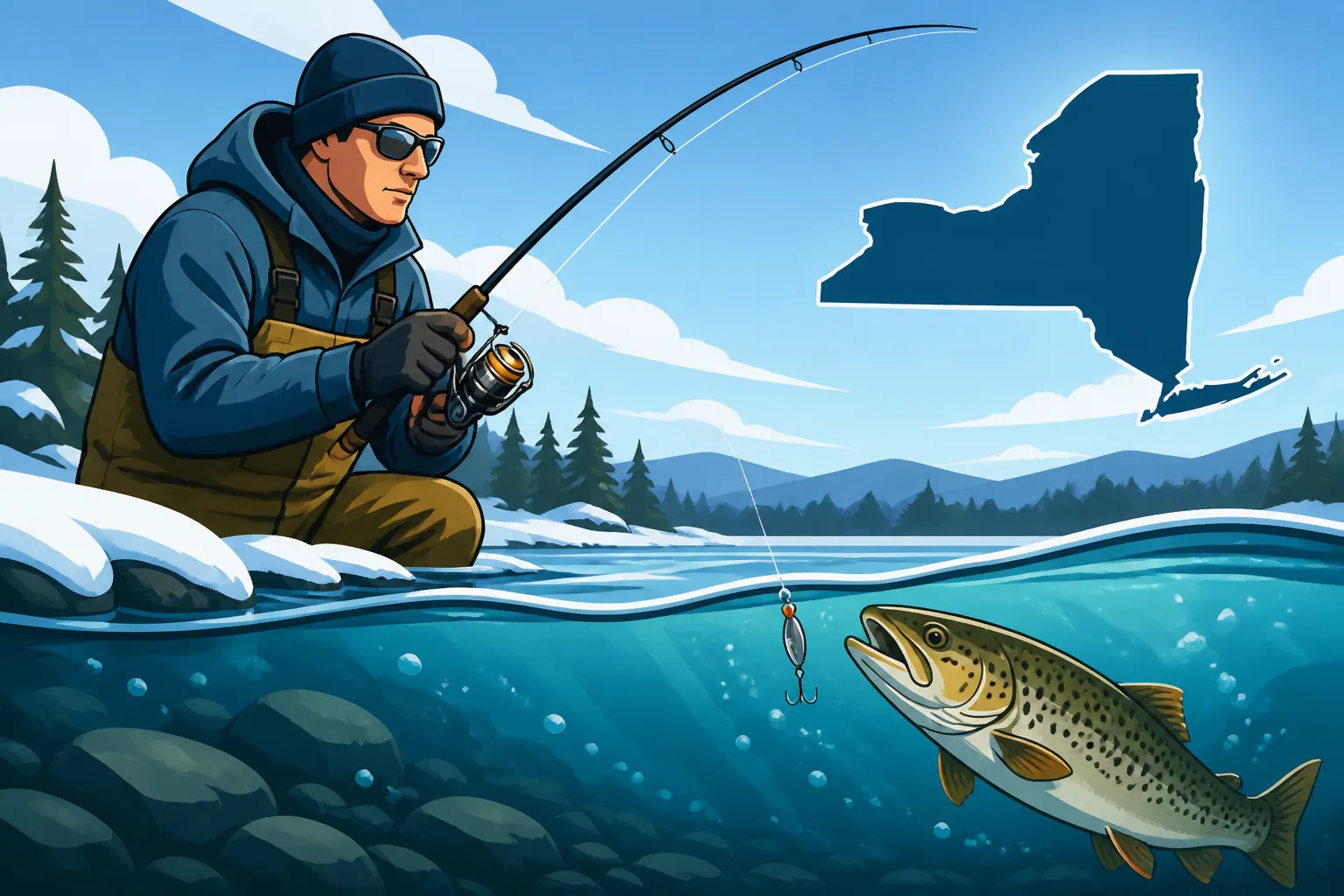
For trout and salmon in New York's cold waters, especially in rivers and tributaries, finesse and natural presentations are key. When steelhead, brown trout, or salmon enter tributaries from Lake Ontario or other large bodies of water, they often hold in deep pools, current seams, and behind large boulders. Drift fishing is an exceptionally effective technique. This involves presenting natural baits like egg sacs, trout beads, or small worms under a float or indicator, allowing them to tumble naturally with the current. The goal is to get your offering to drift at the same speed as the current, directly into the fish's strike zone. For an in-depth look at chasing these magnificent fish, our guide on How to Trout Fish in New York provides comprehensive strategies.
In large, deep lakes, like the Finger Lakes or Lake Ontario, lake trout and landlocked salmon often require specialized techniques like trolling with downriggers. This allows you to present spoons, stickbaits, or even live bait at very specific depths where these fish are suspended or holding on structure. Vary your depths and speeds until you find what triggers a bite. Fly fishing can also be productive, particularly on the famed Catskill trout streams, using heavily weighted nymphs or streamers fished slowly and deep. Our guide on How to Fish for Salmon in New York offers additional techniques specifically for salmon species. Remember, even with these species, a slower presentation is generally better in cold water.
Walleye and Panfish Strategies
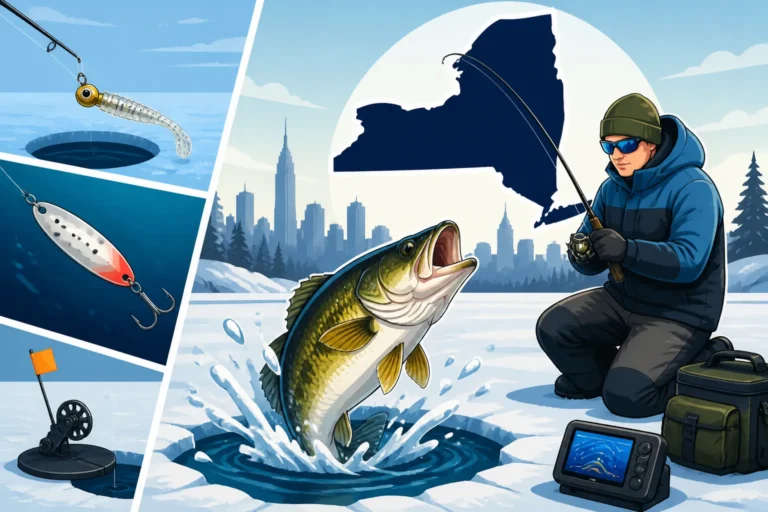
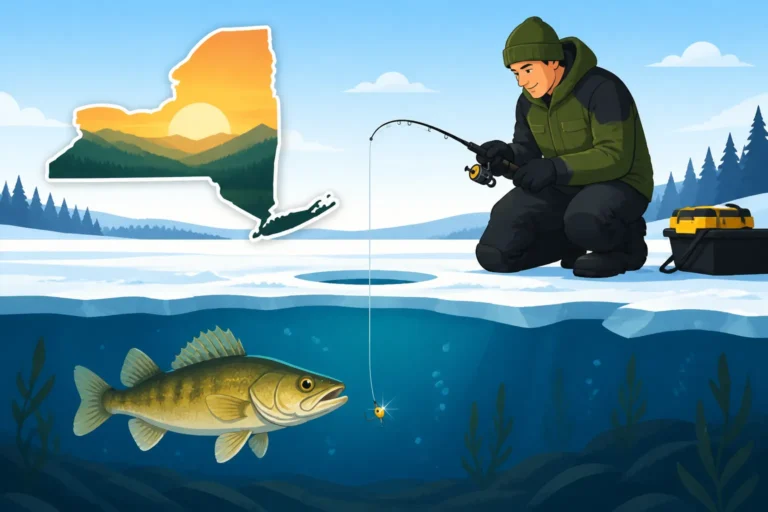
Walleye are notorious for being elusive, but they can offer fantastic cold-water fishing, particularly through the ice or from a boat on larger lakes like Oneida Lake or Lake Erie. Their preferred cold-water method is often vertical jigging. Whether you're dropping a spoon, a blade bait, or a jig tipped with a minnow head directly below the boat or through an ice hole, the key is subtle movement. Lift your rod tip a few inches, let the lure fall, and then hold it motionless for a few seconds. Walleye often hit on the pause or during the fall. Live minnows, fished under a bobber or on a dead stick (a rod set in a holder with minimal attention), are also incredibly effective. For those braving the ice, our article on How to Ice Fish for Walleye in New York has all the crucial details.
Panfish, such as yellow perch and crappie, are often more forgiving targets in cold water and can provide consistent action. They tend to school up in large numbers, making them easier to locate once you find them. Small jigs, tiny spoons, or micro-plastics tipped with a wax worm, grub, or small piece of real worm are irresistible to them. They'll often be found in relatively shallow depths along weed edges or near structure, even in winter. Look for subtle current breaks or areas where sunlight might penetrate deeper into the water column. Often, the softest tap is a panfish taking your bait, so a sensitive rod is key.
Pike and Muskellunge Approaches
For those seeking truly giant predators in New York's cold waters, Northern pike and muskellunge offer an exciting challenge. These toothy critters remain active in winter, often patrolling deeper weed lines, abrupt drop-offs, and rocky points in search of a meal. While they might be active, their movements are still slower, meaning your presentations need to be substantial yet deliberate.
When targeting pike, especially through the ice, large live bait like suckers or shiners fished under tip-ups are incredibly effective. Set these up along weed edges or over structure, giving the bait plenty of room to move. For casting, large jerkbaits, glide baits, or even slow-rolled spinnerbaits can entice a strike. The key is to impart action with long pauses, allowing the lure to suspend or slowly sink, mimicking a struggling baitfish. For muskellunge, known as the "fish of 10,000 casts," persistence is vital, especially in cold water. Large bucktails, crankbaits, or soft plastic swimbaits, retrieved slowly with long sweeps and pauses, are preferred. The famous "figure-eight" maneuver boatside can often trigger a follow-up strike from a hesitant muskie. Our article on How to Fish for Muskellunge covers all the essentials, including specific lure recommendations in Best Lures for Muskellunge. Remember, these fish are ambush predators, and in cold water, they prefer to expend minimal energy for maximum reward.
Safety and Best Practices
Cold water fishing, while rewarding, carries inherent risks that every angler must respect. Safety should always be your number one priority, especially when water temperatures are low.
Hypothermia and Cold Water Immersion Risks
The dangers of cold water immersion are severe and can become life-threatening in minutes. Hypothermia, a condition where your body loses heat faster than it can produce it, can set in quickly if you fall into frigid water. Even if you're not planning to go into the water, accidents happen. A slip on a muddy bank, an unexpected wave from a passing boat, or even just prolonged exposure to cold, wet conditions can put you at risk.
Always wear a U.S. Coast Guard-approved Personal Flotation Device (PFD). Modern PFDs are comfortable and come in various styles, including inflatable models that don't restrict casting. They can literally save your life if you fall in, giving you precious extra minutes to recover or be rescued. Beyond that, dress in layers, as discussed earlier, and bring extra, dry clothing stored in a waterproof bag. Inform someone of your fishing plans and expected return time. Be aware of the symptoms of hypothermia: shivering, confusion, slurred speech, and loss of coordination. If you or a fishing partner experience these, seek immediate warmth and medical attention. Our guide on Life Jacket Requirements While Fishing offers more essential details for staying safe on the water.
Respecting the Resource: Catch and Release in Cold Water
In cold water, fish are under increased stress. Their metabolic rates are slowed, their immune systems are less robust, and they recover much more slowly from exertion than in warmer water. This means proper catch and release techniques become even more critical to ensure the fish's survival.
Minimize handling time as much as possible. Avoid dragging fish onto dry land or ice, which can remove their protective slime layer. Use a knotless, rubberized net to land fish gently; these nets are much less abrasive to fins and scales. If you plan to take a photo, do it quickly and hold the fish horizontally, supporting its full weight, especially large trout, salmon, or muskellunge. Consider using barbless hooks, which make hook removal much easier and quicker, reducing stress and injury to the fish's mouth.
Most importantly, ensure the fish is fully revived before releasing it. Hold the fish gently in the water, facing into a gentle current if possible, until it kicks its tail strongly and swims away on its own. Never just toss a lethargic fish back into the water. Taking these extra steps ensures that the fish you catch today can survive to be caught another day, or reproduce, contributing to the health of New York's fisheries. For more detailed instructions on how to handle your catch responsibly, refer to our comprehensive guide on Catch-and-Release Handling Rules.
Table: Cold Water Fishing Species and Tactics
| Species | Preferred Cold Water Habitat | Effective Lures/Baits | Retrieval/Presentation Strategy | Key Considerations |
|---|---|---|---|---|
| Trout | Deep pools, current seams, spring-fed areas | Egg sacs, beads, nymphs, streamers, small spoons | Drift fishing, slow jigging, dead-drifting, slow retrieve fly fishing | Sensitive rod, light line, proper fish handling due to stress |
| Lake Trout | Deep lake basins, structure (humps, drop-offs) | Spoons, stickbaits, jigging spoons, cut bait | Deep trolling with downriggers, vertical jigging | Sonar essential for locating deep structure, often found suspended |
| Salmon | River pools, current breaks (tributaries), deep lakes | Egg sacs, beads, spoons, plugs, flies (streamers) | Drift fishing, slow trolling, casting & retrieving (river & lake) | Respect spawning fish, can be very lethargic after spawning runs |
| Walleye | Deep basins, hard bottom transitions, structure | Jigging spoons, blade baits, minnow-tipped jigs, live minnows | Vertical jigging with pauses, slow trolling stickbaits, dead-sticking | Best in low light, subtle bites, often school up on specific structure |
| Yellow Perch | Deep weed edges, submerged structure, open basins | Small jigs, spoons, live maggots/worms, minnows | Vertical jigging, slow retrieve, dead-sticking | Excellent table fare, often found in large schools, consistent action |
| Northern Pike | Deep weed lines, abrupt drop-offs, ambush points | Large spoons, jerkbaits, glide baits, large live bait (shiners) | Slow retrieve with pauses, tip-ups (ice fishing), heavy tackle required | Aggressive but can be lethargic, use wire leader to prevent bite-offs |
| Muskellunge | Deep weed edges, rocky points, submerged structure | Large bucktails, glide baits, jerkbaits, large soft plastics | Slow, deliberate retrieve with long pauses, figure-eight boatside | Requires extreme patience, heavy tackle, focus on known muskie waters |
New York offers year-round fishing opportunities, and understanding the specific seasons for different fish can be incredibly helpful. You might find our New York Fishing Seasons Explained and Best Time of Year to Fish in New York articles valuable for planning your cold-water excursions throughout the year.
Disclaimer
Fishing regulations and conditions in New York can change. Always consult the latest New York State Department of Environmental Conservation (DEC) fishing regulations guide before heading out. This guide is for informational purposes only and should not replace official regulations. Be aware of local advisories and practice safe boating and fishing techniques at all times.