How to Ice Fish for Perch
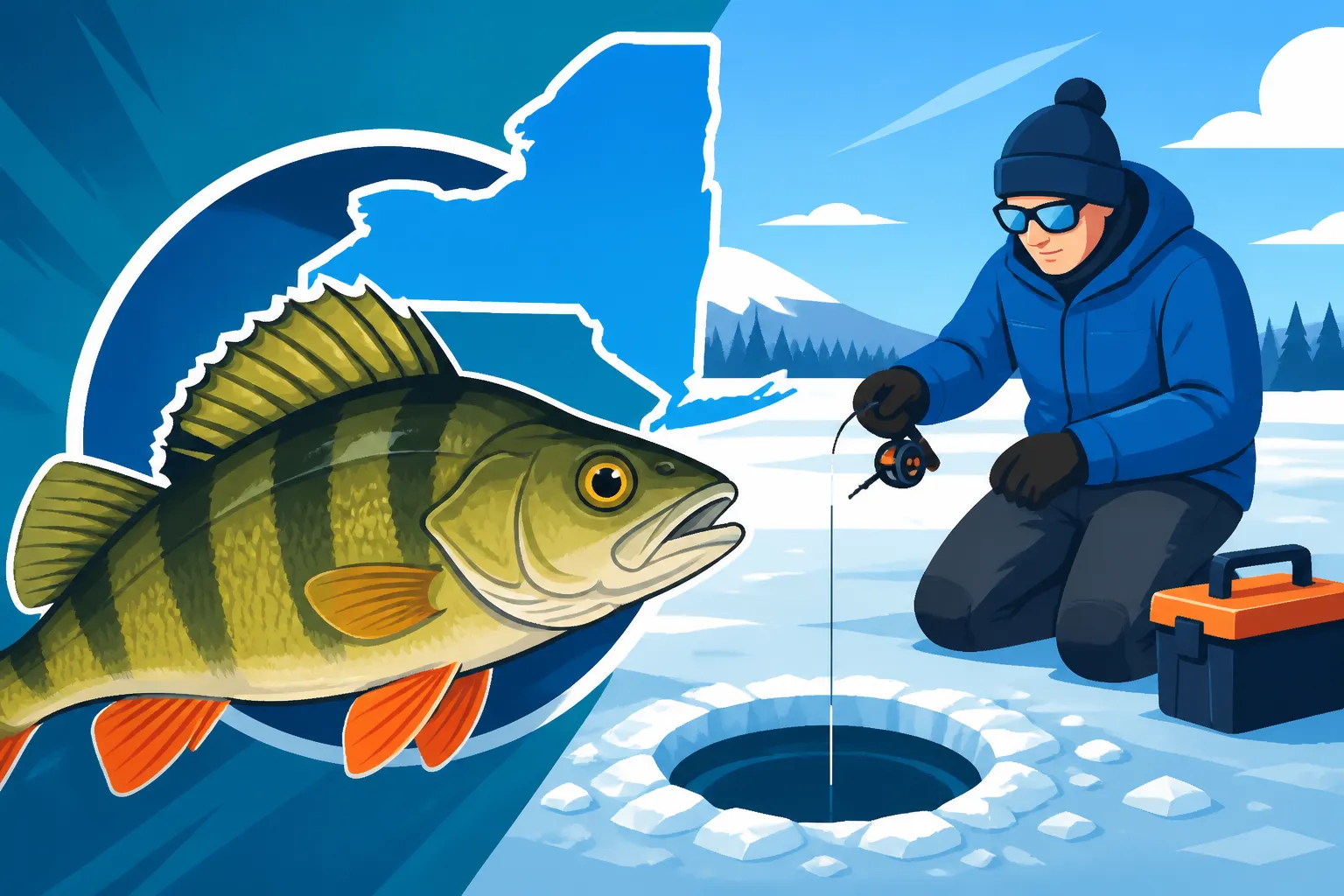
There's a special kind of magic that comes with ice fishing, isn't there? That crisp winter air, the serene quiet broken only by the crackle of a propane heater or the whir of an auger, and the anticipation of a flag flying up on a tip-up or a subtle tap on your jigging rod. But let's be honest, trying to find and consistently catch perch through a small hole in the ice in New York can sometimes feel like trying to find a needle in a frozen haystack. It's frustrating when you drill a dozen holes, brave the cold, and still come up empty-handed. This comprehensive guide is here to walk you through everything you need to know, from understanding these feisty panfish in their winter element to choosing the right gear and mastering the techniques that will help you fill your bucket with delicious New York perch.
Understanding Perch Behavior Under the Ice
Catching perch consistently through the ice isn't just about luck; it's about understanding what makes them tick when the water turns to solid. They're not just randomly swimming around; they have patterns, preferences, and ways of reacting to the frigid temperatures. Once you get a handle on their winter habits, you'll start to see more success.
Where Perch Hide in Winter
When the water chills down, perch, like many fish, undergo a shift in their behavior and location. They don't just disappear, but they do tend to congregate in certain areas, often migrating from their shallow, warm-water summer haunts to deeper, more stable environments. This is often where the frustration sets in for many anglers – where do you even start looking?
Typically, you'll find yellow perch moving towards the deeper sections of lakes, especially those with structure. Think about gradual drop-offs that lead from shallower flats into deeper basins. These transition zones are goldmines because they offer perch access to both deeper, more stable water and shallower feeding grounds. Weed lines, even dormant ones, are crucial. While the lush green growth of summer weeds might be gone, the stalks and roots still provide cover and hold small aquatic insects and invertebrates that perch forage on. Humps, submerged points, and even old submerged timber or rock piles can also be magnets for winter perch. They offer protection from predators and often concentrate their food sources. Sometimes, especially in larger lakes, perch will suspend in the middle of the water column over deeper water, chasing schools of baitfish. It's not always about being on the bottom; sometimes you need to check those mid-water depths too. Knowing these prime locations can dramatically increase your odds, saving you from drilling countless unproductive holes.
Perch Feeding Habits in Cold Water
Cold water affects everything, and perch metabolism is no exception. They're not as active or aggressive as they are in warmer months, which means their feeding habits change significantly. They don't need to chase down large meals or expend a lot of energy. Instead, they become more opportunistic and subtle in their takes.
Their diet in winter largely consists of smaller prey items: tiny invertebrates, insect larvae, zooplankton, and, of course, small minnows. This means your presentation needs to be scaled down. Aggressive jigging that might work for walleye often spooks winter perch. Instead, think finesse. Very subtle lifts and drops, tiny twitches that just barely move your lure, and long pauses are often the ticket. A perch might sit and stare at a lure for a full minute before deciding to gently mouth it, and if you're not paying close attention, you'll miss that almost imperceptible bite. This is why having sensitive gear is so critical; every little bump or abnormal slack in your line could be a perch. They're still hungry, but they're conserving energy, making them pickier and less inclined to chase. You might be surprised to learn that in New York, perch are considered one of the New York's Most Popular Freshwater Fish targets for ice anglers because of their abundance and willingness to bite, even subtly.
The Impact of Time of Day and Weather
Just like us, fish respond to changes in light, barometric pressure, and overall weather conditions. For perch, these factors can dictate when and how actively they feed. While it's true that any time you can get on the ice is a good time, understanding these influences can help you optimize your efforts.
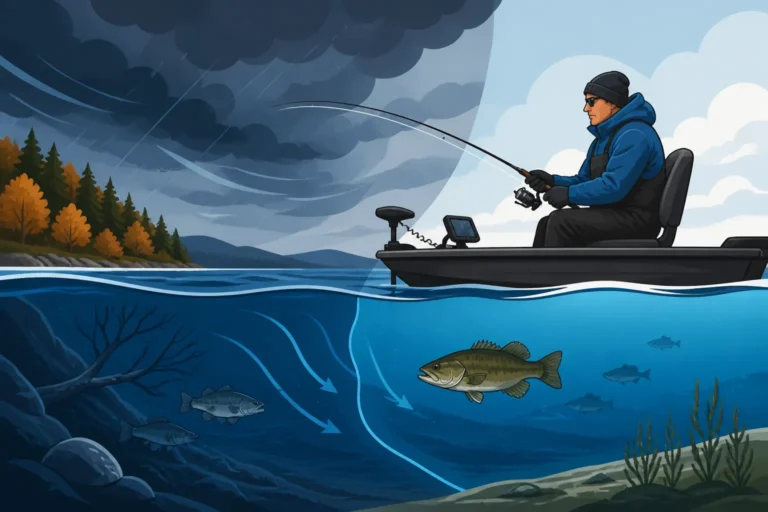
Generally, low-light periods are often the most productive for perch. This means early morning, late afternoon, and even overcast days can be fantastic. During these times, the reduced light penetration under the ice makes perch feel more secure as they venture out to feed. On bright, sunny days, perch tend to hug the bottom or deeper structure, and you might need to drop your presentation right on their noses to elicit a bite. Barometric pressure is another silent but significant factor. Stable or rising pressure often signals good fishing, as fish tend to be more active. A sudden drop in pressure, especially before a storm, can make them lethargic and less willing to bite. Many experienced anglers keep an eye on the forecast, not just for safety on the ice but to predict fish activity. Wind, surprisingly, also plays a role, especially on shallower bodies of water. High winds can create current under the ice, which can sometimes stir up food and trigger a bite. Conversely, strong winds can make it incredibly challenging and uncomfortable to fish, even with a shelter. Understanding these nuances helps you decide when to fish and how to adapt your strategy to the conditions. If you're wondering about the Best Time of Year to Fish in New York, remember that for perch, winter truly shines, especially during these prime low-light windows.
Essential Gear for New York Perch Ice Fishing
Having the right tools for the job can make all the difference between a frustrating day and a fantastic one. When it comes to ice fishing for perch in New York, a few key pieces of gear are absolutely non-negotiable for success and comfort.
Rods, Reels, and Line Choices
The world of ice fishing gear has come a long way, and modern rods and reels are designed to give you every advantage, especially when dealing with the often-subtle bites of perch.
For perch, sensitivity is paramount. You'll want an ultralight or light action ice rod, typically ranging from 24 to 32 inches in length. These rods have very flexible tips that telegraph even the slightest nudge from a perch. Many anglers swear by rods with a built-in spring bobber or a highly visible colored tip, which makes those nearly invisible bites much easier to detect. The rod's backbone should be just enough to handle a feisty perch and set the hook, but not so stiff that it rips the bait out of their mouths. When it comes to reels, a small spinning reel in the 500 or 1000 series is perfect. It needs to have a smooth drag, as even small perch can make spirited runs, especially if you hook into a true jumbo.
Line choice is equally important. Many anglers opt for light monofilament or fluorocarbon line, typically in the 2 to 4-pound test range. Fluorocarbon is an excellent choice because it's virtually invisible underwater, has very little stretch, and sinks quickly, helping your small lures get down to depth efficiently. Some also use braided line as a main line for its sensitivity and lack of stretch, but always tie on a fluorocarbon leader (2-4 feet long) to maintain stealth, as perch can be line-shy. You can find a fantastic selection of these specialized ice fishing rods, reels, and lines on platforms like Amazon, making it easy to outfit yourself for the season. Remember, the lighter and more sensitive your setup, the better you'll be at detecting those faint bites and converting them into catches.
Lures and Baits That Perch Can't Resist
Perch aren't overly picky, but they do have preferences, especially when they're sluggish in cold water. Having a diverse tackle box will give you options to adapt to their mood.
Small jigs are the bread and butter of perch ice fishing. Tear drop jigs, usually in sizes 1/32 to 1/16 ounce, are incredibly effective. Tungsten jigs have become hugely popular because their density allows them to be much smaller for their weight, getting down faster and presenting a more compact profile. Colors can vary, but typically, glow-in-the-dark, chartreuse, orange, and naturalistic patterns like silver or gold are perennial favorites. Pair these jigs with a small piece of live bait – a single spike (maggot), a wax worm, or a small piece of minnow. This adds scent and enticing natural movement. Tiny spoons, often called "flea" or "panfish" spoons, in similar weights and colors are also fantastic, especially when tipped with a similar bait. They have a bit more flash and flutter, which can sometimes call in more aggressive perch. Soft plastics, like tiny micro-grubs or small insect imitations, can also be deadly when fished on a small jig head, offering a realistic profile without the need for live bait.
Speaking of live bait, minnows are a classic for a reason. Small fathead minnows, shiners, or even rosies can be fished effectively on a plain hook under a bobber or on a tip-up. The scent and natural swimming action are often irresistible to hungry perch. Always check local regulations regarding the use of live bait, as some waters have restrictions. For a wide variety of jigs, spoons, and soft plastics, Amazon offers a convenient way to stock up on all your ice fishing essentials before you hit the ice. To learn more about what baits are generally effective for smaller species, check out our guide on Best Bait for Ice Fishing Panfish.
Ice Fishing Electronics and Augers
These two categories represent the power tools of ice fishing, drastically improving your efficiency and success rate. Gone are the days of drilling blindly and hoping for the best!
An ice auger is your primary tool for getting through the ice. Manual augers are a great entry-level option, perfect for thinner ice and saving on cost. However, for thicker ice or if you plan on drilling many holes, a power auger (either gas or propane, or increasingly popular, electric battery-powered models) is a game-changer. They make quick work of even several feet of ice, allowing you to move and explore new spots with minimal effort. You'll thank yourself for investing in a good auger when the ice is thick, and the fish aren't biting in your first few holes. If you're considering your options, our piece on the Best Auger for New York Ice Fishing offers some great insights.
Once your hole is drilled, electronics truly light up the underwater world. A flasher or a portable fish finder is invaluable. These devices show you the depth, the bottom composition, and most importantly, the presence of fish and your lure in real-time. You can see perch come up to investigate your bait, how they react to your jigging motions, and even the subtle "take" as they mouth your lure. This feedback loop is incredibly powerful and helps you fine-tune your presentation. Seeing your target swim up to your lure on the screen and then feeling the bite is one of the most exciting aspects of modern ice fishing. A GPS unit or a smartphone app with mapping capabilities can also be incredibly useful for marking productive spots and navigating safely on larger bodies of water. These tools, from powerful augers to sensitive flashers, are widely available on sites like Amazon, ready to enhance your next ice fishing adventure. Knowing How to Read a Fish Finder for New York Lakes can significantly increase your success rate.
Mastering Ice Fishing Techniques for Perch
With your gear in hand and a basic understanding of perch behavior, it's time to talk about the "how-to." Ice fishing for perch is an active pursuit that often rewards patience and subtle presentation.
Locating Productive Ice Fishing Spots
Finding the fish is often 90% of the battle in ice fishing. You can have the best gear and bait, but if you're fishing barren water, you won't catch anything. This is where strategic hole drilling and a keen understanding of fish habitat come into play.
Don't be afraid to be mobile! Experienced ice anglers are often called "hole hoppers" for a reason. Start by drilling a series of holes in a grid or along a contour line in areas you suspect hold perch, based on our earlier discussion about drop-offs, weed lines, and humps. If you have a lake map (many fishing apps offer excellent bathymetric charts), study it beforehand and target areas where summer reports for perch were good. Remember, perch migrate, but they often stay within certain depth ranges or near similar types of structure year-round. Once you've drilled a hole, use your flasher or fish finder to scan the water column. Look for schools of baitfish, signs of structure, and of course, fish marks. If you don't see anything after a few minutes, move to the next hole. Don't linger too long in unproductive water. When you do find fish, pay attention to the depth, the type of structure, and the time of day. This information helps you build a pattern and replicate success in other similar areas of the lake. Remember that specific bodies of water might have unique characteristics, so it's always good to be aware of Why Do Some New York Lakes Have Different Fishing Rules, as this can sometimes influence ideal fishing locations.
The Art of Jigging for Perch
Jigging is the most active and often the most productive method for catching perch through the ice. It allows you to present your bait actively and entice bites from even reluctant fish.
The key to successful perch jigging is subtlety and variation. Start by dropping your jig or small spoon down to the bottom. Perch often hug the bottom, but also check the lower half of the water column if you see fish suspended on your flasher. Once at depth, begin with a very gentle lift of about 6-12 inches, then let your lure flutter back down on a semi-slack line. Let it sit perfectly still for 5-10 seconds, or even longer if fish are inspecting it on your flasher. Sometimes, the bite comes on the fall, but more often, it's during the pause. If that doesn't work, try tiny twitches, just enough to make your bait shimmy. Experiment with the aggressiveness of your jigging motion – some days they want a lively presentation, other days they prefer it almost motionless, known as "dead sticking." Always watch your line carefully for any unnatural movement – a slight twitch, a momentary stop of the fall, or a lift – which often indicates a bite. Setting the hook requires a quick, upward snap of the wrist. It’s an art that requires patience and keen observation. If you're looking to refine your panfish techniques further, our guide on Best Ice Fishing Techniques for New York Panfish offers additional tips that can be applied to perch.
Setting Up Tip-Ups for Passive Perch Fishing
While jigging is active, tip-ups offer a fantastic complementary strategy, allowing you to cover more water and let the fish come to you. They are especially effective when perch are cruising or when you want to use larger live baits.
A tip-up is a simple device that suspends a baited hook at a set depth. When a fish takes the bait, it pulls the line, releasing a flag that signals a bite. For perch, you typically want to use a lighter leader and a smaller hook (sizes 6-10) than you might for larger species. Bait them with a lively minnow, hooked lightly through the back or lips. Set the depth so the minnow is suspended anywhere from a foot off the bottom to several feet up in the water column, depending on where you've seen perch on your flasher or where you think they're cruising. Distribute your tip-ups over a wider area, perhaps along a drop-off or around an underwater point, to increase your chances of intercepting a passing school of perch.
The beauty of tip-ups is that they allow you to continue jigging actively in one hole while passively fishing several others. When a flag goes up, approach it quietly, give the fish a moment to really take the bait, and then slowly and steadily pull in the line by hand. It's an old-school thrill that never gets old! Just be mindful of the number of lines you're allowed to fish simultaneously in New York; you can find more details in our article on Rules on Number of Lines Allowed. For those interested in other species, remember that similar principles apply when you're thinking about the Best Tip-Up Setup for Ice Fishing Pike, just scaled for larger fish.
Safety and Regulations on the Ice
Enjoying a day of ice fishing for perch means more than just catching fish; it also means staying safe and adhering to New York's fishing regulations. These aren't just arbitrary rules; they're in place to protect you, the fish, and the environment.
Understanding Ice Safety
Ice fishing inherently comes with risks, but nearly all ice-related accidents are preventable with proper knowledge and caution. Never take unnecessary chances on the ice.
The golden rule of ice safety is: no ice is 100% safe. Always be aware of current conditions, recent weather, and heed any warnings posted by local authorities or bait shops. A minimum of four inches of clear, solid ice is generally recommended for safe foot travel, but this can vary. Six inches is better, and for ATVs or snowmobiles, you're looking at much thicker ice, typically 8-12 inches or more. Always carry a spud bar to test ice thickness as you walk, especially if you're venturing onto unfamiliar waters or after a warm spell. Dress in layers, as conditions can change rapidly, and hypothermia is a serious risk if you fall in. Essential safety gear includes ice picks (worn around your neck for easy access), a throw rope, and a fully charged cell phone. Never fish alone, or at least let someone know where you're going and when you expect to return. Be especially wary of areas with current, such as inlets, outlets, or narrows, as the ice there is often much thinner. To delve deeper into essential safety practices, refer to our dedicated guide on How Thick Does Ice Need to Be to Fish Safely?
New York Specific Perch Regulations
Regulations exist to ensure sustainable fish populations and a fair experience for all anglers. Ignorance of the law is never an excuse, so it's your responsibility to be informed before heading out.
When fishing for perch in New York, you'll need a valid New York Fishing License Guide. Beyond that, there are specific rules regarding seasons, daily limits, and sometimes even size limits for certain waters. While perch are generally quite abundant and have generous limits, it's crucial to consult the current New York State Freshwater Fishing Regulations Guide, which is published annually by the Department of Environmental Conservation (DEC). You can usually pick up a physical copy at most bait shops or sporting goods stores, or view it online. This guide will outline the statewide rules as well as any special regulations that might apply to the specific lake or pond you're fishing. For example, some waters might have different daily creel limits or restrictions on the number of lines you can use. Always double-check these details to ensure you're compliant. Being a responsible angler means understanding and respecting these rules, contributing to the health of New York's fisheries for future generations. You can find more detailed information on regulations in our comprehensive article, New York Fishing Regulations Explained.
Disclaimer
This article is for general informational purposes only and does not constitute professional advice. Laws, prices and regulations vary by location and change over time. Consult a qualified professional for guidance on your specific situation.