Best Season for Landlocked Salmon on New York’s Finger Lakes
One of the biggest head-scratchers for us anglers chasing landlocked salmon in New York's magnificent Finger Lakes is figuring out when to go. You’ve got these deep, clear glacial lakes, and these incredible fish that are notoriously hard to pin down. It’s easy to feel overwhelmed, wondering if you're even out there at the right time, or if you're just wasting a precious day on the water. This guide is going to strip away the guesswork, diving deep into the seasonal patterns of landlocked salmon, so you can confidently plan your next Finger Lakes fishing adventure and dramatically increase your chances of hooking into one of these freshwater powerhouses.
Understanding Landlocked Salmon and Their Seasonal Behavior
Before we can even talk about the "best season," we first need to understand the fish themselves. Landlocked salmon, often mistaken for their sea-run cousins, are Atlantic salmon that have adapted to live their entire lives in freshwater. They’re sleek, powerful, and known for their acrobatic fights once hooked. In the Finger Lakes, they are often found in the colder, deeper parts of the water column, especially during the warmer months, mirroring the behavior of the baitfish they pursue, primarily alewives. Knowing this helps us predict their movements throughout the year.
The Life Cycle and Habitat Preferences
These magnificent fish are truly a cold-water species. They thrive in environments where water temperatures remain cool, typically below 65 degrees Fahrenheit. In the Finger Lakes, this means they spend a good portion of the year in the profundal zones—the deep, dark, and chilly sections of the lake. Their existence is intrinsically linked to the presence of alewives, their primary food source. When the alewives move, the salmon follow. This deep-water preference is why you often need specialized gear and techniques, like downriggers, to reach them effectively. They're not just hanging out by the docks, waiting for an easy meal.
As the seasons change, so do the fish's habits. Spawning is a critical part of their annual cycle, typically occurring in the fall in tributary streams. This is a time of significant physiological change and movement, as they leave the open lake and push upstream. It's an energy-intensive process, and understanding this migration is key to predicting when and where you might intercept them. Outside of spawning, their existence is a constant search for comfortable water temperatures and abundant forage, which keeps them on the move, offering different angling opportunities at various times of the year. If you're wondering what makes them tick, learning What a Landlocked Salmon Is can give you a real edge.
Key Factors Influencing Salmon Activity
Several environmental factors dictate where and how actively landlocked salmon feed. Water temperature is, without a doubt, the most significant. As the surface waters warm in summer, salmon are pushed deeper into the lake, seeking out the thermocline—the layer where water temperature changes rapidly. This thermocline acts like a comfortable highway for them, concentrating both the salmon and their prey. Knowing the depth of the thermocline on any given day can drastically improve your success.
Beyond temperature, light penetration also plays a role. Landlocked salmon often prefer lower light conditions, which is why early mornings, late evenings, or even overcast days can be particularly productive. Barometric pressure changes can also influence their feeding aggressiveness. A stable or slowly falling barometer often signals an increase in activity, while rapidly dropping pressure can sometimes shut them down. Understanding these subtle cues from nature is part of the art of fishing, and it’s what separates a good day from a great day on the water.
Peak Seasons for Landlocked Salmon in New York's Finger Lakes
Alright, let's get down to brass tacks: when is the absolute best time to target these elusive beauties? While you can catch landlocked salmon year-round in the Finger Lakes, there are definitely distinct windows where your efforts are most likely to pay off. We're talking about late spring through early summer, and then a fantastic resurgence in the fall. These are the times when the salmon are most active and accessible, either due to their feeding patterns or pre-spawning movements.
Late Spring and Early Summer: The Post-Spawn Feast
After the long, cold winter, as the Finger Lakes begin to warm slightly and ice-out occurs, landlocked salmon become incredibly active. This period, roughly from April into June, offers some of the most consistent fishing. The salmon are recovering from the spawn (if they spawned in the fall) and are aggressively feeding to regain their strength. The water temperatures are still cool throughout much of the lake, meaning the salmon aren't yet relegated to extreme depths.
During late spring and early summer, you'll often find landlocked salmon higher in the water column, sometimes even within the top 20-30 feet, especially around river mouths or areas where baitfish are congregating. This accessibility makes them a prime target for trollers using various methods. As spring progresses into early summer, and the lake stratifies, they'll start to follow the thermocline down. This is when your fish finder becomes your best friend, helping you locate the ideal depth. For a general overview, it helps to understand Best Time of Year to Fish in New York.
Fall: The Pre-Spawn Run and Aggressive Feeding
If there's a rival to the spring bite, it's definitely the fall. From late September through November, the Finger Lakes experience a glorious cooling trend. The lake waters begin to turn over, and the surface temperatures drop, rejuvenating the entire water column. This cooling signals a crucial time for landlocked salmon: the pre-spawn run. The fish begin to stage near tributary mouths, preparing for their upstream migration to spawn.
This pre-spawn period is characterized by incredibly aggressive feeding. Salmon are packing on weight for the arduous journey and the energy demands of spawning. They're often found in concentrated numbers, particularly near the mouths of streams and rivers that flow into the Finger Lakes. Trolling remains highly effective, but shore anglers and those targeting stream mouths can also have fantastic success. The fall colors reflecting on the water only add to the magic of this season. It's truly an angler's paradise, offering both beauty and action. Just be sure you're up to date on New York Fishing Regulations Explained for specific catch limits and open seasons.
Top Techniques and Gear for Each Season
Catching landlocked salmon in the Finger Lakes isn't just about timing; it's also about employing the right techniques and having the appropriate gear. These fish are powerful and savvy, so being prepared can make all the difference between a frustrating day and a memorable catch. Your approach will need to shift with the seasons, adapting to where the fish are holding and what they're willing to bite.
Trolling Strategies for Deep-Water Salmon
Trolling is undeniably the most popular and effective method for targeting landlocked salmon across the Finger Lakes, particularly when they're holding in deeper water during the summer months or spread out in the lake during other seasons. This involves pulling lures or bait behind a moving boat at specific depths and speeds. Key to success here is getting your presentation down to where the fish are, which is often in the thermocline.
This is where downriggers become indispensable. These devices allow you to precisely control the depth of your lure, ensuring it's right in the strike zone. You’ll often run multiple lines at different depths to cover more of the water column. Popular lures include spoons, plugs, and even flies fished behind flashers or dodgers. Color selection can be crucial, often depending on water clarity and light conditions. Many anglers swear by a mix of natural baitfish patterns and vibrant, attention-grabbing colors. If you're new to this, a guide on Trolling Techniques for New York's Lakes can offer a great starting point, and you can find a wide array of reliable trolling gear on Amazon.
Shore and Tributary Fishing Opportunities
While trolling dominates much of the conversation, don't overlook the incredible opportunities for shore and tributary fishing, especially during the fall pre-spawn run. As landlocked salmon stage near stream mouths, they become accessible to anglers casting from the bank. This can be a much more intimate and exciting way to connect with these fish, without needing a boat or specialized deep-water gear.
Spin fishing with spoons, stickbaits, or even weighted flies can be highly effective. The key is to present your lure in a way that mimics a wounded baitfish or entices an aggressive strike from a salmon preparing for its spawn. For fly anglers, the fall run can offer exceptional opportunities in the lower stretches of the tributaries, or just off the mouths where the fish are staging. Streamers and egg patterns can be particularly deadly. Remember, during this time, fish are often highly concentrated, so patience and careful observation of water conditions are paramount. It's a fantastic chance to experience a different side of salmon fishing in the Finger Lakes.
Essential Gear Considerations by Season
Your gear setup will naturally adapt to the season and the technique you're employing. For deep-water trolling, you'll want sturdy trolling rods with line counter reels spooled with monofilament or braided line. Having a good quality fish finder or sonar unit is absolutely non-negotiable for locating thermoclines and baitfish schools, which in turn leads you to the salmon. Don't skimp on your tackle; strong swivels, sharp hooks, and reliable leaders are crucial for handling these powerful fish.
For shore or tributary fishing, a medium-heavy spinning rod or a 7-9 weight fly rod will serve you well. You'll want a reel with a smooth drag and enough capacity for a strong run. Waders are a must for getting into prime casting positions in the tributaries. Regardless of the season or method, always carry a landing net with a rubberized mesh to protect the fish, especially if you plan on catch-and-release. A good pair of polarized sunglasses will help you spot subtle movements in the water. For an in-depth look at fishing these waters, check out Fishing New York's Finger Lakes: A Complete Guide, and don't forget you can grab almost anything you need, from bait buckets to specialized tackle, from Amazon.
Specific Finger Lakes and Landlocked Salmon Hotspots
New York's Finger Lakes are a collection of eleven long, narrow, and deep glacial lakes, each with its own unique characteristics and nuances for landlocked salmon fishing. While the general seasonal patterns apply across the board, understanding the specifics of each lake can further refine your approach. Some lakes are simply more renowned for their salmon populations and offer better access or more consistent fishing.
Cayuga Lake
Cayuga Lake, one of the longest of the Finger Lakes, is a fantastic option for landlocked salmon. Its immense depth and cold, clear waters provide an ideal habitat. While salmon can be found throughout, the northern and southern ends, particularly near tributary mouths like the Cayuga Inlet, often hold fish during the staging periods. During the summer, you'll need to focus on the deep central basin, using your electronics to pinpoint the thermocline and baitfish schools.
Anglers often find success trolling with spoons and stickbaits that mimic alewives. The vastness of Cayuga means you'll spend a good amount of time covering water, but the rewards can be substantial, with some truly trophy-sized salmon caught here. It’s a lake that demands patience and persistence, but when you hit it right, it delivers. For more specific insights, you might enjoy reading our New York's Cayuga Lake Fishing Guide.
Seneca Lake
Seneca Lake, the deepest of the Finger Lakes, is another prime destination for landlocked salmon. Its incredible depth ensures a constant supply of cold water, making it a reliable spot even during the hottest summer months. Similar to Cayuga, the deep central basin is where you'll spend most of your time trolling during the warmer seasons. The northern and southern stretches, near tributaries, become important staging areas in the fall.
Seneca is particularly known for its consistent lake trout fishing, and often, landlocked salmon are caught using similar deep-trolling techniques. Downrigging is king here, and experimenting with different depths and lure presentations is key. Anglers often find success with larger spoons and plugs in various colors. The sheer size and depth of Seneca can be intimidating, but it holds some magnificent fish. Learning How to Fish Deep Water Lake Trout in Summer on New York's Finger Lakes can give you transferable skills for salmon on Seneca.
Other Notable Finger Lakes for Salmon
While Cayuga and Seneca often steal the spotlight, other Finger Lakes also offer excellent opportunities. Skaneateles Lake, known for its pristine water quality, has a strong landlocked salmon population, though public access can be more limited. Owasco Lake also holds salmon and can be a good option, especially for those looking for a slightly less pressured experience.
It’s worth noting that stocking programs play a vital role in maintaining the landlocked salmon populations across these lakes. The New York State Department of Environmental Conservation (DEC) actively manages these fisheries, releasing young salmon to ensure future angling opportunities. Always check the latest stocking reports and local regulations for the specific lake you plan to fish, as rules can vary. Remember, a good understanding of How to Downrig for Lake Trout can easily translate to effective landlocked salmon tactics in these deep, clear waters.
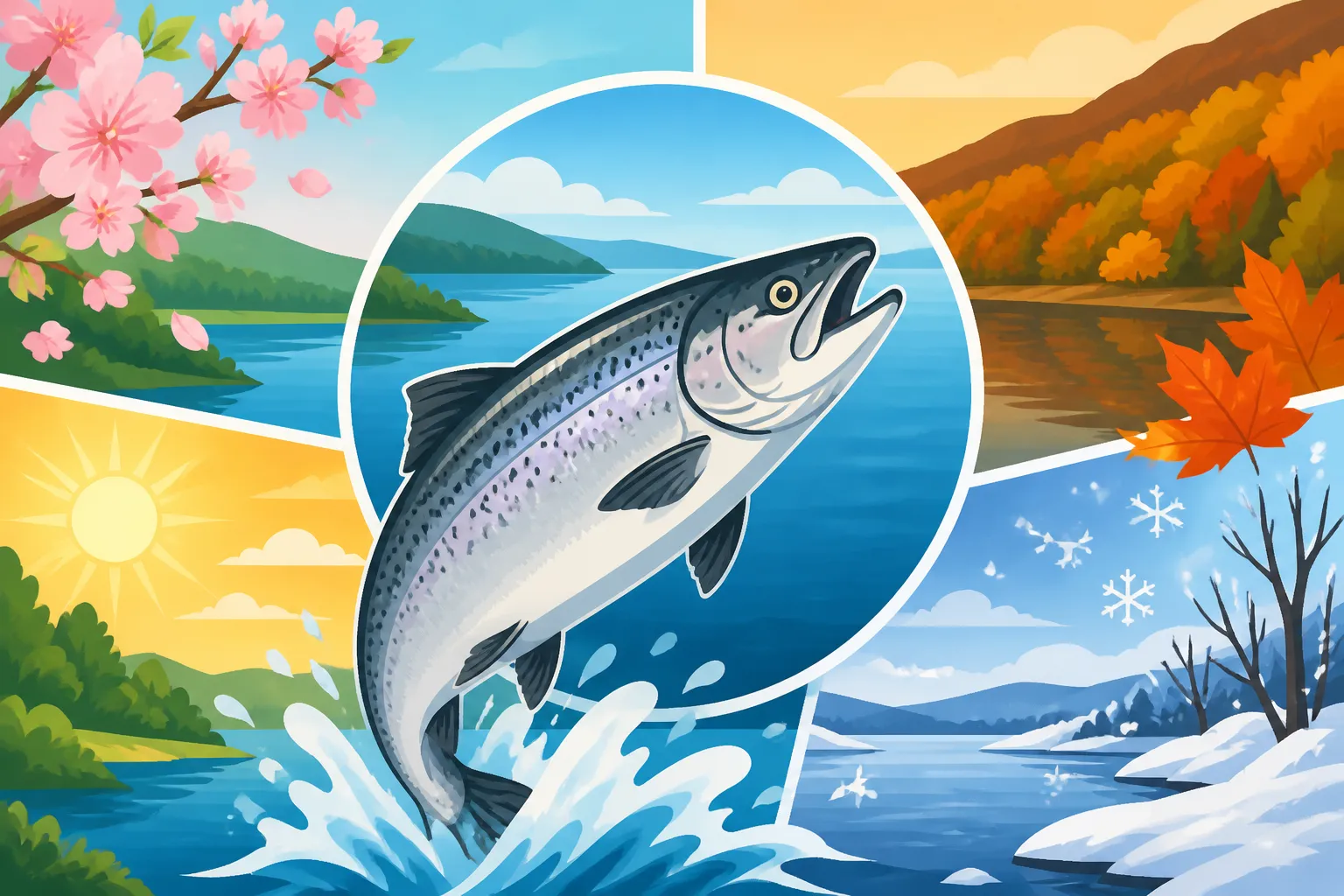
Here's a quick overview of seasonal opportunities:
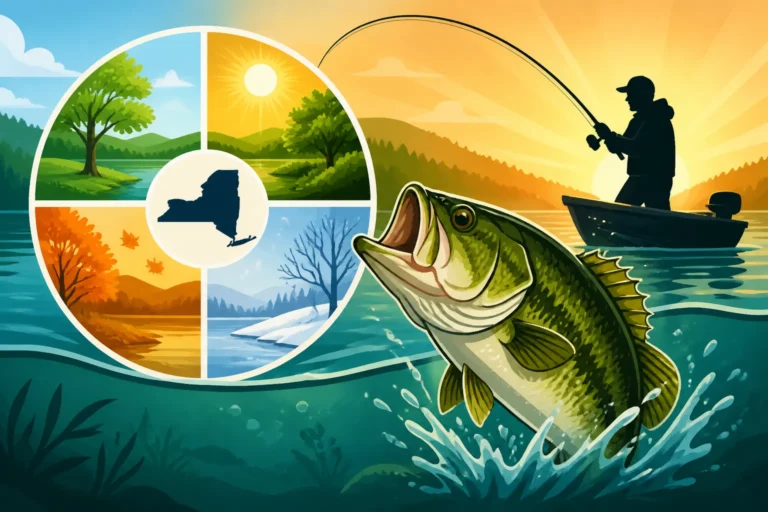
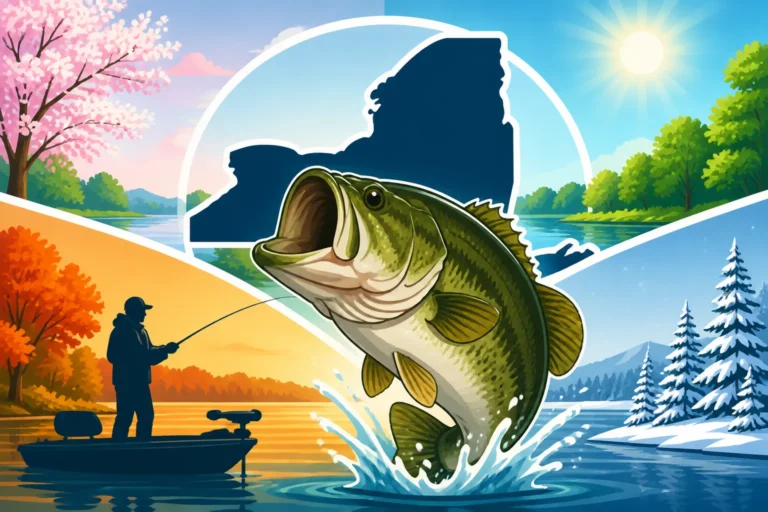
| Season | Typical Months | Salmon Behavior | Primary Techniques | Key Considerations |
|---|---|---|---|---|
| Early Spring | March – April | Actively feeding post-winter, higher in water. | Trolling, shallow casting | Cold water, limited access (ice out), aggressive bite |
| Late Spring | May – June | Aggressively feeding, starting to seek depth. | Trolling, some tributary | Water temps rising, baitfish active, good surface action |
| Summer | July – August | Retreat to deep, cold thermocline. | Deep trolling (downriggers) | Precision depth, early/late bites, fish finder critical |
| Early Fall | September – October | Move to shallower water, pre-spawn staging. | Trolling, shore/tributary | Very active feeding, cooler temps, stunning scenery |
| Late Fall | November – Early December | Spawning runs in tributaries, aggressive near mouths. | Tributary/shore casting | Spawning fish, specific regulations, weather dependent |
| Winter | December – February | Less active, deep water, ice fishing where safe. | Ice fishing (jigging) | Requires safe ice, slower bite, specialized gear |
Understanding these seasonal shifts and adapting your strategy accordingly will significantly enhance your success. There's nothing quite like the thrill of a hard-fighting landlocked salmon in the beautiful backdrop of the Finger Lakes!
Disclaimer
This article is for general informational purposes only and does not constitute professional advice. Laws, prices and regulations vary by location and change over time. Consult a qualified professional for guidance on your specific situation.