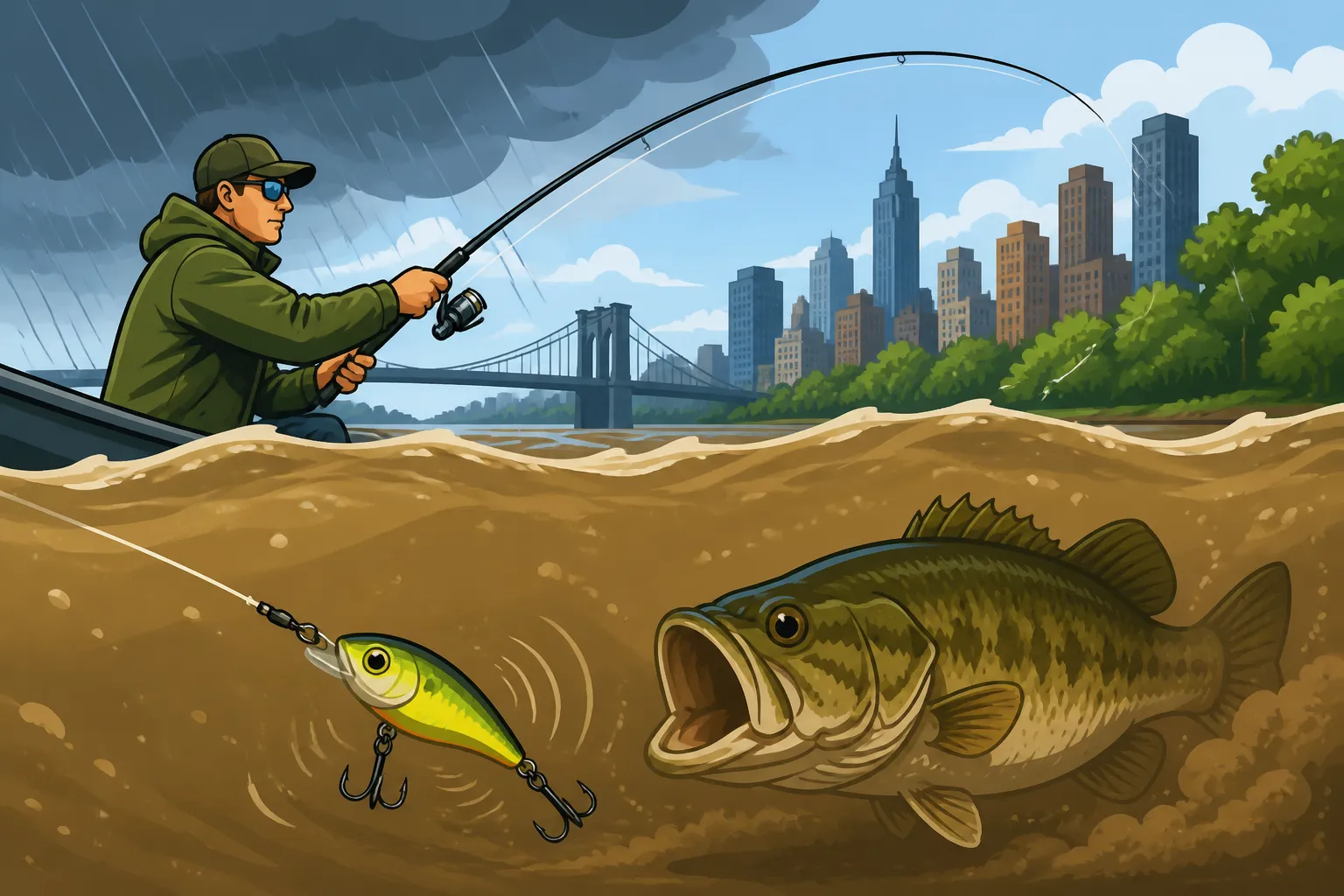
How to Fish Muddy Water After Rain
There's nothing quite like the excitement of a planned fishing trip in New York, only to wake up to the drumming sound of rain or arrive at your favorite spot to find the water a cloudy, chocolate milk color. It can be incredibly frustrating to see those murky conditions and wonder if it's even worth casting a line. Many anglers pack up before they even start, assuming the fish won't bite. But don't despair! Muddy water after a rainfall doesn't necessarily mean a ruined day on the water; it just means you need to adjust your approach. This comprehensive guide will equip you with the knowledge, strategies, and confidence to turn a challenging situation into a successful fishing adventure.
Understanding How Rain Impacts New York's Waters and Fish Behavior
Rainfall, especially heavy downpours, fundamentally alters the aquatic environment. It’s not just about the water getting dirty; a cascade of changes occurs that directly affects how fish behave, where they hold, and what they’re willing to strike. Knowing these impacts is the first step to adapting your tactics.
The Immediate Effects of Runoff: Visibility and Current
When rain washes over land, it picks up sediment, organic matter, and pollutants, carrying them into rivers, streams, and lakes. This runoff is what causes the water to become cloudy or muddy. The immediate consequence is a drastic reduction in underwater visibility. Fish, particularly sight-feeders, suddenly find their primary hunting tool compromised. Imagine trying to find a tiny morsel in a thick fog; that's essentially what it's like for a fish.
Beyond visibility, rain often leads to increased water flow and stronger currents, especially in rivers and streams. This can disorient fish and make it harder for them to hold their position without expending significant energy. It also displaces baitfish, insects, and other forage, scattering them throughout the water column or washing them into calmer areas. Understanding these immediate changes helps you predict where fish might seek refuge and how they might react to your offerings. For more on how weather generally impacts your fishing, check out How Weather Affects Fishing in New York.
How Fish React to Murky Conditions: Feeding and Location
Fish, being creatures of habit and survival, respond to muddy water in predictable ways. Many species, especially those that rely heavily on sight, will become less active or move to areas where visibility is slightly better, like shallower edges or areas closer to the surface where light penetration is still possible. They might also seek out cover such as submerged logs, weed beds, or rock piles that offer a break from the current and a sense of security in the low visibility.
However, not all fish become entirely inactive. Some predatory species, like pike or walleye, might actually become more opportunistic. The reduced visibility can give them an advantage, allowing them to ambush prey without being easily seen. Other fish might key in on the abundance of new food sources washed in by the rain, like worms or terrestrial insects. This means their feeding strategy might shift from active hunting to scavenging.
Temperature Swings and Their Influence
Rainfall, especially cold rain, can also lead to significant temperature fluctuations in the water. Rivers and shallow lakes are particularly susceptible to these changes. Fish are cold-blooded, and their metabolism is directly tied to water temperature. A sudden drop in temperature can make them sluggish and less willing to chase fast-moving lures. Conversely, warmer rain falling into cooler water can sometimes invigorate fish, especially in colder months, by raising the water temperature to a more comfortable range.
These temperature shifts, combined with changes in current and visibility, create a complex puzzle for the angler. The key is to observe the conditions, understand the likely fish reactions, and then adjust your tackle and techniques accordingly. Don't forget that atmospheric pressure also plays a role in fish activity, so consider Best Barometric Pressure for Fishing when planning your next outing.
Choosing the Right Lures and Baits for Muddy Water Success
When the water turns murky, your usual go-to lures might not cut it. Fish can't see them as well, which means you need to appeal to their other senses: sound, vibration, and scent. This is where strategic selection of baits and lures comes into play.
Embracing High-Contrast Colors
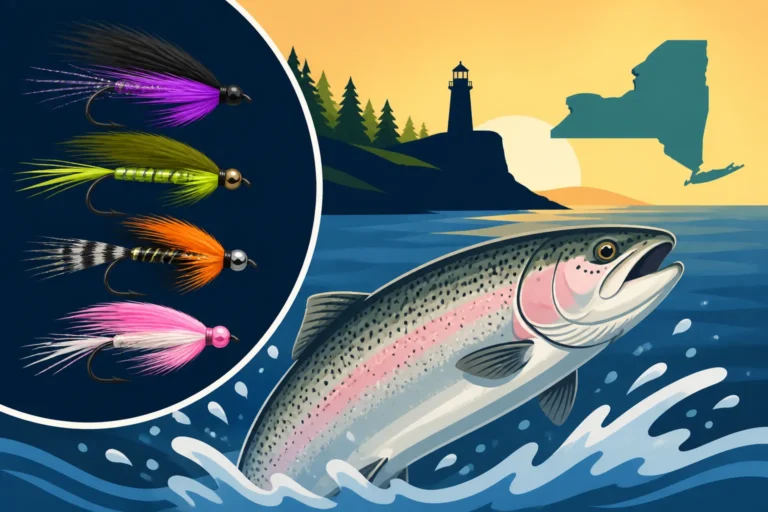
In low visibility, fish struggle to distinguish subtle colors. This is why bright, high-contrast colors become incredibly effective. Think about it: a bright chartreuse or a blazing orange stands out against a brown backdrop much more than a natural green pumpkin or a subtle bluegill pattern.
- Fluorescent Colors: Chartreuse, neon green, bright orange, and hot pink are excellent choices. These colors often appear more vibrant in low light conditions, making your lure more visible to fish.
- Black and Blue: While not fluorescent, black and blue combinations offer excellent contrast, especially when viewed against a slightly lighter background (like the surface or sky). The dark silhouette can be surprisingly effective.
- White: Sometimes, a stark white bait can also provide enough contrast to get noticed, particularly if the water isn't completely opaque.
When you're browsing for lures, whether at your local tackle shop or online on a site like Amazon, consider grabbing a few in these high-visibility shades. These aren't just for novelty; they are proven muddy water performers.
The Power of Vibration and Sound
Since sight is diminished, fish rely more heavily on their lateral line system, which detects vibrations in the water. Lures that create a lot of noise or vibration become magnets for fish in murky conditions.
- Rattling Crankbaits: These are workhorses in muddy water. The internal BBs or shot create distinct sounds that transmit through the water, alerting fish to their presence long before they can see the lure.
- Spinnerbaits: The spinning blades of a spinnerbait create flash (even if dulled by murky water) and, more importantly, a strong thumping vibration that fish can feel. They also push a lot of water, which adds to their detectability. How to Fish a Spinnerbait in New York Lakes has more tips.
- Bladed Jigs (Chatterbaits): The unique bladed head of these jigs creates an erratic, high-vibration action that can be irresistible to fish in stained water.
- Buzzbaits: For surface fishing in muddy conditions, buzzbaits churn the water and create a loud commotion that draws attention from below.
The louder, the better, often, in these situations. Don't be shy about trying lures that seem "too noisy" in clear water – they might be exactly what's needed now.
Scented Baits and Natural Offerings
When visibility is zero and vibrations aren't quite enough, scent can be your ultimate weapon. Fish have an incredibly keen sense of smell, allowing them to detect food sources from a distance, even in the murkiest water.
- Scented Soft Plastics: Many soft plastic lures come pre-infused with fish attractants. Look for brands that offer strong garlic, anise, or fish-attracting pheromones. You can also add your own scent sprays or gels to any lure.
- Natural Baits: Live bait is often king in muddy water because it offers a natural scent trail, subtle movements, and sometimes even natural vibrations. Worms, minnows, shiners, and crayfish are excellent choices. For specific rules on live bait, consult Rules on Using Live Bait in New York. The natural scent profile is something fish are programmed to respond to.
- Cut Bait: For larger predatory fish, cut bait offers a strong, easily detectable scent plume that can draw fish in from a distance.
Table: Lure and Bait Selection for Muddy Water
| Water Clarity Level | Lure Type (Vibration/Sound) | Primary Colors | Scent Recommendation | Target Species Examples |
|---|---|---|---|---|
| Slightly Stained | Spinnerbaits, Crankbaits | Chartreuse, White, Black/Blue | Added spray/gel | Bass, Walleye, Northern Pike |
| Moderately Muddy | Rattling Crankbaits, Bladed Jigs | Bright Orange, Hot Pink, Black/Blue | Heavily scented soft plastics, Natural baits | Bass, Catfish, Walleye |
| Heavily Turbid | Buzzbaits (topwater), Live Bait, Cut Bait | Black, Chartreuse (large profile) | Strong natural scent, Heavy scent additives | Catfish, Largemouth Bass, Striped Bass |
This table can give you a quick reference when you're standing by the water, trying to decide what to tie on. Remember, you might find a great selection of scented baits and additives on Amazon that can really boost your success.
Effective Fishing Techniques When Water Turns Murky
Choosing the right lure is only half the battle. How you present that lure is just as crucial, if not more so, when fishing in dirty water. Patience and precision often pay off far more than speed and haphazard casting.
Slow and Steady Wins the Race
When visibility is low, fish have less time to react to your bait. A fast retrieve might zoom past them before they even register its presence. This is why slowing down your presentation is almost always a good strategy in muddy water.
- Crankbait Retrieval: Instead of a steady, fast retrieve, try a slow, methodical crank with pauses. Let the lure sit for a moment after a few turns, allowing the vibrations to dissipate and then restart, which can trigger an inquisitive fish.
- Jigging: For jigs (like bladed jigs or even a simple Texas-rigged worm), work them slowly along the bottom or through cover. Give the fish ample time to find your bait. Small hops and drags can create subtle puffs of mud, which can also attract attention.
- Spinnerbait Pace: Even with spinnerbaits, while you need enough speed to get the blades turning, a slower roll allows fish to home in on the vibration. Experiment with different retrieve speeds until you find what triggers bites.
Remember, fish might be less willing to chase, so bringing the bait directly to them in a way they can easily intercept is key.
Targeting Structure and Cover
In clear water, fish might roam widely, but in murky conditions, they often gravitate towards structure and cover. These areas offer several advantages: a break from strong currents, potential ambush points, and often slightly better visibility due to slower water movement.
- Woody Debris: Submerged logs, fallen trees, and brush piles are prime real estate. Fish will tuck into these areas to escape the current and wait for displaced bait. Cast your vibrating or scented lures tight to these spots.
- Rock Piles and Boulders: These provide current breaks and ambush points, particularly in rivers. Work your baits slowly over and around them.
- Weed Lines: While dense weeds can be tricky to fish, the edges of weed beds, especially those transitioning from clear to murky water, can hold fish. Largemouth bass, in particular, love to hold in How to Fish for Largemouth Bass in Weeds, even when the water is stained.
- Docks and Bridges: Man-made structures offer shade, cover, and current breaks. Cast underneath docks and along bridge pilings, letting your bait sink slowly.
Concentrate your efforts on these features. Don't waste time casting into open, featureless muddy water; the fish are most likely concentrated near something substantial.
Focusing on Transition Zones and Edges
Fish, like us, seek out the path of least resistance and areas of comfort. Transition zones, where murky water meets clearer water, or where slow water meets faster current, are often hotspots.
- Shorelines: Rain often washes food into shallow shorelines. The edges of banks, especially those with some vegetation, can be productive. The shallow water might also warm up faster, attracting baitfish and then predators.
- Inflows: The mouth of a feeder creek or culvert where fresh, often slightly clearer or warmer, water is entering a larger body can be a magnet for fish. The incoming water also carries food.
- River Bends and Eddies: In rivers, eddies and the inside bends of currents provide respite from the main flow. Fish will conserve energy in these areas, waiting for food to be swept past them. Focus on the seam where the fast water meets the slow.
- Depth Changes: Pay attention to areas where the bottom drops off or rises. These depth changes, even subtle ones, can concentrate fish as they seek out comfortable water or ambush points.
Your goal is to find these "sweet spots" where fish are most likely to be holding and then present your high-contrast, high-vibration, or heavily-scented bait right to them.
Essential Gear and Preparations for Post-Rain Angling
While technique and lure choice are paramount, having the right gear and making a few preparations can significantly improve your experience and success when fishing muddy water after rain.
Optimizing Your Line and Rod Setup
The gear you use can make a real difference, especially when you can't rely on visual cues from your line or the fish.
- Heavier Lines: In murky water, fish are less line-shy. This is a huge advantage! You can often get away with heavier monofilament or fluorocarbon lines, which are more abrasion-resistant around submerged debris washed in by rain. Heavier braid is also excellent, offering superior sensitivity.
- Fluorocarbon Leaders: While braid is great for sensitivity, a short fluorocarbon leader can still provide a bit of invisibility at the lure, while still benefiting from the braid's strength and lack of stretch.
- Sensitive Rods: When you can't see the bite, you need to feel it. A sensitive graphite rod with a fast or extra-fast action will transmit even the slightest tap or bump from a fish. This is crucial for detecting subtle strikes in murky water.
- Brightly Colored Braided Line: Some anglers prefer brightly colored braided lines (like yellow or neon green) as a visual aid to detect subtle movements or twitches in the line, indicating a bite, even though the water itself is muddy. While the fish can't see it underwater, you can see it above the surface.
Don't be afraid to experiment with your line choices. What works best might vary depending on the specific water body and species you're targeting.
Enhancing Your Sensory Perception
Since your eyes are less useful underwater, you need to sharpen your other senses and use tools to compensate.
- Fish Finders/Sonar: If you're fishing from a boat, your fish finder becomes an invaluable tool. It can help you locate structure, identify depth changes, and even spot fish directly, even when you can't see them. Learn to read the bottom contours and locate those transition zones we discussed earlier.
- Electronics for Current: Some advanced boat electronics can show you current speeds and directions, helping you pinpoint those crucial eddies and current breaks where fish will gather.
- Practice Feeling Bites: Take time to focus on feeling your lure. Understand the subtle differences between a snag, a weed, and a fish bite. In muddy water, bites can often feel like a simple "mushy" feeling, added weight, or a slight change in line tension rather than a sharp yank.
- Waterproof Rain Gear: This might seem obvious, but staying comfortable and dry is paramount. If you're shivering and miserable, your focus will be shot, and you'll be more likely to give up early. A good quality waterproof jacket and pants are a must. You can find reliable options on Amazon.
Staying Safe and Prepared
Fishing in post-rain conditions can sometimes present additional hazards. A little preparation goes a long way.
- Footing: Bank fishing after heavy rain can mean slippery banks and muddy trails. Wear appropriate footwear with good grip.
- Water Levels and Currents: Be mindful of rapidly rising water levels and strong currents, especially in rivers. Never wade into water you're unsure about, and always err on the side of caution.
- Debris: Increased current can wash down logs, branches, and other debris. Be aware of your surroundings, especially if boating.
- Weather Monitoring: Keep an eye on the forecast. While you're targeting post-rain conditions, you don't want to get caught in another unexpected storm.
- Bring Essentials: Always carry essentials like a first-aid kit, extra water, snacks, and a fully charged phone.
By understanding how muddy water affects fish, choosing the right baits and lures, applying smart techniques, and preparing your gear, you can turn a seemingly challenging day into a productive and rewarding fishing experience. Don't let a little mud stop you from hitting the water in New York! You might just discover some of the best fishing of the year.
Disclaimer
This article is for general informational purposes only and does not constitute professional advice. Laws, prices and regulations vary by location and change over time. Consult a qualified professional for guidance on your specific situation.