New York’s Most Popular Saltwater Fish
One of the most exciting things about fishing in New York is the incredible diversity of saltwater species that call our coastal waters home. It can be a little overwhelming when you're staring out at the vast Atlantic or the sprawling Long Island Sound, wondering what kind of fish you might hook into and how to even begin targeting them. This guide is all about demystifying the most popular saltwater fish you'll find here, giving you the inside scoop on what makes them so sought after, where to find them, and the best ways to bring them to your net.
Why Saltwater Fishing in New York is Special
New York's coastline is a vibrant and dynamic environment, offering an unparalleled variety of saltwater fishing opportunities that range from quiet bays to the open ocean. It's not just about the sheer number of fish, but the thrilling diversity and the challenge each species presents. From the rocky shores of Montauk to the calmer inlets of Long Island, our waters are teeming with life, providing anglers with endless adventures.
A Diverse Coastal Environment
Our state's saltwater boundaries encompass a truly remarkable array of habitats. You've got the vast expanse of the Atlantic Ocean, particularly off Montauk and the South Shore of Long Island, which serves as a highway for migrating species. Then there's the Long Island Sound, a truly unique estuary system with its mix of currents, depths, and bottom structures that nurture a huge variety of fish. Further inland, we have numerous bays, harbors, and tidal rivers, each with its own characteristics and resident fish populations. This incredible tapestry of environments is what allows so many different species to thrive here, ensuring that no two fishing trips are ever quite the same. It's this geographical richness that really sets New York apart for saltwater anglers.
Imagine standing on a dock in City Island, watching charter boats head out, knowing that just a short distance away, trophy-sized fish are cruising the depths. Or picture yourself surfcasting on a quiet beach near Robert Moses State Park, the waves crashing as you cast into the vastness of the Atlantic. Each location, from the bustling marinas to the serene, marshy backwaters, presents a different challenge and a different reward. This intricate ecosystem means you can tailor your fishing experience to exactly what you're looking for, whether it's battling a monster offshore or enjoying a peaceful afternoon catching dinner in a calm bay.
The Thrill of the Chase
There’s a reason why saltwater fishing captures the hearts of so many: the thrill of the unknown and the fight of a truly powerful fish. Unlike freshwater fishing, where encounters can often be more predictable, saltwater species often bring an added level of excitement and unpredictability. You never quite know what might be on the other end of your line, and when a big one hits, the adrenaline rush is simply undeniable. These fish are often strong, fast, and incredibly resilient, making every hook-up a memorable battle.
Whether it's the blistering run of a striped bass, the violent head shakes of a bluefish, or the subtle tug of a fluke, each species has its own unique way of testing an angler's skill and patience. The pursuit itself becomes an adventure, from scouting locations and reading tides to perfecting your presentation. And when you finally bring a beautiful, powerful fish to the boat or shore, there's an immense sense of accomplishment that keeps you coming back for more. It’s this combination of diverse environments and challenging, rewarding catches that makes saltwater fishing in New York so incredibly special and, frankly, addictive.
Striped Bass: The Iconic Coastal Fighter
When you talk about New York saltwater fishing, the striped bass almost always comes up first. This fish isn't just popular; it's practically a legend, known for its powerful runs, impressive size, and delicious flaky meat. The striped bass, or "striper" as it's affectionately known, represents the pinnacle of many East Coast anglers' pursuits, offering a consistent thrill throughout much of the year.
Where and When to Find Them
Striped bass are migratory fish, and their presence in New York waters is largely dictated by their annual journey up and down the Atlantic coast. They typically arrive in our waters in the spring, usually starting in April, as they follow baitfish northward. The Hudson River is a critical spawning ground for many stripers, and the spring run up the river can be phenomenal. As temperatures warm, they spread out into Long Island Sound Striped Bass Charters in New York, the bays, and the open ocean, spending the summer feasting on bunker, herring, and other forage. The fall sees a massive migration back south, often referred to as "the fall run," where huge schools of bass gorge themselves before heading to their wintering grounds.
During the spring, estuaries and tidal rivers are prime spots, especially around the mouths where they meet the ocean. Think areas like the western end of Long Island Sound, the Great South Bay, and, of course, the Hudson River itself. As summer progresses, you'll find them in deeper channels, around structure like jetties and rock piles, and often cruising the surf zone along the open beaches of Long Island. The fall run is famous for epic fishing off Montauk Point, where the stripers stage before their southern migration. Knowing these patterns is key to successful striper fishing, as they're constantly on the move seeking food and optimal temperatures.
Popular Fishing Techniques
Anglers target Striped Bass in New York using a wide array of techniques, reflecting the fish's versatile feeding habits. For many, live bait is king. Bunker (menhaden), spearing, or eels are incredibly effective, whether you're drifting them in currents, slow-trolling them, or casting them from shore. For those who prefer artificials, the options are endless. Plugs, like poppers and swimming lures, are fantastic for mimicking baitfish and drawing explosive topwater strikes, especially during dawn and dusk. Jigs, bucktails, and soft plastics are excellent for targeting fish holding deeper or when they're feeding on smaller bait.
Surfcasting with cut bait or large lures is a classic method, particularly effective during the spring and fall runs along open beaches. Boat anglers often employ trolling with umbrella rigs, Mojos, or deep-diving plugs, covering a lot of water to find schools of fish. Chunking (using cut pieces of bunker) is another popular boat technique, particularly in deeper channels or areas where fish are congregated. For the fly-fishing enthusiast, stripers can provide an incredible challenge, especially when they're chasing bait on the surface. Whatever your preferred style, the key is often to "match the hatch," using baits or lures that resemble what the stripers are currently feeding on.
Regulations and Conservation
Given their immense popularity and the pressures of fishing, striped bass are subject to specific regulations aimed at ensuring their sustainability. These rules often change, so it's absolutely crucial to check the most current New York Fishing Regulations Explained before every trip. Generally, there are specific slot limits, meaning you can only keep fish within a certain size range, not too small and not too large. This protects juvenile fish and large breeding females, which are vital for the population. There are also specific New York Striped Bass Length Requirements and New York striped bass season dates that dictate when and what you can keep.
A significant conservation measure for bait fishing for striped bass is the requirement to use circle hooks. These hooks are designed to hook fish in the corner of the mouth, dramatically reducing gut hooking and increasing the survival rate of released fish. If you plan to use natural bait, make sure your tackle box is stocked with the appropriate circle hooks. Adhering to these regulations isn't just about avoiding penalties; it's about being a responsible angler and contributing to the health of the striped bass fishery for future generations.
Fluke (Summer Flounder): The Bottom Dweller's Delight
Next up, let's talk about fluke, also known as summer flounder. These flatfish are incredibly popular in New York waters, not only because they're plentiful and accessible but also because they are absolutely delicious on the dinner table. There's a certain satisfaction in drifting over a productive piece of bottom and feeling that characteristic thump of a fluke taking your bait.
Prime Fluke Grounds
Fluke are masters of camouflage, burying themselves in sandy or muddy bottoms, waiting to ambush unsuspecting baitfish. Their preferred habitats are typically bays, estuaries, and nearshore ocean waters with varying depths and structures. In New York, prime fluke grounds can be found throughout Long Island Sound, Great South Bay, Peconic Bay, and even the sandy stretches off the ocean beaches. They tend to gravitate towards areas where there's a mix of sand, mud, and some form of structure, like channels, drop-offs, wrecks, or mussel beds.
Early in the season, when water temperatures are still warming, fluke often congregate in shallower bays and estuaries. As summer progresses and the water warms further, many move to deeper channels, inlets, and even offshore wrecks and reefs. These deeper areas provide cooler temperatures and access to more abundant forage. Understanding their seasonal movements is key; a spot that was hot in June might be quiet by August, requiring you to shift your focus to deeper, cooler waters. Don't be afraid to explore different depths and bottom compositions to find where they're hiding.
Effective Fluke Fishing Methods
The most common and often most effective method for catching Fluke in New York Waters is drifting. This involves letting your boat drift with the current over potential fluke grounds, dragging your bait or lure along the bottom. The drift allows you to cover a lot of water, presenting your offering to many fish. You can control your drift speed with a drift sock or by occasionally bumping your motor into gear. Anglers also frequently use jigging, especially with bucktail jigs tipped with bait. This technique involves lifting and dropping the jig, mimicking a struggling baitfish or squid, which can be irresistible to a hungry fluke.
Shore anglers can also find success, particularly in tidal inlets, channels, and along jetties, by casting and slowly retrieving bottom rigs or bucktail jigs. The key with fluke is to keep your bait or lure moving and close to the bottom, where they lie in wait. Sometimes a slow, steady retrieve is best; other times, a more erratic jigging motion will trigger a strike. Pay attention to the subtle taps and bumps, as fluke often "test" the bait before committing. A good fish finder can be an invaluable tool to identify changes in bottom structure and locate baitfish, indicating potential fluke holding areas.
Tackle and Bait Essentials
When it comes to tackle for fluke, light to medium spinning or conventional gear is typically preferred. You want a rod with a sensitive tip to detect those subtle bites, but enough backbone to handle a decent-sized fish. Many anglers opt for braided line, as its lack of stretch provides superior sensitivity, allowing you to feel every bump and bite on the bottom. A monofilament or fluorocarbon leader of 20-30 lb test is usually tied to the braid to provide some abrasion resistance against structure and offer invisibility to the fish.
For bait, a classic fluke rig often consists of a spreader or a three-way swivel rig, with a sinker on the bottom and a snelled hook above it. Popular baits include spearing (silversides), strips of squid, live killifish, or a combination of squid and spearing, often called a "fluke sandwich." Many anglers also swear by artificial baits like Gulp! scented plastics, which are incredibly effective and can often out-fish natural bait. You can find a huge selection of these baits and tackle essentials on Amazon, making it easy to stock up before your next trip. Pair these with a bucktail jig, and you have a formidable arsenal for targeting these tasty flatfish.
Bluefish: The Aggressive Chopper
If you're looking for an exhilarating fight and a fish that attacks with reckless abandon, then the bluefish is your target. Known for their razor-sharp teeth and aggressive feeding frenzies, bluefish offer an action-packed fishing experience that can be incredibly thrilling. While they might not be as universally revered for table fare as striped bass or fluke, their fighting spirit is second to none.
Their Habitat and Habits
Bluefish are highly migratory, pelagic fish that typically move into New York's warmer coastal waters in late spring and stay through the fall. They are often found in large, aggressive schools, ranging from small "snappers" (juveniles) to large "choppers" that can weigh over 15 pounds. These schools actively hunt baitfish like bunker, spearing, and anchovies, often driving them to the surface in spectacular feeding frenzies that can be seen from a distance. You'll find them almost everywhere from the open ocean and surf zones to the inlets and Bluefish Fishing on Long Island Sound, New York itself.
They are incredibly adaptable and can be found in a variety of water depths, though they often prefer areas with good current or where baitfish are concentrated. During a feeding blitz, which is an incredible sight, they'll tear through schools of bait, leaving a trail of carnage. This behavior is what makes them so much fun to target; they hit lures and baits with ferocity, often creating memorable strikes that pull hard on your line. Keep an eye out for diving birds, which are often a tell-tale sign of a bluefish blitz below the surface.
Taming the Toothiest Fish
Given their aggressive nature and sharp teeth, targeting bluefish requires some specific adjustments to your tackle. You'll want a medium to heavy action rod with a strong reel, capable of handling powerful runs. Braided line in the 30-50 lb test range is a good choice for its strength and sensitivity. The most crucial piece of gear, however, is a leader. Bluefish can easily sever monofilament or fluorocarbon with their teeth, so a short length of wire leader (like a multi-strand steel leader) is almost essential, especially when using expensive lures or if you want to ensure landing your catch.
Topwater lures like poppers and walkers are incredibly exciting to use when bluefish are busting on the surface. They provoke explosive strikes that are visual and heart-stopping. Metal lures, such as Kastmasters or other casting jigs, are excellent for long casts and rapidly sinking to where the fish are holding. Trolling with spoons or deep-diving plugs is also very effective, especially when trying to locate schools over a wider area. When they're in a feeding frenzy, bluefish aren't particularly picky, and almost anything that moves aggressively will get their attention. Check Amazon for a great selection of robust bluefish lures and leaders.
Enjoying the Catch
While some anglers release bluefish, many appreciate them for their firm, somewhat oily flesh. The key to making bluefish a delicious meal is proper handling and preparation. They tend to spoil quickly if not cared for, so it's vital to bleed them immediately after catching and get them on ice as soon as possible. Fillet them promptly, remove the dark red lateral line meat, and cook them fresh.
Bluefish have a stronger flavor than, say, fluke or striped bass, but when prepared correctly, they can be excellent. Grilling, baking, or smoking are popular cooking methods, often with strong marinades or spices to complement their rich taste. Many people find them perfect for fish tacos or patties. Don't be deterred by their reputation; with a little effort, the aggressive chopper can become a very satisfying culinary experience.
Tautog (Blackfish): The Structure Specialist
For those who enjoy a challenge and a strategic approach to fishing, the tautog, often called blackfish, is an incredibly rewarding species to target in New York. These incredibly strong fish are notorious for their preference for rugged, snag-filled bottoms and their stubborn, head-down fighting style. Landing a big tautog is a testament to an angler's skill and patience.
Locating Tautog Havens
Tautog are true homebodies, preferring to cling to hard structure. You won't find them roaming open sandy flats like fluke. Instead, they inhabit rocky reefs, mussel beds, submerged wrecks, bridge pilings, jetties, and rock-lined shores. Essentially, anywhere barnacles, crabs, and other invertebrates can thrive is a potential tautog haven. In New York, this means they are abundant in areas of Long Island Sound, around the jetties and breakwaters of our inlets, and on many offshore wrecks. They love to hide deep within these structures, making them tricky to extract once hooked.
Locating tautog often requires good sonar to identify underwater structures or intimate knowledge of local spots. They are often found in relatively shallow water, especially in the spring and fall, but will move deeper during the colder winter months. During the spring, you might find them closer to shore, feasting on crabs in warmer waters. As fall progresses, they often gather in larger schools around deeper wrecks and reefs before becoming less active in the coldest parts of winter. Finding the exact "sweet spot" on a piece of structure where they are actively feeding is part of the tautog fishing puzzle. Many local guides have pinpointed these precise locations, often marking them on their GPS.
Specialized Techniques for Tautog
Tautog fishing is not about casting and retrieving; it's a vertical game. The primary method is bottom fishing directly over structure. Anglers use specialized rigs designed to keep the bait close to the bottom while minimizing snags. A common setup is a "tog rig" with a single snelled hook tied to a short leader, often with a heavier sinker to keep it in place amidst strong currents and rough bottoms. Many seasoned anglers are now using specific Tautog Blackfish in New York jigging techniques with heavy jigs tipped with bait.
The bite of a tautog is notoriously subtle yet powerful. They often "mouth" the bait before committing, giving a series of gentle taps or bumps. The key is to feel these subtle indications and then quickly set the hook with a strong, upward jerk. Once hooked, a tautog will immediately try to dive back into the structure, so you need to apply heavy pressure and literally "winch" them away from the snag before they can cut your line. This requires a sharp hook, strong line, and a quick reaction time. It's a game of patience and precision, where a single missed bite can mean a lost opportunity.
Gear Considerations
Heavy-action rods with strong backbones are essential for tautog fishing. You need a rod capable of handling heavy sinkers (often 6-12 ounces or more, depending on current and depth) and powerful fish trying to pull you into the rocks. Conventional reels are preferred by many tautog anglers for their winching power and direct feel. Fill your reel with heavy braided line, typically 40-60 lb test, which offers superior sensitivity for detecting bites and the strength needed to pull fish from structure. A heavy fluorocarbon leader (40-60 lb test) is often used for abrasion resistance and to absorb the shock of a strike.
The best baits for tautog are crustaceans. Green crabs, fiddler crabs, hermits, and sometimes even pieces of clam or Asian shore crabs are incredibly effective. You'll need tough, sharp hooks, usually a wide gap or J-hook in sizes 1/0 to 5/0, depending on the bait size. Presentation is crucial; you want to present the bait naturally, close to the bottom, without getting continually snagged. Many experienced tautog anglers tie their own rigs, customizing them for specific conditions and bait types. Don't be surprised if you go through a lot of sinkers and hooks; it's simply part of the tautog fishing experience.
Porgies (Scup): The Abundant Panfish of the Salt
If you're looking for consistent action and a delicious meal without needing heavy tackle or specialized techniques, then porgies, also known as scup, are your go-to saltwater fish in New York. These schooling panfish are incredibly abundant, easy to catch, and a fantastic target for anglers of all skill levels, especially families and beginners.
Why Porgies Are a Great Target
Porgies are often underestimated, but they offer an incredibly fun and accessible fishing experience. They typically school in large numbers, which means once you find them, the action can be non-stop. This constant activity makes them perfect for keeping kids engaged or for simply enjoying a relaxing day on the water with plenty of bites. Beyond the fun of reeling them in, porgies are excellent table fare. Their white, flaky meat is mild and sweet, making them a favorite for many coastal cooks.
Their widespread availability and cooperative nature also mean you don't need a fancy boat or expensive gear. You can catch them from piers, docks, shorelines, or small boats. This accessibility, combined with their willingness to bite, makes porgies a fantastic entry point for new saltwater anglers. It’s a great way to introduce someone to the joys of fishing without the frustration of long waits or complicated techniques. Plus, catching a cooler full of porgies promises a fresh seafood dinner that night, which is a reward in itself!
Simple Rigs and Baits
Porgies aren't particularly fussy, and simple tackle is all you need to catch them. The most common setup is a basic bottom rig, often called a "high-low" rig or a "fluke rig" with multiple hooks. This rig typically has two snelled hooks tied above a sinker, allowing you to present bait at slightly different depths. You'll want light to medium spinning gear, with 8-15 lb test monofilament or braided line. The rod should have a sensitive tip to detect their often subtle bites.
When it comes to bait, porgies are rarely picky. Pieces of clam, squid strips, or sandworms are incredibly effective. Many anglers swear by clam, as its scent seems to attract them quickly. Small pieces of bait work best, as porgies have relatively small mouths. You can purchase clams or sandworms at most bait shops, or even order specialized scent baits and tackle through Amazon if you prefer. The key is to keep your bait fresh and present it near the bottom where the schools are feeding.
Where Porgies Gather
As bottom feeders, porgies prefer structured environments where they can find small invertebrates and other food sources. You'll find them congregating around rocky bottoms, jetties, bridge pilings, mussel beds, and shell hash. Piers and docks in various bays and inlets, like those found in Porgy Scup in New York areas, are fantastic places to target them, as these structures often hold large schools. They also frequent artificial reefs and wrecks.
If you're fishing from a boat, anchoring over a piece of rocky bottom or a mussel bed can be incredibly productive. Chumming (slowly dispersing small pieces of clam or crushed mussels into the water) can also be very effective at attracting and holding a school of porgies near your boat. Pay attention to the tides; porgies often feed most aggressively during moving tides, either incoming or outgoing, as the current dislodges food and brings it to them. Finding the right piece of bottom structure is key, and once you do, you're usually in for a lot of action.
Other Notable Saltwater Species Gracing New York Waters
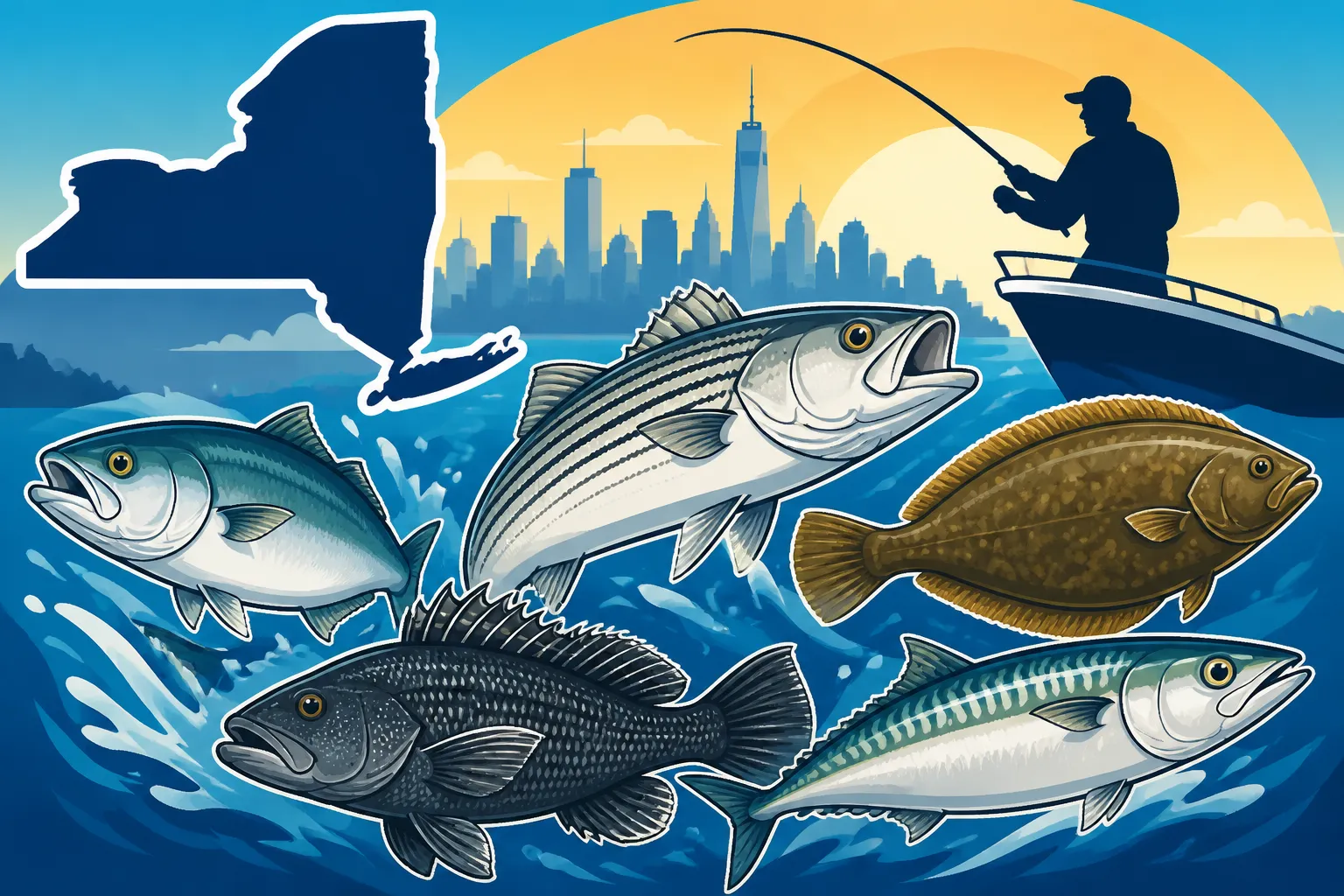
While striped bass, fluke, bluefish, tautog, and porgies are the heavy hitters, New York's saltwater bounty doesn't stop there. Our diverse waters host a variety of other fascinating and delicious species that provide additional fishing opportunities throughout the year. Broadening your horizons beyond the most popular targets can lead to some unexpected and exciting catches.
Weakfish
Weakfish, named for their delicate mouths rather than their fighting ability, are truly beautiful fish with iridescent purple and gold hues. They are highly sought after for their exquisite table fare and can put up a respectable fight on light tackle. In New York, weakfish are often found in bays, estuaries, and along the coast, particularly in areas with muddy or sandy bottoms near structure. They are often found in the same areas as fluke.
Anglers typically target weakfish with soft plastic lures, especially those mimicking small baitfish or worms, jigged slowly along the bottom or through the water column. Live bait like spearing, killifish, or squid strips can also be very effective. Their bite can be subtle, similar to a fluke, but once hooked, they make strong runs. Careful handling is important due to their tender mouths. While their populations fluctuate, a good weakfish bite can be an incredibly rewarding experience for any angler.
Winter Flounder
Often overshadowed by their summer counterparts, winter flounder are another delicious flatfish found in New York waters. As their name suggests, they prefer colder water temperatures and are primarily targeted in late winter and early spring, before the summer flounder move in. They inhabit sandy or muddy bottoms in bays, estuaries, and shallow coastal areas.
Fishing for winter flounder typically involves anchoring in a channel or bay and using a simple two-hook bottom rig. The absolute best bait for them is clam worms or bloodworms, which are irresistible to these delicate feeders. Strips of clam or small pieces of squid can also work. Patience is key, as their bites can be very light "taps." A sensitive rod tip will help you detect these subtle takes. Catching winter flounder often provides a welcome reprieve from the cabin fever of winter, offering a chance to taste some truly fresh, sweet meat.
Kingfish, Cod, and Black Sea Bass
Our waters also seasonally host other fantastic species. Kingfish, small but feisty members of the drum family, are abundant in the surf and bays during the warmer months, offering constant light-tackle action on clam worms. They are excellent eating, often pan-fried whole. Cod, traditionally a winter species, can still be found in deeper offshore waters during the colder months, especially around wrecks and reefs, offering a powerful fight and superb fillets.
Black sea bass are another incredibly popular bottom-dwelling species, known for their aggressive bites and firm, white meat. They are often found around rocky reefs, wrecks, and other structures, particularly in deeper waters. Anglers target them with jigs and baited bottom rigs, using clam, squid, or spearing. Black sea bass fishing often offers fast action and consistent catches, making them a favorite for many charter boats. Like tautog, they are structure-oriented, so understanding where to find underwater features is crucial.
Navigating Regulations and Responsible Angling
Being a successful angler in New York's saltwater fisheries isn't just about catching fish; it's also about understanding and respecting the rules and contributing to the health of the marine ecosystem. Regulations are in place for a reason – to ensure that these incredible fish populations can thrive for generations to come.
Essential Licenses and Registrations
Before you even think about casting a line in New York's saltwater, you need to make sure you're properly registered. For saltwater fishing, New York requires anglers to register with the New York Saltwater Fishing Registration Guide. The good news is, this registry is generally free and relatively easy to complete online. It's not a traditional "license" with a fee like freshwater fishing, but it's equally important and mandatory for anyone 16 years of age or older fishing in marine waters. This registration helps the state collect vital data on fishing effort, which is critical for managing fish populations.
It's crucial to differentiate this from a freshwater license; if you plan to fish in both freshwater and saltwater, you'll need both. Always carry proof of your registration or license with you while fishing, whether it's a physical copy or a digital one on your phone. Ignorance of the law is no excuse, and wardens do check. Beyond the basic registration, there are often specific permits or endorsements needed for certain activities, like shellfishing or spearfishing, so always double-check the current New York Fishing Regulations Explained before heading out.
Catch and Release Best Practices
Even if you plan to keep some fish for dinner, responsible angling often involves releasing many of your catches. Practicing proper catch and release techniques is vital for the survival of those fish you send back to the water. This is especially true for species like striped bass, which often have slot limits designed to protect larger breeding fish. The goal is to minimize stress and injury to the fish.
Here are a few key practices: use appropriate tackle for the size of fish you're targeting to bring them in quickly, reducing exhaustion. Barbless hooks can make hook removal much easier. When handling fish, try to keep them in the water as much as possible. If you must remove them, do so gently, supporting their body weight, especially larger fish. Avoid touching their gills or eyes. Use de-hooking tools like pliers or forceps to quickly and safely remove hooks, especially if the hook is deep. Finally, revive the fish by holding it gently in the water, facing into the current, until it swims away under its own power. These simple steps make a huge difference in the survival rates of released fish.
Promoting Sustainable Fisheries
Every angler has a role to play in promoting sustainable fisheries. This means more than just following the rules; it's about adopting a mindset of conservation. Respecting daily catch limits, understanding size restrictions, and adhering to seasonal closures for certain species are non-negotiable. These regulations are often based on scientific data about fish populations and are designed to prevent overfishing and allow fish stocks to replenish. If you see others violating these rules, it's important to report it to the proper authorities.
Consider the long-term impact of your fishing activities. This might involve voluntarily releasing more fish than legally required, especially larger breeding females. Educating yourself and others about invasive species and preventing their spread is also critical. By making conscious choices, from the gear we use to how we handle our catch, we all contribute to ensuring that future generations can enjoy the same incredible saltwater fishing opportunities in New York that we do today. It's a shared responsibility, and it's essential for preserving this precious natural resource.
| Fish Species | Primary Habitat | Common Baits/Lures | Seasonal Peak | Key Characteristics |
|---|---|---|---|---|
| Striped Bass | Bays, Inlets, Ocean, Tidal Rivers | Bunker, Eels, Plugs, Jigs, Poppers | Spring & Fall | Powerful runs, migratory, iconic |
| Fluke (Summer Flounder) | Sandy/Muddy Bottoms, Bays, Inlets, Ocean | Spearing, Squid, Gulp! plastics, Bucktails | Summer | Flatfish, ambush predator, delicious |
| Bluefish | Open Ocean, Bays, Inlets | Bunker, Metal lures, Poppers | Summer & Fall | Aggressive, sharp teeth, strong fighter |
| Tautog (Blackfish) | Rocky Reefs, Wrecks, Jetties, Pilings | Crabs (Green, Fiddler), Clam | Spring & Fall | Structure-oriented, stubborn fight, tricky bite |
| Porgies (Scup) | Rocky Bottoms, Docks, Piers | Clam, Squid, Worms | Summer & Fall | Abundant, easy to catch, good eating |
| Weakfish | Bays, Estuaries, Muddy Bottoms | Soft plastics, Live bait (spearing) | Summer | Delicate mouth, iridescent colors, delicious |
| Winter Flounder | Shallow Bays, Estuaries, Muddy Bottoms | Clam worms, Bloodworms | Late Winter & Early Spring | Cold water preference, subtle bite, excellent eating |
| Black Sea Bass | Reefs, Wrecks, Rocky Structure | Clam, Squid, Jigs | Summer & Fall | Bottom dweller, aggressive, firm white meat |
Disclaimer
This article is for general informational purposes only and does not constitute professional advice. Laws, prices and regulations vary by location and change over time. Consult a qualified professional for guidance on your specific situation.