New York’s Trophy Fish Species
There’s a certain thrill that comes with chasing a true lunker, a fish so big it feels like pulling a small submarine out of the water. New York State, with its incredible diversity of waters from vast Great Lakes to winding rivers and serene ponds, is home to a surprising number of fish species that can grow to truly epic, trophy proportions. This guide is all about those giants – the ones that make your drag scream and your heart pound, and how you can go about finding them.
The Lure of the Lunker: Why Trophy Fishing Captivates Anglers
For many of us, fishing isn't just about catching dinner (though that's a nice bonus!). It's about the challenge, the anticipation, and the sheer awe of connecting with a truly magnificent creature. Trophy fishing takes this to another level, transforming a relaxing pastime into a dedicated pursuit of a lifetime memory.
More Than Just a Meal: The Thrill of the Chase
Think about it: spending hours, sometimes days, on the water, meticulously researching, planning, and executing a strategy to entice one specific, gargantuan fish. It's a test of patience, skill, and knowledge. When that rod doubles over, and you feel the raw power of a fish that might weigh as much as a small child, it's an adrenaline rush unlike any other. It’s the story you'll tell for years, the photo that will hang on your wall, and the moment you truly feel connected to the wild heart of New York's waterways. It's not just about the size of the fish, but the journey to get there, the lessons learned, and the respect gained for these incredible aquatic inhabitants. The pursuit of a trophy fish demands a deeper understanding of fish behavior, their preferred habitats, and the intricacies of presentation, pushing anglers to constantly refine their techniques and expand their expertise.
Understanding "Trophy" Size in New York
What exactly constitutes a "trophy" fish? Well, it's a bit subjective, isn't it? For some, it's about breaking a personal best. For others, it’s a fish that surpasses a certain weight or length widely recognized within the angling community as exceptional for its species. Then, of course, there are the official state records, which represent the absolute pinnacle. In New York, a trophy can range from a 20-inch brook trout from a secluded Adirondack pond to a 40-pound salmon from Lake Ontario or a 50-inch muskellunge from the St. Lawrence River. It's important to understand that what might be a "trophy" panfish is vastly different from a "trophy" lake trout. This guide will delve into species-specific sizes and locations where these giants tend to thrive, giving you a better benchmark for your own pursuits. Knowing the typical maximum sizes for different species helps in selecting the right gear and setting realistic, yet ambitious, goals.
Kings of the Great Lakes: Trophy Salmon and Steelhead
New York's Great Lakes, particularly Lake Ontario and its tributaries, are world-renowned for their incredible coldwater fisheries. Here, you'll find some of the most powerful and sought-after trophy fish the state has to offer: Chinook Salmon and Steelhead.
Chinook Salmon: The Lake Ontario Giants
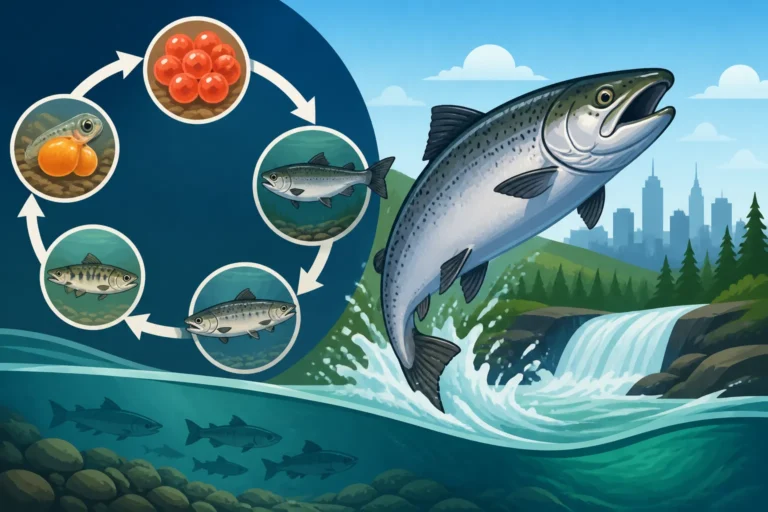
If you're looking for sheer size and brute force, the Chinook salmon, also known as King salmon, is your target. These oceanic-sized fish thrive in the deep, cold waters of Lake Ontario, spending years gorging on baitfish like alewives before making their spectacular spawning runs up major tributaries in the fall. A true trophy Chinook can easily tip the scales into the 20 to 30-pound range, with some exceeding 40 pounds. Landing one of these is a full-body workout, often requiring heavy-duty trolling gear and a strong back. The best time to target them in their largest sizes is during the late summer offshore on Lake Ontario, or as they stage near river mouths and begin their upstream migration in September and October. Focus your efforts around areas like Oswego, Mexico Bay, and the famous Salmon River. For an in-depth look at where these magnificent fish reside, check out New York's Lake Ontario Fishing: Where to Go.
These fish are absolute freight trains once hooked. Trolling with large spoons, flasher-fly combinations, or even live bait in the deeper thermoclines is a common strategy during the open water season. When they move into the tributaries, large crankbaits, drift fishing with egg sacs, or even fly fishing with heavy streamers can entice a strike. The tackle needs to be robust – a stout rod, a high-capacity reel with a smooth drag, and strong braided line are non-negotiable. Don't underestimate their power; a big Chinook will test your gear and your resolve. You can find specialized gear perfect for these conditions on platforms like Amazon, where anglers often share reviews on what holds up best to these incredible fish.
Steelhead: Chrome Streaks of the Tributaries
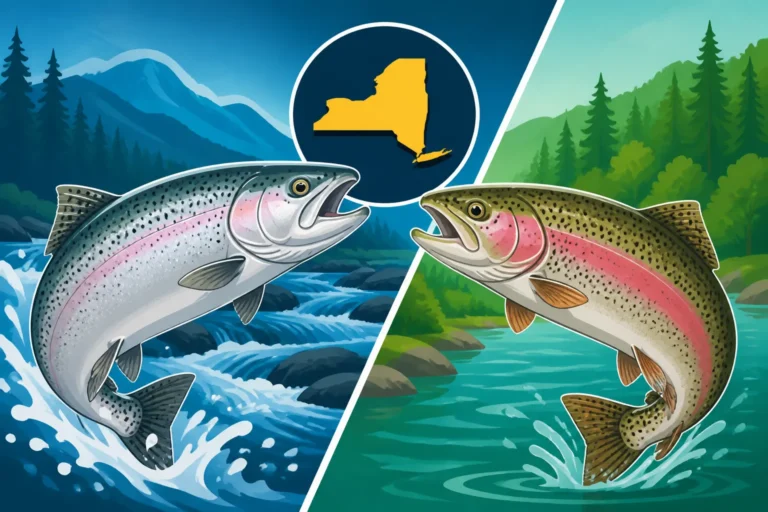
While perhaps not reaching the sheer mass of a Chinook, New York's steelhead — a migratory rainbow trout — are pound-for-pound some of the hardest-fighting fish you'll ever encounter. These "chrome" beauties are celebrated for their aerial acrobatics and blistering runs. They spend much of their lives in the vast expanse of Lake Erie and Lake Ontario, growing large on abundant forage, before migrating into rivers and streams, primarily from late fall through spring, to spawn. A trophy steelhead often ranges from 10 to 18 pounds, but fish well over 20 pounds are caught regularly. Their iridescent silver flanks and powerful tails make them a prized catch. Knowing the seasonal patterns of these fish is key to success.
Targeting steelhead requires finesse and presentation. Drift fishing with egg sacs, beads, or small flies is a popular and effective method in the tributaries. They are incredibly sensitive to water conditions and their environment, so stealth and a delicate touch are often rewarded. The Salmon River, Oswego River, and countless smaller Lake Ontario tributaries become prime steelhead havens during their runs. These fish will test your knot strength and your ability to manage a long fight in strong currents. For detailed strategies on pursuing these incredible fish, be sure to read How to Fish for Steelhead in New York. The challenge of landing a large, acrobatic steelhead in a swift river current is what draws so many anglers back year after year.
Freshwater Behemoths: Muskellunge and Northern Pike
When people talk about toothy, monstrous freshwater fish in New York, their minds often jump to two species: the muskellunge and the northern pike. These voracious predators command respect, not just for their size, but for their elusive nature and explosive strikes.
Muskellunge: The Apex Predator of New York Waters
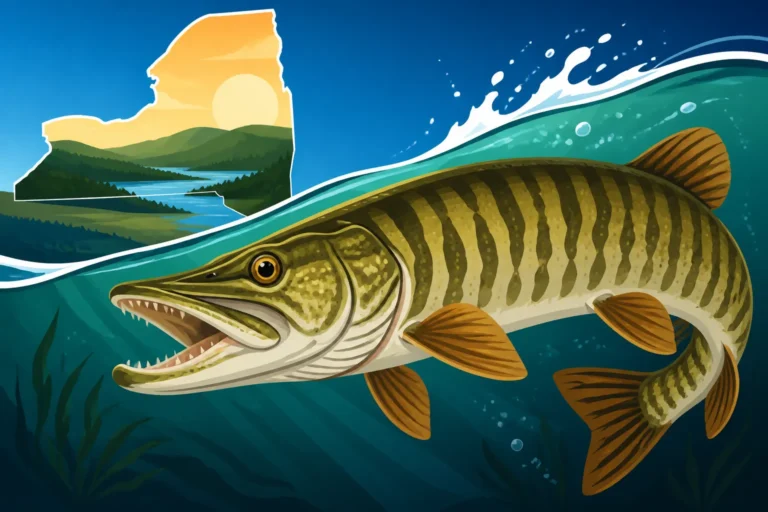
The muskellunge, or "muskie," is the ultimate freshwater trophy fish for many New Yorkers. Often referred to as "the fish of 10,000 casts," these highly elusive and incredibly powerful predators can grow to astounding sizes, making them one of the top freshwater game fish in North America. In New York, muskies frequently reach lengths over 40 inches, with true trophy specimens pushing past 50 inches and weighing well over 40 pounds. The state record stands as a testament to their potential. The St. Lawrence River and its Thousand Islands region are legendary muskie country, along with Chautauqua Lake and some of the larger Finger Lakes. Patience, heavy-duty gear, and large lures are paramount when chasing these freshwater giants. For more on these incredible fish, check out Muskellunge in New York.
Chasing muskies is a commitment. It often involves casting massive bucktails, crankbaits, or glide baits for hours on end, or slow trolling equally large offerings. When a muskie hits, it's usually with a violent strike that can nearly rip the rod from your hands. The fight is typically a powerful, head-shaking battle, often right at the boat, culminating in the famous "figure-eight" maneuver to try and coax a follow-up strike. Specialized heavy action rods, strong baitcasting reels, and heavy fluorocarbon or braided lines are essential. You'll also need a large, muskie-specific net and long-nose pliers for safe handling. Finding these specialized items often means looking at reputable fishing gear retailers, and places like Amazon carry a wide array of muskie-specific lures and tools that can be hard to find locally.
Northern Pike: Aggressive Water Wolves
While not quite reaching the legendary status of the muskie in terms of sheer size or elusiveness, the northern pike is another formidable freshwater predator that offers exciting trophy opportunities across New York State. Pike are much more widespread than muskellunge, found in many lakes, rivers, and even large ponds throughout the state. They are known for their aggressive strikes and sharp, needle-like teeth. A trophy northern pike in New York often measures over 35 inches, with fish exceeding 40 inches and weighing over 15 pounds being considered exceptional catches. While they may not have the same "mystique" as a muskie, a big pike is a truly impressive and powerful fish.
Pike are often found lurking in weed beds, submerged timber, or along sharp drop-offs, waiting to ambush unsuspecting prey. They respond well to a variety of lures, including large spoons, spinnerbaits, crankbaits, and soft plastic swimbaits. Live bait, such as large shiners or suckers, can also be incredibly effective, especially when fished under a float or on a quick-strike rig. Their aggressive nature means they can be a bit more forgiving for anglers new to targeting large predators, but their powerful runs and sharp teeth still demand respect and appropriate tackle. Just like with muskies, a good pair of long-nose pliers and a heavy glove are crucial for safe unhooking. Understanding their habitats and behaviors can be found in our guide to Northern Pike in New York.
The Elusive Giants: Lake Trout and Brown Trout
Beneath the surface of New York's deeper lakes and within the currents of its most pristine rivers, two species of trout grow to truly impressive sizes, challenging anglers with their intelligence and resilience.
Lake Trout: Deepwater Dynamos
Lake trout are the largest native trout species in New York, and they are absolute powerhouses from the deep. These long-lived fish thrive in the cold, oxygen-rich depths of New York's larger, deeper lakes, including the Finger Lakes (especially Seneca, Cayuga, and Keuka), Lake Ontario, and many of the larger Adirondack lakes. Trophy lake trout can live for decades and reach incredible sizes, often exceeding 15 pounds, with some specimens pushing well over 20 or even 30 pounds. Their robust bodies and powerful tails make them formidable fighters once hooked, especially when they dive deep, trying to escape.
Targeting trophy lake trout often involves specialized deepwater techniques. Trolling with downriggers or weighted lines to present spoons, flies, or large stickbaits at specific depths is common. Jigging heavy spoons or soft plastics directly over deep structure can also be highly effective. The key is finding their preferred depth and temperature zones, which can vary significantly with the seasons. A good fish finder is an invaluable tool for locating these deepwater dwellers and understanding the contours of the lake bottom. The sheer fight from a big lake trout, especially when caught on appropriate gear, is unforgettable. Learn more about these fascinating fish in Lake Trout in New York.
Brown Trout: Wily River Monsters
Brown trout are celebrated globally for their elusive nature, opportunistic feeding habits, and incredible potential for large growth, particularly in New York. While brook trout might be the state fish, brown trout often steal the show in terms of trophy size. These adaptable fish can be found in a wide variety of waters, from cold, clear streams in the Catskills to the expansive Great Lakes tributaries and larger lakes. What makes a brown trout a trophy? Anything over 20 inches is usually considered a fine specimen, but browns regularly exceed 25 inches, with true giants from Lake Ontario or the lower sections of some tributaries pushing into the high teens or even 20+ pounds. They are cunning and often nocturnal feeders, making them a challenge to catch.
When targeting trophy brown trout, anglers often employ different strategies depending on the habitat. In rivers, large streamers, nymphs, or meticulously presented dry flies can be effective for fly anglers. Spin fishers might use small crankbaits, spinnerbaits, or drift natural baits like worms or minnows. In the Great Lakes tributaries, during their migratory runs, large spoons, stickbaits, or egg sacs are preferred. On the larger lakes, trolling deep with various lures can entice a strike. The Catskill Region, with rivers like the Beaverkill and Willowemoc, offers excellent opportunities, as do the Oswego and Genesee Rivers, and the countless tribs of Lake Ontario, especially for fall run fish. Discover more about their habits and where to find them in Brown Trout in New York. Their wary nature means that patience and a stealthy approach are often the keys to success.
Big Bass and Walleye: Popular Pursuits for Larger Catches
While salmon, steelhead, and muskies often grab the headlines for their sheer size, New York also offers fantastic opportunities to catch trophy-sized bass and walleye – two highly popular species known for their fighting spirit and delicious table fare.
Largemouth and Smallmouth Bass: Fighting for the Bragging Rights
Bass fishing is incredibly popular in New York, and for good reason: both largemouth and smallmouth bass grow to impressive sizes and provide exhilarating fights. While state records are formidable, a "trophy" bass for most anglers is often a fish pushing 5 pounds or more, with some lakes regularly kicking out 6, 7, or even 8-pound fish.
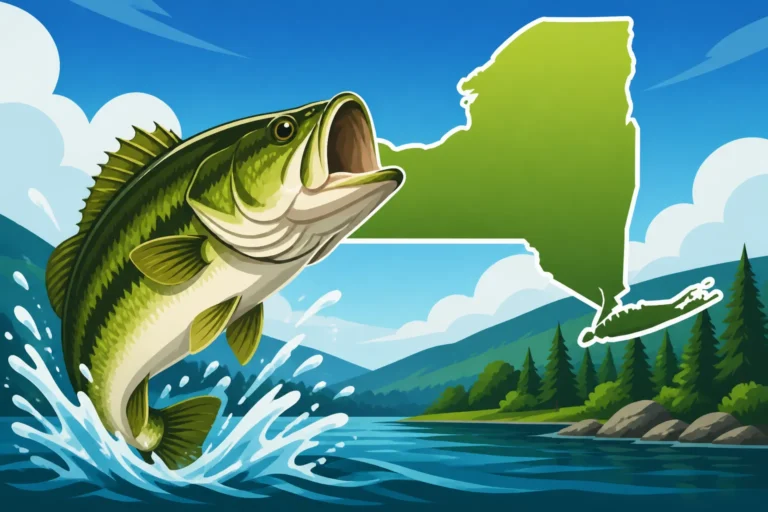
Largemouth Bass: These green giants are ambush predators, favoring warm, weedy, and cover-rich environments. Think lily pads, submerged timber, docks, and thick grass beds. A trophy largemouth is a thick, powerful fish that will explode on topwater lures, pull hard in the weeds, and try to wrap you around any available structure. They are abundant in many of New York's warmer lakes and ponds, from Oneida Lake to the Finger Lakes and countless smaller bodies of water. Techniques for trophy largemouth often involve casting large jigs, soft plastic creature baits, frogs, or big swimbaits into heavy cover. Exploring where to find these impressive fish is covered in Largemouth Bass in New York.
Smallmouth Bass: Known for their bronze backs and incredible fighting ability, smallmouth bass are often found in cooler, clearer waters with rocky bottoms, gravel shoals, and current. The St. Lawrence River, Lake Erie, Lake Ontario, and many of the Finger Lakes are world-class smallmouth fisheries. A trophy smallmouth is a muscular, hard-fighting fish that will make blistering runs and often leap clear out of the water multiple times during a fight. They can be caught on a variety of lures, including tube jigs, crankbaits, drop shots, and topwater lures fished over rocky areas. For tactics and locations, refer to Smallmouth Bass in New York.
Walleye: Golden Ghosts of the Depths
Walleye are revered for their delicious, flaky white meat and their often-elusive, light-biting nature, which makes catching trophy specimens a true accomplishment. In New York, a trophy walleye typically measures over 25 inches and can easily weigh 8 pounds or more, with some of the biggest specimens pushing into the low teens in weight. These nocturnal feeders have excellent low-light vision, giving them an edge in stained or deep waters.
New York boasts several premier walleye fisheries. Lake Erie is famous for its incredible walleye population, with Dunkirk and Buffalo being key access points. Oneida Lake is another walleye mecca, particularly in the spring and fall. The Bay of Quinte on Lake Ontario (though partially in Canada, its influence extends to NY waters) is legendary for truly colossal walleye. Targeting trophy walleye often involves trolling crankbaits or spinner-and-worm harness rigs in open water, jigging blade baits or spoons over deep structure, or casting stickbaits after dark. They can be finicky, so understanding their movements and preferred depths is crucial. Finding the right bait and tackle for these light biters can often be facilitated by checking out the fishing sections on Amazon, where you can read reviews on sensitive rods and reels designed for walleye. For more detailed information on targeting these tasty giants, our guide Walleye in New York is an excellent resource.
Coastal Giants: Striped Bass and Bluefish
For anglers venturing into New York's vast saltwater environments, particularly along Long Island and the Hudson River, there's a different kind of trophy waiting: the powerful striped bass and the aggressive bluefish. These species offer thrilling battles and a chance at truly massive fish.
Striped Bass: The Salty Warriors
The striped bass, or "striper," holds a special place in the hearts of New York's saltwater anglers. These migratory powerhouse fish spend their lives moving along the Atlantic coast, with significant populations moving through New York waters, including the Hudson River for spawning and the vast expanse of Long Island Sound. A trophy striped bass is a fish that makes the news – anything over 30 pounds is considered exceptional, with 40 and 50-pounders caught annually. The state record stands as a testament to the immense size these fish can achieve. Their strong runs and relentless fighting spirit make them one of the most exciting trophy catches available.
Anglers pursue stripers with a variety of methods. Surfcasting from beaches or jetties with large plugs, poppers, or chunks of bait is popular. Boaters often troll with mojo rigs, bunker spoons, or live eels. Using live bunker (menhaden) as bait, either drifted or slow-trolled, is a proven method for hooking truly large fish. The Hudson River spring run is legendary for producing immense stripers as they move upstream to spawn. Similarly, the fall migration along Long Island's shores sees large numbers of big fish feeding heavily. Make sure you're familiar with regulations, including circle hook requirements when bait fishing. Get an in-depth understanding of these magnificent fish by reading Striped Bass in New York.
Bluefish: The Choppers of the Coast
While not typically reaching the same maximum sizes as striped bass, bluefish are absolutely thrilling to catch, especially when you encounter a trophy-sized "gorilla" blue. These aggressive, toothy predators are known for their incredibly powerful strikes, brutal fights, and tendency to chew through lesser tackle. A trophy bluefish in New York usually weighs over 15 pounds, with some of the largest specimens pushing into the high teens or even over 20 pounds. Their sheer ferocity and strong, head-shaking fight make them an exciting target for any angler.
Bluefish are found throughout New York's saltwater environments, from the surf to offshore waters, but are particularly abundant in Long Island Sound and along the ocean beaches. They are often found in large schools, creating frenzied feeding events where they'll slash through baitfish with their razor-sharp teeth. They respond well to fast-moving lures like metal jigs, poppers, and large swimming plugs. Chunk bait, particularly bunker, can also be incredibly effective for larger fish. Due to their sharp teeth, heavy fluorocarbon or wire leaders are highly recommended to prevent bite-offs. Landing a big bluefish often means a chaotic fight right at the boat or surf, where they can thrash violently. For more on catching these powerful choppers, take a look at Bluefish in Long Island Sound.
Essential Gear for Targeting Trophy Fish
Chasing trophy fish isn't for the faint of heart, and it certainly isn't for flimsy gear. These powerful creatures demand tackle that can withstand immense pressure and prolonged battles. Investing in the right equipment isn't just about catching more fish; it's about being prepared for the fight of a lifetime and ensuring you can land that lunker safely and efficiently.
Rods, Reels, and Line: Built for Battle
When you're targeting fish that can outweigh a small child or strip line faster than you can blink, your rod, reel, and line become critical components. This isn't the time to skimp.
For species like Chinook Salmon, Muskellunge, and large Lake Trout, you'll want heavy-action rods, typically in the 7 to 9-foot range, with plenty of backbone. These rods are designed to handle heavy lures and absorb the shock of powerful runs. Matching these rods with robust, high-capacity baitcasting or spinning reels with incredibly smooth, powerful drags is essential. Look for reels designed for big game, capable of holding several hundred yards of heavy braided line, perhaps 50 to 80-pound test, often with a fluorocarbon leader of a slightly lower rating. The combination provides sensitivity, strength, and abrasion resistance. Many anglers doing serious trophy pursuits scour sites like Amazon for high-rated conventional reels with excellent drag systems.
For Steelhead and large Brown Trout in rivers, a slightly lighter but still powerful setup is needed. Medium-heavy to heavy power spinning or casting rods, often 9 to 11 feet for drift fishing or longer for fly fishing, are ideal. Reels should still have a strong, smooth drag, capable of handling 8 to 20-pound test braided or monofilament line, again with a fluorocarbon leader for stealth and abrasion resistance. Fly anglers will be looking at 8 to 10-weight rods with appropriate large-arbor reels.
For Trophy Bass and Walleye, medium-heavy to heavy action rods (6'6" to 7'6") paired with sensitive yet strong reels are key. Braided line in the 15-30 pound range, often with a fluorocarbon leader, is standard. The strength is for pulling fish out of cover or controlling them in current, while sensitivity helps detect those subtle walleye bites.
For Striped Bass and Bluefish, especially when surfcasting or boat fishing for bigger specimens, you'll need heavy-duty saltwater gear. Surf rods can be 9 to 12 feet, paired with large saltwater spinning reels. Boat rods might be shorter but equally stout. Expect to spool up with 30 to 60-pound braided line, again with heavy fluorocarbon or even wire leaders for bluefish due to their sharp teeth.
Lures, Baits, and Electronics: Tools of the Trade
Beyond the core tackle, the right terminal tackle and electronics can significantly increase your chances of connecting with a trophy.
Lures and Baits:
- Muskies and Northern Pike: Think big. Really big. Large bucktails, crankbaits, glide baits, and soft plastic swimbaits measuring 8 inches or more are common. Live bait, like large suckers, can also be deadly.
- Chinook Salmon and Lake Trout: Trolling spoons (like Michigan Stingers or Dreamweaver Super Slims), flasher-fly combinations, large stickbaits, and even whole baitfish rigs (like herring or alewives) are highly effective. For river-run salmon, large egg sacs or brightly colored plugs are popular.
- Steelhead and Brown Trout (rivers): Egg sacs, beads, nymphs, and small, brightly colored jigs are go-to baits. Fly anglers use an array of stonefly, caddis, and mayfly patterns, along with streamers.
- Bass: For trophy largemouth, large jigs, creature baits, big swimbaits, and hollow-body frogs are excellent. For smallmouth, tube jigs, drop shots, deep-diving crankbaits, and swimbaits are top choices.
- Walleye: Jigging spoons, blade baits, minnow-imitating crankbaits, and spinner-and-worm harness rigs are very productive. Live minnows, leeches, or nightcrawlers can also be deadly.
- Striped Bass and Bluefish: Large plugs (poppers, darters, swimmers), metal jigs, and soft plastic shads are common artificials. Live bunker, eels, or chunked bait are often preferred for targeting the biggest fish.
Electronics: A high-quality fish finder is an absolute game-changer, especially when targeting deepwater species like lake trout, salmon, or walleye. Modern fish finders with side-imaging, down-imaging, and CHIRP sonar can help you locate baitfish schools, identify bottom structure, and even mark individual trophy fish lurking below. GPS capabilities are also invaluable for marking productive spots and navigating large bodies of water. You can find a vast selection of modern fish finders and chartplotters, often with customer reviews that help you gauge performance, on platforms like Amazon, offering a wide array of options for different budgets and needs.
| Fish Species | Typical Trophy Size (Length/Weight) | Prime Locations in New York | Preferred Baits/Lures |
|---|---|---|---|
| Chinook Salmon | 25-40+ lbs | Lake Ontario, Salmon River, Oswego River | Spoons, flasher-fly, plugs, egg sacs |
| Steelhead Trout | 10-20+ lbs | Lake Ontario/Erie Tributaries (Salmon River, Genesee R.) | Egg sacs, beads, flies, small crankbaits |
| Muskellunge | 40-55+ inches | St. Lawrence River, Chautauqua Lake, Finger Lakes | Large bucktails, crankbaits, glide baits, live suckers |
| Northern Pike | 35-45+ inches | Widespread lakes/rivers (Adirondacks, St. Lawrence) | Large spoons, spinnerbaits, crankbaits, live shiners |
| Lake Trout | 15-30+ lbs | Finger Lakes, Lake Ontario, Lake George, Adirondack Lakes | Trolling spoons, flies, stickbaits; jigging spoons |
| Brown Trout | 20-30+ inches | Catskill streams, Lake Ontario tributaries, Finger Lakes | Streamers, nymphs, dry flies, plugs, egg sacs |
| Largemouth Bass | 5-8+ lbs | Oneida Lake, Finger Lakes, smaller ponds | Jigs, soft plastics, topwater frogs, swimbaits |
| Smallmouth Bass | 4-7+ lbs | St. Lawrence River, Lake Erie, Lake Ontario, Finger Lakes | Tube jigs, drop shot, crankbaits, topwater poppers |
| Walleye | 25-35+ inches (8-15+ lbs) | Lake Erie, Oneida Lake, Bay of Quinte (Lake Ontario) | Trolling crankbaits, jigging spoons, spinner-worm rigs |
| Striped Bass | 30-50+ lbs | Hudson River, Long Island Sound, ocean beaches | Live bunker/eels, large plugs, metal jigs, chunk bait |
| Bluefish | 15-20+ lbs | Long Island Sound, ocean beaches | Metal jigs, poppers, swimming plugs, chunk bait |
Responsible Trophy Fishing: Catch, Photograph, and Release
The pursuit of trophy fish is about more than just the catch; it's about respecting the resource and ensuring these magnificent fish continue to thrive for future generations. For many trophy species, particularly muskellunge, salmon, and larger trout, catch-and-release is not just a good practice, it's often essential for conservation.
Minimizing Stress: Proper Handling Techniques
When you've finally landed that fish of a lifetime, the excitement can be overwhelming. However, it's crucial to prioritize the fish's well-being to ensure its survival after release. Here are some key practices:
- Minimize Fight Time: Use appropriately heavy tackle that allows you to land the fish as quickly as possible without over-stressing it. A prolonged fight can exhaust a large fish, making it difficult for it to recover.
- Keep it Wet: Whenever possible, keep the fish in the water. If you must remove it for a photo, do so quickly and gently. Never hold a large fish by its jaw vertically unless it's a bass and specifically designed for that (and even then, support its belly). For larger, heavier fish like muskies or salmon, support their full body weight horizontally with two hands or a cradle.
- Wet Hands: Always wet your hands before touching a fish to protect its delicate slime coat, which is vital for its immune system.
- De-hook Quickly: Have your de-hooking tools (long-nose pliers, hook removers, or jaw spreaders for toothy fish) readily accessible. Remove the hook as gently and quickly as possible. Consider using single, barbless hooks, which are much easier to remove.
- Revival: After handling, gently hold the fish upright in the water, facing into the current, until it regains its strength and swims away on its own. Never just toss it back in. Look for strong tail kicks before letting go.
Ethical Angling: Preserving New York's Trophy Fishery
Ethical angling goes hand-in-hand with good handling practices. It's about respecting the fish, the environment, and fellow anglers.
- Know the Regulations: Every species has specific regulations regarding size limits, bag limits, and seasons. Some areas may have special regulations, such as catch-and-release only or specific gear restrictions. Always consult the New York Fishing Regulations Explained before heading out. Ignorance of the law is never an excuse.
- Practice Catch-and-Release for True Trophies: Many of the largest fish are also the oldest and most valuable breeders. Releasing them helps ensure a healthy population for the future. Consider taking a quick photo and releasing anything you deem a "trophy," especially large muskellunge, salmon, and lake trout.
- Respect Private Property and Other Anglers: Be mindful of where you're fishing. Obtain permission if on private land and give other anglers ample space.
- Leave No Trace: Pack out everything you pack in, including fishing line, bait containers, and any other trash. Our waterways are precious resources, and it's up to us to keep them clean.
By embracing these principles, we can all contribute to a vibrant and sustainable trophy fishery in New York, ensuring that the thrill of the chase and the awe of connecting with these incredible fish can be enjoyed for generations to come.
Disclaimer
This article is for general informational purposes only and does not constitute professional advice. Laws, prices and regulations vary by location and change over time. Consult a qualified professional for guidance on your specific situation.