Walleye in New York
There's nothing quite like the thrill of hooking into a New York walleye. These elusive, delectable fish are a prized catch for countless anglers across the state, but finding and fooling them can feel like solving a complex puzzle. Many of us have spent frustrating hours on the water, wondering what secret walleye formula we're missing. This comprehensive guide is here to demystify walleye fishing in New York, helping you understand their habits, preferred haunts, and the most effective ways to bring them to your net.
The Allure of New York Walleye: What Makes Them So Special?
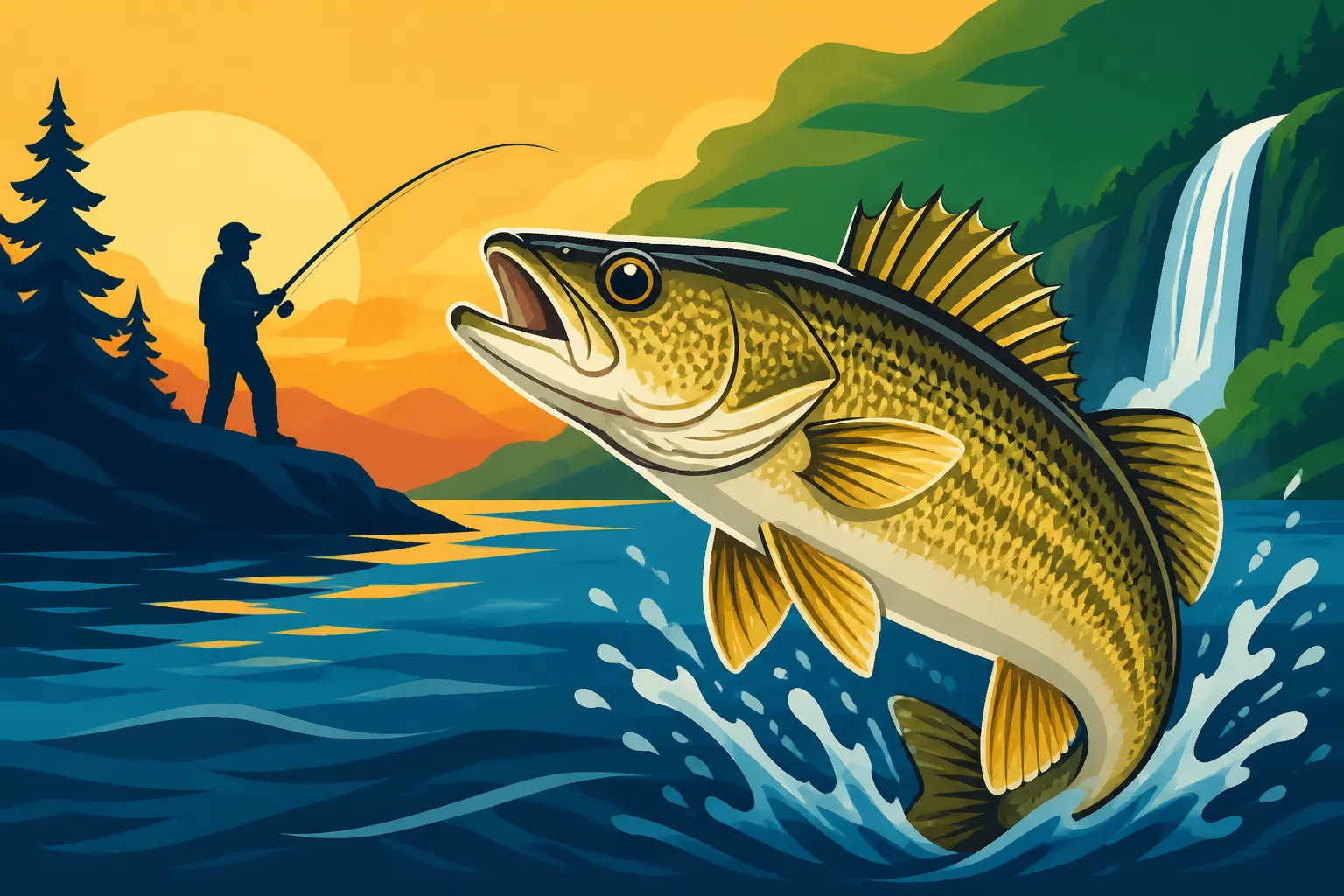
Walleye, often called "walleyed pike" or "pickerel," are truly magnificent fish, instantly recognizable by their distinct, large, opaque eyes that appear to glow in the dark. This unique adaptation helps them thrive in low-light conditions, giving them a distinct advantage over many prey species. Beyond their striking appearance, walleye are celebrated for two primary reasons: their fighting spirit and their exquisite flavor.
A Delectable Catch for the Table
Let's be honest, a big part of the appeal of walleye fishing is the promise of a delicious meal. Their firm, flaky, white meat is considered a delicacy by many, often ranking among the best-tasting freshwater fish. Whether you pan-fry them with a light breading, bake them with herbs, or prepare them in a hearty chowder, walleye rarely disappoint at the dinner table. This reputation makes catching them all the more rewarding, especially after putting in the effort to understand their habits and coax them into biting. It's a culinary reward that justifies every early morning and late evening spent on the water.
Biology and Behavior: The Nighttime Hunters
Walleye are members of the perch family, known for their elongated bodies and sharp teeth. They are primarily predatory fish, feeding on smaller baitfish like minnows, shiners, and perch. What truly defines their behavior is their sensitivity to light. Their large eyes, equipped with a reflective layer called the tapetum lucidum, allow them to see exceptionally well in dim light, giving them an edge during dawn, dusk, and even deep into the night. This is why you'll often hear experienced walleye anglers targeting these low-light periods. Understanding this natural advantage is crucial, as it dictates when and where you'll have the best chance of encountering them. They often retreat to deeper, darker waters or hide in dense cover during bright daylight hours, emerging to feed when the sun is less intense.
Prime Walleye Waters in New York
New York State boasts an incredible diversity of fishing opportunities, and when it comes to walleye, we're particularly fortunate. From vast Great Lakes to sprawling Finger Lakes and powerful river systems, there are numerous spots where these prized fish thrive. Knowing where to start your walleye quest is half the battle, and some locations consistently produce better than others.
Great Lakes Hotspots: Erie and Ontario
When you talk about trophy walleye in New York, the conversation almost always starts with Lake Erie. This immense body of water is a world-class walleye fishery, known for producing not only incredible numbers of fish but also true giants. The eastern basin of Lake Erie, particularly near Buffalo and Dunkirk, is a renowned area where anglers target enormous walleye throughout the season. These fish benefit from abundant forage and vast, diverse habitats. New York's Lake Erie Walleye Fishing Near Buffalo is a testament to the sheer potential of this lake.
Lake Ontario also holds good populations of walleye, particularly in its bays and tributaries, though perhaps not with the same consistency as Lake Erie for sheer numbers of big fish. The deeper, colder waters of Lake Ontario often mean walleye can be found at different depths, sometimes coexisting with the lake's famous salmon and trout populations. The baymouths and shallower stretches can offer fantastic opportunities, especially in areas like Chaumont Bay or Black River Bay. Lake Erie Walleye Fishing Near Dunkirk provides further detail on specific tactics and locations within that fantastic fishery.
Finger Lakes and Inland Gems: Oneida and Chautauqua
Beyond the Great Lakes, New York's inland waters offer spectacular walleye fishing. Oneida Lake, often called the "Walleye Factory," is perhaps the most famous inland walleye fishery in the state. Located north of Syracuse, Oneida is relatively shallow and fertile, providing ideal conditions for walleye to reproduce and grow. It's a fantastic spot for both boat and shore anglers, and you can often find success here using a variety of techniques. Don't forget to check out Oneida Lake Walleye Fishing Guide for detailed insights.
Chautauqua Lake, in the western part of the state, is another prime destination. While perhaps more famous for its muskellunge, Chautauqua offers a healthy walleye population that provides exciting action. Its unique shape and diverse structure, from shallow weed flats to deeper holes, create excellent habitat. Other Finger Lakes, like Cayuga and Seneca, also hold walleye, though they might require different tactics due to their immense depth and clear waters. These inland lakes can be less intimidating than the Great Lakes but offer equally rewarding experiences.
Productive River Systems: St. Lawrence and Niagara
River systems are often overlooked but can be incredibly productive for walleye, especially during certain times of the year. The St. Lawrence River, forming part of New York's northern border, is a prime example. Its fertile waters and abundant structure provide excellent habitat. The current here can be a factor, often concentrating walleye in specific areas where they can ambush prey. Similarly, the Niagara River, particularly below the falls, also holds walleye. The powerful flow and deep channels create unique fishing challenges and opportunities.
These river systems often see seasonal migrations, with walleye moving into different areas for spawning or feeding, making them dynamic fisheries. Understanding the current, depth, and structure is key to unlocking their potential.
Navigating Walleye Seasons and Regulations
Understanding the rules and regulations is paramount for any responsible angler, and walleye are no exception. New York State has specific guidelines concerning seasons, size limits, and creel limits to ensure the health and sustainability of its walleye populations. These rules can vary by water body, so always, always double-check the most current New York State Department of Environmental Conservation (DEC) regulations before you head out. Trust me, getting caught unaware is a surefire way to ruin a perfectly good fishing trip and potentially face a hefty fine. New York Fishing Regulations Explained is an essential resource for every angler.
Statewide Season Overview
Generally, the walleye season in New York opens on the first Saturday in May, providing a much-anticipated start to the spring fishing frenzy. This timing typically coincides with the post-spawn period when walleye are often hungry and actively feeding after their arduous spawning ritual. However, it's not a one-size-fits-all rule. Some specific waters might have slight variations, or even year-round open seasons with catch-and-release rules during certain times, so always verify the specifics for your target location. This flexibility is designed to protect vulnerable spawning populations while maximizing angling opportunities where fish stocks are healthy.
Size and Creel Limits: Protecting the Future
Size limits are put in place to ensure that enough walleye reach maturity and have the chance to reproduce, contributing to future generations of fish. Most commonly, there's a minimum length requirement, meaning any fish caught below that size must be immediately and carefully released. This can be frustrating when you catch a beautiful walleye that's just a hair too short, but it's vital for the fishery's health.
Creel limits, also known as bag limits, restrict the number of fish you can keep in a single day. This prevents overharvesting and spreads the catch among more anglers. For walleye, common daily limits are often around three to five fish, but again, this can vary dramatically depending on the specific lake or river. For instance, New York Walleye Season and Limits will provide detailed, up-to-date information on these crucial regulations, which can change without much warning. It's truly your fishing Bible!
Essential Gear for the Walleye Enthusiast
Having the right tackle can make a world of difference when chasing walleye. These fish can be finicky, and presenting your bait or lure effectively often requires specialized equipment. While you don't need to break the bank, investing in quality gear tailored for walleye will undoubtedly boost your success rate and overall enjoyment. You'll find a vast selection of these items on platforms like Amazon, making it easy to research and acquire what you need from the comfort of your home.
Rods, Reels, and Line: Sensitivity is Key
For walleye, sensitivity is paramount. You need to feel those subtle "thunks" and light bites, especially when jigging in deeper water or dealing with soft-biting fish. A medium-light to medium-action spinning rod, typically 6'6" to 7'6" in length, is a popular choice. Look for rods with a fast tip, allowing you to detect strikes quickly and set the hook with authority. Graphite rods are excellent for this as they transmit vibrations exceptionally well. Paired with a smooth spinning reel in the 2000-3000 size range, spooled with 6-10 pound test monofilament, fluorocarbon, or braided line, you'll have a versatile setup. Braided line offers superior sensitivity and strength with less stretch, but many anglers prefer a fluorocarbon leader for its invisibility in clear water. Consider a good quality braided line that you can easily find on Amazon, perhaps a 10-pound test for most applications.
Lures and Baits: The Walleye Menu
Walleye are opportunistic feeders, but they do have preferences. Your tackle box should include a variety of options to match conditions and their mood.
- Jigs: These are staples for walleye. Consider jig heads ranging from 1/8 oz to 1 oz, paired with soft plastics like grubs, paddle tails, or creature baits. Live bait, especially minnows or nightcrawlers, can be incredibly effective when tipped on a jig.
- Crankbaits and Stickbaits: These are fantastic for trolling or casting, mimicking baitfish. Look for models that dive to different depths, in natural baitfish colors, or brighter patterns for stained water. Popular brands offer a wide array of options designed specifically for walleye.
- Spinner Rigs: Often used with live bait, these rigs feature a blade that spins, creating flash and vibration, along with a hook for a worm or minnow. They are particularly effective when drifting or slow-trolling.
- Blade Baits: Vibrating blade baits are excellent for vertical jigging, especially in deeper water. They emit strong vibrations that walleye can detect from a distance.
When exploring lures, remember that color can matter. On bright days and in clear water, natural colors often work best. In stained water or low light, brighter colors like chartreuse, orange, or firetiger can be more effective. Building a diverse collection will prepare you for any situation.
Essential Accessories
Beyond rods and lures, a few key accessories will make your walleye fishing trip smoother and more successful.
- Net: A large, rubberized landing net is crucial for safely landing walleye. Rubberized mesh protects the fish's slime coat, which is important for catch-and-release, and prevents hooks from tangling.
- Pliers/Forceps: For quick and safe hook removal, especially with toothy walleye.
- Depth Finder/Fish Finder: A good electronics unit can transform your walleye fishing, helping you locate structure, baitfish, and the walleye themselves. You'd be surprised at the range of quality, affordable fish finders available, perhaps even on Amazon, that can really enhance your strategy.
- Livewell/Cooler: If you plan to keep fish, a functional livewell or a cooler with ice is essential to keep your catch fresh.
- Headlamp/Lantern: Indispensable for early morning or late-night fishing, especially given walleye's nocturnal tendencies.
Masterful Techniques for Catching Walleye
Walleye fishing can involve a variety of techniques, each effective under different conditions. The key is to be adaptable and willing to experiment. What works one day or in one spot might not work the next, so having a repertoire of methods will keep you successful. From precise vertical presentations to covering vast expanses of water, there's a technique for every angler and every situation.
Jigging: The Art of the Vertical Presentation
Jigging is perhaps the most iconic walleye technique, especially when fishing structure or concentrated schools of fish. It involves presenting a jig (often tipped with live bait like a minnow or nightcrawler, or a soft plastic) directly beneath the boat. The motion is simple: lift your rod tip a foot or two, then let the jig fall back down on a semi-slack line. The bite often occurs on the fall or when the jig is resting on the bottom.
There are many variations to jigging, including snap jigging, pitching jigs, or even using specialized ice fishing jigs. How to Jig for Walleye dives deeper into the nuances of this technique. The trick is to find the right retrieve speed and jig weight to match the depth and current. In rivers, you'll need heavier jigs to stay on the bottom, while in still lakes, lighter jigs might be more effective for a slower fall. Developing a feel for the bottom and subtle bites takes practice, but once you master it, jigging becomes incredibly rewarding.
Trolling: Covering Water and Finding Fish
Trolling is a highly effective method for covering large areas of water, especially in expansive lakes like Erie or Oneida, to locate scattered schools of walleye. It involves pulling crankbaits, spinner rigs, or even live bait presentations behind a boat at a specific speed and depth. The goal is to present your lure at the depth where walleye are actively feeding.
Downriggers, planer boards, and lead core line are all tools used to achieve precise depth control and spread out multiple lines, allowing you to mimic a school of baitfish. Matching your lure's diving depth to the desired fishing depth is crucial. Factors like boat speed, line type, and lure size all influence how deep your presentation runs. How to Troll Crankbaits for Walleye offers a fantastic starting point for those looking to master this approach. Don't be afraid to experiment with different lure colors and sizes, as walleye can be picky.
Casting and Drifting: Versatile Approaches
Casting lures like crankbaits, stickbaits, or even heavy jigs to shorelines, points, or weed edges can be highly effective, particularly in shallower waters or during low-light conditions. This technique is especially popular in rivers or smaller bays where walleye might be ambushing baitfish near cover. It's an active and engaging way to fish, allowing you to precisely target specific spots.
Drifting with live bait or spinner rigs is another excellent strategy, particularly when fishing large flats or gradual breaks in lakes. The boat drifts with the wind or current, pulling your bait naturally along the bottom. This allows you to present your offering to a wide range of fish without having to actively reel. It's a more relaxed approach than jigging or trolling but can be incredibly productive, especially when paired with a good fish finder to identify promising drift paths.
When Is the Best Time to Hook a Walleye?
Timing is everything in walleye fishing. These fish are creatures of habit and highly influenced by environmental factors like light, water temperature, and time of year. Understanding these patterns will significantly increase your chances of success and help you plan your trips effectively. There's a reason experienced walleye anglers often refer to certain times as "walleye windows."
Seasonal Strategies: Spring, Summer, Fall, and Winter
- Spring (Post-Spawn): This is a fantastic time to target walleye. After spawning, which typically happens in April, walleye are often hungry and aggressive, moving into shallower feeding grounds. They'll be looking to replenish their energy stores. Focus on shallow flats, rocky points, and river mouths.
- Summer: As waters warm, walleye tend to move deeper, seeking cooler temperatures and stable light conditions. This is when trolling with deep-diving crankbaits or vertical jigging over offshore humps and reefs becomes highly effective. Early morning and late evening bites are still strong, but night fishing can be phenomenal.
- Fall: Another prime season. As water temperatures drop, walleye become very active, feeding heavily to prepare for winter. They often move shallower again, especially in overcast conditions, and can be caught jigging, casting, or trolling near main lake points and structure. This is often when you'll find some of the biggest fish of the year.
- Winter (Ice Fishing): For dedicated ice anglers, winter offers incredible walleye opportunities. Walleye remain active under the ice, often congregating in specific areas. Jigging with small spoons or soft plastics, or setting tip-ups with live minnows, are popular and effective methods. Ice Fishing in New York: A Complete Guide will help you get started with this exciting winter pursuit.
For a general overview of the best windows, check out Best Time of Year to Fish in New York, which provides broad seasonal advice across species.
Time of Day and Weather Influence
As mentioned earlier, walleye are light-sensitive. This means the periods around dawn and dusk are often the most productive. The low light gives them a distinct advantage over their prey. Night fishing for walleye can also be incredibly rewarding, especially in clear lakes during the summer. Many of the biggest walleye are caught after dark.
Overcast days are often fantastic for walleye, as the reduced light penetration allows them to stay active in shallower water throughout the day. Conversely, bright, sunny days can push them deeper or into heavy cover, making them harder to find. Windy conditions, paradoxically, can also improve walleye fishing by creating a "walleye chop" on the water's surface, which breaks up light and can disorient baitfish, making them easier prey. This choppiness often concentrates baitfish and, consequently, walleye, on wind-blown points and shorelines.
Understanding these daily and weather-related patterns will help you choose not just where to fish, but when to fish for the greatest chance of success. Being patient and observing conditions is a huge part of the walleye game.
Walleye Species and Identification in New York
While "walleye" often refers to a single species, it's worth understanding the broader context within New York's fisheries. The most common species you'll encounter is indeed the true Walleye (Sander vitreus), but there are sometimes confusions with other fish, and knowing how to properly identify your catch is key, especially given specific regulations for different species.
True Walleye: Sander vitreus
The "walleye" we typically talk about and target in New York is Sander vitreus. This is the fish renowned for its delicate flavor and challenging nature. Key identification features include:
- Eyes: Large, cloudy, or "walleyed" eyes due to the tapetum lucidum layer.
- Body Shape: Elongated, slender body, typically olive green to golden brown on the back, fading to white on the belly.
- Dorsal Fins: Two distinct dorsal fins, the first spiny and the second soft-rayed, often separated.
- Tail Fin: A prominent white tip on the lower lobe of the tail fin is a hallmark feature, although not always perfectly distinct on every individual.
- Teeth: Possess sharp, canine-like teeth.
What Walleye Eat delves into their diet, which further supports their predatory nature and the tactics used to catch them. While they are a beloved game fish, maintaining healthy populations requires anglers to accurately identify them and adhere to specific regulations.
Common Misidentifications: Yellow Perch and Sauger
Anglers new to walleye fishing might occasionally confuse them with other species, most commonly yellow perch or sauger.
- Yellow Perch: Yellow perch are smaller, have a more compressed body, and distinctive dark vertical bars on their sides. While they share the same family (Percidae) and often inhabit similar waters, their size and markings make them relatively easy to distinguish from walleye. They also lack the prominent white tail tip of the walleye.
- Sauger: Sauger are closely related to walleye and can be harder to distinguish, especially in waters where both species coexist. Sauger are generally smaller than walleye and have distinct rows of dark spots on their spiny dorsal fin, which walleye lack. Walleye may have some mottling or faint spots, but not the distinct rows on the dorsal fin. Sauger also typically lack the bright white tip on the lower tail fin lobe that walleye possess. While less common than walleye in most New York waters, it's good to be aware of their existence.
Understanding these subtle differences helps ensure you comply with regulations, as limits and sizes can vary for different species.
Beyond the Catch: Conservation and Community
Fishing is more than just catching fish; it's about connecting with nature, enjoying the outdoors, and contributing to the health of our fisheries. For walleye, given their popularity and ecological importance, responsible angling practices and community involvement are more crucial than ever. Every angler has a role to play in ensuring that future generations can enjoy the thrill of New York walleye fishing.
Responsible Angling Practices
Practicing catch-and-release with undersized or excess fish is vital. When doing so, handle the fish gently, minimize its time out of water, and use proper de-hooking tools. A rubberized net, like those readily found on Amazon, can greatly reduce stress and harm to the fish's protective slime coat. Avoid dragging fish on rough surfaces.
Also, be mindful of your impact on the environment. Pack out all trash, avoid disturbing sensitive habitats, and respect other anglers and property owners. Participating in local clean-up efforts or conservation projects, even in a small way, contributes to the overall health of our waters and the fish within them. These seemingly small actions collectively have a huge positive impact.
Walleye Management and Stocking Efforts
New York State, through the DEC, actively manages walleye populations. This includes conducting surveys, monitoring fish health, setting regulations, and often, stocking programs. In some lakes, natural reproduction is strong, while in others, stocking hatchery-raised walleye fry or fingerlings is necessary to supplement populations and maintain a healthy fishery.
These efforts are supported by fishing license fees, so when you purchase your New York Fishing License Guide, you're directly contributing to the conservation of these incredible fish. Understanding that your license fees go towards these vital programs can make the small cost feel much more worthwhile. It’s a shared investment in the future of our angling heritage.
| Walleye Lake/River | Primary Fishing Method | Key Features | Best Time of Year | Notes |
|---|---|---|---|---|
| Lake Erie (Eastern Basin) | Trolling, Jigging | World-class trophy walleye, vast open water, abundant forage | Summer, Fall | Can be challenging due to size; check weather. |
| Oneida Lake | Jigging, Casting, Trolling | "Walleye Factory," relatively shallow, fertile, good year-round | Spring, Summer nights, Fall, Winter Ice | Very popular, diverse structure, excellent for all skill levels. |
| Chautauqua Lake | Jigging, Trolling | Good numbers, diverse structure, less pressure than Erie | Spring, Summer, Fall | Also known for Muskie; be prepared for bycatch. |
| St. Lawrence River | Drifting, Jigging | Strong current, structure fishing, seasonal runs | Spring, Fall | Requires knowledge of current and river navigation. |
| Niagara River (Lower) | Jigging, Drifting | Powerful current, deep water, consistent numbers | Spring, Fall | Excellent shore fishing opportunities in certain areas. |
Disclaimer
This article is for general informational purposes only and does not constitute professional advice. Laws, prices and regulations vary by location and change over time. Consult a qualified professional for guidance on your specific situation.