Northern Pike in New York
Ah, the Northern Pike! Many New York anglers have a love-hate relationship with these toothy predators. They can be incredibly frustrating when they steal your carefully rigged bait intended for another species, yet incredibly exciting when they absolutely smash a lure, putting up a fierce fight. If you've ever felt the thrill of a pike strike or the annoyance of a chewed-up leader, you know exactly what I'm talking about. This comprehensive guide is here to unravel the mysteries of Northern Pike fishing in New York, from understanding their habits to mastering the techniques that put them in your net.
Understanding Northern Pike in New York Waters
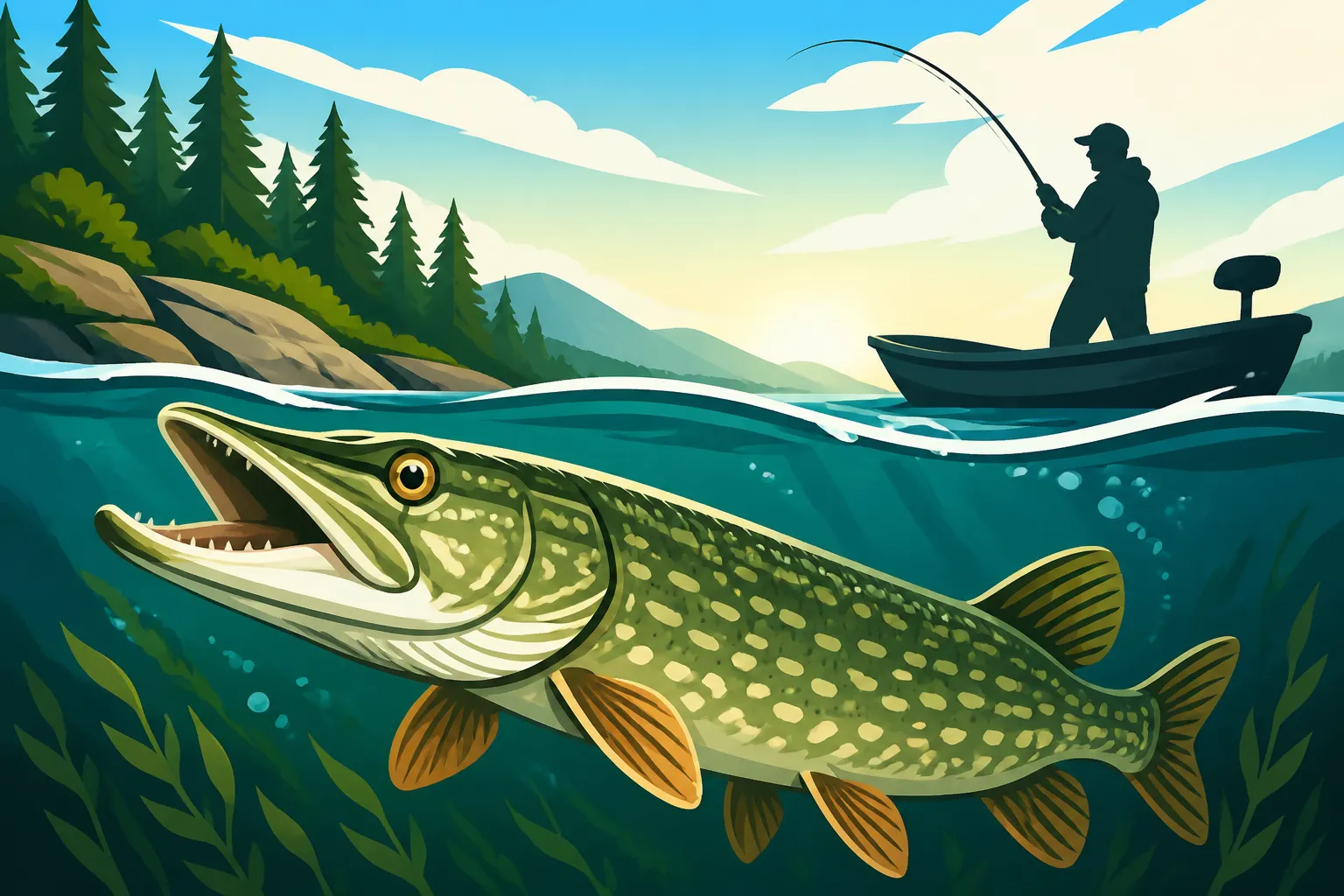
Northern Pike (Esox lucius) are one of New York's most recognizable and revered freshwater game fish. They're found throughout much of the state, often coexisting with other popular species, which sometimes leads to unexpected encounters for anglers. Their long, torpedo-shaped bodies, dorsal fin set far back, and distinctive duckbill snout full of razor-sharp teeth make them instantly identifiable. They are ambush predators, perfectly designed to lie in wait among weeds or submerged structure, rocketing out to snatch unsuspecting prey.
What Makes Northern Pike So Unique?
What truly sets Northern Pike apart is their predatory nature and adaptability. They are apex predators in many of the waters they inhabit, meaning they're at the top of the food chain, impacting the populations of other fish species. This characteristic makes them incredibly challenging and rewarding to target. Their aggressive feeding habits often lead to violent strikes, which is why many anglers, myself included, are completely hooked on the chase. You never quite know what you'll feel when a pike decides to attack your presentation – sometimes it's a subtle take, other times it feels like you've hooked a runaway train.
Beyond their ferocity, pike are also quite beautiful. Their bodies are typically olive green to dark green on the back, fading to a creamy white belly, with distinctive light, bean-shaped spots scattered along their flanks. Some individuals can have a stunning golden or yellowish tint, especially in certain clear-water environments. It’s always a treat to admire their camouflage once you get them boatside.
Their Role in New York's Aquatic Ecosystem
Northern Pike play a vital role in maintaining the health and balance of New York's aquatic ecosystems. As active predators, they help control populations of smaller, less desirable fish species, preventing overpopulation and promoting a healthier overall fish community. This isn't just about culling the weak; it's about natural selection and ensuring the survival of the fittest. When pike are present and healthy, they contribute to a diverse and robust fishery.
However, their presence can sometimes be a double-edged sword. In systems where they are not native or where their populations explode, they can put pressure on sensitive native species, especially trout or salmon juveniles. Understanding the delicate balance is crucial, which is why the Department of Environmental Conservation (DEC) carefully manages their populations and sets New York Fishing Season Dates and Catch Limits to ensure sustainability. Anglers are part of this conservation effort, whether through adherence to regulations or practicing careful catch and release.
Average Size and Growth Patterns
Northern Pike in New York exhibit a wide range of sizes, largely dependent on the specific water body, food availability, and age. In smaller ponds or slow-moving rivers, you might consistently catch "hammer handles" – pike in the 18-to-24-inch range. These younger fish are often quite feisty and numerous, providing plenty of action.
However, New York is also home to some truly monstrous pike. In larger, more fertile lakes and rivers with abundant forage, pike can grow to impressive sizes, easily exceeding 30 inches and often reaching lengths of 40 inches or more. Fish in the 15-to-20-pound class are not uncommon in prime habitats, and every year, anglers report catching trophy-sized fish that push well into the 20s and sometimes even 30s of pounds. The Maximum Size of a Northern Pike in New York often depends on these factors. Generally, a healthy adult pike can live for 10-15 years, with some living even longer, steadily growing larger and more formidable throughout their lives. It's these older, larger fish that provide the truly unforgettable angling experiences.
Key Habitats and Preferred Environments for Northern Pike
Northern Pike are incredibly adaptable, but they certainly have their favorite hangouts. Understanding where they prefer to spend their time is key to consistently finding and catching them. They are generally cool-water fish, but they can tolerate a wide range of temperatures, often seeking out specific depths or cover as conditions change.
Favorite Haunts: Weeds, Structure, and Shallcws
When you think of Northern Pike habitat, think "ambush." These fish are masters of camouflage and surprise attacks, and their preferred environments reflect this strategy.
- Weed Beds: This is probably the most classic pike habitat. Dense stands of submerged aquatic vegetation, like milfoil, pondweed, or coontail, offer perfect cover. Pike will lie perfectly still within these weeds, blending in with the surroundings, waiting for a perch, shiner, or even a small duckling to swim by. They prefer the edges of these beds, points, or pockets within the weeds where they can easily dart out. Targeting weed lines with a spinnerbait or a weedless spoon can be incredibly effective.
- Submerged Structure: Beyond weeds, any kind of underwater structure can hold pike. This includes fallen trees, brush piles, rock piles, old dock pilings, or even submerged culverts. These structures offer concealment and often attract baitfish, creating a perfect hunting ground for pike. I've had incredible luck casting alongside bridge abutments or working a crankbait over submerged timber.
- Shallow Bays and Flats: Especially during spring and fall, pike will frequent shallow, warmer bays and flats. These areas warm up quickly in the spring, attracting baitfish and providing crucial spawning grounds. In the fall, they offer a final feeding frenzy before winter. Look for bays with access to deeper water nearby, as pike will often move back and forth between the shallows and deeper thermal refuges.
Finding these features on your local lakes or rivers, either with a good depth finder or by simply observing the water, is your first step to success. Don't be afraid to experiment with different types of cover.
Seasonal Movements and Where to Find Them
Northern Pike don't just stay in one spot all year; their movements are heavily influenced by water temperature, spawning cycles, and the availability of food.
- Spring: As the ice recedes and water temperatures begin to rise, pike become incredibly active. They'll move into shallow, vegetated bays and marshy areas for spawning. Post-spawn, they are often ravenous, recuperating from the exertion, and will aggressively strike anything that moves. This is often the best time for sheer numbers of active fish. Targeting those warming shallows and the mouths of feeder creeks is a great strategy.
- Summer: During the heat of summer, pike tend to move a bit deeper, seeking cooler, oxygen-rich water. They'll still relate to deep weed lines, points, and humps, but often in slightly deeper water than in spring. Early mornings and late evenings can be productive as they move shallower to feed. This is when larger, presentation-oriented lures can shine, covering more water or probing deeper structure.
- Fall: As water temperatures drop in the autumn, pike go on another major feeding binge, bulking up for winter. They often move back into shallower areas, especially those with good weed cover or rocky points, ambushing schools of baitfish. This is prime time for trophy pike, as they are actively feeding and incredibly aggressive. Big crankbaits, jerkbaits, and even large dead baits can be exceptionally effective.
- Winter (Ice Fishing): For dedicated ice anglers, pike offer fantastic opportunities. They'll often cruise shallower flats and the edges of weed beds under the ice. Tip-ups rigged with live or dead bait are popular, as are jigging spoons. Just remember to check the ice thickness and be safe out there when trying New York Ice Fishing Rules.
Understanding these seasonal patterns will significantly increase your chances of finding fish, no matter the time of year.
Top New York Lakes and Rivers for Northern Pike
New York State boasts an incredible array of waters, many of which are prime Northern Pike territory. While you can find pike in many smaller lakes and rivers, some stand out for their consistent populations and potential for trophy fish.
- St. Lawrence River: This is arguably New York's premier pike fishery, especially in the Thousand Islands region. The abundant weed beds, rocky points, and diverse forage create an ideal environment for pike to thrive and grow to enormous sizes. Many anglers come here specifically for the chance at a true monster pike. Fishing New York's St. Lawrence River and Thousand Islands is a must for any serious pike angler.
- Lake Ontario and its Tributaries: While known more for salmon and steelhead, Lake Ontario and its larger bays and tributaries hold healthy pike populations. Bays like Sodus Bay and Henderson Harbor offer excellent shallow-water pike fishing, especially during spring and fall. The backwaters and slow-moving sections of the tributaries can also be productive.
- Great Sacandaga Lake: Located in the Adirondacks, this large reservoir is a fantastic pike fishery. Its diverse structure, deep channels, and extensive weed beds provide ample habitat for pike, including many trophy-sized specimens. It’s a popular spot for both open-water and ice fishing for pike.
- Chautauqua Lake: In Western New York, Chautauqua Lake is renowned for its musky fishing, but it also has a strong population of Northern Pike. The vast weed beds and varying depths make it a fantastic lake to explore for these toothy critters.
- Finger Lakes (e.g., Oneida Lake): While the Finger Lakes are known for trout and bass, many of them, particularly the shallower and weedier ones like Oneida Lake, contain excellent pike populations. Oneida Lake, in particular, offers fantastic pike fishing with its extensive shallow flats and dense vegetation. Fish Species Found in the Finger Lakes will give you a broader look at what these waters hold.
- Hudson River: The upper reaches of the Hudson River, particularly above the tidal influence, offer good pike fishing in its calmer backwaters and oxbows, which are rich in aquatic vegetation.
This isn't an exhaustive list, of course, as many local lakes, reservoirs, and larger rivers across the state hold excellent numbers of Northern Pike. Researching local reports and talking to bait shop owners will often point you to hidden gems.
Effective Techniques and Tackle for Catching Northern Pike
Catching Northern Pike is less about finesse and more about presentation and durability. These fish are aggressive, but they're also smart. Having the right tools and techniques can make all the difference between a frustrating day of lost lures and a memorable day of bent rods.
Lure Selection for Aggressive Pike Strikes
Pike are opportunistic feeders and will strike a wide variety of lures. The key is to present something that mimics their natural prey or provokes an aggressive reaction.
- Spinnerbaits: These are absolute pike magnets, especially when retrieved through or along the edges of weed beds. The flash and vibration mimic fleeing baitfish, triggering vicious strikes. Chartreuse, white, and brightly colored blades are often effective. I always carry a good selection of 3/8 oz to 1 oz spinnerbaits.
- Spoons: Classic metal spoons, especially those with a wobbling action like Dardevles or Johnson Silver Minnows, have been catching pike for decades. They cast a mile and have an irresistible flash on the retrieve. Silver, gold, and red/white are traditional favorites. They work well over weed tops or in open water.
- Crankbaits and Jerkbaits: Larger crankbaits and jerkbaits, particularly those designed to dive to relevant depths, are excellent for covering water and targeting bigger fish. Choose lures that are 4-8 inches long with a strong wobbling action. Bright colors or natural baitfish patterns can be deadly. When the fish are less active, a suspending jerkbait can be worked with a twitch-pause retrieve to tempt them. For durable, sharp hooks, I often pick up some upgrades on Amazon after losing a few to those sharp teeth.
- Soft Plastics: Large swimbaits or paddle tail baits rigged on heavy jig heads can be incredibly effective, especially when pike are feeding on larger forage. They offer a more subtle, natural presentation. Rigging them weedless can allow you to get into the densest cover.
- Topwater Lures: During warmer months, especially in low-light conditions, pike will absolutely explode on topwater lures like poppers, prop baits, or walk-the-dog style baits. The visual thrill of a pike blowing up on a surface lure is unmatched!
For a deeper dive into specific lures, check out Best Lures for Northern Pike in Spring for seasonal recommendations.
Live Bait Tactics for Patient Anglers
While lures are great for active fish and covering water, sometimes live bait is simply irresistible, especially for larger, less active pike.
- Shiners and Suckers: Larger shiners, golden shiners, or small suckers (up to 8 inches) are fantastic live bait options. They can be fished under a bobber in shallow water, or on a slip-sinker rig near the bottom in deeper areas. The key is to use a lively baitfish that will attract attention.
- Dead Baits: Don't underestimate the power of a dead bait, especially during colder months or through the ice. Large dead smelt, shiners, or even small perch can be fished on the bottom or suspended off a tip-up. Pike are scavengers, and a scent trail can draw them in from a distance. A slow, methodical presentation with dead bait can often entice a hesitant trophy pike that might ignore a faster moving lure.
- Rigging: When using live bait, a simple hook-and-leader setup is usually best. Use a wide-gap hook (like a Kahle hook or a circle hook) appropriate for the size of your bait. Ensure your bait is hooked in a way that allows it to swim naturally and stay alive. If you are targeting big pike, don't be afraid to use bigger hooks and leaders.
Essential Gear and Safety Considerations
Pike fishing requires specific gear to handle their size, strength, and, most importantly, their teeth.
- Rod and Reel: A medium-heavy to heavy action spinning or baitcasting rod (6'6" to 7'6") paired with a robust reel spooled with 20-30 lb braided line is ideal. Braided line offers excellent sensitivity and strength for hauling fish out of cover.
- Leaders: This is non-negotiable! Pike have teeth that will shear through monofilament or fluorocarbon like butter. You must use a steel, titanium, or heavy-duty fluorocarbon leader (60-100 lb test) at least 12-18 inches long. I carry a variety of pre-tied leaders, but also spool up on bulk leader material from Amazon for custom lengths. Without a proper leader, you're just donating lures.
- Landing Net or Grippers: A large, rubberized landing net is essential for safely landing and handling pike. The rubberized mesh protects the fish's slime coat. Alternatively, lip grippers can be used, but always support the body of the fish. Avoid lifting large pike solely by the lip grippers, as it can cause internal damage.
- Pliers and Jaw Spreaders: Long-nose pliers are crucial for hook removal, as reaching into a pike's mouth with your fingers is a recipe for disaster. A jaw spreader can be helpful, especially for larger fish, to safely access hooks without risking your fingers or damaging the fish.
- First Aid: Given the sharp teeth and potential for accidents, always have a basic first aid kit on hand, especially with antiseptic wipes and bandages.
Remember, safety for both you and the fish is paramount. Handle pike carefully, minimize their time out of the water, and release them gently if you're not keeping them.
New York Regulations and Conservation for Northern Pike
Responsible angling is about more than just catching fish; it's about preserving the resource for everyone, including future generations. New York's DEC has specific regulations in place to ensure healthy Northern Pike populations across the state.
Understanding Season Dates and Limits
New York's fishing regulations can sometimes feel like a maze, especially with special regulations on certain water bodies. However, understanding the statewide Northern Pike regulations is fairly straightforward, though always double-check the latest official New York Fishing Regulations Explained before heading out.
Typically, there's a general open season for Northern Pike that runs year-round in many waters, but specific daily creel limits (how many you can keep) and minimum size limits are in place. For instance, a common statewide regulation might specify a minimum length and a daily bag limit per angler. These numbers are carefully determined by biologists to ensure sustainable fishing pressure. Special regulations might apply to specific lakes or river sections where pike populations are particularly sensitive or managed for trophy potential. Always consult the official DEC Fishing Regulations Guide for the specific body of water you intend to fish. These guides are available at most bait shops, DEC offices, or online.
Promoting Responsible Catch and Release
While keeping a legal pike for the dinner table is certainly an option, many anglers, especially those targeting larger fish, practice catch and release. Releasing large, healthy pike allows them to continue their role in the ecosystem and provides trophy opportunities for others.
- Minimize Stress: The goal is to get the fish back in the water as quickly and healthily as possible. Fight the fish efficiently, don't play it to exhaustion.
- Wet Hands: Always wet your hands before handling a fish. Dry hands can remove the protective slime coat, making the fish susceptible to disease.
- Support the Fish: If taking a picture, support the fish horizontally with one hand under the belly and the other gripping the lower jaw. Avoid holding a large pike vertically by the jaw alone, as it can damage their spine and internal organs.
- Quick Release: Have your pliers and jaw spreaders ready to quickly remove hooks. If a hook is deeply embedded and cannot be removed without causing excessive damage, cut the line as close to the hook as possible. The hook will often rust out over time.
- Revive the Fish: If the fish seems sluggish, hold it gently in the water, facing into a current if possible, and allow water to flow over its gills until it swims away under its own power.
Responsible catch and release practices ensure that the thrill of catching a magnificent Northern Pike can be experienced by many, many more anglers in the future.
Protecting Pike Populations for Future Generations
Conservation is a community effort, and anglers are on the front lines. Beyond following regulations and practicing catch and release, there are other ways we can contribute to healthy pike populations.
- Respect Spawning Areas: During the spring spawning season, pike move into shallow, vegetated bays and marshy areas. Being mindful of these sensitive habitats and avoiding disturbance during critical reproductive periods can help ensure successful spawning.
- Report Poaching: If you witness illegal fishing activities, such as taking oversized or undersized fish, or exceeding bag limits, report it to the DEC. This vigilance helps protect the resource from those who would exploit it.
- Prevent Invasive Species: Northern Pike habitats are often vulnerable to invasive aquatic species. Always clean, drain, and dry your boat, trailer, and gear after each outing to prevent the spread of harmful plants and organisms that can degrade pike habitat. This simple step, like cleaning your boat's prop after pulling it out of the water, has a huge impact.
By being good stewards of the environment, we contribute to the long-term health of Northern Pike populations and the overall integrity of New York's fisheries.
Distinguishing Northern Pike from Similar Species
New York waters are home to several fish species that bear a resemblance to Northern Pike, particularly the other members of the Esox (pike) family. Misidentifying a fish can lead to inadvertently violating regulations, or simply missing out on understanding the unique characteristics of your catch. Knowing the key differences is crucial.
Northern Pike vs. Muskellunge: Spotting the Differences
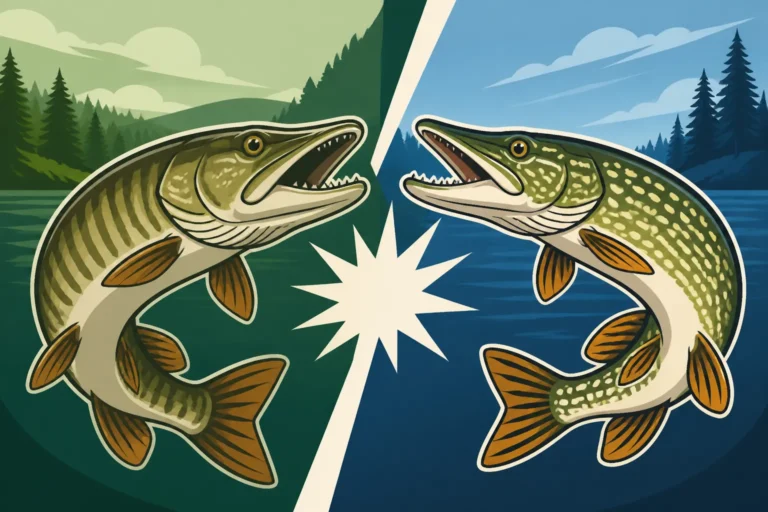
This is perhaps the most common identification challenge. Both Northern Pike and Muskellunge are large, predatory, toothy fish with elongated bodies. However, there are several key differences:
| Feature | Northern Pike | Muskellunge |
|---|---|---|
| Body Markings | Light, bean-shaped spots on a dark body | Dark spots or bars on a lighter, often greenish body |
| Cheek Scales | Fully scaled on both upper and lower halves | Upper half of cheek scaled, lower half scaleless |
| Jaw Pores | 5 or fewer pores on each side of the lower jaw | 6-9 pores on each side of the lower jaw |
| Tail Fin | Often slightly rounded or less deeply forked | Often more deeply forked, sometimes pointed lobes |
The most reliable visual cues for telling them apart without even touching the fish are the body markings and the cheek scales. Northern Pike have light spots on a dark background, almost like stars in the night sky. Muskellunge, conversely, typically have dark spots or bars on a lighter background. If you gently feel the lower half of the cheek (the operculum), a Northern Pike will be fully scaled, while a Muskie will feel smooth or scaleless on the lower half. For a comprehensive comparison, dive into Muskellunge vs Northern Pike: Key Differences or How to Tell a Muskie From a Pike.
Northern Pike vs. Chain Pickerel: A Closer Look
Another member of the Esox family, the Chain Pickerel (Esox niger), is also found in New York and can be confused with a young Northern Pike. While smaller than a pike, they share the torpedo shape and sharp teeth.
- Markings: The most distinguishing feature of a Chain Pickerel is its distinctive chain-like or reticulated pattern on its sides, which gives it its name. Northern Pike have scattered bean-shaped spots, not a chain pattern.
- Snout: Pickerel tend to have a longer, more duckbill-like snout compared to a pike.
- Size: Chain Pickerel rarely exceed 2 feet in length and typically weigh only a few pounds, whereas pike commonly grow much larger. If you catch a fish under 20 inches with a chain pattern, it's almost certainly a pickerel.
- Cheek Scales: Like Northern Pike, Chain Pickerel have fully scaled cheeks and gill covers.
Pickerel are often found in shallower, heavily vegetated waters, sometimes even sharing the same habitat as smaller pike. They can be just as aggressive on the strike, providing plenty of fun on lighter tackle.
Why Accurate Identification Matters
Accurate fish identification isn't just a fun fact; it's essential for several practical reasons:
- Legal Compliance: Different species have different regulations regarding season dates, size limits, and creel limits. Mistaking a Northern Pike for a Muskellunge (or vice-versa) could lead to accidentally violating a law, potentially resulting in fines or other penalties. This is why familiarizing yourself with New York Fishing Regulations Explained for all Esox species is so important.
- Conservation: Understanding which species you're catching helps you appreciate its ecological role and contributes to proper management data. It ensures you're applying appropriate catch and release techniques for that specific species.
- Angling Strategy: Knowing what you've caught can inform your future angling decisions. If you're consistently catching one species over another, you can refine your techniques, lures, and locations to target your preferred fish more effectively. For example, if you're targeting trophy Muskellunge in New York, you might use even larger lures than for pike.
Taking a moment to positively identify your catch not only makes you a more knowledgeable angler but also a more responsible one.
Disclaimer
This article is for general informational purposes only and does not constitute professional advice. Laws, prices and regulations vary by location and change over time. Consult a qualified professional for guidance on your specific situation.