Maximum Size of a Northern Pike in New York
It's a common daydream for any angler in New York – that moment when you feel a truly massive fish tugging on your line, and you wonder, just how big can a Northern Pike really get in these waters? You've heard the whispers of monster pike, but what's the actual maximum size you might encounter, and what does the state record tell us about those truly exceptional fish? This guide will dive deep into the fascinating world of New York's Northern Pike, exploring their growth, habitat, and the factors that contribute to their impressive size, helping you understand the potential for that next trophy catch.
Understanding Northern Pike Growth in New York
Northern Pike are undeniably one of New York's most sought-after freshwater gamefish, known for their aggressive strikes and powerful fights. But what makes some pike grow into absolute giants while others remain more modest in size? It's a combination of factors, but understanding their typical growth patterns is a great starting point for any angler hoping to land a true trophy.
Average Size vs. Maximum Potential
When most people talk about catching a Northern Pike in New York, they're usually referring to fish in the 20 to 30-inch range. These are robust, healthy fish that offer a good fight and are plentiful in many of our lakes and rivers. A pike of this size typically weighs anywhere from 2 to 5 pounds, depending on its girth and overall condition. They're a fantastic catch for a fun day out on the water, providing consistent action and a thrill for anglers of all skill levels. Many anglers are perfectly happy to consistently catch pike in this range.
However, the "maximum potential" is a whole different ballgame. New York waters hold pike that can grow considerably larger, entering what many consider "trophy" territory. We're talking about fish pushing 35, 40, or even 45 inches and beyond. A pike over 40 inches in New York is truly a remarkable catch, often tipping the scales at 10 to 20 pounds, sometimes even more. These are the fish that make for legendary stories, impressive photos, and leave you with shaking hands long after the release. Catching one of these requires a combination of skill, patience, the right location, and a little bit of luck, but knowing they're out there keeps many of us coming back.
Growth Rates and Lifespan
Northern Pike are relatively fast-growing fish, especially in their early years, but their growth isn't linear throughout their entire life. In their first year, they can grow quite rapidly, quickly becoming efficient predators. This initial burst of growth is crucial for their survival, allowing them to outcompete smaller forage fish and avoid becoming prey themselves. As they mature, their growth rate might slow down, but they continue to gain length and, more importantly, girth, becoming thicker and heavier.
The lifespan of a Northern Pike in New York can vary significantly depending on environmental conditions, food availability, and fishing pressure. In optimal conditions, with plenty of food and suitable habitat, pike can live well into their teens. It's these older, more seasoned fish that typically reach the maximum sizes that get anglers so excited. A 40-inch pike is likely a fish that has navigated several seasons, avoided predators, and successfully found ample food sources. Understanding this lifespan helps put the pursuit of a true monster pike into perspective – you're often targeting a venerable veteran of the underwater world.
New York's Record-Holding Pike and What It Means
While the average catch provides plenty of excitement, the state record gives us a definitive benchmark for just how truly enormous a Northern Pike can become in New York State. This record isn't just a number; it represents a fish that defied the odds, grew to an incredible size, and made history.
The State Record Breakdown
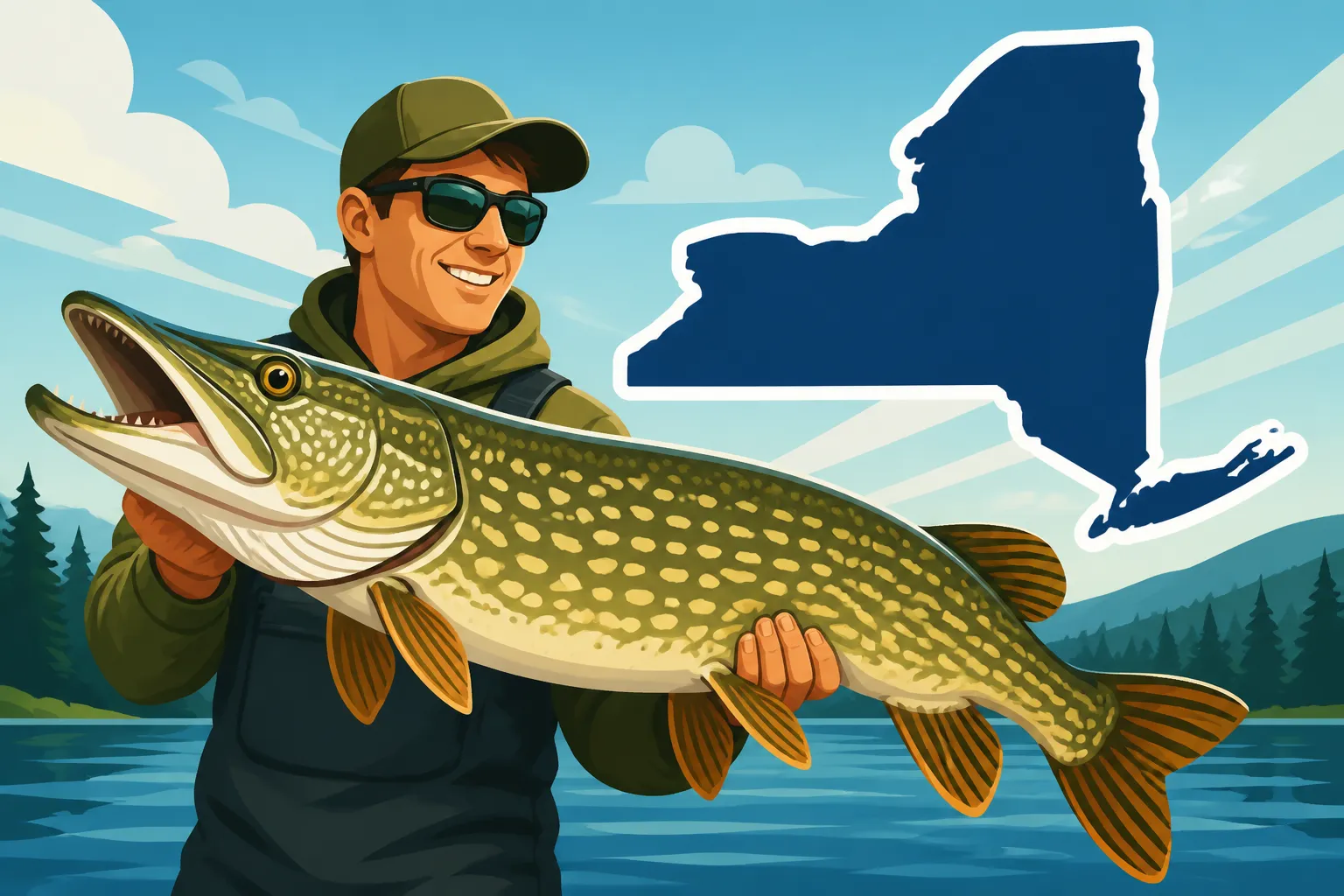
New York's state record for Northern Pike stands at a colossal 46 pounds, 2 ounces, measuring an astounding 54.5 inches in length. This magnificent fish was caught by John Plumb in the St. Lawrence River, a body of water renowned for its ability to produce trophy-sized predators. It's a testament to the incredible potential that lies within New York's vast network of waterways. New York State Record Northern Pike Weight is a topic of great fascination for many anglers, myself included.
When you look at that 54.5-inch length, imagine a fish nearly four and a half feet long! This isn't just a big fish; it's a true apex predator, a goliath of the freshwater realm. The weight, almost 50 pounds, signifies an incredibly healthy, old, and well-fed animal. This record serves as both an inspiration and a challenge for anglers. It reminds us that while such catches are exceedingly rare, the possibility of encountering a fish of monumental proportions always exists, particularly in nutrient-rich and expansive waters like the St. Lawrence River or certain large Adirondack lakes.
Chasing a Personal Best
While breaking the state record might be a long shot for most of us, setting a personal best is a much more attainable and equally rewarding goal. Maybe your personal best is currently a 30-inch pike, and you're aiming for that 35-inch mark. Or perhaps you've already hit 40 inches and are dreaming of that elusive 45-incher. The journey to a personal best is what keeps many anglers passionate about targeting these toothy critters.
Chasing a personal best often involves refining your techniques, exploring new fishing spots, and investing in gear suitable for larger fish. It means learning about Northern Pike in New York and their habits. This might include heavier rods, stronger lines, and larger baits. For instance, if you usually throw small spoons, you might start experimenting with bigger crankbaits or oversized soft plastics. Many anglers rely on strong, sharp hooks, which can be found in a wide array of options on Amazon, ensuring you have the best chance to land that once-in-a-lifetime fish. Remember, patience is key, as is a commitment to ethical angling, especially when targeting larger, older fish that are crucial for the health of the fishery.
Factors Influencing Pike Size
The sheer size a Northern Pike can achieve isn't just about how long it lives; it's a complex interplay of environmental factors, genetics, and even the actions of anglers themselves. Understanding these elements can give you a better idea of where and when to focus your efforts for larger fish.
Habitat and Food Availability
Without a doubt, the most significant drivers of pike growth are the quality of their habitat and the abundance of food. A lake or river with clear, cool, oxygenated water, ample weed beds for ambush points, and deep areas for refuge provides the ideal home for pike to thrive. The sprawling Best Fishing Spots in New York often boast these exact conditions. When you think about truly large pike, you're often thinking about large water bodies where they have plenty of room to roam and grow without too much competition.
More critically, an endless buffet of high-protein forage fish is paramount. Pike are opportunistic predators, and if a water body is teeming with baitfish like ciscoes, suckers, perch, or even smaller panfish, they have the fuel they need to pack on pounds and inches. Waters like Lake Ontario, Lake Erie, and the St. Lawrence River, known for their incredible biomass of baitfish, consistently produce some of the largest pike in the state. Fish Species Found in Lake Ontario and Fish Species Found in the St. Lawrence River are prime examples of the rich ecosystems that support these giants. Conversely, in smaller ponds with limited food sources, even an older pike might never reach the truly gargantuan sizes seen in more productive waters.
Genetics and Environmental Conditions
Just like any other species, genetics play a role in the maximum size a Northern Pike can achieve. Some pike might simply be predisposed to growing larger and living longer than others. While you can't control the genetics of the fish you're targeting, it's an underlying factor in why certain populations consistently produce bigger individuals. It's why some regions become known as "trophy pike" destinations.
Beyond genetics, environmental conditions such as water temperature and seasonality also impact growth. Pike are cold-water fish, and while they can tolerate warmer temperatures, they generally grow better and are more active in cooler waters. This is why you often find them active earlier and later in the season. The length of the growing season, which varies across New York State, also influences how much time a pike has to feed and grow each year. A longer, productive feeding season can result in more substantial growth. Severe winters, harsh spawning conditions, or periods of low water can stress populations and impact overall growth rates.
Fishing Pressure and Regulations
Fishing pressure can have a direct impact on the average and maximum size of pike in a given body of water. In heavily fished areas, larger, older fish are often removed from the population, meaning fewer individuals reach their maximum genetic potential. This isn't to say people shouldn't keep fish, but it highlights the importance of catch-and-release, especially for larger breeding females, if trophy potential is a management goal. New York Fishing Regulations Explained often include size and creel limits designed to protect these larger fish.
The New York State Department of Environmental Conservation (DEC) implements regulations, including minimum size limits and daily creel limits, to help manage pike populations and promote the growth of larger fish. These regulations vary by water body, so it's always crucial to check the current New York DEC Fishing Regulations Guide before heading out. Anglers who conscientiously practice catch-and-release, particularly for those truly impressive specimens, contribute to maintaining a healthy population of large, mature pike. This practice allows these fish to continue to grow and reproduce, passing on their genes for large size to future generations.
What to Expect When You Target Northern Pike
So, with all this talk of potential, what's a realistic expectation when you head out to target Northern Pike in New York? While the state record is awe-inspiring, what will you most likely encounter, and how should you prepare if you're serious about landing a personal best?
Typical Sizes Encountered by Anglers
The vast majority of Northern Pike you'll encounter in New York waters will fall into the 20 to 30-inch range. These are energetic fish that will readily strike a variety of lures and baits. They're fun for all ages and offer consistent action. If you're fishing a popular lake or river, expect to catch several fish of this size throughout the day, especially if you're using common techniques like casting spoons, spinners, or medium-sized crankbaits. For beginners, these are the perfect fish to build confidence and hone your skills.
Occasionally, you'll hook into something larger, perhaps a pike in the low to mid-30-inch range. These fish feel significantly heavier and fight with more power, often making thrilling runs. These are excellent "upper average" fish and can be quite common in well-managed waters with good food sources. Landing a fish over 35 inches in New York is generally considered a very good catch, something that stands out in your angling memories. While the 40-inch plus pike are certainly out there, they are much rarer and often require specific tactics, locations, and a fair amount of dedication to find.
Gear for Targeting Larger Pike
If your goal is to specifically target those larger, maximum-sized Northern Pike, you'll want to adjust your gear accordingly. While standard bass gear can handle smaller pike, battling a 15-20 pound fish requires more robust equipment. A medium-heavy to heavy action spinning or baitcasting rod, typically 7 to 8 feet long, will provide the leverage and power needed. Pair this with a reel spooled with 20-30 pound braided line, which offers incredible strength and sensitivity. You can find excellent quality rods, reels, and braided lines on Amazon, with options to suit various budgets and preferences.
Perhaps the most crucial piece of tackle for pike, especially large ones, is a strong leader. Pike have incredibly sharp teeth, and they will easily sever monofilament or fluorocarbon mainlines. A steel or heavy fluorocarbon (60-100 lb test) leader of 12-18 inches is absolutely essential. Don't skimp on these! For lures, think big: large spoons, oversized inline spinners, big swimbaits, jerkbaits, and even topwater lures that mimic substantial baitfish. Best Lures for Northern Pike in Spring might give you some ideas. Live bait such as large shiners or suckers, fished under a bobber or slowly trolled, can also be incredibly effective for enticing a trophy pike. Always remember a good pair of long-nosed pliers or forceps for safe hook removal, and a large landing net for secure handling.
| Metric | Typical Adult Northern Pike (NY) | Trophy Northern Pike (NY) | New York State Record Pike |
|---|---|---|---|
| Average Length | 20-30 inches | 35-45+ inches | 54.5 inches |
| Average Weight | 2-5 pounds | 10-20+ pounds | 46 pounds, 2 ounces |
| Primary Diet | Smaller baitfish, frogs | Larger baitfish, waterfowl, muskrats | Large, abundant prey |
| Typical Habitat | Weed beds, shallow cover | Deeper water, structural cover, current breaks | Large, fertile river systems |
| Angler Frequency | Common | Occasional to rare | Extremely rare |
No matter your target size, remember to always check New York Fishing License Guide and current regulations for the specific waters you plan to fish. Understanding the maximum size a Northern Pike can achieve in New York makes every cast an exciting possibility, reminding us that truly incredible fish are swimming in our local waters.
Disclaimer
This article is for general informational purposes only and does not constitute professional advice. Laws, prices and regulations vary by location and change over time. Consult a qualified professional for guidance on your specific situation.