What a Landlocked Salmon Is
For many anglers in New York, the thought of salmon fishing conjures images of powerful Chinook and Coho battling in Lake Ontario or its tributaries. But there's another, equally thrilling salmonid residing in some of our most beautiful freshwater bodies: the landlocked salmon. This guide will dive deep into what makes the landlocked salmon so unique, where you can find them in New York, and how you can experience the incredible fight they offer.
Understanding the Allure of Landlocked Salmon
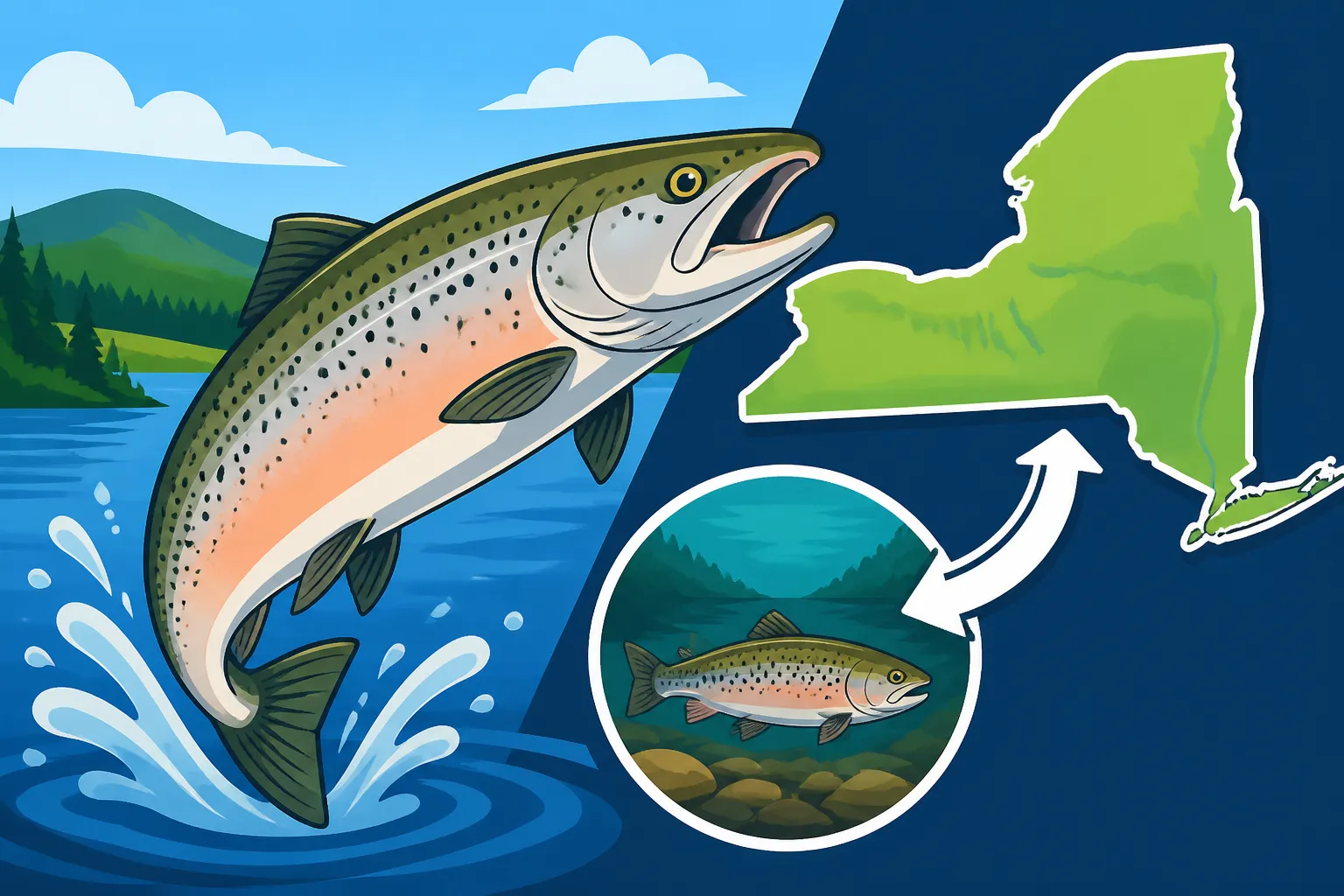
The landlocked salmon, specifically the Atlantic salmon subspecies, represents a fascinating biological adaptation and a coveted angling prize in New York State. Unlike their anadromous (sea-run) relatives that migrate to the ocean to feed and grow before returning to freshwater to spawn, landlocked salmon spend their entire lives within freshwater systems. This unique lifestyle doesn't diminish their fighting spirit or their stunning beauty; in fact, it makes them particularly special for freshwater anglers. They carry the same genetic blueprint for power and agility as their oceanic cousins, just within a different ecosystem.
Imagine encountering a fish that embodies the wildness of the ocean, yet thrives hundreds of miles from any saltwater. That's the essence of the landlocked salmon experience. They are often found in pristine, oligotrophic (nutrient-poor) lakes, which contribute to their lean, muscular build and vibrant coloration. The challenge of locating and enticing these intelligent fish is a significant part of their allure, drawing dedicated anglers back to New York's premier landlocked salmon waters year after year.
The Life Cycle of a Landlocked Salmon
The life cycle of a landlocked salmon is a testament to nature's adaptability. Born in the cold, clear tributaries of large lakes, young salmon, known as parr, spend a couple of years growing in these nursery streams, feeding on insects and small invertebrates. During this stage, they develop distinctive vertical bars, or "parr marks," on their sides, providing camouflage against the riverbed. This period is crucial for their development, honing their instincts and preparing them for the open waters of the lake.
Once they reach a certain size, typically around 6-8 inches, they undergo a physiological transformation called smoltification, becoming "smolts." Their parr marks fade, and their bodies become more silver, adapting them for a life in the open lake. Instead of migrating to the ocean like their sea-run counterparts, these smolts make their journey downstream into the lake, where they will spend the next several years growing, feeding primarily on baitfish like alewives and smelt. When mature, they return to their natal streams to spawn, completing a freshwater-exclusive journey. This intriguing adaptation is explored further in Landlocked Atlantic Salmon in New York.
Key Characteristics and Identification
Identifying a landlocked salmon can sometimes be tricky, especially for those new to salmonid fishing, as they share many traits with other trout and salmon species found in New York. However, there are distinct features that can help you confidently identify a true landlocked Atlantic salmon. Their body is generally sleek and torpedo-shaped, indicative of a powerful swimmer built for open water. They typically have a smaller mouth than a brown trout, with the upper jaw usually not extending beyond the eye.
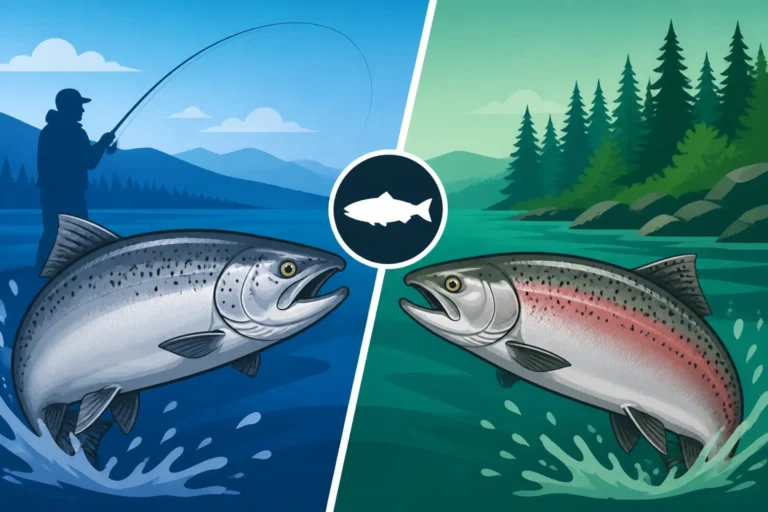
Coloration can vary greatly depending on their diet and habitat, but they generally exhibit a silvery body with scattered black spots on their back, sides, and gill covers, often X-shaped. During spawning, males can develop a pronounced kype (a hooked jaw) and a darker, more bronze or reddish hue, particularly on their flanks. Their caudal fin (tail) is typically forked, though it can become less so with age. Distinguishing them from a rainbow trout or brown trout requires careful observation, especially regarding fin shape and spotting patterns. If you're keen on the nuances, comparing them to their relatives in Landlocked Salmon vs Atlantic Salmon: Key Differences might be helpful.
Where Landlocked Salmon Thrive in New York
New York State is blessed with a diverse array of freshwater ecosystems, and some of these provide the perfect habitat for landlocked salmon. These fish are highly particular about their environment, requiring deep, cold, and well-oxygenated waters with a robust forage base to truly flourish. The lakes that support healthy populations of landlocked salmon are often considered jewels of the state's natural landscape, offering stunning scenery alongside exceptional fishing opportunities.
Finding these prime spots involves understanding not just the general location, but also the specific characteristics of the water body that make it suitable. Many of these lakes are quite large, demanding a bit of research and perhaps some local knowledge to pinpoint the most productive areas. The hunt for these ideal fishing grounds is part of the adventure, leading anglers to some of New York's most beautiful and remote corners.
New York's Prime Landlocked Salmon Waters
When you talk about landlocked salmon in New York, a few names immediately come to mind. The Finger Lakes, particularly Cayuga and Seneca Lakes, are renowned for their robust populations. These deep, glacially carved lakes offer the perfect thermal refuge for salmon year-round, along with an abundant supply of alewives, their primary food source. Lake Champlain, straddling the border with Vermont, is another fantastic destination, known for producing impressive specimens. Fishing New York's Finger Lakes: A Complete Guide offers a deeper dive into these iconic waters.
Beyond the Finger Lakes, you'll find quality landlocked salmon fishing in other significant water bodies. Great Sacandaga Lake in the Adirondacks, for instance, has a strong stocking program and a healthy population, providing excellent opportunities, especially during the colder months. Even some smaller, deeper Adirondack lakes might hold populations, often sustained through careful management and stocking efforts by the New York Department of Environmental Conservation (DEC). These diverse locations showcase the successful efforts to maintain and enhance landlocked salmon fishing across the state. More details on specific habitats can be found in Where Landlocked Salmon Live in New York.
The Importance of Cold, Oxygenated Water
For landlocked salmon, water temperature and oxygen levels aren't just preferences; they are critical survival requirements. These fish are true cold-water species, thriving in temperatures generally below 65°F (18°C). During the warm summer months, when surface waters heat up, landlocked salmon retreat to the deeper, colder layers of the lake, often called the hypolimnion. This phenomenon is known as thermal stratification.
Along with cold temperatures, high levels of dissolved oxygen are paramount. Deep lakes with good water quality typically maintain ample oxygen, even in their colder depths. Without both cold water and sufficient oxygen, salmon cannot survive, which is why pristine, oligotrophic lakes are their ideal homes. The presence of a healthy forage base, like alewives or rainbow smelt, is also essential, providing the energy needed for these active predators to grow large and powerful. Any disruption to these delicate environmental balances can severely impact salmon populations, highlighting the importance of conservation efforts.
The Thrill of Fishing for Landlocked Salmon
Fishing for landlocked salmon is an experience that hooks many anglers for life. Their reputation for hard fights, acrobatic jumps, and powerful runs makes them one of the most exciting freshwater game fish. However, they aren't always easy to catch. Landlocked salmon can be wary, especially in clear waters, and their nomadic behavior in large lakes means anglers need to be adaptable and strategic.
The pursuit often involves a combination of patience, understanding fish behavior, and employing the right techniques and gear. It’s not just about getting a bite; it's about connecting with a truly wild and magnificent creature that demands respect. Whether you're trolling the open water or casting near structure, every strike from a landlocked salmon is an unforgettable moment, cementing their status as a premier sportfish.
Essential Gear and Tactics
To successfully target landlocked salmon, you'll need gear that can handle their powerful runs and quick changes of direction. For trolling, which is a very popular and effective method in larger lakes, a medium-light to medium action spinning or baitcasting rod, about 7-8 feet long, paired with a reliable reel spooled with 8-12 lb monofilament or fluorocarbon, or even braided line with a fluorocarbon leader, is a good starting point. Downriggers, planer boards, or lead core line are often necessary to get lures down to the depths where salmon are holding, especially in summer. You can find excellent trolling setups and accessories on Amazon.
As for lures, spoons like the Sutton, Little Cleo, or various Flutter Spoons are perennial favorites, mimicking the baitfish salmon feed on. Stickbaits and small plugs are also highly effective, particularly near tributary mouths or during times when salmon are cruising shallower waters. Some anglers also use bait, like shiners or cut bait, presented on a slow troll. Always remember that conditions change, so having a variety of lure types and colors, readily available through retailers like Amazon, is a smart strategy to match the hatch or current feeding patterns. For specific techniques, consider checking out How to Fish for Landlocked Salmon.
Seasonal Strategies and Best Times
The best time to fish for landlocked salmon in New York largely depends on the season and the specific water body. Each season presents unique opportunities and challenges.
- Spring: As ice melts, salmon begin to cruise closer to the surface and along shorelines, especially near tributary mouths where they might be feeding on newly emerging insects or baitfish. Trolling spoons or stickbaits in the upper water column or casting from shore can be very productive. This is often an excellent time for quantity and active fish.
- Summer: This is when salmon go deep. As surface waters warm, they seek refuge in the cooler, oxygen-rich thermocline. Downriggers are essential to present lures at specific depths, often 30-80 feet or more. Look for baitfish schools on your fish finder, as salmon will be nearby. Early mornings and late evenings can sometimes bring them shallower, but generally, it's a deep-water game.
- Fall: As lake temperatures begin to drop, salmon become more active again and may start their pre-spawn migrations towards their natal streams. They will move into shallower waters and aggressively feed. Trolling is still effective, but casting near river mouths and rocky points can also produce results. The colors of the surrounding foliage only add to the beauty of a fall fishing trip. Best Season for Landlocked Salmon on New York's Finger Lakes offers more insights into seasonal patterns.
- Winter (Ice Fishing): In lakes that freeze over reliably, ice fishing for landlocked salmon can be a truly exhilarating experience. Jigging spoons or dead bait near drop-offs and structure, often near the deeper sections, can entice a strike. Tip-ups can also be effective, allowing you to cover more ground.
| Season | Typical Depth (Trolling) | Recommended Lures/Baits | Key Tactics |
|---|---|---|---|
| Spring | Surface to 20 feet | Small spoons, stickbaits, shiners | Trolling, shore casting near tributaries |
| Summer | 30 to 80+ feet (thermocline) | Larger spoons, stickbaits, deep divers | Downrigging, lead core, targeting bait schools |
| Fall | 10 to 40 feet | Spoons, plugs, shiners | Trolling, casting near river mouths |
| Winter | Varies (often near structure) | Jigging spoons, dead bait on tip-ups | Ice fishing, active jigging, tip-up spread |
Remember to consult local regulations for specific lake rules and seasonal nuances, which can often be found in the New York DEC Fishing Regulations Guide.
Conservation and Sustainable Practices
The continued health of New York's landlocked salmon populations relies heavily on responsible angling practices and robust conservation efforts. These fish are a precious resource, providing both ecological balance and incredible recreational opportunities. As anglers, we have a vital role to play in ensuring that future generations can also experience the thrill of catching these magnificent fish. This means understanding and adhering to regulations, as well as practicing ethical fishing techniques.
Sustainable fishing isn't just a buzzword; it's a commitment. It involves respecting the fish, their habitat, and the rules put in place to protect them. By doing our part, we contribute to the long-term viability of this cherished sportfish in New York's beautiful waters.
Regulations and Catch Limits
Fishing for landlocked salmon in New York is subject to specific regulations designed to manage and protect their populations. These regulations can vary by water body and often include rules regarding minimum size limits, daily creel limits (how many fish you can keep), and sometimes even specific tackle restrictions. For example, some areas might have special rules during spawning runs to protect fish congregated in tributaries. It's absolutely crucial for every angler to obtain a valid New York Fishing License Guide and to familiarize themselves with the current New York Freshwater Fishing Rules before heading out.
The New York Department of Environmental Conservation (DEC) publishes a comprehensive fishing guide annually, which details all the species-specific and water-body-specific rules. Ignoring these regulations isn't just unethical; it can lead to significant penalties. Always verify the rules for the specific lake or river you plan to fish, as state-wide regulations can sometimes be superseded by special area regulations. This diligence helps ensure that landlocked salmon populations remain healthy and plentiful for everyone.
Practicing Catch and Release
While keeping a landlocked salmon for the table is certainly an option within legal limits, practicing catch and release, especially for larger breeding fish, is a fantastic way to contribute to conservation. Landlocked salmon are a slow-growing species, and mature fish are vital for successful spawning and the perpetuation of the fishery. When you decide to release a fish, it's essential to do so in a way that maximizes its chances of survival.
Handle the fish as little as possible, and always with wet hands to protect its protective slime coat. Avoid touching its gills or eyes. Use a de-hooking tool if the hook is deep, or simply cut the line if the fish is deeply hooked and cannot be easily unhooked without causing further damage. Hold the fish gently in the water, facing into the current, until it regains its strength and swims away on its own. Using single, barbless hooks can also make the release process quicker and less stressful for the fish. Every successfully released fish is an investment in the future of New York's landlocked salmon fishery.
Disclaimer
This article is for general informational purposes only and does not constitute professional advice. Laws, prices and regulations vary by location and change over time. Consult a qualified professional for guidance on your specific situation.