Are Bowfin Found in New York?
It's a question that pops up a lot when anglers are discussing the more unusual catches in New York waters: "Are bowfin actually found here?" Many seasoned fishermen have never encountered one, leading to confusion and doubt. This guide is here to settle that question once and for all, diving deep into where these ancient fish live in our state and what makes them such a unique part of our aquatic ecosystem.
Understanding the Bowfin: A Living Fossil
Before we talk about their presence in New York, let's get acquainted with the fish itself. Bowfin are truly a marvel, often referred to as "living fossils" because they've retained many primitive characteristics that other fish species have long evolved past. They're a testament to endurance and adaptation, swimming in our waters for millions of years relatively unchanged.
What Exactly is a Bowfin?
Imagine a fish that looks like it swam straight out of the dinosaur age. That's pretty close to a bowfin. They have this really distinctive, long, tube-like dorsal fin that runs almost the entire length of their back, undulating as they swim, which gives them a serpentine movement. Their body is cylindrical, covered in tough, ganoid scales (another ancient trait!), and they possess a prominent, bony plate under their jaw called a gular plate. This gular plate, along with their ability to breathe atmospheric air using a primitive lung-like gas bladder, is what truly sets them apart. They’ll often surface to gulp air, especially in low-oxygen environments that would kill other fish.
They're typically dark olive to brown on their back, fading to a lighter belly, often with an intricate, mottled pattern along their flanks. Males often display a striking, dark spot near the base of their tail, surrounded by a bright orange or yellow halo, especially during spawning season. These fish are ambush predators, equipped with a mouth full of sharp, conical teeth. They're not picky eaters, preying on whatever they can get their jaws around – smaller fish, frogs, crayfish, and insects. Their powerful jaws and aggressive nature make them a formidable force in their habitat.
Where Bowfin Typically Thrive
Globally, the bowfin (scientific name Amia calva) is a North American native, primarily found in the eastern United States, stretching from the Great Lakes basin south to the Gulf Coast. They are creatures of still, warm, and often murky waters. Think slow-moving rivers, swamps, oxbow lakes, and backwater areas with dense aquatic vegetation. These aren't your swift-current trout streams or deep, clear glacial lakes.
They absolutely love places where lily pads, submerged weeds, and fallen logs provide plenty of cover for them to hide and ambush their prey. This preference for vegetated, sometimes oxygen-depleted waters is largely due to their unique respiratory system. While other fish might struggle in stagnant ponds during a hot summer, the bowfin can simply rise to the surface and gulp air, giving them a significant advantage. This adaptability is key to understanding where they might pop up, even in a state like New York that's famous for its colder, clearer waters.
The Presence of Bowfin in New York Waters
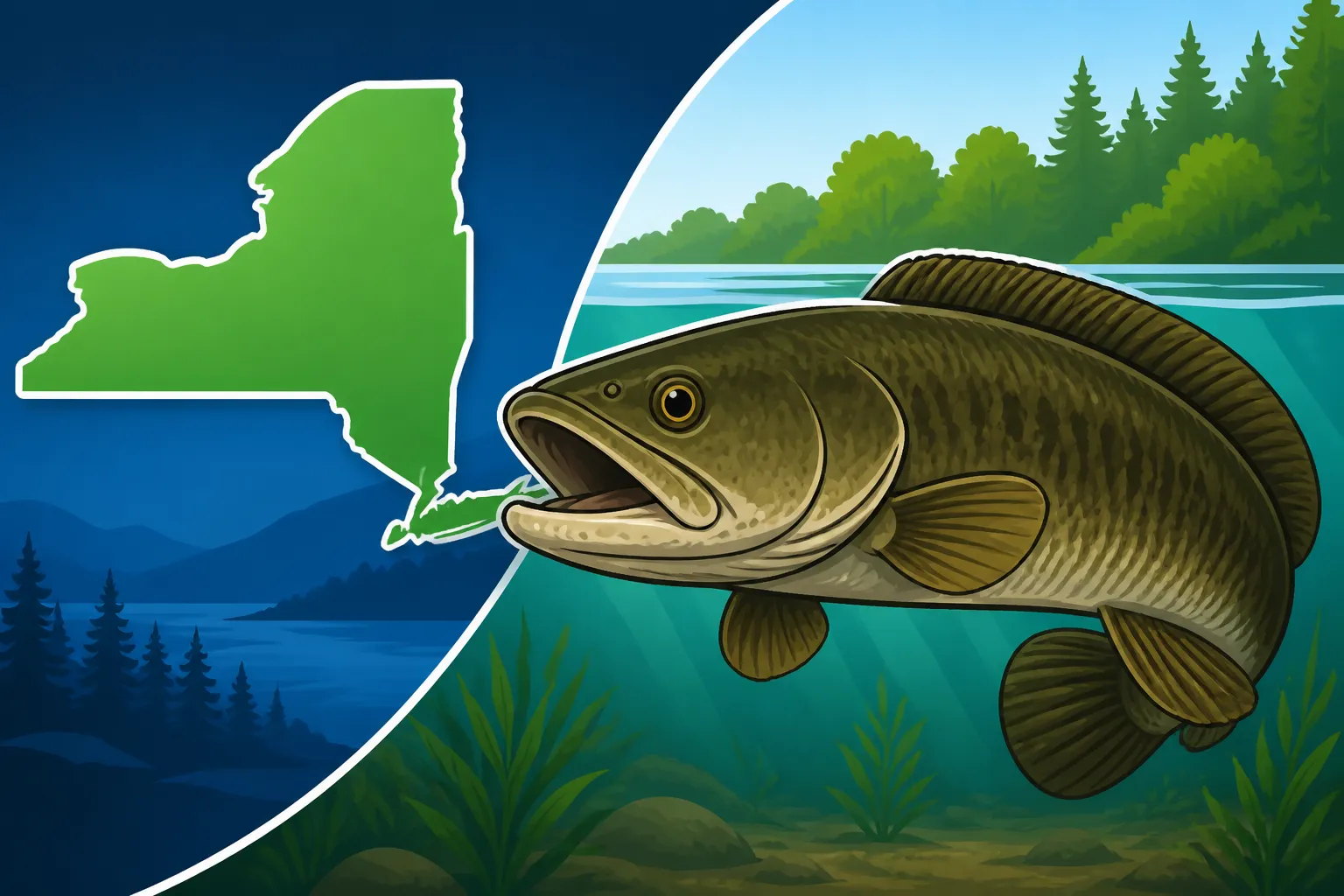
So, let's get to the heart of the matter for New York anglers. Do these fascinating "living fossils" actually call our state home? The answer is a resounding yes, though they might not be as widespread or commonly encountered as some other species.
Are They Native or Introduced?
This is where it gets interesting and sometimes a little confusing. Bowfin are considered native to parts of New York State. Their historical range extends into the Great Lakes basin and the Lake Champlain drainage. So, in these specific areas, they've been here for a very long time, evolving alongside other native species. They aren't an invasive species that was introduced accidentally or intentionally in most of their New York range; rather, they are a natural, albeit less common, part of certain ecosystems.
It's important to differentiate between species that are truly native, having been present in a region for millennia, and those that have been naturalized, meaning they were introduced but have established self-sustaining populations. For the waters where bowfin are found in New York, they're generally regarded as part of the original fish fauna, adding a unique thread to our aquatic tapestry. They're not like some of the more notorious invasive species that cause widespread problems; they've simply been here, quietly thriving in their preferred niches.
Where to Find Bowfin in New York
If you're an angler hoping to tick a bowfin off your species list, you'll need to know where to look. They're not going to be in every stream or lake. Your best bet for encountering a bowfin in New York is primarily in the Lake Champlain Canal system, particularly the southern end and adjacent areas. This interconnected network of canals, rivers, and shallow lakes provides the ideal habitat they crave: warm, slow-moving water with abundant weed growth. Anglers fishing these waters, especially those targeting other warm water species like bass or pike, sometimes hook into a bowfin as a surprising and powerful bycatch.
You might also find them in certain slow-moving sections and backwaters of larger river systems that drain into the Great Lakes, though their populations there are generally less prominent than in the Champlain system. They thrive in those often-overlooked stretches of water that other fish avoid. Think lily pad fields, stagnant coves, and sluggish river bends that are often choked with vegetation. These are the places where a bowfin can lurk, waiting to ambush its next meal. Understanding where they thrive means you won't waste your time looking for them in crystal-clear, fast-flowing trout streams. Remember, their unique ability to gulp air allows them to survive in conditions that would suffocate most other fish, making those less-than-pristine waters their perfect home. To truly understand where specific species might live, it's always a good idea to consult the New York DEC Fishing Regulations Guide.
Fishing for Bowfin in New York: Techniques and Considerations
While not a primary target for most anglers, catching a bowfin can be an exhilarating experience. They are notoriously strong fighters, often surprising those who hook them while targeting other species. If you’re looking to add this unique fish to your catch list, understanding their habits and preferred gear can make all the difference.
The Fight of the Bowfin
Let me tell you, when you hook a bowfin, you’ll know it! These fish are pure muscle and aggression. They hit lures and bait with a violent strike, and once hooked, they put up an incredible fight. They pull hard, make strong runs, and often jump and thrash on the surface, living up to their "dogfish" nickname among some anglers. Many a bass fisherman has been surprised by the sheer power of a bowfin.
They're not prized for their table fare by most, but for the thrill of the battle, they're hard to beat. If you're into sport fishing and enjoy the challenge of a truly strong fish, deliberately targeting bowfin can be a rewarding pursuit. It's a different kind of angling, one that prioritizes the fight over the fillet, and it certainly adds an element of excitement to a day on the water. Just be careful when handling them; those teeth are sharp, and they are notoriously feisty, even out of the water.
Best Lures and Baits for Bowfin
Given their aggressive, predatory nature, bowfin aren't too picky, but certain presentations definitely increase your chances. They love a slow, enticing meal. Live bait is often king. Shiners, killifish, or even robust worms fished under a bobber or on the bottom can be incredibly effective, especially in their weedy haunts. They'll readily gulp down a struggling baitfish.
When it comes to artificials, anything that creates a commotion and mimics a wounded baitfish or small creature can work. Here's a quick rundown of some popular choices:
| Lure/Bait Type | Description | Ideal Retrieval/Presentation | Notes |
|---|---|---|---|
| Live Bait | Shiners, minnows, small sunfish, nightcrawlers | Fished under a bobber near weeds, or on a bottom rig | Often the most effective. Use sturdy hooks, they have tough mouths. |
| Spinnerbaits | Single or double blade, typically with a skirt | Slow-rolled through weeds, stop-and-go | Flash and vibration attract their attention. Use darker colors in murky water. |
| Jigs (Soft Plastics) | Grub tails, creature baits, paddle tails on a jig head | Slowly hopped or dragged along the bottom, weedless presentation | Mimics crayfish or small fish. Fish very slowly. |
| Topwater Lures | Frogs, poppers, walk-the-dog baits | Walked or popped over weed beds, especially at dawn/dusk | Exciting strikes! Can be challenging in dense cover, but worth it. |
| Spoons | Weedless spoons, jigging spoons | Cast and retrieved with wobbling action, jigged vertically | Good for cutting through weeds, offers flash and thumping action. |
No matter what you choose, fishing near dense cover is paramount. They're ambush predators, so targeting those weed lines, submerged timber, and lily pad fields is key. You'll want stout gear – a medium-heavy rod and a reel spooled with strong braided line, especially if you're pulling them out of heavy vegetation. Their sharp teeth can make quick work of lighter mono or fluoro, so consider a leader. You can find a fantastic array of suitable lures and strong fishing line on sites like Amazon, ready to tackle these ancient fighters. For more about specific fishing strategies for different conditions, check out How to Fish Cold Water in New York or How to Fish in a Cold Front.
Regulatory Status and Conservation in New York
Understanding the rules and the ecological role of bowfin is just as important as knowing how to catch them. While they aren't typically a species targeted for strict management, they are still part of the broader aquatic ecosystem.
New York's Approach to Bowfin
In New York, bowfin generally fall under the state's general fishing regulations for non-game fish. This means they typically don't have specific daily creel limits or size restrictions like popular game fish such as bass or trout. However, it's always crucial to check the most current regulations published by the New York State Department of Environmental Conservation (DEC) before heading out. Fishing rules can change, and specific water bodies might have unique regulations. My advice is always to refer to the official New York Fishing Regulations Explained for the most up-to-date information.
Since they aren't a commercially significant species and aren't typically heavily targeted by recreational anglers for consumption, the DEC's focus often revolves around general ecosystem health rather than specific bowfin population management. They're simply part of the diverse fish community in the waters where they reside. Always remember that even if there are no specific limits, responsible angling practices, including ethical catch-and-release, are always encouraged, especially if you're not planning to consume your catch.
Ecological Impact and Management
From an ecological perspective, bowfin are fascinating top predators in the warm, weedy environments they inhabit. They play a vital role in maintaining the balance of their ecosystems. By preying on a variety of smaller fish, amphibians, and invertebrates, they help control populations and contribute to the overall health and diversity of the aquatic community. They're a natural part of the food web, not a disruptive force.
Because they are native to certain New York waters, they are not managed as an invasive species. Their presence is a sign of a functioning ecosystem that can support such unique and ancient predators. Their ability to tolerate low-oxygen conditions also makes them important indicators of environmental resilience in certain habitats. There isn't a specific management plan solely dedicated to bowfin in New York, as their populations are generally stable within their established range. Instead, they benefit from broader conservation efforts aimed at preserving wetland habitats and improving water quality in the large canal and river systems where they live. Understanding the rich diversity of our fish, from the common panfish to unique species like the bowfin, is part of what makes Fish Species You Can Catch in New York so exciting!
Disclaimer
This article is for general informational purposes only and does not constitute professional advice. Laws, prices and regulations vary by location and change over time. Consult a qualified professional for guidance on your specific situation.