Spring Steelhead Run Timing in New York
The anticipation of the spring steelhead run in New York can be both exhilarating and, let’s be honest, a little nerve-wracking. You’ve been cooped up all winter, dreaming of chrome-bright fish, but timing that perfect window when the rivers swell just right and the steelhead are pouring in can feel like a guessing game. This guide will help you decipher the environmental cues and regional differences that dictate when these magnificent fish make their annual pilgrimage, giving you a much better chance of being in the right place at the right time.
The Allure of New York's Spring Steelhead Run
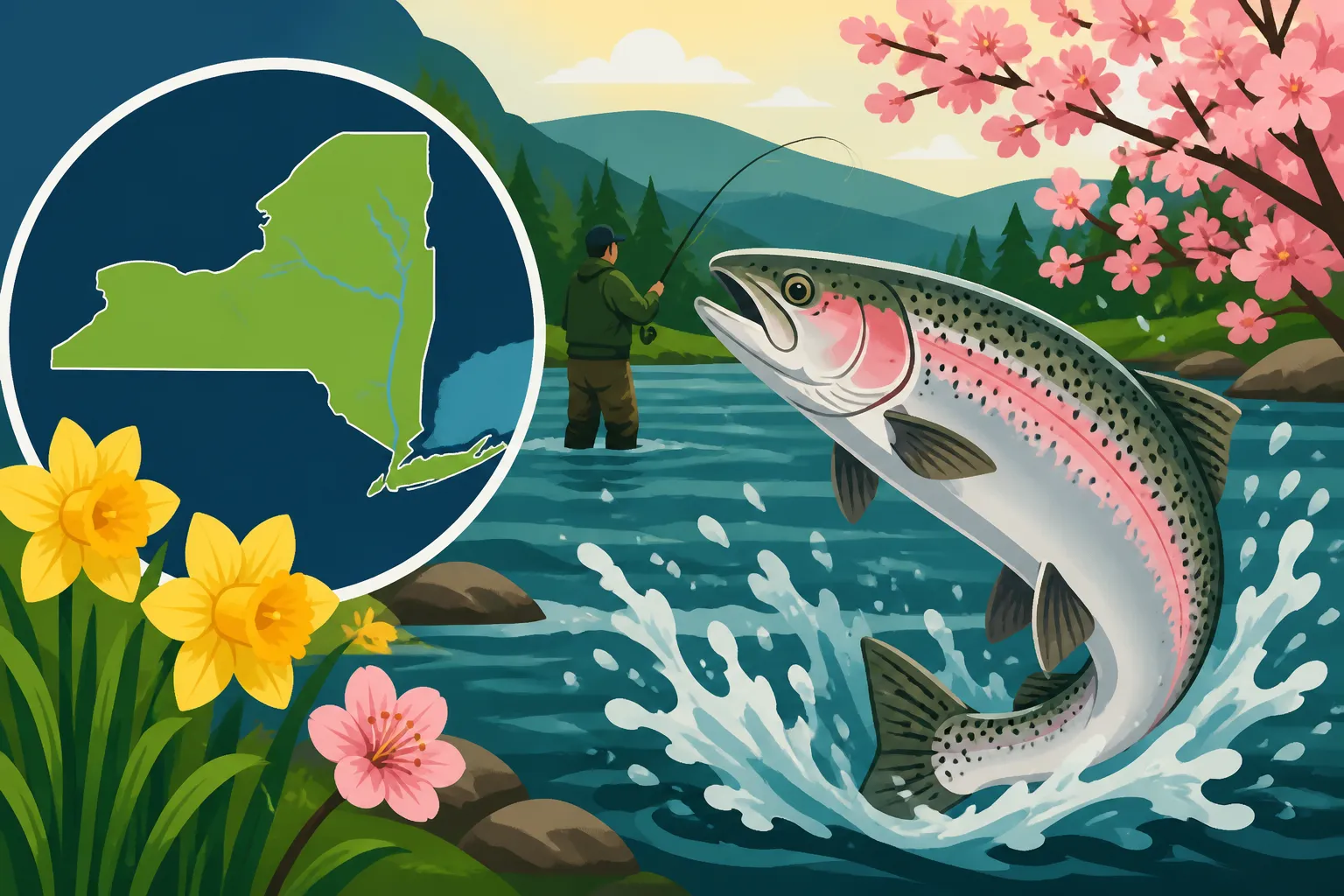
There's something truly special about the spring steelhead run. After a long, cold winter, the return of these powerful, acrobatic fish to New York's tributaries signals the renewal of the fishing season. Anglers often spend months preparing, tying flies, and checking water reports, all in anticipation of that first push of fish. It's a challenging endeavor, requiring skill and perseverance, but the reward of landing a fresh-run steelhead is unmatched.
Understanding the Steelhead's Spring Migration
Steelhead are a fascinating and unique fish. They are essentially rainbow trout ( Oncorhynchus mykiss ) that exhibit an anadromous life cycle, meaning they hatch in freshwater rivers, migrate to the vastness of the Great Lakes (or oceans in the Pacific Northwest), grow large and powerful, and then return to their natal rivers to spawn. Unlike Pacific salmon, steelhead don't necessarily die after spawning; many are "repeat spawners" and will return to the lake, only to come back to the rivers in subsequent years. This makes them incredibly resilient and a sustained target for anglers.
Their journey upriver in spring is primarily driven by the biological imperative to reproduce. As the winter ice recedes and water temperatures begin to rise, it cues these mature fish to leave the deeper, colder lake waters and move into the flowing tributaries. They'll push upstream, often holding in deeper pools or behind structure, waiting for the perfect conditions to begin their spawning ritual. Understanding this fundamental aspect of their life cycle is crucial to predicting their movements and being successful on the water.
Why Spring is Peak Season for Anglers
While steelhead enter tributaries in the fall and often winter over, the true "run" for many anglers culminates in the spring. This is when the largest numbers of fish are often present, actively moving and staging for spawning. The melting snowpack, coupled with spring rains, creates the ideal conditions – known as a "freshet" – that draw more fish in from the lakes. These high, often slightly stained waters provide cover for the fish and make them feel secure as they navigate upstream.
For anglers, spring offers the chance to intercept fresh-run fish that are still full of fight, as well as "drop-back" fish that have completed spawning and are heading back to the lake, often aggressively feeding to regain strength. The sheer volume of fish and the dynamic river conditions make spring an exciting and unpredictable time to be on the water. The weather can be temperamental, shifting from warm sunshine to biting cold in a single day, adding another layer of challenge and adventure to the pursuit.
Key Species: Steelhead vs. Other Trout
When you’re out on a New York tributary, especially in the spring, it’s not uncommon to encounter several species of trout. While the focus is on steelhead, you might also hook into resident rainbow trout, brown trout, or even brook trout in some areas. Distinguishing a true steelhead from a resident rainbow can sometimes be tricky, as they are the same species genetically. Generally, steelhead are larger, more silvery, and have less pronounced spotting, reflecting their time spent in the open waters of the Great Lakes. Resident rainbows, by contrast, tend to be smaller, more colorful with a prominent red band, and typically spend their entire lives in the river.
Brown trout, on the other hand, are easier to identify with their distinct dark spots, often with lighter halos, and an adipose fin usually edged in orange or red. They are also known for their cunning and strength. Understanding the subtle differences between these fish is not only interesting from a biological perspective but also important for adhering to specific regulations that might apply to one species over another. If you're keen on learning more, take a look at our guide on Steelhead Trout in New York and how to accurately How to Tell a Steelhead From a Brown Trout to confidently identify your catch.
Environmental Cues: Decoding the Run's Timing
Successfully timing the spring steelhead run isn't just about marking a date on the calendar; it's about becoming a student of the environment. The fish rely heavily on specific environmental cues, and so should you. Paying close attention to these factors will dramatically increase your chances of finding actively running fish.
Water Temperature as the Primary Driver
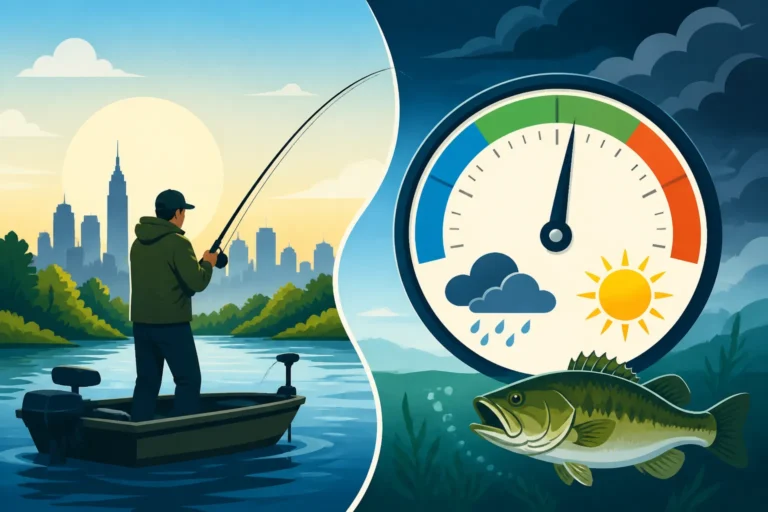
When it comes to steelhead movement, water temperature is arguably the most critical factor. Steelhead prefer to enter and move through rivers when the water temperature falls within a comfortable range, typically between 38°F and 48°F. Below 38°F, fish tend to be sluggish and less inclined to move upstream. Above 50°F, while they might still be present, they become more concerned with spawning or dropping back to the lake.
In early spring, as snow begins to melt and air temperatures rise, the rivers slowly warm up. This gradual increase acts like an open invitation for steelhead. A sudden warm spell can trigger a large push of fish, while a cold snap can halt their movement, sometimes even causing them to drop back to the lake until conditions improve. Monitoring real-time water temperature gauges (often available through USGS streamflow data or local fishing reports) is a habit every serious spring steelhead angler should cultivate. This is your most direct link to understanding fish behavior.
The Critical Role of Water Levels and Flow
Alongside temperature, water levels and flow rates are paramount. Snowmelt and spring rains create higher, often stained water conditions, which provide several benefits for steelhead. Firstly, the increased flow acts as a powerful attractant, drawing fish from the lake into the river system. Secondly, higher water provides a crucial sense of security and concealment from predators, making the fish more confident in their upstream journey. Thirdly, it opens up new travel lanes and allows fish to navigate obstacles that might be impassable during lower flows.
However, there's a delicate balance. Too much water, leading to a blown-out, muddy torrent, can make fishing impossible and dangerous. The ideal scenario is when the river is rising or on a steady drop, with a slight stain but good visibility (typically 1-3 feet). This is often referred to as "fishable" water. Learning to read USGS stream gauges, which provide real-time flow data (CFS – cubic feet per second) and water height, is an essential skill. You’ll quickly learn what flow rates are ideal for your favorite stretch of river. This is particularly important for safety, as rapidly rising water can make wading treacherous. Consider exploring How to Fish Cold Water in New York for more insights on managing challenging conditions.
Daylight and Seasonal Progression
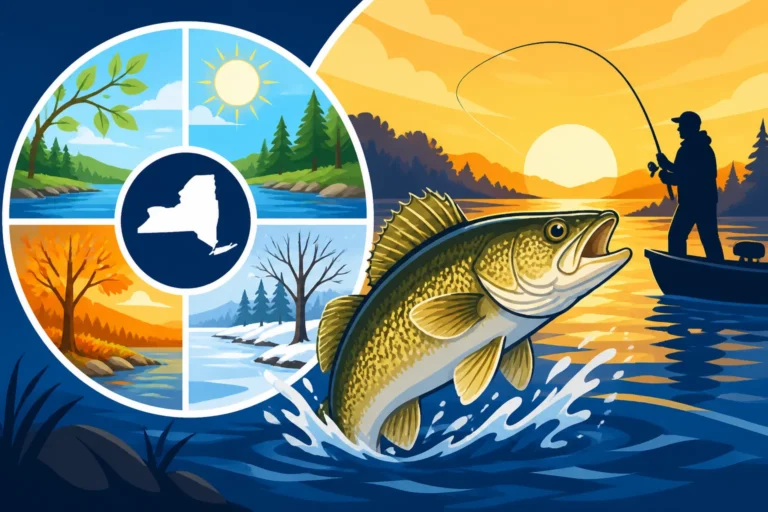
While water temperature and flow are the immediate triggers, the broader march of the seasons and increasing daylight hours also play a role in the steelhead's biological clock. As winter gives way to spring, the days become noticeably longer, providing more light and warmth. This extended photoperiod influences the physiological changes in fish, prompting them towards their spawning phase.
It's a more subtle cue compared to temperature and water levels, but it underpins the entire spring migration. The general progression of the season from early March through late May marks the prime window, but within that window, the daily and weekly fluctuations in weather, specifically temperature and precipitation, are what ultimately dictate the precise timing of the strongest runs. This interplay of macro (seasonal daylight) and micro (daily weather) factors makes spring steelhead fishing an ongoing puzzle, constantly challenging anglers to adapt.
Navigating New York's Diverse Steelhead Waters
New York State is blessed with numerous tributaries flowing into both Lake Ontario and Lake Erie, each offering unique steelhead fishing opportunities. While the general environmental cues apply, the specific timing and characteristics of the run can vary significantly from one river system to another, depending on its size, geology, and geographic location.
Lake Ontario Tributaries: A Varied Timeline
The tributaries feeding Lake Ontario are perhaps the most famous for steelhead fishing in New York, drawing anglers from across the country. These rivers offer a prolonged season, starting in fall and often peaking in early to late spring.
- Western Lake Ontario Tributaries (e.g., Oak Orchard, Eighteenmile Creek, Genesee River, Irondequoit Creek): These rivers often see earlier pushes of fish in late February and March, especially after mild winters or early warm rains. They can also hold fish later into May as some fish drop back. The Genesee, being a larger system, can handle more water and often remains fishable longer. Genesee River Fishing Guide and Irondequoit Creek Fishing Guide offer more detailed info.
- Central Lake Ontario Tributaries (e.g., Oswego River, Salmon River, Black River, Sandy Creek): The legendary Salmon River is often a benchmark. Its sheer size and consistent flow can attract and hold fish for an extended period. The main runs here often hit their peak from late March through April, with substantial numbers of post-spawn "drop-back" fish returning to the lake in May. Other rivers like the Black River and Sandy Creek also have excellent spring runs. New York's Salmon River Fishing Guide, Black River Steelhead Fishing in New York, and Sandy Creek Steelhead Fishing are great resources for these waters.
- Eastern Lake Ontario Tributaries (e.g., Grindstone, Little Salmon River): These typically follow a similar pattern but can be slightly delayed or experience shorter, more intense runs depending on their size and proximity to the main lake.
Generally, the deeper, longer rivers with more consistent flows, like the Salmon River, tend to have more predictable and prolonged spring runs. Smaller, "spate" rivers, on the other hand, will often blow out quickly with heavy rain and then drop and clear just as fast, requiring anglers to be more opportunistic.
Lake Erie Tributaries: A Shorter, Intense Run
The tributaries flowing into Lake Erie, particularly those in Western New York, have a distinct character for spring steelhead fishing. These rivers, such as the Cattaraugus Creek, Canadaway Creek, and Chautauqua Creek, are generally shorter and steeper than their Lake Ontario counterparts.
- Timing: The spring run on Lake Erie tributaries often kicks off a bit earlier, sometimes in late February, and can be quite intense but also more fleeting. Peak activity typically occurs from early March through mid-April. Because these rivers are smaller, they warm up and cool down faster, and water levels can fluctuate dramatically.
- Conditions: The "Cat" (Cattaraugus Creek) is the largest and most famous, offering the most consistent fishing. Its sheer volume means it takes longer to blow out and longer to clear, providing more stable fishing windows than smaller creeks. Anglers on Lake Erie tribs need to be incredibly diligent in checking water levels and clarity, as a prime window can open and close within a day or two. This makes for a more fast-paced, sometimes challenging, but incredibly rewarding experience. Read our comprehensive guide on Lake Erie Fishing in New York: Where to Go for more details.
Local Conditions and Microclimates
It's vital to remember that "general timing" is just that – general. New York is a big state, and local conditions can create significant variations. A warm rain in the southern tier might bring a Lake Erie tributary into perfect shape, while a persistent snowpack further north keeps a Lake Ontario tributary high and cold. Microclimates play a huge role. For instance, a tributary with a large, forested watershed might hold its cold longer due to less direct sunlight, while a river flowing through more open agricultural land might warm up faster.
Always check localized weather forecasts, recent precipitation, and live stream gauge data for the specific river you intend to fish. Relying solely on regional forecasts or general timing advice can lead to frustrating trips. Being adaptable and having backup plans for different rivers, based on their unique characteristics and current conditions, is the hallmark of a successful spring steelhead angler in New York.
Strategies for Targeting Spring Steelhead
Once you've deciphered the timing and chosen your river, the next step is to employ effective strategies to actually catch these elusive fish. Spring steelhead fishing demands a blend of the right gear, presentation, and understanding where the fish will hold in varying water conditions.
Essential Gear and Rigging for Spring Steelhead
Having the right tackle is fundamental for spring steelhead success. These fish are powerful, often holding in strong currents, and require gear that can handle the fight and the conditions.
- Rods: A medium-heavy spinning or casting rod, typically 9 to 11 feet long, is ideal. The extra length helps with line control, longer drifts, and cushioning the powerful runs of a steelhead. For fly anglers, a 9-10 foot 8-weight rod is a common choice, with spey or switch rods (11-13 feet, 6-8 weight) gaining popularity for covering more water and managing heavy flows. You can find excellent options for specialized rods and reels on platforms like Amazon, offering a wide range for various budgets.
- Reels and Line: A high-quality spinning reel with a smooth drag, spooled with 8-12 lb monofilament or braid, is standard for drift fishing. Many anglers prefer braid as a main line for its sensitivity, connecting a fluorocarbon leader (6-10 lb test) for stealth and abrasion resistance. For fly fishing, a large arbor reel with a strong drag is crucial, paired with a weight-forward floating line or specialized nymphing lines.
- Terminal Tackle: A variety of weights (split shot, slinky weights, pencil lead), swivels, and hooks (size 8 to 14, depending on bait) will be needed to adjust to different currents and depths. A vital component for fly anglers is an indicator (strike indicator) to detect subtle takes. Always have an ample supply, as you'll lose a fair bit of gear in the rocky bottoms of these rivers.
- Waders and Safety Gear: Breathable chest waders are essential for staying dry and warm in cold spring waters. Always pair them with wading boots that have good traction. A wading belt is a must for safety, preventing water from filling your waders if you take a spill. A wading staff is highly recommended for stability in strong currents, and a personal flotation device (PFD) is a wise choice, especially when fishing larger, swifter rivers. Remember that spring flows can be dangerously high and cold.
Top Baits and Techniques for Spring Fish
Spring steelhead can be particular, but a few go-to baits and techniques consistently produce results. The key is presenting your offering naturally, allowing it to drift at the same speed as the current, mimicking free-floating food items.
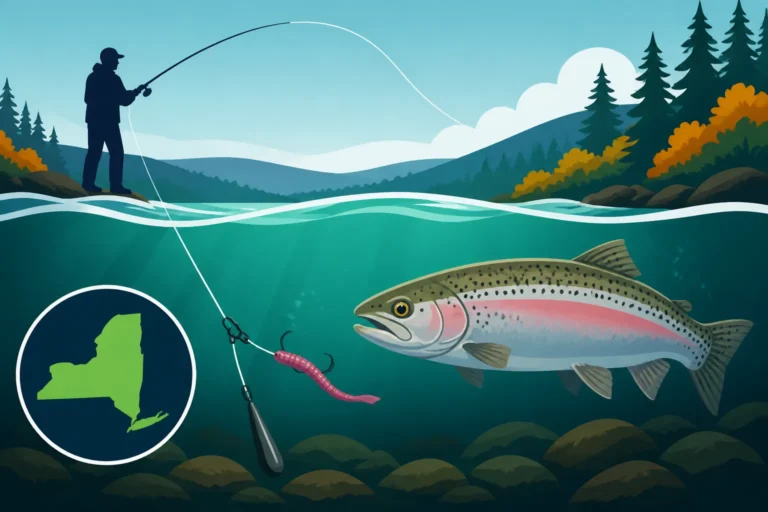
- Egg Sacs and Beads: These are undeniably among the most effective baits, especially in the early spring when fish are focused on spawning. Egg sacs, tied with fresh or cured salmon/steelhead eggs, are deadly. Beads, often molded to look like a single egg, are equally popular and durable. They are typically drift-fished under a float or indicator, making sure they tumble along the bottom where fish are holding. This technique is so effective, we have a dedicated guide on How to Fish Egg Sacs for Steelhead.
- Nymphs and Stoneflies: For fly anglers, various nymph patterns imitating aquatic insects (e.g., caddis, mayflies, stoneflies) are very productive, particularly in clearer water or when fish are less focused on eggs. Patterns like a Hare's Ear, Pheasant Tail, or various stonefly imitations work wonders.
- Jigs: Small marabou or chenille jigs, often tipped with a maggot or wax worm, are incredibly versatile. They can be drifted under a float, jigged slowly, or even swung through slower pools. Pink, chartreuse, and white are popular colors.
- Spoons and Spinners: While less common for the bulk of the spring run, spoons and spinners can be effective for aggressive, active fish, especially "drop-backs" moving quickly or in larger, deeper pools. Casting upstream and retrieving just faster than the current allows them to flash and wobble enticingly.
- Drift Fishing: This is the quintessential technique for spring steelhead. Whether using a float (bobber) with natural bait or an indicator with flies/beads, the goal is to get your offering down to the fish's level and let it drift naturally. Controlling your line and managing drag (excess slack or tension) are critical to success. For a deep dive into this technique, check out How to Drift Fish for Steelhead.
Reading the Water: Where Steelhead Hold
Steelhead are masters of energy conservation. They'll position themselves in spots where food is delivered to them, or where they can rest out of the main current while still having access to active flows. Learning to read the river and identify these "holding lies" is crucial.
- Runs: These are typically straight sections of river with consistent depth and current. Steelhead often hold in the seams where faster current meets slower current, or behind subtle current breaks.
- Pools: Deeper, slower sections of the river. Fish will hold in the head (entry) and tail (exit) of pools, as well as the deeper pockets within.
- Riffles and Rapids: While fish won't hold directly in the heaviest whitewater, they will often be found in the slower water just downstream of a riffle, or in the deeper slots and pockets within the rapids themselves.
- Current Seams: These are defined lines where two different current speeds meet. They create natural conveyor belts for food and offer a low-energy holding spot for fish.
- Structure: Any obstruction in the river – large boulders, submerged logs, undercut banks, bridge pilings – creates a current break where steelhead will often stack up.
- Depth: Steelhead will generally be deeper in colder water and during bright conditions. As water temperatures rise, they might move into shallower, faster water. Always present your bait or fly near the bottom, where the fish are usually concentrated.
By understanding these common holding areas, you can approach the river with a plan, systematically covering likely spots rather than casting aimlessly. This efficiency significantly increases your chances of finding fish throughout the dynamic spring run.
Staying Safe and Legal on the Water
Spring steelhead fishing in New York is incredibly rewarding, but it comes with inherent risks and responsibilities. The dynamic nature of spring rivers means conditions can change rapidly, and adherence to regulations is paramount not only for legality but also for the health of the fishery.
Prioritizing Safety in Spring Conditions
The enthusiasm for spring fishing can sometimes lead to overlooking critical safety measures. Spring rivers are often swollen, cold, and unpredictable, posing significant hazards.
- Cold Water Immersion: Even on a sunny day, river water temperatures in early spring can be in the 30s or low 40s. A fall into this water can quickly lead to hypothermia. Always dress in layers of moisture-wicking materials (avoid cotton!), and wear a quality pair of waders. A wading belt is non-negotiable – it seals your waders and helps prevent them from filling completely with water if you fall, which can drag you under.
- Strong Currents: High water levels mean powerful currents. Always use a sturdy wading staff for stability and to test depth before taking a step. Never wade alone, and always inform someone of your fishing plans and expected return time. Be aware that currents can be deceptively strong, especially around bends, log jams, or bottlenecks.
- Slippery Banks and Rocks: Riverbanks can be muddy, icy, or snow-covered in spring. Underwater rocks are often coated with slick algae. Wading boots with felt or studded soles offer the best traction. Move slowly and deliberately, keeping three points of contact (two feet and a wading staff, or two feet and a hand) whenever possible.
- Rapidly Changing Conditions: Spring weather is notoriously fickle. A sudden downpour can raise river levels dramatically in a matter of hours, making a previously safe wading spot dangerous. Keep an eye on the weather forecast and check stream gauges frequently throughout the day. If conditions deteriorate, err on the side of caution and get out of the water. We recommend checking How to Read Ice Thickness for Safe Ice Fishing if you are out very early in the season when residual ice might still be a factor.
Adhering to New York's Steelhead Regulations
New York State has specific and often complex regulations designed to protect its valuable fisheries, particularly during vulnerable spawning periods. Ignorance of the law is never an excuse, and violations can result in hefty fines and the loss of fishing privileges.
- Licensing: First and foremost, you need a valid New York State fishing license. This is a fundamental requirement for anyone over the age of 16. Ensure your license is current and always carried on your person while fishing. You can easily purchase or renew your license through the DEC website or authorized vendors. To avoid any confusion, familiarize yourself with New York Fishing Regulations Explained and New York Freshwater Fishing Rules.
- Season Dates and Catch Limits: Many steelhead tributaries have specific season dates, catch limits, and size restrictions that vary from the general statewide regulations. These "special regulations" are often posted at access points or detailed in the annual New York Freshwater Fishing Regulations Guide. For instance, some rivers may have catch-and-release-only periods, while others might restrict certain gear types during peak spawning. Always consult the latest DEC guide, or check out our guide on the New York DEC Fishing Regulations Guide before heading out.
- Bait Restrictions: Certain waters may have bait restrictions (e.g., artificial lures only, no live bait) to minimize impact on fish. It’s crucial to know these rules for your specific fishing location.
- Sanctuary Areas: Some areas, particularly around spawning beds, may be designated as "sanctuary areas" where fishing is prohibited during certain times to protect spawning fish.
Always take the time to read the specific regulations for the river you plan to fish. These can change year to year, so don't rely on outdated information.
Practicing Responsible Angling and Conservation
Beyond simply following the law, responsible angling practices are vital for sustaining the steelhead fishery for future generations. These fish are a precious resource, and how we treat them and their environment matters immensely.
- Catch and Release Best Practices: Many anglers choose to practice catch and release, especially with spawning or spent fish. If you intend to release a fish, handle it with care:
- Minimize its time out of water.
- Support its weight horizontally; never hang a large fish vertically by its jaw.
- Use barbless hooks or crimp down barbs for easier removal.
- Revive the fish gently in the current until it swims away under its own power.
- Avoid touching the gills or eyes. Wet your hands before handling the fish to protect its slime coat.
For more detailed guidance, refer to our article on Catch-and-Release Handling Rules.
- Respect Private Property: A significant portion of New York's prime steelhead water flows through private land. Always respect "No Trespassing" signs and obtain permission before entering private property. Stick to designated public access points or areas with established easements.
- Leave No Trace: Pack out everything you pack in, including fishing line, bait containers, and any other trash. Consider picking up any litter you find. Our goal should be to leave the environment cleaner than we found it.
- Angler Etiquette: Steelhead rivers, especially popular ones, can get crowded in the spring. Be mindful of other anglers. Maintain a reasonable distance, don't "cut" into someone else's drift, and communicate respectfully. If you see someone hooked into a fish, give them space and offer assistance if needed.
- Protect the Resource: Do not disturb spawning fish on redds (gravel nests). Walking through redds can destroy eggs. If you observe fish actively spawning, give them a wide berth. These are the future of the fishery.
By combining diligent preparation, adherence to regulations, and a strong conservation ethic, we can all contribute to preserving the incredible spring steelhead fishing opportunities that New York offers.
New York Spring Steelhead Run Timing Overview
Understanding the general patterns for New York's key steelhead waters can help you plan your spring adventures. This table provides a simplified overview, but always remember to check real-time conditions for your chosen river.
| Tributary System | Peak Spring Run Timing (General) | Ideal Water Temperature | Key Factors Driving Run | Notes |
|---|---|---|---|---|
| Lake Ontario Tributaries | ||||
| Oak Orchard Creek | Late March – Mid April | 38°F – 48°F | Early warming, rain | Often one of the first to open up in the west. Can have strong early pushes. |
| Genesee River | Late March – Late April | 39°F – 49°F | Consistent flow, freshets | Larger system, handles more water, holds fish longer. Offers diverse fishing opportunities. |
| Irondequoit Creek | Early April – Early May | 38°F – 48°F | Water clarity, smaller size | Smaller, faster to clear and drop after high water. Good for quick trips. |
| Salmon River | Late March – Mid May | 40°F – 50°F | Large watershed, steady flow | Premier destination. Extended run, excellent numbers of fish. Drop-backs are common in May. |
| Sandy Creek | Early April – Early May | 39°F – 49°F | Consistent flow, spring rains | Renowned for fall and spring steelhead. Often holds fish well into May. |
| Lake Erie Tributaries | ||||
| Cattaraugus Creek | Early March – Mid April | 37°F – 47°F | Snowmelt, short system | Largest Lake Erie trib. Intense, but sometimes shorter run windows due to steeper gradient. |
| Chautauqua Creek | Early March – Mid April | 37°F – 47°F | Quick warm-up/cool-down | Smaller, spatsy creek. Can blow out and clear quickly, requiring opportunistic timing. |
| Canadaway Creek | Early March – Mid April | 37°F – 47°F | Rain events, short system | Similar to Chautauqua, prone to rapid fluctuations. Be ready to strike when conditions are right. |
Disclaimer
The information provided in this guide is for general informational purposes only and is subject to change. Fishing regulations, season dates, and water conditions can vary greatly and are updated regularly by the New York State Department of Environmental Conservation (DEC). Always consult the most current official DEC fishing regulations guide before planning your fishing trip to ensure compliance with all applicable laws and to prioritize your safety on the water.