How to Ice Fish for Trout
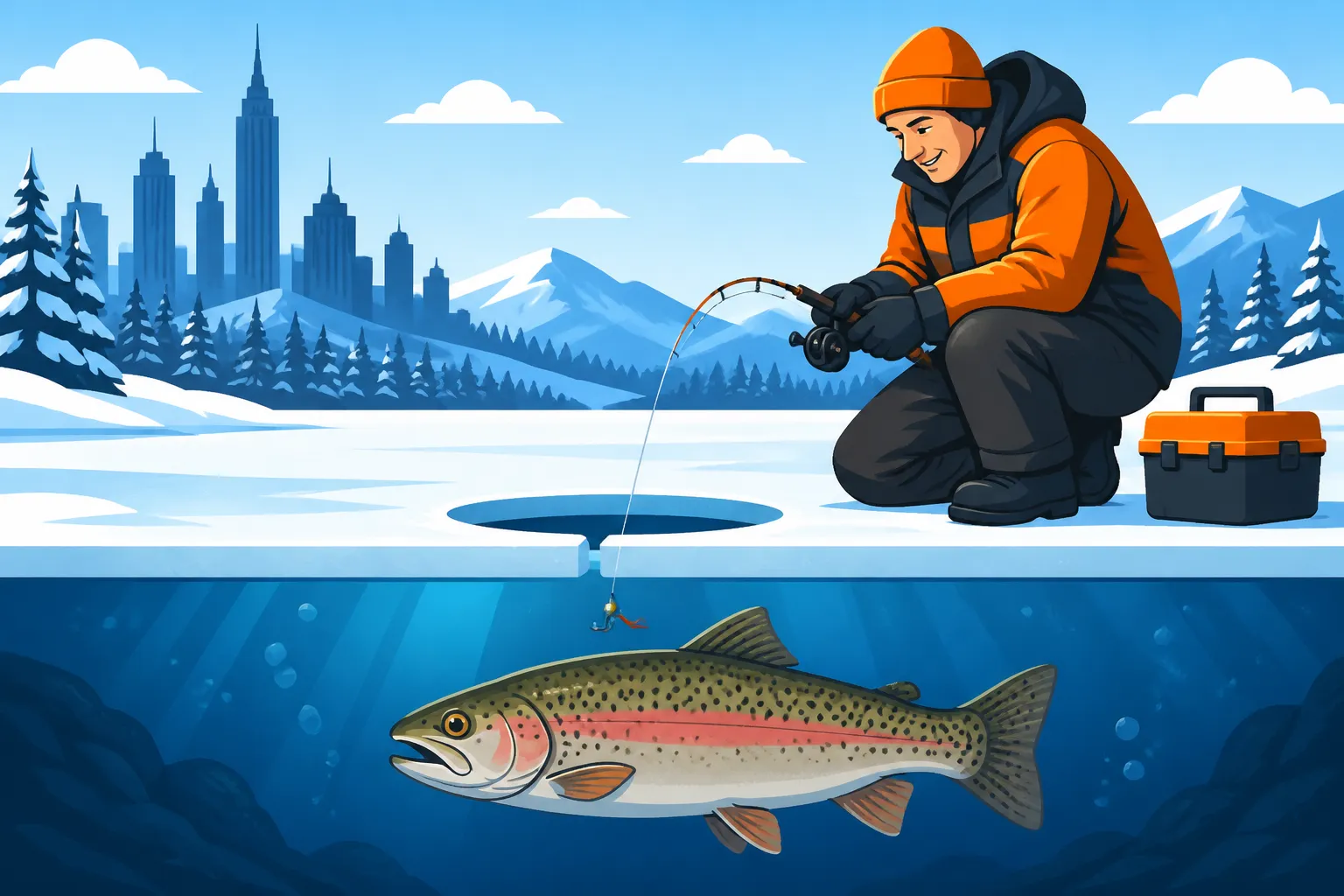
Winter in New York can be a challenging time for anglers, with freezing temperatures and solid ice covering our favorite fishing spots. But for those of us who embrace the chill, ice fishing for trout offers a unique and incredibly rewarding experience. This guide will walk you through everything you need to know, from understanding different trout species to mastering essential techniques and staying safe on the hard water.
Understanding New York's Trout Species for Ice Fishing
Before you even think about drilling a hole, it’s crucial to understand the specific trout species you might encounter under the ice in New York. Each one has its own preferences when it comes to habitat, depth, and even how aggressively it strikes. Knowing these distinctions is your first step to a successful ice fishing trip, helping you tailor your approach to the specific water you're fishing and the type of trout you hope to land.
Lake Trout: The Deep-Water Prize
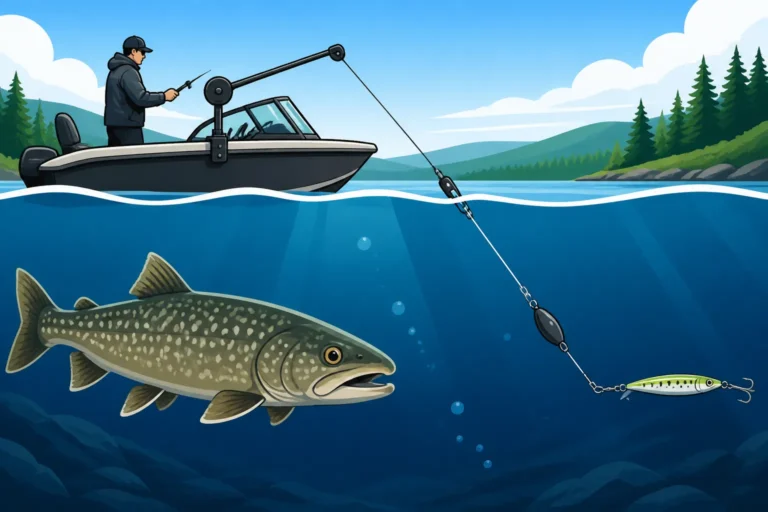
Lake trout are truly the kings of New York's deep, cold waters, and they're a prized catch through the ice. These magnificent fish thrive in large, oligotrophic lakes like the Finger Lakes (think Seneca or Cayuga), Lake George, and the deeper sections of Lake Placid. In winter, they tend to congregate around deep structures such as humps, underwater points, and sharp drop-offs, often holding in depths ranging from 40 to over 100 feet. They are ambush predators, often cruising slowly along these structures, looking for unsuspecting baitfish.
Targeting Lake Trout in New York under the ice requires patience and the right gear to reach those significant depths. During the dead of winter, lake trout often become less active, moving slower and feeding more opportunistically. This means your presentation needs to be enticing enough to trigger a strike without being overly aggressive, especially if they are suspended off the bottom. Remember, while they are often deep, don't overlook shallower water adjacent to deep structure, especially during low-light conditions when they might move up to feed.
Rainbow, Brown, and Brook Trout: Near-Shore Opportunities
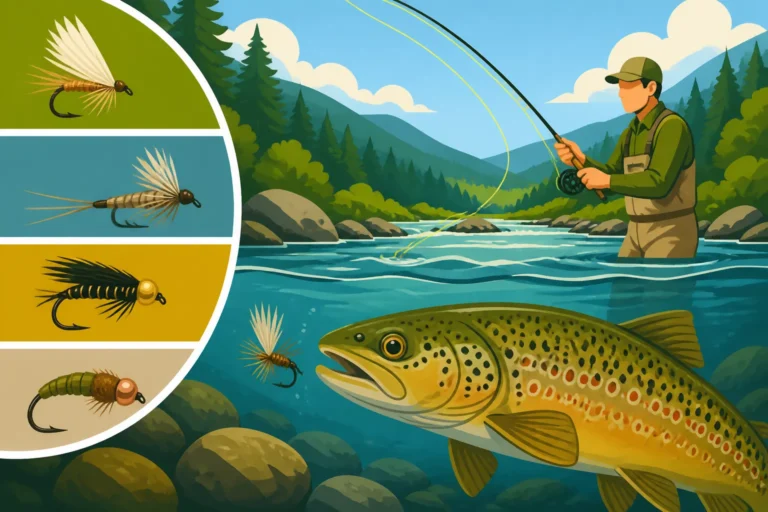
While lake trout plumb the depths, their cousins – rainbow, brown, and brook trout – often provide excellent action in shallower, more accessible ice fishing spots. Rainbow trout, known for their spirited fights, can be found in many stocked lakes and ponds across New York. They frequently cruise the upper water column or along weed lines and drop-offs in depths from 10 to 40 feet, especially near inlets or springs that might bring in warmer, oxygenated water. Browns, often more reclusive, might hold tighter to structure like submerged logs, rocky outcroppings, or even under the ice cover itself near shore in similar depths.
Brook Trout in New York are native to many of our pristine Adirondack ponds and smaller streams, and they offer a unique ice fishing experience in more remote, tranquil settings. These beautiful fish generally prefer shallower, clearer waters, often found in less than 30 feet of water, especially where there's natural structure or deeper pockets in smaller ponds. Rainbow Trout in New York and Brown Trout in New York can also be found in many of the larger lakes and reservoirs, often frequenting areas where baitfish congregate or where there's a good mix of cover and open water. Their feeding habits under the ice can vary, but generally, they are more active than lake trout in shallower depths and will respond well to both aggressive jigging and more subtle bait presentations.
Essential Gear for New York Ice Trout Fishing
Getting geared up properly is not just about catching fish; it's about staying comfortable and safe on the ice, especially when chasing trout in New York's often frigid winter conditions. The right equipment can make or break your day, from the specialized tackle designed for hard water to the crucial safety items that could literally save your life. Don't skimp on essentials, as unpreparedness can lead to a miserable or even dangerous outing.
The Right Rods, Reels, and Lines
For ice fishing trout, you'll want specialized gear that can handle the unique dynamics of fishing through a small hole. Ice fishing rods are typically much shorter than open-water rods, ranging from 24 to 36 inches, allowing for easy maneuverability inside a fishing shelter and providing excellent sensitivity for detecting subtle bites. For lake trout, you might opt for a medium to medium-heavy action rod to handle larger fish and heavier jigs, while panfish-style rods with ultra-light or light action are perfect for smaller brook or rainbow trout, offering incredible feel.
Pair these rods with small, smooth spinning reels (sizes 500-1000) that are designed for cold weather performance, meaning they won't freeze up easily. Line choice is critical: 4-8 pound test fluorocarbon or monofilament is common for rainbows, browns, and brookies, offering good invisibility and knot strength. For deeper-holding lake trout, a stronger main line of 8-15 pound braided line, often with a 6-10 foot fluorocarbon leader, is ideal. Braid offers superior sensitivity and no stretch for deep-water hook sets, while the fluorocarbon leader helps with stealth in clear water. You can find a fantastic selection of these specialized rods, reels, and lines on platforms like Amazon, often at competitive prices with quick delivery, ensuring you're ready before the ice sets in.
Augers, Shacks, and Electronics
An auger is your gateway to the fish, and choosing the right one is paramount. For general trout fishing, especially if you're targeting multiple spots or moving around frequently, a gas or propane-powered auger from brands like Eskimo or ION can make quick work of thick ice. Electric augers, such as those from Strikemaster or Milwaukee, are increasingly popular for their quiet operation and lighter weight, although battery life needs to be managed in extreme cold. For those venturing onto early or thinner ice, or in areas where only a few holes are needed, a manual hand auger is a perfectly viable, and more affordable, option. You can learn more about picking the right tool for the job in our guide on the Best Auger for New York Ice Fishing.
While not always necessary, an ice fishing shack, whether a portable flip-over or a hub-style shelter, offers invaluable protection from New York's harsh winter winds and temperatures. It allows you to fish in comfort, extend your time on the ice, and focus on those subtle trout bites. For electronics, a good fish finder is almost indispensable for trout. Flashers, like those from Vexilar or Marcum, provide real-time feedback on fish presence, depth, and your lure's position, which is crucial for jigging in deep water. More advanced LCD units and even underwater cameras can give you an even clearer picture of what's happening beneath the ice, helping you pinpoint trout holding zones.
Safety Gear and Cold Weather Apparel
Safety on the ice is not optional, it's absolutely mandatory. New York winters can be unpredictable, and ice conditions can change rapidly. First and foremost, never venture onto unfamiliar ice without checking its thickness; a spud bar is excellent for this. Always carry a pair of ice picks around your neck, ready to use in case of an accidental fall through the ice—they are lifesavers. A throw rope is also highly recommended if you're fishing with others. Our comprehensive guide on How to Read Ice Thickness for Safe Ice Fishing is a must-read before any trip.
Beyond safety tools, proper layering is key to staying warm and comfortable. Start with moisture-wicking base layers, add insulating mid-layers like fleece or down, and top it off with a waterproof, windproof outer shell specifically designed for extreme cold. Brands like Frabill or Ice Armor produce excellent cold-weather fishing suits that often incorporate flotation capabilities, adding an extra layer of safety. Don't forget a warm hat, insulated gloves or mittens, and waterproof, insulated boots to protect your extremities from the biting cold. A thermos of hot coffee or soup isn't just a luxury; it's a morale booster and a way to stay internally warm throughout the day.
Proven Techniques for Targeting Ice Trout
Catching trout through the ice isn't just about drilling a hole and dropping a line; it's an art form that blends understanding fish behavior with precise lure presentation. While trout can be notoriously finicky, they are also incredibly responsive to the right techniques when presented correctly. Mastering a few key methods will dramatically increase your success rate, turning a slow day into a memorable one filled with flag-raising action or aggressive jigging strikes.
Jigging for Aggressive Strikes
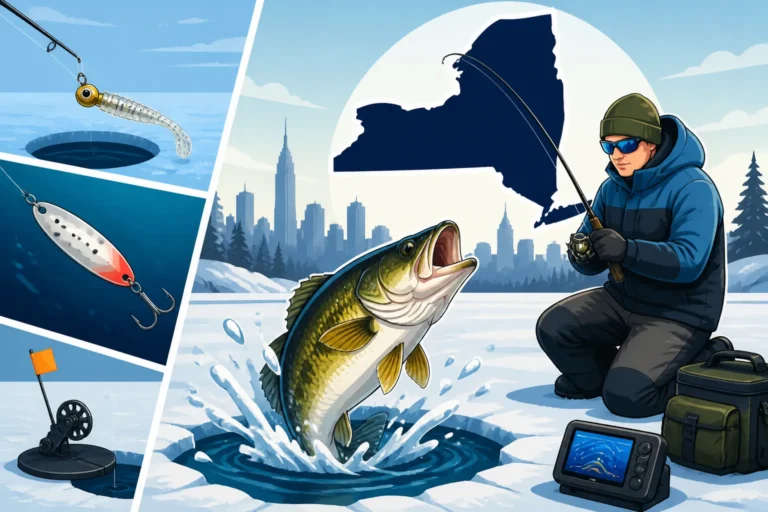
Jigging is arguably the most active and exciting way to target trout through the ice, especially for species like lake trout and larger rainbows that respond well to a dynamic presentation. The idea is to mimic a struggling baitfish or insect, drawing the trout in and triggering a reaction strike. Common jigs include spoon jigs (like Swedish Pimples, Kastmasters, or Northland Buck-Shot Spoons), which flash and flutter on the drop, resembling an injured minnow. Jigging Rapalas or similar lipless crankbaits, designed to dart and glide like a fleeing baitfish, are also deadly effective, particularly for lake trout suspended in the water column.
When jigging, experiment with your cadence. Start by lifting your rod tip sharply a foot or two, then let the lure flutter back down on a semi-slack line. Pause for a few seconds, then repeat. Sometimes trout prefer an aggressive, erratic retrieve, while at other times a more subtle, slow lift-and-drop works best. Pay close attention to your electronics; they will tell you if fish are reacting to your lure and at what depth. Often, a trout will rise to investigate, and a slight change in your jigging motion—a subtle shake or a prolonged pause—can be the trigger they need to commit. For species like rainbow and brown trout in shallower waters, smaller tungsten jigs tipped with a grub or a wax worm can be incredibly effective when jigged subtly near the bottom or around structure.
Tip-Ups for Passive Fishing and Multiple Holes
While jigging keeps you active, tip-ups allow you to cover more water and fish multiple depths simultaneously, making them an indispensable tool for ice trout fishing in New York. A tip-up is essentially a flag-signaling device that holds your bait at a set depth. When a fish takes the bait, it pulls the line, releasing a flag that signals a bite. This method is particularly effective for less active trout or for species that prefer a more stationary presentation, such as larger brown trout or even lake trout waiting patiently for an easy meal.
Setting up tip-ups typically involves using live bait such as shiners, minnows, or smelt (where legal and appropriate for the target species), or dead bait like frozen smelt or cut herring. The bait should be hooked through the back or snout to keep it lively. Place your tip-ups strategically: spread them out along a drop-off, near an underwater point, or in varying depths to locate active fish. For example, you might set one tip-up near the bottom for lake trout, another suspended halfway up the water column, and a third in shallower water for cruising rainbows. Always ensure your tip-ups are deployed according to New York Ice Fishing Rules regarding the number of lines allowed per angler. Regularly check your baits and clear ice from the holes to keep them functional.
Deadsticking and Finicky Trout
There are days when trout, particularly those under heavy fishing pressure or in extreme cold fronts, become incredibly finicky and won't touch anything aggressively jigged. This is where deadsticking truly shines. Deadsticking involves presenting a bait with minimal to no movement, essentially mimicking a stationary or weakly struggling prey item that requires little energy expenditure from the trout. It's a fantastic technique when you know fish are in the area but aren't actively chasing.
To deadstick, you'll typically use a small, sensitive ice fishing rod in a rod holder, or simply set it gently on the ice or a bucket, with an open bail or a very light drag setting. Your bait of choice could be a small jig tipped with a live grub, a piece of corn, a salmon egg, or even a small minnow. The key is to keep the presentation as natural and still as possible. Often, the subtle movement of the baitfish or grub itself is enough to entice a hesitant trout. For very wary trout, try to suspend your bait just a few inches off the bottom or slightly above observed fish on your electronics. Sometimes, the only indication of a bite will be a slight twitch of the rod tip or a slow, deliberate bend in the rod. This technique often pairs well with jigging, allowing you to present both active and passive offerings simultaneously.
Locating Trout Under the Ice in New York
Finding trout beneath a blanket of ice can feel like searching for a needle in a haystack, especially on vast New York lakes. Unlike open water, where you can read surface conditions or troll large areas, ice fishing demands a more precise and strategic approach. However, trout are creatures of habit, and by understanding their winter movements and preferred habitats, you can significantly narrow down your search and increase your chances of drilling over an active school.
Reading Structure and Topography
Trout, like most fish, are inherently drawn to structure under the ice. These are the natural features that provide cover, ambush points, or access to food. Drop-offs, where the lake bottom sharply descends, are prime real estate, as trout can move up and down the water column with ease to feed or avoid predators. Underwater humps, points, and reefs act as magnets, often holding baitfish which, in turn, attract trout. Weed lines, especially those with green vegetation still producing oxygen, are fantastic for rainbow, brown, and brook trout, as they provide both cover and insect life.
To effectively read these structures, good topographic maps of your chosen lake are invaluable. Many fishing apps now offer detailed lake contours that can be downloaded to your phone or fish finder, allowing you to pinpoint promising spots even before you step on the ice. Once on the ice, use your fish finder to confirm these structures, identify the precise depth, and detect baitfish or trout presence. For example, when targeting lake trout, look for the edges of deep basins or major underwater channels. For brook trout, focus on shallower rocky areas or submerged timber in smaller ponds. Don't be afraid to drill a series of holes along a contour or across a point to effectively "grid" an area and find the sweet spot.
Understanding Depth and Seasonal Movements
Trout species have distinct depth preferences, and these can also shift throughout the ice fishing season. Lake trout, for instance, are primarily a deep-water species. While they might occasionally be found shallower during low-light conditions or early ice, they typically hold in 40 to over 100 feet of water, often suspended rather than tight to the bottom. Their movements are often tied to the thermocline (even if inverted under ice) and the presence of their preferred baitfish like smelt or alewives.
Rainbow, brown, and brook trout, on the other hand, generally prefer shallower depths, typically ranging from 10 to 40 feet. They often cruise near shorelines, inlets, outlets, or around areas with submerged timber or rocky bottom. Early ice often sees all trout species more active and accessible in shallower water as oxygen levels are good and baitfish are still scattered. As winter progresses and ice thickens, fish may move deeper to stable temperatures. Late ice, just before spring thaw, can bring renewed activity in shallower areas as snowmelt introduces fresh oxygen and invertebrates. Always consider the time of year and the specific characteristics of the body of water you're fishing. For example, on the larger Finger Lakes, lake trout might be hugging deep structure, while on a smaller Adirondack pond, brook trout could be found in only 15-20 feet of water near a sunken log.
Importance of Stealth and Oxygen
Trout are notoriously wary fish, and their wariness can be amplified under the ice, especially in clear New York waters. Loud noises, heavy footfalls, or even excessive movement inside your ice shack can spook them. Always approach your fishing spots quietly, and once you've drilled your holes, try to minimize unnecessary noise and vibrations. For shallower water, consider wearing dark clothing and avoiding standing directly over your holes, as your silhouette can be visible to the fish below. Even the shadow cast by your shelter can affect fish activity, so sometimes positioning it strategically is beneficial.
Oxygen levels also play a critical role in where trout will congregate under the ice. As a lake or pond remains covered in ice for extended periods, oxygen can deplete, particularly in deeper, stagnant areas. Trout, being cold-water species, require good oxygen levels. Areas with fresh water input, such as stream inlets or underwater springs, often have higher oxygen concentrations and can be veritable hotspots for trout, especially as the winter progresses. Conversely, avoiding areas with heavy decaying vegetation on the bottom might be wise, as decomposition consumes oxygen. Paying attention to these subtle environmental factors can give you a significant edge in locating active and feeding trout beneath the frozen surface.
Regulations, Licenses, and Best Practices for New York Trout
Ice fishing for trout in New York is an incredible winter pursuit, but like all angling, it comes with a responsibility to understand and adhere to the rules. Navigating the regulations, ensuring you have the proper licenses, and practicing ethical angling are not just about avoiding fines; they're about preserving our precious trout fisheries for future generations. Don't let a lack of knowledge ruin your day or, worse, harm the resource we all love.
Navigating New York's Ice Fishing Rules
New York has specific regulations governing ice fishing that every angler must be aware of, and these rules can sometimes vary by water body. Generally, anglers are allowed to fish with up to five lines when ice fishing, though this can be restricted to fewer in some specific waters, especially designated trout waters. Each line must be under the immediate control of the angler, meaning you can't wander too far from your tip-ups or rods. It's crucial to check the current New York State Department of Environmental Conservation (DEC) Freshwater Fishing Regulations Guide every year, as rules can change. This guide will outline everything from legal fishing hours (which typically allow ice fishing 24/7 on most waters) to specific prohibitions on certain types of bait or methods.
For instance, some waters might have restrictions on the use of live baitfish to prevent the spread of invasive species, or specific regulations on the size and number of holes you can drill. While generally, holes can be up to 12 inches in diameter, some areas might have stricter rules. Always be respectful of private property boundaries and only access waters where public access is permitted or with explicit landowner permission. Ignorance of the law is not an excuse, and DEC officers patrol popular ice fishing locations, ensuring compliance. A quick review of the New York Ice Fishing Rules will help you avoid any surprises on the ice.
License Requirements and Season Dates
Before you even step foot on the ice, possessing a valid New York State fishing license is absolutely non-negotiable for most anglers. With very few exceptions (like specific free fishing days or for very young children), anyone 16 years of age or older needs a license to fish in New York waters. You can easily obtain your license online through the DEC website, at a licensed agent (like a sporting goods store), or at a DEC regional office. Our detailed New York Fishing License Guide or Do I Need a Fishing License to Fish in New York? can provide all the information you need on types of licenses, costs, and where to purchase one. Make sure you have it on your person while fishing, either physically or digitally on your phone.
Trout season dates in New York are generally open year-round for many species in certain waters, but this isn't universally true for all trout or all locations, especially regarding open-water seasons vs. ice fishing. For most stocked trout waters, the season is often open during the ice fishing period, but it's imperative to consult the DEC regulations for the specific lake or pond you plan to fish. Some waters have special regulations or closures for certain species, even in winter. Additionally, always pay close attention to the daily creel limits and minimum size requirements for each trout species. Keeping too many fish, or fish that are too small, can result in significant penalties. Staying informed about New York Ice Fishing Season Dates and the specific rules for your target water body is critical for a legal and enjoyable outing.
Responsible Angling and Conservation
Beyond legal requirements, practicing responsible angling is a commitment to the health of our fisheries. If you plan to catch and release trout, especially in cold water, handling them properly is essential for their survival. Minimize their time out of the water, use needle-nose pliers or a hook remover to quickly release hooks, and avoid touching their gills or eyes. If taking photos, do so quickly and ensure the fish is supported horizontally. Gently return them to the hole, allowing them to swim away under their own power.
Environmental stewardship is equally important. Always pack out everything you pack in – and then some. Leave no trash on the ice, including bait containers, fishing line scraps, or food wrappers. Ensure you clean up any spilled bait or fluids. When drilling holes, be mindful of the condition of the ice and surrounding area. Consider using biodegradable fishing line or weights if available. Proper disposal of dead bait or fish carcasses is also critical; never just leave them on the ice or toss them down a hole. By following these best practices, we contribute to a cleaner environment, respect other anglers and outdoor enthusiasts, and ensure that New York's fantastic trout fishing opportunities remain abundant for everyone, for years to come.
| Trout Species | Preferred Depth Range (Winter) | Common Baits/Lures | Typical Structure | Aggression Level (Winter) |
|---|---|---|---|---|
| Lake Trout | 40 – 100+ feet (often suspended) | Jigging Spoons, Tube Jigs, Smelt, Minnows | Deep humps, drop-offs, basin edges | Moderate to Finicky |
| Rainbow Trout | 10 – 40 feet (near surface/structure) | Small Jigs (tipped with grubs), Worms, PowerBait, Spoons | Weed lines, inlets, points, open water | Active to Moderate |
| Brown Trout | 10 – 50 feet (often near bottom/cover) | Live Minnows, Spoons, Small Jigs (tipped with worms) | Submerged logs, rock piles, steep banks, points | Moderate to Finicky |
| Brook Trout | 5 – 30 feet (typically shallower) | Small Jigs (tipped with grubs), Worms, Corn, Small Spoons | Sunken timber, rocky areas, weed edges, springs | Active to Moderate |
Disclaimer
Please be aware that fishing regulations, including license requirements, season dates, and catch limits, are subject to change by the New York State Department of Environmental Conservation (DEC). Always consult the most current official DEC fishing regulations guide before heading out on the water. Ice conditions can be extremely dangerous and vary greatly. Never venture onto ice you are unsure of, and always prioritize safety. This guide is for informational purposes only and should not replace official sources or sound judgment.