Best Time of Year to Catch Trophy Bass in New York
There's nothing quite like the thrill of feeling a massive bass inhale your lure, the rod bending sharply, and knowing you've hooked into a true giant. For many anglers in New York, chasing that "trophy bass" isn't just a hobby; it's a dedicated quest filled with anticipation, strategy, and sometimes, a little frustration. This guide is here to help you unlock the secrets of when and how to maximize your chances of catching that personal best, focusing on the prime times throughout the year when New York's biggest largemouth and smallmouth bass are most vulnerable.
The Allure of New York's Trophy Bass
New York State boasts an incredible diversity of waters, from the sprawling Finger Lakes and the mighty St. Lawrence River to countless smaller ponds, reservoirs, and rivers. This varied landscape means ample opportunities for bass fishing, but landing a true trophy requires more than just casting a line anywhere, anytime. It demands an understanding of bass behavior, seasonal patterns, and environmental cues that signal when these magnificent fish are most active and accessible. It's about being in the right place at the right time with the right presentation, a challenge that makes the eventual reward all the sweeter.
Defining "Trophy Bass" in the Empire State
What exactly constitutes a "trophy bass" can be a matter of personal opinion, but generally, we're talking about those exceptional fish that stand out from the crowd. For largemouth bass in New York, a fish weighing 5 pounds or more is often considered a trophy, with true giants pushing into the 6 to 8-pound range and beyond. The New York State Record Largemouth Bass Weight is an awe-inspiring benchmark, driving many anglers to dream big.
Smallmouth bass, while typically not reaching the same sheer weights as their largemouth cousins, are renowned for their incredible fight and are equally prized. A smallmouth of 4 pounds is an excellent fish, with 5+ pound bronzebacks being truly exceptional trophies that will test your tackle and your nerves. You can read more about these distinct species in our guide on New York's Bass Species Explained. Understanding How to Tell a Largemouth Bass From a Smallmouth Bass is key to appreciating their unique behaviors and habitats as you pursue them.
Understanding the Bass's Calendar: A Year-Round Pursuit
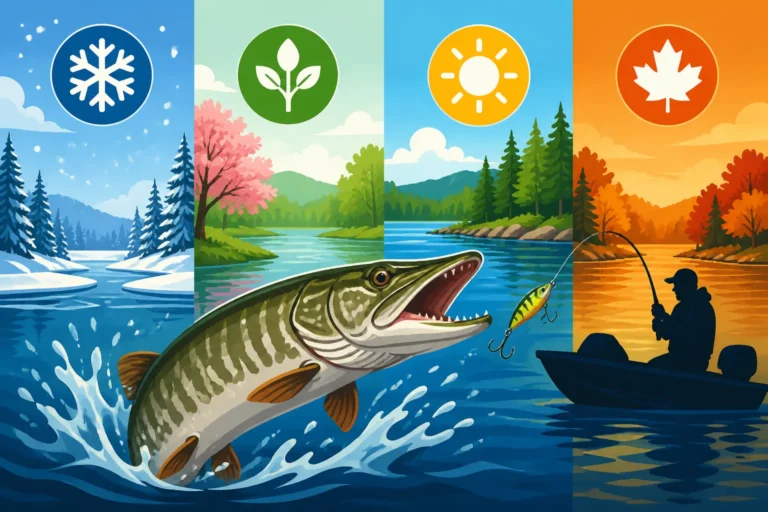
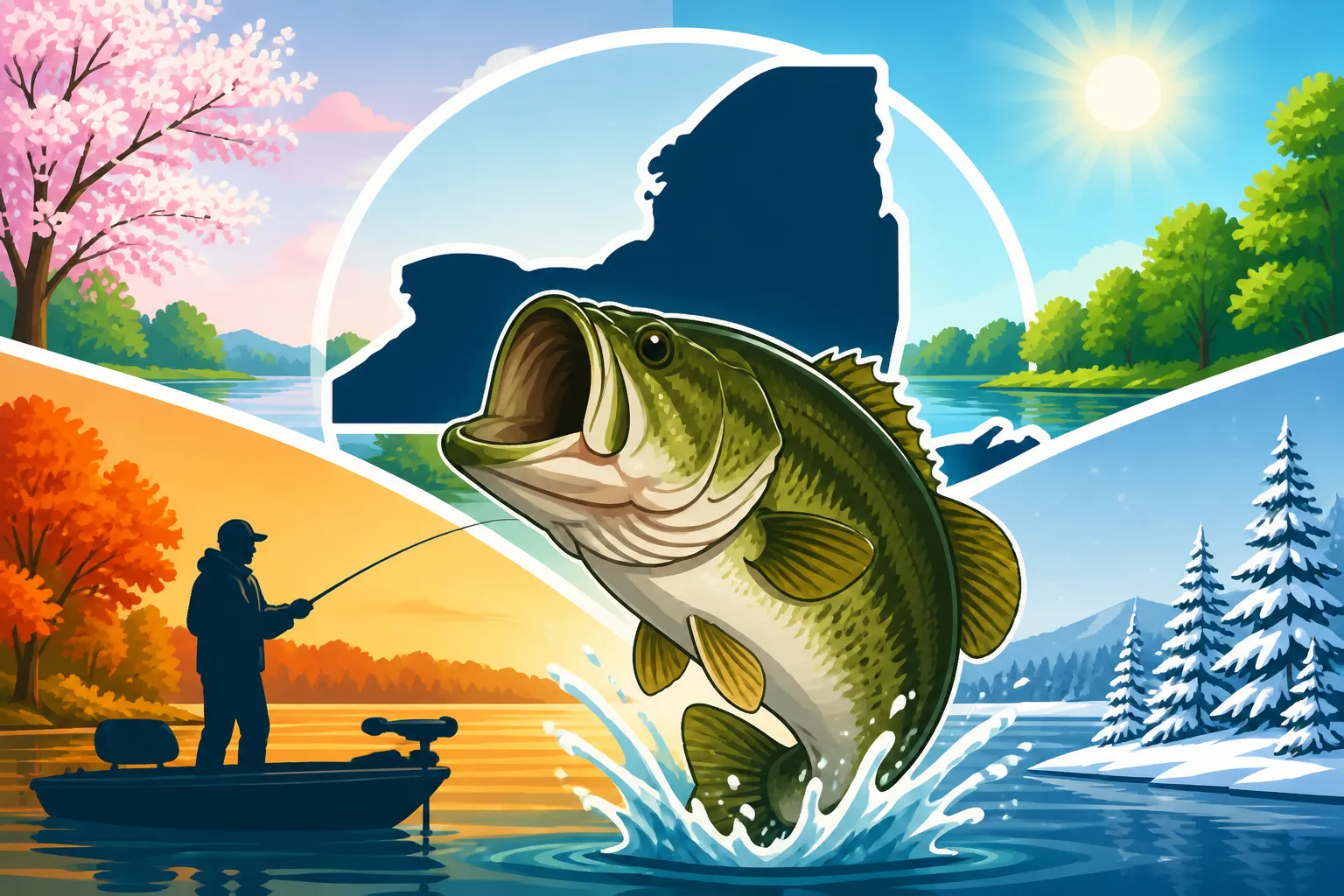
While some assume bass fishing is a summer-only affair, big bass can be caught year-round in New York if you know where to look and what techniques to employ. Each season presents unique challenges and opportunities, dictated primarily by water temperature, forage availability, and the bass's reproductive cycle. By breaking down the year, we can pinpoint those critical windows when trophy-sized bass are most likely to be actively feeding, staging, or guarding their nests. This strategic approach transforms a casual fishing trip into a targeted trophy hunt, increasing your odds significantly.
Spring: The Golden Window for Giants
Spring is arguably the most anticipated season for trophy bass anglers in New York. As the ice recedes and water temperatures begin their gradual climb, bass shake off their winter lethargy and begin to move into shallower waters, driven by a powerful instinct to feed and reproduce. This period, encompassing pre-spawn, spawn, and post-spawn, offers some of the best chances to connect with the biggest fish of the year.
Pre-Spawn Power Fishing: Filling Up for the Big Event
As New York's waters warm, typically from 45 to 55 degrees Fahrenheit, bass enter their pre-spawn phase. This is a critical time for them to gorge themselves on baitfish and crayfish, building up energy reserves for the strenuous spawning process. They are often found in transition areas – points, submerged humps, channel swings, and the edges of flats – that offer easy access to deeper wintering grounds but are adjacent to shallow spawning bays.
This is a fantastic time for "power fishing" techniques. Big-lipped crankbaits that dive to specific depths, spinnerbaits thumping through submerged cover, and bladed jigs can all elicit aggressive strikes from hungry bass. Target northern bays, coves, and areas with darker bottoms that warm up first, often found in iconic fisheries like Lake Champlain or parts of the Finger Lakes. Remember, these bass are actively hunting, so covering water efficiently is key. Look for areas with abundant cover such as fallen trees, rock piles, or early weed growth, as these provide ambush points for bass.
Navigating the Spawn: Ethical Angling and Opportunity
Once water temperatures stabilize in the mid-50s to low 60s Fahrenheit, bass move onto their spawning beds, typically in shallow, protected coves and flats. New York's bass season dates and regulations are crucial here; always check the specific rules for the body of water you're fishing regarding open seasons for bass, especially during the spawning period. During the actual spawn, male bass guard the nests, keeping predators away from the eggs and fry.
While sight fishing for bedding bass can be effective, it's a practice with ethical considerations. Many anglers prefer to target bass just before or immediately after the peak spawning activity to minimize disturbance. If you do encounter bedding bass, consider a quick, respectful catch-and-release. For anglers targeting spawning bass, slow presentations with soft plastics like tubes, Senkos, or creature baits pitched directly to beds can trigger a strike from a protective male. Remember that female bass, often the larger ones, will be nearby, sometimes in slightly deeper water adjacent to the beds, recovering or preparing.
Post-Spawn Recovery: The Brief Lull Before Summer
Following the spawn, bass enter a post-spawn phase, often characterized by a temporary lull in activity. Female bass, especially, are exhausted and may retreat to slightly deeper water to recover and regain strength. They're not completely off the bite, but their feeding behavior can be more lethargic.
As the post-spawn progresses, typically when water temperatures hit the mid-60s to low 70s, bass begin to spread out and resume more active feeding. This can be a great time to target them with topwater baits in the mornings and evenings as they cruise shallow flats, or with subtle offerings like weightless worms or jigs around emergent vegetation. The key is to understand that they've moved on from their beds and are now transitioning towards their summer patterns. Look for areas where newly hatched baitfish are congregating, as these recovering bass will be looking for easy meals.
Summer: Mastering the Heat for Big Bass
Summer in New York brings consistent warm weather and higher water temperatures, which can make trophy bass fishing a bit more challenging, but by no means impossible. Big bass often adjust their behavior, seeking cooler, more oxygenated water and becoming more active during low-light periods. Adapting your strategy to these conditions is essential for success.
Deep Water Retreats and Thermocline Tactics
As surface water temperatures climb into the 70s and 80s, particularly on large, deep lakes like the Finger Lakes or Lake George, both largemouth and smallmouth bass will often seek refuge in deeper, cooler water. This is where understanding the thermocline becomes crucial. The thermocline is a layer in the water column where the temperature changes rapidly with depth, and it often holds the most stable oxygen levels and comfortable temperatures for baitfish and predators.
For smallmouth bass, look for deep humps, rock piles, ledges, and drop-offs, especially those near current breaks on rivers like the St. Lawrence River. Vertical jigging with tubes, drop shots, or Ned Rigs can be incredibly effective when bass are schooled up on these deep structures. For largemouth, target offshore brush piles, submerged timber, or the deep edges of weed lines where they can ambush prey. Using electronics to locate these structures and the thermocline is invaluable. If you're looking for Best Lakes in New York for Trophy Largemouth Bass, many of the larger, deeper reservoirs and natural lakes will hold these summer giants.
Low Light, Big Bites: Early Mornings and Evening Patrols
While big bass might hold deep during the heat of the day, they often move shallower during periods of low light. This includes the first few hours after sunrise and the last few hours before sunset, and especially after dark. These times offer cooler water and reduced light penetration, making them feel safer to hunt in shallow, fertile areas.
Early mornings and late evenings are prime for topwater action. Buzzbaits, walk-the-dog style baits, and poppers can draw explosive strikes from trophy bass patrolling weed edges, docks, and rocky shorelines. As the sun sets and twilight deepens, larger, slow-moving topwater baits like big Jitterbugs or Whopper Ploppers can entice a wary lunker. Night fishing, though requiring specialized gear and caution, can be incredibly productive for truly enormous bass, especially largemouth. Bass use their lateral lines and keen senses of smell and hearing to hunt in the dark, and they'll often abandon their daytime caution for an easy meal. Many anglers find success at night using dark-colored spinnerbaits, jigs, or slow-rolled worms around heavy cover. You can find more specific advice on How to Fish a Topwater Lure for Bass in our detailed guide.
Fall: The Feast Before the Famine
As summer fades and autumn colors sweep across New York, a powerful change occurs in the bass world: the fall feeding frenzy. Water temperatures begin to cool, signaling the approaching winter, and bass instinctively know it's time to pack on the pounds. This is another prime window for trophy bass, as they become exceptionally active and aggressive, often schooling up to pursue baitfish.
The Autumn Blitz: Baitfish Congregations
The key to fall trophy bass fishing is following the bait. As water temperatures drop into the 60s and eventually 50s, baitfish like alewives, shad, and emerald shiners often move from deeper summer haunts into shallower bays and coves, or stack up on main lake points and humps. Bass will follow these schools relentlessly, creating incredible feeding opportunities.
Look for signs of baitfish on your sonar or visually with birds diving or ripples on the surface. Areas where tributary streams flow into larger lakes or rivers can also be hotspots, as baitfish gather there. This is a fantastic time for throwing reaction baits that imitate fleeing baitfish, such as lipless crankbaits, jerkbaits, and swimbaits. Spinnerbaits and bladed jigs can also be very effective, especially when worked through dying vegetation. Covering water and locating these baitfish congregations is paramount. For general tips, check out our guide on Best Fall Fishing Techniques in New York.
Locating Cold-Water Giants in Transition
As water temperatures continue to drop into the low 50s and 40s, bass will begin their migration towards their wintering grounds. This transition period offers opportunities to intercept them along predictable travel routes. Look for deep main lake points, channel swings, and the mouths of larger coves that provide access to both shallow feeding flats and deeper winter sanctuaries.
Larger bass often position themselves on these structures, waiting to ambush baitfish that are also moving deeper. Slower, more methodical presentations become important. Football jigs, drop shots, and jigging spoons can be deadly when fished vertically or slowly dragged along the bottom. Pay close attention to subtle changes in depth or bottom composition on your electronics, as these minor differences can hold significant numbers of fish. This is the time when you'll often find both largemouth and smallmouth bass utilizing similar deep-water structures before the cold truly sets in.
Winter: Unlocking the Secret Deep-Water Bite
Winter in New York is generally the toughest time to catch bass, especially trophy-sized ones. However, for the dedicated angler, there are still opportunities, particularly in open-water situations where lakes or reservoirs don't completely freeze over, or where specific deep-water tactics can tempt a lethargic lunker. This period requires extreme patience and a refined understanding of bass behavior in cold water.
Slow and Steady: Targeting Dormant Bass
When water temperatures dip into the low 40s and below, bass metabolism slows significantly. They become sluggish and less aggressive, often schooling up tightly in their deepest wintering holes. These can be deep channels, rock piles, or areas of standing timber, often near access to warmer thermal pockets or springs if available. You'll need to know How to Fish Cold Water in New York effectively.
The key to winter bass fishing is incredibly slow presentations. Small jigs, blade baits, and drop shot rigs are often the most effective. The retrieve should be barely perceptible – think subtle lifts and drops, or just letting the bait sit for extended periods. Big bass are still opportunistic feeders, but they won't expend much energy to chase down a meal. Getting your bait right in front of them and tempting them with a slow, easy target is essential. Patience is a virtue in winter bass fishing, and a single bite might be all you get, but it could very well be a trophy. Remember to layer up, stay warm, and prioritize safety when fishing in cold conditions. Online retailers like Amazon offer a wide array of cold-weather fishing gear, from thermal gloves to insulated boots, that can make your winter outings much more comfortable.
Seasonal Trophy Bass Fishing at a Glance
To give you a clearer picture of when to target those big New York bass, here's a quick summary:
| Season | Approximate Water Temperature | Bass Behavior | Prime Locations | Best Lures/Techniques |
|---|---|---|---|---|
| Spring | 45-65°F | Pre-spawn feeding, spawning, post-spawn recovery | Shallow bays, transition areas, rocky points | Crankbaits, Spinnerbaits, Jigs, Soft Plastics |
| Summer | 70-85°F | Deep water retreats, low-light feeding | Deep humps, ledges, thermocline, weed edges | Drop Shots, Jigs, Topwaters (low light) |
| Fall | 65-45°F | Aggressive feeding, baitfish chasing, migration | Main lake points, channel swings, baitfish schools | Lipless Crankbaits, Jerkbaits, Swimbaits, Jigs |
| Winter | Below 45°F | Dormant, deep water schooling, slow metabolism | Deep holes, channels, standing timber | Small Jigs, Blade Baits, Drop Shots |
Understanding these seasonal shifts and adapting your strategy accordingly will significantly boost your chances of landing that trophy bass in New York. While the New York State Record Smallmouth Bass Weight might seem untouchable, consistent effort during these prime windows will put you in contention for your own personal best. Remember to check local regulations and enjoy the incredible bass fishing opportunities New York has to offer. Whether you're targeting Best Fishing Spots in New York or refining your techniques for Best Time to Fish for Bass in New York, staying informed is your best tackle.
Disclaimer
This article is for general informational purposes only and does not constitute professional advice. Laws, prices and regulations vary by location and change over time. Consult a qualified professional for guidance on your specific situation.