How to Set Up a Rod for Panfish
One of the most rewarding and accessible ways to get into fishing here in New York is by targeting panfish. But if you’re new to the game, or just want to refine your approach, figuring out the best way to rig your rod and reel for these feisty little fighters can feel a bit overwhelming. This guide will walk you through everything you need to know to set up a successful panfish rod, ensuring you spend less time fumbling with gear and more time enjoying those tugs on the line, whether you're on a tranquil Adirondack pond or a bustling city park lake.
Understanding Panfish: Why Your Setup Matters
When we talk about "panfish," we're really talking about a fantastic group of fish that includes bluegill, sunfish, crappie, and yellow perch – and they're abundant across New York State. They get their name from their typical size, fitting perfectly into a frying pan, but don't let their small stature fool you; they offer incredible sport, especially for beginners or those looking for a relaxing day on the water. Properly setting up your gear is critical because these fish have smaller mouths, are often found in weed-choked areas, and can be surprisingly sensitive to heavy lines or clunky presentations.
The Humble, Yet Exciting, World of Panfish
Panfish are truly the unsung heroes of freshwater fishing. They're typically found in vast numbers in almost every lake, pond, and slow-moving river throughout New York, making them an ideal target for anglers of all ages and skill levels. Unlike some of the larger, more elusive game fish, panfish are often quite willing to bite, providing consistent action that keeps things interesting. This makes them perfect for introducing kids to fishing or for a seasoned angler who just wants to unwind and feel a constant bend in their rod.
Their widespread availability means you don't have to travel far to find them, from the smaller lakes in the Finger Lakes region to the numerous ponds scattered across Long Island. Many public access points and even urban parks boast thriving panfish populations. Because they're so common, they also provide a wonderful opportunity to practice different techniques and experiment with various baits and lures without the pressure of needing to land a trophy fish every time. They are, in essence, the perfect teachers for any aspiring angler.
What Makes Panfish Unique for Anglers?
From an angler's perspective, panfish present a unique set of challenges and opportunities that dictate how you should approach your gear. First and foremost, their size: most panfish range from a few ounces to maybe a pound, meaning heavy gear will severely dampen the fight and make detecting subtle bites incredibly difficult. You need a setup that allows you to feel those gentle taps and enjoy the spirited fight these small fish put up.
Secondly, their diet and habitat often involve small insects, larvae, and tiny minnows, which means your baits and lures need to be appropriately small. Trying to catch a bluegill on a bass lure is often an exercise in futility. They also love cover—think weed beds, lily pads, submerged brush, and docks—which can be a snag-filled nightmare for heavy tackle. A refined setup allows for more delicate presentations, better control in tight spaces, and a greater chance of getting your bait into the strike zone without getting hung up.
Choosing the Right Rod and Reel for Panfish
Selecting the right rod and reel combination is the cornerstone of any effective panfish setup. It's not about spending a fortune, but rather choosing components that work harmoniously to provide the sensitivity and subtle presentation needed for these smaller fish. Think light, nimble, and balanced—these are the qualities that will make your panfishing experience truly enjoyable.
Rod Selection: Length, Action, and Power
When it comes to panfish rods, you're looking for something that is both light and sensitive.
- Length: A good starting point is a rod between 5 and 6.5 feet. Shorter rods (5-5.5 feet) are excellent for fishing in tight quarters, like from a small boat, kayak, or in heavily vegetated areas, offering precision casting. Longer rods (6-6.5 feet) give you more casting distance, which can be beneficial when fishing from shore or trying to reach schools of fish further out in open water. They also provide a bit more leverage for playing fish and keeping them out of snags.
- Action: This refers to where the rod bends. For panfish, a "light" or "ultralight" power rating with a "fast" or "extra-fast" action is generally preferred. A fast action rod bends mostly in the tip, which offers incredible sensitivity for detecting light bites and quick hook sets. This is crucial when a panfish just "sucks in" the bait rather than hitting it aggressively. A moderate-fast action can also work well, offering a bit more forgiveness and helping to prevent small hooks from tearing out of a fish's mouth.
- Power: This is the rod's ability to lift weight. For panfish, you want an "ultralight" or "light" power rating. This ensures the rod bends easily under the weight of a small fish, maximizing the thrill of the fight and preventing you from overpowering and losing delicate panfish. Too heavy a rod will make catching even a respectable bluegill feel like reeling in a wet rag. You can find a wide selection of these specialized rods on Amazon, often with options for combo kits that pair them with a suitable reel.
When considering a rod, think about where you’ll be fishing most often. If it's small, brush-choked creeks or tight spots on a pond, a shorter, fast-action ultralight will be your best friend for delicate presentations. If you're casting across open water on larger lakes like Oneida Lake or one of the Finger Lakes, a slightly longer rod will help you reach those distant schooling fish and make casting light baits easier. Remember, the goal is to make the experience fun, and an appropriately matched rod will do just that.
Reel Selection: Spinning vs. Spincast
The reel you choose should complement your light rod and be capable of handling thin lines. For panfish, two types dominate:
- Spinning Reels: These are by far the most popular choice for panfish anglers, and for good reason. They are versatile, easy to cast with light lures, and excellent for managing thin lines. Look for a small-sized spinning reel, typically in the 500 to 1000 series (sometimes labeled as 05 or 10 size). These reels are lightweight, balance well on ultralight rods, and have a smooth drag system, which is essential for protecting light lines when a surprisingly large fish decides to bite. Their open-faced design allows for superior line control and feel.
- Spincast Reels: While less common among experienced anglers, spincast reels are incredibly user-friendly and an excellent option for beginners, especially children. They are virtually tangle-free and operate with a simple push-button release for casting. They come in compact sizes that match well with panfish rods. The main drawback is typically less casting distance and less sensitivity compared to spinning reels, but for pure ease of use and hassle-free fishing, especially when teaching someone How to Fish With Kids in New York, they are hard to beat.
Whichever reel type you choose, ensure it has a smooth drag system. This is paramount for preventing line breaks, especially when dealing with the sudden surges of a feisty perch or crappie. A quality drag allows the line to slip smoothly under pressure, letting the fish run without snapping your ultralight monofilament. Regular maintenance, including a quick rinse after saltwater use and occasional lubrication, will keep your reel performing optimally.
Selecting the Perfect Line and Lures/Bait
The line and terminal tackle are where the "finesse" aspect of panfishing truly comes into play. Panfish often have keen eyesight and can be easily spooked by heavy, visible lines or oversized hardware. Your goal here is subtlety and strength in a small package.
Monofilament, Fluorocarbon, or Braid?
Choosing the right fishing line is crucial for panfish, as it affects casting, sensitivity, and stealth.
- Monofilament (Mono): This is the traditional choice and still a great all-around option for panfish. It's affordable, easy to tie knots with, and has a good amount of stretch, which acts as a shock absorber against sudden strikes and helps prevent hooks from pulling out of soft-mouthed panfish. For panfish, stick to 2 to 6-pound test. Its slight buoyancy can also be an advantage when fishing with small floats and light baits.
- Fluorocarbon (Fluoro): This line is nearly invisible underwater, making it excellent for clear water conditions or wary fish. It has less stretch than mono, offering increased sensitivity, but it's generally stiffer and can be a bit more challenging to tie knots with properly. It also sinks, which can be an advantage when you want your bait to get down quickly. You might use straight fluoro in the 2-4 pound range, or use a fluorocarbon leader with a braided mainline.
- Braided Line: Braided line offers superior strength-to-diameter ratio and absolutely no stretch, providing maximum sensitivity. While typically too visible and strong to use as a mainline for panfish, it makes an excellent mainline choice when paired with a fluorocarbon or monofilament leader. A 4 to 8-pound braided mainline, combined with a 2 to 4-pound fluorocarbon leader (around 2-3 feet long), gives you the best of both worlds: extreme sensitivity and casting distance with a subtle presentation at the business end.
| Line Type | Key Benefit | Typical Panfish Test (lb) | Pros | Cons |
|---|---|---|---|---|
| Monofilament | Stretch, affordability | 2-6 | Easy to use, shock absorption, buoyant | Visible, lower sensitivity |
| Fluorocarbon | Near invisibility | 2-4 | Low visibility, high sensitivity | Stiffer, harder to tie, sinks |
| Braided Line | Strength, sensitivity | 4-8 (mainline) | Excellent feel, casts far, thin | Visible, requires leader for panfish |
For most panfish scenarios, a 4-pound monofilament is a fantastic all-rounder. However, experimenting with a fluoro leader can definitely give you an edge on those tougher days. You can often find spools of all these lines on Amazon, making it easy to compare and select the best fit for your needs.
The Art of Terminal Tackle and Baits
This is where the tiny details make a huge difference. Panfish have small mouths, so your hooks and lures need to be appropriately sized.
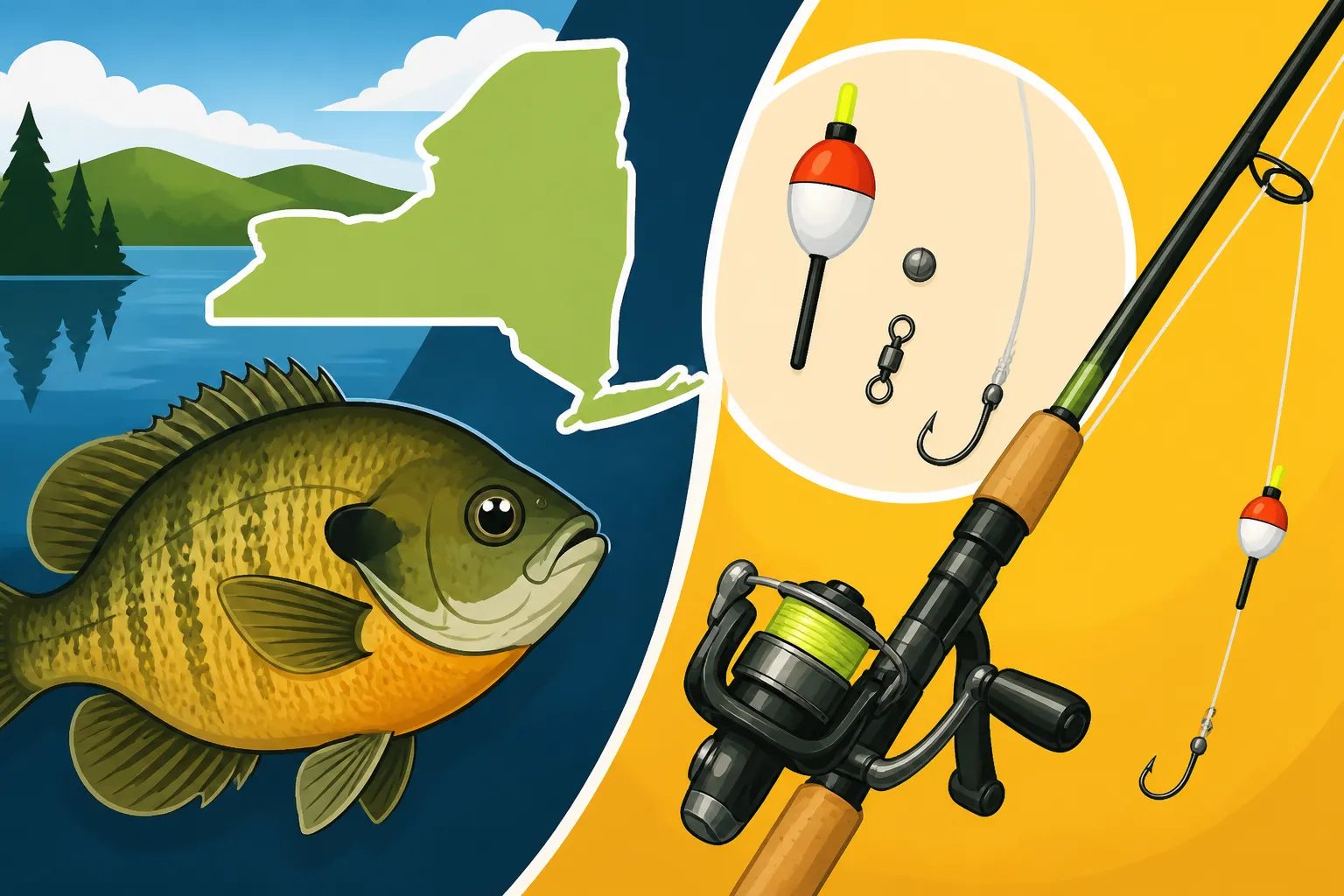
- Hooks: Stick with small hooks, generally size 8 to 14. Aberdeen hooks are popular for live bait as their fine wire bends out easily from snags, helping save your line. For artificials, jig heads in sizes 1/64 to 1/16 ounce are perfect. Small hooks mean more successful hook-ups with tiny mouths.
- Weights: Split shot weights are your friend. Use the smallest amount of weight necessary to get your bait down or to cast effectively. Think BB or 00 sizes. Too much weight makes your presentation unnatural and can spook wary fish.
- Floats (Bobbers): Again, smaller is better. A small slip bobber or a tiny clip-on bobber allows for a more natural presentation and is less visible to the fish. They are fantastic for suspending your bait at a specific depth, which is often crucial when panfish are holding at a certain level in the water column. How to Set Up a Rod for Panfish often involves a small bobber for visual bite detection.
- Lures: Tiny jigs, often dressed with a small plastic grub, tube, or hair jig, are incredibly effective. Colors like chartreuse, white, black, and natural browns often work well. Micro spoons and spinners are also great for active panfish. For example, when fishing for yellow perch on Lake Erie, a small jig tipped with a piece of worm can be deadly.
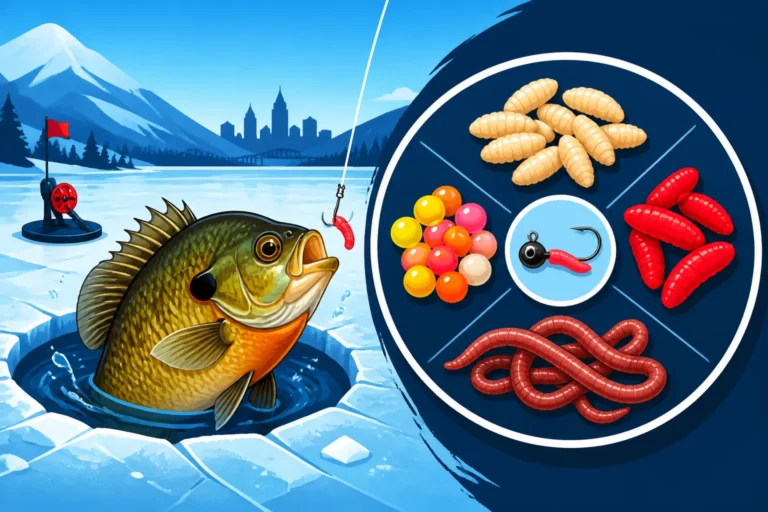
- Baits: Live bait is often irresistible to panfish. Small worms (red wigglers or pieces of nightcrawler), wax worms, mealworms, and crickets are all panfish magnets. For crappie, tiny minnows are excellent. Always check New York Freshwater Fishing Rules regarding bait restrictions in specific waters. Best Bait for Catching Sunfish and Bluegill often comes down to these live options.
Remember that subtlety and natural presentation are your allies. Don't be afraid to go smaller than you think you need to.
Assembling Your Panfish Setup: A Step-by-Step Guide
Now that you have all your components, it’s time to put it all together. This isn't rocket science, but taking a few moments to do it right will save you headaches on the water and ensure you're ready when that first panfish bites. This setup is perfect for catching everything from a feisty bluegill in a local pond to a slab crappie in a deeper lake.
Spooling Your Reel Correctly
Getting your fishing line onto the reel correctly is a critical first step. Improper spooling can lead to line twist, tangles, and frustrating casting problems, which nobody wants when they're trying to enjoy a peaceful day by the water.
- Attach the reel to your rod: Before spooling, attach your spinning reel to the reel seat on your ultralight rod. This ensures the line will come off the spool in the same direction it's going onto your reel.
- Determine line direction: Place the spool of new fishing line on the floor, label side up. Take the end of the line and thread it through the first eyelet on your rod.
- Tie an arbor knot: Tie an arbor knot around the reel spool. This is a simple knot used to secure the line to the reel's arbor. It’s essentially a slip knot around the spool, followed by a double overhand knot in the tag end. Pull it tight, trim the tag end, and close the bail.
- Start winding: Begin reeling slowly, keeping light tension on the line with your non-reeling hand. Watch the line as it goes onto the spool. If the line begins to twist (you'll see loops forming and twisting as the line enters the reel), flip the spool of line over on the floor. If it continues to twist, flip it again. The goal is for the line to come off the filler spool and go onto your reel without twisting.
- Fill to capacity: Fill the spool until the line is about 1/8 inch from the lip of the spool. Overfilling will cause tangles (wind knots), and underfilling will reduce your casting distance. Take your time with this step; a properly spooled reel is the foundation for a smooth day of fishing.
For those using braided line with a leader, you'll spool the braid onto the reel first, following these same steps. Once your braided mainline is spooled, you'll attach your leader using a strong knot like a double uni knot or an FG knot. This creates a seamless connection between your main line and the nearly invisible leader that leads to your bait or lure.
Tying on Your Leader and Lure
With your reel spooled, it's time for the business end of your setup. This is where you connect your main line, add any necessary terminal tackle, and tie on your chosen bait or lure.
- Leader (if applicable): If you're using braided mainline, tie on a 2-3 foot section of 2-4 pound test fluorocarbon or monofilament leader. The best knots for connecting braid to a leader are the FG knot, Alberto knot, or a double uni knot. Practice these knots at home; a strong, reliable connection is vital.
- Add a float (optional): If you're using live bait or a small jig under a bobber, slide your bobber stopper (if using a slip bobber), bead, and then your bobber onto the main line (or leader). Then, tie on a swivel if desired, which helps prevent line twist, especially with spinning lures.
- Attach a small weight: Crimp one or two small split shot weights (BB or 00 size) about 6-12 inches above where your hook or lure will be. This helps to cast your light bait and get it down to the desired depth. Adjust the weight to get your bait sinking naturally.
- Tie on your hook or lure: Use a strong, reliable knot like a Palomar knot or an improved clinch knot to attach your small hook or jig head. These knots are relatively easy to tie and provide excellent strength for lighter lines. Double-check your knot by pulling on it firmly to ensure it's secure. Always trim your tag ends close to the knot.
Now your panfish rod is fully rigged and ready to go! This setup will provide you with the sensitivity to detect those subtle nibbles and the finesse to present your bait naturally. Whether you're targeting crappie in the spring, bluegill in the summer, or perch during the ice fishing season, this versatile approach will serve you well. Remember that part of the fun of fishing is learning and adapting, so don't be afraid to experiment with different baits and depths once you're out on the water. Make sure to review Panfish and Sunfish Limits in New York to ensure you're fishing within legal parameters.
Internal Links
- New York Freshwater Fishing Rules
- How to Get a Fishing License in New York
- How Many Fishing Rods Can I Use at Once?
- Best Fishing Spots for Kids in New York
- Best Bait for Catching Sunfish and Bluegill
- Best Beginner Fishing Techniques for New York Lakes
- Do I Need a Fishing License to Fish in New York?
- New York Fishing License Guide
Disclaimer
This article is for general informational purposes only and does not constitute professional advice. Laws, prices and regulations vary by location and change over time. Consult a qualified professional for guidance on your specific situation.