Best Season for Perch Fishing on New York’s Lake Erie
Few things are as frustrating as heading out to Lake Erie, excited for a day of perch fishing, only to find the bite is completely off because you're fishing the wrong spots at the wrong time of year. Yellow perch are a fantastic sport fish and even better table fare, but their behavior changes dramatically with the seasons. This guide will walk you through the very best times and tactics to target yellow perch on New York's Lake Erie, ensuring your cooler isn't just full of stories, but fish too!
Unlocking Lake Erie's Yellow Perch: A Seasonal Deep Dive
Lake Erie is a powerhouse for yellow perch, known for producing some truly exceptional catches. However, these fish aren't just sitting in one spot waiting for you all year long. Understanding their seasonal migrations and feeding patterns is absolutely crucial for consistent success. It's about knowing when they're shallow, when they're deep, and what they're looking for, which often ties back to water temperature and spawning cycles. It's a bit like a detective game, and once you crack the code, the rewards are delicious.
The Perch Life Cycle and Seasonal Movements
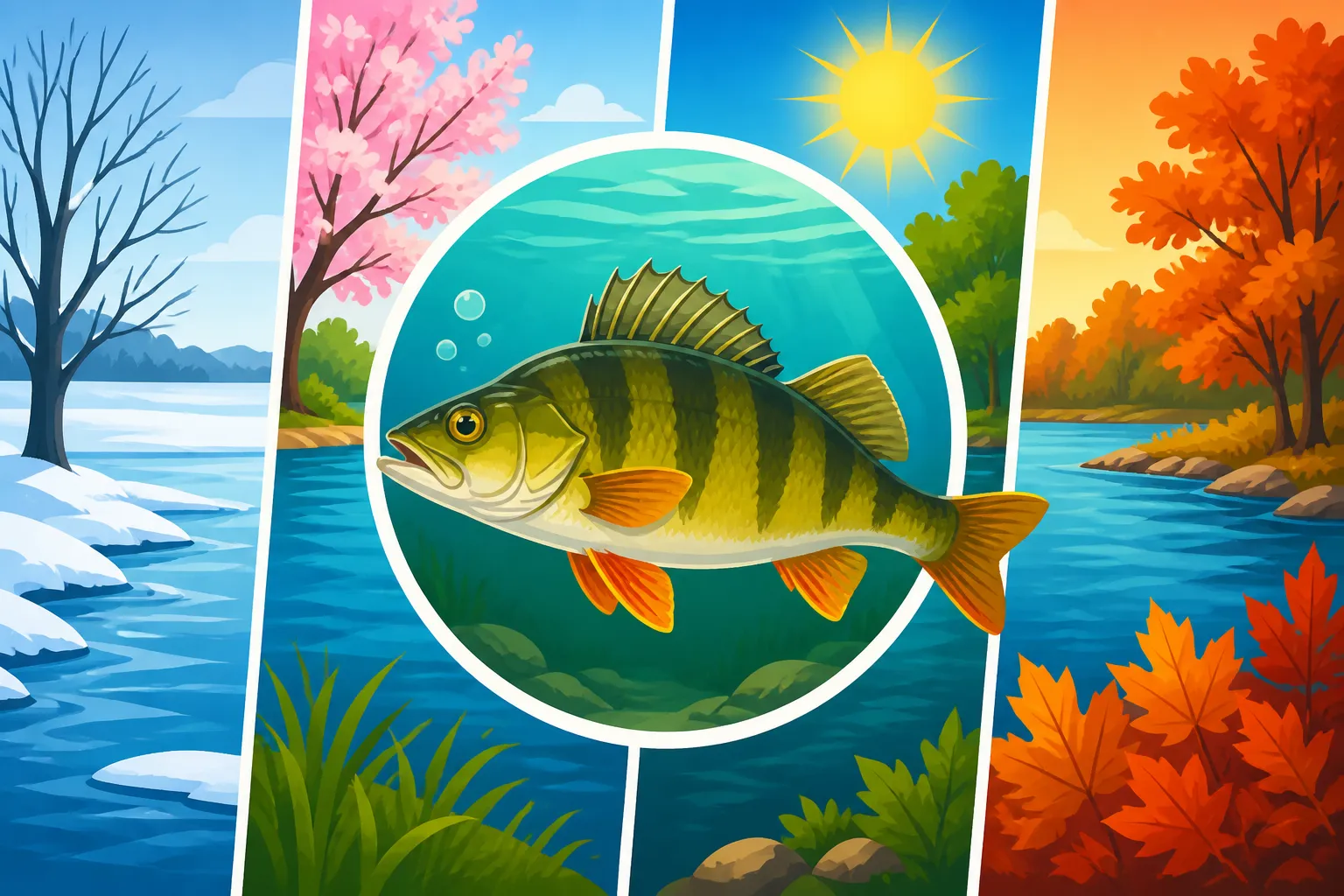
Yellow perch are prolific spawners, usually doing their thing in late winter or early spring as water temperatures creep up from the low 40s into the low 50s. This annual event dictates much of their behavior throughout the year. Before they spawn, they'll often stage in shallower, warmer waters, feeding heavily to build up energy. After spawning, they might be a bit lethargic for a short period before resuming their search for food. As summer progresses and water temperatures rise, they'll seek out cooler, deeper water, often congregating around the thermocline. Then, as fall arrives and the water cools again, they'll make another push into shallower areas, feeding aggressively to prepare for the long winter months.
It's this consistent movement, driven by instinct and environmental factors, that makes understanding the calendar so vital. You can't just throw a minnow out in July where you caught them in April and expect the same results. Each season presents its own unique challenges and opportunities, and being prepared for those shifts is what separates a good angler from a great one. Don't forget to check the New York Fishing Season Dates and Catch Limits for any specific regulations regarding perch.
General Considerations for Lake Erie Perch Fishing
Lake Erie itself is a massive body of water, and its sheer size means that conditions can vary even within the New York section. The eastern basin, near Buffalo and Dunkirk, is renowned for its perch fishery. Depth, structure, and bait availability all play huge roles in where the perch will be. For example, areas with a mix of sand, gravel, and some weed beds are often perch magnets. They love to ambush smaller baitfish like emerald shiners, which are abundant in Lake Erie.
Another key factor is the availability of bait and understanding What Yellow Perch Eat during different times of the year. While minnows are almost always a good bet, sometimes perch will key in on larval insects, small crustaceans, or even the eggs of other fish. Paying attention to what's in the water, and even what's in the stomach of the first perch you catch, can give you huge clues. Furthermore, current weather patterns—wind direction, recent rain, and barometric pressure—can all affect where perch decide to hang out and how aggressively they're feeding. Keeping an eye on these variables can significantly improve your chances of a successful outing.
Spring: The Frenzy After the Thaw
Ah, spring! After a long, cold winter, the return of open water and warmer temperatures is like a siren song for anglers. For perch, spring on Lake Erie is a time of awakening, often leading to some of the most consistent and exciting fishing of the entire year. As the ice recedes and the sun begins to warm the shallower nearshore waters, perch start to become incredibly active, driven by the urge to spawn and the need to replenish energy stores.
Early Season Hotspots and Tactics
Once the ice has completely left the harbors and nearshore areas, typically in March and April, perch will start to move into these shallower zones. Think about depths ranging from 10 to 30 feet, especially where you find structures like old docks, submerged weed beds that are just starting to grow, or transitions from rocky bottom to sand. Harbors in places like Buffalo and Dunkirk can be fantastic starting points, as they warm up faster than the main lake. Tributary mouths, where slightly warmer water flows into the lake, are also prime areas.
For tactics, simple is often best in the spring. A classic perch rig with a couple of hooks, tipped with live minnows or even pieces of nightcrawler, fished vertically or with a very slow drift, can be deadly. Small jigs tipped with soft plastic bodies or a piece of Gulp! bait can also be incredibly effective. The key is to present your bait slowly and near the bottom, where these fish are often rooting around for food. Remember, they're still shaking off the winter sluggishness, so a subtle presentation is usually preferred. Many anglers find success by using lighter lines, around 4-6 pound test, to enhance sensitivity, allowing them to detect those soft spring bites. You might even find some excellent spots in the Best Fishing Spots on Lake Erie.
Dealing with Variable Spring Conditions
Spring on Lake Erie can be notoriously fickle. One day it's sunny and calm, the next you're battling fierce winds and chilly temperatures. These fluctuating conditions can definitely impact the bite. A sudden cold front can push perch deeper or make them less active, while consistent sunny days can bring them closer to shore. It's crucial to be flexible with your approach. If the wind is howling, consider fishing in protected bays or harbors where the water is calmer. If the water temperature takes a dip, don't be afraid to try slightly deeper water than you initially intended.
Another challenge is water clarity. Spring runoff can sometimes muddy up nearshore areas, which can make perch fishing tougher. In these situations, try moving to cleaner water or using baits that create more vibration or are visually contrasting, like chartreuse or bright orange jigs. Having a portable fish finder can be a game-changer for locating schools of perch, especially when they're on the move. You can find some great portable options on Amazon to help you pinpoint those finicky schools.
Summer: Following the Thermocline
As spring gives way to the heat of summer, the fishing for yellow perch on Lake Erie shifts dramatically. The shallow waters that were so productive in April can become too warm for perch, especially larger ones, sending them scurrying to deeper, cooler sections of the lake. This doesn't mean perch fishing disappears; it just means you need to adjust your strategy to find them.
Locating Perch in Warm Waters
In summer, perch will generally retreat to deeper water, often congregating around the thermocline—the layer where warm surface water meets colder deep water. This layer is rich in oxygen and often holds an abundance of baitfish, making it a comfortable and productive zone for perch. On Lake Erie, this could mean depths ranging from 30 to 60 feet, or even deeper depending on the specific location and current conditions. Using a good fish finder is absolutely essential during this time to locate both the thermocline and the schools of perch holding within it or just above the bottom. You can learn a lot by understanding How to Read a Fish Finder for New York Lakes.
Look for humps, drop-offs, or other underwater structures in these deeper zones. Perch love to relate to structure, even subtle changes in bottom contour. Trolling motor spot-lock technology is a huge advantage here, allowing you to stay precisely over a school once you find it. If you're without a boat, targeting deep water from piers or breakwalls that extend into deeper sections can still be productive, especially during early mornings or late evenings when perch might move slightly shallower to feed.
Tactics for Deeper Summer Perch
Vertical jigging and drifting are the most effective tactics for summer perch. Once you've located a school with your electronics, drop down small jigs, spoons, or standard perch rigs tipped with minnows. For deeper water, heavier jigs (1/4 to 1/2 ounce) might be necessary to get your bait down quickly and keep it in the strike zone amidst any current. The "drop-shot" rig can also be incredibly effective, allowing you to present a bait above a weight, keeping it suspended right in the perch's face without constantly hitting the bottom.
Many seasoned Lake Erie perch anglers swear by emerald shiners as the top bait in summer, especially when fished on a bare hook or a small jig head. The key is to keep your bait active and enticing. Small, subtle lifts and drops of your rod tip can mimic a struggling baitfish, drawing strikes. You might want to stock up on different jig colors and weights from Amazon to ensure you're prepared for varying depths and water clarities. Remember to pay attention to your rod tip for even the slightest tap, as perch bites in deep water can sometimes be very light.
Fall: The Pre-Winter Feeding Spree
Fall on Lake Erie is a magical time for many species, and yellow perch are certainly no exception. As the cooler air temperatures begin to chill the surface waters, the thermocline breaks down, and perch once again become more widely distributed, often pushing back into shallower areas for a final, intense feeding spree before winter sets in. This can lead to some truly epic days on the water.
Shallow Water Opportunities and Active Fish
As lake temperatures begin to drop in September and October, yellow perch will move from their deep summer haunts and start to spread out, often returning to depths of 15 to 30 feet, and sometimes even shallower. This is when they are actively bulking up for the lean winter months, making them incredibly aggressive and eager to bite. Look for them around points, submerged humps, weed line edges that are starting to thin out, and nearshore structure like rock piles or old foundations. The areas that were good in spring can often become hot again in fall.
The sheer aggression of fall perch means you can often get away with slightly faster presentations. Drifting with minnows on standard perch rigs is still a fantastic option, but don't hesitate to experiment with casting small crankbaits or even spinnerbaits that mimic baitfish. Vertical jigging with a more assertive cadence can also trigger strikes from these hungry fish. If you're on the hunt for larger specimens, fall is often considered the Best Time of Year to Fish in New York for trophy perch, as they are at their heaviest.
Battling Autumnal Weather
Just like spring, fall weather on Lake Erie can be highly unpredictable. High winds, choppy waters, and sudden temperature drops are common, and can sometimes make fishing challenging or even unsafe. Always keep a close eye on weather forecasts and be prepared to adjust your plans. If the main lake becomes too rough, seek out the calmer waters of harbors, protected bays, or the mouths of larger tributaries. These areas can provide excellent shelter and still hold plenty of hungry perch.
On days with consistent wind, drifting can be highly productive, allowing you to cover a lot of ground until you locate a school. If the winds are too strong for a controlled drift, anchoring up on a promising piece of structure and jigging vertically is often the best approach. Warm clothing, rain gear, and a good thermos of coffee or tea are essential for staying comfortable and focused during those crisp fall days. You want to be able to enjoy the beautiful autumn scenery while reeling in those plump perch.
Winter: Hardwater Action for Perch
For many anglers, when the lake freezes over, the fishing season ends. But for the dedicated perch angler on Lake Erie, winter brings a whole new set of opportunities: ice fishing! When done safely, ice fishing for yellow perch can be one of the most rewarding and fun ways to catch these delicious fish. The clear, cold water often makes for great visibility and active bites once you locate a school.
Prime Ice Fishing Locations and Timing
Once a safe layer of ice forms, typically from late December through March, the focus for perch shifts to areas where they've congregated for the winter. On Lake Erie, this often means accessing shallower areas in protected bays and harbors that freeze first, and then moving to deeper points and structures on the main lake as the ice thickens. Depths can vary significantly, from 15 feet in shallow bays to 50+ feet on the main lake near Dunkirk or Buffalo. Key areas often include transitions from soft to hard bottom, subtle drop-offs, and areas with sparse remaining vegetation.
The best time of day for ice perch can often be mid-morning to mid-afternoon, when light penetration is at its peak, and fish might be more active. However, perch can bite all day long, especially if you're over a large school. Weekends often see a lot of activity, so if you can get out on a weekday, you might have less company. Always prioritize safety: How to Read Ice Thickness for Safe Ice Fishing is paramount, and never venture onto ice you're unsure about.
Essential Ice Perch Tactics and Safety
Ice fishing for perch primarily involves jigging. Small jigging spoons, tiny Swedish Pimples, or teardrop jigs tipped with a grub, wax worm, or a small minnow head are incredibly effective. The presentation should be subtle, with small lifts and drops of the rod tip, often punctuated by short pauses. Having a flasher or an ice fishing sonar unit is almost a necessity for quickly locating perch under the ice and understanding how they're reacting to your presentation. This technology allows you to see your bait and the fish, helping you adjust your depth and technique in real-time.
Patience and mobility are key. If you're not getting bites after 15-20 minutes in one spot, drill a few more holes and move. Perch often move in schools, so once you find them, the action can be fast and furious. Don't forget to bundle up in layers, wear proper ice fishing boots, and bring safety gear like ice picks and a spud bar. You can find essential Best Ice Fishing Techniques for New York Panfish and Best Bait for Ice Fishing Panfish in more detail.
Key Factors Influencing Your Perch Success
While understanding the seasons is paramount, there are other crucial elements that can make or break your Lake Erie perch fishing trip. Ignoring these can lead to a frustrating day, even if you're fishing in the "right" season.
Water Temperature and Clarity
Water temperature is the single biggest driver of perch behavior. Perch are cold-blooded, so their metabolism and activity levels are directly tied to the water temperature. They generally prefer water in the 55-70 degree Fahrenheit range, but they will tolerate colder water in winter and seek deeper, cooler water in summer. Learning to use a marine thermometer to find those ideal temperature zones can be a huge advantage.
Water clarity also plays a significant role. Perch are sight feeders, so in clear water, they might be more sensitive to line visibility and might prefer natural-colored baits. In turbid or stained water, brighter colors, baits with more vibration, or scented baits can be more effective. Post-rain runoff can make nearshore waters cloudy, often pushing perch further out to clearer water.
Bottom Structure and Forage
Yellow perch love structure. This could be anything from submerged weed beds, rock piles, gravel beds, old bridge pilings, or even subtle changes in bottom contour like small humps or depressions. These areas provide ambush points and often hold the baitfish that perch feed on. On a vast lake like Erie, finding these sweet spots is critical. Topographical maps and your fish finder are your best friends for identifying these prime locations. Knowing where the forage is, particularly schools of emerald shiners, will almost always lead you to the perch. Lake Erie's abundant shiner population is a major reason for its phenomenal perch fishery.
Gear and Techniques for Lake Erie Perch
Having the right gear and knowing how to use it effectively will dramatically increase your chances of success. You don't need highly specialized, expensive equipment, but a few key items will go a long way.
Rods, Reels, and Line
For general perch fishing, a light to medium-light spinning rod, typically 6 to 7 feet long, with a fast action tip, is ideal. This allows for excellent sensitivity to detect those subtle perch bites while still having enough backbone to handle a good-sized fish. Pair this with a small spinning reel (2000 or 2500 size) spooled with 6-8 pound test monofilament or fluorocarbon line. Many anglers prefer braided line with a fluorocarbon leader for increased sensitivity and strength, especially when fishing deeper water. You can find quality rods and reels for any budget on Amazon, perfect for starting your perch fishing adventures.
Essential Rigs and Baits
The classic Lake Erie perch rig consists of a dropper loop system with two hooks spaced about 12-18 inches apart, and a sinker on the bottom. This allows you to present two baits at once and keep them near the bottom. Small hooks (size 6 or 8) are usually sufficient.
- Live Minnows: Emerald shiners are the gold standard for Lake Erie perch. Fathead minnows are also excellent.
- Worms: Pieces of nightcrawler or small red worms can be very effective, especially in spring and fall.
- Jigs: Small marabou jigs, plastic tube jigs, blade baits, or jigging spoons in sizes from 1/16 to 1/4 ounce are excellent choices. Tipping them with a minnow head or grub often increases their appeal.
- Soft Plastics: Small scented soft plastics, like Berkley Gulp! minnows or maggots, can be incredibly effective, especially when live bait is hard to come by.
Remember that How to Catch Yellow Perch on New York's Lake Erie often comes down to presentation and offering what they're biting on that particular day. Having a variety of baits and rigs on hand will allow you to adapt to changing conditions and preferences.
| Season | Prime Depths (approx.) | Typical Location | Recommended Baits | Key Techniques |
|---|---|---|---|---|
| Spring | 10-30 feet | Harbors, shallow nearshore, tributary mouths | Live minnows, nightcrawlers, small jigs | Slow drift, vertical jigging, still fishing |
| Summer | 30-60+ feet | Thermocline, deep structure, humps | Live minnows (shiners), jigging spoons | Vertical jigging, drop-shot, slow drift |
| Fall | 15-35 feet | Points, weed edges, mid-depth structure | Live minnows, nightcrawlers, small crankbaits | Drifting, casting, aggressive jigging |
| Winter | 15-50+ feet | Protected bays, main lake structure | Live minnows, wax worms, grubs, jigging spoons | Ice jigging with flasher, tip-ups |
New York's Lake Erie offers some phenomenal yellow perch fishing throughout the year, but success truly hinges on understanding their seasonal movements and adapting your approach. Whether you're enjoying the mild spring bite, chasing them deep in summer, experiencing the fall feeding frenzy, or bundling up for some hardwater action, there's always a way to connect with these tasty fish. By paying attention to water temperatures, structure, and what the perch are feeding on, you'll dramatically increase your chances of a memorable day on the water. Happy fishing, and may your cooler be heavy!
Disclaimer
This article is for general informational purposes only and does not constitute professional advice. Laws, prices and regulations vary by location and change over time. Consult a qualified professional for guidance on your specific situation.