Coho Salmon in New York
Many anglers in New York focus on the biggest salmon, like Chinooks, or the native trout species, sometimes overlooking a truly exciting and acrobatic fish: the Coho Salmon. These incredible silver bullets offer a thrilling fight and can be found in some of New York's most productive waters, providing fantastic opportunities for both seasoned and novice anglers alike. This comprehensive guide will dive deep into everything you need to know about Coho Salmon in New York, from where they live to how to catch them, ensuring you're ready for your next adventure.
Understanding New York's Coho Salmon Population
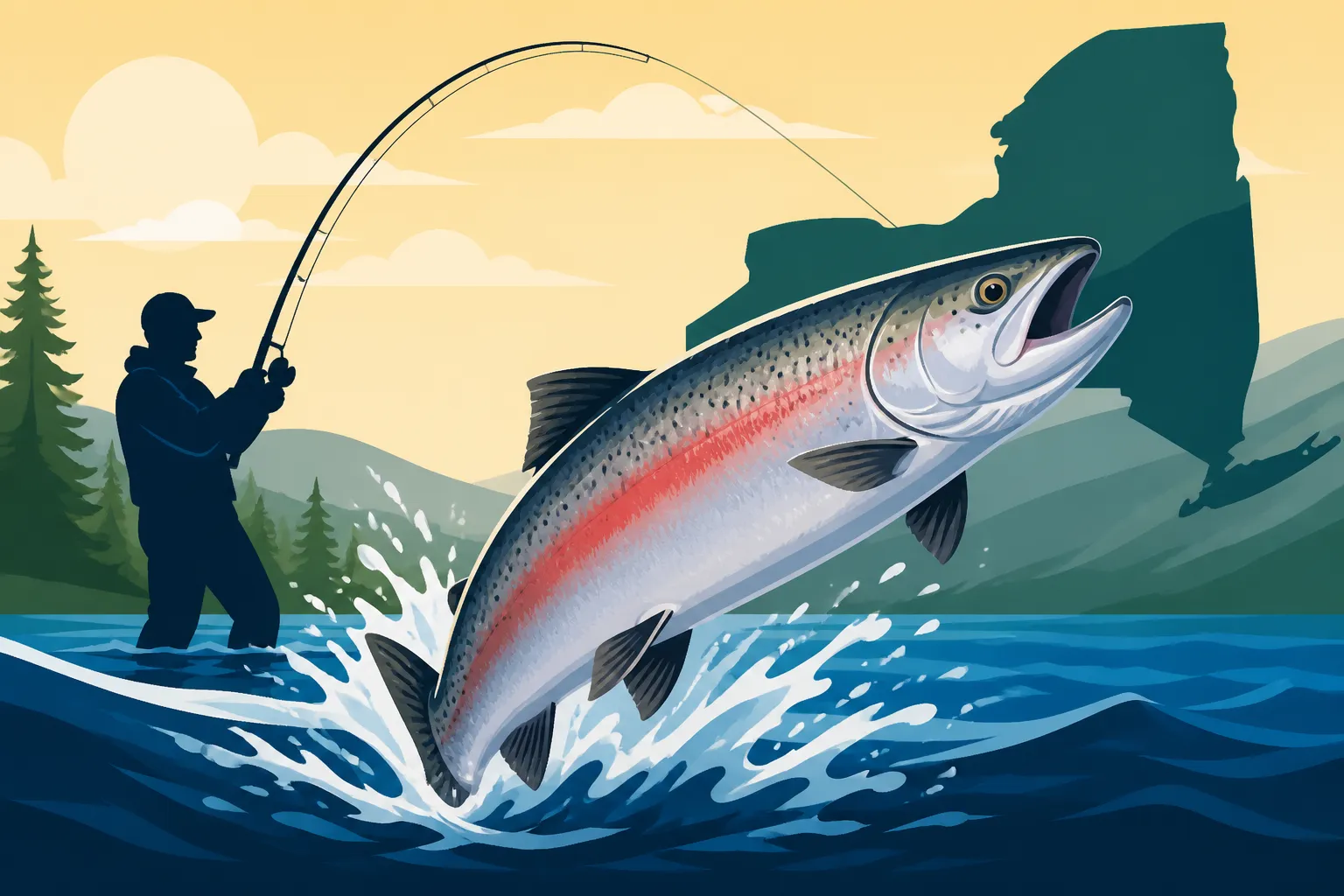
Coho Salmon, often called "silver salmon" due to their brilliant chrome scales, are a vital part of New York's Great Lakes fishery. While not native to the Great Lakes, they've been successfully stocked for decades, creating a robust and exciting fishery, particularly in Lake Ontario and Lake Erie. They're celebrated for their aggressive strikes and aerial displays, making them a favorite among many anglers.
Where Coho Salmon Thrive in New York
In New York, Coho Salmon are primarily found in the Great Lakes, with Lake Ontario being the undisputed hotspot. These fish thrive in the deep, cold waters of the lake, spending most of their lives gorging on baitfish like alewives and smelt. When the time comes to spawn, they begin their migration into tributary rivers. You'll find them concentrating near the mouths of these rivers, such as the Salmon River, Oswego River, and other smaller streams flowing into Lake Ontario. Lake Erie also holds a population, though typically less concentrated than Lake Ontario.
During their offshore phase, Coho roam widely in the open waters of the Great Lakes. They are pelagic, meaning they often suspend in the water column, following baitfish schools. As they mature and the spawning urge kicks in, they move closer to shore and stage near river mouths, providing excellent opportunities for both boat and shore anglers. The sheer volume of diverse forage available in these vast lakes allows Coho to grow quickly and fight hard, a testament to the health of these ecosystems.
Identifying Coho Salmon: Key Features
Distinguishing Coho Salmon from their Chinook cousins or even some trout species can sometimes be a bit tricky, but there are a few key characteristics to look for. Coho typically have a more slender body shape compared to the thicker, more robust Chinook. Their tails are usually less spotted, or only spotted on the upper lobe, and the spots themselves are often smaller and more diffuse. The inside of a Coho's mouth will often be white or pale gray along the gum line, with black pigmentation on the tongue and roof of the mouth. In contrast, Chinook Salmon usually have entirely black gum lines.
Another excellent indicator is their caudal fin (tail). When you spread a Coho's tail, you'll notice that the spots are primarily concentrated on the upper half, with the lower half often being spotless or having very few spots. Their anal fin typically has 13-15 rays, which can be a distinguishing feature for the keen observer. As they approach spawning, their silver coloration gives way to darker, often reddish-maroon sides, particularly in males who develop a pronounced "kype" or hooked jaw. Knowing these features helps you correctly identify your catch and adhere to any specific regulations for A Guide to New York's Salmon Species.
| Feature | Coho Salmon | Chinook Salmon | Rainbow Trout (Steelhead) |
|---|---|---|---|
| Tail Spots | Mostly on upper lobe, few/no spots on lower. | Heavily spotted on both lobes, often uniform. | Many small spots throughout, often on a squarer tail. |
| Gum Line | White or pale gray. | Black on both upper and lower jaws. | White/pale with a dark stripe on the tongue. |
| Body Shape | More slender, torpedo-shaped. | More robust, football-shaped. | Generally more rounded body. |
| Caudal Fin | Less forked, spots mainly on upper lobe. | More forked, heavy spotting on both lobes. | Squarer, often with more uniform spots. |
| Spawning Colors | Reddish-maroon sides, males develop a distinct kype. | Darker, often olive-brown to black, males develop strong kype. | Bright silver to olive, distinct pink lateral stripe when spawning. |
Coho Salmon Life Cycle in Great Lakes
The life cycle of Coho Salmon in the Great Lakes is fascinating and crucial to understanding when and where to target them. These fish are typically stocked as smolts (juvenile salmon) in tributary rivers, primarily flowing into Lake Ontario. Once released, they quickly make their way out into the vastness of the lake, where they spend one to two years growing rapidly. During this time, they are voracious feeders, preying on the abundant alewives, smelt, and other baitfish. This period of rapid growth is when they achieve their spectacular silver coloration and develop the strength that makes them such formidable fighters.
As they reach maturity, usually at two to three years of age, an innate urge calls them back to the rivers and streams they were stocked in. This return journey, known as the spawning run, typically begins in late summer and peaks in the fall. Once in the rivers, they cease feeding and focus all their energy on reproduction. Females dig nests (redds) in the gravel bottom, deposit their eggs, which are then fertilized by the males. After spawning, like Pacific salmon, Coho Salmon typically die, completing their life cycle. This post-spawn mortality ensures that their nutrients are returned to the ecosystem, fueling the next generation of fish. This process is very similar to Chinook Salmon in New York's life cycle, although their spawning run timings can differ slightly.
Prime Seasons and Best Times for Coho Fishing
Knowing when Coho Salmon are most active and accessible is key to a successful fishing trip. Their presence and behavior change significantly throughout the year, primarily dictated by water temperature, food availability, and their innate spawning migration.
Spring Coho: Post-Winter Opportunities
As the ice retreats and the waters of Lake Ontario and Lake Erie begin to warm in spring, Coho Salmon become a prime target. These are often fish that survived the winter or late-run spawners that didn't fully participate in the fall run. They are hungry and aggressive, actively feeding to regain strength. In early spring, you'll find them concentrated in the warmer nearshore waters, often shallower than their summer haunts. The thermal bar, an area where warmer nearshore water meets colder deeper water, can be a particularly productive zone as baitfish congregate there.
Boat anglers will often target Coho in 20 to 60 feet of water, employing planer boards to cover a wide spread and present lures to actively feeding fish. The water might still be quite cold, so presenting slower-moving baits or smaller spoons can be very effective. Shore anglers might find opportunities near river mouths or harbors, especially after a warm rain that draws baitfish closer to shore. Keep an eye on local fishing reports for New York Fishing Season Dates and Catch Limits to ensure you're within legal parameters for harvesting, as seasons and limits can vary.
Summer Coho: Open Water Tactics
During the warmer summer months, Coho Salmon move to deeper, cooler waters offshore in the Great Lakes. This is when they are in their prime feeding phase, putting on weight rapidly. Targeting them at this time almost exclusively requires a boat equipped for trolling. They'll be found anywhere from 60 to 150 feet of water, often suspending in the upper portion of the water column, but depth can vary significantly based on baitfish location and thermocline depth.
Trolling with downriggers, dipsy divers, and planer boards is the name of the game for summer Coho. Covering a lot of water and experimenting with different depths and lure presentations is crucial. They are fast swimmers and will often strike quickly and hard. This period offers fantastic action, with the potential for multiple hook-ups. Pay close attention to your fish finder to locate bait balls and arches, as Coho are rarely far from their food source. Understanding Trolling Techniques for New York's Lakes will significantly increase your success during this period.
Fall Coho: The Spawning Run
Fall is arguably the most exciting time for Coho Salmon fishing in New York, as the mature fish begin their annual spawning migration back to the tributary rivers. Starting in late August and peaking through September and October, Coho will stage near river mouths, waiting for sufficient rain and cooler temperatures to trigger their upstream movement. At this time, they take on their distinctive spawning colors – vibrant reds and maroon – and develop pronounced hooked jaws, especially the males.
During the early stages of the fall run, boat anglers can have incredible success targeting staging fish near the river mouths in the main lake. As the run progresses, shore anglers and wading anglers can intercept Coho in the lower and middle sections of the rivers. While they stop actively feeding once they enter freshwater, they will still strike out of aggression or instinct. Brightly colored egg sacs, small skein, flashy spoons, and flies can all entice a strike. This period is a true spectacle, and the fish are at their most beautiful, making for incredible fishing and photography opportunities. This is often considered the Best Time of Year to Fish in New York for many salmonids.
Top Fishing Techniques for Coho Salmon
Catching Coho Salmon requires adapting your techniques to their specific behaviors and habitats throughout the year. Whether you're in a boat on the vast expanse of Lake Ontario or wading a tributary, having the right approach makes all the difference.
Trolling for Open Water Coho
Trolling is by far the most effective method for targeting Coho Salmon in the open waters of the Great Lakes during spring and summer. Coho are migratory and often suspend, making it challenging to locate them without covering a large area. Trolling allows you to present multiple lures at varying depths and speeds, increasing your chances of finding actively feeding fish. Key equipment includes downriggers for precise depth control, dipsy divers or lead core line for additional depth, and planer boards to spread out your lines horizontally, mimicking a school of baitfish.
Speed is critical, typically between 2.0 to 3.0 mph, but always experiment to find what the fish prefer on any given day. Lures like bright, slender spoons (e.g., Michigan Stinger, Dreamweaver) in colors like silver, blue/silver, orange, and chartreuse are perennial favorites. Flashers and dodgers paired with flies or artificial bait also prove highly effective, creating an enticing visual and vibrational attraction. Keep a close eye on your electronics; locating baitfish schools is paramount, as Coho will always be nearby. A good pair of polarized sunglasses will also help you spot follows and short strikes. You can find a vast selection of these lures and tackle on Amazon, ensuring you're well-stocked before hitting the water.
Shore and Tributary Fishing for Spawners
When Coho Salmon enter the rivers for their fall spawning run, they become accessible to shore anglers and those who prefer wading. This is a completely different ballgame than open-water trolling. Once in the rivers, Coho largely cease active feeding. Instead, they strike out of aggression, territorial defense, or instinct. The key is to present a lure or bait that triggers these reactions.
Techniques include drift fishing with egg sacs (often in bright colors like chartreuse or orange), beads that imitate salmon eggs, or small pieces of skein (salmon roe). Using a float (bobber) setup to control your drift and keep your bait in the strike zone is highly effective in rivers. Casting and retrieving small, flashy spoons (1/4 to 1/2 oz) or spinners can also provoke aggressive strikes. Fly anglers will find success with egg patterns, flesh flies, and small streamer patterns. Look for deeper pools, current seams, and areas with gravel bottoms where fish might be staging or attempting to spawn. Remember that How to Fish New York's Great Lakes Tributaries often involves specific regulations and ethical considerations, like minimizing disturbance to spawning beds.
Best Baits and Lures for Coho Salmon
Choosing the right bait and lure can make or break your Coho fishing trip. While they are often aggressive, their preferences can vary based on the season, water clarity, and available forage.
- Spoons: These are perhaps the most versatile and consistent Coho producers. In the Great Lakes, spoons from 2.5 to 5 inches are excellent. Bright colors like silver, blue/silver, orange, chartreuse, and patterns with green or black often perform well. Experiment with different sizes and color combinations, especially when trolling. The erratic, fluttering action of a spoon mimics injured baitfish, which Coho find irresistible.
- Flashers and Dodgers with Flies: When trolling, pairing a flasher or dodger with a small fly (often called an "A-Tom-Mik" or "Pro-Troll" fly) is a deadly combination. The flasher/dodger creates attraction and imparts action to the fly. Popular fly colors include green, blue, black, and white. This setup is particularly effective in deeper water.
- Plugs/Stickbaits: Trolling plugs, especially those designed to imitate alewives or smelt, can be highly effective, especially in lower light conditions or when fish are higher in the water column. Colors that mimic natural baitfish or bright, contrasting patterns work well.
- Egg Sacs/Beads: For river fishing, these are king. Real salmon eggs tied into sacs or realistic egg beads (often made of soft plastic or glass) are deadly. The key is to match the hatch, so to speak, to the size and color of natural eggs. Floating these naturally through current seams is highly effective.
- Spinners: Small, inline spinners with flashy blades can also work in rivers, triggering aggression.
- Artificial Worms/Soft Plastics: Sometimes, a small, brightly colored artificial worm or soft plastic fished under a float can entice a Coho, especially if they are hesitant to strike traditional baits.
It's always a good idea to have a variety of these options in your tackle box, readily available from retailers like Amazon, so you can adapt to whatever the Coho are hitting on that day.
Essential Gear and Equipment for Coho Anglers
Having the right gear is crucial for a successful and enjoyable Coho Salmon fishing experience. Coho are powerful fish, and poorly matched equipment can quickly lead to lost fish and frustration.
Rods, Reels, and Line Choices
For trolling on the Great Lakes, a medium-heavy action rod, typically 8 to 10.5 feet long, is ideal. The longer length helps spread lines more effectively and absorbs the shock of aggressive strikes. Look for rods specifically designed for Great Lakes trolling. Pair this with a high-quality levelwind reel (like a Penn, Shimano, or Daiwa) spooled with 20 to 30 lb monofilament or braided line. Braided line offers superior sensitivity and less stretch, which is great for detecting subtle bites, but monofilament is more forgiving for initial hooksets. A fluorocarbon leader (15-25 lb test) is often used to connect your main line to your lure, providing invisibility in clear water.
For river fishing, a medium to medium-heavy spinning or casting rod, 7 to 9 feet long, is a good choice. This length allows for better line control when drifting and provides enough backbone to fight powerful fish in current. A quality spinning reel or baitcasting reel spooled with 8 to 12 lb fluorocarbon or monofilament line is appropriate. In clear rivers, a lighter fluorocarbon leader (6-10 lb) is often necessary to avoid spooking wary Coho. The combination of a sensitive rod and reliable drag on your reel will be your best friend when a Coho decides to go airborne.
Tackle Box Essentials for Coho
Your tackle box should be a well-organized arsenal of Coho-specific lures and terminal tackle. Beyond the spoons, flashers, plugs, and egg sacs mentioned earlier, here’s what else you’ll need:
- Hooks: A variety of sharp, strong hooks in sizes appropriate for your chosen baits (e.g., octopus hooks for egg sacs, treble hooks for spoons).
- Swivels and Snaps: Ball-bearing swivels are crucial when trolling spoons to prevent line twist. Snaps allow for quick lure changes.
- Weights: Split shot, pencil weights, or inline weights for drift fishing in rivers.
- Floats/Bobbers: For suspending baits in rivers.
- Line Cutters/Scissors: Essential for re-rigging.
- Pliers: For removing hooks safely.
- Landing Net: A large, salmon-sized net with a long handle is indispensable for both boat and shore fishing. Rubberized nets are preferred as they are gentler on the fish and prevent hooks from tangling.
- Leader Material: Spools of fluorocarbon in various test strengths.
- Gloves: Especially when handling toothy salmon or in cold weather.
Don't forget a first-aid kit, sunscreen, insect repellent, and plenty of water. Having a fully stocked tackle box ensures you're prepared for any situation on the water, and most of these items can be easily purchased from Amazon or your local tackle shop.
Safety Considerations on the Water
Fishing, especially in the Great Lakes or fast-moving rivers, always comes with inherent risks. Prioritizing safety is paramount.
- Life Jackets: Always wear a Coast Guard-approved life jacket when on a boat, and consider wearing one when wading in rivers, especially in swift current or unfamiliar waters. It might feel bulky, but it's cheap insurance. Check Life Jacket Requirements While Fishing for specific New York regulations.
- Weather: The weather on the Great Lakes can change rapidly. Always check the forecast before heading out and be prepared to cut your trip short if conditions deteriorate. High winds and waves can make fishing dangerous.
- Ice Fishing: If venturing out for ice fishing (though Coho are rarely targeted specifically through the ice), understand How to Read Ice Thickness for Safe Ice Fishing and always fish with a buddy.
- Hypothermia: Cold water can be deadly. Dress in layers, wear waterproof outerwear, and be aware of the signs of hypothermia.
- River Safety: When wading, always wear felt-soled or studded boots for traction. Use a wading staff for stability and to probe depths. Be aware of changing water levels due to rain or dam releases.
- Boat Safety: Ensure your boat has all required safety equipment, including flares, a horn, and navigation lights. File a float plan with someone on shore.
- Sun Protection: Even on cloudy days, UV rays can be intense on the water. Wear a wide-brimmed hat, sunglasses, and use sunscreen liberally.
Being prepared and observant can prevent most accidents and ensure a safe and enjoyable day of Coho fishing.
Regulations and Conservation Efforts
New York State takes its fisheries seriously, and that includes Coho Salmon. Understanding and adhering to regulations is not just about avoiding fines; it's about contributing to the health and sustainability of this incredible resource for future generations.
New York's Coho Salmon Regulations
The New York State Department of Environmental Conservation (DEC) sets specific regulations for Coho Salmon, which can vary by water body and time of year. These regulations typically cover minimum size limits, daily creel limits (how many fish you can keep), and specific open seasons. For instance, Lake Ontario and its tributaries often have different rules than Lake Erie. It's common to see a general aggregate limit for Pacific salmon (Chinook and Coho) that might not differentiate between the two species.
You'll need a valid New York State fishing license to legally fish for Coho Salmon. The cost and options for licenses vary for residents, non-residents, and by duration, as outlined in our New York Fishing License Guide. Before heading out, always consult the most current New York DEC Fishing Regulations Guide. This is crucial because regulations can change, and what was legal last year might not be this year. Pay close attention to special regulations for particular waters, especially popular salmon rivers like the Salmon River, which often have unique rules regarding gear and harvest.
Practicing Responsible Catch and Release
While Coho Salmon are a popular target for harvest, practicing responsible catch and release is vital, especially for fish caught during the spawning run in rivers. Many anglers choose to release some or all of their catch to help sustain the population, particularly if they are not planning to consume the fish.
Here are some tips for effective catch and release:
- Minimize Fight Time: Use appropriate tackle to land the fish quickly, reducing stress.
- Handle Gently: Keep the fish in the water as much as possible. If you must handle it, do so with wet hands and support its body horizontally. Avoid squeezing or touching its gills.
- Remove Hooks Quickly: Use pliers or a de-hooking tool to remove hooks. If the fish is deeply hooked, cut the line as close to the hook as possible rather than tearing the fish's internal organs. Using barbless hooks can make hook removal much easier.
- Revive Carefully: If the fish seems stressed, hold it gently in the current, facing upstream, until it swims away under its own power. Do not throw it back.
- Be Aware of Water Temperature: Fish caught in unusually warm water (e.g., above 70°F) are more susceptible to post-release mortality. Consider limiting your fishing during these periods or practicing catch-and-release only.
By following these practices, we ensure that more fish survive to reproduce and provide future angling opportunities. It's a key part of the conservation efforts that support New York's Salmon Species and other game fish.
Coho Salmon truly are a gem in New York's diverse fishery. From their explosive strikes in the open waters of Lake Ontario to their vibrant colors as they journey up tributary rivers, they offer an unforgettable angling experience. Whether you're a seasoned salmon angler or just starting your journey into the world of Great Lakes fishing, taking the time to understand these incredible fish will undoubtedly lead to more successful and rewarding days on the water. So grab your gear, check those regulations, and get ready to chase some silver!
Disclaimer
This article is for general informational purposes only and does not constitute professional advice. Laws, prices and regulations vary by location and change over time. Consult a qualified professional for guidance on your specific situation.