Lake Trout in New York
There’s a certain mystique that surrounds lake trout in New York waters. Unlike their flashier, surface-feeding cousins, lake trout are often found lurking in the deep, cold recesses of our state’s most majestic lakes. Many anglers find themselves utterly bewildered when trying to target these elusive giants, often coming up empty-handed despite their best efforts. This comprehensive guide is designed to cut through that frustration, equipping you with the knowledge, techniques, and confidence to successfully pursue and land these incredible fish, offering a realistic look at what it takes to find them.
Understanding New York's Lake Trout: The Deepwater King
Lake trout, often called "lakers," are truly an iconic species in New York, representing the pinnacle of coldwater angling for many. They are a native species, beautifully adapted to the deep, frigid environments of our larger, glacial lakes. Understanding their biology and preferred habitats is your first step towards cracking the code on these fascinating fish.
What Makes a Lake Trout a Lake Trout?
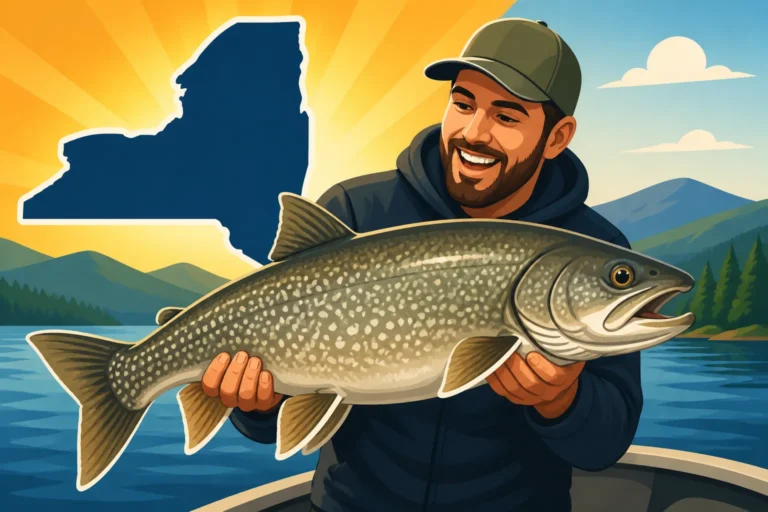
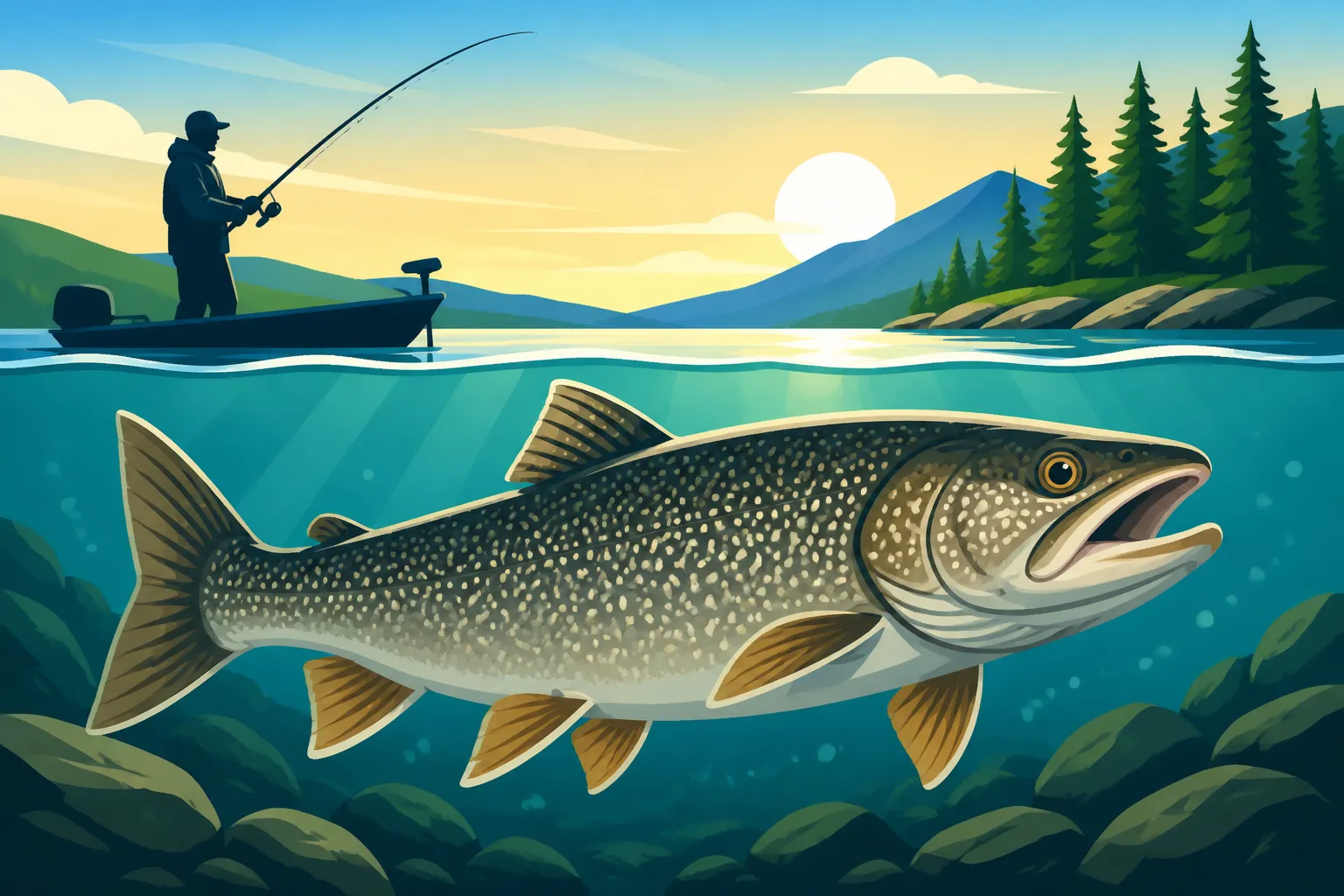
Lake trout ( Salvelinus namaycush ) are part of the char family, distinct from true trout, though they share many similarities. Physically, they are robust fish, typically displaying a mottled, dark gray to olive-green coloration with lighter, often cream-colored spots over their bodies, which helps them blend perfectly with rocky, deepwater structures. Their tails are noticeably deeply forked, a characteristic that sets them apart from brown or rainbow trout. Lakers also possess a large mouth with formidable teeth, indicating their predatory nature.
When we talk about size, lake trout in New York can range from modest "football" lakers of a few pounds to true giants weighing in well over twenty pounds. Their growth rate is relatively slow, and they are long-lived fish, with some individuals in pristine waters reaching impressive ages. This slow growth is why conservation and careful handling are so crucial. Imagine the stories a 20-pound laker could tell if it could speak; it's likely seen decades of New York seasons come and go. Many anglers dream of catching a trophy fish, and lake trout certainly offer that potential. You can even read about the New York State Record Lake Trout Weight to fuel that ambition!
Where Do Lake Trout Live in New York?
Lake trout are obligate coldwater fish, meaning they absolutely depend on cold, well-oxygenated water to survive and thrive. In New York, this largely restricts them to the deepest, clearest, and often largest lakes, particularly those of glacial origin. During the warmer months, when surface waters heat up, lakers retreat to the thermocline and below, often found at depths ranging from 50 to 150 feet, or even deeper in some lakes. They prefer areas with rocky bottoms, submerged humps, ledges, and drop-offs where they can ambush baitfish like alewives, smelt, and sculpins. These deep structures also provide vital refuge from warmer surface temperatures and predators.
Think of it this way: if a lake isn't deep enough to maintain a cold-water sanctuary throughout the summer, you probably won't find native lake trout there. They need that constant cold to keep their metabolism in check. This preference for depth and cold explains why they are often found in very specific parts of New York, which we'll dive into next. It’s not just about temperature; it's also about dissolved oxygen levels, which typically remain higher in colder, deeper water.
Prime Lake Trout Waters Across New York State
New York State is truly blessed with an abundance of diverse fishing opportunities, and for lake trout enthusiasts, there are several premier destinations. These aren't just any lakes; they're deep, cold bastions that have sustained healthy lake trout populations for centuries, offering unique challenges and rewards for anglers willing to put in the effort.
The Finger Lakes: Deep Water Havens
When you mention lake trout in New York, the Finger Lakes almost immediately come to mind, and for good reason. These long, deep, and narrow glacial lakes are absolute jewels. Seneca Lake, for instance, is the deepest of the Finger Lakes and boasts a thriving lake trout fishery. Anglers here often target depths of 60 to 120 feet during summer, trolling with downriggers or lead core line. The sheer size of Seneca means you can spend days exploring different contours and still only scratch the surface. It's not uncommon to hear tales of double-digit lakers being pulled from its depths. New York's Seneca Lake Fishing Guide offers even more specific advice for this incredible body of water.
Cayuga Lake is another fantastic option, offering similar deepwater characteristics and a robust lake trout population. While it's slightly shallower than Seneca, it still provides ample coldwater habitat. Keuka Lake, with its distinctive Y-shape, also holds impressive lakers, though it tends to be a bit clearer, sometimes making the fish even more wary. The key across all these lakes is patience and understanding the thermocline. A good fish finder is practically a necessity to locate both the fish and the bait they're feeding on, saving you countless hours of blindly trolling.
Great Lakes Giants: Erie and Ontario
While the Finger Lakes are fantastic, let's not forget the true giants to our west: Lake Erie and Lake Ontario. These vast inland seas offer entirely different experiences. Lake Ontario, in particular, has seen incredible efforts in lake trout recovery and management. While salmon often steal the spotlight, the lake trout fishery on Ontario is nothing short of spectacular, with fish regularly exceeding 15 to 20 pounds. You might find them closer to shore in cooler months, but come summer, they're often out over the deeper basins, or near structure like the Niagara Bar. Lake Ontario Fishing in New York: Where to Go provides a deeper dive into this incredible fishery.
Lake Erie, while not as renowned for lake trout as Ontario, still holds a significant population, especially in its deeper eastern basin. Many anglers targeting walleye or smallmouth bass might accidentally hook into a respectable laker here, especially around the drop-offs and rocky areas near Buffalo and Dunkirk. These lakes demand different tactics due to their immense size and often turbulent conditions, with heavy-duty gear being a must. Lake Erie Fishing in New York: Where to Go gives more details if you're planning a trip to this western marvel.
Adirondack Lakes: Wilderness Gems
Beyond the larger, more well-known waters, the Adirondack Park is home to numerous smaller, often remote lakes that harbor native and stocked lake trout populations. Lakes like Lake George are famous for their laker fisheries, drawing anglers from all over. The sheer clarity of Lake George's water can make fishing challenging but incredibly rewarding. You'll often find guides on Lake George specifically targeting these deepwater predators. For more information on fishing in this beautiful region, check out our guide on the Best Adirondack Lakes for Fishing.
Further into the wilderness, countless smaller, pristine Adirondack lakes, some only accessible by hike or portage, also contain self-sustaining lake trout populations. These often involve a more adventurous approach, with smaller boats, canoes, or even float tubes. The fish in these waters might not reach the colossal sizes of their Great Lakes cousins, but the solitude and natural beauty make the experience truly unique. Remember to always consult the New York DEC Fishing Regulations Guide for specific rules on individual Adirondack lakes, as regulations can vary significantly from one body of water to another.
Essential Techniques for Catching New York Lake Trout
Catching lake trout isn't like casting for panfish from a dock. It requires specialized techniques and a keen understanding of their deepwater habits. Success often hinges on your ability to present baits or lures effectively at precise depths where these coldwater predators lurk.
Trolling the Depths: The Go-To Method
Without a doubt, trolling is the most common and often most effective method for consistently catching lake trout in New York's larger, deeper lakes. It allows you to cover vast amounts of water and present lures at specific depths for extended periods. The cornerstone of deepwater trolling for lakers is the downrigger. These devices allow you to send a heavy cannonball with your fishing line clipped to it, taking your lure down to a precise depth, usually indicated by a counter. Once a fish strikes, the line releases from the clip, and you fight the fish directly without the weight of the cannonball.
When using downriggers, pay close attention to your electronics. A good fish finder will show you the thermocline, baitfish schools, and even individual lakers. You want your lures running just above, in, or sometimes slightly below the bait schools. Popular downrigger setups include deploying spoons, stickbaits, or even flasher-and-fly combinations. For those without downriggers, lead core line is an excellent alternative. It's a weighted line that sinks at a predictable rate (typically 5-7 feet per color, with each color being 10 yards). By deploying multiple "colors" of lead core, you can achieve significant depths without additional weights on your mainline. How to Downrig for Lake Trout goes into even more detail on this essential technique.
Jigging and Vertical Fishing: When They're Deep and Tight
While trolling is king, vertical jigging can be incredibly productive, especially when you've pinpointed a school of lake trout on your fish finder, or when they're congregated around specific structures like humps or underwater points. This method is particularly effective during colder months or when fish are less scattered. You essentially drop a heavy spoon, tube jig, or a weighted soft plastic bait directly down to the fish.
The key to effective jigging is presenting your lure right in their strike zone and imparting an enticing action. Lift and drop motions, erratic jerks, or even just subtle twitches can trigger a bite. Often, the strike will come on the fall, so pay close attention as your lure descends. When jigging in 80 to 100 feet of water, a good quality braided line is crucial for sensitivity, allowing you to feel even the slightest tap. Combine that with a fluorocarbon leader for stealth, and you've got a potent setup. This method requires a bit more active participation than trolling but can be incredibly rewarding, especially for those who prefer a hands-on approach.
Ice Fishing for Lake Trout: Winter's Reward
Don't let the freezing temperatures deter you; winter offers some fantastic opportunities for catching lake trout through the ice in New York. While most species become lethargic, lakers remain active under the ice, often moving into slightly shallower water than during the summer, though still preferring depths. Common ice fishing techniques for lake trout include jigging heavy spoons or lipless crankbaits, or using tip-ups baited with dead smelt or large shiners.
When ice fishing, safety is paramount. Always check ice thickness, especially on large lakes where currents can create thin spots. Once you're safely on the ice, a portable fish finder (flasher or LCD unit) is invaluable for locating depth, structure, and fish. Drilling multiple holes and moving around until you find active fish is often the key. Remember that Ice Fishing in New York: A Complete Guide is available if you want to dive even deeper into this exciting winter pursuit. The thrill of battling a strong lake trout on a short ice rod, with the vast, frozen landscape around you, is an experience every New York angler should have.
Gear Up: Rods, Reels, Line, and Lures for Lake Trout
Having the right equipment can make all the difference between a frustrating day on the water and a successful lake trout expedition. These fish are strong, often deep, and require tackle that can handle the pressure. Don't skimp on quality; it will pay off in the long run.
Rods and Reels for Deepwater Battles
For trolling with downriggers or lead core, you'll want a medium-heavy to heavy power rod, typically 7 to 9 feet long, with a moderate action. This gives you the backbone needed to fight big fish while still providing enough flex to absorb powerful runs. Fiberglass or composite rods are often preferred for their durability and parabolic bend, which helps keep fish hooked. Pair this with a conventional reel, often a lever drag or star drag model, capable of holding a substantial amount of line – think 200-300 yards of 20-30 pound test. These reels need robust drag systems to handle the powerful surges of a large laker.
When jigging, a shorter, more sensitive rod is ideal. A 6'6" to 7' medium-heavy spinning or casting rod with a fast action will give you the sensitivity to detect subtle bites and the power to set the hook. A good quality spinning reel in the 3000-4000 series, spooled with braided line, is a popular choice for jigging. For ice fishing, specialized medium-heavy ice rods, usually 28-40 inches long, are designed to handle the fight in a confined space. You can often find a fantastic selection of these specific rod and reel combos for various techniques on Amazon.
Line Choices and Terminal Tackle
Your mainline is critical. For trolling, many anglers opt for monofilament in 20-30 pound test due to its stretch, which can act as a shock absorber. However, lead core line, with its distinct colors, is another popular choice for reaching depth. For jigging, braided line in 15-30 pound test is often favored for its incredible sensitivity and lack of stretch, which allows for better hook sets in deep water. Always remember to use a fluorocarbon leader (10-20 pound test, 6-10 feet long) with braided line to provide invisibility underwater and abrasion resistance against sharp rocks or the fish's teeth.
Terminal tackle includes heavy-duty swivels, snap swivels, and split rings. Lake trout can put a lot of torque on your connections, so flimsy hardware will quickly lead to lost fish. Consider using ball-bearing swivels to prevent line twist, especially when trolling rotating lures. For hooks, make sure they are sharp and strong. You might even consider upgrading the treble hooks on some of your lures for added strength.
Lure Selection: What Lake Trout Can't Resist
Lake trout are primarily piscivorous, meaning they eat other fish, so your lure choices should mimic their natural prey like alewives, smelt, and sculpins.
- Spoons: These are arguably the most versatile and effective lake trout lures. Brands like Luhr-Jensen, Doctor, and Dreamweaver make excellent trolling spoons. Experiment with sizes (3-6 inches) and colors. Silver, blue/silver, chartreuse, white, and even watermelon patterns are often productive. For jigging, heavier jigging spoons in similar colors, often with a glow feature for deep, dark water, work wonders.
- Stickbaits/Plugs: Trolling deep-diving stickbaits or large jerkbaits can also be very effective. Look for baits that dive to considerable depths or can be fished effectively with downriggers. Jointed models can offer an enticing, natural swimming action.
- Tube Jigs and Soft Plastics: For vertical jigging, large tube jigs (3-6 inches) in white, black, or natural baitfish colors are excellent. Rig them with heavy jig heads (1/2 oz to 1 oz or more, depending on depth and current). Large paddle-tail swimbaits on heavy jig heads can also entice strikes, especially when fish are suspended.
- Flasher/Fly Combinations: Particularly on the Great Lakes, this combination is deadly. A large flasher or dodger creates attraction and draws fish in, while a short leader with a small fly (often mimicking smelt or alewives) provides the actual bait presentation. These are almost exclusively used with downriggers.
Always consider the water clarity and available forage when choosing colors. In clear water, natural baitfish patterns often excel. In stained water or low light conditions, brighter, more iridescent colors might stand out better. Finding the right lure often involves trial and error, so bring a variety of options. You can easily stock up on a diverse range of these proven lures through retailers like Amazon.
New York Lake Trout Regulations and Conservation
As responsible anglers, understanding and adhering to New York's fishing regulations is not just about avoiding penalties; it's about contributing to the health and sustainability of our precious lake trout fisheries for generations to come. The New York State Department of Environmental Conservation (DEC) works tirelessly to manage these resources, and our cooperation is vital.
Understanding Catch Limits and Seasons
New York's fishing regulations are designed to protect fish populations while providing reasonable angling opportunities. For lake trout, specific rules often vary significantly depending on the body of water. For example, a large, well-managed lake like Seneca or Lake Ontario might have a different daily creel limit or minimum size requirement than a small, remote Adirondack pond. These regulations can also change season to season, based on population assessments and stocking efforts.
It's absolutely crucial that before you head out, you consult the current New York Fishing Regulations Explained guide, specifically looking up the section for the particular lake or waterway you plan to fish. You can usually find the official DEC guide online or pick up a physical copy wherever fishing licenses are sold. Pay close attention to the daily bag limit (how many fish you can keep), the minimum size limit (how long a fish must be to keep), and any closed seasons or special regulations unique to that body of water. Failure to do so can result in fines and other penalties, which no one wants after a great day of fishing.
Practicing Catch and Release for Future Generations
Lake trout are slow-growing and long-lived, making them particularly vulnerable to overfishing. This is why practicing responsible catch and release, especially for larger, older fish, is so important. While keeping a fish for the table is certainly a part of fishing, being selective and releasing some of your catch helps ensure these magnificent fish continue to thrive.
When you do practice catch and release, handle the fish as gently and quickly as possible. Keep the fish in the water as much as you can. If you need to bring it aboard for a quick photo, wet your hands thoroughly before touching it to protect its protective slime coat. Use a dehooking tool to remove hooks cleanly, and avoid excessive handling or squeezing. If the fish is bleeding or looks stressed, consider keeping it if regulations allow, rather than releasing a fish that might not survive. For general information on catch limits and rules, remember to check our New York Fishing Season Dates and Catch Limits guide.
Protecting Their Future: Conservation Efforts
The thriving lake trout populations we enjoy today are a testament to decades of dedicated conservation efforts. The DEC actively manages these fisheries through a combination of stocking programs, habitat protection, and research. Stocking involves releasing hatchery-raised lake trout into suitable waters to supplement natural reproduction or re-establish populations. This is particularly important in lakes where natural spawning might be limited or where populations have been historically impacted.
Beyond stocking, protecting the water quality and habitat of these deep, cold lakes is paramount. Lake trout are indicators of healthy ecosystems, as their dependence on pristine, cold, oxygenated water means they are sensitive to pollution and habitat degradation. Supporting conservation organizations and adhering to all environmental regulations are ways every angler can contribute to ensuring New York remains a world-class destination for lake trout fishing. Your fishing license fees directly support many of these vital efforts.
Lake Trout Species Comparison
To help distinguish lake trout from some of the other fantastic fish you might encounter in New York's diverse waters, here's a quick comparison.
| Feature | Lake Trout | Brown Trout | Rainbow Trout (Steelhead) | Landlocked Salmon |
|---|---|---|---|---|
| Scientific Name | Salvelinus namaycush | Salmo trutta | Oncorhynchus mykiss | Salmo salar (landlocked strain) |
| Family | Char (Salmonidae) | Trout (Salmonidae) | Trout (Salmonidae) | Salmon (Salmonidae) |
| Preferred Habitat | Deep, cold, oxygenated lakes | Rivers, streams, cool lakes, prefers structure | Rivers, streams, lakes, often migratory (Great Lakes) | Cool, deep lakes, clear rivers |
| Coloration | Dark gray/olive with cream spots, mottled | Brown/gold with dark & reddish spots, often halo | Silver with pink band, small black spots | Silver, sparse black spots, forked tail |
| Tail Shape | Deeply forked | Square or slightly forked | Slightly forked to square | Forked |
| Teeth | Large, prominent | Moderate, prominent | Moderate | Moderate, prominent |
| Max Size (NY) | Can exceed 30 lbs | Up to 20 lbs (rarely larger) | Up to 25 lbs (steelhead) | Up to 15 lbs |
| Typical Diet | Smelt, alewives, sculpins, other fish | Insects, crustaceans, small fish | Insects, crustaceans, small fish | Smelt, alewives, insects |
| Fishing Method | Trolling deep, jigging deep, ice fishing | Fly fishing, spin fishing, bait | Fly fishing, drift fishing, trolling | Trolling, fly fishing, jigging |
Remember, this is just a quick guide. Always consult detailed identification resources if you're unsure of your catch, and verify all regulations for your specific fishing location. For a broader overview of the species available, check out Fish Species You Can Catch in New York.
Disclaimer
This article is for general informational purposes only and does not constitute professional advice. Laws, prices and regulations vary by location and change over time. Consult a qualified professional for guidance on your specific situation.