Invasive Fish Species in New York Waters
One of the silent threats lurking beneath the surface of New York's beautiful lakes and rivers is the insidious spread of invasive fish species. These unwelcome guests can wreak havoc on our delicate native ecosystems, outcompeting local fish, introducing diseases, and fundamentally changing the fishing experience we cherish. This guide will walk you through what these invaders are, the significant impact they have, and most importantly, what every angler can do to protect our precious New York waters.
Understanding Invasive Species and Their Threat
It's easy to dismiss a new fish showing up in your favorite fishing hole as just part of nature, but the reality is often far more complex and concerning. When a species is introduced to an environment where it doesn't naturally belong, it can quickly become a major problem, throwing the entire system out of whack.
What Makes a Species Invasive?
An invasive species isn't just any non-native organism; it's a non-native species that causes, or is likely to cause, harm to the economy, environment, or human health. For fish, this often means they reproduce rapidly, grow quickly, have few natural predators in their new habitat, and can outcompete native species for food and space. They are ecological bullies, aggressively taking over resources that our native fish rely on for survival. Think of it like inviting a new friend to dinner, only for them to eat all the food, break the furniture, and then never leave. That's essentially what an invasive species does to an ecosystem. They upset the balance that has taken centuries to establish, leading to a cascade of negative effects throughout the food web.
Why Should Anglers Care?
As anglers, we have a deep connection to the health of our waterways. Invasive fish species directly impact our fishing opportunities, often leading to declines in popular game fish populations. Imagine going to your favorite lake expecting to catch smallmouth bass, only to find their numbers drastically reduced because a new invasive species has eaten all their food, or worse, their eggs. New York Fishing Regulations Explained are often designed to protect native fish populations, but invasive species present challenges that traditional regulations alone cannot always address. Beyond the direct hit to recreational fishing, there's the broader environmental cost. The introduction of invasives can degrade water quality, destroy aquatic vegetation vital for other wildlife, and even alter the physical structure of habitats. If we don't actively work to prevent their spread, the future of fishing in New York could look very different, and not in a good way.
Key Invasive Fish Species in New York Waters
New York State, with its diverse waterways from the Great Lakes to countless rivers and ponds, is unfortunately susceptible to a variety of invasive fish species. Knowing who these culprits are is the first step in combating their spread and protecting our native fisheries.
Round Goby
Perhaps one of the most talked-about invasive fish in recent years, the round goby is a small, bottom-dwelling fish that has caused significant disruption, particularly in the Great Lakes system and its tributaries. Originally from the Black and Caspian Seas, these aggressive fish arrived via ballast water from transoceanic ships. They have a distinctive large head, prominent eyes, and a single pelvic fin fused into a suction cup, which helps them cling to rocks. Round gobies are voracious eaters, preying on the eggs and fry of native fish like smallmouth bass and lake trout. This directly impacts the recruitment of our prized game fish. They also compete fiercely with native species like darters and sculpins for food and habitat. Anglers targeting smallmouth bass, especially in Lake Ontario and Lake Erie, will often encounter these fish stealing bait. The presence of these small but mighty invaders has prompted questions like Are Round Gobies a Problem in Lake Ontario?, and the answer is a resounding yes.
Alewife
Alewives are a fascinating and complicated invasive species in New York. While they are native to the Atlantic Ocean, they became established in the Great Lakes system after bypassing natural barriers. In a marine environment, alewives are an important forage fish, but in freshwater, they can be problematic. They often reproduce in massive numbers, creating huge populations that can dominate the food web. Their sheer abundance can outcompete native forage fish like emerald shiners and young yellow perch, disrupting the natural balance. What's more, alewives contain an enzyme called thiaminase, which breaks down thiamine (Vitamin B1) in the fish that prey on them. When predatory fish like salmon and trout consume large quantities of alewives, they can develop thiamine deficiency, leading to reproductive issues and mortality, especially in their offspring. This has necessitated extensive stocking programs and specific management strategies for species like Chinook Salmon in New York to counteract the nutritional deficiencies caused by an alewife-heavy diet.
Common Carp
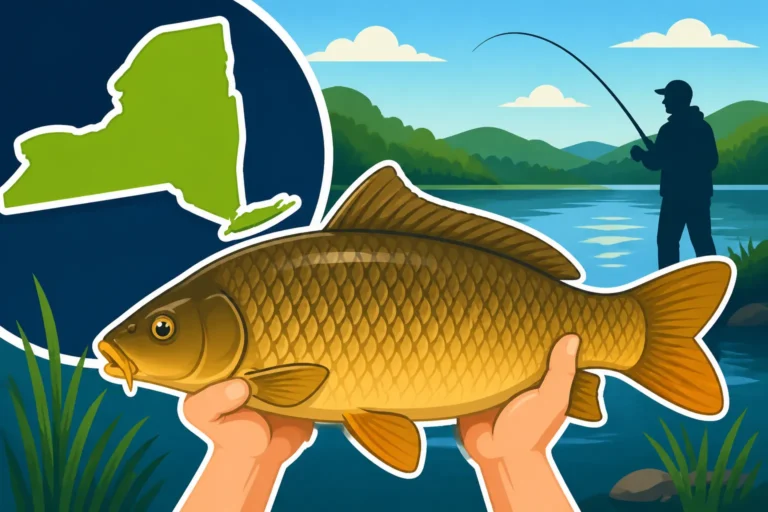
While the common carp has been present in North American waters for over a century, brought over from Europe as a food fish, it remains a significant invasive species in many New York waters. These large, robust fish are bottom-feeders, constantly stirring up sediment as they forage for insects, crustaceans, and plant matter. This activity can drastically increase water turbidity, making it difficult for native sight-feeding fish to find food and for aquatic plants to photosynthesize. The cloudy water can also smother fish eggs and reduce the overall health of the aquatic ecosystem. Carp are incredibly adaptable and can thrive in a wide range of water conditions, including degraded habitats where native species struggle. Their large size and powerful nature also mean they can displace native species from preferred feeding areas. While some anglers enjoy targeting carp for their fighting prowess, their ecological impact is undeniable, especially in smaller lakes and slower-moving rivers.
The Impact of Invasive Fish on New York's Ecosystems and Fishing
The presence of invasive fish isn't just an inconvenience; it's a profound challenge to the ecological integrity of our aquatic environments and a direct threat to the sport we love. The ripple effects extend far beyond just one species, influencing everything from water quality to the diversity of life beneath the surface.
Competition with Native Fish
One of the most immediate and damaging impacts of invasive fish is their tendency to outcompete native species. Imagine a limited amount of food and space in a lake. When a new, aggressive species enters the fray, they often have an unfair advantage. Round gobies, for instance, are known to aggressively defend spawning sites and consume the eggs and fry of native fish, directly reducing the reproductive success of species like smallmouth bass. This fierce competition for resources means less food for our beloved New York's Most Popular Freshwater Fish, such as trout, salmon, and bass, ultimately leading to slower growth rates, reduced population sizes, and even localized extinctions of native species. It’s not just about food, either; they compete for prime habitat, shelter, and even oxygen, especially in stressed environments. This constant struggle weakens native populations, making them more vulnerable to other environmental stressors.
Habitat Alteration and Disease Spread
Invasive fish can dramatically alter the physical and biological characteristics of a waterway. Common carp, with their constant rooting and grubbing in the substrate, can muddy waters, uproot critical aquatic vegetation, and release nutrients that fuel harmful algal blooms. This habitat degradation makes it harder for sight-feeding fish to hunt and reduces the cover essential for juvenile fish to hide from predators. Furthermore, invasive species can introduce new diseases and parasites to naive native populations. Native fish often lack the natural immunity to these novel pathogens, leading to widespread sickness and mortality. Are Sea Lamprey a Threat to New York's Salmon?, for example, highlights another devastating impact of an invasive (or naturalized parasitic jawless fish) species; while not a "fish" in the conventional sense, their parasitic nature weakens and kills host fish, leading to significant declines in populations of Chinook salmon, coho salmon, and lake trout. The combination of resource competition, habitat degradation, and disease transmission creates a multi-faceted assault on New York's aquatic ecosystems that can be incredibly difficult to reverse.
What Anglers Can Do to Prevent the Spread
While the situation with invasive species can feel overwhelming, every angler plays a critical role in preventing their further spread. Our actions on the water, both big and small, can make a huge difference in protecting New York's native fish and ecosystems. It's truly a collective effort.
Clean, Drain, Dry Your Gear
This mantra is the single most important thing you can do to stop the spread of aquatic invasive species, whether it's fish, plants, or microscopic organisms. Before you leave any launch or body of water, take the time to inspect all your equipment thoroughly.
- Clean: Remove all visible mud, plants, fish, and other organisms from your boat, trailer, waders, boots, fishing rods, and nets. Pay special attention to crevices, livewells, and bait buckets. Even a tiny fragment of a plant or a juvenile invasive fish can establish a new population elsewhere. A stiff brush, readily available on platforms like Amazon, can be incredibly helpful for scrubbing stubborn bits off your boat hull or trailer.
- Drain: Completely drain all water from your boat, including the bilge, livewells, and bait buckets. Empty any water from your motor. Even a small amount of water can harbor microscopic invaders or fish larvae that can survive a trip to the next waterway.
- Dry: Allow all your fishing and boating equipment to dry completely for at least five days before using it in another body of water. If you can't allow for a full five-day dry time, especially for waders or fishing nets, consider a high-pressure wash or a dip in a hot water solution (at least 140°F) to kill any hitchhikers. This step is particularly vital for preventing the transfer of hard-to-see threats.
This three-step process is crucial every single time you move between different lakes or rivers. It's not just a suggestion; it's a vital part of being a responsible steward of our waterways. Rules on Using Live Bait in New York are also important to follow closely, as improper use or disposal of bait can inadvertently introduce new species.
Report Sightings and Follow Regulations
Beyond diligent cleaning, being an informed and observant angler is key. If you suspect you've caught an invasive fish species that you don't recognize, or if you see an unusual plant or organism in the water, don't hesitate to report it.
- Identify: Familiarize yourself with common invasive species in your area using resources from the New York State Department of Environmental Conservation (DEC) or local Cornell Cooperative Extension offices. The New York DEC Fishing Regulations Guide is a fantastic resource, not just for limits and seasons, but often for identifying potential threats.
- Report: Take photos, note the location (GPS coordinates if possible), and report your sighting to the DEC or a local invasive species management group. These reports are crucial for early detection and rapid response efforts, which are the most effective ways to contain new invasions.
- Dispose Responsibly: Never release unwanted aquarium fish, baitfish, or live organisms into a body of water unless they originated from that same waterbody. This is a common, yet often unwitting, pathway for invasive species introduction. If you catch an invasive fish, understand the specific regulations for its disposal. Many invasive fish, like round gobies, should not be returned to the water, but rather ethically euthanized and properly disposed of on land, not thrown back in or left on the shore. Always check if a particular species is on the list of Fish That Are Illegal to Keep in New York or has specific handling requirements. Items like specialized nets or even a bucket for proper disposal can be found on Amazon to make this process easier and more environmentally sound.
By embracing these practices, we can all contribute to preserving the diverse and vibrant fishing opportunities that make New York State such a special place for anglers.
Invasive Fish Species Snapshot
Here's a quick look at some key invasive fish you might encounter in New York and their main impacts:
| Species | Primary Entry Methods | Key Impacts on Native Ecosystems and Fishing | Common Locations in New York |
|---|---|---|---|
| Round Goby | Ballast water from ships, bait bucket releases | Competition: Outcompetes native bottom-dwellers for food/habitat. Predation: Eats eggs and fry of valuable game fish (bass, trout). Bait Theft: Known to steal bait from anglers targeting other species. Can pass on botulism to fish-eating birds. | Great Lakes (Erie, Ontario) and their connecting waterways and tributaries (e.g., Niagara River, St. Lawrence River). Spreading into some inland lakes and rivers. |
| Alewife | Canals, natural dispersal, stocking | Competition: Outcompetes native forage fish (e.g., emerald shiners, perch) for food. Thiaminase: Contains an enzyme that can cause thiamine deficiency in predatory fish (salmon, trout) that consume them in large quantities, leading to reproductive failure and mortality. Can cause massive die-offs in summer, fouling beaches. | Great Lakes, Finger Lakes, Lake Champlain, Hudson River. |
| Common Carp | Intentional stocking, accidental release | Habitat Degradation: Bottom-feeding stirs up sediment, increasing water turbidity, which smothers fish eggs and reduces light for aquatic plants. Competition: Outcompetes native fish for food and habitat. Can uproot aquatic vegetation vital for other species. | Widespread in slow-moving rivers, canals (e.g., Erie Canal), and shallow, nutrient-rich lakes throughout the state. |
| Northern Snakehead | Illegal release from aquariums/food fish trade | Apex Predator: Highly aggressive, voracious predator of other fish, amphibians, and crustaceans. Can decimate local fish populations. Adaptability: Can survive out of water for short periods and "walk" to new waterbodies, making containment extremely difficult. Rapid Reproduction: Reproduces quickly and protects its young. | Primarily found in the lower Hudson River basin (e.g., NYC area ponds, Harlem River) and some other isolated reports. Efforts are ongoing to prevent wider spread. Consult DEC for latest sightings. |
Disclaimer
This article is for general informational purposes only and does not constitute professional advice. Laws, prices and regulations vary by location and change over time. Consult a qualified professional for guidance on your specific situation.