What a Longnose Gar Is
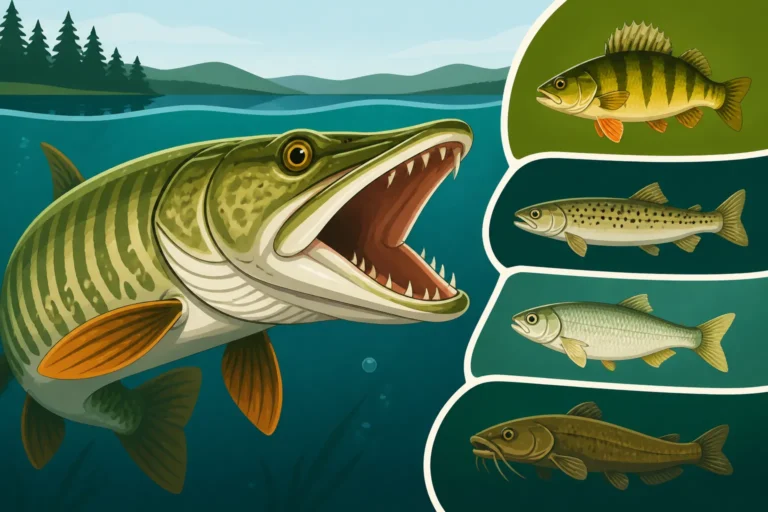
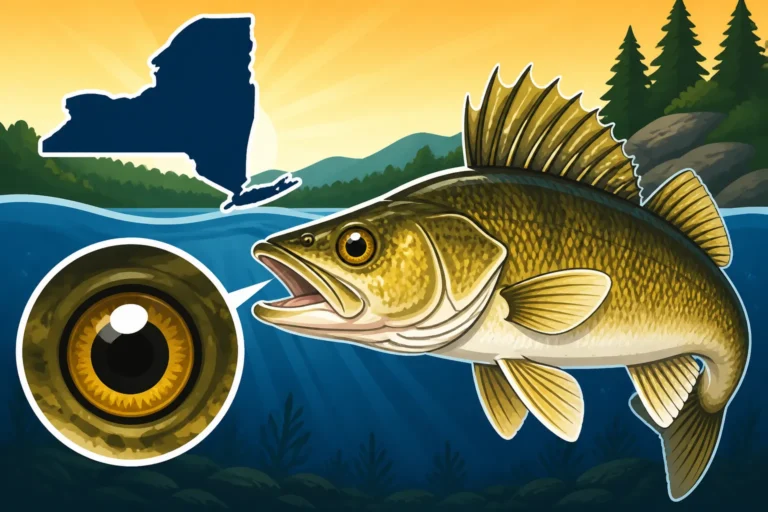
It’s a pretty common scenario: you’re out on the water, perhaps reeling in what you think might be a bass or a pike, and suddenly you pull up something completely different. It’s long, slender, has a distinctive snout full of sharp teeth, and those scales? They look like armor. You might scratch your head and wonder, "What on earth did I just catch?" Chances are, especially if you're fishing in New York, you've encountered a longnose gar. This guide is here to shed some light on this fascinating, ancient fish, breaking down exactly what a longnose gar is, where you can find them in New York, and what makes them such a unique part of our aquatic ecosystems.
What Exactly Is a Longnose Gar?
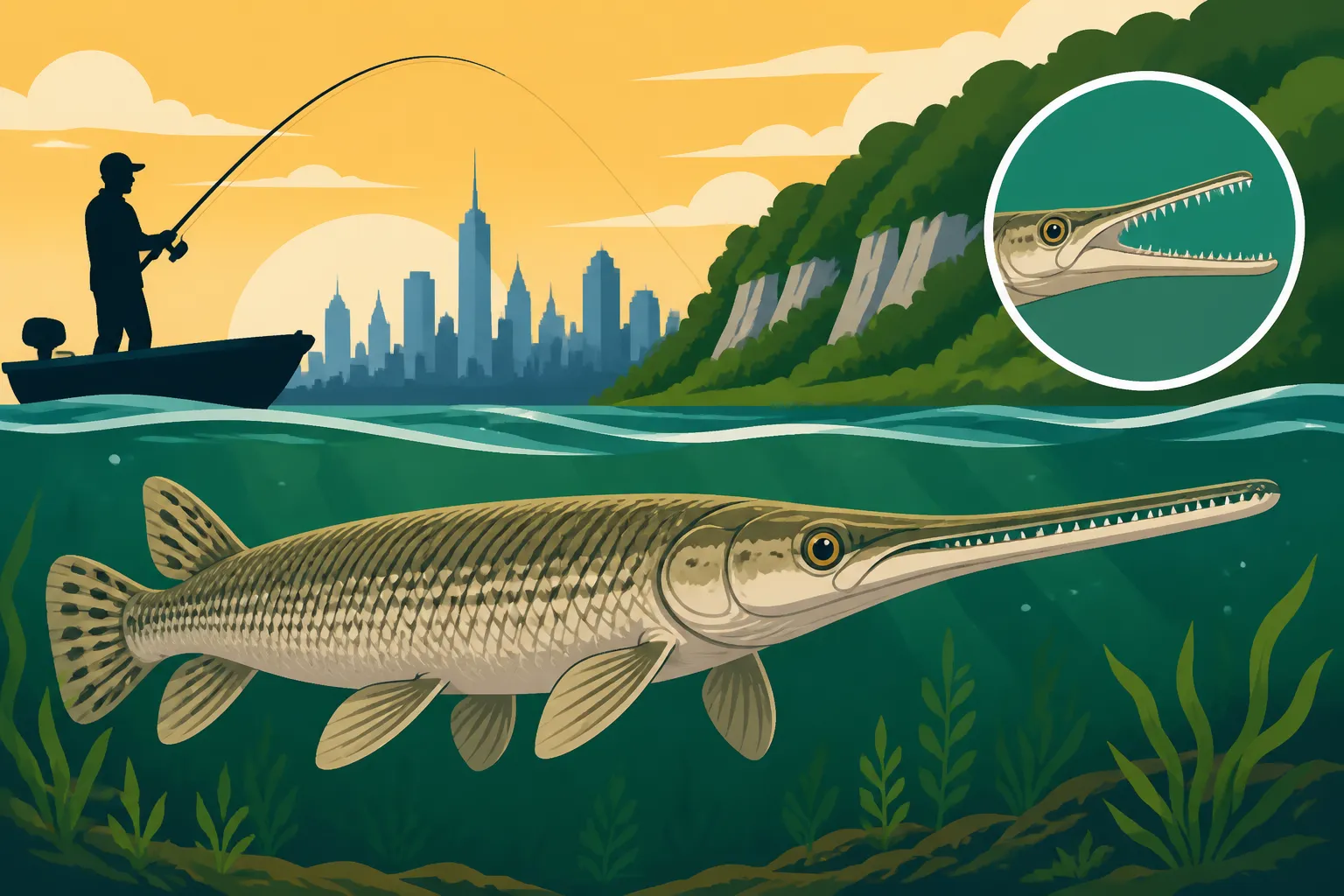
The longnose gar (scientific name: Lepisosteus osseus) is one of New York's most distinctive freshwater fish, instantly recognizable by its elongated, cylindrical body and, of course, that incredibly long, narrow snout. They're often misunderstood, sometimes labeled as "trash fish," but they are truly remarkable creatures with a deep history. If you've never seen one up close, the first encounter can be quite surprising, almost like something out of a prehistoric era.
Distinguishing Features of Longnose Gar
When you see a longnose gar, there's little doubt about what it is, thanks to several key features. The most prominent is their namesake snout, which is twice as long as the rest of their head, adorned with a formidable array of needle-sharp teeth. This isn't just for show; it's a highly effective tool for ambushing and snatching prey. Their bodies are typically olive-brown or green on top, fading to a lighter belly, and they often have dark spots along their sides and fins. But perhaps the most incredible feature, one that truly sets them apart, is their ganoid scales. These are not your typical fish scales. Instead, they are hard, diamond-shaped, and interlocking, forming a tough, almost impenetrable armor plating that makes them incredibly resilient to predators and rough environments. It's like wearing chain mail all the time! This unique armor makes them very difficult to clean, which is one reason why many anglers shy away from keeping them.
Their body shape is also characteristic – a long, torpedo-like form that allows them to move quickly through the water, especially during a strike. They have dorsal and anal fins positioned far back on their bodies, close to their tail, which helps them execute sudden bursts of speed and precise maneuvers when hunting. Understanding these features is key when trying to identify fish species in New York, especially if you're not used to seeing such a unique creature.
The Gar's Ancient Lineage
One of the most captivating aspects of the longnose gar is its ancient lineage. These fish are often referred to as "living fossils" because their physical characteristics and biological traits have remained largely unchanged for millions of years. Their ancestors swam alongside dinosaurs, and if you look at their armored bodies and primitive-looking jaws, it's easy to see why. They belong to a family of fish that has survived countless environmental shifts, mass extinctions, and the rise and fall of innumerable species.
This ancient heritage isn't just a cool fact; it speaks volumes about their resilience and adaptability. They possess a primitive swim bladder that can function as a lung, allowing them to gulp air from the surface, especially in oxygen-depleted waters. This adaptation is a remnant from a time when many aquatic environments were far less oxygenated, and it gives them a significant advantage in warm, stagnant, or low-oxygen conditions where other fish might struggle to survive. Their incredible evolutionary success story makes them a truly special part of New York's aquatic biodiversity.
Habitat and Range
Longnose gar are highly adaptable fish, thriving in a variety of freshwater and brackish environments. In New York, you'll typically find them in slow-moving rivers, large lakes, quiet backwaters, and even some estuaries where freshwater meets saltwater. They particularly favor areas with dense aquatic vegetation, submerged logs, and other cover, which they use to ambush unsuspecting prey. Imagine them lying perfectly still, blending in with a tangled patch of weeds, just waiting for a smaller fish to swim by – that's classic gar behavior.
Their range extends throughout much of eastern North America, from the Great Lakes basin south to Florida and west into parts of Texas and Mexico. So, while they might seem exotic, they are very much a native New York species. They are less common in fast-flowing, cold-water streams often favored by trout, preferring the warmer, more sedate environments where their ambush tactics can truly shine. Understanding these preferences can help you predict where you might encounter them, whether you're actively targeting them or just casting a line for New York's Most Popular Freshwater Fish.
Longnose Gar in New York's Waters
Longnose gar are a natural and important part of New York’s aquatic ecosystems, even if they sometimes go unnoticed by the casual angler. Their presence speaks to the health and diversity of our waterways, and learning more about them helps us appreciate the full spectrum of fish species you can catch in New York.
Where to Find Longnose Gar in New York
If you're looking to specifically target longnose gar, or just curious about where they might pop up, several areas in New York are known for them. The major drainages connecting to the Great Lakes, such as the Niagara River, Lake Erie, and Lake Ontario, often hold good populations. They can also be found in the expansive waters of the Finger Lakes and along the mighty Hudson River. Smaller, shallower bays and marshy areas connected to these larger bodies of water are prime gar territory. Think of places where the water slows down, warms up, and offers plenty of cover – that's where the gar will be patiently lurking.
For instance, you might find them in the quiet coves of Oneida Lake, or the slower stretches of the Genesee River, particularly downstream from Rochester. Areas of the St. Lawrence River, especially around the Thousand Islands, are also known to host these fascinating fish. While they might not be as widely distributed as, say, panfish or bass, if you spend enough time in the right kind of habitat, you'll likely cross paths with a longnose gar. You might even find them in surprising urban areas if the water quality and habitat are suitable; they're quite resilient!
The Gar's Role in the Ecosystem
Despite sometimes being labeled as "nuisance" or "trash" fish by some anglers due to their bony nature and unique appearance, longnose gar play a crucial role as apex predators in their ecosystems. They primarily feed on smaller fish, acting as a natural control on populations of forage fish and even slower-moving or diseased individuals, which helps maintain the overall health and balance of the fish community. They aren't typically considered an invasive fish species in New York waters; they are native and have been here for a very long time, evolving alongside other species.
Their predatory habits also mean they compete with other fish species like pike and larger bass for food, but this competition is a natural part of a healthy food web. They help to keep the ecosystem in check, ensuring that no single species overpopulates and that the strongest, most resilient fish thrive. Far from being a problem, they are an integral component of the rich biodiversity found in many of New York's freshwater habitats.
Spawning Habits and Life Cycle
Longnose gar typically spawn in late spring or early summer, usually when water temperatures reach the upper 60s Fahrenheit. They move into shallow, vegetated areas of lakes, rivers, or backwaters to lay their sticky, green eggs on submerged plants, logs, or rocky bottoms. Unlike many fish, gar eggs are highly toxic to most other fish and mammals, which gives them a natural defense against predation. This unique adaptation helps ensure the survival of their offspring during a vulnerable stage.
Once hatched, the larval gar attach themselves to vegetation using an adhesive organ on their snout, where they remain until their yolk sac is absorbed. They grow relatively slowly initially, reaching sexual maturity around three to five years of age. Longnose gar can live for a surprisingly long time, with some individuals reaching 15 to 20 years or even more in ideal conditions. Their slow growth and long lifespan are characteristic of many ancient fish species, contributing to their robustness and ability to persist in diverse environments.
Fishing for Longnose Gar in New York
Fishing for longnose gar can be an incredibly unique and exciting experience. It's not your typical bass or trout fishing, and it often requires a different approach, but the challenge and the thrill of landing one of these prehistoric fighters are immensely rewarding.
Targeting and Techniques
Targeting longnose gar means adjusting your expectations and your tackle. Because of their hard, bony mouths and toothy snouts, traditional hook sets can be incredibly difficult. Many anglers find success using methods that allow the gar to fully engulf the bait or using specialized lures. A popular technique involves using frayed nylon rope or twine, tied into a "lure" without a hook. The gar's teeth get tangled in the fibers, allowing you to reel them in. You can find pre-made gar getters or the necessary materials to tie your own on Amazon, making it easy to experiment with this fun technique.
When it comes to bait, live baitfish like minnows or shiners are often effective, fished under a bobber or slowly retrieved. Gar are ambush predators, so presenting your bait naturally in areas with cover where they might be lurking is key. Heavy monofilament or fluorocarbon leaders are essential to prevent their sharp teeth from cutting your line. You'll want a medium-heavy rod with a good backbone and a reel capable of handling powerful runs, as these fish can put up a surprisingly strong fight. Remember to check local regulations on Rules on Using Live Bait in New York and How Many Fishing Rods Can I Use at Once? before you head out.
Handling and Releasing Gar
Successfully landing a longnose gar is just the first step; handling them safely requires a bit of caution. Those teeth are no joke! It's highly recommended to use a good pair of long-nosed pliers or a fish gripper to handle them, avoiding direct contact with their mouths. Their armored scales can also be surprisingly abrasive, so handling gloves are a good idea. Many anglers choose to fish for gar simply for the sport and practice catch-and-release. If you plan to release a gar, do so quickly and carefully, minimizing its time out of the water. Avoid gripping them by the eye sockets or gill plates, as this can cause serious injury. A firm grip behind the head and at the base of the tail usually provides good control.
If you're using a rope lure, gently untangle their teeth from the fibers. If you've managed to hook one, a large net can help bring them into the boat, and then a quick snip of the line if the hook is deeply set might be the best option to ensure their survival. Always prioritize the fish's well-being for a successful release.
Are Longnose Gar Good to Eat?
This is a common question, and the answer is a bit nuanced. Yes, longnose gar are edible, and some people consider them quite delicious, often comparing the taste to chicken or alligator. However, preparing them is where the challenge lies. Their incredibly tough, bony, and armored scales make filleting a traditional gar almost impossible without specialized tools like tin snips or heavy-duty shears. This difficulty is a major reason why they aren't considered one of the Best-Tasting Fish Species From New York Waters for the average angler.
Another crucial point: gar roe (eggs) are highly toxic and should never be consumed. This is a critical safety warning to remember if you ever decide to keep a gar for the table. The flesh itself, typically taken from the backstrap, is white and firm. If you're adventurous and skilled enough to clean one, you might find a culinary surprise. But for many, the effort involved usually outweighs the reward, leading most anglers to release them.
Common Misconceptions and Interesting Facts about Longnose Gar
Longnose gar are truly fascinating fish, but like many unique creatures, they're often surrounded by myths or simply misunderstood. Let's clear up some of those misconceptions and highlight a few more intriguing facts about them.
The "Trash Fish" Myth
One of the most persistent misconceptions about longnose gar is that they are "trash fish." This label often comes from anglers who find them difficult to catch with traditional methods, hard to clean, or simply don't appreciate their unique appearance. Some also mistakenly believe they decimate game fish populations. However, as we discussed, longnose gar are native predators that play a vital role in keeping aquatic ecosystems healthy and balanced. They primarily prey on abundant forage fish and often target weaker or slower individuals, which helps maintain the overall vigor of the fish population.
Calling any native species a "trash fish" reflects a human-centric view rather than an ecological understanding. Every species has its place in the natural order, and gar are no exception. They are a testament to evolutionary success, thriving for millennia, and their presence indicates a diverse and robust environment. Embracing the diversity of fish in New York means appreciating species like the gar, not dismissing them.
Unique Adaptations
Beyond their ancient lineage and armored scales, longnose gar possess several other incredible adaptations that help them survive and thrive. Their ability to breathe air using a vascularized swim bladder is probably the most remarkable. This allows them to survive in waters with low oxygen levels that would be fatal to most other fish. You might occasionally see a gar come to the surface and gulp air, especially on hot summer days in still waters.
They also have excellent eyesight and a keen sense of smell, aiding them in locating prey. Their slender bodies and dorsal and anal fins positioned far back allow for incredible bursts of speed and agility when striking. This combination of armor, air-breathing capability, and predatory efficiency makes them one of the most resilient and uniquely adapted fish in New York's waters. When considering topics like How Weather Affects Fishing in New York, remember that gar's unique physiology makes them less affected by low oxygen conditions that might bother other species after a hot spell.
Conservation Status
Unlike some highly sought-after game fish, longnose gar are generally not considered endangered or threatened in New York or across most of their range. Their populations are stable, and they are quite adaptable, able to inhabit various freshwater and brackish environments. While there aren't specific fishing regulations as stringent as, say, New York Statewide Trout Daily Limit Explained or rules for Fish That Are Illegal to Keep in New York, general fishing licenses and practices still apply.
Their hardiness and ability to tolerate a range of conditions, including lower oxygen levels, contribute to their stable status. However, like all aquatic species, they benefit from healthy habitats and clean water. Conservation efforts that protect and restore freshwater ecosystems inherently benefit longnose gar, ensuring they continue to be a fascinating and vital part of New York's fishing landscape for generations to come.
Disclaimer
This article is for general informational purposes only and does not constitute professional advice. Laws, prices and regulations vary by location and change over time. Consult a qualified professional for guidance on your specific situation.