New York Fishing Seasons Explained
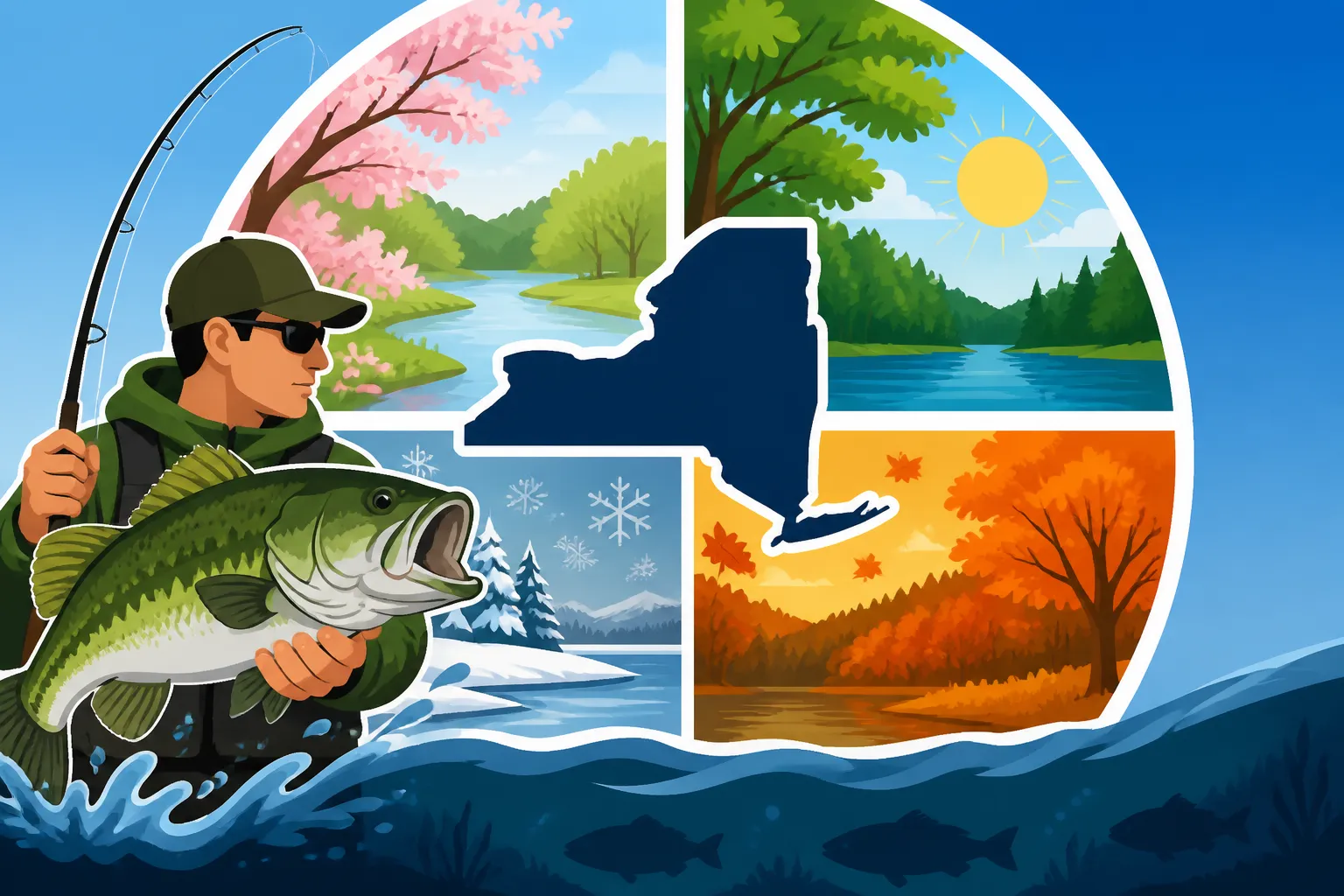
Have you ever stared blankly at your fishing calendar, wondering if it's even legal to cast a line for your favorite species, or if you're completely missing the peak action? It’s a common frustration for anglers across the Empire State, where the sheer diversity of fish and water bodies means the rules and prime times change constantly. This comprehensive guide is here to untangle the complexities of New York fishing seasons, helping you understand when and where to pursue your angling passion throughout the year.
Understanding New York's Diverse Fishing Landscape
New York isn't just one type of fishing destination; it's a mosaic of freshwater lakes, rivers, and streams, alongside extensive saltwater coastlines and estuaries. This incredible diversity is what makes New York such an angler's paradise, but it also means that "fishing season" isn't a one-size-fits-all concept. What might be legal and productive in Lake Erie in August could be entirely out of season or even ice-bound in a Catskills trout stream.
Freshwater vs. Saltwater Seasons
The most fundamental split in New York's fishing seasons lies between its freshwater and saltwater environments. Freshwater regulations, governed largely by the New York State Department of Environmental Conservation (DEC), often have distinct opening and closing dates for various species, sometimes even varying by region or specific water body. For instance, trout season in many streams opens on April 1st, but bass seasons typically don't kick off until mid-June. These regulations are designed to protect spawning fish and ensure sustainable populations. It’s a dance with nature, ensuring that our fish stocks remain healthy for generations to come.
On the other hand, saltwater fishing, which mostly takes place in marine waters like Long Island Sound, the Atlantic Ocean, and the Lower Hudson River, operates under a different set of rules. While some federal regulations apply, the New York State DEC also sets specific seasons, size limits, and bag limits for popular species like striped bass, fluke, and bluefish. These marine regulations are often influenced by regional management plans that span multiple states, aiming for broader conservation goals. It's not uncommon to see these dates and limits adjusted annually based on stock assessments, so staying current is absolutely key for any saltwater enthusiast. You'll find a lot of vital information about this in the New York Saltwater Fishing Registration Guide.
Regional Variations Across New York State
Beyond the freshwater/saltwater divide, New York’s vast geography introduces further complexities. The state is roughly divided into several fishing regions, each with its own unique characteristics and, occasionally, specific regulations. For example, the Great Lakes (Erie and Ontario) and their tributaries are world-renowned for their salmon and steelhead runs, which follow distinct seasonal patterns dictated by the fish's migratory instincts. These patterns are very different from the bass and panfish seasons in the Finger Lakes or the trout seasons in the Adirondacks.
Consider the mighty Hudson River, a tidal estuary for much of its length. Its lower sections host a significant striped bass run in spring and fall, a pattern heavily influenced by ocean migrations. Further north, the river transitions to a freshwater fishery with different species and seasons. Even within a seemingly uniform area, you might encounter "special regulations waters" — specific lakes or streams where unique rules apply to protect sensitive populations or enhance fishing experiences. Always double-check the local rules for your chosen spot, because what’s permitted on Lake George might not fly on a small, wild trout stream just a few miles away. The devil, as they say, is in the details when it comes to New York’s diverse waterways.
General Principles of New York Fishing Seasons
Navigating the multitude of fishing seasons in New York might seem daunting at first, but there are some foundational principles that govern most of these regulations. Understanding these core concepts will give you a much better grasp of why certain seasons exist and how to stay on the right side of the law. It’s not just about a calendar date; it's about ecological stewardship and ensuring fish populations thrive.
Key Factors Influencing Season Openings and Closures
The primary drivers behind New York's fishing seasons are fish biology and conservation. Regulations are carefully crafted to protect fish during their most vulnerable periods, particularly during spawning. For instance, many bass species have a closed season or a catch-and-release only period during their spawning months in late spring and early summer. This gives them a chance to reproduce without disturbance, which is crucial for maintaining healthy populations. Similarly, the timing of salmon and steelhead runs in Great Lakes tributaries directly dictates when anglers can target these migratory species, as their presence is seasonal and linked to their reproductive cycles.
Environmental factors like water temperature also play a significant role. Coldwater species like trout generally have seasons that align with cooler water temperatures, as they become stressed and susceptible to mortality in warm water. This is why you often see trout seasons ending as summer heats up, or special catch-and-release rules with specific handling requirements during warmer periods. Rainfall and snowmelt can influence river levels and water clarity, affecting both fish behavior and angler access, which implicitly shapes when and how people fish. It's all part of a complex system designed to balance recreational opportunity with ecological responsibility.
The Importance of DEC Regulations
The New York State Department of Environmental Conservation (DEC) is the authoritative source for all fishing regulations in the state. Every year, they publish a comprehensive guide that outlines all the rules, season dates, size limits, and bag limits for both freshwater and marine species. Trust me, carrying a copy of the current guide, whether a physical booklet or a digital version on your phone, is like carrying gold. It’s your Bible on the water. Ignoring these regulations isn't just risking a fine; it's potentially harming the very fish populations we all cherish.
The DEC also manages the New York Recreational Marine Fishing Registry, which is a separate requirement for saltwater anglers. While a freshwater license covers most inland fishing, the registry is mandatory for anyone 16 years or older fishing in marine waters, even if it's from shore. This registry helps the DEC gather vital data on marine fishing effort, which in turn informs management decisions and ensures the health of our ocean fisheries. Always make sure you're up-to-date with both your freshwater license and, if applicable, your marine registry. You can learn more about this by checking out the New York DEC Fishing Regulations Guide.
Spring Fishing: Awakening Waters and Hungry Fish
Ah, spring! After a long, cold New York winter, the warming waters bring a renewed sense of excitement to anglers. It's a season of transition, marked by melting ice, rising water levels, and fish shaking off their winter lethargy. For many, it's the absolute best time to be on the water, offering a mix of early season trout, the awakening of warmwater species, and the thrilling arrival of migratory fish.
Early Spring Trout Opportunities
For a huge number of New York anglers, April 1st isn't just another day; it's the official opening day of trout season in most freshwater streams and rivers. After months of being off-limits (or under special catch-and-release rules), the opportunity to target brook, brown, and rainbow trout is a highly anticipated event. Early spring trout fishing often means contending with cold, sometimes high, water. This is when patience and understanding trout behavior are crucial. These fish are often looking for easy meals, making bait like worms or small egg imitations, or slow-moving lures, highly effective.
Many streams and rivers across the state, especially those in the Catskills like the Beaverkill and Willowemoc, or Adirondack rivers, see heavy stocking by the DEC in spring, augmenting the wild populations. This means even beginners have a good shot at success. It's also a fantastic time for fly anglers to try nymphing techniques before the major insect hatches begin. Don't forget, specific waters might have unique regulations, so always consult the New York Fishing Season Dates and Catch Limits for your chosen spot. Wading boots are definitely a must-have, and you can find a good selection of durable, waterproof options on sites like Amazon to keep your feet warm in those chilly spring currents.
Walleye and Bass Season Openers
While trout might dominate the early spring narrative, other popular species are also stirring. Walleye, known for their delicious fillets and challenging bite, often become active in pre-spawn staging areas as ice recedes and water temperatures rise. While the general walleye season often has specific opening dates later in spring or early summer, depending on the water body, savvy anglers start scouting for them early. They can be found in deeper holes or along subtle current breaks in rivers and larger lakes like Oneida Lake or Lake Erie.
Bass — both largemouth and smallmouth — are typically still under restrictive regulations in early spring, often being catch-and-release only until their official season opener, which usually falls on the third Saturday in June in most areas. This "pre-season" period can still offer incredible fishing for anglers practicing responsible catch-and-release. Bass are moving shallower, feeding aggressively to regain energy after winter, and preparing for their spawn. It's a great time to target them with jerkbaits, jigs, or slow-rolling spinnerbaits, just remember to handle them with extreme care before they hit the spawning beds. Knowing the New York Bass Season Dates is essential to stay legal.
Spring Striped Bass Run
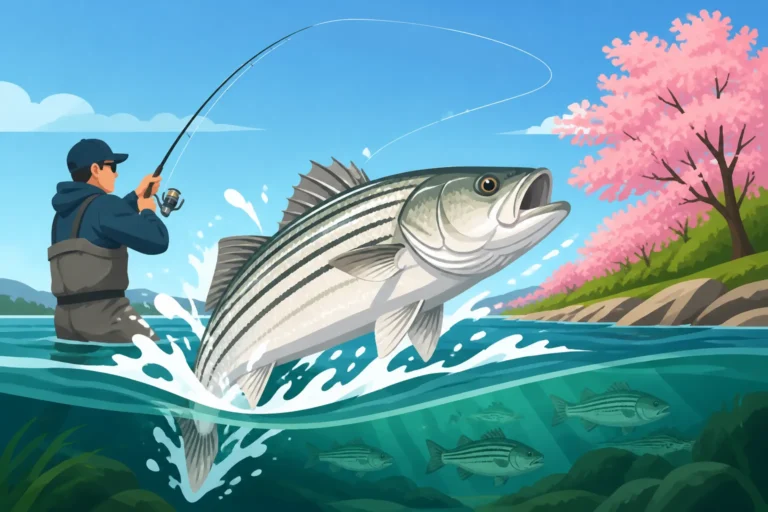
For saltwater anglers, spring means one thing above all else: the striped bass run. As winter loosens its grip, colossal schools of stripers migrate from their overwintering grounds, pushing north along the Atlantic coast and into estuaries like the Hudson River. This is arguably New York’s most anticipated saltwater event, with anglers flocking to productive areas like Long Island Sound, Montauk, and the Lower Hudson. These fish are hungry after their long journey and eager to feast on baitfish like herring and bunker.
The season often begins with smaller "schoolie" stripers, followed by larger migratory fish as the waters warm. Fishing techniques vary widely, from surfcasting with large plugs and soft plastics to boat fishing with live bait or trolling. Regulations regarding size limits and bag limits for striped bass are particularly important and can change year to year, reflecting regional conservation efforts. It's a truly exhilarating time to be a New York angler, chasing these powerful, iconic fish. If you're planning a trip to the Hudson, make sure you're up-to-date on New York Striped Bass Length Requirements.
Summer Fishing: Abundance and Warm Water Tactics
Summer in New York ushers in a period of abundant fishing opportunities, characterized by warmer water temperatures and a wider array of active species. While the intense spring runs may subside, the long days and stable weather create perfect conditions for targeting a multitude of fish across the state, from prolific panfish to elusive deep-water predators.
Peak Warmwater Species Action
When the heat of summer settles in, warmwater species truly come alive. Largemouth and smallmouth bass are in full swing, their official seasons open, and they are typically aggressive, feeding heavily in and around weed beds, submerged structures, and rocky points in lakes and rivers across the state. Using a variety of lures, from topwater frogs in lily pads to crankbaits and jigs, can be incredibly productive. This is also prime time for chasing powerful northern pike and elusive muskellunge, especially in large waterways like the St. Lawrence River and Chautauqua Lake. These toothy predators are at their most active, often requiring substantial gear and a strong will to land.
Beyond the major predators, summer is fantastic for panfish – bluegill, sunfish, and crappie are plentiful and eager to bite, making them perfect targets for family fishing trips or a relaxing afternoon on the water. They can be found schooling in shallower, vegetated areas and are readily caught on small hooks with bait like worms or tiny artificial jigs. Even channel catfish become more active in the warmer months, offering a powerful fight and excellent table fare in many of New York’s larger lakes and rivers. This season offers something for every angler, regardless of skill level or preferred target.
Deep Water Trout and Salmon Strategies
While many trout streams might close or become catch-and-release only due to warm water, summer still offers fantastic opportunities for coldwater species in New York's deeper lakes. Lake trout, often found in the glacial depths of the Finger Lakes like Seneca and Cayuga, or in the Adirondacks' larger lakes like Lake George, retreat to cooler, oxygenated water. Anglers often employ trolling techniques with downriggers to present spoons or stickbaits at specific depths where these fish reside. It's a different game than stream fishing, requiring specialized gear and a good understanding of sonar and thermoclines.
The Great Lakes, particularly Lake Ontario, are also teeming with Pacific salmon (Chinook and Coho) and steelhead in summer. These fish spend the warmer months offshore, feeding voraciously in preparation for their fall spawning runs. Charter boats often target them through extensive trolling operations, covering vast expanses of water with sophisticated gear. If you're serious about catching a trophy Chinook salmon in the summer, booking a reputable Lake Ontario charter out of ports like Oswego or Olcott is often the most effective way. These trips are an incredible experience, and the captains are often highly skilled at finding the active fish. Looking for tackle online? Amazon often has great deals on trolling gear for those deepwater pursuits.
Saltwater Species Dominance
Summer is absolutely peak season for saltwater anglers in New York. The inshore and nearshore waters are bustling with activity. Fluke (summer flounder) are a prime target, especially in areas like Shinnecock Bay and along the South Shore of Long Island. These delicious flatfish are often caught by drifting baits or bucktail jigs over sandy or muddy bottoms. Bluefish, known for their aggressive strikes and sharp teeth, are also present in large numbers, providing fast-paced action for anglers seeking a thrilling fight. They'll readily hit a variety of lures and baits, and their powerful runs are legendary.
Beyond fluke and bluefish, species like porgy (scup), black sea bass, and even some migrating tuna and mahi-mahi offshore can offer exciting opportunities. Bottom fishing for scup and sea bass is a popular and often highly productive summer activity, providing consistent action and great eating. The warmer waters bring a vibrancy to the marine fishery that is simply unmatched at other times of the year. Understanding the New York Recreational Marine Fishing Registry is paramount for these endeavors, ensuring you're compliant with all state requirements.
Fall Fishing: The Spectacle of Spawning Runs
As the crisp air of autumn descends upon New York, a transformation occurs in its waters. Fall fishing is often described as one of the most productive and visually stunning seasons, largely due to the dramatic spawning migrations of several key species. The vibrant foliage provides a breathtaking backdrop to some of the state's most iconic angling experiences.
Great Lakes Salmon and Steelhead Runs
Without a doubt, fall is synonymous with the Great Lakes salmon and steelhead runs in New York. Starting in late August and peaking through September and October, massive Chinook and Coho salmon leave the vast waters of Lake Ontario and Lake Erie to ascend their natal tributaries to spawn. Rivers like the Salmon River, Oswego River, and Genesee River become world-class destinations, drawing anglers from across the globe. These powerful fish, some weighing over 30 pounds, offer an incredible fight in shallow riverine environments.
Following the salmon, or sometimes concurrently, the first waves of steelhead (migratory rainbow trout) begin to enter the tributaries, drawn by the salmon eggs and the instinct to spawn later in the winter or early spring. This creates a multi-species bonanza. Anglers use a variety of techniques, from float fishing with egg sacs and beads to fly fishing with large streamers and nymphs. The How to Fish for Salmon in New York and How to Fish for Steelhead in New York guides are invaluable for anyone planning a trip during this incredible period. It's an intense, often crowded, but deeply rewarding experience.
Hudson River Striped Bass Migration
Just as the salmon are running up north, the mighty Hudson River experiences its second major striped bass migration of the year in the fall. After spending the summer feeding in various locations, stripers begin to move south, staging in the deeper holes and channels of the Hudson as they prepare to head back to the ocean for winter. This fall run, while sometimes less intense than the spring spawn, can still offer fantastic fishing for large, robust fish.
Anglers often target these migrating stripers with live bait like eels or bunker, or by throwing large swimbaits and plugs. The action can be hot, especially during tidal changes. The lower sections of the Hudson, particularly around areas like the Tappan Zee Bridge and south towards New York City, are prime hotspots. Much like the spring run, keeping an eye on the New York Striped Bass Length Requirements is crucial, as regulations are in place to manage this vital fishery.
Fall Trout Fishing Revival
While many may think of spring for trout, fall offers a fantastic, often overlooked, second wave of trout fishing. As water temperatures cool and stream flows stabilize after summer, wild and stocked trout become active again, feeding aggressively before winter sets in. Many larger brown trout, in particular, will become much more aggressive as they prepare for their own fall spawn. This can lead to some truly impressive catches, especially for fly anglers who enjoy the challenge of targeting these beautiful fish.
Some waters even have special fall catch-and-release seasons that extend into late autumn, allowing for continued enjoyment. The vibrant fall foliage, combined with fewer crowds than in spring, makes for a truly peaceful and picturesque angling experience. Whether you’re casting spinners in a smaller creek or drifting nymphs on a larger river, fall trout fishing can be incredibly rewarding. If you want to know more about the specifics, check out New York Catch-and-Release Trout Fishing Rules.
Winter Fishing: Embracing the Ice and Hard Water
For many New York anglers, winter doesn't mean hanging up the rods; it means trading them for augers, tip-ups, and ice jigs! Ice fishing is a cherished tradition in many parts of the state, offering a unique opportunity to access parts of lakes and ponds that are unreachable in open water. But even beyond the hard water, there are unique open-water opportunities to be found.
Safe Ice Fishing Practices and Timing
Safety is paramount when it comes to ice fishing. New York's diverse climate means ice conditions can vary dramatically from one body of water to another, and even within the same lake. Always consult local bait shops or the DEC for current ice conditions and never venture out alone without proper safety gear like ice picks, a spud bar, and flotation devices. A minimum of four inches of clear, solid ice is generally recommended for safe foot travel. Getting a good ice auger is essential, and you can find various models, including manual and powered ones, on Amazon that can make punching holes a breeze.
The timing of ice fishing varies significantly by region. Smaller, shallower lakes and ponds in the Adirondacks or higher elevations might freeze solid by early December, while larger, deeper bodies like the Finger Lakes or parts of Lake Erie might not offer safe ice until January or even later, and some never completely freeze over. The season typically lasts until late February or early March, when warming temperatures and increasing sunlight begin to degrade the ice, making it unsafe. For a comprehensive overview, refer to New York Ice Fishing Rules.
Popular Winter Target Species
Ice fishing opens up a whole new world of angling opportunities for several species that are otherwise harder to target effectively from shore in open water. Panfish like yellow perch, bluegill, and crappie are incredibly popular targets. They often congregate in large schools under the ice, making for fast-paced action. Small jigs tipped with bait like spikes or waxworms are often irresistible to them. You can find detailed tips on these techniques in How to Ice Fish for Walleye in New York.
Walleye are another highly sought-after species through the ice, especially in lakes like Oneida and Lake Erie. They can be caught jigging with spoons or blade baits, or by setting up tip-ups with live minnows. Northern pike are also a common target, often caught on larger tip-ups baited with substantial shiners or suckers. Even some trout species, particularly rainbow trout and brown trout, can be targeted through the ice in certain stocked lakes and ponds, offering a thrilling fight on light tackle. Always remember to check specific regulations for each body of water you intend to fish.
Open Water Winter Opportunities
While ice fishing dominates the winter narrative, there are still open water fishing opportunities, especially in larger rivers and lakes that don't fully freeze. The lower Hudson River, due to its tidal nature and proximity to the ocean, often remains open and can offer surprising catches of striped bass or even some holdover freshwater species in deeper, slower sections. Tributaries of the Great Lakes, such as the Salmon River, often continue to host steelhead and brown trout through much of the winter, as these hardy fish survive the cold by holding in deeper pools or continuing their slow migration.
Anglers targeting these open water winter fish need to be well-prepared for the elements, with warm clothing, proper safety gear, and a willingness to brave the cold. Fishing techniques often involve slowly presenting baits or lures to lethargic fish in deep, slow-moving water. While the action might not be as fast as in warmer months, the solitude and the chance at a trophy fish in the quiet winter landscape can be incredibly rewarding.
Navigating Specific Species Seasons and Limits
Understanding the general seasonal patterns is a great start, but to be a truly responsible and successful angler in New York, you need to delve into the specifics for each species. The DEC regulations are granular for a reason, designed to protect individual fish populations based on their unique biology and vulnerabilities.
Comprehensive Trout and Salmon Seasons
New York's trout and salmon seasons are among the most intricate. For most of the state's freshwater streams and rivers, the regular trout season for brook, brown, and rainbow trout typically opens on April 1st and runs through October 15th. However, there are numerous exceptions! Many waters have special regulations, including year-round catch-and-release seasons (often with specific gear restrictions like artificial lures only), or different opening/closing dates. For instance, some of the famous Catskills trout streams have complex regulations that vary even by stream section.
Lake trout and landlocked salmon in larger lakes like the Finger Lakes often have year-round seasons, but with specific size and bag limits. The Pacific salmon (Chinook, Coho) and steelhead in the Great Lakes and their tributaries also have specific season dates, largely dictated by their migratory runs in fall and spring. It's crucial to consult the DEC's specific tables for each water body, especially when targeting these species, as these seasons can even specify exact calendar days for opening and closing, and often have different rules for main lakes versus tributaries. Checking New York Statewide Trout Daily Limit Explained can save you from a lot of confusion.
Bass and Walleye Regulations at a Glance
Bass fishing is incredibly popular in New York, and the regulations reflect that. For both largemouth and smallmouth bass in most of the state, the regular open season typically begins on the third Saturday in June and runs through November 30th. Before this, there's often a catch-and-release only season, usually from December 1st until the opening of the regular season, allowing anglers to fish but requiring careful handling and immediate release. This helps protect the spawning bass in late spring.
Walleye seasons also have specific opening dates that can vary by water body. For many lakes and rivers, the season might open later in May or early June and extend through the winter. Some significant walleye fisheries, like Oneida Lake or Lake Erie, have distinct regulations regarding minimum size and daily creel limits that are tailored to those specific populations. Always cross-reference the DEC guide for the exact water you plan to fish to ensure compliance. You'll find details in New York Walleye Season and Limits.
Marine Species Open Seasons and Requirements
Saltwater species, while generally having longer open seasons than freshwater fish, still come with their own set of crucial regulations. Species like striped bass, fluke (summer flounder), bluefish, porgy (scup), and black sea bass all have specific open seasons, minimum size limits, and daily bag limits that can change annually based on stock assessments and regional management plans. These are often published in the DEC's Marine Fishing Regulations Guide.
For example, fluke season usually runs from May into September, but with strict size and bag limits. Striped bass regulations can be particularly dynamic, with slot limits (keeping fish only within a certain length range) and specific gear requirements, such as the mandatory use of circle hooks when bait fishing, designed to reduce mortality. Beyond seasons and limits, remember the mandatory New York Recreational Marine Fishing Registry for anyone 16 years or older fishing in marine waters. Being informed is the best way to enjoy the abundant opportunities the New York coast offers.
| Species | General Season Window (Most Regions) | Notes/Key Considerations |
|---|---|---|
| Brook Trout | April 1 – Oct 15 | Many streams/rivers; special regulations (catch-and-release, artificial lures only) common. High elevations may open earlier. |
| Brown Trout | April 1 – Oct 15 | Similar to Brook Trout. Fall provides aggressive feeding opportunities. Many waters have extended catch-and-release seasons. |
| Rainbow Trout | April 1 – Oct 15 | Similar to other trout. Great Lakes tributaries see significant spring steelhead runs (migratory rainbows). |
| Lake Trout | Year-Round (Many Lakes) | Found in deep, cold lakes. Specific size and bag limits apply. Can be targeted through ice. |
| Pacific Salmon | Fall Runs (Sept-Nov) | Chinook & Coho in Great Lakes tributaries. Specific dates for main lakes vs. tributaries. |
| Steelhead | Fall, Winter, Spring Runs | Great Lakes tributaries. Strong runs from late fall through spring. |
| Largemouth Bass | 3rd Sat. in June – Nov 30 | Catch-and-release season Dec 1 – 3rd Sat. in June (most waters). |
| Smallmouth Bass | 3rd Sat. in June – Nov 30 | Catch-and-release season Dec 1 – 3rd Sat. in June (most waters). |
| Walleye | May/June – Mar 15 (varies by water) | Seasons vary significantly by lake/river. Can be targeted through ice. Check specific regulations for waters like Oneida Lake or Lake Erie. |
| Northern Pike | May 1 – Mar 15 (most waters) | Year-round in some border waters (e.g., St. Lawrence River). Can be targeted through ice. |
| Muskellunge | 3rd Sat. in June – Nov 30 | Specific regulations for Great Lakes and St. Lawrence River (often year-round, larger minimum sizes). |
| Striped Bass | Spring & Fall Runs (tidal waters) | Marine waters and Hudson River. Specific slot limits, bag limits, and circle hook requirements. Check current year's regulations as they change frequently. |
| Fluke (Summer Flounder) | May – Sept (approx.) | Marine waters. Specific size limits and bag limits apply. Check current year's regulations. |
| Bluefish | May – Nov (approx.) | Marine waters. Active through warm months. Usually more lenient limits than Striped Bass. |
| Yellow Perch | Year-Round (most waters) | Excellent for ice fishing. Found in most freshwater lakes and ponds. |
| Crappie | Year-Round (most waters) | Great for ice fishing and spring/fall. Found in most freshwater lakes and ponds. |
Note: This table provides general season windows for most regions. Always consult the official New York State DEC Fishing Regulations Guide for the most accurate and up-to-date information for your specific fishing location and target species. Regulations can change annually and vary by water body.
Essential Resources for Staying Up-to-Date
Staying informed is perhaps the most critical component of responsible and successful fishing in New York. Regulations, especially for migratory and marine species, can be dynamic, changing year to year based on scientific assessments and conservation needs. As an angler, it's your responsibility to know the rules before you cast a line.
The DEC Freshwater Fishing Regulations Guide
The absolute first place you should always turn for freshwater fishing information is the official New York State DEC Freshwater Fishing Regulations Guide. This document is updated annually and is available both online on the DEC website and in physical booklet form at most bait shops, sporting goods stores, and DEC offices. It contains every detail you need: statewide regulations, special regulations for specific waters (and there are many!), season dates, size limits, and bag limits for all freshwater species.
Trying to rely on word-of-mouth or outdated information can quickly lead to misunderstandings, fines, and even jeopardizing fish populations. I cannot stress enough how important it is to have the current guide accessible, whether you print out the relevant pages, download the PDF to your phone, or grab a physical copy. It's the most authoritative source and your best friend when planning any freshwater fishing trip in New York.
The Recreational Marine Fishing Registry Handbook
If your fishing adventures take you to New York's vast saltwater environments—the Atlantic Ocean, Long Island Sound, the Great South Bay, or even the tidal portions of the Hudson River—then the New York Recreational Marine Fishing Registry is a non-negotiable requirement. While it's free, registration is mandatory for most anglers 16 years or older, even those fishing from shore, a dock, or a boat that isn't a licensed charter. This registry helps the state track marine fishing effort, which is vital for effective management of these shared resources.
Along with the registry, the DEC publishes a specific Marine Fishing Regulations Guide or handbook. This will outline all the current seasons, size limits, and bag limits for popular saltwater species like striped bass, fluke, bluefish, and black sea bass. These regulations are often subject to change based on federal and interstate management councils, so checking the most recent version before each saltwater outing is a must. You can easily sign up for the registry and access the guide online, ensuring you're always informed.
Local Bait Shops and Fishing Forums
While the official DEC guides are the ultimate authority, local bait and tackle shops and online fishing forums are invaluable real-time resources. The folks working at your local bait shop in places like Pulaski (for salmon) or Montauk (for stripers) are often avid anglers themselves and have their fingers on the pulse of what's biting, what techniques are working, and what the current conditions (water levels, clarity, ice thickness) are like. They can provide insights into specific hotspots, current bait preferences, and any unofficial "word on the street" about fish movements.
Online fishing forums and social media groups dedicated to New York fishing also offer a community of anglers sharing real-time reports, tips, and observations. While you should always verify any regulatory advice against the official DEC guides, these communities can provide incredible local context and up-to-the-minute information that helps you plan a more successful trip. Just be respectful, and remember that some "secret spots" are best kept that way!
Disclaimer
The information provided in this guide is for general informational purposes only and is subject to change. While we strive to offer accurate and up-to-date content, fishing regulations in New York are complex and can vary by specific water body, change seasonally, and be updated by the New York State Department of Environmental Conservation (DEC). It is the angler's sole responsibility to consult the most current official New York State DEC Fishing Regulations Guide and any relevant advisories before engaging in any fishing activity. Failure to do so may result in penalties. Always prioritize safety, especially when on or near water, and adhere to all local, state, and federal laws.