How to Fish New York Lakes During a Cold Front
There’s nothing quite like planning a fantastic day out on one of New York’s beautiful lakes, only to wake up to a sudden, biting cold front. It's truly disheartening when the weather takes an unexpected turn, seemingly shutting down the bite and leaving you wondering where all the fish went. But don't throw in the towel just yet! This comprehensive guide is here to unravel the mysteries of fishing New York lakes during a cold front, offering practical strategies to turn a potentially frustrating day into a successful one.
Understanding the Impact of a Cold Front on New York Lakes
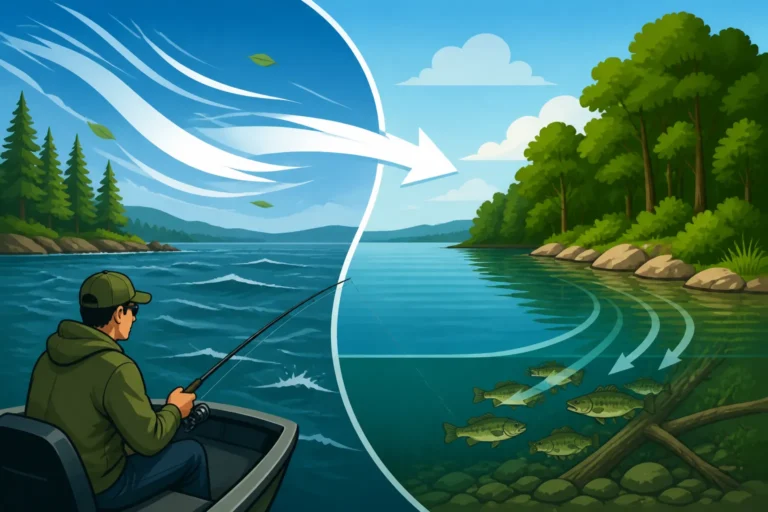
A cold front sweeping through New York can feel like a game-changer for anglers, and in many ways, it is. It's not just about the air getting colder; a whole cascade of environmental changes occurs, directly influencing how fish behave. Understanding these shifts is the first step toward cracking the code and continuing to catch fish, even when the conditions feel stacked against you.
The Sudden Drop in Water Temperature
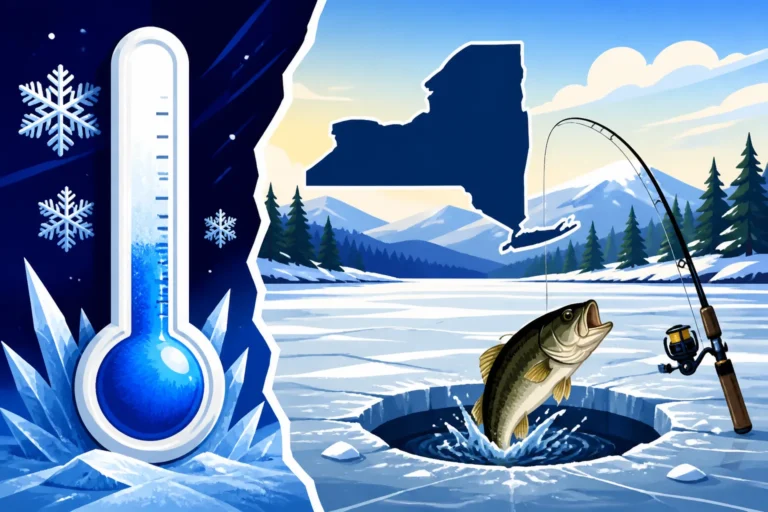
One of the most immediate and noticeable effects of a cold front is the drop in water temperature. While it might only be a few degrees, fish are ectothermic, meaning their body temperature mirrors that of their surroundings. A sudden chill can make them lethargic and less inclined to chase after fast-moving prey. Imagine waking up on a chilly morning, you probably don't feel like running a marathon, right? Fish are similar; their metabolism slows down, and with it, their activity levels. This temperature shock often sends them seeking more stable, often deeper, water where temperature fluctuations are less pronounced. They're looking for comfort, just like we would be. This is especially true in shallower lakes or bays where the water cools faster. You might have found fish in two feet of water yesterday, but after a cold front, they've likely moved out to five, ten, or even fifteen feet to escape the sudden chill.
Barometric Pressure Swings and Fish Behavior
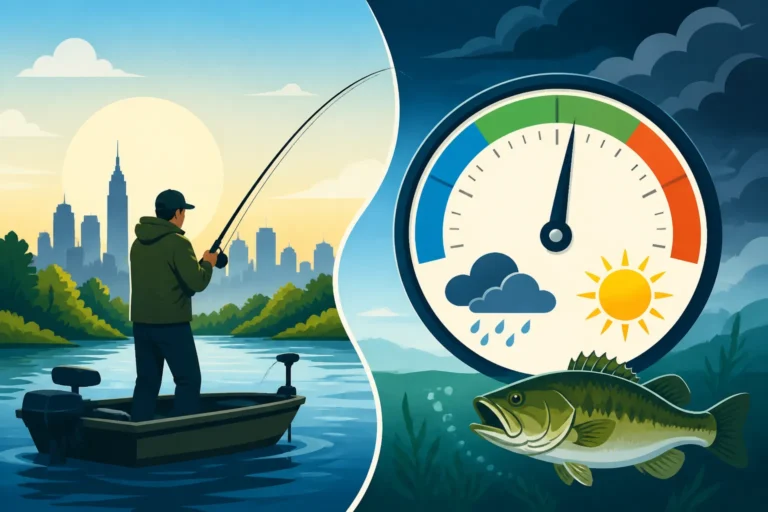
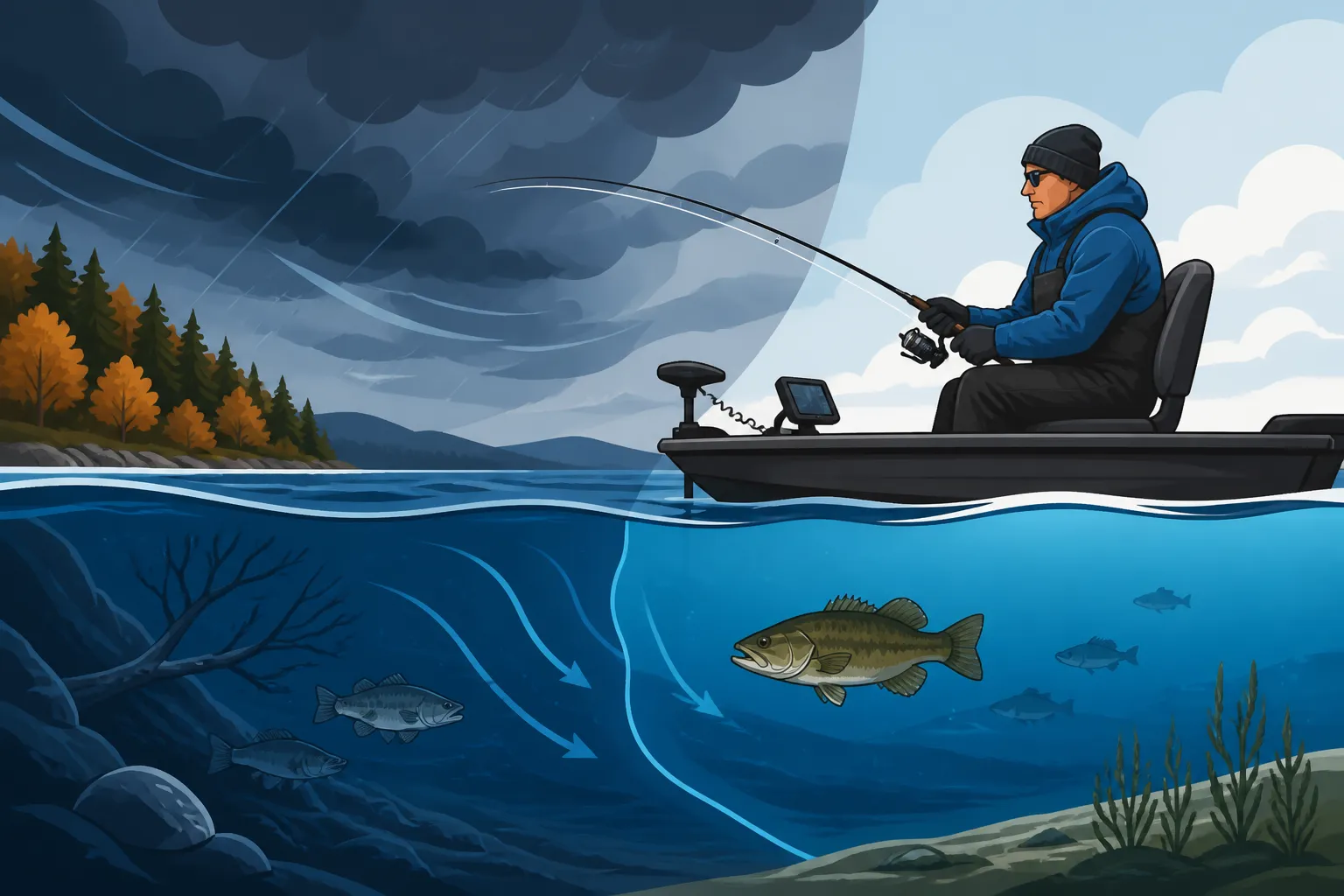
Beyond temperature, a cold front brings with it significant changes in barometric pressure, which often has an even more profound effect on fish. Before a cold front arrives, the barometric pressure typically drops, and fish often become more active, feeding aggressively. This is that pre-front "bite" we all love! However, once the front passes and high-pressure system moves in, the barometric pressure rises sharply. This increase in pressure can make fish feel uncomfortable, similar to how humans might experience sinus pressure or headaches. Fish, particularly those with swim bladders, are highly sensitive to these changes. The rising pressure tends to push them down, making them hug the bottom or seek out heavy cover where they might feel more protected. Their feeding instincts can diminish significantly, and they become much pickier, often requiring a subtle presentation. Understanding Best Barometric Pressure for Fishing can give you a crucial edge, as fish often behave differently depending on whether the pressure is rising, falling, or stable.
Strategies for Locating Fish During a Cold Front
The biggest challenge during a cold front isn't necessarily getting a fish to bite, but finding them in the first place. Their usual haunts might be completely barren. Fish become scattered, sometimes congregating in unexpected places as they seek stability and refuge. This is where your ability to adapt and think like a fish truly shines.
Targeting Deeper Water and Cover
As fish become less active and seek thermal stability, their first move is often to deeper water. In many New York lakes, this means moving off shallow flats and into the main lake basin, or finding the deepest pockets in coves and bays. For example, if you're fishing a relatively shallow lake like Oneida Lake, fish might move from 5-foot weed beds to the edges of 10-15 foot humps. But simply "going deep" isn't enough; you need to find cover within that deeper water. Think about submerged timber, rock piles, ledges, or even dense clumps of deep weeds. These structures provide fish with a sense of security and a place to ambush prey without expending too much energy.
For species like bass, they might tuck themselves deep into the thickest parts of brush piles or even underneath boat docks in deeper water. Walleye, already prone to deeper dwelling, might simply go a bit deeper or orient themselves even tighter to subtle contours and breaks on the lake bottom. Using your fish finder to identify these deep-water structures and any signs of baitfish congregating nearby is absolutely critical. You're not just looking for depth; you're looking for depth with a purpose – a place where a weary fish can feel safe and conserve energy. This often requires a more thorough exploration of the lake bottom, often slower than your usual pace, to pinpoint those prime hiding spots.
Focusing on Structure and Transition Areas
Fish, even when lethargic, still need to eat. They just don't want to travel far to do it. This makes structure and transition areas incredibly important during a cold front. A "transition area" is where one type of cover or depth meets another – perhaps a sand flat meeting a rock bottom, or a weed line ending at a drop-off. These are natural ambush points where fish can hide, wait for prey, and dart out with minimal effort.
Consider the edge of a deep weed line in a Finger Lake such as Cayuga. Prior to the cold front, bass might have been swimming freely within those weeds. After the front, they'll likely retreat to the very edge of the weed line, facing the open, deeper water, or even position themselves slightly under the canopy if it provides sufficient depth and shade. Similarly, a rocky point that drops into deeper water is a classic cold front spot. Fish will often position themselves on the deeper side of the point, particularly where currents might bring food to them. In larger bodies of water like Lake Erie, targeting specific underwater humps or sharp drop-offs where walleye can quickly move up and down the water column is key. These fish are conserving energy, so they're looking for places that offer both security and proximity to potential food sources. Learning How to Read a Fish Finder for New York Lakes will be an invaluable skill here, helping you discern subtle contours and hidden structure that fish will be using.
Adapting Your Presentation: Lures, Baits, and Techniques
Once you've managed to locate potential fish, the next hurdle is convincing them to bite. Their willingness to strike is significantly reduced, meaning your presentation needs to be impeccable. Forget your fast-paced, aggressive retrieves; a cold front demands finesse and patience.
Slowing Down Your Approach
This is perhaps the most crucial adjustment you can make. When fish are cold and stressed, they simply won't chase. A lure zipping past them quickly will likely be ignored. You need to present your bait or lure in a way that is easily accessible and requires minimal effort for the fish to capture. This means slowing down your retrieve to an almost agonizing crawl. Think about suspending baits that hover in the water column for extended periods, or bottom-bouncing presentations that barely move.
For bass, a slow, methodical drag of a jig or a Texas-rigged worm can be deadly. Let it sit for several seconds after each subtle movement. For walleye, vertical jigging a spoon or a small plastic right over their heads, with very subtle lifts and drops, can elicit a strike. Even live bait, like a shiner or a nightcrawler, needs to be presented on a light rig that allows it to drift naturally and slowly. This might feel painstakingly slow, but remember, the fish are lethargic. You are trying to coax a bite, not trigger a reaction strike. Sometimes, the fish will barely "tap" your line; it's less of a violent strike and more of a subtle "pressure" or "tick." Pay very close attention to your line for these faint indications.
Choosing the Right Lure Colors and Sizes
Cold fronts often bring clearer water, as particulate matter settles. In clearer water, natural and subtle colors tend to perform better. Think about shades of green, brown, black, and white. Chartreuse or bright orange, which might be great on a cloudy day, can be too aggressive and unnatural in post-front clear conditions. However, there's always an exception! Sometimes a tiny flash of reflective silver or gold on a jigging spoon can be just enough to grab a fish's attention without being overwhelming.
Beyond color, size matters immensely. Downsizing your lures is a common cold front tactic. Instead of a 4-inch swimbait, try a 3-inch or even 2-inch finesse bait. Small jigs, tiny soft plastics, and compact spoons are often more appealing to inactive fish. They represent an easy meal that doesn't require much effort. For instance, if you're targeting smallmouth bass on Lake Erie, a smaller tube jig in a natural crayfish color might outperform a larger, brighter crankbait. When looking for these smaller, finesse-oriented lures, I often browse on Amazon for a wider selection that might not always be available at my local bait shop. Think about how Best Lures for Northern Pike in Spring might inform your choices, even if you're not targeting pike directly, as a slow-moving, smaller profile might be universally appealing to inactive predators.
Gear Adjustments for Cold Front Fishing
You wouldn't use a sledgehammer to drive a thumbtack, right? Similarly, using the wrong gear during a cold front can make an already tough situation even harder. Adjusting your rod, reel, and line can significantly improve your sensitivity and presentation, leading to more hooked fish.
Line Selection and Sensitivity
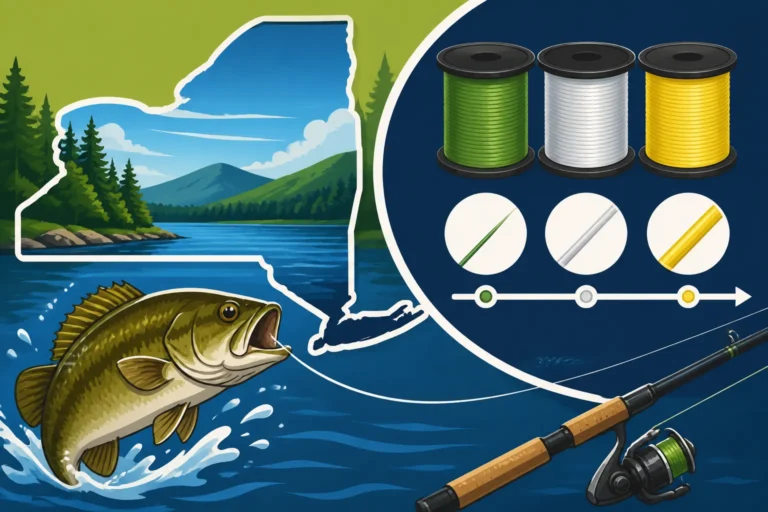
When fish are barely biting, every little "tick" or "pressure" on your line needs to be felt. This is where line sensitivity becomes paramount. Monofilament, while offering good knot strength and stretch, often lacks the sensitivity needed for cold front bites. Fluorocarbon line is an excellent choice for cold fronts. It has very little stretch, transmits subtle bites extremely well, and is nearly invisible underwater, which is a huge advantage in the clearer post-front conditions. Using a fluorocarbon leader on your main line (especially if you're using braided line) can give you the best of both worlds: the strength and casting distance of braid, with the sensitivity and stealth of fluorocarbon at the business end.
Think about dropping down in line diameter as well. If you typically fish with 10 lb test, try 6 lb or 8 lb. Lighter line allows for a more natural presentation of smaller baits and lures, and it reduces drag, allowing baits to sink slower and move more subtly. This is particularly crucial for finesse techniques like drop-shotting or wacky rigging. When every ounce of feel matters, your line is your direct connection to the fish, so investing in good quality, sensitive line is a no-brainer.
Rod and Reel Pairings for Finesse
Just like line, your rod and reel setup should be optimized for sensitivity and finesse. A fast-action spinning rod, typically 6'6" to 7'6" in length, with a medium-light to medium power, is ideal. The fast action means the rod bends mostly in the tip, allowing for excellent feel and the ability to detect those subtle bites. The lighter power rating ensures that the rod loads properly with lighter lures and protects lighter lines from breaking on aggressive hooksets.
Pair this with a smooth, lightweight spinning reel in the 1000 to 2500 size range. The smooth drag system of a quality spinning reel is vital for fighting fish on lighter lines, especially if you hook into a surprisingly large bass or walleye. A comfortable, ergonomic reel allows you to fish all day without fatigue, which is important when you're focusing intensely on subtle bites. Many anglers underestimate the importance of a balanced setup; a rod and reel that feel good in your hands reduce fatigue and increase your concentration, making it easier to feel those elusive cold front strikes.
Species-Specific Approaches in New York's Cold Fronts
While general principles apply, different fish species react to cold fronts in their own unique ways. Tailoring your approach to the specific fish you're targeting in New York's diverse lakes will significantly increase your odds of success.
Bass Largemouth & Smallmouth Strategies
When a cold front hits New York lakes, both largemouth and smallmouth bass tend to become notorious for shutting down. For largemouth, they'll often abandon shallow weed beds and seek refuge in the densest, deepest cover available. This could mean submerged brush piles, deep boat docks, or the deepest pockets of timber in a protected cove. Focus on these areas with slow, methodical presentations. A Texas-rigged worm or creature bait, slowly dragged or hopped along the bottom, can be effective. Consider a weighted wacky rig or a Neko rig for tempting finicky fish. How to Flip and Pitch for Bass in Heavy Cover remains a relevant technique, but the retrieve speed becomes incredibly slow, allowing the bait to sit in the strike zone for extended periods.
Smallmouth bass, often found in clearer, rockier waters like those in the Finger Lakes or Lake Erie, will retreat to deeper rock piles, ledges, and drop-offs. They might suspend just off the bottom or tuck tight to boulders. Drop-shotting a small finesse worm or a tube jig is a classic cold front smallmouth tactic. Present these baits vertically right over where you mark fish on your sonar, or cast them to the edges of deep structure and work them back with minimal movement. A small, subtle jigging spoon can also elicit strikes if fish are suspended. Remember, for both species, the key is patience and repetition in high-percentage areas.
Walleye and Panfish Tactics
Walleye, already preferring deeper, cooler waters, will often simply go deeper or tighten up to bottom structure even more during a cold front. In lakes like Oneida or Lake Erie, look for them on deep humps, along subtle break lines, or in channels. Vertical jigging is incredibly effective. Use small jigging spoons, blade baits, or a jig-and-minnow combination. The trick is to keep your presentation almost directly over the fish, with very small, controlled lifts and drops. Sometimes just holding the bait still with slight twitches is enough. How to Jig for Walleye becomes a masterclass in subtlety under these conditions.
For panfish like perch, crappie, and bluegill, which are popular targets in many New York lakes, they will also retreat to deeper, more stable environments. Crappie might suspend in brush piles or around deep docks, while perch and bluegill will often be found tighter to bottom structure or deep weed edges. Tiny jigs tipped with a grub, a piece of live bait like a waxworm, or small minnows under a float (set deep, of course) are excellent choices. During a cold front, a small minnow on a plain hook with a split shot, fished dead-slow, can often outperform artificials for finicky panfish.
Trout and Salmon Considerations
Trout and landlocked salmon, which thrive in colder water, might seem less affected, but a sudden temperature swing can still put them off their feed, especially in shallower areas. In streams and rivers, trout will often move to deeper pools, undercut banks, or slow-moving runs where they can find stable water and cover. Fly anglers will need to rely heavily on nymphing techniques, presenting small, natural-looking flies deep and slow along the bottom. For bait anglers, a weighted worm or powerbait fished slowly through deep holes can be effective. Consider How to Nymph Fish for Trout as a fundamental strategy for cold front conditions in moving water.
In New York's larger lakes with populations of lake trout, brown trout, or landlocked salmon, these fish might suspend at very specific depths. Trolling with downriggers or leadcore line to precisely target these depths with small spoons or stickbaits can work. The key is often finding the specific thermal layer they are holding in. In the Finger Lakes, for instance, this might mean finding lake trout suspended at 60-80 feet. Even for these cold-water species, a slower troll speed and more subtle lure action can make a difference compared to warmer, more active periods.
Safety and Comfort on the Water During Challenging Weather
Fishing during a cold front isn't just about catching fish; it's also about staying safe and comfortable. New York weather can be notoriously unpredictable, and a pleasant morning can quickly turn into a bone-chilling afternoon. Being prepared ensures you can focus on fishing without battling the elements.
Dressing for Success and Staying Warm
Staying warm and dry is absolutely paramount, especially when you're moving slowly or even sitting still for extended periods, waiting for that subtle bite. Layering is your best friend. Start with a moisture-wicking base layer (synthetics or wool, never cotton!), add an insulating mid-layer like fleece or down, and top it off with a waterproof and windproof outer shell. Even if it's not raining, the wind can cut right through you, rapidly dropping your body temperature.
Don't forget your extremities! A warm hat that covers your ears is critical, as a lot of body heat escapes through your head. Waterproof, insulated gloves or mittens are a must, as cold hands can quickly make rigging and tying knots unbearable. Good quality, insulated, waterproof boots will keep your feet warm and dry. Hand warmers and toe warmers, easily found on Amazon or at any sporting goods store, can provide crucial extra warmth on truly frigid days. Remember, if you're uncomfortable and shivering, your focus on fishing will diminish, and your ability to detect subtle bites will suffer.
Monitoring Weather and Water Conditions
Before you even leave the house, check the detailed weather forecast. Don't just look at the air temperature; pay attention to wind speed and direction, as well as the 'feels like' temperature, which accounts for wind chill. Wind can make fishing incredibly difficult, both in terms of boat control and casting accuracy, and it rapidly cools surface water. Keep an eye on the barometric pressure trend – is it rising, falling, or stable? As mentioned earlier, How Weather Affects Fishing in New York extends beyond just temperature.
Once on the water, continue to monitor conditions. Watch the sky for darkening clouds or changes in wind patterns. If you're on a larger lake like Lake Ontario or Lake Erie, conditions can change rapidly, and strong winds can whip up dangerous waves in a matter of minutes. Always let someone know your float plan, including where you're going and when you expect to return. Be aware of any special regulations for specific bodies of water; New York DEC Fishing Regulations Guide is an essential resource for checking local rules and safety advisories before you head out. A little extra caution and preparation can prevent a great day of fishing from turning into a dangerous situation.
Cold Front Fishing Strategies at a Glance
Here's a quick reference table summarizing key adjustments for fishing New York lakes during a cold front:
| Category | Typical Conditions (Pre-Front) | Cold Front Conditions (Post-Front) |
|---|---|---|
| Fish Location | Shallow flats, aggressive cover (e.g., weed tops) | Deeper water, tight to heavy cover, structure, transition areas |
| Fish Activity | Active, chasing, aggressive feeding | Lethargic, subtle feeding, easily spooked |
| Retrieve Speed | Moderate to fast, reaction bites | Extremely slow, pause-and-go, finesse, dead-sticking |
| Lure Size | Standard to larger profiles | Downsized, small jigs, finesse worms, tiny spoons |
| Lure Color | Brighter, flashier, contrasting | Natural, subtle (greens, browns, black, white), some reflective flash |
| Line Type | Versatile (mono, braid) | Fluorocarbon or fluorocarbon leader for sensitivity/stealth |
| Rod/Reel | Medium-heavy, faster action for power | Medium-light to medium power, fast action for sensitivity |
| Hooksets | Firm, aggressive | Subtle "pressure" or "tick," sweeping motion |
| Patience Level | Moderate | High – expect fewer bites, focus on quality presentation |
Final Thoughts on Tackling Cold Fronts
Tackling a cold front in New York lakes can feel like a formidable challenge, but it's also an incredible opportunity to hone your angling skills. It forces you to slow down, pay attention to the subtle nuances of fish behavior, and become a more versatile angler. While you might not experience the hot, fast-paced action of a perfect weather day, the satisfaction of coaxing a bite out of a finicky fish during tough conditions is immensely rewarding.
The next time a cold front rolls through and threatens to put a damper on your New York fishing plans, remember these strategies. Adapt your location, slow down your presentation, downsize your baits, and pay close attention to the details. With a little patience, preparation, and a willingness to adjust, you'll find that even the toughest cold front days can still lead to memorable catches on New York's beautiful waters.
Disclaimer
The information provided in this guide is for educational purposes only and is based on general angling principles and common knowledge. Fishing conditions, regulations, and fish behavior can vary significantly. Always consult the most current New York State Department of Environmental Conservation (DEC) regulations before fishing. Exercise caution and prioritize safety on the water.