Fish Species Found in Lake Erie
When you think about fishing in New York, the vast expanse of Lake Erie might conjure images of distant horizons, but for anglers, it's a treasure trove of diverse fish species. It can be overwhelming to know what to expect or what to target when you first gaze upon its waters. This guide aims to demystify the rich aquatic life thriving within Lake Erie, helping you understand the magnificent fish that call it home, from the highly sought-after game fish to the abundant panfish that make for a fantastic day on the water.
The Giants of Lake Erie: Walleye and Smallmouth Bass
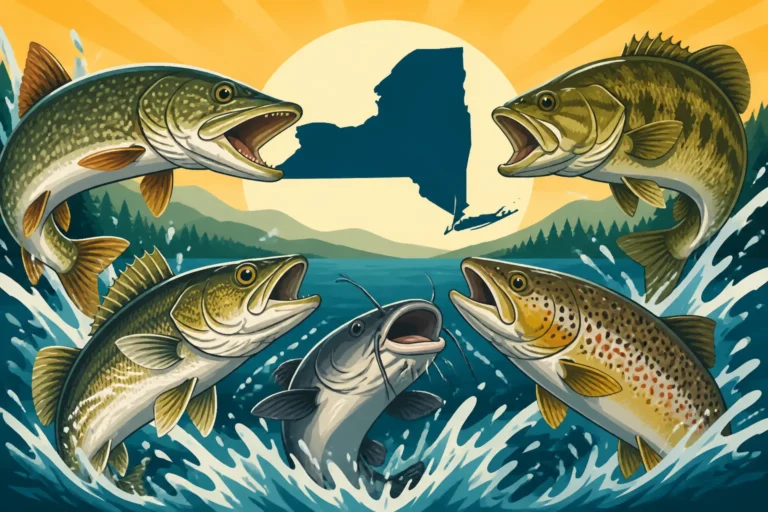
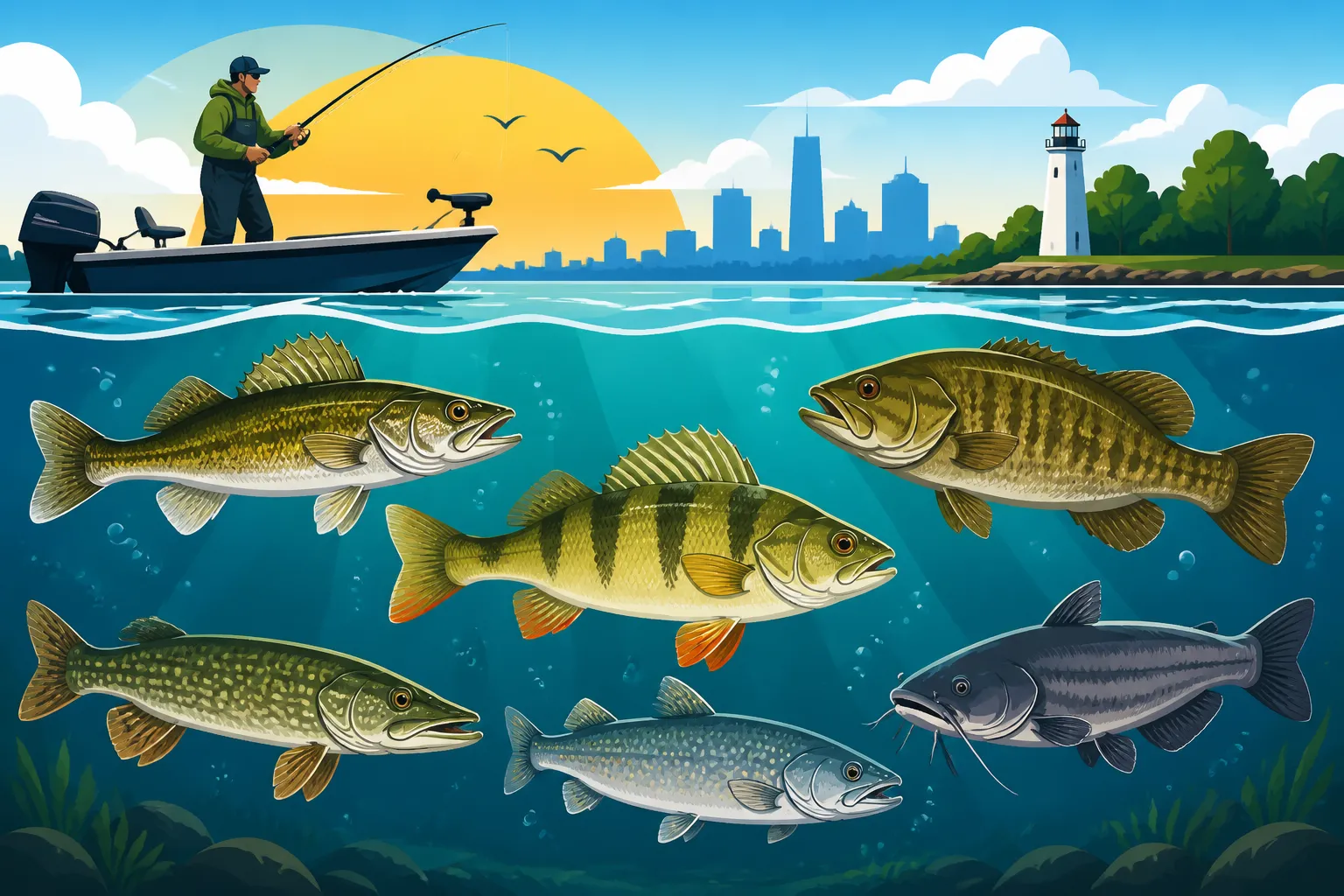
Lake Erie is renowned, almost legendary, for certain species that draw anglers from all over. These are the fish that often dominate tournament circuits and fill proud photo albums: the elusive walleye and the feisty smallmouth bass. Their presence defines much of the lake's fishing culture and provides incredible opportunities for both seasoned pros and enthusiastic beginners.
Walleye: The Prized Catch
If there's one fish that symbolizes Lake Erie, it's the walleye. These incredible creatures are often described as the "jewels of the lake" due to their striking appearance and, perhaps more importantly, their absolutely delicious white, flaky meat. Anglers spend countless hours honing their techniques, understanding the nuances of current, depth, and bait presentation, all in pursuit of a cooler full of these prized fish. It’s no wonder they are a consistent target for those fishing the deeper, cooler waters of Lake Erie.
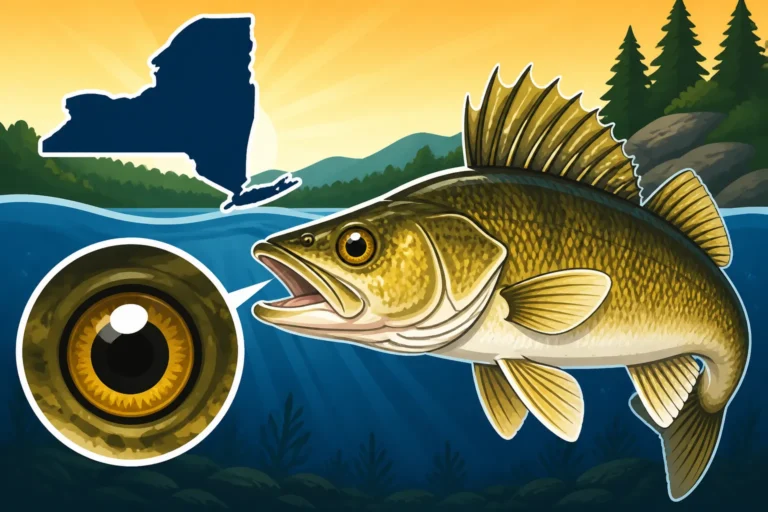
Walleye are true cool-water fish, preferring depths where temperatures remain stable, often hovering around 55-65 degrees Fahrenheit. In Lake Erie, this means they can be found across vast expanses, especially over gravel, rock, or sand bottoms. They are primarily nocturnal or crepuscular feeders, meaning they are most active during dawn, dusk, or under low light conditions, which is why you'll often see charters heading out early or staying late. Their large, light-sensitive eyes are perfectly adapted for low light, giving them an advantage over their prey. Understanding their light sensitivity is key to successful walleye fishing; cloud cover, choppy water, or deeper presentations can all extend their feeding window throughout the day. You can learn more about Walleye in New York to better understand their habits across the state.
When it comes to size, Lake Erie walleye can be quite impressive. While there's always the chance of catching a true trophy, most anglers are thrilled with fish in the 18-to-25-inch range. These are prime eating fish, providing ample fillets for a memorable meal. However, it's not uncommon to land walleye pushing 30 inches or more, real giants that offer a formidable fight. These larger fish are often older, wiser, and require a bit more finesse to fool. Their growth rates are heavily influenced by the abundant forage base in Lake Erie, particularly baitfish like emerald shiners and gizzard shad. Anglers often keep a close eye on the Average Walleye Size on New York's Lake Erie reports to gauge the health of the population and anticipate what kind of catches they might expect.
Smallmouth Bass: Pound-for-Pound Fighters
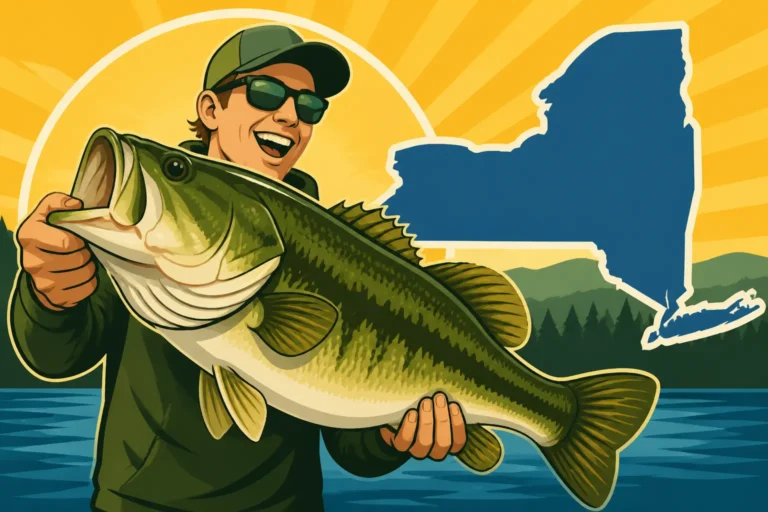
While walleye often steal the culinary spotlight, the smallmouth bass is undoubtedly the undisputed champion for sheer fighting prowess in Lake Erie. If you're looking for an adrenaline-pumping battle that tests your tackle and your technique, these bronze beauties are your target. They are known for their incredible acrobatics, often leaping clear of the water, shaking their heads violently in an attempt to dislodge the hook. Catching a trophy smallmouth often leaves anglers with sore arms and a lasting memory of an epic tussle.
Smallmouth bass thrive in the clear, rocky habitats that are abundant in Lake Erie, particularly along the eastern basin and around various points and islands. They prefer areas with hard bottoms, such as rock piles, gravel beds, and ledges, where they can ambush baitfish and crayfish. Unlike largemouth bass which often hide in dense vegetation, smallmouth are more open-water predators, using structure as their primary cover. This means targeting them often involves casting to submerged rocks, offshore reefs, or abrupt depth changes. They are extremely aggressive feeders, making them a blast to catch on a variety of lures, from crankbaits and jerkbaits to soft plastics and jigs. When the bite is on, it can be absolutely phenomenal.
Typical Lake Erie smallmouth range from 2 to 5 pounds, but fish pushing 6, 7, or even 8 pounds are caught every season, solidifying Lake Erie's reputation as a world-class smallmouth fishery. These larger bass are truly impressive, with their muscular bodies and unwavering determination. Their diet largely consists of crayfish, gobies (which, despite being invasive, have provided an abundant food source for bass), and various minnows. When fishing for them, matching the local forage is often a successful strategy. Many anglers passionate about this species dedicate entire trips to chasing these powerful fish, and a deep dive into Smallmouth Bass in New York can reveal even more specific tactics and locations. These fish offer a dynamic angling experience that's hard to beat.
Lake Erie's Coldwater Inhabitants: Trout and Salmon
Beyond the beloved walleye and smallmouth, Lake Erie also harbors a fantastic population of coldwater species. These fish require cooler temperatures and are often found in different areas or during specific times of the year, providing a unique challenge and reward for anglers willing to pursue them. The dynamic nature of their migratory patterns and deep-water haunts adds another layer of excitement to the Lake Erie fishing experience.
Steelhead (Rainbow Trout): The Acrobatic Angler's Dream
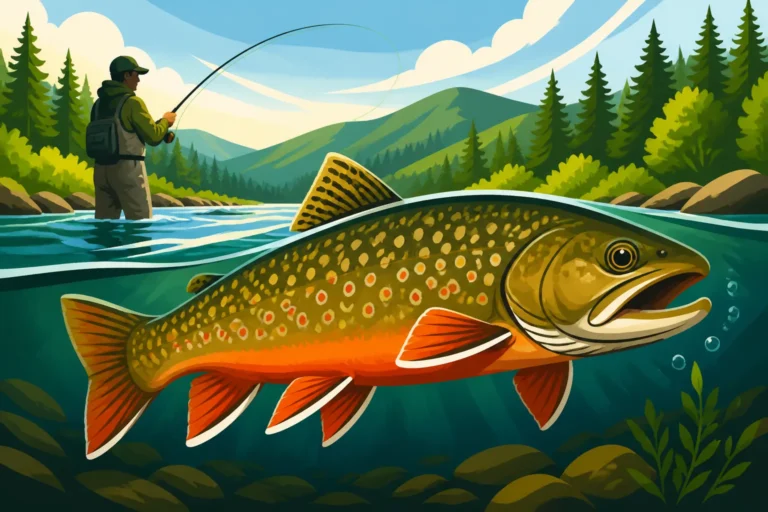
For many, the steelhead is the pinnacle of freshwater fishing in Lake Erie. These are essentially rainbow trout that have migrated from the tributaries into the vastness of the lake to feed and grow large, returning to the streams to spawn. They are renowned for their incredible strength, blistering runs, and spectacular aerial displays when hooked. Unlike their stream-dwelling counterparts, lake-run steelhead grow to impressive sizes, fueled by the abundant forage in Lake Erie, making them one of the most exciting fish an angler can target. The anticipation of a screaming reel and a leaping fish is what keeps many coming back season after season.
Steelhead spend the majority of their adult lives in the open waters of Lake Erie, foraging on baitfish like emerald shiners and smelt. They are migratory, meaning their presence in the tributaries is seasonal. Typically, the fall rains trigger their initial movements into the streams, followed by a strong winter fishery, and then the main spawning run occurs in the spring. Anglers target them both in the lake itself, often trolling with spoons or stickbaits, and in the tributary streams where they can be caught on egg imitations, nymphs, and small jigs. Understanding the timing of these runs is crucial, as is keeping an eye on water levels and temperatures in the rivers. You can explore Steelhead Trout in New York for a deeper understanding of these magnificent fish.
The size of Lake Erie steelhead can be truly remarkable. While 5 to 10-pound fish are common, many anglers land steelhead in the 12 to 15-pound range, and occasionally, true monsters exceeding 20 pounds are caught. These are fish that test the limits of your tackle and your patience. Their powerful tails and muscular bodies allow them to fight relentlessly, often making multiple runs and jumps before finally being brought to the net. Because of their migratory nature and diverse habitats, targeting steelhead offers a multi-faceted fishing challenge that changes with the seasons, from battling them in the swift currents of a river to chasing them in the expansive lake. You can get an idea of their impressive growth by looking at Steelhead Average Weight in New York's Lake Ontario Tributaries, which often mirrors similar patterns in Lake Erie.
Lake Trout: Deepwater Dynamos
While not as frequently targeted as walleye or steelhead, Lake Erie does hold a population of lake trout, especially in its deeper, eastern basin. These ancient, cold-water specialists are fascinating fish, adapted to life in the depths, and represent a unique angling opportunity. Catching a lake trout often feels like tapping into a different, more primitive side of the lake's ecosystem, a testament to their survival and resilience in the deepest, chilliest parts of the water column.
Lake trout are true denizens of the deep, preferring water temperatures below 50 degrees Fahrenheit. In Lake Erie, this means they are primarily found in the eastern basin where depths can exceed 200 feet. They are slow-growing and long-lived, and their diet consists mainly of other fish, including sculpins, smelt, and, historically, ciscoes. Targeting lake trout often requires specialized techniques like downrigging or deep-water jigging, precisely presenting lures or bait at specific depths. It's a method that relies heavily on electronics to locate structure and fish, and patience is definitely a virtue when pursuing these deepwater residents.
While not as abundant as in some other Great Lakes, Lake Erie lake trout can still reach impressive sizes. Fish in the 10 to 20-pound range are certainly possible, with larger specimens occasionally making an appearance. Their torpedo-shaped bodies and powerful tails enable them to put up a strong, dogged fight, often staying deep and pulling hard rather than making acrobatic jumps. For those who enjoy the challenge of deep-water angling and appreciate the history of these majestic fish, targeting lake trout in Lake Erie can be a truly rewarding experience. Learning about Lake Trout in New York can provide even more context on these fascinating fish and their distribution throughout the state.
The Panfish and Other Interesting Species of Lake Erie
Lake Erie isn't just about the big game fish; it also offers a fantastic array of panfish and other species that provide endless fun, especially for families and those looking for consistent action. These fish might not always make the headlines, but they are incredibly important to the lake's ecosystem and offer some of the most accessible and enjoyable fishing opportunities available. Plus, many of them are absolutely delicious!
Yellow Perch: The Delicious Staple
Ah, the yellow perch! If there's a fish that embodies the simple joy of fishing on Lake Erie, it's this striped beauty. Yellow perch are perhaps the most popular table fare coming out of the lake, known for their sweet, delicate fillets. They are highly sought after by recreational anglers, and for good reason: they are abundant, relatively easy to catch, and provide a fantastic meal. The mere mention of a "perch fry" is enough to get many local anglers excited.
Yellow perch are schooling fish, meaning where you find one, you're likely to find many more. They prefer areas with aquatic vegetation, drop-offs, and structure in shallower to moderate depths, but can also be found in deeper water depending on the season and forage availability. They feed on a variety of small invertebrates, insects, and baitfish. Anglers typically target them using light tackle, small jigs, minnows, or worms. The beauty of perch fishing is its accessibility; you don't need highly specialized gear or techniques to have a successful day. Many anglers find a lot of success just by staying mobile and searching for those productive schools, which can move quite a bit. Knowing the Average Yellow Perch Size on New York's Lake Erie can help you determine if you're hitting the right schools.
Catching yellow perch is a classic Lake Erie experience. Imagine spending a sunny afternoon on the lake, feeling those distinctive taps on your line as a school moves through, and reeling in one after another. They might not be trophy-sized, but a cooler full of perch means plenty of delicious meals. For many, it's a nostalgic experience, bringing back memories of fishing with family. Their consistent action makes them perfect for introducing kids to fishing, and they provide a truly satisfying harvest for the dinner table. It's truly a quintessential Lake Erie fishing adventure.
Crappie, Bluegill, and Other Forage Fish
Beyond perch, Lake Erie's shallower, warmer bays and protected areas are teeming with other panfish like crappie and bluegill, along with various sunfish. These species are often overlooked by anglers focused on bigger game, but they offer incredible action, especially for those seeking a more relaxed, high-numbers fishing experience. They are also incredibly important as a forage base for the larger predatory fish in the lake.
Crappie, both black and white, are a delight to catch. They are known for their paper-thin mouths, which require a delicate touch, but their schooling behavior means once you locate them, you can often catch quite a few. They love brush piles, submerged timber, and weed edges, especially in clearer waters. Bluegill and other sunfish, on the other hand, are the epitome of accessible fishing. They're found almost everywhere there's a bit of weed cover or structure in shallower water, eagerly biting on small worms, crickets, or tiny artificial baits. They are fantastic for kids and beginners, offering constant entertainment. Discovering Crappie in New York and Bluegill and Sunfish in New York will give you a better understanding of where to find these prolific panfish throughout the state.
While these fish might not challenge your heavy-duty rod and reel, they certainly challenge your finesse skills. Using ultralight tackle makes catching even a modest bluegill a thrill. Plus, a fresh meal of pan-fried crappie or bluegill fillets is a culinary delight, every bit as tasty as their larger counterparts. These species also play a critical role in the Lake Erie ecosystem, serving as a vital food source for walleye, bass, and pike. It's a complex web of life out there, and every species, no matter how small, has its part to play. It’s also worth noting the presence of species like the Round Goby, an invasive species, which has become a significant forage fish for bass and walleye, albeit with its own ecological concerns. You might be interested in Are Round Gobies a Problem in Lake Ontario? for a parallel perspective on their impact.
Lesser-Known but Still Notable Catches
Lake Erie's diversity extends beyond the main attractions, with several other species frequently encountered by anglers, sometimes unexpectedly. These fish add to the rich tapestry of the lake's ecosystem and can provide exciting surprises, especially for those venturing into different areas or trying new techniques. From the powerful northern pike to the resilient channel catfish, there's always a chance to hook into something different.
Northern Pike are aggressive predators that thrive in the weedy bays and shallower sections of Lake Erie. Known for their elongated bodies, razor-sharp teeth, and explosive strikes, pike provide a thrilling fight. While not typically as large as their counterparts in more northern waters, Lake Erie pike can still reach respectable sizes, offering a great challenge on medium-heavy tackle. They readily strike a variety of lures, including spoons, spinnerbaits, and large jerkbaits. Many anglers targeting bass or walleye are often surprised by the sudden appearance of a pike, adding a memorable twist to their day. Learning about Northern Pike in New York can help you understand their habits and preferred habitats.
Channel Catfish are another species that thrives in Lake Erie, particularly in its warmer, murkier sections and tributary mouths. These whiskered bottom-dwellers are known for their strong pull and excellent table fare. Catfish can grow quite large in Lake Erie, providing a powerful fight, especially when targeted with bait such as cut bait, worms, or prepared stink baits. They are often active during low light conditions or at night, offering a unique after-dark fishing experience. While perhaps not as glamorous as a walleye, a big channel cat can put up a truly impressive battle. You might want to read more about Channel Catfish in New York if you're considering targeting these strong fighters.
Additionally, Lake Erie hosts species like white bass, carp, and even occasional encounters with freshwater drum (sheepshead). White bass are schooling fish that often feed aggressively on the surface, creating exciting "boils" where they chase baitfish. Carp, while often overlooked, are incredibly powerful fighters and are popular among bow fishermen and those who enjoy a true test of strength on heavy tackle. Freshwater drum, though not typically targeted for food, are surprisingly strong fighters and a common catch in many parts of the lake. This incredible diversity ensures that no two fishing trips to Lake Erie are ever quite the same.
Understanding the Ecosystem: Conservation and Regulations
As anglers, we have a responsibility to not only enjoy the incredible fishing opportunities Lake Erie provides but also to protect and preserve its valuable resources for future generations. Understanding the delicate balance of the ecosystem and adhering to regulations is paramount. The health of the lake's fish populations is a direct reflection of our collective stewardship.
The Importance of Regulations
Fishing regulations aren't arbitrary rules designed to make your life difficult; they are carefully crafted guidelines based on scientific data to ensure the sustainability of fish populations. For Lake Erie, this means specific rules for different species regarding minimum size limits, daily creel limits (how many fish you can keep), and season dates. These regulations are in place to prevent overfishing, protect spawning populations, and allow fish to grow to a healthy size before being harvested. Ignoring these rules not only risks penalties but also directly harms the future of the fishery we all love.
For example, strict limits on walleye and smallmouth bass sizes and numbers help maintain healthy breeding populations, ensuring there are always new generations of fish. Steelhead regulations often include specific rules for tributary fishing, recognizing the vulnerability of these fish during their spawning runs. You'll find that these rules can vary slightly depending on the specific body of water, even within Lake Erie. It’s crucial to consult the official New York State Department of Environmental Conservation (DEC) fishing regulations guide before every trip. This guide is your bible for understanding what you can and cannot do. A good starting point to grasp the broader rules is New York Fishing Regulations Explained and New York Freshwater Fishing Rules. Always double-check any specific rules for the exact area you plan to fish, as certain sections of the lake or its tributaries might have unique regulations.
Habitat and Water Quality
The abundance and health of the fish species in Lake Erie are inextricably linked to the quality of its habitat and water. Decades of conservation efforts, including strict pollution controls and habitat restoration projects, have contributed significantly to the remarkable rebound of Lake Erie's fishery. Healthy aquatic environments provide the necessary spawning grounds, nursery areas, and food sources for all the species we cherish. It’s a continuous effort that requires vigilance and participation from everyone.
Anglers can play a vital role in conservation by practicing responsible angling techniques. This includes properly handling fish, especially those intended for catch-and-release, minimizing disturbance to sensitive habitats, and properly disposing of all trash and fishing line. Using barbless hooks for catch-and-release can significantly improve a fish's chances of survival. Understanding how your actions impact the environment, even seemingly small ones, contributes to the overall health of the lake. Resources like local fishing clubs, conservation organizations, and even online retailers like Amazon, which offers various educational books and guides, can help anglers stay informed and equipped with eco-friendly gear. Every small step helps in maintaining this incredible natural resource.
| Species | Primary Habitat (Lake Erie) | Average Size Range | Common Diet | Fun Fact |
|---|---|---|---|---|
| Walleye | Deeper, cooler water; rock/sand bottoms | 18-25 inches | Baitfish (shiners, shad), crayfish | Eyes adapted for low light, making them nocturnal predators. |
| Smallmouth Bass | Clear, rocky areas; submerged structures | 2-5 pounds | Crayfish, gobies, minnows | Known for their aggressive fight and acrobatic jumps. |
| Steelhead (Rainbow Trout) | Open lake; migrates to tributaries for spawning | 5-15 pounds | Smelt, shiners, invertebrates | Lake-dwelling rainbow trout that undertake impressive spawning runs. |
| Lake Trout | Deep, cold eastern basin | 10-20 pounds | Smelt, sculpins, ciscoes | Long-lived, slow-growing fish of the deep. |
| Yellow Perch | Weedy bays, drop-offs, moderate depths | 8-12 inches | Invertebrates, minnows, insects | Popular table fare, often found in large schools. |
Disclaimer
This article is for general informational purposes only and does not constitute professional advice. Laws, prices and regulations vary by location and change over time. Consult a qualified professional for guidance on your specific situation.